
Last updated: Apr 19, 2026
Atlantic hurricane season disruptions linger from June through November, even though it's inland, because wind and rain bands from Gulf storms still drive roof failures and emergency tarping demand. When thunder rolls or a fast-moving storm tracks through East Baton Rouge Parish, a minor leak can become a ceiling-down emergency in hours. If a storm head's your way, keep a stitch-by-stitch plan: locate the likely impact zones (overhangs, valleys, and skylight areas), clear loose debris from gutters, and have a tarp kit and heavy-duty plastic ready. The goal is to seal the most vulnerable points before the next squall, because Louisiana weather isn't forgiving once a roof is compromised.
Heavy summer thunderstorms can turn small flashing or shingle failures into active interior leaks quickly because roofs stay wet in the city's humid conditions. Start with a rapid inspection only if it's safe to do so: look for missing shingles, lifted edges, exposed flashing around chimneys or vents, and standing water in the attic after a rain. If you detect active leaks, set up emergency tarping immediately-water intrusion doesn't wait for daylight. Secure tarps with roofing nails or screws and cover the most critical zones first: living spaces, bedrooms, and any rooms with visible wet spots. Document damage with photos from multiple angles, including close-ups of flashing and penetrations. This documentation will matter when the claim process starts, especially during storm-season chaos when insurers are fielding a surge of weather-related repairs.
Local contractor signals show storm damage, insurance claims, and emergency repair as the most prevalent specialties in this market, indicating that post-storm response is a primary homeowner need. Assemble a go-to list before a storm arrives: a licensed roofing company with storm-damage experience, a tarping specialist, and a public-adjuster or claims-savvy contractor if you expect an insurance-heavy path. Reach out to insurers early if you have a suspected hail or wind event; many adjusters are fielding urgent requests as the rain presses on. Have your photos and a simple damage timeline ready: when the first leaks appeared, what areas were affected, and what temporary fixes were already applied. This readiness can shorten claim cycles and cut downtime for living spaces.
In this climate, a fast leak response protects more than the roof-it protects insulation, ceilings, and valuables. Prioritize sealing and drying work in areas with electrical fixtures, HVAC intakes, and ceilings containing soft finishes like plaster or sheetrock. If you must stay in a damaged space, place plastic sheeting over furniture and put buckets under active drips. Remember that repeated wetting can accelerate mold growth, so after the storm passes, a professional evaluation should reassess attic ventilation, insulation moisture, and any hidden damage that isn't obvious from the ceiling.
Transparent, organized communication with your contractor and insurer speeds the transition from emergency repair to permanent roof recovery. Keep a dated log of all weather events, damage observations, tarp installations, and temporary fixes. Save all receipts and correspondences, and photograph any changes after repairs start. In a market where storm damage and insurance-driven replacements dominate, having a clear narrative and complete records helps ensure faster approvals and a smoother restoration path, reducing the chances of postponed work as the next front approaches.
Louisiana's high wind-loss environment has led to elevated roofing claim activity and stricter documentation expectations, which directly affects homeowners after storms. In this parish, roofs contend with rapid rain bursts, sustained humidity, and the threat of hurricane-season gusts that can strip shingles, lift flashing, or push water into vulnerable seams. The consequence is not just a damaged roof deck, but a claim process that moves faster and demands more precision than in milder climates. The reality is that insurers scrutinize storm-related damage for signs that a roof has failed beyond normal wear and tear, and the faster a claim is filed with solid proof, the smoother the path to a fair settlement.
In this market, claim timing matters as much as the damage itself. Insurance availability has tightened in storm-exposed areas, and the window to demonstrate damage before interior leaks arrive can close quickly. If a storm leaves ripple effects across the attic or ceilings, the clock starts ticking on documentation needs and the insurer's assessment timeline. Proactive steps help: take action as soon as the roof shows indicators of recent impact or wind uplift, and prioritize getting an independent inspection while the memory of the storm is fresh. Delayed reporting can complicate the line between repair and full replacement, especially when insurers question the extent of pre-existing wear versus storm-induced harm. The tone from adjusters often hinges on how clearly the loss path is described and supported by credible records.
Photo records, dated leak logs, and contractor inspection findings are especially important in this market because post-loss roof claims are scrutinized more heavily than in lower-risk regions. Start with a chronological photo trail showing condition immediately after the storm, then capture any progression of leaks or staining over days and weeks. Keep a meticulous leak log: note the date, time, rainfall intensity, room affected, and any temporary measures taken to mitigate damage. Have a reputable contractor perform a detailed inspection, documenting roof sheathing condition, flashing integrity, and the status of underlayment. Written estimates that clearly separate repair from replacement, and that align with the documented damage, can help when the claim reaches the appraisal or engineering stage. Do not rely on memory or scattered notes; organize everything in a single, logically dated folder that can be presented to the adjuster. In this climate, a well-assembled packet not only speeds the process but also strengthens the position when insurers evaluate whether a repair suffices or a full replacement is warranted after an event.
If the storm has just passed, prioritize temporary weatherproofing to limit further damage while arranging a professional assessment. Preserve the original contractor's notes and any correspondences, and be prepared to provide contractor contact information, license numbers if applicable, and the dates of service. Communicate clearly with the insurer about what measures were taken to protect the home, and ensure that the documentation mirrors the sequence of events from storm occurrence to post-storm condition. The overarching theme is accountability: the more transparent and thorough the record, the more the claim stands up under tighter underwriting standards and elevated scrutiny in this market.
Connect with contractors who help homeowners navigate the claims process from damage assessment to final approval.
Roof Gecko
(225) 325-2063 callroofgecko.com
660 N Foster Dr, Baton Rouge, Louisiana
5.0 from 458 reviews
Lifetime Roofing
(225) 515-8532 www.lifetimeroofingla.com
4511 Jamestown Ave, Baton Rouge, Louisiana
5.0 from 255 reviews

Empire Roofing & Exteriors
(225) 347-8877 empireroofllc.com
14423 Old Hammond Hwy Suite A, Baton Rouge, Louisiana
4.9 from 173 reviews
Roof Gecko
(225) 325-2063 callroofgecko.com
660 N Foster Dr, Baton Rouge, Louisiana
5.0 from 458 reviews
At Roof Gecko, we specialize in providing superior quality and convenient roofing solutions that stick! 🦎 Whether it’s storm damage repairs or a full roof replacement, our experienced team delivers top-notch service backed by certified crews and a commitment to excellence. Serving homeowners in the Baton Rouge area, we’re here to protect your home with care and precision. Reach out today to experience the Roof Gecko difference! 🏠✨
Lifetime Roofing
(225) 515-8532 www.lifetimeroofingla.com
4511 Jamestown Ave, Baton Rouge, Louisiana
5.0 from 255 reviews
Lifetime Roofing is a locally owned and operated roofing contractor based in Baton Rouge, serving homeowners and businesses throughout Louisiana—including New Orleans and Lafayette. We specialize in residential and commercial roof replacement and repairs. We offer complimentary roof inspections and estimates, as well as financing options to make the process as stress-free as possible. Lifetime Roofing holds an A+ rating with the BBB and is proud to be an Atlas Pro+ Diamond Level Installer and a CertainTeed Select ShingleMaster—ensuring top-tier materials and craftsmanship on every project. With a strong commitment to customer service, quality, and integrity, we do the job right the first time and stand behind our work—for a Lifetime!

Empire Roofing & Exteriors
(225) 347-8877 empireroofllc.com
14423 Old Hammond Hwy Suite A, Baton Rouge, Louisiana
4.9 from 173 reviews
At Empire Roofing & Exteriors, you can trust our roofing experts to provide the best solutions for your roofing needs. We use the latest technology and top-notch equipment to ensure the job is done right. Our team offers a wide range of roofing services to maintain the best condition of your roof. Whether it's a repair or replacement, we have you covered for residential, industrial, office, retail, and institutional properties. At Empire Roofing & Exteriors, we believe in delivering quality work every time and maintaining the highest standards in the industry. Choose Empire Roofing & Exteriors for a roofing experience built on expertise and integrity.
Haywood Roofing
(225) 461-8533 www.haywoodroofing.com
9800 Airline Hwy STE, 221, Baton Rouge, Louisiana
5.0 from 80 reviews
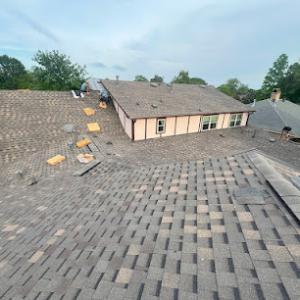
For over 15 years, we at Haywood Roofing Contractor have been the trusted choice for roof repair, roof installation, and roof replacement in Baton Rouge. Serving both residential and commercial property owners, our skilled team delivers top-notch craftsmanship using only high-quality materials to ensure long-lasting and reliable results. Whether you’re dealing with leaks, storm damage, or need a complete roof upgrade, we provide tailored solutions to meet your needs. From classic shingle roofs to durable metal structures, we handle every project with care and precision, turning your vision into reality while prioritizing your satisfaction
Reliable Roofing & Construction
(225) 445-1220 www.reliableroofingbr.com
9857 Great Smokey Ave, Baton Rouge, Louisiana
4.9 from 133 reviews
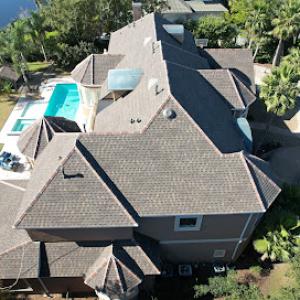
Reliable Roofing and Construction of Baton Rouge, LA is committed to doing the best job for Roofing customers. We have our 5-Year Labor Warranty Guarantee, to ensure that our customers receive the best treatment for their roof, period. With over 30 years of roofing and construction experience, we began with the premise that we could take care of our customers better than the competition. Contact us now and find out why we are the top-rated roof company in Baton Rouge.
Parish Construction & Roofing
(225) 364-1007 parishbuilt.com
17830 Lavo Ln, Baton Rouge, Louisiana
4.9 from 128 reviews
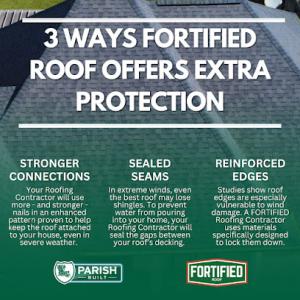
Dreaming of a more beautiful and secure Louisiana home? Parish Construction & Roofing brings expertise in roofing, construction, waterproofing, and interior projects to transform your vision into reality. Since April 2024, we've been dedicated to providing exceptional craftsmanship and reliable service throughout the state. Let us build the foundation for your peace of mind and create spaces you'll love for years to come.
Highland Homes Construction & Roofing
(225) 254-2910 www.highlandhomela.com
12232 Industriplex Blvd #25, Baton Rouge, Louisiana
5.0 from 57 reviews
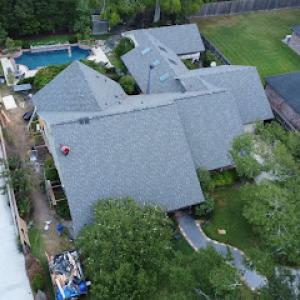
Highland Homes Construction is your trusted roofing contractor serving Baton Rouge, LA, and its surrounding areas. With expertise in roofing, disaster relief, siding, painting, concrete work, additions, and new construction, we are your one-stop solution for all your exterior construction needs. Our skilled team is committed to delivering top-quality craftsmanship and exceptional customer service. Whether you need a roof repaired, a home addition, or a complete new construction project, Highland Homes Construction is here to ensure your project is completed with excellence and care.
Pelican Roofing Company
(225) 228-2865 pelicanroof.com
8126 One Calais Ave Ste 2C & 2D, Baton Rouge, Louisiana
4.9 from 148 reviews
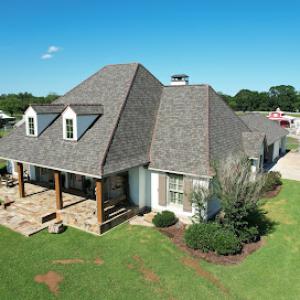
At Pelican Roofing, we pride ourselves on the reputation we’ve built as a dependable roofing company that our customers know they can trust—and we want to continue building that reputation. We believe our success is measured by our superior workmanship and our relationships with our customers and employees. Our friendly and courteous staff are dedicated to providing customer-focused service, competitive pricing and roofing expertise on every project. Fully licensed and insured, Pelican Roofing holds ourselves to the highest standards of integrity, safety and professionalism by hiring only qualified and experienced roofing specialists. From small leaks to big problems, Pelican Roofing is committed to exceeding our customers’ expectations.
Mid City Roofing
(225) 217-0919 www.midcityroofing.com
434 S Acadian Thruway, Baton Rouge, Louisiana
4.9 from 129 reviews
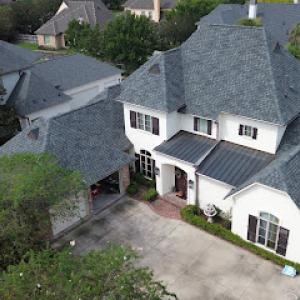
Baton Rouge Roofing Contractors ready to help you with your roofing needs. If you're in the market for a shingle roof, metal roof, repair or gutters give us a call for a free estimate. We have two office locations in the East Baton Rouge area. One in the heart of Baton Rouge's Mid City and the other in Livingston Parish off North Range Avenue. As a family owned business, we know how important it is to protect the ones you love. It is our goal to protect the home your have created with your family for years to come.
V & V Roofing & Sheet Metal
(225) 753-6736 vandvroofing.com
9260 Amber Dr, Baton Rouge, Louisiana
4.9 from 78 reviews
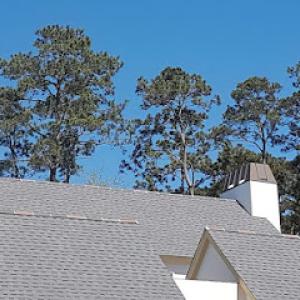
For over 15 years, V & V Roofing has been providing high-quality roofs to customers in South Louisiana, from Baton Rouge to Mandeville to Slidell, specializing in custom details like flashing, awnings, chimney caps, finials, and louvers.
Ralph's Roofing & Restoration
(225) 610-4116 www.ralphsroofing.com
15928 Tiger Bend Rd, Baton Rouge, Louisiana
5.0 from 37 reviews
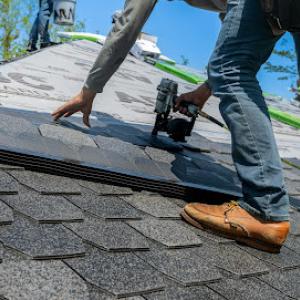
Ralph's Roofing and Restoration is a Baton Rouge owned and operated roofing contractor with over 15 years of experience. We're family run and proud of the work we do, refusing to cut corners and only using the highest quality materials while staying affordable. Whether you need a roof repair, roof replacement, storm restoration, or home renovation, our team has you covered. Baton Rouge is our home, and our clients are like our neighbors, so we treat them like family and make sure the work is done right. Our team has experience with shingle roof repair and replacement, sheet metal roof repair and replacement, soffit and fascia, water damage repair, storm restoration, and more. Contact us today for FREE CONSULTATION, we'd love to meet you!
LAP Services LLC Commercial Roofing - Baton Rouge
(225) 523-6599 www.lapservicesla.com
11714 Industriplex Blvd Suite B-3, Baton Rouge, Louisiana
4.9 from 51 reviews
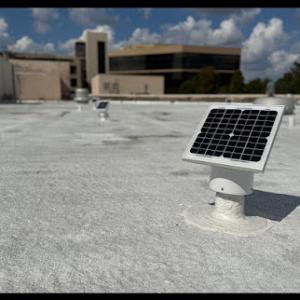
LAP Services - Premier commercial roofing contractor serving Baton Rouge since 2019. GAF, American WeatherStar, and IICRC certified, specializing in TPO, EPDM, and fluid-applied systems for facilities over 20,000 sq ft. Expert in emergency roof repair, water damage restoration, and mold remediation. We provide drone inspections and 24/7 emergency service.
Baton Rouge's hot, humid summers can accelerate substrate wear and complicate installation conditions, making milder and drier periods the preferred replacement window. If a roof is due for a tear-off, the contractor's crew will move faster and with fewer weather-caused delays when temperatures are moderate and humidity dips. The goal is to minimize heat stress on materials and on workers, while keeping moisture in check long enough for a solid dry-in.
Frequent summer rainfall and thunderstorm patterns create scheduling interruptions that can extend tear-off and dry-in timelines. The sweet spot is a stretch of several dry, consecutive days with moderate humidity. Plan for a window that avoids peak heat, but doesn't drag into late fall when storms creep in or winter fronts shift routines. In practical terms, a block of late spring or early fall often yields the least disrupted teardown and faster completion.
In this climate, hurricane-season exposure means storm threats can pop up quickly. If a replacement must occur during hurricane season, expect temporary setbacks from sudden downpours or tropical systems that interrupt work. Have contingency days built into the schedule and a clear rain plan with tarps and temporary containment to protect exposed decking and interior spaces. A proactive crew will stage materials to reduce exposure to blowing rain during any unexpected showers.
Occasional winter fronts reach the area but usually have less effect on roofing materials than the city's long warm season and repeated wetting cycles. That said, a well-timed inspection and replacement during a dry spell in late winter or early spring can minimize mid-winter interruptions and help finish with fewer weather-related delays. The key is aligning the project to a window with predictable, cooler weather but without the risk of a late cold snap.
On a typical job, the first day is dedicated to efficient tear-off during a favorable window. The next several mornings should be reserved for a dry-in that occurs after a thorough decking inspection. If rain trains into an expected window, a good plan seeds the schedule with backup days, ensuring that you don't lose too much time fighting moisture. The local reality is that a steady, dry-in-friendly stretch is the fastest path to a durable roof without repeated weather delays.
Get a clear picture of your project costs upfront - no commitment required.
Lifetime Roofing
(225) 515-8532 www.lifetimeroofingla.com
4511 Jamestown Ave, Baton Rouge, Louisiana
5.0 from 255 reviews
Mid City Roofing
(225) 217-0919 www.midcityroofing.com
434 S Acadian Thruway, Baton Rouge, Louisiana
4.9 from 129 reviews
Epic Roofing & Renovation
(225) 229-5038 www.epicroofingla.com
13414 Hooper Rd Suite D-1, Baton Rouge, Louisiana
5.0 from 23 reviews
Asphalt shingles dominate Baton Rouge replacements because they fit the local re-roofing market, and the quick availability of contractors and materials keeps projects moving after a storm. The heat, humidity, and heavy rain common to this area push shingles to perform in tougher conditions, but those same forces can shorten service life compared with milder climates. When choosing among shingle styles, consider higher impact resistance and algae- or humidity-fighting features to slow degradation in the humid subtropical environment.
Metal roofing has strong relevance in this market because wind resistance and fast water shedding matter when tropical weather and heavy rain events are frequent. A standing-seam metal or a properly installed ribbed panel system can ride out hurricane-season exposure with fewer fastener failures and less moisture retention than other options. If you prioritize rapid leak control and long-term resilience, metal tends to respond well to Baton Rouge's wind-driven rains, as long as the installation crew follows precise sealing and underlayment practices.
Clay and concrete tile are present but less common locally, and their weight and repair complexity can be a bigger consideration on homes not originally designed for tile assemblies. Tile can deliver a distinctive look and excellent durability, but structural upgrades may be needed to bear the load of a full tile roof. In addition, tile roofs demand careful flashing detail around chimneys and roof penetrations to prevent water penetration in the face of heavy downpours. For homes with existing framing or retrofits, tile can be a viable option, but it often requires more planning and ongoing maintenance for fasteners and sealants.
All materials must contend with rapid weather shifts that often accompany hurricane season. The chance of wind-driven leaks increases when roofs have aging underlayment, compromised flashing, or previous storm damage. In this climate, proactive inspection after a major storm is essential: check for lifted shingles, loose flashing, and any signs of moisture intrusion around vents and along eaves. Choose a material that aligns with the home's design, yard exposure, and long-term plans for maintenance so that performance stays steady through Baton Rouge's wet, hot, and windy months.
In Baton Rouge, repeated wetting and high humidity make moisture issues more consequential than in drier inland markets. Underlayment, roof decking, and attic venting can absorb moisture steadily, with slow evaporation once the rain stops. That lingering dampness invites warped sheathing, hidden rot, and mold-friendly conditions in tight attic spaces. A roof may look fine from the street, yet moisture can silently compromise structural fibers and insulation, reducing performance long before a visible leak appears. The takeaway: when a roof is not draining and venting as designed, the risk of accelerated deterioration climbs quickly after each Gulf-front storm.
Wind-driven rain from Gulf storms can expose weaknesses at ridges, valleys, flashing transitions, and roof penetrations even when damage is not obvious from the curb. Areas where shingles meet adjacent surfaces, around vent pipes, chimneys, and skylights, or where metal flashing joins masonry, tend to reveal failures first. In practice, a small curl at a valley or a shy corner of flashing can become a leak channel after a heavy shower or a hurricane-surge wind. The consequence is not only a drip, but accelerated deterioration of sheathing and an increased chance of interior staining and insulation breakdown if left unaddressed.
Because many local projects are re-roofs rather than new construction, hidden deck deterioration and ventilation corrections are common scope changes once tear-off begins. Old decking can look solid but harbor soft spots or dry-rot beneath, especially where previous upgrades never fully addressed moisture exposure. Ventilation can be overlooked in standard reroofing plans, leaving attic spaces hot, damp, or poorly pressurized after installation. The practical effect is a roof that technically covers the house but does not protect it as effectively as it should, with moisture cycling and condensation that undermines new materials and shortens their useful life if not corrected during replacement.
Find contractors experienced in skylight installation, flashing, and leak repairs to bring natural light into your home.
Reliable Roofing & Construction
(225) 445-1220 www.reliableroofingbr.com
9857 Great Smokey Ave, Baton Rouge, Louisiana
4.9 from 133 reviews
Home Pros Roofing
(225) 277-7767 roofwiththepros.com
10202 Perkins Rowe Ste E-160 #0453, Baton Rouge, Louisiana
5.0 from 6 reviews
In East Baton Rouge Parish, a permit is typically required for a full roof replacement. The City-Parish Department of Public Works handles roofing permits for Baton Rouge projects in this jurisdiction. Before any shingle or tile can be stripped and replaced, verify that a permit is on file for the project address and that all required pages are complete. The process is designed to keep storm-resilient upgrades, venting, and underlayment in line with local codes, especially given the Gulf-driven humidity and frequent heavy rains.
Start the permit process early in the planning window, because plan review or added documentation can be triggered by the scope of work, venting configuration, or material choices. Inspections commonly occur during construction and again after completion to verify venting, underlayment, and material compliance. If your project includes any changes to attic ventilation or roof deck structure, permit review may take additional time. Expect site-specific checks that focus on proper attic venting, nailing patterns, and flashing details to withstand hurricane-season stresses.
Prepare a clear scope of work that outlines substrate removal, new underlayment type, vent placement, and flashing details. Have manufacturer installation guides on hand and ensure a licensed contractor is coordinating the permit package. During inspections, be ready to show ventilation paths, underlayment seams, and roof-to-wall transitions. If adjustments are needed, schedules can shift, so factor in potential re-inspection time. Keep a copy of the permit card on site and display it where the inspector can easily view it.
Because humidity and heavy rain are constant, inspections often check for watertight integrity and proper drainage. If a storm-related upgrade is planned, document any temporary protections used during construction so that the inspection covers the final, weather-ready installation without delay.
When you're budgeting a roof replacement after a Gulf-driven storm, expect asphalt shingles to come in roughly 350 to 575 per square, metal between 600 and 1000, clay tile 900 to 1800, concrete tile 800 to 1500, wood shingles or shakes 450 to 900, and synthetic or composite shingles 420 to 750 per square. These ranges reflect the varied housing stock in East Baton Rouge Parish, from aging ranches to newer, higher-pitched homes, and they cover everything from basic underlayment to upgraded edge details. In practice, your final number will ride closer to the top end if you're replacing in the wake of a heavy storm when crews are scarce and materials are in high demand.
After major Gulf weather events, storm-driven demand spikes push pricing and scheduling pressure higher. Emergency response teams and re-roofing crews converge on affected neighborhoods, and that cluster of demand can squeeze lead times and push contractor timelines outward. If your home was caught in a hurricane or tropical storm's path, expect faster decisions and tighter windows for material selection, inspections, and onset of tear-off work. Having a clear preferred material early helps lock in crews as demand rises locally.
Ventilation corrections discovered during tear-off are a common local hiccup that can alter the bottom line, especially on older roofs where attic airflow was never optimized. Moisture-related deck repairs also surface when the roof is opened, and the extent of those repairs varies with prior maintenance and seasons of humidity. Both factors can add to the cost, even if the new roof itself is straightforward. Plan for these contingencies in your budget and timeline so you're not surprised if an inspection reveals ventilation tweaks or deck refresh needs mid-project.
Don't let upfront costs delay a critical repair - these contractors offer payment plans to fit your budget.
Lifetime Roofing
(225) 515-8532 www.lifetimeroofingla.com
4511 Jamestown Ave, Baton Rouge, Louisiana
5.0 from 255 reviews
Haywood Roofing
(225) 461-8533 www.haywoodroofing.com
9800 Airline Hwy STE, 221, Baton Rouge, Louisiana
5.0 from 80 reviews
Stalwart Roofing
(225) 283-1649 stalwart-roofing.com
3346 Drusilla Ln Suite F, Baton Rouge, Louisiana
4.9 from 63 reviews
Your quick decision hinges on a contractor's ability to respond, cover cleanup, and begin work fast after a storm. Look for firms that advertise 24/7 leak response, on-site tarping, and debris removal as standard parts of the package. In this market, a years-long local presence and a pattern of handling post-storm changes in scope are signals you can trust. Call references and ask how long they stayed on site, how they prioritized safety, and whether they documented the work clearly for insurance reviews.
Baton Rouge work often rides on insurance timelines and documentation. Ask to see a sample scope of work that includes storm-damage assessment language, estimated changes if new problems are found, and how they communicate adjustments. Confirm the contractor can supply detailed line-by-line change orders and keep you updated on scheduling backlogs. A contractor who treats the insurance process as part of the project-without drama or delays-will save you headaches when the checkbook and calendar are tight.
The local contractor market favors re-roofing over premium, niche systems. Choose a roofer with a strong portfolio of re-roofs on familiar roof types in the area and a practical approach to design that withstands Gulf humidity and heavy rains. Ask about their approach to flashing, underlayment, and wind-driven rain resistance on the common east-facing slopes. A solid local crew will explain why they choose certain materials for your house style and climate, not just what's popular nationwide.
One clear sign of reliability is a defined site plan: when they start, how long the crew will stay, how they protect landscaping, and how they handle daily cleanups. In this market, expect crews to mobilize quickly, wrap work neatly each day, and leave a bare, broom-clean site. Clarify entry and exit routines, noise considerations, and disposal methods so the project fits your family's routine during storm-season windows.