
Last updated: Apr 19, 2026
Abbeville sits in Vermilion Parish in south Louisiana, where tropical systems and Gulf-driven thunderstorms make wind-driven rain and sudden leak events a recurring roofing issue. The combination of humid summers, hurricane-season gusts, and frequent pop-up storms means a roof can shift from normal wear to urgent failure in a matter of hours. Your roof should be treated as a first line of defense for your home's structure, interior living space, and treasured belongings. When the skies darken and the wind picks up, a small concern can become a flood of problems in a short window. Knowing that risk helps you act fast rather than risk escalating damage and claim friction later.
Local contractors cluster around insurance claims, storm damage, and emergency repair because storm events routinely create quick needs for post-storm inspections, tarping, and claim documentation. After a storm, you are most likely to encounter a contractor who specializes in rapid response: they may offer tarp-and-seal services to stop interior leaks while you coordinate a broader repair plan. Expect a focus on documenting damage, staging temporary protections, and producing the notes that your insurer will want to see. The aim is to prevent further infiltration while you navigate the claim process, not to push through a cosmetic fix that will fail under the next system-driven gust.
Louisiana's strained homeowners insurance market means Abbeville owners need dated photos, interior leak records, and contractor inspection notes quickly after storms because underwriting scrutiny and claim friction are higher in storm-prone parishes. Take clear, time-stamped photos from multiple angles of any roof surface, flashing, vents, and interior water intrusion. Record dates and times of observed leaks, locations on ceilings or walls, and any changes in the issue after rain events. Have a simple A-to-B log: what happened, when you noticed it, who inspected it, what was recommended, and what temporary measures you took to mitigate. If you hire a contractor for emergency tarping, get a written summary of what they protected, for how long, and when a full repair plan will follow. Keep all invoices, estimates, and communication in a single, organized file for easy sharing with your insurer or adjuster.
Immediately after a storm, walk the attic if safe to do so, checking for daylight or moisture on plywood and decking. In the living areas, move furniture away from walls where leaks have appeared and place a bucket under active drips. If you spot damaged flashing or lifted shingles, document with photos from ground level and from the attic looking toward the roofline. Contact an emergency tarping service or a local contractor who offers immediate protection, and request a written tarp placement note that includes start and end times, materials used, and the expected duration of protection. When a claim is filed, supply the insurer with your organized documentation: dated photos, interior leak records, and the contractor's inspection notes. The faster you assemble this evidence, the smoother the claim review will be, especially if underwriters want to see a clear, storm-focused damage narrative rather than a patchwork of temporary fixes.
Residents frequently manage a mix of traditional shingle and metal profiles, with occasional tile or composite options on newer or remodel projects. Regardless of material, the emphasis remains the same: rapid protection, meticulous documentation, and a clear, storm-centered damage narrative for your insurer. When the wind starts to howl and the rain arrives in sheets, your actions in the first 24 to 72 hours can shape the entire post-storm experience, from claim acceptance to the final, durable repair.
Find local contractors experienced in assessing and restoring roofs after hail, wind, and severe weather events.
Hub City Home Improvement & Roofing
(337) 626-4663 www.hubcity626home.com
Serving
4.9 from 18 reviews
Pelican Roofing Company
(337) 703-4515 pelicanroof.com
Serving
4.8 from 622 reviews
Pelican Roofing has been offering comprehensive residential roofing services for shingle, metal, and flat roofs in Lafayette, Louisiana since 2014. Our commitment to customer satisfaction and superior workmanship means we deliver only the highest quality roofing products and services to ensure better value and long-lasting results. As a residential and commercial roofing contractor, we have an A+ BBB rating and were the winners of the 2019 BBB Integrity Award. We are also a Platinum Owens Corning Contractor and a Diamond Level Atlas Contractor. In addition to storm restoration, we offer gutter installation, metal roofs, asphalt roofs, shingle roofs, flat roofs, and roof coatings. Trust us for all your roofing needs.
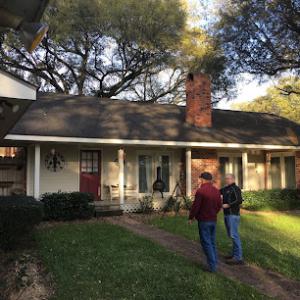
Hub City Home Improvement & Roofing
(337) 626-4663 www.hubcity626home.com
Serving
4.9 from 18 reviews
Hub City Home Improvement & Roofing is a locally owned, husband-and-wife business proudly serving Acadiana since 2005. We specialize in residential roofing, storm damage repair, home additions, and more. Trust our BBB A+ rated team for quality craftsmanship and dependable service.
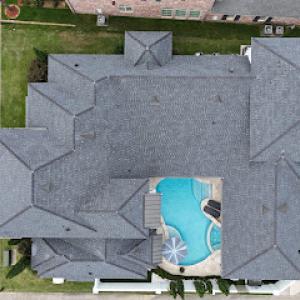
Cloteaux Roofing & Construction
(337) 267-8121 www.cloteauxroofing.com
Serving
5.0 from 218 reviews
Cloteaux Roofing and Construction – Full-service roofing contractor specializing in residential and commercial roofing. From repairs to full replacements, we handle all roofing applications, including shingles, metal, and flat roofs. State-licensed, fully insured, and backed by industry-leading warranties. Storm damage claim assistant with a focus on quality, reliability, and customer satisfaction. Call today for a free, no-obligation inspection. Our construction division focuses on painting, drywall, and flooring if you are in need!
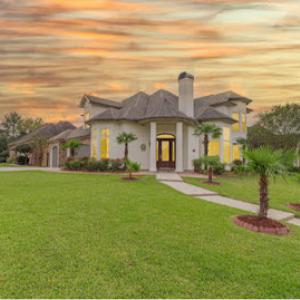
Roof Armor & Construction
Serving
5.0 from 26 reviews
Family owned and operated Louisiana based roofing company. We pride ourselves with quality work and customer service. It is our mission to provide excellent workmanship and complete customer satisfaction to maintain our reputation has being a trusted roofing company in south Louisiana. Whether a repair or full replacement, we can service all your roofing needs. Call us today to set up an appointment with for a free roof inspections or free estimates.
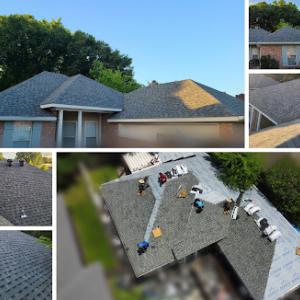
Prime Roofing & Construction
(337) 257-1626 www.primeroofingandconstruction.com
Serving
5.0 from 26 reviews
We are a locally owned, Insured, and Licensed Roofing and Construction company with the knowledge to shingle your roof using metal or architectural shingles. We can also help with any home repairs and fencing jobs you need done.
Blue Monkey Roofing
(337) 284-3575 bluemonkeyroofing.com
Serving
5.0 from 133 reviews
Blue Monkey Roofing is a licensed and insured Roof Company based in Lafayette, LA. We offer Roofing, Roofing Repair, Roofing Installation, Roofing Services, Roof Inspection, Shingle Roofing, Metal Roofing, Roof Claims, Gutter Installation, and other Roofing Services. At Blue Monkey Roofing, we pride ourselves on living up to our key philosophies of integrity, safety, professionalism, and family values. From our knowledgeable salesman to our experienced office staff, our experts will work with you to find the best solution for your needs! From inspections to insurance, our team is has the knowledge and skill to get the job done. Our work is of superior quality, and everything is handled within the scope and schedule of your budget.
Louisiana Pro Roofing
(337) 277-9214 www.facebook.com
Serving
5.0 from 85 reviews
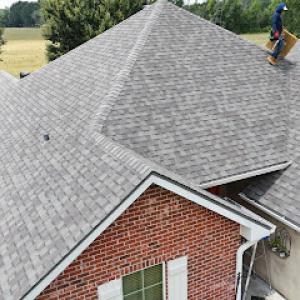
Louisiana Professional Contractors (Louisiana Pro Roofing) is a Insurance Claim Specialist, GAF Certified Master Elite, CertainTeed Master shingle Applicator & Atlas Pro installer serving Lafayette, LA and surrounding areas. We PROtect your biggest investment! Locally-owned • Licensed • Insurance
Roofing Louisiana
(337) 993-0584 www.roofinglouisiana.com
Serving
4.9 from 63 reviews
Roofing Louisiana makes sure your roof is done right the first time. Whether you need a full replacement, minor repair, or someone to walk you through the insurance process, we have set the standard. As a part of the whole process, our team goes into your attic for a thorough evaluation and replaces your full roof system (drip edge, metal flashing, pipe boots, etc.). Call today for your Red Carpet Experience. We're not leaving town.
Best Choice Roofing
(337) 545-2831 bestchoiceroofing.com
Serving
5.0 from 301 reviews
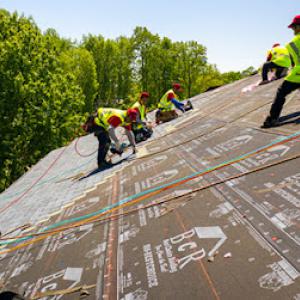
Best Choice Roofing is your trusted roofing expert and the Best Choice when it comes to choosing a Lafayette & Southern Louisiana roofing company with a commitment to impeccable customer service and expert roof replacement, roof repairs, and custom roofing services. In business since 2009, Best Choice Roofing’s industry-leading contributions to the roofing industry include a customer-first mentality, a dedication to top-quality products and a leadership team focused on the growth of its people. Because of this framework, we have created a loyal base of customers all over the United States.
Hibbard Roofing & Construction
(337) 264-2950 www.hibbardroofing.com
Serving
5.0 from 116 reviews
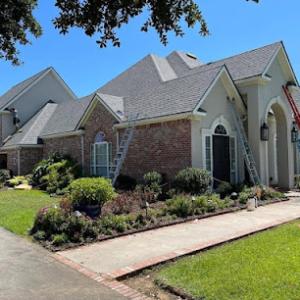
Lafayette Louisiana’s Premier metal and shingle roof installer
JHebert Roofing
(337) 469-5428 jhebertroofing.com
Serving
4.9 from 91 reviews
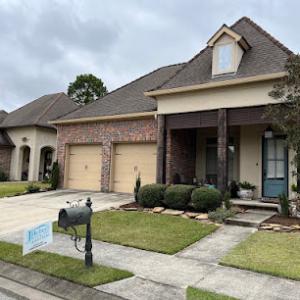
Afraid that your roof won't hold up against strong storms? Instead of losing sleep at night over your roof's condition, get in touch with J Hebert Roofing, LLC ASAP. Our roofing company will go above and beyond to restore your roof. You'll breathe easy knowing that your roof is in excellent hands.
Top Doggs Roofing
Serving
5.0 from 7 reviews
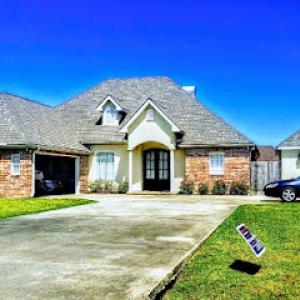
A well-maintained roof protects your property from weather, pests and other outdoor hazards. To keep your home in great shape, you need expert roofing services from a qualified roofer. Top Doggs Roofing has a skilled, reliable crew in New Iberia, LA that can take care of your roof year-round. Choose us for roof installation, roof repair and maintenance. We also offer gutter installation & replacement as well as siding installation & replacement. Call 337-365-3554 or send us a message today to find out what we can do for you.
Roofing windows, or skylights and dormer-integrated panes, can bring in natural light while keeping interior spaces cool and dry when installed correctly. In this area, hot, humid summers with frequent rain mean choosing panels and flashing that resist moisture intrusion and high heat gain. The best options balance energy efficiency, hurricane-grade hardware, and a seal that holds up under heavy rain and wind-driven spray. When you're evaluating candidates, prioritize systems with laminated glass, impact-rated glass options, and reinforced mounting frames that won't deform with humidity swings.
In this market, material choices for roofing windows should pair well with the roof type and the local humidity. Laminated glass or tempered glass units offer better impact resistance than standard annealed glass, which matters during sudden storm gusts. For frame materials, vinyl and fiberglass perform well in humid environments, as they resist warping and rot. Wood-adjacent finishes can be visually appealing but demand more maintenance in a hot, rain-prone climate. If you lean toward wood for aesthetics, look for rot-resistant cores and pre-treated seals, plus a warranty that covers storm exposure. The glazing should be low-emissivity (low-e) to cut heat transfer during those long summer afternoons.
Abbeville's hot, humid summers with frequent rain can shorten workable installation windows and increase the risk of moisture exposure during tear-off and dry-in. Plan installations around reliable stretches of dry weather, typically late fall through early spring. If a project spills into the peak heat season, coordinate with the crew to stage dry-in procedures, protect the interior from moisture, and maintain a tight tarp setup during brief rain pockets. In-season crews should monitor flashing continuity around dormers and skylights, because wind-driven rain can exploit small gaps quickly.
Hurricane-season storm damage and emergency leak response demand windows that can be secured rapidly after a storm. Choose products with reinforced fasteners and corrosion-resistant hardware. Keep a lightweight, ready-to-use sealant kit and a temporary cover patch on hand to seal minor leaks until permanent repairs can be completed. When a leaky window is discovered after a storm, prioritize securing the glazing with tape or temporary lids to prevent wind-driven water from penetrating deeper into the envelope. A quick, decisive response reduces interior damage and simplifies insurance documentation later.
Spring and early summer thunderstorms commonly disrupt scheduling, so replacement timelines in Abbeville often need weather buffers that would be less critical in drier inland markets. Build in a contingency plan with your contractor for possible rain delays and rescheduling, and confirm the sequence of steps from teardown to dry-in. A practical approach is to align windows with a planned roof refresh, so the flashing details across the boundary are treated as a single, integrated system rather than piecemeal fixes.
Having detailed before-and-after photos of the roofline and existing skylight penetrations helps with insurance documentation after a weather event. Maintain a current inventory of window types, frame materials, glazing choices, and flashing brands. Photograph the interior around the skylight during dry conditions to establish a baseline for any future moisture concerns. When a storm hits, document any visible leaks promptly and preserve damaged components for adjusters, as consistent visuals can speed up claim processing and ensure you're positioned for a fair settlement.
Asphalt shingles and metal roofing are the steady workhorses in this market, delivering reliable performance when every hurricane season reminds you to expect wind-driven rain and high humidity. Asphalt shingles pair well with the region's typical roof lines and existing sheathing, and metal roofing offers enhanced wind resistance and a cooler attic in steamy months. Clay and concrete tiles exist on some homes, but their weight and moisture sensitivity push them toward specialized installations, especially on aging structures. If you're weighing options, start with asphalt or metal for the balance of resilience, ease of repair, and relative maintenance in a climate where damp air can cling to fasteners and seals.
Persistent humidity in south Louisiana accelerates underlayment aging and can magnify moisture problems in seals, flashing, and decking if ventilation and dry-in details are weak. A roof system in this area needs not only a solid water barrier but also thoughtful venting to move moist air from attic spaces. Poorly vented roofs can trap humidity, promoting deck rot and faster deterioration of joints around penetrations. When you're choosing materials, consider how the underlayment and fastener patterns behave in humid, salty air, and ask about ventilation strategies that keep the entire attic within a steady temperature and humidity range during the long summer months.
Abbeville's mix includes asphalt, metal, clay tile, concrete tile, wood shakes, and synthetic products, so homeowners benefit from side-by-side comparisons that weigh storm resilience, moisture tolerance, and replacement complexity as much as curb appeal. Metal roofs can excel in wind resistance and shed rain quickly, but certain profiles may require careful edge detailing to avoid ice-dam-like issues during rare cold snaps. Clay and concrete tiles offer a storied lifeline against wind and hail but demand a robust structural support and meticulous sealing to manage moisture entry around fasteners and joints. Wood shakes bring a distinctive look but demand aggressive maintenance and spacing to guard against mold and rot in damp air. Synthetic shingles can strike a middle ground, with improved moisture resistance and lighter weight, though performance varies by product line. In practice, you're evaluating how each option handles wind uplift, the ease of flashing repairs after a storm, and the long-term ease of keeping surface moisture at bay.
Regardless of your chosen material, the dry-in details determine how well the roof behaves after a storm and through humid summers. Pay attention to the alignment of drip edges, gutter integration, and the continuity of underlayment through roof penetrations. For penetration points-vent pipes, chimneys, and skylights-ask about sealant selections that resist mold growth and still perform under humidity swings. You'll also want to confirm that the soffit and ridge vents work in concert to promote continuous cross-ventilation across the attic, minimizing condensed moisture that can damage decking over time. A well-planned dry-in is the quiet line of defense that makes every material perform closer to its best in a moist, salt-laden coastal climate.
Provided local pricing runs about $350 to $600 per square for asphalt shingles, $600 to $1100 for metal, $1100 to $2300 for clay tile, $1000 to $1800 for concrete tile, $650 to $1000 for wood shingles or shakes, and $850 to $1400 for synthetic or composite shingles. When planning, match the material to the house style common around Vermilion Parish and the Gulf's humidity. Asphalt remains the practical workhorse for many Abbeville homes, especially when quick reseaming after a leak is a priority. Metal can extend lifespan but comes with higher upfront numbers. Tile systems bring distinct beauty and durability but require a strong deck and careful flashing details.
In Abbeville, storm-driven demand spikes after major weather events can push scheduling out and raise reroofing costs as contractors balance emergency work, insurance jobs, and material availability. If a hurricane or severe storm hits, expect a longer lead time and potential weekend or after-hours work to clear damage claims quickly. Consider building a short-term plan with a chosen contractor that includes prioritized emergency responses during peak storm windows. This approach helps minimize pricey delays and keeps the project moving when insurers are reviewing claims.
Costs can also shift based on moisture-damaged decking replacement, the complexity of flashing around chimneys common in the local contractor signal set, and whether the project is a straightforward reroof or a more involved tear-off after repeated storm exposure. If decking shows moisture damage, expect additional per-square costs for plywood or underlayment replacement. Chimney flashings in Abbeville homes often require extra detailing to seal against wind-driven rain, which adds to labor and material totals. A complete tear-off typically runs higher than a simple reroof, especially when multiple layers are removed and reinstalled.
Before signing, verify whether your bid includes a full tear-off or a reroof over existing decking, and confirm that decking replacement is itemized if needed. Ask for a breakdown by material, underlayment, flashing, and ventilation work. Given local conditions, it's wise to budget toward the upper end of the applicable range if the house is older, has clay or concrete tile potential, or shows signs of moisture ingress around chimneys. Scheduling with an eye to hurricane season can help lock in a more predictable price and a ready crew.
Get a clear picture of your project costs upfront - no commitment required.
In this area, a full roof replacement typically requires a building permit issued through the local building department before work begins. The timing of that permit can influence the start date of any reroof, so it's essential to align your contractor's schedule with the permitting office early in the process. The goal is to avoid a start-and-stop pattern that can happen when paperwork lags or when inspectors have backlogs after a storm. A clean permit trail also helps if you ever need to reference the project for future insurance or resale.
Inspections in this locality generally occur during installation and again at completion, with a final inspection used to verify that the reroof complies with local requirements. Expect the mid-project check to confirm that the roof deck is sound, underlayment is properly installed, and flashing details meet code. The final inspection serves as the formal stamp of approval, demonstrating that all components-from attic ventilation to penetrations around vents and chimneys-meet the jurisdiction's safety and structural standards. If issues arise, a reinspection will be required, which can push back any warranty or claim-ready documentation you rely on after a storm.
Because homeowners often reroof after storms, permit timing and inspection closeout matter for insurance records and for showing that replacement work was completed through the local approval process. Insurance agents may request documentation that the work was permitted and inspected, especially when filing a claim after a hurricane event. Keeping a clear file with permit numbers, inspection reports, and final clearance letters can smooth future underwriting or adjustments. If a contractor urges skipping steps to "save time," remember that skipping permits or inspections can create gaps in coverage or resale challenges, and may even trigger fines or required undoing of work in the worst cases.
To keep the process smooth, coordinate a documented plan with the contractor: obtain the permit early, track inspection appointments promptly, and ensure the final inspection is scheduled as soon as the installation is complete and weather holds. If weather windows or staffing delays threaten timely inspections, communicate proactively with the permitting office and your insurer to avoid a record gap. In Abbeville, the right permit and a completed final inspection are not just bureaucratic hoops; they are practical protections for your roof, your home, and your claim history after a storm.
Louisiana's homeowners insurance market has seen repeated wind and hail losses, and carriers have tightened underwriting or reduced participation in higher-risk areas, directly affecting reroof decisions in Abbeville. When a storm nears, the risk calculus shifts quickly, and insurers may demand tighter documentation, faster claim decisions, and closer alignment with current building practices. A sudden weather event can leave you facing narrowed choices about material, timing, and scope, all while carriers reassess what they will cover after the rain stops.
Abbeville homeowners may face insurer requests for stronger documentation, clearer storm timelines, and proof that replacement work reflects current code and inspection requirements. Gather and preserve a concise chronology: when leaks started, how long the roof has been exposed, and any temporary measures taken to mitigate damage. Clear, dated photos that show the progression from pre-storm condition through final repairs help anchor a claim. Have contractor scopes that specify exactly what is being replaced or repaired, and how the chosen materials meet mid- or post-storm expectations. The goal is to present a coherent story that matches the insurer's timeline and technical expectations.
Because claim terms can shift with storm risk and code updates, owners in Abbeville should keep permit records, final inspection signoff, dated roof photos, and contractor scopes together before and after any storm event. Maintain a simple, orderly file-digital copies backed up-so that when the next hurricane season arrives, you can quickly assemble the required evidence. The sharper your documentation, the smoother the claim process tends to be, and the more resilient your restoration will appear to adjusters and engineers reviewing the work.
In Abbeville, flat and low-slope roofing appears as an active specialty in the contractor market, indicating a meaningful subset of homes, additions, porches, or mixed-use buildings need drainage-focused roof planning. If a project involves a low-slope section, start with a simple drainage map: note where water tends to collect after a rainstorm and how it travels from higher roof areas to gutters or scuppers. Depth and slope matter less than ensuring a clear flow path away from seams and penetrations. Local crews will often prioritize systems that can shed water quickly during heavy downpours.
In the frequent-rain environment, low-slope sections are especially vulnerable to water intrusion when seams, penetrations, or transitions from steeper roof areas are neglected. Pay attention to the transitions around dormers, skylights, or chimneys, where flashing meets the deck is a frequent weak point. Check for lifted or split sealant around vents and curbs after storms, and watch for staining or damp spots on ceilings below a low-slope roof line. A small drip or damp spot under a seam can signal airflow or drainage issues that compound during hurricane-season or persistent rain.
When a leak appears, act fast: cover the area with a tarp to minimize further intrusion, then evacuate water from nearby gutters and downspouts to prevent backups. Identify whether the problem is a seam, a penetration, or a transition, and document with photos for your insurer or contractor. Schedule a temporary fix that preserves the roof deck while planning a more durable repair, such as resealing seams and flashing, or replacing compromised membranes. Keep drainage paths clear and ensure diverters or scuppers discharge properly.
Roof coating and restoration services are active locally, suggesting some owners pursue life-extension strategies on aging low-slope systems instead of immediate full replacement. Consider periodic coatings that seal minor wear and extend service life, but benchmark with a reputable flat-roof specialist to avoid masking deeper failures. If a deck is sagging or membranes show wide wear, prioritize a targeted repair or upgrade that improves drainage and flashing details around penetrations. When choosing materials, align with the existing roof style and ensure compatibility with the underlying deck and insulation to maximize long-term performance.
Find specialists in TPO, EPDM, and built-up flat roofing systems for residential and commercial properties.
Prime Roofing & Construction
(337) 257-1626 www.primeroofingandconstruction.com
Serving
5.0 from 26 reviews
The Abbeville market leans toward reroofing and repair-focused crews, so you want contractors who have documented storm-response experience rather than firms centered mainly on new construction. In this climate, quick triage after a heavy wind event can prevent interior damage from hidden leaks. Look for teams that can mobilize within 24 to 48 hours after a storm, have a plan to protect your interior, and know how to document damage for insurance purposes without delaying repairs. A crew that understands how recurring storms interact with older framing and coastal humidity will perform more durable repairs.
Prioritize crews with a local presence and family ownership, because availability after storms and reliability for follow-up visits are highly valued here. Ask for a clear on-site plan: how are tarps secured, where will debris be stored during tear-off, and what steps keep leaves, nails, and splinters from migrating onto neighboring yards and driveways? Local ownership often translates into accountability and easier scheduling, especially when weather windows tighten. Confirm the company has a designated project manager who can be reached during the project and after the roof is completed.
Request references from recent storm-repair projects within reasonable driving distance, and follow up on at least two properties that faced similar roof ages and materials. Inspect the crew's vehicle and equipment for on-site containment and disposal practices. A credible roofer will show a written protection plan for your landscaping and will outline how cleanup will be performed at the end of each workday. If a contractor repeatedly leaves nails or debris around occupied homes, that is a red flag-cleanup is a prominent local hiring signal.
After the job, you want a contractor who can be reached for years to come. Check whether the owner or a long-established supervisor remains the point of contact and whether the company records work orders and warranty details in a tangible, easy-to-access way. In communities with tight insurance markets, ongoing responsiveness matters almost as much as initial installation quality.