
Last updated: Apr 19, 2026
Lafayette sits in south Louisiana's hurricane-exposed Acadiana region, so June through November brings elevated wind-driven rain risk and sudden demand spikes for tarping and repairs. Your roof must be ready for quick-weather shifts, with frequent thunderstorms that can worsen leaks even outside named storms. When a storm front moves in, you want a pre-storm plan and a trusted local crew lined up for rapid tarping, temporary fixes, and priority scheduling for sustained protection. Treat each season as a potential stress test for your roof and attic, and map out a response routine that can be activated the moment the first gusts hit.
Frequent thunderstorms outside named storms can create leak events that are harder to document than obvious hurricane damage, making photo records and dated maintenance history especially important for local claims. Build a simple file: take-wide shots of the roof from multiple angles, attic photos showing signs of moisture intrusion, and close-ups of any stained ceiling spots. Photograph before-and-after conditions after every repair or maintenance visit, and keep a log with dates, weather notes, and contractor notes. When a leak develops suddenly, your best evidence is a timeline: what happened, when it happened, and what you did immediately to stop further damage. This local pattern-drizzle to downpour, then a rapid sequence of leaks-happens more often than people expect, so your documentation needs to be precise and consistent.
Louisiana's high claim environment has led to tighter underwriting and higher deductibles, so Lafayette homeowners often need thorough pre-existing condition photos before adjusters separate old wear from storm damage. Before a storm hits, take clear exterior and interior photos of the roof, flashing, vent pipes, skylights, and eaves, plus attic insulation and visible roof decking if accessible. After a storm, compare current images to your pre-storm library to illustrate what changed. If you notice recurring leaks along a single seam or around a particular vent, document those patterns as potential damage rather than routine wear. When adjusters arrive, you want to speak in facts and visuals, not impressions. A well-organized photographic timeline speeds up the claim review and reduces back-and-forth.
In a high-wind, rain-prone climate, time matters. If you suspect roof damage after a storm, call a local tarp-and-spot-repair service immediately to prevent further water intrusion. Have a trusted contractor ready to provide a written assessment within 24 hours of contact, with explicit scope, photos, and a suggested temporary fix. Keep moisture from soaking into insulation and ceilings by sealing leaks at the source as soon as it's safe-without climbing onto a wet roof if conditions are dangerous. Schedule a follow-up with a full repair plan once the adjuster has reviewed photos; this keeps the project moving while you document every step.
A clear, concise narrative supported by photos helps adjusters separate old wear from storm damage, a distinction that matters for payout timing. When you meet the adjuster, walk through the roofline with them, pointing out leak history, vent and flashing conditions, and attic moisture evidence. Choose a contractor who can provide a complete, locally informed plan: tarping, temporary fixes, a dry-in plan, and a written scope that aligns with the claim. In Acadiana, crews that understand humidity-related deterioration-such as flashing corrosion, symmetrical shingle lift in sudden gusts, and flashing gaps around vents-will communicate more effectively and deliver repairs that hold up through the next storm season.
Even after repairs, Lafayette's humidity requires ongoing attention. Ensure proper attic ventilation and consider moisture-resistant underlayment or upgraded synthetic underlayment that tolerates high humidity and rapid temperature changes. Regular inspections after peak storm periods help catch evolving issues before they become catastrophic. Establish a local maintenance cadence with a trusted roofer to review flashing integrity, attic condensation, and signs of early wear that could foreshadow future leaks. In this climate, a proactive posture saves both time and heartache when the next storm rolls through.
Cloteaux Roofing & Construction
(337) 267-8121 www.cloteauxroofing.com
1214 Rue du Belier, Lafayette, Louisiana
5.0 from 218 reviews
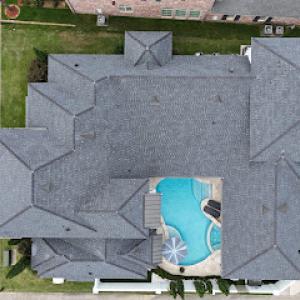
Cloteaux Roofing and Construction – Full-service roofing contractor specializing in residential and commercial roofing. From repairs to full replacements, we handle all roofing applications, including shingles, metal, and flat roofs. State-licensed, fully insured, and backed by industry-leading warranties. Storm damage claim assistant with a focus on quality, reliability, and customer satisfaction. Call today for a free, no-obligation inspection. Our construction division focuses on painting, drywall, and flooring if you are in need!

Hargrove Roofing
(337) 476-3070 www.hargroveroofing.com
815 Johnston St, Lafayette, Louisiana
5.0 from 178 reviews
The certified roofers at Hargrove Roofing have years of experience providing high-quality roofing services in Louisiana and Texas. As a BBB-accredited company, their team is proud to be your trusted partner for reliable roofing solutions. From roof inspections to roof installation to roof repair, their skilled contractors are fully trained and equipped to keep the roof over your home or business. When you choose Hargrove Roofing, you’re choosing peace of mind with 24-hour emergency services, flexible financing options, and their satisfaction guarantee! With a reputation for exceptional craftsmanship and top-notch products from industry-leading brands like GAF® and Owens Corning®, you can rest assured that your roof is built to last.
Best Choice Roofing
(337) 545-2831 bestchoiceroofing.com
3012 W Pinhook Rd, Lafayette, Louisiana
5.0 from 301 reviews
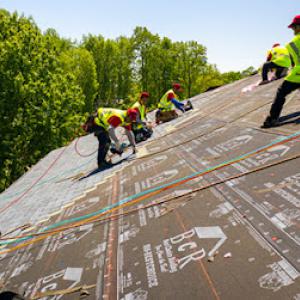
Best Choice Roofing is your trusted roofing expert and the Best Choice when it comes to choosing a Lafayette & Southern Louisiana roofing company with a commitment to impeccable customer service and expert roof replacement, roof repairs, and custom roofing services. In business since 2009, Best Choice Roofing’s industry-leading contributions to the roofing industry include a customer-first mentality, a dedication to top-quality products and a leadership team focused on the growth of its people. Because of this framework, we have created a loyal base of customers all over the United States.
Blue Monkey Roofing
(337) 284-3575 bluemonkeyroofing.com
320 S Philo Dr, Lafayette, Louisiana
5.0 from 133 reviews
Blue Monkey Roofing is a licensed and insured Roof Company based in Lafayette, LA. We offer Roofing, Roofing Repair, Roofing Installation, Roofing Services, Roof Inspection, Shingle Roofing, Metal Roofing, Roof Claims, Gutter Installation, and other Roofing Services. At Blue Monkey Roofing, we pride ourselves on living up to our key philosophies of integrity, safety, professionalism, and family values. From our knowledgeable salesman to our experienced office staff, our experts will work with you to find the best solution for your needs! From inspections to insurance, our team is has the knowledge and skill to get the job done. Our work is of superior quality, and everything is handled within the scope and schedule of your budget.
Hibbard Roofing & Construction
(337) 264-2950 www.hibbardroofing.com
345 Doucet Rd suite 226, Lafayette, Louisiana
5.0 from 116 reviews
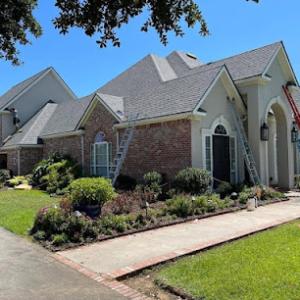
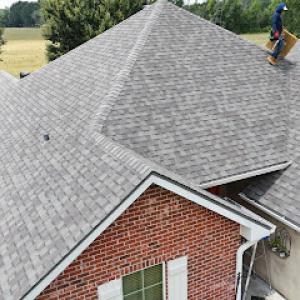
Lafayette Louisiana’s Premier metal and shingle roof installer
Louisiana Pro Roofing
(337) 277-9214 www.facebook.com
4801 Johnston St, Lafayette, Louisiana
5.0 from 85 reviews
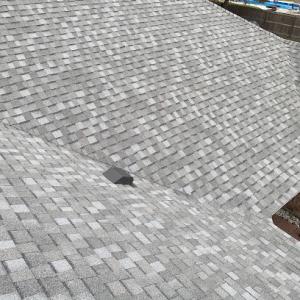
Louisiana Professional Contractors (Louisiana Pro Roofing) is a Insurance Claim Specialist, GAF Certified Master Elite, CertainTeed Master shingle Applicator & Atlas Pro installer serving Lafayette, LA and surrounding areas. We PROtect your biggest investment! Locally-owned • Licensed • Insurance
Roof Kings Of Lafayette
(337) 347-2074 www.roofkingsoflafayette.com
Lafayette, Louisiana
4.9 from 117 reviews
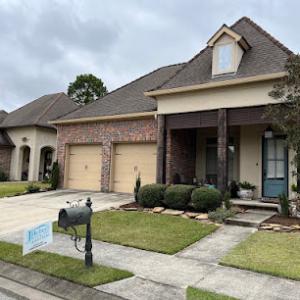
Roof Kings provides comprehensive roofing services in Broussard, LA and the surrounding areas. Whether you want to install a shingle roof or repair your metal roof, we have you covered. We also provide metal roofs and roof repairs for mobile homes. We do soffit, fascia and gutters as well.
JHebert Roofing
(337) 469-5428 jhebertroofing.com
107 Board Rd, Lafayette, Louisiana
4.9 from 91 reviews
Afraid that your roof won't hold up against strong storms? Instead of losing sleep at night over your roof's condition, get in touch with J Hebert Roofing, LLC ASAP. Our roofing company will go above and beyond to restore your roof. You'll breathe easy knowing that your roof is in excellent hands.
Burford Roofing & Construction
(337) 412-7540 burfordroofing.com
1202 General Mouton Ave, Lafayette, Louisiana
5.0 from 36 reviews
Burford Roofing and Construction is a roofing contractor in Lafayette, LA that services Acadiana, South Lafayette, Youngsville, Broussard and nearby areas. Our roofing company offers residential roofing, commercial roofing, asphalt shingle & metal roofing, storm damage repairs etc. What make us standout is our five year labor warranty plus our affordable financing options. Call us now for free estimate!
Cornerstone Roofing & Construction Company
(337) 549-5349 callcornerstoneroofing.com
4000 Johnston St, Lafayette, Louisiana
5.0 from 34 reviews
Our mission at Cornerstone Roofing & Construction is to place our clients first. We ensure that the highest customer satisfaction is our top priority. We take pride in our work and build long lasting relationships with our community. We seek to impact Louisiana by being the front runner in the quality of services we provide. Call us today for all your Roofing - Siding - Gutters - Windows - And MORE. Get in touch with one of our team members to assist you on how we can be of service to you.
Colorwheel Roofing Company of Lafayette
(337) 547-3783 choosecolorwheel.com
151 Southpark Rd ste 102, Lafayette, Louisiana
4.9 from 61 reviews
Discover Colorwheel Roofing Company, Lafayette's premier destination for top-tier roofing and construction services. This locally owned and operated company, established in 2023, offers comprehensive solutions for both residential and commercial properties. From expert roof replacements and repairs to skilled general construction and kitchen and bath remodeling, Colorwheel handles every project with an unmatched level of quality and expertise. With a focus on service, they specialize in a wide range of materials, including shingles, metal, tile, and flat roofing products, ensuring every property receives durable and beautiful results.
Shingle Solutions LLC (Roofing & Construction)
(337) 513-0777 www.shinglesolutions.com
222 Coolidge St, Lafayette, Louisiana
5.0 from 23 reviews
Shingle Solutions: Louisiana's premier roofing & storm damage restoration experts. We're your trusted, one-stop shop for comprehensive interior & exterior repairs, specializing in seamless insurance claims. Our expert team handles everything from urgent roof repair, storm damage, and mold remediation to new roof installation (shingle, metal, slate, TPO, Mod-Bit) and full exterior enhancements like siding, gutters, and more. We partner with builders for efficient new construction roofing projects statewide. Fully licensed & insured, providing free inspections and lasting solutions for residential & commercial properties across Louisiana. Experience unparalleled quality & service for your home or business.
The long hot and humid season here accelerates algae staining, moisture retention, and attic heat buildup, which changes how asphalt, wood, and underlayment age compared with drier inland markets. Asphalt shingles in this climate tend to weather faster if ventilation and underlayment are subpar, and algae growth can leave dark streaks that aren't just cosmetic but signals of moisture traps near the roof deck. Wood shingles and shakes absorb more moisture and can warp or split if attic venting is insufficient. In practical terms, your roof needs a combination of a durable underlayment, adequate attic ventilation, and a finish option that holds up to humidity without warping or curling.
Metal roofing is especially visible in the local contractor market, reflecting homeowner interest in wind resistance and lower moisture-related maintenance in the wet climate. A good metal install handles wind-driven rain well and stays cooler if installed with proper vented panels and reflective coatings. It can be a smart choice for homes that experience aggressive storm seasons and want a long service life with minimal moisture-related upkeep. Tile and heavier roof systems require attention to structure and installation quality because repeated heavy rain events in Acadiana expose flashing and fastening mistakes quickly. If you're considering clay or concrete tile, plan for a roof structure that can comfortably carry the weight and for precise, well-sealed flashing details around valleys, chimneys, and vents. Poorly executed tile work shows up fast after a few tropical downpours.
Given the humidity and storm exposure, your underlayment should be explicitly rated for severe weather and high moisture. Look for moisture-resistant synthetics or rubberized underlayments that stay flexible in heat and resist tearing during heavy rain. Flashing around penetrations and transitions deserves special attention; in Acadiana, repeated downpours test every seam. Ensure caulking is compatible with the chosen roofing material and reinforced at critical junctions-valleys, rake edges, and transitions from old to new sections. A small amount of water intrusion at those points tends to escalate quickly after a hurricane or a strong thunderstorm, so double-check during installation and again after the first big rain.
Tile and heavier roof systems demand a particularly meticulous installation, with attention to fastener type, spacing, and sealants. Local crews emphasize that repeated heavy rain events can reveal flashing and fastening mistakes early, so insist on a thorough inspection during and after installation. Your project should include a structural assessment if you're upgrading to a heavier system; a roof that sits on marginal framing will sag or crack under wind pressure and moisture loading. For asphalt or metal, confirm that attic insulation and ventilation are balanced with roof color and material choice to prevent heat buildup that accelerates aging of the shingles or panels.
You will benefit from a proactive maintenance plan that pairs regular roof inspections with prompt leakage response. After a storm, perform a careful exterior check for lifted shingles, dented panels, or flashing gaps, and then inspect the attic for signs of moisture intrusion or elevated humidity. Early detection matters here, because moisture can creep into decking and cause hidden damage that compounds when algae and mold take root. Keep an eye on vent shrouds and chimney flashing, and don't overlook gutters-blocked downspouts and overflowing gutters drive water toward vulnerable seams and underlayment. In this climate, routine maintenance beats costly surprises when hurricane season arrives.
In this market, wet spring periods can slow tear-off and dry-in steps, so plan around short dry windows rather than assuming a broad spring work season. Track local forecasts carefully and target consecutive dry days for roof removal, sheathing inspection, and temporary weatherproofing. If a long stretch of wet weather is in the forecast, consider delaying the start until a reliable stretch appears, and use that pause to line up materials and insurance documentation so work can resume quickly when the roof is ready to go.
Hot, humid summers slow crew productivity and make material handling more challenging. Schedule the heaviest lifting tasks for cooler mornings or shoulder hours, and stage materials to minimize on-site movement during peak heat. Build in extra time for gutter protection, roof deck drying checks, and fastener selection to prevent delays caused by heat-induced swelling or contractor fatigue. Communicate daily targets with the crew and adjust pacing if moisture becomes an ongoing issue after storms.
Spring and fall storms can interrupt active jobs with little warning, so temporary dry-in planning becomes critical even outside peak hurricane season. Establish a temporary cover plan-tarps, edge closures, and secure flashings-that can be deployed quickly if a surprise shower rolls in. Maintain a lightweight, portable inner weather barrier for rapid deployment if wind-driven rain approaches during a storm event. Having a responsive plan helps keep the project on track and minimizes the risk of moisture damage to interior spaces during a weather switch.
Documentation timing matters when storms threaten or strike. Prepare and update project photos, wind and water intrusion notes, and material delivery receipts frequently so a quick claim review doesn't stall progress. Align communication with the insurance adjuster on preferred timing for damage verification, and keep a ready-to-share packet that includes recent weather events, leak checks, and temporary dry-in measures. Clear, timely records make the difference when a storm response is required and you need to demonstrate completed steps and moisture control.
Set concrete, nearby dates for tear-off completion, drying checks, and re-covering. Build a buffer for unexpected showers, and designate a single contact for weather updates and supplier deliveries to reduce miscommunications. In this climate, the key is flexibility-having flexible scheduling, a dry-in contingency, and ready documentation helps protect the project from the next weather pattern while keeping the replacement on track.
Get a clear picture of your project costs upfront - no commitment required.
Burford Roofing & Construction
(337) 412-7540 burfordroofing.com
1202 General Mouton Ave, Lafayette, Louisiana
5.0 from 36 reviews
Roofing Contractors Lafayette LA
(337) 270-6496 roofingcontractorslafayettela.com
969 Coolidge St Ste 115, Lafayette, Louisiana
5.0 from 11 reviews
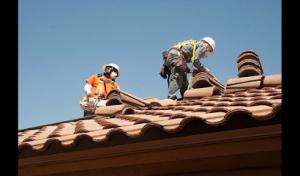
For asphalt shingles, the typical price range sits around 350 to 700 USD per square. Metal roofing commands a higher mid-range, roughly 750 to 1500 USD per square, reflecting the durability against Lafayette's humidity, heavy rain, and wind exposure. Tile systems-whether clay or concrete-sit well above asphalt or metal, with clay tile often being the most expensive option and concrete tile generally in the upper-middle tier. Synthetic or composite shingles provide a more budget-friendly alternative that still offers solid performance in the face of moisture and storm cycles, yet they usually fall between 500 and 1000 USD per square. These ranges are practical guides for planning, since the local mix of material choices and roof complexities can tilt final numbers on a project.
Storm-driven demand pressures can overwhelm local crews after major weather events. In Lafayette, that means scheduling windows may tighten quickly once a hurricane season or severe thunderstorm hasn'tched up. When estimating cost, expect that labor availability and rush-order materials can push the final price higher than a calm-season quote. If a storm is forecast, some contractors may implement temporary surcharge lines to secure crews and materials, so it pays to plan a bit of cushion into the budget and to request detailed timelines and itemized pricing. Comparing quotes with an eye on lead times and any weather-related scheduling fees helps prevent surprises when the first heavy rain hits again.
Humidity and frequent rain exposure increase the importance of moisture management and wind resistance in the Lafayette climate. This can justify higher upfront spending on metal or upgraded shingle systems for certain homes. Metal roofs offer excellent wind tolerance and longevity, which can translate into lower long-term maintenance costs and fewer leak concerns after storms. Upgraded asphalt or synthetic shingles may also provide enhanced moisture resistance and better sealing under wind-driven rain, though at a premium relative to basic asphalt. When evaluating options, consider the roof's exposure (ridge height, eaves, and valley configurations), the existing deck moisture history, and how well the underlayment and flashing designs are suited to Lafayette's wet, hot seasons. A carefully chosen system paired with quality installation helps minimize surprise leak responses and insurance documentation needs should a storm damage event occur.
In practice, plan for a range rather than a fixed number, and map out a preferred material plan with a backup option in case storm-season demand drives short-term price changes. If insurance considerations are part of the conversation, ensure quotes clearly spell out what is covered for storm-related damage versus routine replacement, and confirm that the quoted installation aligns with the region's moisture and wind resilience expectations. A thoughtful choice now can reduce the frequency of leak responses and help preserve the home's shell during Lafayette's storm seasons.
Don't let upfront costs delay a critical repair - these contractors offer payment plans to fit your budget.

Hargrove Roofing
(337) 476-3070 www.hargroveroofing.com
815 Johnston St, Lafayette, Louisiana
5.0 from 178 reviews
Burford Roofing & Construction
(337) 412-7540 burfordroofing.com
1202 General Mouton Ave, Lafayette, Louisiana
5.0 from 36 reviews

Premier South Roofing & Sheet Metal
(337) 296-7083 premiersouthla.com
3019 NW Evangeline Thruway, Lafayette, Louisiana
4.7 from 55 reviews
A full roof replacement in Lafayette Parish typically requires a building permit rather than being treated as a no-paperwork maintenance item. That distinction matters because missing a permit can delay your project, trigger rework, or complicate insurance claims after a storm. The parish's rules are not theoretical here; they reflect practical checks that help ensure a roof system is installed to withstand hurricane-season wind and the humidity that follows a hard rain. If the project is pursued without a permit, you risk fines, required tear-offs, and potential difficulty when you try to sell or insure your home.
The roofing contractor commonly files with the parish building department, which is a practical local detail homeowners should confirm before tear-off begins. In Lafayette Parish, coordination between you, the contractor, and the inspector is not just a formality-it's part of the process to ensure wind-rated fasteners, underlayment, and deck protection meet local wind-vs.-hurricane requirements. A good contractor will have a line of communication with the permit office and should bring you updates about documentation, inspections, and any corrective steps that arise during the process. Expect to sign off on review notes, not merely on a completion date.
Inspections are typically scheduled during and after installation to verify code compliance and proper roofing installation, so project timing in Lafayette should account for inspection coordination. The timeline often hinges on how weather windows line up with the inspector's availability and how quickly any weather-related delays are resolved. If a storm has recently passed, there may be additional checks to confirm that tarping, temporary repairs, and the final install meet the parish's safety criteria. Plan for the possibility that a short extension is needed to address a failed telltale detail flagged by the inspector.
Before the tear-off, verify that the permit application is filed and that the contractor will be responsible for scheduling all required inspections. Keep copies of the permit, inspection notices, and any corrective orders in a centralized spot in your home file. If a change order arises-whether due to unusual roof geometry, damaged decking, or upgraded underlayment-confirm how it impacts the permit scope and what documentation the parish will require to clear it. In this climate, timely permit handling protects your home from moisture intrusion and aligns your leak-response plan with the local code framework.
In Lafayette, hurricane exposure has made roof age, condition, and documentation more important in policy renewals and replacement decisions. The roof is a frontline asset against driving rain, loft humidity, and blowing debris, so underwriters scrutinize its readiness in the wake of a storm. When a storm is forecast, the clock starts ticking on how insurers view existing vulnerabilities versus new damage. A roof that has not aged well or shows vulnerable connections can shift a renewal toward stricter terms or a larger out-of-pocket impact if replacement becomes the favored path after a loss.
Because adjusters may scrutinize pre-existing damage closely in this market, keeping dated inspection photos before storm season starts is a smart move. A tidy, timestamped record of shingle condition, flashing integrity, and attic moisture indicators gives you credible footing if a claim is filed after wind-driven rain or hail. In practice, photos dated months apart can reveal gradual wear that insurance teams weigh during settlement discussions. This diligence can help prevent disputes over whether damage existed prior to a storm or was caused by the event itself.
Higher deductibles and tighter coverage options can change whether a homeowner pursues repair versus full replacement after a storm. The underwriting reality in this region expects that a robust, up-to-date roof with solid decking and properly sealed penetrations reduces long-term claim risk. If a roof shows widespread compromise, the path of least resistance for a policyholder may shift toward replacement, which can alter future premiums and coverage choices. Understanding how a storm interacts with the roof's current state-and documenting that state-can influence whether repairs suffice or a full rebuild becomes the prudent option.
Prepare by aligning maintenance with insurance realities: address shingle loss promptly, re-seal valleys and penetrations after major events, and maintain clear, dated records of any repairs. A disciplined approach to upkeep minimizes exposure to post-storm denials and supports stronger documentation during claim discussions. In this market, timely, honest records matter as much as the roof itself.
Low-slope roofs show up in additions, porches, and some mixed-use structures around here. In this humid, storm-prone climate, drainage performance and ponding become more consequential on these surfaces than on steeper roofs. Coatings and restoration services are common locally, with many owners choosing to extend service life before a full replacement. This section focuses on practical steps you can take to manage leaks, improve drainage, and document repairs when storms strike.
On flat and low-slope sections, ensure drains are clear and functioning before hurricane season begins. Check every interior and exterior scupper or downspout connection for debris, and confirm that fascia and edge details shed water toward the drainage points. If you notice standing water after a rain, investigate the source promptly: a minor slope issue, clogged drainage, or a small membrane failure can become a bigger leak quickly in this climate. When preparing surfaces for coatings or repairs, remove loose debris, dry the area, and repair any blisters or punctures on a membrane with a compatible patch. In Lafayette's rainy setting, a robust surface prep plan saves more headaches than chasing leaks later.
Roof coatings are a practical option for limiting leaks on low-slope systems without a full replacement. Select coatings that are compatible with the existing membrane, UV-stable, and designed for ponding environments. Consider a reflective top coat to reduce heat gain and extend the life of underlying substrates, while ensuring warranty coverage aligns with local humidity and weather exposure. For additions or porches, a professionally applied coating system should address seams, fasteners, and edge details to prevent moisture intrusion.
Schedule semiannual inspections-after the peak of hurricane season and before it starts-to catch arising issues early. Keep a simple, dated record of any patch, coating, or sealant work, plus photos of problem areas before and after service. When a storm hits, document leaks, interior damage, and any tarping or temporary fixes needed for insurance purposes. This local emphasis on rapid leak response and meticulous documentation helps navigate moisture challenges common to Lafayette's low-lying, humid environs.
Find specialists in TPO, EPDM, and built-up flat roofing systems for residential and commercial properties.
Cloteaux Roofing & Construction
(337) 267-8121 www.cloteauxroofing.com
1214 Rue du Belier, Lafayette, Louisiana
5.0 from 218 reviews
Colorwheel Roofing Company of Lafayette
(337) 547-3783 choosecolorwheel.com
151 Southpark Rd ste 102, Lafayette, Louisiana
4.9 from 61 reviews
Shingle Solutions LLC (Roofing & Construction)
(337) 513-0777 www.shinglesolutions.com
222 Coolidge St, Lafayette, Louisiana
5.0 from 23 reviews
In Lafayette's frequent wind-driven rain, flashing details around penetrations often reveal problems before field shingles or panels fully fail. Start with a close look at vent pipes, plumbing stacks, and chimney bases after a stormy spell. If you notice small water trails or damp spots along the flashing seams, address them early. Pay attention to step and counter-flashing where the roof meets vertical surfaces, since wind-driven rain can pry gaps open even when the surface looks intact. Use a flashlight and a screwdriver to verify fasteners are snug and that any sealant isn't cracked or peeling. Tighten or replace missed nails and re-bed loose flashing with a flexible sealant rated for high humidity and heat.
Chimney-related work shows up in the local contractor market, indicating roof-to-masonry transitions are a recurring service need in the area. Inspect the base of the chimney for mortar gaps that expose the flashing pan or kick-out flashing. A mineral-saturated cap can push water sideways into the attic if the counter-flashing isn't doing its job. In a storm, wind pressure can peel back the metal or allow moisture to travel along the joint. When hiring, look for contractors who manage the full transition-from the chimney apron down to the roof line-and who use a nailer-approved, corrosion-resistant flashing assembly. Don't rely on cosmetic caulk alone; replace damaged flashing and reseal the joints with products proven for masonry interfaces.
Skylight repair appears as a niche but active specialty locally, which matters because heavy rain exposure can turn minor curb or flashing defects into recurring interior leaks. Check the curb flashing, sealant beads, and the skylight frame for micro-cracks after storms. Tighten mounting screws so the skylight sits flush and unobstructed; maintain a continuous seal around the edge where the curb meets the flashing. If interior leaks persist after a storm, inspect the interior side for condensation that could indicate compromised flashing rather than a sheet-metal failure alone.
With mixed roof types common in Acadiana-style homes, flashing material compatibility matters. Ensure metal flashings around different substrates-wood, concrete tile, or clay-are properly isolated to prevent galvanic corrosion. Seasonal humidity can creep into tiny gaps; reapply compatible sealant at seams and around penetrations every few years, or sooner if recent storms reveal wear. A deliberate, proactive approach to flashing upkeep reduces the risk of interior leaks long before shingles wear through.
Find contractors experienced in skylight installation, flashing, and leak repairs to bring natural light into your home.
Best Choice Roofing
(337) 545-2831 bestchoiceroofing.com
3012 W Pinhook Rd, Lafayette, Louisiana
5.0 from 301 reviews
Roof Kings Of Lafayette
(337) 347-2074 www.roofkingsoflafayette.com
Lafayette, Louisiana
4.9 from 117 reviews
Roofing Contractors Lafayette LA
(337) 270-6496 roofingcontractorslafayettela.com
969 Coolidge St Ste 115, Lafayette, Louisiana
5.0 from 11 reviews
The door-to-door reality in this market is a mix of long-established family-owned outfits and newer locally owned firms. That blend matters after storms and during the scramble to fix leaks fast. You want a team that's around after the thunderstorm season ends, not a name that vanishes when the next big project hits. Look for signs of consistent footing: a physical shop or garage address, trucks that aren't just a mobile number, and crews with a track record of steady service rather than a rotating roster of subcontractors who disappear at the end of the season.
Homeowners here value quick, thorough response when shingles are found in their yard or leaks start dripping through the attic. A contractor who prioritizes debris removal, nail cleanup in gutters and driveways, and a clear plan for rapid site return can save you headaches and future damage. Ask specifically about how soon they can respond to a storm-damaged roof, what their standard cleanup protocol looks like, and how they handle tarps, plywood, and waste after the job is finished. You want a crew that treats cleanup as part of the job, not an afterthought.
Manufacturer certifications and warranty offers show up in this market, but they're not a given everywhere you look. That means you should verify not only the product warranty but also the workmanship warranty. Ask for written details on what the contractor covers for installation, how long the coverage lasts, and what conditions void it. In practice, you'll want a contract that clearly spells out who handles fasteners, flashing, and sealant failures, and a timeline for addressing any post-installation leaks that emerge after a storm. Avoid assuming "brand-name certs" alone guarantee sound results.