
Last updated: Apr 19, 2026
Roofs in this inland Louisiana setting endure brutal summer thunderstorms and remnants from tropical systems that roll up the Red River corridor. That combination accelerates aging of shingles, membranes, and fasteners faster than you might expect, especially on lower-slope or older roofs. The wind-driven rain can infiltrate small gaps you barely notice, and heat-cracking from long, hot afternoons compounds wear on underlayment and seals. Because Pineville sits across from Alexandria, the exposure pattern is predictable: bursts of gusty rain from passing storms, then calm, then another round. Your roof's first line of defense is consistent, proactive upkeep that catches wear before it becomes a leak or a wind-driven blow-off during a storm.
Hurricane season spans June through November, and even inland locations can see spikes in wind damage and scheduling chaos for roof work after broader Louisiana storm events. During peak season, local crews shift to high-demand mode, and delays ripple through typical repair timelines. This is not theoretical: an afternoon thunderstorm can shift into a damaging feature for sections of a roof, leaving vulnerable edges or poorly sealed spots to be exploited by subsequent downpours. The practical response is simple: pre-storm maintenance should be scheduled well before June, and be ready to address loose shingles, flashing gaps, and vent seals ahead of the first major storm cluster. After a storm, exercise caution before re-entering into quick fixes; wind can lift shingles and reveal flashing that looks intact but is compromised.
Louisiana's insurance market can be unpredictable, with higher deductibles and frequent claim activity during and after storms. Documentation becomes a homeowner's most portable ally when seeking coverage or renewals. Start with high-resolution, timestamped photos of the entire roof from multiple angles, including close-ups of shingles, flashing, valleys, and penetrations around chimneys and vents. Take exterior photos after each major storm event and again after any notable wind or hail activity. Inside, capture attic conditions, including the underside of the roof deck near vents, to show signs of moisture or condensation that could indicate slow leaks from edge failures. Keep a running log of maintenance tasks, with dates and the names of any contractors or helpers, so you can demonstrate ongoing care when policies are reviewed or renewed.
Without waiting for trouble, perform a focused exterior sweep for lifted or curled shingles, loose flashing, and deteriorated sealant around penetrations. Check gutter systems for debris that blocks proper water shedding, and inspect attic insulation and ventilation to ensure a balanced flow that minimizes condensation and moisture buildup in the attic space. After a storm is the time for a careful, daylight inspection with a ladder on solid ground and a partner for safety. If you notice nails popping, torn underlayment, or any sign of moisture intrusion in the attic or ceiling, flag it for a professional assessment early rather than waiting for a leak to appear.
Storm-driven wear progresses quickly in humid inland Louisiana climates, so timely, local expertise matters. If shingles show repeated curling along edges, flashing around the chimney or vents is discolored or loose, or attic signs point to hidden moisture, bring in a contractor who can perform a targeted roof evaluation, not a general replacement pitch. A local roof pro will understand how inland storms interact with Pineville's typical roof geometry-whether it's a steep cut, a shallow slope, or a dormer that complicates wind-driven rain entry. Arranging a consultation before peak storm periods can prevent scheduling conflicts and ensure that any necessary repairs are covered under a proper claim strategy when the next storm hits.

Edwards Roofing & Construction
(318) 201-7178 edwardsroofingla.com
169 Jordan Ln, Pineville, Louisiana
5.0 from 24 reviews
Edwards Roofing & Construction is a licensed and insured roofing company based in Pineville, Louisiana, specializing in full roof replacements for both residential and commercial properties. Our experienced local crew installs and replaces all major roofing systems with a focus on quality workmanship, dependable timelines, and clean job sites. From initial inspection to final walkthrough, we deliver professional service backed by references and a proven track record. If you need a roof replacement you can trust, Edwards Roofing & Construction is ready to help protect your property with a roof built to last.
B.K. Roofing
(318) 201-9065 www.bkroofingllc.com
17 Glade St, Pineville, Louisiana
4.2 from 26 reviews
B.K. Roofing is a family owned and operated company that has given satisfaction to customers needing roof repairs and new roofs. We are fully licensed and insured and provide free estimates. You will find comfort in knowing we have over 15 years of experience in the roofing industry. Great customer service is provided when you work with us because we don’t disappear after the job is complete. Should you need us after the job is done, we are here to serve you. Your home is a huge investment, your biggest asset, and keeping it water tight and safe is no small matter. If you would like to talk to someone about your roofing needs, give us a call.
Jenkins Roofing
(318) 264-1102 www.jenkinsroof.com
4435 Hathern Dr, Pineville, Louisiana
5.0 from 5 reviews
Jenkins Roofing has been offering top-of-the-line roofing services for more than ten years. We provide roof repairs and replacements for both commercial and residential buildings. Chris Jenkins and the other experts here at Jenkins Roofing are trustworthy and reliable. We’ll finish your project as soon as we can and give you a roof of the highest quality! Our team will work on your house as if it were their own! We realize how important it is to get you going as soon as possible. We are a licensed and insured business. We are located in Deville, Louisiana, and have long provided services to Cenla’s surrounding communities. Call us today for a free estimate!
Coody Roofing
33 Duncan Rd, Pineville, Louisiana
4.0 from 9 reviews
Call us today to learn more!
Ducote Roofing & Repair
(318) 880-6777 ducoteroofingandrepair.com
Serving
4.9 from 130 reviews
Two brothers running a local business with 4 generations of roofing experience! Ducote Roofing and Repair will stand behind their work when you need us the most. Tired of roofing companies saying they do not do repairs? With free estimates there is no reason not to call today!
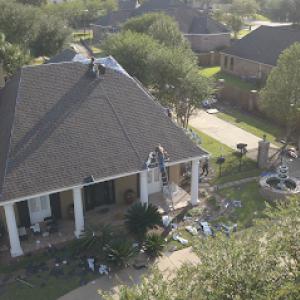
PowFord Roofing
Serving
5.0 from 6 reviews
When you contact Powford Contractors for roof installation in Louisiana, we’ll get the job done quickly and professionally. We provide accurate pricing and complete transparency. We are proud of the exceptional reputation we’ve built up among Louisiana homeowners, and we work to ensure we deliver value for everyone we do business with.
Dauzat Contractors
(318) 448-6071 www.facebook.com
Serving
3.9 from 7 reviews
We specialize in shingle, flat roofs and vinyl siding. Flat roofs included briar and TPO installation.
Wilkerson Roofing
Serving
5.0 from 1 review
If you in the market for a quality roof give me a call We got 25 years experience rember your roof is the main part of your home
Roofing & Restoration Services of America
Serving
1.0 from 1 review
A family-owned and BBB-accredited company with a nationwide reach, Roofing & Restoration Services of America has built up a reputation for honesty and trustworthiness that’s unparalleled in the industry. Our exterior remodeling company officially opened for business in 2010 in Texas, and now manages offices all across the nation. We specialize in best-in-class roofing, siding, and storm damage restoration for communities across all 50 states.
Aspen Contracting
(318) 716-7723 www.roofsbyaspen.com
Serving
1.0 from 1 review
Aspen is a nationally recognized exterior contractor, trusted to restore residential and commercial roofs, siding and gutters. Serving customers in the Columbus, Ohio area , we are committed to our mission to do the right thing, through higher standards and integrity. We carry out this mission each day by providing high quality service and following through on our commitments. We hold this dedication for our customers, insurance companies and strategic partners in manufacturing, distribution and technology. With this formula, Aspen has grown into one of the largest roofing contractors in the United States.
Vision Construction
(816) 743-4156 www.buildwithvisionllc.com
Serving
At Vision, we believe in providing an enjoyable experience, in building trust one step at a time. We are a national storm restoration company, specializing in residential roofing. Local. Steadfast. Regional.
Roofers Alexandria, LA - Koala Roofing Company
(888) 807-0966 www.koalaroofingco.com
Serving
Koala Roofing is a locally owned and operated company that has been providing its clients with the best roofing services. We have never failed to serve you with unmatched quality by maintaining high working standards. We protect your homes by providing protection to your roofs. We get you covered when it comes to providing roofing services because our roofing contractors always stay a step ahead to understand your needs. When it comes to providing you with the most affordable roofing services, no other company can match the standards of Koala Roofing. Ever since the inception of our brand, we have never lowered the quality of our roofing services due to our nominal rates. Get in touch with our roofing contractors today!
Pineville sits in the Red River valley, so humidity lingers at the roofline longer than in drier inland markets. That persistent dampness keeps shingles damp even days after a rain, which accelerates aging and softens edges that would otherwise dry out quickly. The hot, humid summers push shingles toward higher operating temperatures, making plasticizers and asphalt bonds work harder. Thunderstorms are common, and remnants of tropical systems often bring bursts of rain and wind that test edge flashings and vent seals. In practice, this means your roof spends more time in a damp cycle than you might expect, and drying potential after heavy rain becomes a critical factor in how well it holds up over the years.
When you look at the typical housing stock around the Red River corridor, you'll notice roofs that prioritize rapid shedding of moisture and solid sealing around penetrations. In this inland climate, shingles and underlayments must tolerate repeated wetting and drying, paired with intermittent heat that can warp or shrink vulnerable edges. Metal roofing and synthetic options often perform well under these conditions due to their seam integrity and lower water absorption. If you prefer traditional looks, clay tile or slate offer long life but require careful attic ventilation and a robust underlayment system to compensate for their heavier weight and potential for thermal movement. Regardless of choice, pay close attention to fastener corrosion resistance and the quality of ridge caps, valley flashings, and drip edges, since wind-driven rain can exploit even small gaps during a thunderstorm.
Because surface dampness can persist for days after a storm, drying potential should guide both installation and ongoing care. Ensure the attic space has adequate airflow to move moisture from the roof deck to the exterior. A well-ventilated attic helps prevent dew and prolonged moisture that can lead to mold or wood degradation in eaves and rafter tails. Inspect roof penetrations after heavy rains for signs of moisture intrusion around pipes, vent boots, and chimney flashing. If you notice any persistent damp patches on the underside of the roof deck or abnormal staining along rafters, address them promptly to avoid hidden rot that undermines the roof's structural integrity.
After a heavy rain, walk the exterior at daylight with binoculars or a ladder to look for hairline leaks around fasteners, edges of shingles, and the transition between materials. On the inside, run your hands along attic joists near vents and chimneys; you should feel the temperature roughly the same as the surrounding air if ventilation is adequate. When inspecting shingles, look for feathering on edges, cupping or curling, and any granule loss that creates rough patches on the surface. In pine-friendly terms, the goal is to keep moisture moving off the roof promptly and out of the attic, so pay particular attention to flashing seals around joints where rain can push up against the roofing plane during a storm.
Edge details matter more here than sheer bulk. The combination of humidity and wind can push rain up under the eaves, especially where gutter systems are blocked or undersized. Ensure your gutters and downspouts are clear before the peak storm season and that fascia boards aren't compromised by trapped moisture. Sealants around vent pipes and chimneys should remain flexible to accommodate thermal movement from hot summers and sudden cooling after storms. If you notice any lift at the shingle edges during a wind event, have a professional re-seal or re-nail those areas to restore a tight barrier against water intrusion.
Asphalt shingles remain a practical fit in Pineville because they are widely used locally, but humid conditions can encourage algae staining and shorten appearance life before full functional failure. If you choose asphalt, look for algae-resistant options and a light-colored granule mix to reflect some heat. In this climate, regular ventilation matters more than in drier regions: ensure soffits have unobstructed intake and the attic has adequate venting to move hot air out. A reflective roof coating can help post-installation, but avoid coatings that trap moisture or void the warranty. Keep an eye on granule loss after heavy storms, since wind-driven rain is common here and can accelerate wear along edges and hips.
Metal roofing is especially relevant because it handles heavy rain shedding well and is often considered by owners looking for better wind performance and possible insurer preference for upgraded systems. Choose a standing-seam profile or insulated panel with proper underlayment and a sealed seam system to minimize leaks during thunderstorms. Metal expands and contracts with rapid temperature swings, so ensure the fasteners are rated for coastal-like humidity without becoming too rigid. In Pineville's storm season, a solid metal roof can buy resilience if paired with a robust flashing plan around chimneys, vents, and skylights. While installation cost is higher upfront, the long-term resistance to wind-driven rain and algae-free beauty can pay off, provided the roof is designed to shed debris effectively and maintain proper drainage.
Clay tile and slate are available options but Pineville's occasional rapid temperature swings and storm debris exposure make breakage and repair logistics more consequential than in milder, drier regions. Clay tiles can crack from hail or heavy debris and slate is prone to cracking under impact. If choosing these options, specify a reinforced underlayment, reinforced battens where appropriate, and a plan for rapid access to spare tiles or slates. Debris impact resistance should be a primary discussion point with the installer, along with a clear understanding of replacement logistics and lead times after a major storm.
In this climate, proactive maintenance beats surprise failures. For any roof type, schedule a post-storm inspection after violent thundershowers, looking for loose fasteners, lifted edges, and visible water intrusion around penetrations. Keep gutters and downspouts clear to prevent ice-damming risk at eaves in shoulder seasons, even though snow is not the main concern here. Document hail and wind damage promptly with photographs and keep a risk-ready folder of contractor notes and manufacturer warranty details. Insurance readiness hinges on having up-to-date records and a well-maintained, clearly evidenced roof that stays resilient through Pineville's humid, thunderstorm-prone cycles.
Humid subtropical conditions around Pineville promote moss or algae growth on asphalt shingles and wood surfaces, making streaking and surface moisture retention a recurring local concern. Those dark streaks are more than cosmetic; they signal moisture lingering on the roof surface after storms and heat, which over time can soften the protective granules and shorten the shingle life. Regular inspections after the peak of summer storms help catch algae before it penetrates the underlayment. If you spot green or black staining, address it promptly with a soft-cleaning approach or consult a local roofing professional who can suggest algae-resistant options that fit your climate. Quick, preventive cleaning after the wet season can reduce moisture retention and helper shields against accelerated aging.
Wood shingles and shakes in Pineville need closer monitoring because repeated wetting from thunderstorms and high humidity can accelerate weathering compared with drier climates. Curling, splitting, and a faster breakdown of surface fibers are common when moisture repeatedly saturates the wood. Look for soft, gray patina and edge checks after heavy rains. Consider periodic resealing or re-starring with a wood-friendly preservative, and keep gutters clear so that water doesn't back up onto the roof line. If you notice cupping or pronounced granule loss near fastener lines, plan a timely inspection; untreated wood already takes longer to dry in this climate, making it more vulnerable to moisture-driven damage.
Heavy summer rain can complicate installation timing in Pineville, so underlayment exposure windows and dry-in sequencing matter more than in less rain-prone inland cities. When planning new roof work, crews should minimize days with high humidity and afternoon showers during critical stages, ensuring the underlayment remains dry where possible and that flashing, drip edge, and ventilation are correctly sequenced to avoid moisture traps. If a storm front rolls in during a project, it's prudent to pause and resume only once conditions permit a dry-in that keeps the roof deck and underlayment uncontaminated. This careful pacing saves material life and reduces the risk of moisture-related warranty issues down the line.
In Pineville, a permit is typically required for a full reroof through the City of Pineville building department, whether the contractor or homeowner applies. Before any shingles start flying, confirm the permit path with the building department and with your chosen contractor. Some crews handle the permit entirely, while others require you to submit the application, but the expectation here is clear: the permit needs to be in place for a full reroof.
Once the project is underway, inspections are not a single signoff. The city schedules inspections during the course of the work and again at final completion. This means you should plan for a mid-course check to verify that flashing, underlayment, attic ventilation, and nailing patterns meet code in real time, not just on a closing checklist. If the inspector finds a discrepancy, the work may need to pause while corrections are made. Having the roof scaffolded and accessible for inspection days reduces delays, so coordinate with your contractor to keep the line of sight open for the inspector.
Weather and storm-season timing factor into scheduling. Processing times for permits can vary, and that variability can affect when you can start and finish a reroof, especially if a storm window looms. It helps to align the permit submission with an anticipated stretch of calmer weather, but be prepared for small delays if inspections are moved due to heavy rain or temperature concerns. A practical approach is to set a rough start date, then lock in the first inspection appointment as soon as the permit is issued. If a mid-project inspection uncovers issues tied to roof geometry or deck integrity, address these promptly to minimize cascading delays.
Older homes may trigger wind-mitigation requests during the permit review. If the building department asks for documentation, gather existing wind-resistance details, any prior upgrades, and a clear record of the roof's attachment method. Be ready to supply photos, installation dates, and any relevant engineer or contractor notes. Delays in wind-mitigation documentation are common, so keep your contractor on standby to supply data quickly if the city requests it.
Finally, track the permit through the city's portal or with the plan reviewer's contact. Keeping a dated log of submission receipts, inspection dates, and any issued correction notices helps avoid missed slots and keeps the reroof moving toward a timely final sign-off.
In Pineville, typical material pricing runs about $350-$650 per square for asphalt shingles, $700-$1500 for metal, $1200-$2300 for clay tile, $700-$1300 for wood shingles or shakes, $900-$1600 for synthetic or composite shingles, and $1800-$3500 for slate. When storm season hits, you'll notice prices and availability shift as crews and materials get pulled into regional recovery work, even if your street isn't in theDirect path. That means planning ahead matters more than ever during late spring and summer.
Storm-driven delays are common in this inland Louisiana climate because crews swing to respond to broader demand after remnants of tropical systems roll through. If you're comparing bids, expect a few weeks' difference between a quiet month and peak season, and factor in potential backlogs on larger jobs like clay tile or slate. For reroofs, the strongest thing you can do is lock in a start window early and build in a cushion for weather interruptions.
Late summer storms can extend lead times even for smaller repairs. If you're facing a reroof after hail or wind, discuss available crews and estimated lead times with your contractor up front. You'll want to confirm whether your chosen material aligns with the region's weather pattern-metal and asphalt often move faster, while tile and slate may require longer fabrication and staging times.
Budget a contingency of a few hundred dollars for weather-related delays or material spikes. With the pricing ranges above, a homeowner can calculate a realistic total by square footage and material choice, then compare bids not just on price but on projected timing and the contractor's plan for storm-season scheduling. You'll thank yourself later when the roof goes on with fewer hold-ups and clearer documentation for any potential claim needs.
Louisiana's insurance environment is volatile, with periodic carrier pullbacks that directly affect homeowners shopping for roof replacements or policy renewals. In Pineville, those shifts can arrive with little warning, leaving you negotiating options at a moment when you're already weighing storm readiness. The churn means that how you present your roof today can shape coverage decisions tomorrow, especially if a carrier is tightening rules or stepping back from older material types. Staying ahead of that cycle helps you keep options open and reduces the scramble when a storm looms.
Adjusters handling Pineville-area storm claims may expect thorough documentation, including dated photos showing roof condition before and after storms. A clear, time-stamped record helps separate preexisting wear from new damage, which is critical if a claim is questioned after a major rain event. If you recently had a reroof or an upgrade, keep receipts and contractor notes handy, and photograph key details-edge fasteners, flashing, and any visible wear along valleys or rakes. In this climate, where heavy downpours and thunderstorm remnants are common, a steady stream of documented evidence can smooth the claim process and reduce back-and-forth delays.
Impact-resistant or otherwise upgraded roofing can matter more in Pineville's insurance conversations because carriers in Louisiana often scrutinize roof age, maintenance, and storm resilience. If a roof shows newer layers, tighter seals, and modern underlayment, it can influence underwriting discussions and claim outcomes after a storm. Regular inspections that verify shingle integrity, nail security, and flashing condition aren't vanity maintenance; they're proof that the roof is keeping up with the region's demands. When talking with your insurer, having a consistent record of proactive upkeep can translate into more favorable treatment should a weather event stress the system.
In this inland Louisiana setting, a quick thunderstorm can lift edging shingles and expose underlayment to driving rain within minutes. When wind pushes shingles up, you may notice small leaks forming at seams or around penetrations long after the storm passes. The risk is highest on roofs with aging or undersized fasteners, or on low-slope sections where wind-driven rain has a better path inside the attic. After a thunderstorm, walk the attic by flashlight if accessible, looking for water stains, musty smells, or damp insulation. If you spot lifted edges or dark streaks on the ceiling, address the affected area promptly and plan a reseal or re-fastening approach with attention to wind-mitigation details.
Older houses here often show wear in the nailed deck and the edge fasteners that keep shingles in place when storms roll through. When planning a reroof, expect questions about deck condition, nail spacing, and the presence of hurricane-strength fastening options. A deteriorating deck can hide hidden rot and compromise new fasteners' bite, increasing the chance of wind uplift in the next round of storms. Gather whatever local documentation you can-photos of the current roof, attic ventilation status, and any prior repair notes-so that a contractor can show how they will meet wind-resistance expectations. Transparent records help smooth out insurance reviews and ensure a solid, long-lived installation.
Clay tile and slate components can become brittle when rapid weather changes collide with storm-thrown debris. A single projectile or a hail impact can crack or shatter a tile, leaving a gap that admits rain even if surrounding tiles remain intact. Small fractures can propagate over time under freeze-thaw cycles or thermal expansion, turning a minor repair into a larger roof section replacement. Spot repairs on a brittle system are more challenging than with common asphalt, so inspect regularly after storms and treat any newly exposed fasteners or broken pieces as a priority replacement rather than a temporary fix.