
Last updated: Apr 19, 2026
When a hurricane or tropical storm hits, your first move is a rapid roof check. Lake Charles sits in southwest Louisiana where tropical storms and hurricanes are a primary roofing risk, making storm-related roof replacement a leading homeowner concern. Look for missing shingles, curled edges, dented metal, lifted flashing, and obvious interior leaks around ceilings and attic vents. If you notice moisture or daylight through the attic, treat it as urgent and begin the claim-following process immediately with your insurer. In the days after a storm, roofing crews and insurers move quickly, but the scheduling window can close fast as demand surges.
Document damage with clear photos from multiple angles, both exterior and interior, right after the weather clears. Create a simple timeline: storm date, first signs of damage, calls to your insurer, and any temporary containment you apply (like tarping). In this market, contractors frequently advertise storm damage and insurance-claim help, reflecting how often homeowners need roof assessments immediately after severe weather. You should request a written assessment from a qualified roofer that notes shingle loss, underlayment exposure, and any structural concerns. Keep all receipts and correspondence organized so your claim can move without delay.
Seek a contractor who specializes in post-storm recovery and understands the unique Lake Charles environment. Reputable local firms will walk you through how coastal humidity, salt exposure, and rapid inflation in the wake of a storm affect materials and warranties. Ask for references from recent storm jobs, and verify that the crew has the proper safety gear for high-wind environments and coastal conditions. A trusted partner will set realistic expectations about timelines, the sequence of work (tear-off first, then replacement), and the importance of matching roofing materials to withstand future storms.
In this climate, material selection matters as much as workmanship. Asphalt shingles are common, but in a high-wlood, salt-laced environment, synthetic or composite shingles can offer improved hail resistance and longer life. Metal roofing provides excellent durability against repeated storms and high winds, though installation quality is critical to prevent leaks at seams and fasteners. For flat or low-slope sections, EPDM rubber can be a practical choice when properly installed. Discuss with your roofer how each option tolerates salt spray, humidity, and the risk of surge-driven debris impacts.
Expect a phased approach: assessment, temporary protection if needed, tear-off, and full replacement. Given the surge in demand after major weather events, communication is essential. Schedule updates should be frequent-especially if weather windows open or close, or if crews must pivot to other storm-affected homes. If a contractor pressures for rapid decisions, request a written plan with milestones and a fallback if weather interrupts progress. In this region, decisive, informed action after a storm saves costly delays and protects your home from secondary damage.
Louisiana is a high-exposure wind, hail, and storm-claim market, and coastal insurance tightening affects Lake Charles homeowners more directly than many inland cities. The pattern after a major storm is not just about the roof itself but the cascade of decisions that follow-whether to replace, repair, or wait for the next storm season. If a surge of new claims comes through, insurers may reallocate their appetite toward certain roof types or roof pitches, and that direct pressure filters down to what gets approved for coverage and how quickly. In practical terms, that means planning for a replacement can become tied to how aggressively a carrier is willing to underwrite at the moment, rather than simply choosing the most familiar material.
Adjusters in this market may ask for roof photos, wind-mmitigation details, and documentation tied to material type or roof angle before approving or limiting coverage. Photos should capture the entire roof from multiple angles, plus close-ups of any flashing, vents, and seams that could influence a claim. Wind-mitigation details-such as nail patterns, hip-and-valley coverage, and attachments that resist uplift-often carry weight in the final decision. Documentation tied to material type or roof angle matters because carriers want to see whether the loss aligns with known vulnerabilities for the area and the chosen replacement path. Having clear, organized records speeds the process and reduces back-and-forth requests that stall recovery work.
Because repeated storm losses have reshaped insurer appetite in Louisiana, roofing decisions in Lake Charles often involve balancing replacement urgency with what carriers will still insure. That balance sits behind every major decision: if the home needs a full replacement, the chosen system should align with both local exposure and long-term resilience. The pressure to move quickly after a storm can push homeowners toward familiar materials, but the tail risk-coverage changes, higher deductibles, or reduced policy limits after the next claim-can shift the calculus. In practice, this means asking honest questions about the durability of options under frequent wind and salt exposure, while also considering how tomorrow's policy terms could affect future coverage.
When a hurricane threatens or a large claim is on the horizon, your best move is to document proactively. Start a simple file for every roof-related document: contractor notes, photos, product sheets, and any communications with the insurer. If a roof already shows signs of aging or damage, get an independent assessment to understand how much of the problem is weather-driven versus wear-and-tear. Choose materials with proven performance in windy, saline environments-systems that resist uplift, salt corrosion, and moisture intrusion-and discuss with a trusted local contractor how different configurations perform under coastal conditions. The goal is to secure a roof that not only withstands the next round of storms but also remains insurable under evolving market terms.
In this market, urgency can feel like a necessary ally, but hasty choices can backfire if coverage tightens or insurers reassess risk. Take time to compare how different roof systems would perform when confronted with Gulf humidity, salt air, and back-to-back storms. Prioritize installation quality and detailing-especially at edges, penetrations, and flashings-as small gaps become leverage points for leaks after a hard rain. By keeping documentation thorough and selecting a system with proven coastal resilience, homeowners reduce the risk of future claim friction and enjoy a smoother recovery path when the next storm season rolls in.
Connect with contractors who help homeowners navigate the claims process from damage assessment to final approval.
Lake Area Roofing & Construction
(337) 417-9588 lakearearoofs.com
967 Ravenhurst Dr, Lake Charles, Louisiana
5.0 from 35 reviews
M&M Roofing, Siding & Windows - Lake Charles
(337) 436-7151 mmroofsiding.com
630 W Prien Lake Rd b213, Lake Charles, Louisiana
4.7 from 25 reviews
Kinder Roofing & Construction
(337) 580-9607 www.kinderbuilds.com
500 Broad St Suite 202, Lake Charles, Louisiana
5.0 from 42 reviews
We are a licensed and a local company that’s here for you and with you the entire building and roofing and remodeling process, with a project manager or General Contractor on each job to ensure everything is running smoothly. #letsbuildtogether
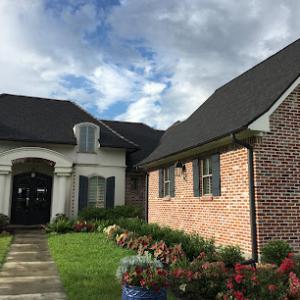
Lake Area Roofing & Construction
(337) 417-9588 lakearearoofs.com
967 Ravenhurst Dr, Lake Charles, Louisiana
5.0 from 35 reviews
Southwest Louisiana owned and operated roofing and construction company.
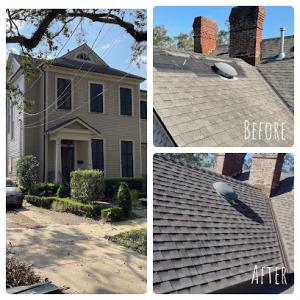
Petrali Roofing Louisiana
(337) 304-5605 petraliroofing.com
Lake Charles, LA
5.0 from 33 reviews
Petrali Roofing proudly serves customers in both Louisiana and Colorado and we have over 400, five-star review. We have a passion to serve the people of Louisiana, one roof at a time. We are here for all your roofing needs: roof replacements, tarping/mitigation, and roofing repairs, and we are Fortified Roof Certified Installers for Hail, Hurricanes, and High Winds. Quality is in our DNA
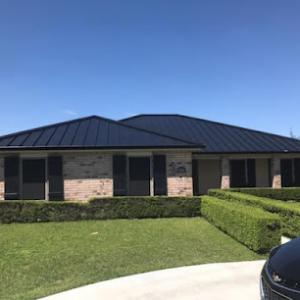
Daley's Home Improvement
6812 W Calcasieu Dr, Lake Charles, Louisiana
5.0 from 25 reviews
We are a locally owned home improvement business. We offer serves for roofing, gutters, electrical, metal awnings, and more. Please feel free to reach out for a quote.
M&M Roofing, Siding & Windows - Lake Charles
(337) 436-7151 mmroofsiding.com
630 W Prien Lake Rd b213, Lake Charles, Louisiana
4.7 from 25 reviews
M&M Roofing, Siding & Windows has been a family-owned and operated business serving homeowners for over 40 years. With offices in Houston, San Antonio, Beaumont, Austin, and Lake Charles, we can care for your home’s local roofing services and help you get back to life. We specialize in home improvements, including residential and commercial roofing, siding, windows, doors, radiant barriers, gutters, and soffit & fascia. Choosing M&M Roofing, Siding & Windows is a wise choice when it comes to protecting your home. We offer the highest quality materials and expert craftsmanship and also financing. Call today and one of our experienced roofing experts will give you a free estimate and discuss the right options for your situation.
Pelican Roofing Company
(337) 703-4515 www.pelicanroof.com
825 W Prien Lake Rd, Lake Charles, Louisiana
5.0 from 7 reviews
At Pelican Roofing, we pride ourselves on the reputation we’ve built as a dependable roofing company that our customers know they can trust—and we want to continue building that reputation. We believe our success is measured by our superior workmanship and our relationships with our customers and employees. Our friendly and courteous staff are dedicated to providing customer-focused service, competitive pricing and roofing expertise on every project. Fully licensed and insured, Pelican Roofing holds ourselves to the highest standards of integrity, safety and professionalism by hiring only qualified and experienced roofing specialists. From small leaks to big problems, Pelican Roofing is committed to exceeding our customers’ expectations.
Arabie Roofing Company
(337) 477-6765 arabieroofing.com
921 Manuel Rd, Lake Charles, Louisiana
4.3 from 17 reviews
We are a locally owned contracting company. We specialize in roofing. We have been serving the Southwest Louisiana area for over 65 years. We serve customers in a residential, commercial, and industrial capacity.
Lake Charles Roofing Pros
(337) 358-6254 www.lakecharlesroofingpros.com
Lake Charles, Louisiana
5.0 from 4 reviews
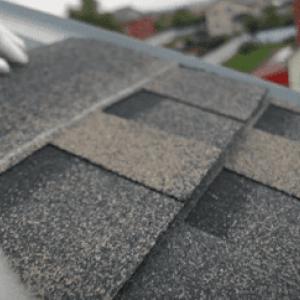
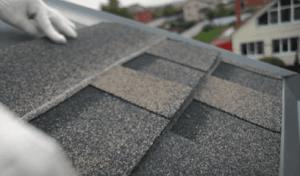
Asphalt and Metal Roofing specialists for the greater Southwest Louisiana area! We are your roofing professionals, Call us today for a free estimate in 15 minutes for your roof repair or replacement. We are the Pros you need!
AJ Star Roofing
Lake Charles, Louisiana
5.0 from 4 reviews
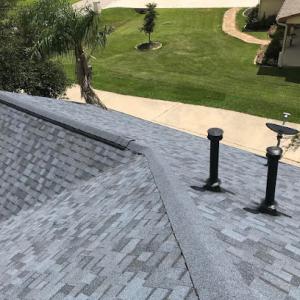
We are a Lake Charles Roofing company here to help you
Carreras Roofing & Construction
(432) 301-1112 carrerasroofingandconstruction.com
243 Sam Houston Jones Pkwy, Lake Charles, Louisiana
5.0 from 4 reviews
"Carrera's Roofing & Construction" our first priority is to ensure your satisfaction. That is why we work directly with you through the insurance process to the funding. We want to ensure that we are here for each and every one of your roofing needs. We also stand behind our work long after we've put our hammers down after a job well done. The bottom line is to always ensure that you get the best roofing services.
Roof Savior
1221 Louisiana Ave, Lake Charles, Louisiana
5.0 from 3 reviews
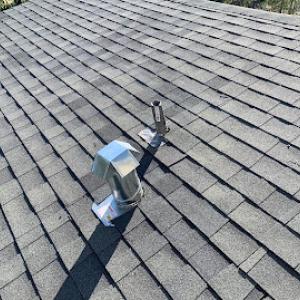
Roof Savior gets you instant roofing quotes from local, vetted, and insured roofing companies. Lifetime shingle warranty. Guaranteed start date. Let us take care of your roof and set you at ease!
Metal Coverings
(337) 439-1861 www.metalcoveringsllc.com
Lake Charles, Louisiana
4.4 from 5 reviews
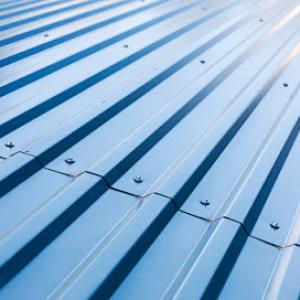
Contact Metal Coverings, LLC today to find out more about your metal roofing options in the Westlake, LA area. Choose Metal Coverings, LLC and You’ll Love the Results At Metal Coverings, LLC, we believe that if you’re going to do something, you should do it well. That’s why we work with metal and only metal. Building your roof or other coverings with metal will keep your Westlake, LA area property safe under one of the toughest materials available.
In this area, roofs face hot, humid conditions, heavy summer rainfall, tropical-storm winds, and coastal salt exposure that can shorten the life of sealants and fasteners. That means material selection leans toward attachment strength, corrosion resistance, moisture management, and how quickly a system can be repaired after storms. Asphalt shingles and metal roofing dominate the steep-slope landscape, while tile and composite options appear in smaller numbers. EPDM becomes relevant mainly for low-slope applications. Choose a roof that can shed water quickly and hold up under high winds without introducing maintenance headaches after every storm.
Asphalt shingles are a common, practical choice for many homes, especially when paired with impact-resistant or higher-wire sealants. In a high-claim insurance market, you'll want a shingle with good granule retention and a robust nailing pattern to resist uplift. Metal roofing, on the other hand, handles coastal winds well and resists salt spray, but installation details matter: continuous fasteners, proper sealant at connections, and color choices that minimize heat buildup. Both options benefit from a ridge vent and properly designed soffit venting to manage humidity. If a steep slope is already in place, these two materials often deliver reliable performance with predictable repair paths after storms.
Clay tile and concrete tile can offer long life and a distinct look, but they're heavier and more sensitive to structural support and wind-driven debris. In the hurricane-prone Gulf, tile systems demand careful attachment to withstand uplift and a watertight underlayment to manage rapid storms. Synthetic or composite shingles provide resilience similar to asphalt with added flexibility against temperature swings and salt exposure. Use high-quality underlayment and issue-detection routines after storms to catch fastener loosening or sealant degradation early.
EPDM rubber is most relevant where a low-slope or flat section exists, such as some additions or commercial-inspired residential designs. It handles ponding better than many other options when installed with a well-thought-out flashing plan. In all cases, the transition details to steeper sections, penetrations, and parapets must be reinforced to resist salt-laden humidity and wind-driven debris.
Installation quality matters more here than in milder climates. Pay attention to fastener type and corrosion resistance, sealant longevity under salt exposure, and the speed of repair after a tropical storm. A well-sealed, wind-attached system with good moisture management reduces post-storm claim headaches and keeps a roof functioning through Louisiana's routine recovery cycles.
In this market, the base material price ranges are a practical starting point. Asphalt shingles run about $420 to $700 per square, a value you'll see quoted by local crews who know the demand spikes after storms. Metal roofs are typically from $700 to $1400 per square, reflecting the durability you need against salt spray and hurricane debris. If clay tile is on the table, expect $1800 to $3200 per square, while concrete tile sits around $1500 to $2600 per square. Synthetic or composite shingles land roughly in the $500 to $900 per square band, and EPDM rubber roofing is priced at about $4 to $8 per square foot. These figures represent base material costs and can shift once the storm-driven surge hits, but they give a realistic picture of where your budget starts.
After tropical systems, labor Availability tightens as crews swing between multiple reroofs and temporary repairs. Scheduling inspections accelerates only as insurance repairs push a higher volume of work through the system, so wait times can stretch longer than usual. Material supply chains can also tighten, pushing some products up or out of stock briefly. In practice, that means a project that might normally span a couple of weeks could extend, and bids may vary more than usual between reputable local crews. If you're comparing quotes, expect trucks and crews to be booked further out than during calm months, and factor in potential price changes tied to sudden demand.
Coastal humidity and salt exposure push homeowners toward upgraded fasteners, sealants, and underlayment details. That means even if the base shingles or tile are the same, you could see additional line items for corrosion-resistant nails or enhanced moisture barriers. These upgrades are especially common with shingle and tile installations in this area, where salt in the air and high humidity can accelerate wear. The net effect is a higher upfront cost, but the payoff is longer-lasting performance in a corrosive, damp environment.
Start with a material preference knowing the base ranges, then prepare for possible premiums tied to storm timing. Contact three local crews who understand the weather-driven cycles and request itemized bids that separate material costs, labor, and any upgrade options for fasteners and underlayment. Ask about warranty terms that cover salt exposure and wind uplift, and request a realistic project timeline that accounts for seasonal demand. Finally, align your plan with a contingency for potential scheduling shifts after severe weather passes.
Get a clear picture of your project costs upfront - no commitment required.
M&M Roofing, Siding & Windows - Lake Charles
(337) 436-7151 mmroofsiding.com
630 W Prien Lake Rd b213, Lake Charles, Louisiana
4.7 from 25 reviews
Lake Charles Roofing Pros
(337) 358-6254 www.lakecharlesroofingpros.com
Lake Charles, Louisiana
5.0 from 4 reviews
A full reroof in Lake Charles typically requires a permit through the City of Lake Charles or Calcasieu Parish building department process. This isn't just a formality after a hurricane; it ensures the roof structure, deck condition, and weatherproofing meet current codes and local expectations for wind resistance and salt exposure. When you or your contractor pull the permit, expect to submit a scope of work, details on underlayment, fastening methods, and roof-slope information. The permit is tied to inspections, so coordinating the timing of pull with material deliveries and crew scheduling helps avoid delays. In neighborhoods with older housing stock, inspectors will pay close attention to how the existing deck is prepared and how the new layer integrates with flashing and drainage. Knowing which paperwork your contractor uses and having copies on hand can speed up the process during a busy storm-recovery season.
Inspections commonly occur during installation and again after completion, with attention to deck condition, underlayment, and fastener compliance. Expect the inspector to verify that the deck is sound, free of soft spots, and properly vented to prevent moisture buildup beneath the new roof. Underlayment quality and continuity matter, especially in areas with high humidity and salt air exposure, so double-check that seams are sealed and that the underlayment is compatible with the chosen roofing material. Fastener type, spacing, and penetration through the deck must meet local code and manufacturer requirements, given Lake Charles's propensity for rapid weather changes and tropical storm impacts. If decks were damaged or previously repaired, be prepared for the inspector to review those sections for potential reinforcement or corrosion issues before approving the new roofing assembly.
Typical permit and inspection turnaround is about one to two weeks depending on department workload, which matters more during active storm-recovery periods. Plan ahead for possible delays caused by backlogs after major storms, and keep the project file organized so inspectors can quickly verify compliance. Communicate with the contractor about scheduling windows- inspections are often tied to staged milestones like deck repair, underlayment installation, and final roof-covering confirmation. If the weather window shifts or if any noncompliant detail is found, you may face follow-up visits, so having a clear, documented plan with photos of deck condition, flashing details, and fastener layout can reduce downtime. Remember that permits and inspections are designed to protect both your home and neighborhood infrastructure in windy seasons, so treating them as a constructive part of the reroof process helps keep the project on track.
Heavy summer thunderstorms in Lake Charles can interrupt tear-off and dry-in schedules even outside named storm events. When a contractor calls for a dry surface, those pop-up storms can erase progress in a single afternoon and push complex roof work into a longer timeline. To minimize disruption, expect crews to stage materials indoors or under covered work areas whenever possible, and keep a flexible plan that allows for short, weather-compatible windows between passing storms.
Hurricane season can delay starts, pause active jobs, and complicate access to neighborhoods and materials across the city. Access to certain streets can vanish after a heavy event, and delivery windows for long-lead items may tighten as demand spikes. A practical approach is to lock in a target dry period with a trusted crew well before the first storm line approaches, then maintain weekly checks for updated forecasts and neighborhood access notes.
Winter rain events also reduce dry-weather windows, so homeowners often try to plan major replacements around the more reliable drier stretches. That means aligning a project with late fall or late spring breaks in the weather, when the risk of a heavy downpour is lower and the work can proceed without frequent weather-driven pauses. If a winter storm rolls through, expect delays and adjust the schedule accordingly to prevent moisture intrusion.
Start with a weather-aware project timeline that builds 2-3 contingency days into each major phase. Choose a crew that communicates openly about forecasted rain and can adjust sequencing on short notice. Prepare the site ahead of forecasted rain-remove loose debris, protect attic access points, and have tarps ready for temporary coverage. Maintain direct lines of contact with the contractor and insurer so expectations stay aligned if a delay becomes likely.
In the Lake Charles area, repeated wind exposure can loosen shingles, ridge components, and flashing details long before a roof looks fully worn from the ground. That gradual loosening leaves you with panels that don't seat right, gaps around vents, and flashing that can peel back at the edges during the next storm. The consequence isn't just cosmetic-loose pieces invite water intrusion and wind-driven debris can accelerate underlying damage. If you notice shingles curling at the edges, exposed fasteners, or a ridge line that sounds loose when you walk the roof, treat it as a warning. Addressing small movement early can prevent a larger, more expensive failure when a hurricane comes through.
Coastal humidity and salt exposure can accelerate deterioration in exposed metal components, especially fasteners and sealant-dependent details. In this climate, metal pans under vents, drip edges, and flashing around chimneys or skylights can corrode faster than you expect. Sealants that seem sticky in the heat may crack and lose elasticity after a storm, letting water seep behind the surface layer. If you see rust halos along fasteners, looseness around flashing seams, or dulled flashing that no longer sheds water cleanly, investigate promptly. Small rust spots or corroded fasteners are early clues that a more comprehensive fix may be needed to avoid punctures or leaks during high-wind humid spells.
Low-slope sections and penetrations are vulnerable during prolonged rain events, which is why EPDM and coating-related service calls remain part of the local market even though steep-slope roofs dominate. Where the roof deck meets vents, skylights, or mechanical equipment, water can travel farther before it becomes obvious. Look for staining on ceilings below these areas, damp insulation, or shingles that seem unusually smooth or bumped along edges where water would pool. If leaks appear after steady rain or a tropical system, prioritize evaluation of the flat or near-flat zones and the sealant joints around penetrations to prevent repeated episodes.
Find contractors experienced in skylight installation, flashing, and leak repairs to bring natural light into your home.
The local market shows a strong emphasis on quick response, residential reroofing, and cleanup after wind and rain events. When storm debris and shingle granules are piling up, a contractor that prioritizes rapid on-site assessment and temporary protection can save you from further moisture intrusion. Look for a crew that clearly communicates expected response times, staging plans, and a realistic timeline for tarping, deck protection, and material laydown.
Lake Charles also has a meaningful mix of commercial-capable contractors, so homeowners should confirm that a company regularly handles the specific roof type on their house rather than assuming broad capability means residential specialization. Ask for recent residential projects with the same roof style and slope, and request local references who can speak to dealing with wind-driven damage and hail impact. A locally familiar estimator will better anticipate common problem areas like eaves, valleys, and vent flashings.
Because storm-related work is so common here, homeowners should verify who will handle documentation, permit coordination, and final inspection closeout before signing. Confirm who files the insurance claim notes, records the scope of work, and tracks change orders. Ensure the contract designates a single point of contact for weather-related delays and agreed-upon inspection steps. A clear handoff plan for the project's documentation helps prevent gaps at final inspection and ensures a smoother closeout.
Be wary of crews that stall on written proof of residential specialization, or who cannot provide a local address and business license history. Ask for a concise project timeline with milestone check-ins, and a field-contactable supervisor who will be on-site during critical phases like shingle replacement and flashing upgrades. In this market, clarity and accountability stay front and center.