
Last updated: Apr 19, 2026
June through November is the defining roof risk for this city's homes. Wind-driven rain sweeps in from the Gulf, and the intensity of those storms often exposes weaknesses at ridges, eaves, flashing, and where the roof meets the wall. You'll often see shingles peeled back, nails loosened, and flashing pulled, leaving you with slow leaks that only show up after the rain bands have passed. The threat is not only what comes in with the wind but what hides in the humidity afterward-mold, mineral buildup, and faster deterioration from salt air carried inland during peak storms. This is why you must treat every late-summer thunderstorm as a potential test for your roof's fasteners, underlayment, and edge details.
Because the city sits inland yet remains deeply affected by Gulf storms, many homeowners encounter a double hazard: direct wind damage during the event, and delayed leak discovery once the rain bands move through Iberia Parish. A roof can look intact after a hurricane, only to reveal a hidden failure days later when warm, humid air meets a compromised seam. That delayed reveal is common here and can catch people off guard during a dry spell in late spring or early summer, when crews are scarce and schedules fill up. Plan for the after-storm window by validating that your attic is dry and your ceiling spots are truly dry before assuming everything is fine. If you notice any staining near ridges, eaves, or transitions, treat it as an urgent warning sign, not a trivial annoyance.
In this market, replacement timing often gets pushed into relatively drier windows because spring storms and summer humidity complicate tear-off scheduling and underlayment dry-in. You won't always have the luxury of perfect conditions, but you can reduce risk by aiming for a roof replacement or major repair in a window that's best for dry-in: a stretch between late winter and early spring, or a lull in late fall. If a storm aftercare project is unavoidable, insist on a complete roof dry-in plan: a sealed deck, proper underlayment, and a robust fastener pattern that resists uplift. Confirm that fasteners penetrate into solid framing, not just old sheathing, and that any ridge or hip devices are secure against gusts that can whip along the Bayou Teche winds.
Prioritize an edge-to-edge approach that protects every vulnerable seam. Ensure flashing at ridges, chimneys, and walls is mechanically secured and sealed with products proven in humid, hot climates. Pay close attention to roof-to-wall transitions, where water often sneaks in as the wind shifts direction. For this climate, the choice of materials matters for long-term performance under heat, humidity, and frequent rain. If you're considering a replacement, verify that the system you choose is rated for high wind uplift and that seasonal maintenance is built into the plan. A proactive approach-inspecting after every significant rain event, then addressing any sign of moisture or shingle lift-will save you more stress later when the next storm comes ashore.
In the hot, humid subtropical climate around the Bayou Teche, algae staining and sealant breakdown advance faster than in drier parts of the country. Dark streaks on shingles aren't just cosmetic; they signal sustained moisture contact that can degrade protective coatings and shorten the roof's life. When you see staining creeping across a roof face, treat it as a warning sign about your attic and underlayment, not simply a surface issue. If flashing or joints have even a hint of algae slime, expect continued moisture retention to invade decking over time. The consequence is a slower drying cycle after storms, which can lead to wood rot and compromised deck integrity if not addressed promptly.
Frequent heavy rain in this area makes small flashing defects more consequential. A corner of vent flashing that seems minor today can become an active leak once repeated wetting occurs. In practical terms, every nail head, sealant bead, and corner seam deserves attention after a pounding rainstorm. Gaps around chimneys, stack penetrations, and step flashing where a roof plane meets a wall are common trouble spots that can funnel rain into the attic if not sealed and maintained. Look for softened sealant, lifted edges, or hairline cracks in metal flashing after storms, and plan targeted repairs rather than waiting for more leaks to appear.
High ambient humidity creates a persistent indoor moisture load, especially during and after storm events. In a low-elevation bayou environment, venting becomes a frontline defense: inadequate attic venting traps humidity, slows drying, and invites condensation on the underside of decking. This is not merely an attic discomfort issue; it translates into longer moisture exposure for roofing components and faster deterioration of insulation, sheathing, and fasteners. If attic vents are blocked by insulation, packed soffit baffles, or debris, moisture lingers where it should be escaping. The result is accelerated aging of roof systems and a higher risk of interior moisture problems after heavy rains.
When surveying a roof in this climate, prioritize three things. First, check the algae stain patterns and surface coatings; address both cosmetic and functional wear, especially around transitions where water tends to sit or shed slowly. Second, inspect flashing details at all perimeters-chimneys, vents, skylights, and step-flashing joints-after significant rainfall for lift, gaps, or degraded sealant. Third, evaluate attic ventilation and moisture control. Ensure soffit and ridge vents are unobstructed, insulation is not blocking airflow, and there is no visible condensation on the underside of decking after storms. If any of these areas shows repeated moisture exposure, treat it as a warning sign that a more comprehensive moisture management update may be needed to prevent long-term damage. This careful, localized attention keeps water intrusion from turning into interior leaks and expensive repairs.
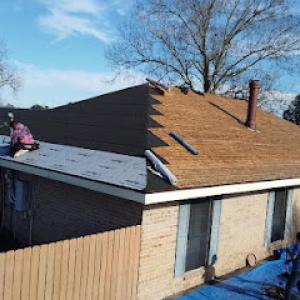
Eagles Speedy Construction llc roofing specialist
2705 N Curtis Dr, New Iberia, Louisiana
5.0 from 19 reviews
Eagles Speedy Construction is the top choice in New Iberia, Louisiana, if you are looking for a roofing contractor. Our team will work closely with you throughout the project to ensure that the results exceed your expectations while staying within your budget constraints. A well-maintained roof protects your property from weather, pests and other outdoor hazards. To keep your home in great shape, you need expert roofing services from a qualified roofer. our Roofers has a skilled, reliable crew in New Iberia, LA that can take care of your roof year-round. Choose us for roof installation, roof repair and maintenance. We also offer seamless gutter installation , roof repairs sidin, fence paint floor, we storm restauration
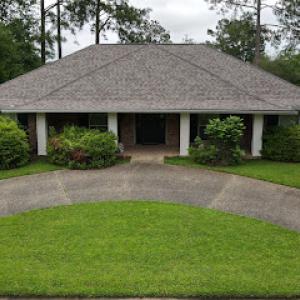
Redstick Roofing New Iberia
(337) 376-2554 www.redstickroofing.com
925 S Lewis St, New Iberia, Louisiana
5.0 from 2 reviews
Roofing contractor Serving New Iberia, Louisiana and surrounding areas.
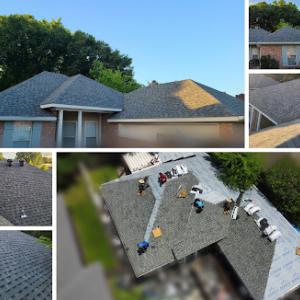
Prime Roofing & Construction
(337) 257-1626 www.primeroofingandconstruction.com
Serving
5.0 from 26 reviews
We are a locally owned, Insured, and Licensed Roofing and Construction company with the knowledge to shingle your roof using metal or architectural shingles. We can also help with any home repairs and fencing jobs you need done.
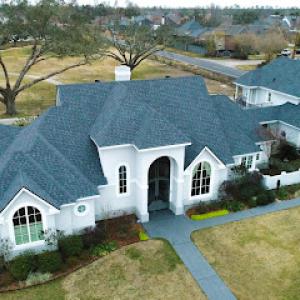
A&A Roofing & Construction
(337) 366-6559 www.aagenconstruction.com
Serving
5.0 from 15 reviews
Louisiana Roofing and Construction Experts. A&A Roofing and Construction serves the Baton Rouge & Lafayette areas. Providing commercial and residential roofing, gutter installation, and remodels. A&A provides the following services from roof replacement, roof repair, roof coating, seamless gutter installation, gutter repairs, and general exterior and interior construction. A&A is here to work with you and your insurance companies to provide the best roofing and construction services in Louisiana.
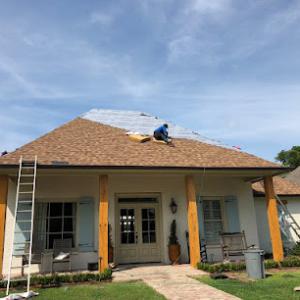
Sibley construction
(337) 330-2213 sibleyconstruction.com
Serving
5.0 from 22 reviews
Sibley Construction Services is an experienced leader in damage restoration, roofing, and general contracting. Backed by more than 70 years of combined experience, Sibley specializes in delivering quality-driven, cost-effective home construction and restoration services.
Roof Armor & Construction
Serving
5.0 from 26 reviews
Family owned and operated Louisiana based roofing company. We pride ourselves with quality work and customer service. It is our mission to provide excellent workmanship and complete customer satisfaction to maintain our reputation has being a trusted roofing company in south Louisiana. Whether a repair or full replacement, we can service all your roofing needs. Call us today to set up an appointment with for a free roof inspections or free estimates.
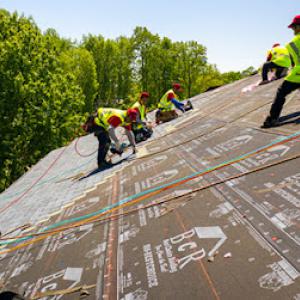
Best Choice Roofing
(337) 545-2831 bestchoiceroofing.com
Serving
5.0 from 301 reviews
Best Choice Roofing is your trusted roofing expert and the Best Choice when it comes to choosing a Lafayette & Southern Louisiana roofing company with a commitment to impeccable customer service and expert roof replacement, roof repairs, and custom roofing services. In business since 2009, Best Choice Roofing’s industry-leading contributions to the roofing industry include a customer-first mentality, a dedication to top-quality products and a leadership team focused on the growth of its people. Because of this framework, we have created a loyal base of customers all over the United States.
Pelican Roofing Company
(337) 703-4515 pelicanroof.com
Serving
4.8 from 622 reviews
Pelican Roofing has been offering comprehensive residential roofing services for shingle, metal, and flat roofs in Lafayette, Louisiana since 2014. Our commitment to customer satisfaction and superior workmanship means we deliver only the highest quality roofing products and services to ensure better value and long-lasting results. As a residential and commercial roofing contractor, we have an A+ BBB rating and were the winners of the 2019 BBB Integrity Award. We are also a Platinum Owens Corning Contractor and a Diamond Level Atlas Contractor. In addition to storm restoration, we offer gutter installation, metal roofs, asphalt roofs, shingle roofs, flat roofs, and roof coatings. Trust us for all your roofing needs.
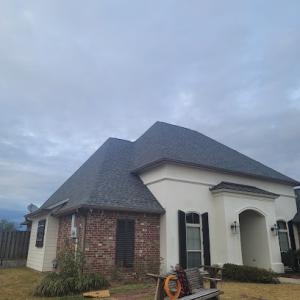
C.R. Trahan Contractors
(337) 330-2390 crtrahancontractors.net
Serving
5.0 from 12 reviews
C.R. Trahan Contractors, Inc is a veteran owned, state licensed general contractor offering contracting services for 30 years in residential and commercial construction. We specialize in roof replacement and restoration, servicing all of Louisiana. We are a fully insured company with an A+ rating with the Better Business Bureau. Finalists of BBB 2021 Good Neighbor Award and BBB’s 2022 Customer Commitment Award and is one favored contractor for the Diocese of Lafayette.
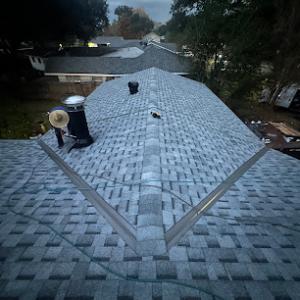
Colorwheel Roofing Company of Lafayette
(337) 547-3783 choosecolorwheel.com
Serving
4.9 from 61 reviews
Discover Colorwheel Roofing Company, Lafayette's premier destination for top-tier roofing and construction services. This locally owned and operated company, established in 2023, offers comprehensive solutions for both residential and commercial properties. From expert roof replacements and repairs to skilled general construction and kitchen and bath remodeling, Colorwheel handles every project with an unmatched level of quality and expertise. With a focus on service, they specialize in a wide range of materials, including shingles, metal, tile, and flat roofing products, ensuring every property receives durable and beautiful results.
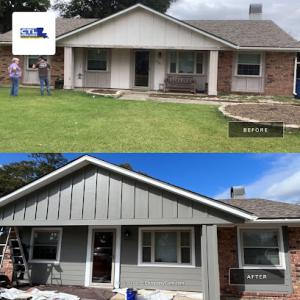
CTL Roofing
Serving
4.8 from 81 reviews
Welcome to CTL Pro Construction, your one-stop-shop for roofing in Broussard, LA! With over 15 years of combined experience, we’re your trusted allies when it comes to handling your roofing needs. We’re known for having a dedicated team of project managers who focus on quality control and maintenance of our work. We keep a strong relationship with our distributors, in fact, we’re Atlas Roofing distributors, allowing us to provide our customers with both, top-quality products and services. Our goal is to make homeowners feel at ease with insurance claims and adjusters.
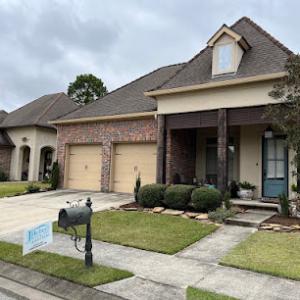
JHebert Roofing
(337) 469-5428 jhebertroofing.com
Serving
4.9 from 91 reviews
Afraid that your roof won't hold up against strong storms? Instead of losing sleep at night over your roof's condition, get in touch with J Hebert Roofing, LLC ASAP. Our roofing company will go above and beyond to restore your roof. You'll breathe easy knowing that your roof is in excellent hands.
Asphalt shingles are common in this area, and their familiarity can be comforting when storm seasons spike demand. In the hot, humid climate with year-round exposure, look for shingles with built-in ceramic granules that resist staining and fading. Prolonged heat and humidity can shorten appearance life through granule loss and lifted tabs, so choose products with higher granule adhesion and a strong, flexible polymer sealant. During installation, ensure long, straight nailing patterns and proper alignment to minimize wind-driven lift. A well-sealed edge detailing and attic ventilation to reduce heat buildup will help preserve color and reduce accelerated granule wear after a passing storm. In practice, plan for a roof that maintains its curb appeal even after heavy downpours and quick, high-intensity wind events.
Metal roofing is especially pertinent in this climate because it sheds heavy rain efficiently and generally performs well in high-wind events. Seek profiles with integrated fastening systems that minimize exposed penetrations, and pay attention to edge detailing where the roof meets walls and vent penetrations. In hurricane-prone conditions, secure attachment and proper overhangs matter: ensure the fasteners are corrosion-resistant and installed with correct spacing to resist gusts and pounding rain. Coatings that resist heat buildup will help reduce attic temperatures and potential panel warping over time. Proper flashing at chimneys, sidewalls, and dormers is crucial, since wind-driven rain can exploit any small gaps. If you choose metal, select a color and finish that resist heat reflection to curb expansion and contraction that can loosen seams after storm cycles.
Clay and concrete tiles can look striking on gulf-tone homes, but require attention to structural load and secure attachment in hurricane-prone conditions. These tiles are heavier, so verify roof deck strength and framing support before installation. Secure fasteners, appropriate underlayment, and reinforced battens help resist uplift from strong winds. Tile edges and around penetrations demand meticulous sealing to prevent water intrusion during driving rain. In high-wind events, ensure there are no oversized gaps where tiles can crack or loosen, and maintain clear sightlines for gutters and drainage so water can flow away efficiently rather than pooling on the roof plane. If you opt for tile, expect to coordinate regular inspections for chip and crack detection after storm activity.
Across all types, the priority is reliable water shedding and rapid detection of any intrusion points after storms. Start with a thorough gutter and downspout check to prevent overflow that can back up onto the roof edge. Inspect parapet walls, vent flashings, and chimney assemblies for loose or damaged components that wind and rain can exploit. In this climate, humidity fosters moss and algae growth on shaded or north-facing roof planes, so targeted cleaning and moss control help maintain the roof's seal over time. Schedule a post-storm walk-around to identify lifted shingles, cracked tiles, or slipped fasteners, and address issues promptly to prevent interior water damage. Even when a roof looks intact, small flaws can become costly in the next weather swing.
Typical pricing by material in this area runs in the following ranges: asphalt shingles about $300 to $550 per square; metal panels $600 to $1000 per square; clay tile $1200 to $2300 per square; concrete tile $1100 to $2100 per square; wood shingles or shakes $500 to $900 per square; and synthetic or composite shingles $450 to $800 per square. These numbers reflect local crew rates, material transport, and staging needs that show up in our humid, hurricane-prone climate. When you're getting bids, ask for the square-foot rate and confirm what's included (underlayment, fasteners, starter strip, and disposal).
Costs in this area can rise after hurricanes or major regional storms when south Louisiana labor availability tightens and material delivery slows across the Gulf Coast. If a storm season pushes work into peak demand, expect both labor to be scarcer and crews to charge a premium for expedited dry-in and secure staging. Planning a replacement outside the busiest window can help, but you'll still want to factor in potential delays caused by coastal weather, which can push material lead times and crew mobilization longer than you'd expect.
Local architectural variation matters. Steeper pitches, complex rooflines, and heavier tile systems increase labor, staging, and disposal demands in a wet climate where dry-in speed matters. A taller ridge or multi-level section can raise scaffold setup time and safety requirements, driving up the square-foot cost even if the raw material price stays similar. Heavier tile systems typically require reinforced sheathing and more robust underlayment, which adds to the schedule and the cost.
When you're negotiating, ask for a breakdown by material and a dry-in timeline. Verify that lifting, debris containment, and weather protection are included. If you're upgrading to a heavier system, budget for possible structural checks or minor reinforcement if the old structure isn't already equipped for the weight. Finally, choose a contractor with recent hurricane-season experience in the area and a plan for rapid response if a storm hits during replacement.
For a full roof replacement, a building permit is typically required, and the local building department handles permit issuance before any work begins. This means you'll want to start the process early, especially if a storm season forecast is in play. Plan to gather the usual details-address, scope of work, roofing materials, and contractor information-and submit them to the parish building division or city office that handles roofing permits. The permit acts as the official authorization to proceed and provides a framework for the inspections that follow.
In this area, inspections are part of the oversight rather than a mere formality. The process generally includes inspections during the job and a final check after completion. Inspectors verify venting adequacy, proper nailing patterns for Louisiana winds, and the conformity of materials to code and local amendments. The emphasis is on weather-related performance and wind-resilience, so expect questions about underlayment, flashing transitions, and securement at eaves and ridges. Scheduling around peak storm periods is prudent, since a delay in permit approval can push tear-off into weather-prone windows.
Even when plan reviews are brief, they are an essential step. A quick review can confirm that the proposed material selection and roof geometry align with local requirements and hurricane-performance expectations. Do not view this as an unnecessary hurdle; it is the municipal check that helps prevent water intrusion and wind-driven failures later. Before setting a tear-off date, coordinate with both your contractor and the building department to confirm that the permit is issued and the plan is approved. This coordination helps avoid work stoppages and ensures a smoother project flow when storm activity is forecast.
During tearing and installation, inspectors will look for correct nailing, proper ventilation, and material compatibility with local conditions like humidity and bayou humidity cycles. If vents, ridge lines, or flashing details don't meet the specified standards, a rework may be required before proceeding. Timely access for inspectors and a clean, organized job site can help keep the process on track and reduce the chance of delays that could collide with unsettled weather.
After the roof is installed, a final inspection confirms that all components meet the approved plan and local code. Ensure that any venting upgrades or soffit intakes required by the plan are in place and sealed correctly. Keeping records of permit numbers, inspection approvals, and material certifications can simplify future maintenance or any potential storm-related claims.
In the Bayou Teche country, roofs endure more than typical wear. Storm and wind exposure have sharpened insurers' focus on roof age, condition, and prior repairs. A roof that has weathered multiple events or shows signs of prior patchwork may trigger tighter scrutiny when a claim is filed after a new storm. This environment means decisions about replacement or repair often hinge on clear, well-documented history and the roof's ability to resist the next round of rain-driven wind.
After a storm, meticulous records matter. A homeowner should gather evidence of the roof's pre-storm condition, including photos taken before the event if possible, notes on any known leaks, and receipts for previous work. A timely adjuster review helps establish causation in a rain-heavy market where sudden damage and latent issues can be disputed. Delays can complicate this process, especially when multiple claims are flowing through neighboring neighborhoods. Being prepared with a concise timeline and prioritized photos supports a smoother adjustment and a fair evaluation of what caused any damage.
Across Louisiana, some insurers have tightened coverage or raised deductibles in higher-risk coastal and near-coastal markets, which directly affects roof replacement decisions in New Iberia. When a storm hits, this reality can influence what gets approved and how quickly. Understanding that coverage may respond differently to wind-driven versus water intrusion helps set expectations and guides conversations with the insurer about next steps.
Keep a dated log of roof maintenance, repairs, and any leaks observed between storms. Photograph roof surfaces, attic spaces, and flashing details from multiple angles. If visible damage exists before a storm, document it to support causation discussions later. When possible, schedule a post-storm inspection with a trusted roofer to assess the condition promptly and provide a written report that can accompany the insurer's adjuster visit. Staying proactive reduces ambiguity in a market where post-storm claims depend on precise, timely information.
Spring in this area brings fast-moving storms that can slam through neighborhoods with little notice. If tear-off and dry-in are not tightly coordinated, open-roof days quickly become risky windows for leaks and damage. Plan to stage weather-ready components in advance and align the crew's schedule with a two-week forecast window that shows at least a few dry days. Coordinating flap-down protections, tarps, and rapid rain cover can keep your project on track without inviting a mid-storm setback.
Summer heat and humidity affect how quickly materials handle and cure, and they slow drying times for sealants, underlayment, and moisture barriers. In this climate, you want crews who are efficient but not rushed, with shaded afternoon breaks and properly stored materials to prevent warping or moisture absorption. Consider scheduling deck and roof prep early in the day and reserving hotter, stickier tasks for cooler hours to maintain product performance and avoid common heat-related delays.
The hurricane season overlaps with peak storm demand, so late summer into early fall often brings longer lead times and tighter contractor availability. If a storm threat looms, many crews shift priorities, and your project may face prioritization challenges. Build a flexible schedule with a contingency plan for rescheduling tearing-off or dry-in phases, and identify a preferred backup date window. Having a clear sequence-teardown, underlayment, flashing, and final sealant-helps both you and the crew recover quickly if a storm shifts the timetable.