
Last updated: Apr 19, 2026
Alexandria sits in west-central Minnesota, where hail and strong wind events are a recurring roofing concern and drive higher claim activity. The pattern here is not rare storms but a steady rhythm of impacts that can fragment shingles, dent metal, and loosen edges. That reality means the window to document damage clearly and push for a timely claim is narrower than in milder climates. When storms roll through, preparation and rapid action become the most reliable tools for protecting your roof's remaining life and your insurance outcome.
After a hail or high-wind event, the first task is to separate storm damage from age-related wear. Adjusters in this region scrutinize whether the issues are storm-related versus gradual deterioration. Shingle granule loss, bruised asphalt surfaces, or lifted edges on metal panels are strong signals of recent impact. Soft metals, like aluminum or copper flashings, can sustain dents that are not always obvious from a distance but become clear on close inspection after a storm. Documenting these specifics with high-quality photos is essential, especially for older roofs where wear patterns can complicate the claim decision.
Close-up, repeatable documentation matters more in this market than in many others. You should capture close shots of individual shingles with any visible bruising, punctures, or curling, as well as the edges and valleys where water infiltration is most likely. For metal roofs, photograph dented panels, fastener heads, and any lifted seams, paying particular attention to areas around vents, skylights, and chimneys. Soft-metal details deserve extra focus-the corrosion points, the flashing joints, and the drip edges. Do not rely on distant or panoramic shots; inspectors and adjusters will expect precise evidence to separate storm effects from aging.
A proactive claim approach minimizes delays. Immediately contact your insurer after a storm and request a field adjuster appointment when possible, rather than waiting for a post-storm surge in inquiries. Provide the adjuster with a thorough inventory of roof components, including material type (asphalt shingles, metal, tile, or wood), roof age, and photos taken within days of the event. If misalignment or water staining appears in attics or ceiling spots below the affected areas, document those as well-that helps establish the connection between the surface damage and potential interior moisture issues.
When estimates are prepared, ensure the documentation clearly ties costs to the observed damage. Your narrative should specify what sections of the roof show storm-related damage, what sections show wear, and why replacement or repair decisions are justified by the storm history. Keep a dated log of all communications with the insurer, including conversations with adjusters, contractors, and any surveys or third-party assessments. In this market, timing and precise documentation can determine whether a claim is approved and how the work progresses, so treat each storm afterward as a critical moment for record-keeping and timely response.
Advantage Home Pros
(320) 200-5205 www.advantageseamlessgutters.com
2605 Aga Dr #1, Alexandria, Minnesota
4.9 from 96 reviews
Advantage Home Pros protects your home from the elements with professional gutter services. Their expertise includes seamless gutter installation, gutter cleaning, and gutter guards, ensuring a watertight defense for their clients' homes. They are a small business with big goals, and always guarantee the highest quality workmanship.
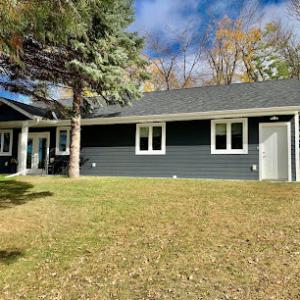
Alexandria Roofing
(320) 200-4408 alexandriaroofinginc.com
4226 E Burgen Rd SE, Alexandria, Minnesota
5.0 from 41 reviews
Alexandria Roofing’s owner, Noel Nemitz, created the company to serve local property owners with knowledge, commitment, and expertise. Known for his exceptional communication and friendly, down-home spirit, he enjoys working with good people to explain the process and seamlessly manage the asphalt roofing project.
Benjamin Roofing
(320) 423-6558 www.benjaminroofingco.com
Serving
5.0 from 4 reviews
At Benjamin Roofing, we deliver high-quality metal and flat roofing solutions designed for durability, energy efficiency, and style. Whether it's a residential upgrade or a commercial project, our team ensures every installation is built to last. We specialize in: • Standing seam metal roofs for a modern, weather-resistant finish • Flat and low-slope roofing with TPO and EPDM systems • Seamless gutters for long-term water management • Leak detection and timely repairs to protect your property Committed to continuous improvement, we focus on craftsmanship and customer satisfaction, helping homeowners and businesses find the right roofing solutions.
During the typical winter-to-spring cycle, the combination of cold snaps and thaw periods plays havoc with roofing details that rely on a dry substrate. In this setting, flashing around vents, chimneys, and skylights, along with any penetrations through the deck, becomes especially susceptible to moisture intrusion. Shingle edges that already show wear or minor lifting can act like gaps where meltwater rides into the underlayment. The result is not just surface wetness; it can mean hidden rot developing behind the fascia or sheathing if the roof is not dried out before the next freeze hits. The local climate makes this a real and ongoing concern, so paying attention to how the roof handles melting snow and ice is essential.
Rapid late-winter thaw cycles are a common feature of this stretch of Minnesota weather. When the sun comes out and temperatures spike, moisture can be driven into the roof assembly faster than it can dry, especially if decking, underlayment, or fasteners have not been fully dried prior to resuming work. If moisture gets trapped under new shingles or around vulnerable edges, it can lead to blistering, adhesive failures, or premature aging of the roof system. The practical consequence is that even a well-installed roof may encounter performance issues if the drying window is not respected. In other words, timing matters as much as materials.
The reroof season here tends to run late spring through fall, because winter conditions and shoulder-season temperature swings complicate installation quality. Cold temperatures slow adhesive cure times, reduce nail gun performance, and can cause awkward shingle seating. Shoulder seasons bring unpredictable weather pockets that disrupt progress and increase the chance of moisture moving through the system at the wrong moment. As a homeowner, plan around long stretch periods of stable, moderate temperatures with dry days, and be mindful of the gap between moisture-rich insulation and an abrupt cold snap. A high-quality installation requires consistent drying conditions for all components, from the deck to the topmost shingle edge.
Before work starts, request a moisture check of the roof deck and a plan for drying any damp areas identified. If a fast interruption in warm weather is anticipated, discuss temporary protective measures to minimize moisture intrusion during gaps. After removal of old roofing, ensure the deck is thoroughly dried before applying underlayment or new shingles. During a spring or fall project, ask about sequencing that prioritizes drying time in vulnerable zones first, and confirm that flashing details are resealed and tested for wind-driven moisture. Understanding how the local freeze-thaw cycle interacts with roofing materials helps set expectations for performance and durability, and reduces the chance of moisture-related surprises once the first warm days give way to another round of cold.
Winter freezes and snowfall in Alexandria can delay tear-offs, staging, and material handling, especially on full reroof projects. When temperatures stay below freezing, shingles don't seat properly and underlayment can become brittle, slowing crews and increasing the chance of callbacks. On steep pitches, snow and ice add risk for crews and neighbors alike, so scheduling moves late into winter should be avoided unless the house has protective measures in place. If a job is already underway when a cold snap hits, plans should include heated work areas and temporary wind protection to keep materials from becoming damaged or disruptive.
Spring hail season and windy conditions in the region can interrupt active jobs and create scheduling backlogs after storm clusters. Even a few large hail events can tighten the window as crews chase post-storm repair work and insurers adjust claims. In practice, this means your project may need to be staged around anticipated storms and potential site access issues. Expect occasional pauses between rounds of high winds or hail, and build a buffer into the timeline so crews aren't pressed to rush during a weather flare-up.
Early snow risk and sharp fall temperature swings shorten the dependable installation window compared with warmer markets. Cold fronts can arrive with little warning, making roof work unsafe or unproductive for a day or two at a time. Dry, calm conditions are prime for asphalt and metal installations, but those windows can close quickly as evenings cool and morning frost appears. If a project begins in late fall, plan for a hard stop if temperatures consistently dip below safe installation thresholds, and have a clear cutover plan for resuming once weather cooperates.
A practical approach is to map out a target install window that avoids the harshest months, then build in contingencies for weather delays. Start with a conservative date range that aligns with historical patterns for your area, and maintain close contact with the roofing crew to adjust sequencing as forecasts shift. For reroofs, a staged timeline that prioritizes deck protection and proper tear-off sequencing helps minimize moisture intrusion when weather windows are narrow. For new roofs, ensure staging areas and material hoists are prepared to move quickly when a mid-spring lull appears.
Coordinate access routes, ground protection, and waste containment before the first day of work. Have tarps, temporary heaters, and cold-weather fasteners ready if a surprise cold snap arrives. Establish a weather-communication plan with your contractor so you can promptly reassess if a storm cluster forms. Finally, keep moisture management front-and-center: temporary vents and ridge shortcuts can prevent interior moisture buildup when delays push install into marginal weather.
Asphalt shingles remain the backbone of most homes in this area, fitting the mainstream housing stock and providing straightforward replacement after hail events. They balance performance and install practicality, and when paired with a good underlayment and proper attic ventilation, they handle the freeze-thaw swings Minnesota winters throw at you. In hail-prone stretches, a shingle with a higher impact resistance rating can reduce the risk of interior moisture intrusion after a storm, and many insurers recognize the practical value of quick, reliable replacements with this proven material. For homes with moderate roof pitches and limited attic access, asphalt shingles also offer quick, predictable repairs that keep disruption to a minimum.
Metal roofing stands out when winter conditions and severe weather are a top concern. Snow sheds more readily from metal panels, reducing ice damming risk and the chance of heavy snow buildup around eaves. The material's rigidity helps it endure repeated freeze-thaw cycles without the same tendency toward cracking seen in some other options. For homes facing frequent hail and sustained wind exposure, metal can deliver long-term resilience that aligns with insurance-driven replacement timing, especially for roofs with complex geometry or higher wind profiles. If the existing structure supports a metal system, the investment pays off through reduced maintenance and enhanced performance through harsh seasons.
Clay and concrete tile offer appealing curb appeal and a light, airy look on many local homes. They are available, but performance in consistently cold climates tends to be a concern when compared to lighter systems popular across Minnesota. In Alexandria, tile may not track as favorably with snow load management and the demands of frequent freeze-thaw cycles. If considering tile, ensure a robust roofing system designed to handle thermal movement and proper ventilation to minimize risk of cracking or moisture intrusion during cold snaps. Tile roofs often pair best with homes that already feature a generous roof cavity and a structure capable of bearing the weight without modification.
In a climate with hail, wind, and insurance-driven replacements, the choice of roofing material should acknowledge how each option handles rapid post-storm repairs and long-term weather exposure. Asphalt provides fast, economical replacements after hail events, while metal offers superior durability for homes prioritizing protection against wind and snow shedding over the life of the roof. Tile options can be chosen for appearance and light weight, but require careful assessment of climate performance and structural readiness. The optimal choice balances expected storm exposure, maintenance needs, and the homeowner's tolerance for future repair cycles.
In this climate, asphalt roofs show a telltale pattern after hail and repeated freeze-thaw swings: granule loss shows up as a gritty sheen along the eaves, seal-strips in valleys can crack, and shallow bruising from hail becomes more visible with each warm-up and refreeze cycle. Those granules aren't just cosmetic; they protect the asphalt underneath. Once they're gone, the shingles start sun-bleached and brittle, accelerating aging and increasing the chance of a high-temperature deck lift, especially on south-facing slopes. You'll notice more rapid curling or buckling if wind-driven hail hits multiple times in a season. The actionable takeaway is to inspect after storms, carpet-coat the roof with a careful hand at the eave line, and consider revisiting the roof's underlayment and edge detailing if granule loss becomes steady year after year.
Metal installations in this region benefit from deliberate fastening patterns and precise seam and flashing details, because freeze-thaw movement and wind exposure can turn small installation errors into leaks. Look for exposed fasteners that have developed bedded-paint gaps, or fastener heads that have loosened with temperature shifts. Seams should be checked for consistent compression and hidden-fastener layouts should be free of pocked or dented panels that suggest hail impact. Flashings around vents, chimneys, and transitions must stay sealed against wind-driven moisture, or snow melt can find its way into attic spaces. If a roof sings with sudden wind gusts or shows inconsistent water staining after storms, it's often a signal that the fastening plan or sealant choices aren't keeping up with the season's rigors.
Wood shingles and shakes carry aesthetic appeal but carry greater moisture-management pressure in this climate because snow cover and thaw cycles can prolong wetting compared with drier climates. Wetting accelerates cupping, curling, and even mold growth under the overlapping laps. The concern isn't only surface staining; it's the wood's interior moisture balance shifting through repeated freeze-thaw. Look for intensified seasonal granulation around the shoulder lines where shakes meet other materials, and monitor for soft or spongy spots that indicate trapped moisture. Proper ventilation in the attic, along with effective drip edges and underlayment, becomes more critical to prevent unseen rot from sneaking in under layers during the long, chilly winters.
Typical Alexandria reroof pricing runs about $350 to $550 per square for asphalt shingles, $550 to $1000 for metal, $900 to $1500 for clay tile, $700 to $1200 for concrete tile, $450 to $900 for wood shingles or shakes, and $450 to $800 for synthetic or composite shingles. In practice, the mix of materials you're choosing-plus roof complexity and attic ventilation-shifts the final sticker price. Asphalt remains the most common, but when hail or wind events push you toward a replacement, it can be tempting to upgrade to metal or synthetic options to extend life in this climate. For most homes on the lake-country mix, expect the higher end of the asphalt band or the mid-range of metal when upgrading for durability and wind resistance.
Storm-driven demand spikes after hail and wind events in west-central Minnesota can push labor availability tighter and raise scheduling pressure for homeowners. If a major storm hits, you may see tighter crews and longer wait times, with faster timelines becoming a premium service. That pressure can translate into quicker decisions, especially when your roof shows accelerated aging or widespread granule loss during a harsh season. Be prepared for potential price shifts as crews re-prioritize work across the region after big hail events.
Costs in Alexandria can also shift with permit fees tied to estimated project value, seasonal installation constraints, and the added labor needed when reroofing must be timed around short weather windows. Dry, frost-free weeks are precious; a few extra open days can matter for scheduling, crew arrival, and material delivery. If you're balancing a reroof after a hail event, expect you may pay a premium for expedited scheduling and for coordinating disposal and waste hauling alongside the new material installation.
In this community, a building permit is commonly required for a full reroof project. The city uses a straightforward plan review process, and permit fees are based on the estimated project value. Before any new roofing material arrives, verify with the local building office that a permit is needed for your project scope and confirm whether a contractor's stamped plans are required for larger replacements. The plan review timeline is typically short, but it helps to submit all requested documentation in full to avoid delays.
When applying, expect questions about roof type, deck condition, and ventilation changes if any. Have your contractor provide a scope of work, including underlayment type and any attic venting modifications. If your home has complex roof geometry or a history of moisture issues, the reviewer might ask for additional details. While the process is practical, accurate measurements and a clear roof plan expedite approval.
Alexandria schedules inspection after installation, not before. Plan for a window after the crew finishes the roof to accommodate city inspection personnel. The inspector will verify that the installation aligns with code, and that work performed matches the approved plan. Ensure access to all roof areas and eaves, and provide a contact number in case the inspector needs to reach the contractor for clarification.
The final inspection focuses on proper installation, venting, underlayment, and overall code compliance. Expect the inspector to check nailing patterns, flashing around chimneys and skylotes, and the integrity of roof-to-wall connections. Attic ventilation adequacy will also be reviewed to prevent moisture buildup during freeze-thaw cycles. If any deficiencies are found, correct them promptly and schedule a follow-up inspection to close the file.
Coordinate timelines with the contractor to ensure materials arrive in advance of the permit approval, minimizing downtime. Keep a visible project perimeter and provide safe access for inspectors. Having product specifications and installation manuals on hand can smooth the final review and help confirm compliance with local requirements.
This market sits in the lake-country corridor where hail and wind drive frequent storm-loss filings. Documentation can decide whether a claim is repaired or replaced, and that decision often comes down to what insurers can verify about age, material, and prior condition. The risk is real: storms hit hard, and paperwork quality shapes outcomes more here than in calmer markets. Timely, organized records keep you from losing value when a claim lands.
Keep dated overview photos that show the roof's overall condition before and after storms, plus close-up shots of hail marks, wind damage, and flashing failures. Gather material information from the roof deck and shingles, records of roof age, and copies of all contractor estimates. Store digital copies in a cloud folder with clear, labeled dates and a physical binder in a safe, accessible place. Consistency in labeling makes future claims faster and more defendable.
Claim outcomes often hinge on whether the roof's age and material type support repairability, not outright replacement. Immediate, accurate documentation reduces disputes about eligibility and scope. In this market, insurers may request both pre-storm baselines and post-storm condition updates, so having a ready set of photos and records accelerates decisions and strengthens your position.
Create a storm-loss folder on your phone and in the attic with dated photos, material labels, and contractor estimates. After any hail or wind event, snap quick overviews first, then focused damage images. Update the folder with new estimates and age records as they arrive, and share a complete packet with your insurer at the first inquiry.