Last updated: Apr 19, 2026
In Elk River, summer hail and thunderstorms are a primary trigger for roof inspections, temporary protection, and full replacement decisions. A storm can create sudden, visible damage that homeowners don't notice until after the skies clear. When hail reports hit the radio or a nearby house shows dented shingles, you should treat it as a potential claim signal. The window between a damaging event and an inspection can close quickly, especially if crews are booked weeks ahead. Plan to have temporary cover in place within days of a significant hail event to prevent interior damage while you navigate the claim process.
Regional insurers in Minnesota commonly request detailed photo documentation, formal estimates, and a clear replacement timeline before approving larger roofing claims. After a storm, you should photograph every observable issue-granule loss, dented metal, lifted edges, and any underlying decking exposure. Keep a dated record of conditions from multiple angles and include shots of skylights, chimneys, and vent stacks. When you seek estimates, demand a line-by-line proposal that outlines shingle type, underlayment, fasteners, and decking repairs if needed. A concise replacement timeline helps the adjuster visualize the project scope and reduces back-and-forth delays.
Because the workable roofing season is usually late spring through early fall, storm-related claim volume can create scheduling bottlenecks after severe weather events. In practice, this means you may encounter longer wait times for approvals, materials arrival, and crew availability. Consider aligning your expectations with the weather forecast: if a predicted storm season is approaching, secure a point of contact with your insurer and chosen contractor so that rapid documentation and submission can move on the front line. A well-timed initial claim submission paired with a responsive restoration plan minimizes the risk of a prolonged interim period with exposed roof decking.
Act fast on any hail or wind damage by initiating documentation within 24 to 48 hours of a storm. Contact your insurer to report the claim and request a dedicated adjuster assignment if possible. Then engage a trusted local roofing contractor who understands this market's typical material cycles and lead times. Request a color-accurate, impact-resistant shingle option and an integrated plan for temporary protection and permanent repair that aligns with both the insurer's expectations and the contractor's scheduling realities. Ensure the contractor can provide a detailed progress calendar, so you can track inspections, material drops, and successive crew visits in real time.
If the insurer or adjuster pushes for a rapid, cursory assessment, push back with your documentation package to preserve a thorough review. Signs of hidden damage-soft spots, sagging decking, or moisture in attic spaces-should trigger a formal, comprehensive evaluation rather than a rushed, surface-only estimate. If the project stalls due to paperwork or supply delays, keep pressure on the timeline by requesting updated progress reports and a revised start date from both the insurer and the contractor. The goal is to keep the plan moving while ensuring the replacement scope remains comprehensive and weather-resilient.
Boulder Creek Construction
(763) 200-6062 bouldercreekco.com
18336 Joplin St NW, Elk River, Minnesota
5.0 from 164 reviews
Boulder Creek Construction is the leading roofing company in Elk River, MN and the surrounding area. We proudly offer new roof installation, roof repairs, window replacements, siding repairs, and commercial roofing services. Our experienced team is committed to quality craftsmanship and reliable service for both residential and commercial projects. Whether you're dealing with storm damage or planning a full exterior renovation, we deliver results that protect and enhance your property. Contact us for all your roofing and siding needs!
Summit Builders
(763) 445-9866 www.summitbuildersmn.com
17501 US-10, Elk River, Minnesota
4.9 from 64 reviews
Summit Builders is your Ramsey full service general contracting company specializing in roofing, siding, and storm damage repair. Our combined experience of over 20 years allows our team to assist in restoring your home after a major hail, wind, or severe weather event. Our team is experienced in working with homeowners, insurance companies, and vendors to coordinate a seamless project and install the roof, siding, windows, and gutters of your dreams. We offer a free comprehensive home damage inspection, are fully licensed and insured, and offer affordable financing when appropriate. Visit our website and request a free inspection today!
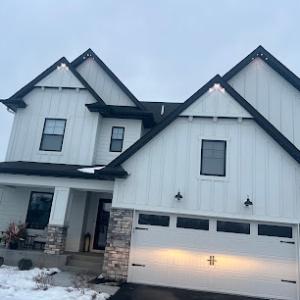
Three Rivers Remodeling MN
(612) 695-0645 www.threeriversremodelingmn.com
13231 182nd Ln NW, Elk River, Minnesota
5.0 from 40 reviews
Three Rivers Remodeling MN, a local General Contractor family-owned business with over 30 years of experience, is the go-to for all exterior, kitchen, and bathroom remodeling needs. They specialize in storm damage contracting, insurance claims, and retail services, and offer quality roofing, siding, gutters, and windows to enhance your home's exterior. With a service area covering the entire state of Minnesota, Three Rivers Remodeling MN is dedicated to providing exceptional craftsmanship, personalized service, and a commitment to customer satisfaction. “If there’s anything worth doing it’s worth doing right.” Service area includes: Minnesota
Welter Construction
(763) 244-8725 www.welterconstruction.com
16860 US-10, Elk River, Minnesota
4.8 from 60 reviews
Welter Construction provides deck contracting, roof installation and repairs, specialized roofing services and more to the Greater Minneapolis Metro Area.
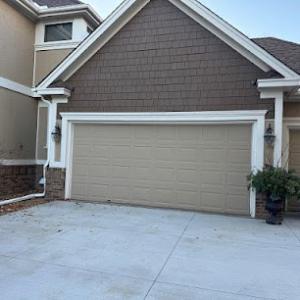
Reroof America Contractors MN
(952) 888-8440 www.reroofamerica.com
11110 Industrial Cir NW Suite H, Elk River, Minnesota
4.4 from 14 reviews
Reroof America serves residential and commercial clients across the Twin Cities Metro with hail damage repair, roof replacement, siding, gutters, and windows. Minnesota’s freeze-thaw cycles and summer storms demand strong, cold-weather roofing systems. We offer full insurance claim support and install materials rated for wind, snow, and ice. Trusted since 1979 for integrity and winter-ready craftsmanship. MN LIC: #BC637481
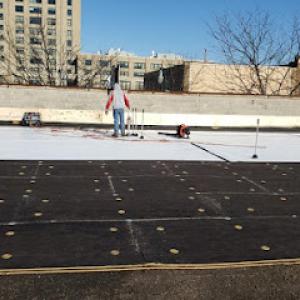
Minneapolis St. Paul Commercial Roofing
(612) 424-2688 www.mspcommercialroofing.com
18140 Zane St NW, Elk River, Minnesota
4.0 from 12 reviews
Whether you own a restaurant or an apartment complex, it’s important to keep the roofing on your property in tip-top condition. Since 2014, property owners have turned to the skilled team at MSP Commercial Roofing, Inc. for all of their roofing needs. Located in Elk River, MN, this business takes pride in working with a wide variety of clients, from bars and stores to hospitals and schools, within a 30-mile radius. Many commercial properties are built with flat top roofing, as this type of roofing provides easy access, is durable, and costs less to install and maintain. This crew takes pride in working on flat top roofs.
MN Made Roofing & Remodeling
(763) 350-2509 www.mnmadellc.com
Serving
5.0 from 74 reviews
Minnesota Made Roofing and Remodeling, located in Brooklyn Center, Minnesota, is a team of Roofing & Remodeling specialists who do it all Founder David Corazalla started MN Made after gathering years of experience in the field. He has quickly established himself and his company as a reputable and reliable business. Homeowners know that they can count on David, and the rest of his team, to get their work done efficiently and accurately. They know that he’ll pay attention to detail and carefully consider the client’s unique needs. Contact us today to discover the difference that Minnesota Made Roofing and Remodeling can make for you!
MacTaggart Construction
(763) 343-6228 www.mactagg.com
Serving
5.0 from 17 reviews
MacTaggart Construction is a trusted general contractor offering reliable services in roofing, siding, windows, gutters, and more. We focus on roof replacement in Otsego, ensuring your home or business is protected with quality materials and craftsmanship. Whether you're dealing with storm damage, need a full roof replacement, or are working on a new construction or renovation project, our team is here to help. Fully licensed and insured, we are dedicated to delivering honest service and lasting results. At MacTaggart Construction, we are committed to transforming your construction dreams into reality. Ready to get started on your next project? Contact us today!
Residential & Commercial Exteriors
(763) 443-0830 www.randcexteriors.com
Serving
5.0 from 18 reviews
We are a roofing and siding contractor that does things a little differently than the others. As the owner I work directly with each customer throughout the entire project. I am on site with my crew and the last person to leave the jobs site on every job we do. No salespeople or project managers to pass along information to.
That One Construction Company
(844) 484-2866 www.thatonesite.com
Serving
5.0 from 38 reviews
Family owned and operated, we are That One local roofing contractor you won't forget! With 30 years of experience in our industry, we specialize in roof repair and replacement, siding and gutter installation, windows and storm damage for homes and businesses of all sizes. We offer attractive vinyl siding that is virtually maintenance free, as well as durable fiber cement siding, aluminum seamless gutters and shingle roofing at a great value! We believe in offering our customers not only great products but also the personalized service and will go the extra step to make sure that you get exactly what you want for your home. Dealing with the overwhelming situation of storm damage?
Roof Company NA
(763) 550-0444 www.roofcomn.com
Serving
4.9 from 86 reviews
Roof Company N.A. Inc is a leading roofing and exterior services contractor in Minnesota. Since 1992, our family-owned and operated business has delivered expert solutions for residential and commercial properties. From roof repairs to full replacements and exterior renovations, we handle it all, including storm damage. Our offices in St. Michael and Brainerd provide local roofing and exterior services across Minnesota.
Summit Exteriors
(763) 300-3245 www.summitexteriorsmn.com
Serving
4.9 from 62 reviews
Roofing, Siding, Window and Gutter Installation
Elk River roofs endure a stubborn pattern: cold winters followed by spring thaws that push expansion and contraction at vulnerable roof details. Each freeze-thaw cycle invites tiny shifts in framing, decking, and flashing, and those tiny shifts can compound into noticeable leaks or accelerated wear around penetrations, valleys, and edges. The result is a roof that behaves like a relay runner-every winter sprint followed by a thaw lap hands the baton to moisture and grit that can work its way into seams and fasteners. The vulnerability isn't about a single storm; it's about a repeated rhythm that wears at seals and joints over time.
Persistent snow and ice in this part of Minnesota keep roof assemblies wet longer than in milder climates. When that moisture lingers, it has more time to penetrate vulnerable details-flashing around chimneys, skylights, and vent pipes; penetrations through the deck; and the edge of shingles where seals are stressed by wind and temperature swings. Wet conditions can mask small leaks until a thaw pushes moisture into attic spaces or interior ceilings. In practice, this means careful attention to flashing integrity and shingle seal performance matters more here than in many other markets, where dry spells may occur between storms.
Prolonged cold snaps can slow adhesive curing on certain shingle systems, which is one reason replacement work is typically concentrated outside the coldest months. When temperatures stay near or below freezing, the asphalt, sealants, and specialty adhesives may not reach optimal bond strength, increasing the risk of imperfect seals or premature failure right after installation. For homeowners, that translates into a practical window: the shoulder seasons-late spring and early fall-often offer the most reliable conditions for mixture-curing products and for verifying that flashing and seals settle properly after the first melt cycle. Being mindful of those periods helps prevent callbacks tied to cold-weather curing issues.
Keep an eye on exposed fasteners, ridge lines, and the flashing around chimneys and vent stacks as winter recedes. After a thaw, look for small damp spots, discolored roofing underlayment, or lightly lifted shingle edges near the eaves and peaks. Listen for subtle rain noises in the attic after a warm day followed by a cool night-a potential sign that moisture has found a path through a compromised seal. Addressing these signs early helps prevent more extensive damage as the next freeze rolls in.
Develop a plan to inspect vulnerable roof corners after particularly harsh winters and early spring thaws. Prioritize improvements at flashing details, valley intersections, and around penetrations, where moisture intrusion is most likely to begin. When choosing replacement materials, consider how the chosen system performs in freeze-thaw cycles and how adhesive and sealant behavior aligns with Minnesota winter patterns. Remember: in this climate, patience with the weather and a proactive stance on detail work can extend the life of a roof more than rushing through a cold-season project.
Asphalt shingles remain the backbone of most replacements after hail and wind events in this area. They fit the mainstream residential stock, dry quickly, and install within a relatively narrow window when storms clear and permits line up. For homeowners facing insurance-driven timelines, asphalt shingles offer predictable, contractor-friendly performance and a broad network of local installers who already know the typical hail patterns and how they influence shingle warranties. This material behaves well under the freeze-thaw cycles common in this climate, with granule loss and short-term impact recovery presenting fewer complications than more brittle options. If a quick, reliable restoration matches the goal, asphalt shingles are the sensible baseline.
Metal roofing has carved out a meaningful niche among Elk River builders and roofers. The snow shedding benefits, robustness against wind-driven hail, and long service life can be appealing for homeowners planning long-term durability. Local specialists frequently recommend metal when a homeowner wants a roof that resists ice damming and sheds snow more efficiently, which helps in very cold stretches and heavy snow years. Installation crews here understand the nuances of metal under Minnesota temperatures, including fasteners, deck preparation, and seamless integration with existing venting and attic insulation. If the goal is a more modern look with strong performance in winter storms, metal can be a realistic upgrade path.
Clay tile, concrete tile, and slate are available but are less typical for storm-driven replacements in this climate. These heavier systems require structural checks and longer installation times, which can complicate fast-tracking after hail events. In homes with the original roof structure engineered for lighter materials, retrofitting to support heavier tiles adds cost and complexity. For most Elk River replacements triggered by hail or wind, these options are considered only when the roof deck and framing are already assessed as capable and the homeowner is prioritizing long life and a distinctive aesthetic over rapid replacement.
In this market, the best choice aligns with storm exposure, roof height, and the home's alignment to prevailing wind paths. A replacement plan that anticipates seasonal windows, insurance timelines, and ability to endure rapid post-storm work is essential. For many residences, starting with asphalt shingles and weighing metal as a next-step upgrade provides a practical balance between dependable performance, installation speed, and long-term value in a Minnesota climate. Keep in mind that the right option should also account for attic ventilation and proper underlayment to handle the freeze-thaw cycles and hail impact typical in this city.
In this market, asphalt shingles run about $350 to $700 per square, which is a common starting point for many detached suburban homes with straightforward pitches. If you're considering metal, plan for roughly $650 to $1100 per square. For those opting for clay tile, expect a wider range from $900 to $1600 per square, with concrete tile generally $900 to $1500 per square. Synthetic or composite shingles sit around $500 to $900 per square, and slate clocks in highest at roughly $1000 to $1800 per square. In Elk River, these numbers reflect a mix of material quality and local sourcing, plus the expected freight and crew costs that come with a Twin Cities exurban market.
When hail or high-wind events hit, demand spikes quickly and the short replacement window tightens labor calendars. After a hail storm, you'll notice crews swinging to full-tilt mode, and the best-timed slot to start may fill up fast. In practical terms, that means if you're aiming for a quick turn, you'll want to have materials on site and a confirmed start date as soon as the weather calms. It's not unusual for storm weeks to push subcontractor availability toward tight margins, so scheduling your project promptly after an event can pay off in both price stability and project continuity.
Your roof's complexity plays a big role in Elk River. Steep residential pitches common in detached suburban homes increase labor time and risk, which can push both material installation costs and overall price higher. If your project includes a tear-off, plan for additional disposal and disposal-site handling costs. And if the timing of a start date gets delayed due to weather or supplier scheduling, the crew's calendar can shift, potentially raising or lowering daily labor rates based on demand at the time work begins.
If you're facing a hail-driven decision, gather three quotes and compare the included scope carefully: confirm whether tear-off is included, verify actual material grades within the quoted range, and ask how the contractor handles steep pitches and winter-ready work that may spill into shoulder seasons. For most Elk River homes, a well-planned replacement within typical seasonal windows minimizes weather-related hold-ups and helps your roof upgrade stay within predictable cost bands.
Get a clear picture of your project costs upfront - no commitment required.
Diamond Roofing, Remodeling & Roof Cleaning
(763) 421-7950 diamondconstructionmn.com
Serving
4.9 from 24 reviews
A full roof replacement in Elk River typically requires a building permit rather than being treated as purely informal maintenance work. The permit process is designed to ensure your project aligns with local zoning, setbacks, and safety guidelines, especially after heavy hail seasons or high-wind events that can affect structural integrity. When starting, prepare to submit project details such as the scope of work, roof type, material specifics, drainage considerations, and any required structural notes. The local office will review these items for code compliance and compatibility with existing structures, which helps prevent surprise issues after work begins.
The local process generally involves submitting project details, waiting through a processing period that is often a few weeks, and keeping the permit active before work begins. During this waiting window, it is wise to finalize contractor selections and confirm material warranties, as changes after approval can require amendments. If hail or wind damage prompted the replacement, have documentation ready to show the extent of damage and the planned scope. Maintain active communication with the building department to avoid lapses that could trigger re-issuance or additional fees.
Elk River typically requires inspection approval during the process and a final inspection after the roofing work is completed. The interim inspection check ensures that the installation meets framing, underlayment, ventilation, and fire-rating requirements before shingles or panels go on. This is especially relevant after storm-driven damage where structural repairs might be needed, or when upgrading to a roof system with greater weight or different underlayment needs. Schedule the interim inspection at a logical milestone, such as after sheathing and underlayment, but before finishing layers are installed to minimize rework if adjustments are necessary.
The final inspection confirms that the completed roof aligns with plan approvals, manufacturer installation guidelines, and local energy or venting standards. Bring all documentation, including permit numbers, contractor licenses, and material specs, to the final check. For homeowners, it helps to keep the contractor's project calendar and weather contingencies in mind, since permit validity can hinge on timely start and completion windows, especially in a climate with short installation seasons. If a problem is noted, address it promptly with the contractor and the building department to avoid lingering hold-ups or the need for corrective work after the inspector's visit.
In Elk River, the combination of hail-prone springs and winter wind events means insurers scrutinize roof age and prior documentation more closely than in calmer markets. The claim decision often hinges on a clear paper trail that shows when damage occurred, what was seen during inspection, and what steps were taken to mitigate further harm. A homeowner who can thread together storm date, on-site findings, and a plan for replacement stands a better chance of a smooth resolution.
Minnesota carriers commonly ask for date-stamped damage photos, temporary repair records, and written contractor estimates before finalizing claim decisions. Photos should capture the roof from multiple angles, including close-ups of hail impact marks, curled or cracked shingles, and any soffit or gutter damage that signals weather-related stress. Temporary repairs-such as tarping or securing loose shingles-should be documented with dates and a brief note on what was done to prevent interior damage. Written estimates from a licensed contractor help anchor the claim in concrete figures and show that a professional evaluation occurred soon after the damage. Keeping these items organized and accessible accelerates the decision-making process.
A homeowner who can present a clear sequence-the exact storm date, the initial inspection findings, the mitigation steps taken, and the proposed replacement schedule-positions the claim more favorably. Begin with the storm date and location notes, then attach dated inspection reports from a trusted roofing professional. Include photos labeled by date, a record of any temporary repairs with contractor contact details, and the contractor estimate clearly indicating scope and anticipated start timing. If there are any communications with the insurer, keep copies of those emails or letters with dates. The goal is a cohesive narrative that demonstrates proactive management of the damage and a realistic path to full replacement.
Photographs should be timestamped and stored in an accessible folder, with the most recent images first and older images saved for reference. When arranging estimates, request a written scope of work and a line-item breakdown to avoid ambiguity later. If a claim stalls, an orderly file that shows a logical sequence of events can help explain why a mitigation or replacement timeline was pursued, reducing the risk of gaps in the record that insurers might question.
Connect with contractors who help homeowners navigate the claims process from damage assessment to final approval.
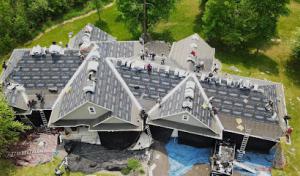
Boulder Creek Construction
(763) 200-6062 bouldercreekco.com
18336 Joplin St NW, Elk River, Minnesota
5.0 from 164 reviews
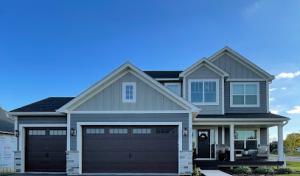
Summit Builders
(763) 445-9866 www.summitbuildersmn.com
17501 US-10, Elk River, Minnesota
4.9 from 64 reviews
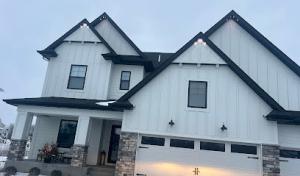
Three Rivers Remodeling MN
(612) 695-0645 www.threeriversremodelingmn.com
13231 182nd Ln NW, Elk River, Minnesota
5.0 from 40 reviews
In Elk River, leak investigations often intensify after winter because freeze-thaw cycling exposes weak flashing and seal failures that were less obvious in dry weather. Roof lines where vent stacks, chimneys, and gutters meet the deck are common checkpoints. Look for hairline stains on ceilings beneath corners, and pay close attention to areas where snow tends to shed slowly, leaving moisture trapped near the ridge or eaves. When testing with a controlled rain or garden hose, direct water at transitions and penetrations first, then expand to mid-roof areas to confirm interior signs correspond to exterior weak points.
Summer storm damage in the Elk River area frequently leads to urgent spot repairs and temporary dry-ins before full replacement crews can be scheduled. Have a plan to seal exposed penetrations quickly after a storm-especially around skylights, vents, and chimney bases-to minimize interior water intrusion while awaiting contractors. If a leak appears during a storm, prioritize limiting attic airflow and heat-driven expansion near the leak. Temporary tarps or patching can buy time, but the underlying roof must be prepared for the next dry window to verify the full area needs.
Local contractor signals show meaningful demand for skylight-related roof work, indicating penetrations and transitions are a recurring homeowner concern in this market. Skylights in particular can reveal improper flashing or improper sealing around curb mounts. Inspect the surrounding shingles for lifted edges or granular wear and test the flashing with gentle pressure to find loose seams. If a skylight shows condensation on the interior pane after rain, inspect the curb flashing and sealant joints from both interior and exterior perspectives.
Carry a two-step inspection: first, a visual exterior pass during favorable daylight to spot lifted shingles, curbed penetrations, and flashing corners; second, an interior attic check after a moderate rain to trace water paths to their source. Maintain a log of stained areas and corroborate with the corresponding exterior features-chimneys, vents, skylights, and valley intersections. This method helps capture seasonal patterns, which are common around long winter cycles and sudden summer deluges.
Find contractors experienced in skylight installation, flashing, and leak repairs to bring natural light into your home.
Boulder Creek Construction
(763) 200-6062 bouldercreekco.com
18336 Joplin St NW, Elk River, Minnesota
5.0 from 164 reviews
Northern Lights Metal Roofing
(763) 276-1390 www.northernlightsroofs.com
Serving
4.9 from 59 reviews

For Elk River homeowners, a roofer's ability to manage full tear-offs and replacement logistics matters more than broad marketing claims. The area tends to see quick post-storm mobilization, and families rely on crews that can handle swept-up debris, protected landscaping, and orderly material staging-without leaving a mess or delaying the next step in an insurance-driven process. A locally seasoned team will already have a plan for the typical weather gaps, scheduling windows, and the realities of coordinating multiple trades during a heavy-renovation season.
In this market, you want a contractor who prioritizes communication, clarity, and accountability. Look for a company with a visible, family-owned presence in residential projects, not a one-size-fits-all shop focused on marketing hype. Ask about how crews protect a home's interior during a tear-off, how they manage waste and cleanup at the end of each day, and who is responsible for supervising the project from start to finish. A dependable team should provide a clear timeline, designate a single point of contact, and be prepared to explain the logistics of material delivery, roof deck assessment, and weather contingency plans.
The local market signals a premium on quick response and thorough cleanup after storms. When hail or high winds strike, the difference between a smooth claim process and prolonged stress often hinges on the roofer's ability to mobilize rapidly and maintain control of the jobsite. Prioritize contractors who demonstrate a track record of rapid initial assessment, on-time mobilization, and consistent site cleanup routines. A strong post-storm protocol includes daily progress updates, tarp management if needed, and a plan to minimize interior disruption while protecting your attic and living spaces.
Established, family-owned residential-focused contractors align with homeowner expectations for trusted, long-term accountability during insurance and permit-heavy projects. These teams tend to emphasize local reputation, consistent crews, and ongoing warranty support. When you interview candidates, ask for references from neighbors with similar homes and review how the company handles projects of comparable size and complexity. A locally grounded contractor is more likely to maintain steady supervision, predictable schedules, and a proactive approach to protecting your home and property throughout the replacement.
In this market, the low-slope service segment still shows up alongside the dominant steep-slope residential work, especially for additions, porches, and some garage or small commercial sections. If your project involves a non-traditional layout or an attached sunroom, expect the low-slope portion to complicate drainage design and warrant separate inspection from the main shingle field.
Snow persistence and spring thaw present a unique risk to low-slope areas. When meltwater sits on the roof longer, moisture exposure lasts longer and edge detailing can deteriorate sooner. Pay attention to flashing, underlayment condition, and any signs of pooling or ice damming that seems localized to these slopes. A proactive approach now can prevent accelerated wear later.
Elk River homes often feature mixed roof geometry, where low-slope sections meet steeper framing. In planning a replacement, treat the low-slope area as its own evaluation. Check for compatibility between roofing materials used on the main field and the faster-wearing components on flatter portions. Ensure the chosen system maintains proper ventilation and drainage across both sections.
Durability considerations for low-slope roofs include selecting membranes and underlayments with proven performance in colder, wetter winters. Look for products that resist punctures and algae growth, since moisture exposure lingers longer on these faces. If your project includes metal edging or coping along a low-slope parapet, verify compatibility with the roofing membrane to avoid seam failures.
Installation sequencing matters. Contractors often address the low-slope portion first to secure drainage before finishing the steeper main field. If you have a contractor proposing staged work, confirm that sump pumps, ice barriers, and temporary drainage controls are included during the transition. Proper sequencing minimizes the risk of leaks during the replacement window.
Find specialists in TPO, EPDM, and built-up flat roofing systems for residential and commercial properties.
Minneapolis St. Paul Commercial Roofing
(612) 424-2688 www.mspcommercialroofing.com
18140 Zane St NW, Elk River, Minnesota
4.0 from 12 reviews