
Last updated: Apr 19, 2026
Buffalo sits in central Minnesota where hail and wind events are common enough to drive frequent roof insurance claims. When storms roll through, the first hits are felt on the shingles, flashing, and edge details that bear the brunt of wind uplift and hail impact. A quick, sharp hail strike can leave micro-cracks in asphalt and dent metal, enough to start underlying rot or moisture intrusion if unseen. The pattern here is not a single blow but a churn of impacts across the season, with some claims filed after storms that appear minor at first glance. The takeaway is simple: treat any thunderstorm cluster as a potential roof threat, and inspect the upper deck for bruising, scuffing, or lifted edges that could trap moisture before the melt and wind of the next event compound the damage.
Autumn wind and hail storms can damage roofs late in the season, leaving homeowners trying to secure repairs before winter snow arrives. The timing matters: once temperatures drop, contractors face tighter schedules, and a rushed fix can miss hidden damage. Look for peeled granules in gutters and downspouts, small divots on shingle surfaces, or wind-lift along the ridges and eaves. These signs often indicate deeper issues once the first freeze arrives. Plan for a careful assessment after the last major fall storm, not after winter begins, because delayed recognition becomes a wind-driven water problem once ice forms.
Minnesota freeze-thaw cycling can turn small storm-created shingle or flashing defects into active leaks once ice and snow begin working into the roof system. Pairs of seasonal transitions-the warm spell then rapid cooling, followed by a heavy snowfall-create prying forces that push apart shingles, loosen flashing, or separate sealant joints. Those tiny gaps may stay dry through a dry spell, but as ice expands and contracts, moisture finds its way into the deck or underlayment. The most vulnerable areas are around penetrations, valley flashings, skylights, and roof-to-wall interfaces. Expect a slow leak pattern to emerge after a few cycles rather than a dramatic gush, especially if gutters are clogged and water backs up to the fascia.
The storm history here shows a need for proactive maintenance that targets high-risk zones: near attic vents, around dormers, along rake edges, and at chimney transitions. When a storm hits, capture evidence quickly with photos from multiple angles, focusing on granule loss, lifted shingles, and displaced flashing. If any doubt exists about the integrity of the seal around penetrations, treat it as a potential leak path and schedule a professional assessment before winter weather locks in. A targeted, timely response-addressing both visible damage and subtle moisture hints-reduces the risk of widespread interior damage and yields a more durable, storm-resilient roof system.

Trulson Roofing & Seamless Gutters
(763) 245-7663 trulsonexteriors.com
718 8th St NW, Buffalo, Minnesota
5.0 from 17 reviews
Don't over pay, call us today! With our unbeatable prices we specialize in roofing, siding, seamless gutters, leaf guard, and all your exterior construction needs. We are a 5 star one stop shop serving central Minnesota and surrounding areas. With our fast service and great prices, we provide warranty on all work performed. Trulson Exteriors has been serving the local community for over 20+ years. We also work with all insurance companies from start to finish if needed on claims. Call or text today! Randy Trulson 763 245 ROOF (7663). ESTABLISHED 1999 -Free Estimates -Free Roof Inspections -Credit cards accepted -Financing available Local roofer, local contractor, roofer near me, storm restoration, roofer repair Ice dam steam
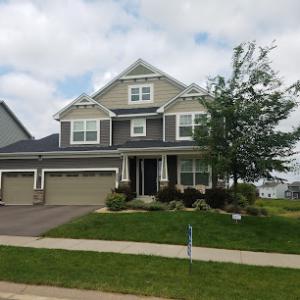
Triton Exteriors
(763) 746-7474 tritonexteriors.com
1550 10th St NW, Buffalo, Minnesota
5.0 from 17 reviews
Roofing & Siding Specialists
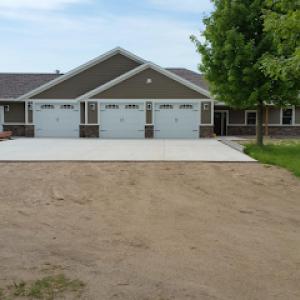
SJ Roofing
(320) 274-7663 www.sjroofingllc.com
1485 Pulaski Cir, Buffalo, Minnesota
5.0 from 14 reviews
SJ Roofing, LLC specializes in residential roofing for homeowners in Wright County and the west metro of Minneapolis.
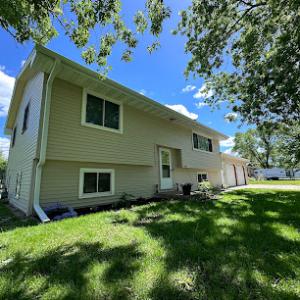
Wilfahrt Seamless
(612) 875-4830 wilfahrtseamless.com
2125 Barton Ave NW, Buffalo, Minnesota
5.0 from 13 reviews
Wilfahrt Seamless specializes in providing comprehensive exterior solutions designed to protect and enhance your home. With expertise in roofing, gutters, siding, and more, our dedicated team ensures exceptional quality, craftsmanship, and customer satisfaction. Whether you've experienced storm damage or you're looking to upgrade your home’s exterior, our experts are here to guide you through every step of the process.
Holmberg Construction Roofing
(763) 682-3858 holmbergconstructionroofing.com
3275 Adair Ave NE, Buffalo, Minnesota
5.0 from 1 review
Holmberg Construction Roofing is a family owned and operated business established by Greg and Sue Holmberg. Even before he graduated from high school, Greg had been working with local contractors as a framing carpenter, but he decided to specialize, and open his own roofing company in 1979. The business and keeping up with their, 3, sons many sports activities kept them busy and involved in Buffalo and the surrounding communities. Brandon, Nathan, and Derrick also know the roofing trade well, as they worked summers for the family business throughout their high school and college careers. Holmberg Construction Roofing is known in the Buffalo area for their quality workmanship, exceptional clean up, and standing behind the job, whether lar...

Kato Roofing Inc., Metro
(952) 736-8134 www.katoroofing.com
909 1st Ave NW ste b, Buffalo, Minnesota
5.0 from 1 review
Kato Roofing, Inc. is an award-winning commercial roofing contractor serving Minnesota and the upper Midwest since 1977. Our comprehensive range of products and services can meet the highest levels of performance and durability while satisfying both economic and aesthetic requirements. We offer a full range of services including new and replacement roof systems, emergency 24/7 leak service, roof repair, preventive maintenance, snow removal, and crane rental. We work hard to earn — and keep — our reputation of reliability, integrity, and quality workmanship with our customers.
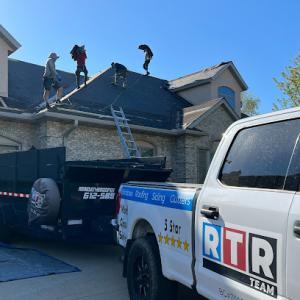
Renda The Roofer/ RTR TEAM
Serving
5.0 from 192 reviews
Woman owned general contractor - providing roofing, siding, windows, gutter, and downspout services. We also provide seasonal emergency services such as tarping and ice dam removal. We focus on Minneapolis-St. Paul and the greater Twin Cities metro area of Minnesota, but will help where we can if you live farther away. Our specialty is preventing emergencies. Our goal is 5 ⭐️⭐️⭐️⭐️⭐️ World Class Service!
City Builders Construction
Serving
4.9 from 7 reviews
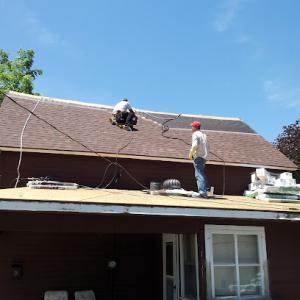
Maybe it's time to replace your roof. Maybe your siding could do with an upgrade. Either way, City Builders Construction is the name you can trust. We're a roofing company and home inspection company in St Cloud, MN. With over 15 years of experience and a background in roof inspections, we're the team you want on the job. Unlike many of our competitors, we specialize in insurance restoration projects. It's just one of the many ways we've distinguished ourselves in our community. Whether you need your roof replaced or your home inspected, you won't go wrong selecting us for your project.
The Kingdom Builders
(612) 900-9166 thekingdombuilders.com
Serving
5.0 from 138 reviews
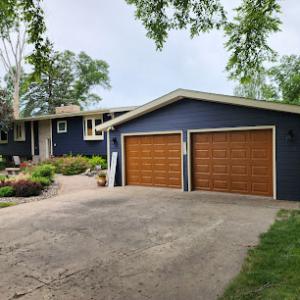
The Kingdom Builders is a professional exteriors company installing roofs, siding, gutters, and windows in the Twin Cities metro area. Our team has decades of experience and knowledge in building construction. The Kingdom Builders utilizes the highest quality craftsmanship and we do NOT take shortcuts. Our company offers a Shingle Life Labor Warranty, which means as long as your shingles have life left, we warranty the installation. Our crews install to the manufacturer's specifications, which allows shingle companies to stand by their product warranty.

4 Seasons Roofing
(763) 843-0125 www.4seasonsroofingmn.com
Serving
5.0 from 28 reviews
4 Seasons Roofing provides a variety of commercial, and residential roofing services for the Twin Cities Metro and the surrounding area in Minnesota. With our extensive experience in the roofing and construction industry, we know first-hand how difficult it can be to find quality roofing services at an affordable price. However, at 4 Seasons, affordability is our specialty. We offer the following services at some of the lowest rates you will find in the area. And we do it without sacrificing the quality, reliability, and durability that roofing requires. Call us today for a free quote!
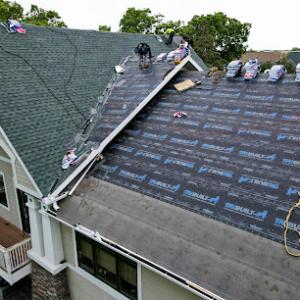
Summit Exteriors
(763) 300-3245 www.summitexteriorsmn.com
Serving
4.9 from 62 reviews
Roofing, Siding, Window and Gutter Installation

That One Construction Company
(844) 484-2866 www.thatonesite.com
Serving
5.0 from 38 reviews
Family owned and operated, we are That One local roofing contractor you won't forget! With 30 years of experience in our industry, we specialize in roof repair and replacement, siding and gutter installation, windows and storm damage for homes and businesses of all sizes. We offer attractive vinyl siding that is virtually maintenance free, as well as durable fiber cement siding, aluminum seamless gutters and shingle roofing at a great value! We believe in offering our customers not only great products but also the personalized service and will go the extra step to make sure that you get exactly what you want for your home. Dealing with the overwhelming situation of storm damage?
Asphalt shingles dominate Buffalo roofs, and you'll see them on many modest and midline homes. In this market, repeated hail exposure and summer heat can shorten the service life of lower-grade products. If you're choosing asphalt, opt for a higher-quality Class 3 or impact-resistant shingle with a dense asphalt mat and a strong granule cover. In a high-claim environment, a thicker shingle with better wind resistance and a more robust nailing zone helps keep tabs on uplift during winter storms. Fire resistance and color choice matter too: lighter tones reflect sun and reduce heat buildup, while darker shades are common in reroofs but may accelerate aging in intense summer sun. Coordinate with your contractor to ensure proper nailing patterns and adequate attic ventilation so heat doesn't radiate into the attic and exacerbate expansion and contraction during freeze-thaw cycles. You'll also want a careful edge seal and reinforced ridge cap to minimize wind-driven leaks along the eaves and rakes, where Buffalo wind events consistently test the roof line.
Metal roofing is relevant here because it sheds snow efficiently, which reduces the burden on gutters and the deck. If you're considering metal, expect a clean, long-lasting solution that performs well against hail and wind when installed with attention to Minnesota ice and condensation conditions. The key is detailing: eaves, flashing around chimneys and vents, and continuous ridges must be welded or properly sealed to prevent ice dams and water intrusion as meltwater refreezes. Insulation matters, too-a vapor barrier and good attic ventilation help prevent condensation on cold nights and interior ice formation on metal panels. Choose panel profiles that resist denting from hail, and insist on correct underlayment and a roof-to-wall transition that keeps water from finding little gaps at the edges. If you have a steep pitch, confirm edge protection and snow guards are installed where appropriate to control snow movement without sacrificing roof integrity.
Wood shakes, clay tile, and concrete tile appear in the market but need careful evaluation in this climate. Snow load, freeze-thaw stress, and structural weight matter more here than in milder climates. Wood shakes can be durable if treated and installed with proper underlayment and ventilation, but freeze-thaw cycles can cause splitting, curling, or accelerated wear around edges. Clay and concrete tiles provide excellent longevity and hail resistance but bring substantial weight and stiffness. Structural assessment is essential: ensure the existing structure can carry the load, and verify that fasteners, spacings, and underlayment reflect Buffalo's freeze-thaw patterns. For any of these materials, a meticulous installation that accounts for proper clearance around chimneys, vents, and dormers reduces hail impact pathways and wind-driven leaks. In practice, consult a local roofer who understands how these products behave when snow sits on the roof for extended periods and when rapid thaw cycles recur.
Winter snow load and frozen conditions in Buffalo can delay tear-offs and make leak tracing harder until thaw periods expose weak points. That means the season you pick for a roof replacement matters as much as the roof you choose. When frost is in the shingles, nails can misbehave, and a small movement or thaw can reveal concealed damage. A practical plan recognizes that the home's envelope may look intact but misreads the cold-season stress on underlayment, flashing, and vent boot seals. Plan for a window where weather can stay consistently above freezing for a stretch so the roof can breathe and dry without the risk of new ice forming behind the work crew.
Spring thaw and heavy rainfall increase moisture risk during projects, so scheduling and dry-in planning matter more in Buffalo's shoulder seasons. If a replacement overlaps a wet spell, you risk trapping moisture beneath new coverings or delaying shingles until the roof dries. Talk with the contractor about staging the job so the wettest weeks are avoided, and insist on a robust dry-in strategy: tarping, deck protection, and proper ventilation during installation. Leave time in the plan for attic and interior inspections after the first thaw to confirm there are no hidden leaks seeping through when the sun returns and temperatures swing daily.
Summer is a common replacement window in Buffalo, but high heat can affect shingle adhesive behavior and storm demand can tighten contractor availability. Heat can soften asphalt shingles, potentially slowing nail setting and increasing the chance of ripple or wind uplift if installation isn't paced and aligned with manufacturer cooldown recommendations. On hot days, ensure crews start early, take mid-day breaks, and store materials away from direct sun. Storms can interrupt progress and bring sudden pressure to bear on scheduling; build a buffer into the timeline so a weather hiccup doesn't push the project into a rush job with compromised flashing or incomplete dry-in.
A carefully executed dry-in is essential in Buffalo's climate. Ensure all penetrations-vents, chimneys, and skylights-are fully sealed with weatherproof flashing and a temporary barrier that directs interior moisture away from ceilings and walls. The goal is to finish the core roof assembly fast enough to withstand thaw cycles, then allow a fall-back inspection to verify the seal after the first significant freeze-free spell. If a leak trace starts during a thaw, keep a detailed log of where water appears and how it travels, so the crew can target weak points without opening up areas twice.
Once the new roof is in place, schedule a follow-up inspection after the next major thaw and after any heavy spring rain. The goal is to catch issues that only reveal themselves with temperature swings and moisture movement. In a high-claim environment, a proactive approach pays off: a modest maintenance check can catch fasteners that weren't fully seating, flashing that settled differently with heat, or a vent boot that shifted during installation. A local contractor who understands how Buffalo's seasonal cycles stress a roof will be your best ally for durability through years of freeze-thaw and storm events.
Get a clear picture of your project costs upfront - no commitment required.

Trulson Roofing & Seamless Gutters
(763) 245-7663 trulsonexteriors.com
718 8th St NW, Buffalo, Minnesota
5.0 from 17 reviews
Buffalo cost swings are heavily influenced by storm-driven demand surges, when hail and wind events increase wait times and pricing pressure for labor and materials. In practice, that means a project that starts in a busy post-storm window can look different month to month as crews chase scarce availability and higher demand. Steeper residential rooflines common in Minnesota snow country can raise Buffalo project costs because tear-off, staging, and winter-safe installation are more labor intensive. If the roofline leans toward a steep pitch, you should expect additional days and specialized equipment, which translates to higher labor costs and careful scheduling to avoid ice dam and wind-related hazards during removal and reinstallation.
Material choice matters sharply in Buffalo. Asphalt shingles run from about 350 to 650 USD per square. Metal roofing sits roughly 700 to 1200 USD per square, a practical choice where hail resilience and long life are priorities. Clay tile typically ranges from 900 to 1800 USD per square, while concrete tile lands between 850 and 1500 USD per square; both bring notable weather resistance but require a stronger deck and careful structural assessment. Wood shingles or shakes come in at about 500 to 900 USD per square, offering a classic appearance with higher maintenance in freeze-thaw cycles. Synthetic or composite shingles sit around 600 to 1100 USD per square, providing a balance of durability and cost. In practical terms, if you're replacing after a major hail event, the premium on faster delivery, stronger underlayment, and better wind-rated shingles can push the bottom line higher than the base ranges.
Winter storms, rapid freeze-thaw cycles, and late-season hail can compress scheduling windows and push crews to work in less-than-ideal conditions. In Buffalo, those factors don't just affect the roof's surface-they influence material delivery timelines and the risk management plan for debris, ice, and snow buildup during tear-off. Expect potential delays if a storm batch hits your area, and build in a buffer for material backorders or extended staging spaces.
Begin with a realistic scope: confirm roof size in squares, pitch, and surface condition before quoting. Get multiple bids that itemize tear-off, disposal, underlayment, ventilation, flashing, and attic insulation checks. If choosing asphalt, price awareness is crucial, but don't overlook wind-rated shingles or higher-quality underlayment for hail-prone seasons. For higher-end materials, ensure the budget accounts for structural reinforcements if needed, especially on steeper roofs. Finally, align timing with forecasted storm activity to minimize labor cost spikes while guarding against moisture intrusion during replacement.
Don't let upfront costs delay a critical repair - these contractors offer payment plans to fit your budget.
Trulson Roofing & Seamless Gutters
(763) 245-7663 trulsonexteriors.com
718 8th St NW, Buffalo, Minnesota
5.0 from 17 reviews

Presidential Construction
(651) 766-3464 presidentialconstructioninc.com
Serving
5.0 from 357 reviews
In Buffalo, a full residential re-roof commonly requires a permit issued by the city building department. This isn't just a formality-the permit ensures that the project aligns with local codes, weather-specific resilience, and proper installation practices suited to the Wright County climate. Because winter freeze-thaw cycles and hail events are common, the city looks closely at how underlayment, ventilation, and flashing are planned and installed, not just what the finished roof looks like. Before work begins, verify with the contractor that the permit application is complete, that the correct roof type and underlayment are specified for your attic and eave details, and that any required structural checks are accounted for. This early step helps avoid delays or rework if code interpretations shift with the season.
Buffalo inspections are typically scheduled during and after the work to verify underlayment, venting, and flashing repairs rather than only checking the finished shingles. That means you should expect an inspector to pause on-site work to review the installation sequence, confirm proper attic ventilation, confirm that underlayment overlaps and nail patterns meet code, and inspect flashing around penetrations and at perimeters. Because snow loads and wind can amplify vulnerabilities, inspectors pay particular attention to how rake and valley details were flashed, how vent booting is integrated with the roof and soffit, and whether any roof penetrations retain proper sealing. Coordinating a timely inspection window with your contractor can help minimize hold times and keep the project moving through seasonal weather windows.
A good contractor will schedule the inspections in tandem with the project plan, but it helps if you, as the homeowner, stay proactive. Confirm with the contractor the anticipated inspection dates and the exact city-allocated times or windows. If weather is shifting plans, discuss potential rescheduling promptly rather than letting a mid-project gap linger. Clear communication about when the underlayment is down, when the vents are installed, and when flashing is secured can prevent last-minute adjustments that stall the permit process. Keep a copy of the permit card and any required city forms on site, and know who to contact at the building department if the inspector notes revisions are needed.
A final inspection is typically required before the permit is closed, so homeowners should confirm their contractor is coordinating inspection timing with the city. Until that final clearance is granted, the project technically remains under review, and any outstanding issues-such as corrected flashing or venting simplifications-must be resolved. After the inspector signs off, retain the documentation for future warranty and property records. This closing step helps ensure the re-roof stands up to storm scrutiny in a climate where hail, wind, and freeze-thaw cycles can stress roof systems year after year.
In a Minnesota insurance environment with frequent hail and wind claim activity, roof damage in this area often comes with a longer, more-document-heavy process. Adjusters expect a clear picture of what happened, when it happened, and how the roof performed after each event. A claim can hinge on showing a pattern of damage versus isolated incidents, so meticulous records matter. In practice, that means preparing for a thorough review rather than a quick verdict.
Homeowners should anticipate asking for photos of the damaged roof, attic and soffit areas, and any interior signs of leaks. Prior damage records help establish whether losses are new or cumulative, which can shift settlement scope. Contractor estimates are not merely suggestions; they serve as a baseline for what an insurer considers necessary to restore or replace. Keeping a dated library of roof-related repairs, weather events, and contractor notes helps prevent gaps that slow the claim.
Insurers may request evidence that the roof has proper ventilation and code-compliant installation. A roof that looks sound but misses adequate underlayment, venting, or appropriate fasteners can affect both claim scope and replacement approval. This is especially true after severe winters and rapid thaw cycles that aggravate moisture issues. If a previous installation or repair shows improper ventilation or nonstandard methods, be prepared to address it with documentation or an updated evaluation from a qualified roofer.
Coordinate with a local, reputable roofing contractor who understands how these claims typically unfold. When the adjuster arrives, have a tailored package ready: recent photos, a concise damage timeline, prior-damage records, and a detailed estimate. Clear, organized submissions reduce back-and-forth and help ensure the claim reflects the true scope of needed work, including any necessary ventilation improvements or upgrades to meet code-recommended practices.
Connect with contractors who help homeowners navigate the claims process from damage assessment to final approval.
Triton Exteriors
(763) 746-7474 tritonexteriors.com
1550 10th St NW, Buffalo, Minnesota
5.0 from 17 reviews
Trulson Roofing & Seamless Gutters
(763) 245-7663 trulsonexteriors.com
718 8th St NW, Buffalo, Minnesota
5.0 from 17 reviews
SJ Roofing
(320) 274-7663 www.sjroofingllc.com
1485 Pulaski Cir, Buffalo, Minnesota
5.0 from 14 reviews
In this market, many crews focus on claim handling or sales and then sub out the actual roof to a different installer. When choosing a roofer, confirm they can perform a complete roof replacement from tear-off through finishing, not just patching or temporary fixes after a hail event. Ask for recent projects with similar roof lines and materials, and verify they stand behind the full replacement scope in writing. A locally steady crew that handles the entire process reduces finger-pointing when wind-driven debris or freeze-thaw cycles stress the system.
Cleanup is a major concern after a tear-off. Request a detailed plan for protecting your yard, flower beds, and driveway, plus a clearly documented debris removal schedule. Reputable crews will outline how nails, shingle scraps, and stray fasteners will be collected and disposed of, including weather contingencies for muddy spring days. If the crew uses magnet sweeps, ask for a post-project sweep to reassure you that the yard and driveway are free of fasteners.
Quick response signals reliability, especially when storm damage hits near winter or in wet spring periods. Ask about on-site assessment windows after a hail event, emergency tarping availability, and how scheduling shifts are handled during peak storm seasons. A locally active contractor should be able to mobilize within 24-48 hours for inspection and temporary protection if weather delays occur.
Storm-prone conditions here demand products and installation practices that resist hail, wind, and freeze-thaw cycling. Inquire about underlayment choices, nail patterns, and attachment methods that align with high-claim environments. Request references touching on long-term performance under winter storms and rapid thaw cycles, and verify they stay current with manufacturer installation requirements for the chosen roofing material.
Get a clear picture of your project costs upfront - no commitment required.
Trulson Roofing & Seamless Gutters
(763) 245-7663 trulsonexteriors.com
718 8th St NW, Buffalo, Minnesota
5.0 from 17 reviews