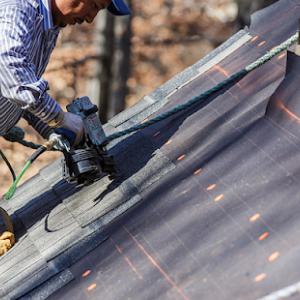
Roofing in Philadelphia, MS
Last updated: Feb 28, 2026
In Philadelphia, MS, the roof is your first line of defense against heat, humidity, and sudden storms. Our summers bring scorching sun that can break down shingles and lift granules, while spring and fall storms dump heavy rain and the occasional hail that tests flashing and seams. That mix also means higher cooling costs if the attic isn't well ventilated, and it makes a big difference when you choose materials with long wind and heat resistance. You'll also see prices swing with local supply and labor—and that's why practical, properly explained guidance matters. Here at roofs.fyi, we aim to give neighborly, down-to-earth advice that works for real-life Mississippi roofs, backed by the experience of local pros.
This page previews how Philadelphia's climate shapes roofing choices, from Local Climate considerations to the best Roofing Materials for Philadelphia, and from Popular Roof Styles & Architectural Trends in Philadelphia to typical costs. In plain terms, you'll learn which materials hold up best under heat and humidity, resist algae and moss, and shed rain efficiently. We cover Permits & Local Regulations, Common Roofing Problems in Philadelphia & Solutions, and Maintenance & Repair Tips for Philadelphia. We also explain When to Repair vs. Replace, and When to hire a professional. All of it is tailored to Philadelphia's conditions and backed by local resources—neighbors, suppliers, code officials, and trusted area contractors.
Think of this as advice from a knowledgeable neighbor who is also a professional roofer: practical, doable, and grounded in what actually happens on Philadelphia roofs. We reference local suppliers, code officials, insurance considerations, and area contractors so you're not chasing information that doesn't fit our town. Whether you're dealing with mossy shingles after a damp season, wind-driven shingle lift, or spotting corrosion around flashings after a storm, you'll find clear, actionable guidance here. Our goal is to help you spot early warning signs, plan within your budget, and choose options that keep your home safe and comfortable for years to come.
Let's start by looking at how Philadelphia's weather and landscape shape the roof over your head.
Local Climate & Its Impact on Roofs
Climate Overview for Philadelphia, MS
Philadelphia, Mississippi sits in a humid subtropical zone — hot, humid summers and mild winters. Thunderstorms are common in spring and summer, bringing heavy rain, gusty winds, and sometimes hail. Humidity can linger year-round, which increases the risk of mildew, algae, and wood rot if attic ventilation and moisture control aren't up to par. Hurricanes and tropical storms can bring intense rain and wind even inland, so preparedness matters.
Heat, Humidity, and Roof Longevity
- High heat accelerates aging of asphalt shingles and can soften sealants. Choose reflective or UV-resistant shingles if you're replacing soon.
- Persistent humidity promotes mold, moss, and algae growth on roof surfaces and in gutters.
- Adequate attic ventilation (soffits, vents, and ridge lines) and insulation reduce condensation and thermal cycling that cause deck and flashing damage.
- Metal roofs handle heat well but expand/contract with temperature swings; proper installation and flashing are key in MS.
Weather Risks You Should Plan For
- Severe thunderstorms: sudden wind gusts can lift shingles and reveal underlayment.
- Hail: pitted or dented shingles and exposed nails can lead to leaks if damage isn't addressed.
- Tornadoes and microbursts: tree limbs and debris can damage roofs; keep trees trimmed and remove damaged branches promptly.
- Flooding and poor drainage: heavy spring rains require functional gutters and downspouts to direct water away from the foundation and eaves.
- Occasional freezing temps: rare but possible; rapid thaw cycles can stress flashing and ridge vent seals.
Material & Design Considerations for Our Climate
- Asphalt shingles (architectural) are common and cost-effective; ensure good ventilation and proper underlayment to counter MS humidity.
- Metal roofing is durable in storms and heat, but ensure proper insulation and roof-to-wall flashings to resist leaks.
- Clay or concrete tile is attractive and long-lasting but heavy; verify structural support and framing integrity.
- Wood shakes or shingles require treated framing, moisture barriers, and regular maintenance to prevent rot in humid air.
- Ventilation strategy matters more here: aim for balanced intake and exhaust to keep attics cooler and drier.
Seasonal Maintenance Timeline
1. Spring: Inspect after storm activity; clean and clear gutters; trim overhanging branches; check for hail or wind damage on exposed edges.
2. Summer: Verify attic insulation and ventilation; look for heat-related curling or color fading on shingles; remove algae growth with safe cleaners or professional treatment.
3. Fall: Clean gutters again; reseal flashing around chimneys and vent pipes; confirm dormers and skylights are watertight; prep for potential winter storms.
4. Winter: Monitor for ice dam risk during rare freezes; ensure attic vents aren't blocked by insulation; avoid ladder use during storms and rely on a pro for any roofline work in icy conditions.
Quick Troubleshooting Steps
1. Look for dark streaks, missing granules, or curling shingles after a storm.
2. Check attic for excessive heat or moisture; inspect insulation and vent paths.
3. Inspect gutters for clogs, sagging sections, or pooling water.
4. Check flashing around chimneys, vents, and the roof-to-wall joints for gaps or corrosion.
5. If you notice leaks inside, map the water entry point and contact a licensed roofer promptly.
Local Warnings & Official Resources
- Severe weather risks can change quickly; never climb on a wet or wind-blown roof. Seek shelter and call a pro if you're unsure.
- Use extreme caution after storms; downed power lines and slippery debris present serious hazards.
- Official resources:
- NOAA/National Weather Service:
- FEMA:
- Mississippi State University Extension:
- Mississippi Department of Insurance:
- General roof safety and building code information can also be found via local city or county offices and the International Code Council (icc.com) through your local code official.
Recommended Roofing Materials for Philadelphia
- Most homeowners in Philadelphia, MS start with architectural (dimensional) asphalt shingles. They balance cost, availability, and performance well in our humid subtropical climate.
- Weather performance: good for hot summers and heavy rain; modern shingles offer solid wind resistance when installed with proper nailing and sealant.
- Ratings to look for: Class 4 hail resistance where possible, and a wind rating of 130 mph or higher.
- Longevity and cost: typically 20–40 years depending on product quality, attic ventilation, and maintenance; lower upfront cost than metal or tile.
- Color and reflectivity: lighter colors reflect heat, helping with cooling; match color to home style and local heat concerns.
- Maintenance notes: inspect after severe storms; ensure proper attic ventilation and continuous underlayment installation.
- Types: standing-seam and metal shingles both work well in Mississippi heat and storms.
- Durability: excellent hail resistance and high wind uplift performance; 40–70 year lifespans are common.
- Energy efficiency: highly reflective coatings can reduce cooling loads on hot summer days.
- Weight and structure: lighter than clay tile but still needs solid framing; some homes may require structural adjustments.
- Noise and comfort: proper insulation and a solid deck minimize rain noise; many homeowners appreciate the quiet when insulated.
- Color and style: modern metal can mimic other looks while delivering long-term performance.
- Fire resistance and moisture resilience: a good choice for humid climates; resistant to rot and insects.
- Appearance: can mimic wood or traditional shingles, with better longevity in heat and humidity.
- Longevity and cost: typically 30–50 years; higher upfront cost than asphalt but lower maintenance over time.
- Weight and installation: heavier than asphalt; requires a skilled installer to ensure clean seams and flashings.
- Climate fit: handles Mississippi heat well when properly vented and underlayment is used.
- Pros: excellent heat resistance and long life; many homes enjoy a distinctive, durable look.
- Cons: heavy—may require a structural assessment and possible reinforcement; higher installation cost; not ideal for older homes without modification.
- Weather considerations: performs well in rain and sun but can be prone to cracking in extreme temperature swings or hail; modern concrete tiles mitigate some risks.
- Adaptability: best for homes with existing solid roof framing; ensure proper attic ventilation and roof deck support.
Wood Shingles and Shakes
- Not typically recommended in Philadelphia's climate due to high humidity, termite risk, and maintenance needs.
- If used, expect higher upkeep and the need for pressure-treated or naturally rot-resistant options; consider sealing and regular inspections.
Synthetic and Composite Roofing
- Materials designed to imitate slate, wood, or shake with greater durability and lower maintenance.
- Benefits: strong resistance to moisture and pests, good color stability, and a reduced weight compared to natural slate or wood.
- Costs: typically mid-to-high range; longevity often 40+ years with proper care.
Solar Roofing Options
- Solar shingles or integrated PV systems can reduce utility costs over time.
- Consider structural load, roof angle, and electrical integration with existing systems.
- Realistic expectations: upfront costs are higher, but incentives and long-term savings can make it worthwhile.
Local Considerations and Best Practices
- Wind and hail readiness: choose products with high wind uplift ratings and Class 4 hail resistance where possible; ensure flashing and fasteners are corrosion-resistant.
- Underlayment: use a high-quality synthetic underlayment suitable for heat and moisture; consider a rain and vapor barrier for extra protection.
- Ventilation: maximize attic ventilation with ridge vents and soffit intake to reduce heat buildup and moisture.
- Color and reflectivity: lighter, reflective colors help reduce cooling loads in hot Mississippi summers.
- Contractor factors: hire a licensed roofer experienced with your chosen material; verify warranty specifics and local code compliance.
Practical Decision-Making Steps
1. Assess current roof structure and any needed deck repairs; determine weight tolerance for heavier materials like tile or fiber-cement.
2. Compare long-term costs: upfront price, maintenance, fuel/energy savings, and replacement intervals.
3. Check product warranties for hail, wind uplift, and manufacturing defects; confirm contractor workmanship guarantees.
4. Evaluate local weather patterns and termite risk when selecting materials and underlayment.
5. Schedule a professional assessment to confirm engineering compatibility and receive a material recommendation tailored to your home.
Popular Roof Styles & Architectural Trends in Philadelphia
Popular roof styles in Philadelphia, MS
- Gable roofs: The staple of many Philadelphia homes. Simple to build, easy to vent, and pair well with Craftsman, Colonial Revival, and Traditional designs. Watch for shallow slopes that limit attic ventilation and drainage in heavy rain.
- Hip roofs: Common on traditional Southern residences. Excellent wind resistance and a balanced silhouette that complements brick and wood siding. Slightly more complex and costly to construct than a basic gable.
- Flat or low-slope roofs: Found on modern updates, additions, or certain ranch-style homes. Require robust waterproofing and proper drainage. Not ideal in areas with frequent standing water without proper maintenance.
- Metal roofs: Standing-seam or metal shingles are increasingly popular for durability and hail resistance. Great for Mississippi heat and rain, and they're often lighter on roof decks. Noise can be noticeable in heavy rain unless well-insulated.
- Asphalt shingles: The workhorse for most Philadelphia houses. Affordable, easy to install, and available in a wide range of colors to match any style. Look for architectural or thicker shingles for longer life in our climate.
- Clay or concrete tile: Offers timeless curb appeal and excellent heat management. Very durable but heavy—requires a solid deck and careful structural planning. Best suited for homes with a traditional or Mediterranean vibe.
- Wood shakes/shingles: A rustic, textured look that suits Craftsman and Bungalow facades. Requires more maintenance and a keen eye for moisture and insects. Not the best choice if fire resistance is a priority.
- Specialty styles: Some homes blend dormers, clerestory windows, or curled eaves to create a distinctive silhouette. These accents can add character but may require extra flashing and maintenance.
- Asphalt shingles: 3-tab for cost-conscious projects, architectural for enhanced durability and wind resistance. Choose a Class A fire rating and a darker color to help hide staining in humid months.
- Metal roofing: Steel or aluminum with a protective coating. Excellent longevity (often 40–70 years) and reflects heat, helping to reduce cooling costs.
- Clay/concrete tile: Thermal mass helps keep attics cooler in summer. Heavier and more expensive, but very long-lasting with proper installation.
- Wood shingles/shakes: Treated options resist rot and insects, but expect higher maintenance and potential fire-code considerations.
- Underlayment and ventilation: A quality synthetic underlayment paired with proper ridge and soffit ventilation benefits any roof type in heat and humidity.
Architectural trends shaping rooflines in Philadelphia
- Front porches and covered entries: Rooflines extend to shelter porches, creating welcoming silhouettes and protecting siding from rain.
- Dormers and skylights: Adds usable attic space and natural light without expanding the footprint. Ensure proper flashing to prevent leaks.
- Low- to mid-slope configurations: Many older and updated homes favor modest slopes that balance curb appeal with attic space and cost.
- Mixed materials: Combinations of brick, vinyl, and wood with varied roof textures (shingles, metal, tile) for visual depth.
- Energy-conscious designs: Light-reflective colors and reflective coatings help reduce heat gain in hot summers, which is noticeable in our sunny months.
Maintenance and care basics
- After heavy rains or storms, inspect for loose or missing shingles and damaged flashing around chimneys, vents, and skylights.
- Clean gutters twice a year to prevent ice damming and water back-up that can seep under shingles.
- Treat moss and algae on shaded roofs with a proper cleaner or zinc/copper strip solutions to prevent long-term staining and deterioration.
- Schedule a professional roof inspection every 3–5 years, or sooner after hail or severe weather.
Local contractor tips
- Verify MS licensure and homeowner insurance before any work. Get at least three written bids with detailed scope.
- Ask about weatherproofing details specific to Philadelphia's climate and the home's existing structure.
- Request warranty information for both materials and workmanship, and confirm permit requirements with your city.
Average Roofing Costs in Philadelphia
Price ranges at a glance
- Asphalt shingles: $3.50–$6.50 per sq ft installed
- Architectural (dimensional) shingles: $4.00–$7.00 per sq ft
- Metal roofing: $7.00–$12.00 per sq ft
- Flat/low-slope roofing: $5.00–$9.00 per sq ft
- Tear-off and disposal (per sheet/roll removed): add $1.00–$2.00 per sq ft
- Typical 1,800 sq ft roof on a modest Philadelphia home: roughly $6,300–$14,000 for asphalt or architectural; $12,600–$21,600 for metal, depending on complexity and extras
What drives the price in Philadelphia
- Roof size and pitch: steeper, larger roofs cost more due to labor safety and slower progress.
- Roof complexity: multiple hips, dormers, valleys, and chimneys raise material waste and labor time.
- Tear-off vs. layover: tearing off an old roof adds disposal and labor; some homes can't or shouldn't be laid over existing shingles.
- Underlayment, flashing, and ventilation: better ventilation and upgraded underlayment improve energy efficiency and roof life.
- Local permits and disposal: permit fees and local landfill or recycling charges vary by town and county.
- Contractor quality and warranty: reputable crews with solid warranties may have higher upfront costs but save money through fewer call-backs.
Common roof types in Philadelphia, MS with cost estimates
- Asphalt shingles (standard 3-tab): $3.50–$5.50 per sq ft; 1,800 sq ft roof ≈ $6,300–$10,000
- Architectural shingles: $4.00–$6.50 per sq ft; 1,800 sq ft roof ≈ $7,200–$11,700
- Metal roofing (steel or aluminum panels): $7.00–$12.00 per sq ft; 1,800 sq ft roof ≈ $12,600–$21,600
- Flat/low-slope membranes (Modified Bitumen or EDPM): $5.00–$9.00 per sq ft; 1,800 sq ft ≈ $9,000–$16,200
- Tile or slate (less common in this area): $8.00–$15.00+ per sq ft; 1,800 sq ft ≈ $14,400–$27,000+
Local considerations that affect cost
- Weather and storms: occasional hail and high heat can influence material choice and fastener quality; premium coatings or reflective shingles may help with heat.
- Tree coverage: pine and hardwood trees shed debris; more cleanup and possible gutter protection add to cost.
- Roof shape and height: long runs, steep pitches, and multiple dormers increase labor time.
- Local code requirements: some neighborhoods or counties require specific underlayment, ventilation, or wind-resistant details.
- Insurance and liability: verify contractor liability and workers' compensation; better coverage can affect pricing but reduces risk.
How to estimate for your Philadelphia, MS roof (steps)
1. Measure the roof footprint or have a pro estimate square footage based on attic access.
2. Decide on tear-off vs. overlay and check local rules on re-roofing.
3. Choose material type (asphalt, architectural, metal, or flat) and color/brand options.
4. Gather at least 3 written bids, each itemizing materials, removal, disposal, and warranty.
5. Clarify permit fees, disposal charges, and any special add-ons (ridge vent, attic fan, ice/dam shield).
6. Inspect warranties and manufacturer product lines; confirm labor warranty length and what it covers.
Local style, architecture, and value
- Traditional Philadelphia, MS homes with gabled or hipped roofs often favor architectural shingles for curb appeal and durability.
- Ranch and bungalow-style roofs may be simpler and cheaper to replace, but steep back wings or wrap-around porches can raise labor costs.
- Metal roofing is popular in the region for longevity and hot-season reflectivity; it can offer lower long-term maintenance in heat-heavy climates.
- Color choices and reflective coatings matter for energy savings and neighborhood aesthetic harmony.
Long-term value and maintenance
- A well-installed roof with proper ventilation and underlayment reduces energy costs and extends life.
- Asphalt roofs typically last 20–30 years; metal roofs can exceed 40 years with proper care.
- Plan for occasional maintenance—ventilation, flashing checks, and gutter cleaning—to protect the investment.
Permits & Local Regulations
Do I need a permit for a roof replacement in Philadelphia, MS?
- In most cases, yes. A roof replacement or major repair often requires a building permit because it can affect structural components, ventilation, and fire code compliance.
- If you're just replacing like-for-like shingles with the same materials and no structural work, check with the City's Building Department—some municipalities allow minor roof work to proceed under existing permits, but Philadelphia typically requires a permit for roofing projects.
What requires a permit in Philadelphia, MS?
- New roof installation or full replacement
- Structural changes to decking, trusses, or rafters
- Installation of skylights, solar panels, attic ventilation upgrades
- Modifications that affect load-bearing elements, eaves, or drainage
- Work performed by a contractor on behalf of the homeowner
Contractor licensing and insurance
- Hire a licensed Mississippi contractor. Verify license status with the Mississippi State Board of Contractors.
- Require proof of general liability insurance and workers' compensation coverage.
- Ask for the contractor's permit and license numbers on the bid, and keep copies for your records.
The permit process in Philadelphia, MS
- Step 1: Confirm permit requirements with the City Building Department.
- Step 2: Gather needed documents (see below) and prepare project details.
- Step 3: Submit permit application, along with plans or sketches if required.
- Step 4: Plan review and potential revisions based on code compliance.
- Step 5: Pay fees and receive your permit.
- Step 6: Schedule and pass required inspections; keep the permit active until work is complete.
Documentation you may need
- A clear project description and proposed roof materials
- Site plan or sketch showing roof area to be replaced and any changes to eaves or skylights
- Structural details if decking, rafters, or supports are altered
- Contractor license number and proof of insurance
- Manufacturer specifications for roofing materials (wind rating, underlayment, ventilation)
- Any HOA approvals (if applicable) and zoning considerations
Inspections you should expect
- Rough framing or pre-roof inspection if structural work is involved
- Roof installation inspection to verify underlayment, nailing pattern, and flashing
- Final inspection to confirm compliance with code and completion of all work
- If your project changes during construction, another inspection may be required
Fees and timelines
- Permit fees vary by project scope and municipality; expect a base fee plus inspection charges.
- Plan review and permit issuance can take from a few days to a few weeks, depending on workload and whether plans need revisions.
- Inspections are scheduled timing-dependent on the progress of the project; ensure access for inspectors.
Common pitfalls and tips
- Do not start work without a permit. If caught, you may face fines or require redo of non-compliant work.
- Align timing with weather windows to avoid delays that could affect inspections and permit validity.
- Keep all paperwork, inspection reports, and change orders organized for easy reference.
- If you're unsure about requirements, call the City Building Department early in the planning process.
- Verify all subcontractors are properly insured and licensed; you're responsible for permits tied to the project.
HOA or neighborhood rules
- Even with city permits, HOAs or neighborhood covenants may impose additional rules on roofing materials, colors, or installation methods.
- Check HOA guidelines before purchasing materials or scheduling work to avoid violations or fines.
Common Roofing Problems in Philadelphia & Solutions
Leaks from damaged shingles
- What to look for: dark spots on ceilings, damp attic insulation, missing granules in gutters.
- Why it happens: wind uplift, hail strikes, sun exposure, or improper flashing allow water to penetrate the roof deck.
- Quick fixes: if safe, place a tarp over the area and apply roofing cement to small leaks as a temporary hold until a pro can inspect.
- Long-term plan:
1) Schedule a roofer's inspection after any storm.
2) Replace damaged shingles and reseal/uphold the underlayment.
3) Inspect and repair surrounding flashing around vents and chimneys.
Short tip: keep trees trimmed back from the roof to reduce debris and further damage during storms.
Hail and wind damage
- Signs: missing shingles, curling or cupping edges, granule loss in gutters, dented metal flashing or vents.
- Why it matters: hail can puncture or weaken the shingle surface; wind can peel tabs and expose underlayment.
- Immediate actions: document damage with photos, and contact your insurer for guidance on an adjuster visit.
- Repair approach:
1) Assess and replace severely damaged shingles.
2) Reinspect flashing and ridge cap for uplift or leaks.
3) Check gutters and downspouts for granule buildup or misalignment.
Pro tip: after a strong storm, a quick roof inspection from ground level with binoculars can catch obvious issues early.
Aging shingles and wear
- Signs: curling, cracking, missing granules, or a roof that's past its service life (typically 20–25 years for many asphalt systems).
- Why it happens: repetitive sun exposure, temperature swings, and poor maintenance shorten shingle life.
- What to do: patching may work for small areas, but widespread wear usually calls for replacement.
- Replacement steps:
1) Have a roof assessment to determine total replacement versus localized repairs.
2) Choose shingles suited for Philadelphia's climate (consider UV resistance and water shedding).
3) Ensure proper installation and flashing to prevent future leaks.
Moss, algae, and humidity issues
- Signs: dark streaks, spongy feel on shingles, moss growth in shaded areas.
- Why it happens: high humidity, shade from trees, and moisture promote algae and moss.
- Solutions:
- Clean shingles with a bibulated cleaner or a moss removal product recommended by a pro.
- Trim overhanging branches to improve sun exposure.
- Install zinc or copper strips along the ridge to inhibit regrowth.
- Consider algae-resistant shingles for long-term prevention.
Poor attic ventilation and condensation
- Signs: musty attic odors, higher attic temperatures, visible condensation on rafters.
- Why it matters: poor ventilation leads to moisture buildup, mold risk, and higher cooling costs.
- Fixes:
- Add or upgrade soffit and ridge vents to improve airflow.
- Seal air leaks between living spaces and the attic.
- Increase insulation to the recommended level for your area.
Improper flashing and penetrations
- Signs: water around chimneys, vents, or skylights; warped, cracked, or missing flashing.
- Why it happens: weathering, poor initial installation, or accumulated debris.
- Solutions:
- Replace deteriorated flashing and reseal with a compatible sealant.
- Re-secure counter-flashing and ensure proper laps against waterproofing membranes.
- Reflash around problem penetrations as needed.
Gutter, fascia, and edge problems
- Signs: gutters pulling away, overflowing water, peeling or rotted fascia boards.
- Why it matters: clogged or damaged gutters direct water toward the roof deck and fascia, accelerating damage.
- Actions:
- Clean gutters and downspouts; install guards if debris is persistent.
- Repair or replace rotten fascia boards.
- Ensure downspouts discharge away from the foundation and roof perimeter.
Roof deck rot and structural concerns
- Signs: soft spots on the deck, spongy attic floors, unusual sagging.
- Why it happens: chronic leaks or prolonged moisture infiltration can rot the deck and compromise structure.
- What to do: require a licensed contractor for deck replacement and to address any framing or support issues.
- Preventive measure: fix leaks promptly and maintain a dry, well-ventilated attic to protect the decking.
Local note for Philadelphia, MS: severe spring and summer thunderstorms, periodic hail events, and high humidity make timely inspections after storms essential. Regular maintenance, clear gutters, and proactive flashing checks go a long way toward extending roof life and avoiding costly repairs.
Maintenance & Repair Tips for Philadelphia
Regular inspections
- Inspect your roof at least twice a year: once in spring, once in fall, and after any severe storm. In Philadelphia, MS, strong summer thunderstorms and fall wind events can loosen shingles or damage flashing.
- Do a ground-level check and a safe, up-close look from a ladder if you're comfortable. Look for curled, cracked, missing, or granule-filled shingles; exposed flashing around chimneys, vents, and dormers; rust on metal components; and any sagging or lifted sections.
- Check for interior signs of trouble: stains on ceilings or attic mold, damp insulation, or musty odors can mean hidden leaks.
Gutter and drainage care
- Clean gutters and downspouts at least twice a year (spring and fall) and after major storms. Clogged gutters invite water to back up and seep under shingles.
- Ensure proper slope so water drains away from the house. Resecure loose hangers and joints, and add splash blocks or extensions to direct water away from siding and foundation.
- Remove pine needles, leaves, and debris that trap moisture and promote moss growth.
Attic and ventilation
- Verify adequate attic ventilation to curb heat buildup and moisture. In hot Mississippi summers, poor ventilation can warp decking and accelerate shingle aging.
- Check insulation levels (target an effective R-value appropriate for your attic design) and look for compressed or damp insulation near soffit vents.
- Ensure soffit and ridge vents aren't blocked by insulation or debris. Proper airflow helps prevent ice dams in rare freezes and reduces indoor attic moisture.
Common Philadelphia, MS roof issues
- Hail and wind damage: after severe storms, inspect for bruising, hail hits, cracked shingles, lifted tabs, or damaged flashing. If you suspect damage, have a professional do a closer assessment before heavy rain starts.
- Moss, algae, and staining: humid climates foster growth. Use gentle cleaners designed for roofs and avoid high-pressure washing, which can lift granules. Zinc or copper strips along the ridge can slow regrowth; copper plates near vents also help.
- UV and heat aging: asphalt shingles can curl, become brittle, or lose granules faster in hot days. If you notice significant fading or numerous curling tabs, plan for replacement or a more reflective shingle option when the time comes.
- Pests and penetration points: look for chew marks or gaps around vent pipes, chimney flashing, and skylights. Seal any small gaps promptly to deter critters.
Maintenance by roof material
- Asphalt shingles: routine checks for loose or flashing-sealed areas, re-nail any raised shingles, and reseal small cracks with a compatible asphalt cement. Be mindful of granule loss in hot months.
- Metal roofs: inspect for dents and corrosion, tighten loose screws, reseal or replace worn gaskets, and verify panels are aligned properly to prevent leaks.
- Flat or low-slope roofs (if present): keep drainage clear, inspect for ponding water, and ensure edge flashing is intact. Flat roofs require periodic membrane checks and prompt repair to prevent widespread leaks.
Quick triage after a storm
1) If it's safe, perform a basic exterior check for obvious leaks or damaged flashing and make a temporary tarp patch for large hits. Do not crawl on a wet or damaged roof.
2) Inside the house, look for active leaks, dripping ceilings, or stained attic insulation. Photograph damage for insurance claims.
3) Call a professional for significant damage, loose flashing, missing shingles, or signs that water is entering the attic or living spaces.
4) Maintain a temporary shield by directing water away from the home until repairs can begin, using sturdy tarps and proper fasteners.
When to hire a professional
- You notice multiple damaged shingles, extensive flashing issues, sagging decking, or widespread interior water intrusion.
- You're unsure about safe roof access or unable to safely perform inspection/maintenance from a ladder.
- Local storm events have caused unusual damage, and you want a licensed roofer to assess and document for insurance.
Safety reminders
- Always prioritize personal safety. If you're uncomfortable on a ladder, dealing with steep pitches, or the roof looks compromised, contact a licensed professional.
When to Repair vs. Replace
Key factors to consider in Philadelphia, MS
- Age of the roof: Asphalt shingles often last 20–25 years. If your shingles are approaching or past that range, replacement becomes more likely even if damage seems localized.
- Extent of damage: A few damaged shingles or a small leak is usually repairable. Widespread curling, cracking, or granule loss across large areas points to replacement.
- Structural decking condition: If the roof deck (osb/plywood) is soft, warped, or rotten, repairs won't fix the underlying problem and replacement is often the safer, longer-lasting option.
- Leaks and attic moisture: Persistent leaks, mold, or mildew in the attic indicate deeper issues. Repairs may be temporary unless decking and underlayment are sound.
- Local weather exposure: Philadelphia, MS faces heat, humidity, heavy rains, and occasional hail. Harsh conditions accelerate wear and may justify replacement sooner than in milder climates.
- Energy efficiency and warranties: If you're paying high cooling costs or if your current roof can't accommodate better ventilation or insulation, replacement with a reflective or metal option can save money over time. Also check manufacturer warranties and home insurance coverage—some issues are better addressed through replacement if warranties are transferring to you.
- Cost balance: Compare the short-term cost of repairs with the long-term cost of replacement, including potential future repairs. In many cases, a major repair that needs repeated follow-ups will cost more over a 10–15 year span than a one-time replacement.
When repairs make sense
- Minor damage: A few cracked shingles, isolated leaks, or small flashing issues can be repaired without a full tear-off.
- Young roof, few compromised areas: If the roof is relatively new and underlying decking is solid, targeted repairs are sensible.
- Localized flashing or vent fixes: Leaks around chimneys, vents, or valley flashing often require spot fixes rather than full replacement.
- Good warranty protection: If the roof has a solid warranty that covers repairs and the remaining coverage is substantial, repairs can be economical.
- Quick weather window: If a repair can be completed quickly before the next storm, repairs prevent more extensive damage and keep costs down.
When replacement makes sense
- Widespread damage: If 30–50% or more of the roof surface shows curling, missing granules, large shingles, or widespread leaks, replacement is usually more dependable.
- Age and wear: Shingles past 20–25 years, or signs of significant wear across the entire roof, favor replacement.
- Structural concerns: Any noticeable sagging, soft decking, or extensive water intrusion that affects the attic structure calls for replacement.
- Multiple failed repairs: If successive repairs fail within a short time, replacing the roof avoids repeated disruption and cost.
- Upgrading materials: If you want increased durability (e.g., metal, architectural shingles, or longer warranty options) to better handle Philadelphia's climate, replacement makes sense.
- Insurance considerations: If hail or wind damage is widespread and your insurer offers a favorable payout for a full replacement, it may be the pragmatic route.
A quick decision guide
- Visual check: Is more than 40% of the roof surface damaged or a lot of shingles curling/missing granules?
- Age check: Is your roof older than 20–25 years with ongoing repairs?
- Structural test: Do you notice attic decking rot or sagging?
- Leaks pattern: Are leaks frequent and not localized to a small area?
Steps to take (simple, homeowner-friendly)
1. Do a safe, high-level inspection from the ground or attic access. Note problem areas and any sagging or moisture signs.
2. Gather 2–3 written estimates for both repair and replacement from local Philadelphia, MS contractors.
3. Verify warranties: existing roof warranty, workmanship guarantees, and what replacement would entail.
4. Compare long-term costs: repairs now vs. a one-time replacement later, factoring in energy efficiency and potential insurance benefits.
5. Decide based on the combination of age, extent of damage, and financial practicality, then schedule with a licensed contractor.
When to Hire a Professional
Look for these signs that you should hire a pro now
- Active leaks or ceiling stains after rain, especially around flashing or vents.
- Missing, curling, buckled, or loose shingles; shingles with exposed or granule loss.
- Sagging sections, warping decking, or daylight showing through the attic.
- Multiple leaks or a long history of repairs without lasting fix.
- Roof age over 15–20 years with repeated problems or storm damage from recent hail or high winds.
- Damaged flashing around chimneys, vents, or skylights.
- Moldy attic, persistent dampness, or musty odors after wet weather.
1) Protect your valuables and furniture below the leak; place a bucket or tarp to catch drips.
2) Minimize further damage by covering exposed areas with tarps if you can do so safely.
3) Contact a local Philadelphia, MS roofing professional as soon as possible for a temporary shield and a proper assessment.
4) Avoid DIY repairs you're not trained to complete; professional roofers have the right safety gear and knowledge to prevent additional damage.
Philadelphia, MS: local considerations you should know
- Permits and code: Most roof replacements require a building permit in Philadelphia. Check with the City of Philadelphia Building Department to confirm permit requirements, inspection steps, and fees. Working with a pro who handles permits helps ensure code compliance and smooth insurance claims.
- Licensing and insurance: Mississippi contractors should be licensed and insured. Verify your contractor's license on the Mississippi State Board of Contractors website, and ask for current general liability and workers' compensation certificates. Request a copy and confirm the license class matches roof work (residential roofing).
- Storm-season awareness: Mississippi's heavy rains, humidity, and occasional hail mean you'll want a contractor who can document damage, advise on material choices (asphalt shingles versus metal), and reliably schedule a timely install between weather events.
- Local references: Look for past projects in the Philadelphia area. Local references can speak to timeliness, cleanup standards, and how the crew handled Mississippi heat and humidity during installation.
- Storm-chaser caution: Be wary of out-of-town crews or high-pressure out-of-state sales tactics after a storm. Favor local companies with a fixed address, a written contract, and verifiable references.
How to evaluate a roofing contractor
1) License and credentials: Confirm active Mississippi license appropriate for residential roofing and verify status online.
2) Insurance: Request certificates of liability and workers' compensation; call the insurer to verify coverage if needed.
3) Written estimates: Get at least 3 detailed bids with scope, materials, shingle type, underlayment, flashing, and exact waste disposal plan.
4) Warranties: Clarify material warranties from manufacturers and the workmanship warranty from the contractor; understand what's covered and for how long.
5) Local track record: Check several references in Philadelphia or nearby Neshoba County; ask about timeliness, cleanup, and after-service support.
6) Clear contract: Ensure the scope, product specs, permits, start/completion dates, payment schedule, and lien waivers are in writing.
7) Site practices: Confirm crew supervision, safety standards, dumpster pickup, and final cleanup; verify debris disposal complies with local rules.
8) Timeline and communication: Ask about expected start date, weather contingencies, and who to contact for updates.
Questions to ask during interviews
- What license class do you hold, and is it current for residential roofing in Mississippi?
- Do you carry general liability and workers' comp insurance? Can I see certificates?
- Will you pull the permit, and what's the expected permit timeline?
- What materials do you recommend for Philadelphia's climate, and why?
- What is included in the warranty, and who honors it?
- Who will be on-site, and how will they protect my landscape and driveway?
Red flags to avoid
- No license or refusal to provide license number or proof of insurance.
- Requests for a large upfront payment or cash-only deals.
- Pressure to sign immediately or vague, non‑specific bids.
- Unclear material specs, timelines, or a lack of written contract.
What to expect during the process
A professional roof replacement in Philadelphia, MS typically starts with a thorough inspection, accurate damage assessment, and a written, permit-ready plan. After removing old material and repairing or replacing underlayment and flashing, the crew will install new shingles, seal flashing, and perform a final inspection to confirm proper venting, drainage, and workmanship. Timelines vary with weather, but a reputable local contractor will communicate clearly, keep debris contained, and finish with a clean site and proper warranty documentation.
Putting A Lid On It: Roof Maintenance, Repair, and Replacement in Philadelphia
In Philadelphia, MS, your roof faces hot, humid summers, heavy rain, and sometimes strong windstorms. The climate can push shingles to expand and contract, test flashing, and push debris into gutters. Regular inspections and timely upkeep help you catch worn flashing, loose shingles, or moisture buildup before they become leaks or mold in the attic.
A little maintenance goes a long way here. Keeping gutters clear, trimming overhanging branches, and watching for algae, moss, or curling shingles can extend life and protect insulation and ceiling spaces. Small, proactive fixes now save big costs later and keep your home cooler, drier, and safer through every season.
What to Look For
- Missing, curled, or cracked shingles
- Granule loss in gutters or on the ground
- Shingle edges lifting or cupping
- Damaged or missing flashing around chimneys, vents, or valleys
- Moss or dark algae streaks on shaded sections
- Sagging or overflowing gutters and fascia
- Water stains or damp spots in the attic after a rain
Seasonal Maintenance at a Glance
- Spring: clear debris from the roof and gutters, inspect attic insulation and ventilation, seal exposed penetrations.
- Summer: keep trees trimmed, ensure proper attic airflow, and remove debris after storms.
- Fall: give gutters a thorough cleaning, inspect flashing after high-wind events, brace loose vent boots or valley membranes.
- Winter: ice dam risk is typically low here, but watch for icicles and leaks after freezes; monitor for condensation issues in the attic and on ceilings.
Repair vs. Replace
- Small, isolated leaks or minor shingle damage can often be repaired with flashing work or patching.
- If damage affects a large portion of the roof, or the decking is compromised, replacement may be more cost-effective in the long run.
- Frequent leaks, widespread shingle failure, or signs of structural wear deserve a professional assessment to determine the best long-term plan.
Choosing a Local Pro
- Look for licensed, insured contractors with local references.
- Get multiple written estimates and clear warranties on work and materials.
- Check reviews and ask about storm-season responsiveness and clean-up.
- Confirm permits and ensure proper safety practices and debris disposal.
Material Considerations
- Asphalt shingles with algae resistance work well in our climate and are budget-friendly.
- Metal roofs offer durability against wind and hail but require proper installation.
- Lighter colors can reflect heat and help energy bills, while darker shades may hide stains but absorb more heat.
A shared commitment to careful upkeep strengthens our community. With attentive maintenance and smart choices, Philadelphia roofs stay sturdy, and homes stay dry and comfortable. You've got the know-how to look after your roof, and when in doubt, a trusted local professional can help you keep that lid shining bright for years to come.