
Last updated: Apr 19, 2026
Spring thunderstorms sweep across the east Mississippi Black Prairie with hail and strong straight-line winds that can shred shingles, loosen underlayment, and expose decking in a single afternoon. In this area, a sudden microburst can leave a roof vulnerable long before a homeowner notices missing granules or curling edges. The moment hail or high winds are forecast or observed, plan to inspect the roof from the ground and request a professional assessment if any signs of impact appear on vinyl siding, vents, or flashing. Delays to address storm damage here compound risk from hidden moisture that accelerates rot and compromises attic ventilation. Acting quickly reduces the chance of leaks penetrating insulation and inviting mold growth during the humid months that follow.
Fall tropical systems reaching inland Mississippi routinely disrupt tear-offs and dry-in schedules even though Columbus sits inland. When a tropical system tracks inland, crews must slow down to handle sudden wind shifts, extra debris, and shifting rain patterns. This creates a real possibility of partial tear-offs or weather-induced pauses that stretch project timelines. If a storm watch is issued during a tear-off, preparations should focus on securing exposed decking and underlayment, preserving any existing roof deck, and coordinating with the contractor to resume promptly as soon as the window clears. In practice, that means scheduling with a contingency plan for short delays and ensuring the crew can reestablish a dry, wind-protected work area when the weather breaks.
Local replacement timing is often pushed toward drier windows because hot, humid conditions and frequent rain can slow decking dry-out and underlayment installation. In this climate, even a single wet day can lengthen the installation phase, particularly if roof deck drying is needed before applying new underlayment or asphalt and synthetic shingles. The window for a reliable, long-lasting roof lies in dry spells where sun can drive moisture out of wood and inside cavities. If the forecast shows a stretch of several sunny days, that period should be treated as the high-probability slot for a complete, quality install. If a stretch of wet weather interrupts work, resuming during a dry spell with a swift, thorough inspection of the sheathing and underlayment is essential to prevent hidden moisture from compromising the finished roof.
Keep a weather buffer of at least a few days around the predicted end of a storm cycle to finalize tear-off and dry-in activities. Coordinate with the contractor to secure a protected setup for decking and flashing during any forecasted rain, and establish a clear plan for rapid resumption after a lull in storms. Document hail and wind impacts with photos and notes, and schedule a post-storm inspection promptly to catch latent damage before it worsens. In this environment, proactive planning and flexible scheduling are the best defenses against storm-driven setbacks.
Mississippi homeowners insurers commonly process wind and hail claims, so adjusters in this area focus on storm-date documentation and photo evidence. When a claim is filed after a severe thunderstorm, expect the first contact to center on what happened on the date of the event, not a vague timeline. Gather photos that show the roof before and after the storm, if available, and organize them by date. The adjuster will likely want to see the chain of damage, from the shingles or panels to the flashing and gutters, so clear, well-lit images are essential.
Carriers may request the roof's age, existing-condition photos, and visible damage documentation before validating replacement need in this market. Have a straightforward record ready: age if known, the current condition of shingles or metal, any prior repairs, and notes on moisture intrusion or interior leakage. Interior photos of any staining, warped ceilings, or attic condensation can support the case that damage is more than cosmetic. Be prepared to provide a concise summary of the roof's service history, including recent storms and any prior claim activity on the same property.
Because Columbus sees repeated thunderstorm exposure, homeowners may face closer scrutiny over whether damage is from a recent covered event or long-term wear in heat and humidity. The wind can strip shingle granules and lift edges, while hail can leave bruises or dented metal, but heat and humidity also accelerate aging of underlayment and sealants. Document both the storm conditions and the roof's baseline appearance before the event if possible. A well-prepared file shows the contrast between storm-caused findings and existing wear patterns, which helps prevent disputes about coverage scope.
Start by compiling a damage diary tied to dates and weather statements from local reports. Take high-resolution photos from multiple angles, including the perimeter, hips, valleys, and any attached vents or skylights. Note any interior signs of moisture near the ceiling or walls and mark the location of suspected roof issues on the house map. If a contractor has performed earlier in-year work, collect those records as well. When meeting the adjuster, present the storm-date evidence first, then the sustained-condition photos, to establish a clear narrative of what changed and when.
Choose a local contractor who understands how wind and hail impact the common Columbus roof types, from asphalt shingles to metal and tile options. A practical approach is to have the contractor perform a preliminary, non-invasive assessment to identify current vulnerabilities and provide guidance on documentation to supplement the claim. A timely, orderly presentation of findings can help move the claim along and set reasonable expectations for replacing damaged components rather than chasing isolated patches.
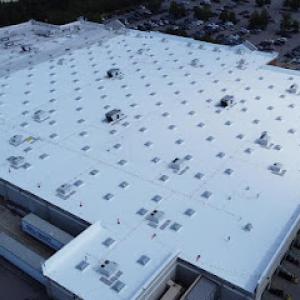
Hollis Roofing
(662) 327-4590 www.hollisroofing.com
213 Conway Dr, Columbus, Mississippi
4.5 from 8 reviews
"Hollis Roofing specializes in commercial, industrial, and residential properties for both new construction and re-roof clients. We use only the highest quality materials to ensure years of strength and durability. We have been in business for over fifty years and have worked in over thirty states.
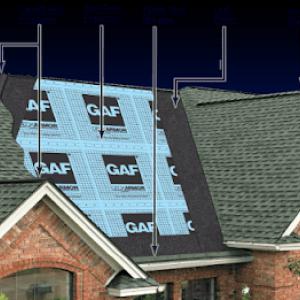
Wheeler Roofing
(662) 328-3625 www.wheelerroofing.com
1218 Military Rd, Columbus, Mississippi
4.1 from 17 reviews
Wheeler Roofing specializes in reroofing commercial, industrial and residential properties. We use only the highest quality shingles and materials to ensure years of strength and durability. With four generations of roofing knowledge and a commitment to using the finest products available, we continue to strive for our goal of customer satisfaction.
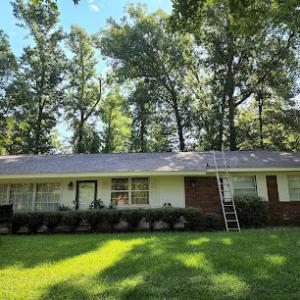
T Miller’s Roofing
156 Maple St, Columbus, Mississippi
5.0 from 2 reviews
“T Miller’s Roofing has been repairing roofs in the Columbus, MS and it’s surrounding areas, for over 22 years. Our mission is to resolve your roofing issue promptly.”
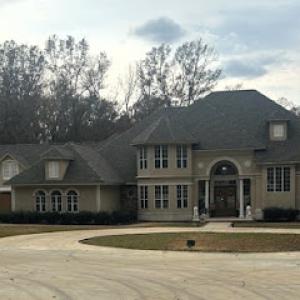
Dove Roofing
(662) 328-4964 topbusinessesusa.top
1025 Lehmberg Rd, Columbus, Mississippi
3.4 from 8 reviews
Dove Roofing: Your trusted shield against the elements. As an Elite Master Contractor, we bring expertise and peace of mind to every project. Fully licensed and bonded with over 50 years experience, we are committed to quality and reliability in every shingle we lay. Discover the condition of your roof with our complimentary inspections, followed by a free, no-obligation estimate. Choose Dove Roofing and experience roofing done right.
Lindsey Roofing
(662) 327-5991 lindseyroofingllc.com
71 Airline Rd, Columbus, Mississippi
2.5 from 4 reviews
40 years experience in all types Commercial and Residential roofing
Certified Roofing
118 S McCrary Rd Suite 130, Columbus, Mississippi
We are a full service Roofing Contractror
Asphalt shingles remain a common sight on homes across the Black Prairie. In prolonged summer heat and humidity, you'll notice faster granule loss, seal-strip fatigue, and algae-related staining compared with drier climates. This means you should expect more frequent maintenance reminders for cleaning, and you'll benefit from selecting a shingle with enhanced ultraviolet resistance and a stout asphalt layer. Look for reinforced granule adhesion and a warranty that accounts for high-heat cycles. Shingle color can also impact heat buildup; lighter hues may help reduce surface temperatures but still require good ventilation and attic insulation to prevent indoor heat transfer and moisture traps.
Metal roofing is especially well-suited to storms that dump heavy rain and whip up strong winds in east Mississippi. Metal panels shed water rapidly, reduce the risk of ice damming on sloped roofs during storm events, and resist several wind-related failure modes that aging shingles commonly encounter during thunderstorm season. When choosing metal, prioritize panels with a standing-seam design or concealed-fastener systems that minimize vulnerable edge fasteners. Ensure your roof-to-wall joints are sealed against driving rain and that the underlayment beneath the metal is compatible with the fastener pattern and climate-specific expansion and contraction.
Clay and concrete tile can elevate a home with distinctive curb appeal and long-term durability when properly planned. They appear on higher-end or architecturally distinctive houses in the area, but weigh significantly more than asphalt and some metal options. The risk of breakage under hail and during heavy handling means installer experience matters a great deal. Structural support must be verified to handle the payload, and fastener design should account for wind uplift and thermal movement. If a tile option is appealing, engage a contractor who has completed multiple tile installations in homes with similar roof geometry and attic ventilation profiles to ensure a reliable performance over decades.
Concrete tile offers rugged resistance and a distinctive look, with performance tied closely to the substrate and installation method. In this market, emphasis should be placed on selecting a profile and weight class that your structure can reliably bear, and choosing a contractor with proven experience in reinforcing eaves, hips, and valleys where water movement concentrates. Because thermal expansion is a factor in this climate, ensure that the roof deck and underlayment choices accommodate movement without compromising waterproofing. Proper venting and attic insulation continue to play a crucial role in maintaining roof longevity under both heat and humidity.
The mix of housing in the area includes styles that pair well with different materials. If the structure already leans toward lighter, more traditional curb appeal, asphalt or metal roofs often deliver straightforward performance with manageable maintenance. For homes with distinctive lines, clay or concrete tile can complement the architectural vocabulary if the structural and installation prerequisites are met. In all cases, choosing a roofing system that aligns with local storm patterns-rapid drainage, wind pressures, and moisture management-will help preserve the roof's integrity across decades of Mississippi weather.
Older and historic homes in this area often hide layers of reroofing, aging decking, and ventilation deficiencies behind their charming façades. When a tear-off reveals multiple layers, the project can quickly expose compromised decking, ghost leaks, and hidden rot. The result is not just a bigger tear-off, but a longer repair chain that can test patience and budget. Moisture intrusion tends to travel along ridge and valley routes, then into hidden pockets where the eye cannot easily see it until staining, soft spots, or mold appear inside the attic or ceiling.
Many historic rooflines feature dormers, valleys, porches, and flashing transitions that create leak-prone details during heavy rain. Valleys can accumulate debris and ice-dam patterns may form in shaded corners. Dormer angles and step-flashings around chimneys or skylights often become failure points after a few seasons of hot, humid weather. When planning work, you should anticipate extra inspection at these transitions and prepare for targeted flashing upgrades, rather than assuming a standard install will seal every joint.
Wood shingles or shakes still show up on older homes, sometimes paired with decorative steep-slope profiles. These surfaces demand more careful handling during removal and reinstallation, because thin, brittle edges and knot seams are prone to cracking with pressure. Repairs may require matching or closely approximating the original look, which can limit options and complicate flashing choices. Expect that some portions may need to be phased in with a mixed-material approach, and that this can affect long-term moisture performance if not coordinated carefully with ventilation and attic access.
Moisture control hinges on attic ventilation, which is frequently insufficient in historic houses. Inadequate intake or exhaust can trap humidity, accelerating deck rot and shingle deterioration. Plan for an assessment of soffit ventilation, ridge vents, and attic baffles. If the attic space is cramped or has irreplaceable trim, improvements may need to be done in stages to preserve architectural features while correcting airflow.
Approach repairs with a restoration mindset: preserve as much original detailing as feasible, but upgrade critical moisture barriers and flashing transitions to modern standards. Document findings from every tear-off, including hidden rot, decking thickness, and prior repair patterns. A measured, patient plan helps avoid repeating leaks and protects the historic character you're protecting.
A full reroof in Columbus typically requires a permit issued through the city building department rather than being handled informally. Before any tear-off begins, you or your contractor should confirm that the project scope is filed with the city and that the correct permit type is secured for replacement roofing. Because storms can disrupt schedules, starting the permitting process early in a project window helps keep work on track when weather pushes back inspections.
Contractors generally submit the permit application with basic project details, and the city conducts inspections at key milestones including at least a rough-in and final inspection. A rough-in inspection is commonly scheduled after roof sheathing, underlayment, and primary fasteners are in place but before final roof coverings are installed. The final inspection occurs after all roofing materials are secured, penetrations are sealed, and any ventilation and flashing work is completed. Having a clear line of communication with the contractor about these milestones helps ensure inspections don't get delayed by missing notes or documents.
Inspection scheduling in Columbus can be affected by both department workload and weather delays, which matters during storm-heavy parts of the year. High humidity, driving rain, and thunderstorm activity can push inspection timelines back or create temporary holds on exterior work. Plan for buffer days around anticipated inspection windows, and coordinate with the contractor to prepare the site so the inspector has a clean, accessible path to areas of concern. If a weather spell stretches, your contractor should proactively verify the permit status and confirm new inspection dates to avoid a stale project timeline.
Keep copies of permit approvals, inspection notices, and any correspondence from the building department handy. When questions arise at the jobsite, having the permit number and the approved scope readily available helps speed up inspections. Your roofing team should align on the required milestones and bring the inspector's checklist along for each visit, ensuring that wind, hail, and moisture resistance requirements tied to Columbus weather are adequately demonstrated during inspections.
Typical Columbus-area material ranges run about $350-$700 per square for asphalt shingles, $750-$1500 for metal, $1200-$3200 for clay tile, $900-$1900 for concrete tile, $700-$1700 for wood shingles or shakes, and $800-$1500 for synthetic or composite shingles. Those figures stay useful even when you're comparing bids after a hail event or a windy season. Start by confirming you're looking at price-per-square (100 square feet) rather than per bundle or per roof section, and verify the same measurement across all bids. For older homes with complex geometry, expect some bids to exceed the baseline as corners, dormers, and multiple roof pitches drive additional square footage and cutouts.
Storm-driven demand spikes after hail and wind events can tighten contractor availability and push reroof pricing upward even when material prices are stable. In practice, that means if a big hail event hits a neighborhood, you may see shorter lead times for inspections but longer waits to start work, and prices can rise due to compressed crew schedules. Plan for potential scheduling delays after severe storms and consider asking a contractor for a realistic window and a staged approach if your roof is large or multi-flat. In busy weeks, a detailed start date and a clear payment schedule help prevent price creep tied to urgency.
Costs in Columbus can rise on older homes with complex roof geometry, hidden deck repairs, and weather-influenced scheduling delays tied to weather and city workload. Older homes often hide deck repairs or flashing issues that aren't obvious from the ground; expect a careful inspection to reveal added cost categories. If your roof has multiple elevations, valleys, or transitioned materials, request itemized scopes that separate deck work, underlayment upgrades, and vent or chimney detailing. Being explicit about these items up front helps keep the project within your budget, even when the weather has you revisiting timelines.
Reroofing, including window replacements integrated with roof updates, follows a more deliberate schedule in this area due to frequent thunderstorms and high humidity. The typical approach is to align any window work with drier periods when both interior and exterior exposure are manageable. If a heavy storm front is forecast, plan to plant the work in a block of several calm days rather than chasing a perfect lull. The goal is to minimize weather-driven pauses that can leave openings vulnerable to wind-driven rain and rising humidity inside the home.
Summer work often starts earlier in the day to beat the peak heat and to reduce handling difficulties on exposed surfaces. Heat can soften sealants and complicate window installation, especially when trim and flashing must integrate with a roof edge. Practical steps include coordinating schedules with the hottest days, using shade covers when feasible, and ensuring crews have ample hydration and rest breaks. This approach keeps sealant cure times predictable and protects sensitive components from scorching temperatures that can accelerate wear.
Winter is usually more workable than in northern markets, but rain and occasional cold snaps can still pause installation or delay seal-down. The key is to maintain a flexible timeline that accepts short, weather-impacted gaps without compromising the roof's protective envelope. In late winter and early spring, anticipate moisture exposure from late-season storms and plan for additional temporary weather barriers around the opening. A sound plan keeps interior drywall and insulation protected while flashing details are finalized.
The roof-line and window openings in this market face wind-driven rain and potential hail exposure, so selecting impact-resistant sashes and reinforced flashing is prudent. Look for manufacturers offering glass with laminated or tempered qualities and coatings that resist moisture infiltration. Pay attention to the compatibility of window frames with surrounding roofing materials to ensure a continuous water-tight barrier. Installing a robust drip edge and properly sealed flashing around every opening reduces the risk of moisture infiltration during severe weather.
Coordinate window installation with roofing crews to minimize simultaneous exposure at eaves and ridges. When possible, schedule windows toward a sequence that reduces the number of exposed gaps during storm-prone periods. Clear debris from the roofline before starting to avoid damage to new openings, and confirm that attic ventilation remains unobstructed so the space can dry out quickly after any incidental moisture intrusion. This localized approach helps preserve the long-term performance of both roof and replacement windows under Columbus's storm cycles.