Last updated: Apr 19, 2026
Northport's highest roofing disruption risk runs from late spring into early fall, when frequent thunderstorms and high rainfall increase leak exposure and weather delays. That means you should expect more days with intermittent leaks, asphalt shingle lifting, and temporary tarps as storms roll through. Plan for extended project timelines when storms are active, and keep a close eye on long-range forecasts to anticipate shifting workdays. Homes along the river corridor feel the brunt of sudden downpours, so even minor weather fronts can stall progress that seemed on track.
Hurricane season from June through November can bring strong winds and debris impacts to Northport even though it is inland, making wind-lifted shingles and tree-related damage a real scheduling issue. If a storm looms, risk assessment becomes urgent: anticipate wind-driven shingle displacement, gutter and fascia damage, and possible roof deck exposure. Have a plan for rapid temporary protection, containment of debris, and pre-staged materials that can be moved quickly if a storm forecast tightens. After storms, be ready for insurance documentation needs and a faster triage of affected sections to minimize interior water intrusion.
Because summers are hot and humid in Northport, replacement timing often shifts toward drier windows when crews can manage underlayment exposure and material handling more reliably. Dry periods improve underlayment longevity and reduce the chance of moisture seeping beneath shingles during installation. If a capricious front drops rain mid-project, expect temporary pauses that can stretch timelines. Coordinate with crews to target a stretch of consistently dry days, ideally after the peak of the storm season when heat and humidity subside and your interior humidity is easier to manage during sheathing and installation.
Storm-driven claims are common in this area, so immediate and thorough documentation becomes a neighborly responsibility. After a wind or hail event, photograph and date damage from multiple angles, focusing on flashing, edge fasteners, and the transitions between tarp work and installed roof components. Create a simple diary of rain events, wind gusts, and any observed leaks inside the attic or ceiling. If insurance paperwork starts, gather contractor notes, material receipts, and a clear timeline of what was inspected and what was scheduled to be replaced. This local exposure makes precise records especially valuable in the weeks following a storm.
Ask your contractor to establish a fall-readiness checklist that prioritizes areas most exposed to wind uplift and storm debris, such as ridge lines and edge rows. Ensure protection for interior spaces by reviewing attic ventilation and underlayment exposure during the planning phase, so you can adjust sequencing to minimize lingering roof openings that could invite moisture before dry-season slots. Keep a short-contact list ready for quick turn-arounds: a weather window, a tarp crew, and a storm-response plan that can be activated within days of a weather alert. In this climate, proactive scheduling and rapid documentation are as crucial as the materials themselves.
Perfect Edge Roofing
11614 Glenwood Cir, Northport, Alabama
5.0 from 22 reviews
Residential Roofing Company specializing in roof replacements and insurance claims
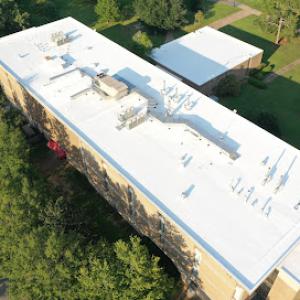
Advanced Roofing Solutions
(205) 409-4697 www.arsroofing.net
1001 30th Ave, Northport, Alabama
5.0 from 5 reviews
We provide Roofing Services for Commercial and Residential Properties We hold the highest certifications with most major manufacturers, allowing us to provide not just quality craftsmanship but also extended warranties that stand the test of time and weather. We embrace innovation, providing onsite roof inspections that combine traditional methods with cutting-edge technology. Our drone inspection services afford a unique aerial perspective, identifying potential issues that might go unnoticed from the ground. Coupled with infrared scans, we offer a comprehensive assessment that not only detects visible damages but also uncovers hidden problems, ensuring a complete solution to your roofing needs.
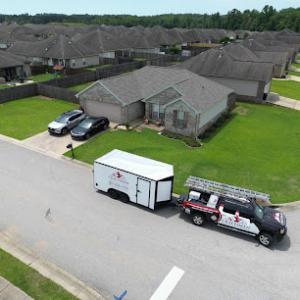
Craftsman Roofing
(205) 826-2759 www.craftsmanroofing.com
Serving
4.9 from 58 reviews
Craftsman Roofing provides roofing installation and repair to Tuscaloosa and Birmingham, AL, and the surrounding areas.
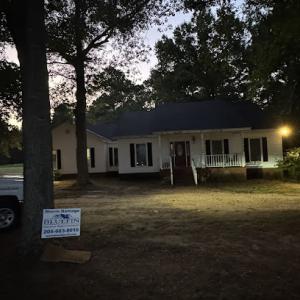
Bluefin Exteriors
(205) 683-8010 www.bluefinroof.com
Serving
4.8 from 13 reviews
Bluefin Exteriors, LLC specializes in all types of Roofing! We have been in the construction and insurance claims industry for over 2 decades and have helped thousands with their property insurance losses. We work with Insurance Carriers on a day-to-day basis to get your property repaired. Bluefin Exteriors, LLC is a General Contractor that understands the building components and how insurance claims work with different policies. We use the same estimating software as most Major Insurance Carriers and we understand their format and what documents are needed to get your Home or Business repaired. We are licensed as a Building Contractor and Insurance Claims Adjusting Company in the State of Alabama.
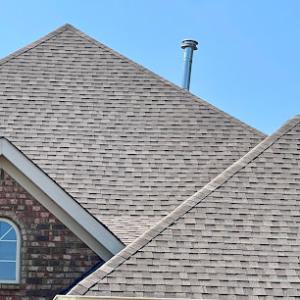
VIP Alabama Roofing
(205) 561-9337 www.vipalabamaroofing.com
Serving
4.9 from 63 reviews
•Roofing Services - Full roof replacements & repairs; Asphalt Shingle, Metal & Rolled Roofing ROOF SHIELD REJUVENATION deep clean rinse ROOF SHIELD TREATMENT add years of life back to your shingles •Gutter Services - installs, take downs, clean out services, gutter guards, repairs •Sheetrock Repairs •Painting Services - Interior & Exterior •Soft Washing •Fences, Decks and so much more •Insurance Claims specialist - we will work with your insurance company on your behalf
White Oaks Construction & Roofing
(205) 792-2559 whiteoaksconstruction.llc
Serving
4.9 from 82 reviews
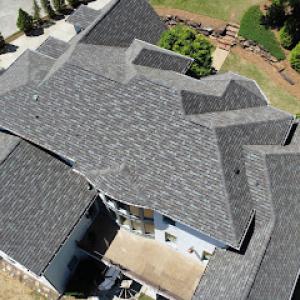
White Oaks Construction is a trusted name in roofing and construction, delivering top-quality craftsmanship and exceptional service since 2018. Specializing in residential and commercial roofing systems, we are certified by leading manufacturers like GAF, Owens Corning, Tamko, Atlas, and Versico, ensuring premium materials and expert installation for every project. Based in Tuscaloosa Alabama, we pride ourselves on our attention to detail, insurance claim expertise, and commitment to protecting your investment. Whether you need roof repairs, replacements, or custom solutions, our experienced team is here to help. Contact White Oaks Construction today to transform your property with reliable, long-lasting results!
Premier Roofing & Repair
(205) 361-5008 premierroofingandrepair.com
Serving
4.8 from 132 reviews
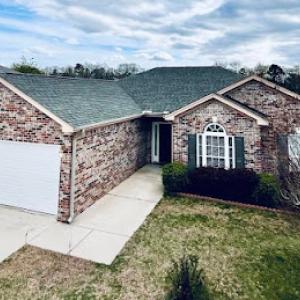
With over 20 years of dedicated service to the Tuscaloosa Area, we take pride in being your trusted roofing partner. As a Certified Licensed Professional Roofer, we uphold the highest standards of quality and professionalism in every project we undertake. Our team consists of skilled professionals who are covered by workman's compensation, ensuring their safety and well-being while on the job. Additionally, our company is bonded LLC, providing our clients with added peace of mind and assurance. Whether you need roof repairs, replacements, or maintenance services, you can rely on our expertise and commitment to excellence. We are here to serve the Tuscaloosa community with integrity, reliability, and unparalleled craftsmanship.
Bama Roofing
(205) 391-1444 bamaroofing.net
Serving
4.7 from 55 reviews
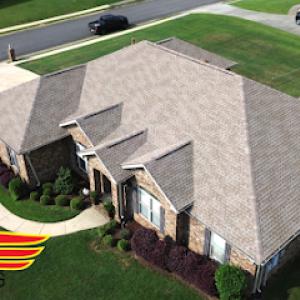
If you’re a homeowner, there’s one thing you know for sure: your family deserves the best structures in your home. You’ve worked hard to put a roof over your head—so make sure your roof is durable and appealing by working with Bama Roofing in Tuscaloosa, AL. You can count on Bama Roofing to install, repair or replace your covering, whether you prefer a shingle or metal roofing system. We can also help with your gutter repairs, cleaning and installation in Tuscaloosa, Alabama. Call us at 205-391-1444 for a free estimate on your roofing project.
Commercial Roofing Services
(205) 719-3850 www.crsbama.com
Serving
5.0 from 20 reviews
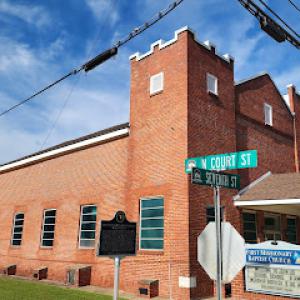
At Commercial Roofing Services, LLC, Specialize in high-performance commercial roofing solutions that stand the test of time. Serving businesses of all sizes, we provide expert installation, repair, and maintenance for flat roofs, metal systems, TPO, EPDM, and more. With a commitment to quality craftsmanship and safety, our certified roofing professionals deliver efficient service with minimal disruption to your operations. Whether you're upgrading, repairing, or building from the ground up, we’re your trusted partner for dependable protection and long-term value.
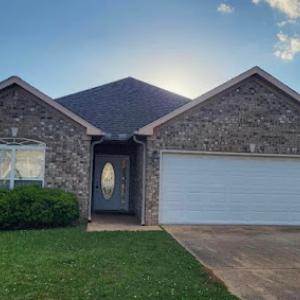
South's Finest Roofing & Remodeling
(205) 242-2167 southsfinestroofingal.com
Serving
4.9 from 140 reviews
We specialize in Shingle Roofs and Metal Roofs in Tuscaloosa and Surrounding areas. We install roofs and do roof repairs. Free Inspections Free Estimates. Professional Roofers. We also specialize in Carpentry. Call us today for all of your roofing and carpentry needs!
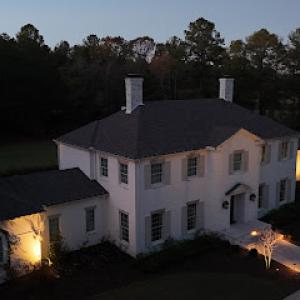
Purple Turtle Roofing
Serving
5.0 from 91 reviews
At Purple Turtle Roofing, every project is handled with equal dedication, regardless of its size. Our core values revolve around faith, family, and doing the right thing. We place these at the center of all our endeavors. Beyond merely serving as a protective covering for homes, we view the roofs we restore, repair, and install as symbols of the safety they provide to the individuals underneath.
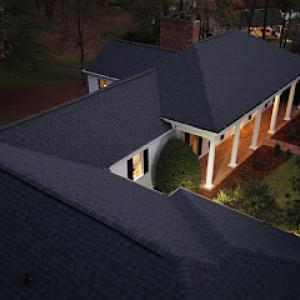
MNM Painting & Roofing
(205) 792-3719 www.mnmpaintandroof.com
Serving
5.0 from 22 reviews
Established in 1967, MNM Painting and Roofing is a family-owned and operated business serving Tuscaloosa and surrounding areas. Their commitment to quality spans generations, ensuring reliable roofing and painting services for residential and commercial clients. Our founder Charlie McDaniel's core values still hold true today faith, family, honesty and integrity.
Damage from Gulf-influenced thunderstorms, hail, and high winds commonly lands on Northport roofs during the hurricane-aligned storm season. The insurance environment here tends to scrutinize roof age and prior repair history more closely than some neighboring markets, especially after a sequence of bad weather years. Carriers often look for signs that a roof has already reached the end of its expected life or that previous fixes were properly documented and executed. That means the path from first notice of loss to settlement can hinge as much on the history of the roof as on the storm's latest impact. Understanding this context helps set expectations for how claims are reviewed and what information tends to carry the most weight with adjusters.
Prepare for adjusters to ask for detailed photo documentation that clearly separates old wear from new storm damage. Photos should capture the overall roof condition, each damaged area, and representative close-ups of asphalt granule loss, lifted shingles, dented metal, or cracked coatings on vents, flashings, and skylights. A simple rule of thumb: show consistency across the entire roofline, including gutters and downspouts, so the scope of damage isn't perceived as isolated or inconsequential. When possible, include dates from prior repairs and a written note describing the age of the roof and any past leaks, if any. Repair estimates should come from a qualified roofer and distinguish cost for addressing recent damage versus pre-existing wear. In this market, a well-documented file can make the difference between a partial acknowledgment and a broader claim approval.
Northport homeowners should anticipate adjusters wanting to trace the claim to the most recent storm event while also verifying the roof's condition before that event. Clear, consistent communication helps: provide a concise summary of the damage you've observed, reference your photos, and include a professional assessment that flags what truly stems from the latest storm versus what reflects older wear. Consider requesting an on-site inspection, and be proactive in presenting replacement options supported by objective estimates. If a dispute arises over whether a repair or replacement is warranted, a transparent line-by-line comparison of proposed work can prevent lingering disagreements. In practice, carriers may tighten underwriting after major Alabama storm events, which can influence how much of the roof is recommended for repair or replacement and how the claim is settled.
The decision to repair or replace often comes down to roof age, the extent of storm damage, and the probability of future leaks or failures. In the wake of a major hail or wind event, the adjuster may propose a repair plan that covers limited sections now with a formal note about a potential future replacement consideration. For older roofs, a full replacement could be favored to prevent recurring claims and to reduce the risk of uncovered damages from unseen underlayment or decking. In practice, the homeowner should seek an independent estimate to verify what a full replacement would entail compared with targeted repairs. The long-term reliability of the roof, the surrounding structure, and future storm resilience all factor into the final decision.
Storm-heavy periods bring pressure to proceed quickly, but haste can undermine the quality of a repair or replacement. When a hail or windy event triggers a spike in claims, carriers may push for faster settlements, but choosing the right course-repair, partial replacement, or full replacement-should be guided by the roof's remaining service life, the extent of damage, and the likelihood of further events. In this environment, a thoughtful plan that aligns with long-term performance helps prevent repeated claims and ensures the home remains protected through another thunderstorm season. For residents in this market, the best path is a documented, professional assessment followed by a measured, informed decision that prioritizes durability and value over short-term convenience.
Northport homeowners often navigate these decisions in a context where storm history, claim scrutiny, and underwriting realities intersect, shaping how roof damage after hail and wind is valued and resolved.
Connect with contractors who help homeowners navigate the claims process from damage assessment to final approval.
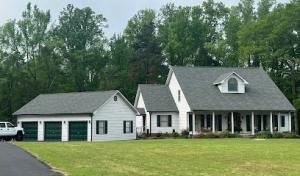
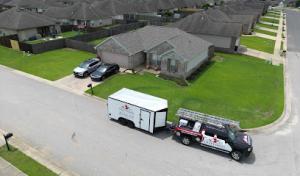
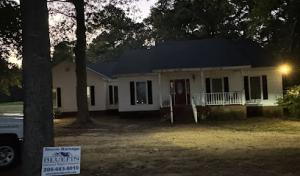
Asphalt shingles are common in Northport, and that familiarity matters when storms roll in off the river and heat builds up in the attic. In prolonged heat and humidity, shingles can suffer granule loss, seal-strip fatigue, and algae staining faster than you might expect. The key is choosing a heavier, wind-resistant profile and pairing it with a robust underlayment and proper attic ventilation. In practice, this means keeping the roof deck dry during installation, ensuring the shingles are fully sealed, and inspecting the granules after the regular thunderstorm pulses of late summer. When a reseal or replacement is needed, verify the shingle color and granule consistency to slow algae growth, and emphasize a high-quality ridge vent and open eave soffits to support moisture management through the humid season.
Metal roofing is especially relevant because it sheds heavy rain quickly and holds up well under repeated storm exposure. Local specialists will tell you metal can be an excellent long-term choice here, provided the install around fasteners and flashings is meticulous. In storm-prone conditions, look for standing-seam or properly sealed through-fastener options, and insist on continuous underlayment beneath panels in vulnerable areas like eaves and ridge lines. The path water takes around chimneys, vents, and transitions matters nearly as much as the panel itself. Regular checks after severe storms should focus on fastener integrity, flashing seams, and any signs of denting or uplift. A well-sealed roof with solid ventilation around the attic keeps interior temperatures down and reduces internal moisture that can lead to condensation risk in damp summers.
Tile, wood, and synthetic options appear in the market, but the humid climate makes underlayment condition, attic ventilation, and moisture management especially important regardless of surface material. Clay and concrete tiles demand careful alignment and secure fasteners to ride out burst downpours without cracks that invite leaks. Wood shingles and shakes require moisture-aware treatment and a breathable roof deck to prevent rapid drying and warping in frequent humidity spikes. Synthetic shingles can offer color and flexibility, but they still depend on a sound underlayment and robust attic ventilation to handle Northport's long thunderstorm season. In all cases, the attic must be well-ventilated, the underlayment in good condition, and moisture paths controlled to prevent hidden rot behind every surface. If a roof feels unusually warm or shows early signs of staining, address moisture paths before the next storm phase to keep durability intact.
Storm-driven demand spikes around severe weather across the Tuscaloosa area can tighten labor availability and extend scheduling in this river corridor town. When a major event hits, crews may be booked weeks out, and expedited replacements can carry premium pricing. In practice, that means your timing matters as much as the material choice. If a hail or wind event hits, expect the project to shift from a straightforward replacement to a broader repair-plus-replacement scenario, with longer lead times and potential crew shortages that push daily rates upward.
Homes with storm-related decking repairs, ventilation corrections, or attic upgrades can see costs rise beyond base material pricing because these issues may need to be addressed during installation. For example, addressing compromised decking or upgrading soffit vents and attic insulation can add to labor and disposal fees, especially if framing or structural reinforcement is required. These items often come up during the planning phase after the initial assessment, and they influence the overall timeline and financing needs.
Material choices common in this market range from lower-cost asphalt shingles to higher-cost metal and tile systems. Local weather resilience often shapes value decisions as much as upfront price. Asphalt shingles remain a practical, cost-efficient option for typical Northport exposure, delivering solid wind resistance when installed with a proper underlayment and seal. Metal roofing offers excellent wind uplift performance and longer life, which can justify the higher upfront cost in storm-prone seasons. Tile options, including clay or concrete, deliver excellent durability in heat and humidity but require precise roof framing and spacing, which can add to both time and expense.
For asphalt shingles, anticipate a baseline in the lower to mid range when labor and materials align with common Northport weather cycles. Metal roofing sits higher, reflecting durability against frequent storms and longer service life. Tile options skew the highest, with clay and concrete offerings providing the strongest long-term resilience but requiring more extensive installation work. In practice, a replacement project often lands in the per-square price bands that reflect not only material but the integrated considerations of storm-season scheduling, decking repair, and attic upgrades, meaning sticker shock can arise if a weather event compresses timelines.
Get a clear picture of your project costs upfront - no commitment required.
South's Finest Roofing & Remodeling
(205) 242-2167 southsfinestroofingal.com
Serving
4.9 from 140 reviews
A full roof replacement in Northport typically requires a building permit filed with the City of Northport Building Department. The process starts when you or your contractor submits plans and a project scope that shows the roof type, underlayment, ventilation strategy, and any attic modifications. The aim is to confirm the project aligns with local code requirements and the city's weather-ready standards for storm-prone conditions along the river corridor. Because Northport's climate brings humid summers and heavy rainfall, the permit review often concentrates on drainage, fastener schedules, and flashing details to prevent water intrusion during the next thunderstorm season.
While the roof covering itself is a central item, Northport inspectors may look closely at ventilation and attic-related upgrades if the project touches those areas. Expect questions about ridge vents, soffit intake, gable ends, or attic insulation improvements that could impact moisture control and attic temperatures. If the existing attic space shows signs of poor ventilation or heat buildup, the permit review may request upgraded venting or insulation as part of the approval. If your home uses an older roof deck, ensure any decking repairs or replacements are documented, since the city wants a durable, code-compliant installation that helps your home withstand storm-driven winds.
Northport inspectors typically perform a final inspection after installation. This final step confirms that the work matches the approved plans, that water-driven wind loads have been considered in the fastening pattern, and that all penetrations, flashing, and drainage details are properly sealed. Processing times can vary depending on Building Department workload and seasonal demand after storms or insurance-driven replacements. Plan ahead so that the final inspection can occur soon after the crew completes the installation, reducing the risk of delays that affect weather-tightness or permit closure.
Coordinate closely with the contractor on the permit package, ensuring all necessary documents-design details, venting specifications, and flashing configurations-are ready for review. If attic upgrades are part of the project, have energy and moisture controls clearly described to satisfy the city's expectations. After installation, keep a tidy, accessible record of inspection notices and any change orders, as the final inspection hinges on traceable compliance with the approved plan. In Northport, timely communication with the Building Department and your contractor helps safeguard the project against weather-related delays and ensures your roof replacement proceeds with the proper approvals in place.
In Northport, repeated thunderstorm cycles make flashing failures around chimneys, skylights, and roof penetrations especially important leak sources. When you hear a steady drip after a downpour or see dark staining near any flashing seams, treat it as urgent. Inspect metal step and counter-flashing where the chimney meets the roof, and check sealant joints around skylight flanges. If you notice bubbling tar or loose shingle granules at these seams, plan immediate stabilization. Temporary tarping may be the fastest way to minimize interior damage while you arrange a proper repair window.
Heavy rain exposure reveals drainage and valley problems quickly, especially on aging re-roofed homes where multiple repair phases may have left vulnerable transitions. Pay particular attention to valley intersections, eaves, and gutter lines where water should shed smoothly. Look for displaced shingles, uneven underlayment, or granule loss that concentrates flow into a single channel. When valleys show rusted or lifted metal, or if flashing around vent pipes shows gaps, treat it as a high-priority leak source. Addressing sagging gutters, clogged downspouts, and improper slope now can prevent cascading damage during the next storm cycle.
Emergency tarping is a meaningful local service category because storm damage often needs immediate stabilization before full replacement can be scheduled. If water is actively entering living spaces, set up a covered barrier to direct water away from interior walls and electrical outlets. Keep the area clear of valuables and avoid walking on damaged sections during storms. After tarping, document the damage with photos for insurance discussions, and contact a qualified roofer promptly to plan a targeted repair timeline that minimizes exposure during Northport's long thunderstorm season.
Find contractors experienced in skylight installation, flashing, and leak repairs to bring natural light into your home.
White Oaks Construction & Roofing
(205) 792-2559 whiteoaksconstruction.llc
Serving
4.9 from 82 reviews
Although steep-slope residential roofing dominates Northport, local contractor signals show a smaller but real need for flat and low-slope work on additions, porches, and mixed-use structures. Those sections may seem minor, but they catch more gullies of water and debris during the Gulf-influenced thunderstorm season. If you're adding a sunroom, connecting a carport, or finishing a covered outdoor space, that flat or low-slope patch can become the first line of trouble when drainage isn't perfect or edge detailing isn't robust.
Northport's frequent heavy rain makes ponding, edge detailing, and transition flashing more consequential on low-slope sections than on the main roof plane. Water that lingers on a porch roof or a flat canopy can creep into fastener gaps, seam laps, and curb intersections. The consequence isn't just a soggy ceiling; prolonged dampness invites rusted metalwork, softened substrate, and warped decking underneath. A practical habit is to inspect low-slope corners after heavy downpours and recheck the drip edges for proper overlap and sealing before the next storm system rolls in.
Edges where flat sections meet steeper roofs demand careful flashing detailing. If the edge detail is too shallow, or if a corner transition uses nothing more than a paintable sealant, rain-driven wind can push water under the roofing layers. In mixed-use structures, those joints are especially prone to faster wear because they endure more foot traffic and variable equipment loads. Treat low-slope transitions with extra sealant longevity in mind and verify that any changes to fascia or gutter lines preserve a continuous water path away from the deck and walls.
Owners in Northport with hybrid rooflines should evaluate low-slope sections separately because failure patterns and repair methods differ from the city's more common shingle roofs. A low-slope failure may reveal itself first as ponding, then as subdeck rot or fascia rot near the junctures. When planning repairs or replacements, see these sections as distinct systems that require targeted flashing, drainage checks, and material compatibility so that fixes don't merely move the problem to a neighboring seam.
Find specialists in TPO, EPDM, and built-up flat roofing systems for residential and commercial properties.