
Last updated: Apr 19, 2026
Laurel sits in Mississippi's Pine Belt, where frequent thunderstorms, heavy rain, hail exposure, and severe weather make storm-related roof claims a recurring homeowner issue. The mix of steep older roofs and newer rebuilds means moisture can hide in roof valleys, vent flashings, and under damaged shingles long before a leak shows on ceilings. Wind-driven rain and debris during a passing squall can punch gaps in seals that look minor but invite water intrusion for days after the storm passes. In this climate, a quick, targeted response after a storm isn't a bonus-it's a necessity to prevent hidden rot and escalating damage.
Mississippi insurers commonly require detailed photo documentation, accurate scopes of work, and pre- and post-damage condition records because roof claims are common in storm-prone periods. When a storm hits, you should capture exterior photos from multiple angles, including roof edges, chimney flashing, attic elevations, and any visible moisture stains. Take close-ups of shingles, granule loss, sealant lines, and flashing boots. Create an itemized list of affected areas with notes on suspected water paths, weakened fasteners, and any interior signs of moisture. If you have prior roof reports or service notes, keep them accessible; insurers often cross-check before approving replacements or repairs. Your aim is to present a coherent, verifiable story of what occurred and what remains at risk.
Hurricane season can affect Laurel even though it is inland, with wind-driven rain, debris impact, and post-storm contractor demand spikes influencing repair timing. After a major event, there's a surge of contractors in the streets, and not all are prepared for Mississippi moisture and wind patterns. Prioritize securing safe access to the roof and attic while you arrange documentation. If shingles show immediate curling, lifted tabs, or popping nails, there is a clear signal to initiate a formal inspection. Do not let bait-and-switch tactics or rushed bids push you into a full replacement before a proper assessment confirms what is truly damaged and what can be repaired.
Carrier underwriting can tighten in Mississippi after active storm periods, which can affect whether homeowners choose repair versus full replacement and what materials they select. This tightening means you should be ready to justify the chosen path with solid evidence of damage, moisture intrusion, and roof age. For older homes with steep pitches, an inspection that identifies lift at edges, compromised underlayment, or rusted decking can steer decisions toward durable, wind-resistant options. When soliciting bids, request detailed scopes of work, including visible venting, attic airflow improvements, and moisture barrier strategies. Ensure the contractor's plan aligns with the documented conditions and addresses both current leaks and potential future failure points.
Begin a storm-damage toolkit: a camera, a notebook, and a dated folder for all paperwork and bids. Schedule a professional roof inspection promptly after a storm, especially if you notice ceiling staining, musty attic air, or shingles displaced by wind. Ask your insurer for preferred documentation formats and confirm that your scope of work matches the actual damage and intended repair or replacement. Maintain a record of all communication with insurers and contractors, including dates, names, and promised timelines, so you can track progress through the storm season with confidence.
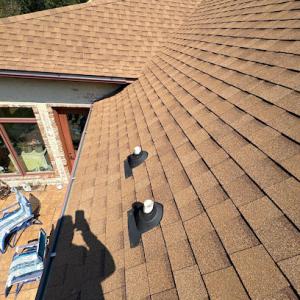
Cox Roofing
(601) 319-7857 coxroofingms.com
379 Lower Myrick Rd, Laurel, Mississippi
4.9 from 138 reviews
Cox Roofing, located at 379 Lower Myrick Rd, is your trusted local roofing contractor in Laurel, MS, specializing in Residential Roofing, Roof Leak Repair, Roof Repair, Roof Replacement, and Emergency Roof Repair. With expertise in Storm Damage Repair, we guide homeowners through insurance claims, ensuring fair compensation. Our skilled team offers Gutter Installation, Metal Roofing, Roof Maintenance, and comprehensive Roof Inspections to protect your home. Serving the Pine Belt region since 2005, we provide durable, aesthetic solutions with high-end materials. Experience our commitment to quality and customer satisfaction—contact us for a free inspection or estimate today!
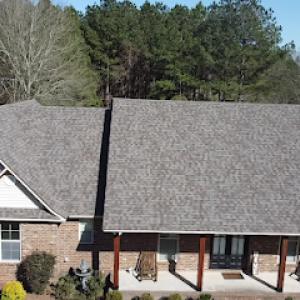
Walley Roofing & Construction
(601) 433-6917 www.walleyroofingandconstruction.com
692 Reid Rd, Laurel, Mississippi
4.9 from 40 reviews
At Walley Roofing and Construction, our goal is to provide you with quality work at a reasonable price. We pride ourselves on giving you peace of mind in knowing that your job was completed with the highest possible standards and methods. Our owner, Mike Walley, has been in business for over 18 years. In that time, he has completed thousands of projects. When you reach out to us, we’ll start by scheduling a time to visit your home and assess your roof. We have a team of experts who will carefully inspect the damage and provide you with an honest evaluation. You can trust us to give you the best advice and solutions tailored to your specific needs.
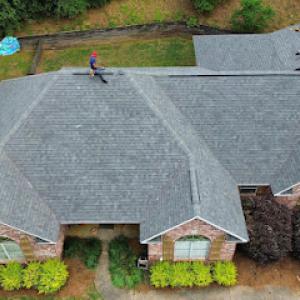
Eagle Restoration
(601) 804-8648 www.eaglerestorationllc.com
1428 W 11th St, Laurel, Mississippi
5.0 from 14 reviews
At Eagle Restoration, we take pride in being your go-to construction experts in Laurel, Mississippi. Roofs, Gutters, Siding, and Remodels are our specialty.
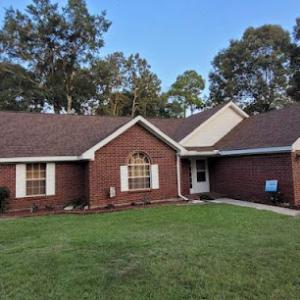
Reliable Roofing & Construction
(601) 342-0979 www.reliableroofingms.com
113 Ellisville Blvd, Laurel, Mississippi
4.3 from 65 reviews
Our Laurel, MS based roofing company offers a wide range of services including small repairs & gutters. Our roofers install shingles, metal, & flat roofs on residential or commercial properties. Our experienced contractors are always happy to provide a free estimate & financing options for any potential job.
Amigo Roofing & Concrete
(601) 778-2794 amigoconstructionms.com
11 Karen Clark Rd, Laurel, Mississippi
5.0 from 2 reviews
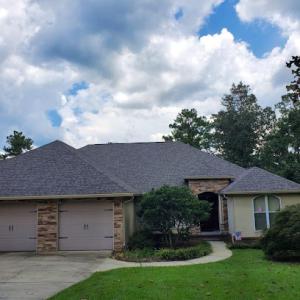
At Amigo Roofing & Concrete Construction , we provide the highest quality professional roofing and concrete services. Our experienced professionals are licensed and insured, with more than 10 years of experience in residential and commercial projects. We are conveniently located in Laurel, MS and serve the surrounding areas. You can trust us to come to your home or business quickly so you don’t have to wait weeks for service.
Jacob's Ladder Construction - Roofing Service, Roofing Company, Roofer in Laurel, MS
(601) 533-4868 jacobladderconstructionms.com
Laurel, Mississippi
5.0 from 2 reviews
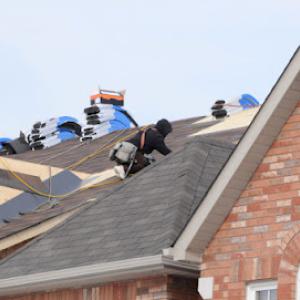
Taking Care of your Roofing Needs! Jacob's Ladder Construction is a roofing contractor serving clients in the Laurel, MS area. We have years of experience in this business and many satisfied clients. Our roofers are well trained and qualified. We strive to provide the highest quality service at the most affordable rates. We have 20+ years on experience. We can also help you if are looking for a siding or drywall installation or repair.

Pruitt's Roofing
(601) 699-3748 www.pruittsroofingllc.org
Serving
5.0 from 210 reviews
Protect one of your most significant investments with our reliable roofing services. We are a locally owned and operated roofing company serving Ellisville, MS, and surrounding communities. If you want to make your roof last as long as possible, it is vital that you never put off a roof repair. Minor issues with roofing become big issues in a hurry. No matter how major or minor the repair you need, we are here to help. For a good quality roof Pruitt can do it!
Helping Hand Home Improvements
(601) 451-8100 www.helpinghandroofingandconstruction.com
Serving
4.8 from 54 reviews
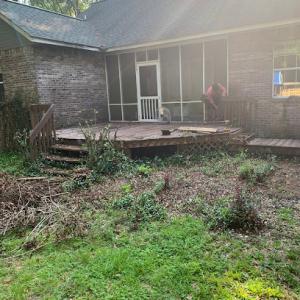
If you wish to create the space of your dreams in Hattiesburg, MS, we can help! At Helping Hand Roofing & Construction, we specialize in a wide array of home improvement services, including roofing, drywall, painting, carpentry, and minor electrical and plumbing. We have years of experience and a top-notch record of providing our clients with personalized attention. We take pride in our honest pricing and constant and transparent communication throughout the project. From quality craftsmanship to excellent customer support, our team is fully dedicated and committed to making your next project a success.
Roof Maxx of Hattiesburg, MS
Serving
5.0 from 9 reviews
Roof Maxx® offers a revolutionary roof restoration service, providing an eco-friendly, cost-effective solution for extending your roof's life. Specializing in roof rejuvenation, our innovative treatment revitalizes aging shingles, ensuring they remain flexible and waterproof. Ideal for roofs over 7 years old, Roof Maxx's unique formula penetrates deep into shingles, restoring their original functionality. This process not only enhances roof durability but also postpones the need for expensive replacements. Our professional roof maintenance services further protect your investment, keeping your roof in top condition. Trust Roof Maxx for sustainable, efficient roofing solutions.
VR Roofing
Serving
VR Roofing is always ready to help you with your unique needs. Based in Ellisville, MS, we founded our company to provide comprehensive roof repair and construction services to local private clients. Today, we offer both asphalt shingle and metal roofing solutions, as well as gutter, painting, fencing, and drywall services. Contact us to benefit from our expertise!

Fresh Roof of South MS
Laurel, Mississippi
Fresh Roof of South MS is a roofing company in Laurel, MS that focuses on local soft washing & driveway cleaning.
The Pine Belt climate brings long, hot, humid summers that push shingles to work harder than they do in cooler regions. In Laurel, heat accelerates aging by wicking more moisture into the roof system and keeping it damp after rain, even when the sun comes back out. Asphalt shingles can dry out unevenly, while organic components in some products may swell with humidity, creating micro-cracks that invite water intrusion. In practice, this means you'll notice faster granule loss, more surface curl on aging shingles, and a higher likelihood of hidden moisture lingering under the decking after a storm. The result is a roof deck that feels damp longer than expected, which can spall fasteners and compromise underlayment layers if left unaddressed. A practical diagnostic habit is to check attic insulation and ventilation: inadequate airflow traps humidity near the deck and amplifies thermal cycling that compounds aging. In homes with steeper older roofs, that moisture can move toward the soffits and penetrations with greater force, making prompt attention to roof deck dryness and attic venting a smart, money-saving habit.
Laurel's pattern of sudden, heavy downpours followed by drying spells creates repeated wet-dry cycling that stresses flashing details, penetrations, and sealants. Flashing around chimneys, vents, skylights, and transitions between roof planes bears the brunt of this cycle. Over time, repeated dampness and drying can cause sealants to crack, metal flashings to corrode, and fasteners to loosen. When storms roll in with piping hot afternoons, the sudden cooling and re-wetting can also promote capillary movement of moisture into joints that seemed dry after a sunny stretch. The practical consequence is not just more frequent leak signals during storms but also accelerated wear on top-edge sealants and gutter-to-roof interfaces. A homeowner should adopt a proactive inspection routine after multi-day heat waves and before the next thunderstorm season: look for hairline cracks in sealants, loose flashing, and any staining along ridge lines where wind-driven rain tends to pool. Pay special attention to older portions of the roof where the deck and ventilation pathways might be mismatched with modern weatherproofing standards.
The city's historical mix of older homes and newer replacements means homeowners often compare modern wind-rated systems against aging roof decks and ventilation layouts. In practice, that contrast highlights how a roof is actually performing: a newer, wind-rated membrane or shingle product might be installed over an older, less-ventilated roof deck with limited soffit intake. In such cases, the effectiveness of the upgrade hinges on the condition of the underlying structure. If decking has warped, nails have worked loose, or ventilation ducts and attic baffles are suboptimal, the new materials won't perform at their rated capacity. The result is wind-driven loosening, accelerated moisture ingress around penetrations, and heat-related bowing that can undermine a previously solid installation. The wise homeowner approaches this by inspecting for deck delamination, sag, or uneven spots in the attic and assessing whether the existing ventilation layout provides a true continuous flow path. If the deck shows signs of wear or the attic feels stuffy even with vents, consider coordinating a deck assessment with a ventilation upgrade to match the aging roof's new top layer. This approach helps ensure that modern wind-rated components are supported by a deck and underlayment system capable of handling Laurel's storm-driven climate.
Laurel's older residential stock brings roof shapes that aren't "one-size-fits-all." Steep, multi-gabled roofs with dormers, multiple chimney stacks, and porch tie-ins are common. Each feature changes how a replacement is planned and executed. The goal is to preserve the look while ensuring the system sheds moisture effectively in the Pine Belt humidity, especially after a storm-driven event. Expect visible rooflines to be irregular, with valleys that require precise detailing so water flow remains true even under heavy rain.
Steep older roofs demand careful staging during tear-off and reinstallation. Access for crews and material handling is tighter around dormers and chimney shoulders, and a safe fall plan becomes part of the project scope. Valleys demand attention to flashing transitions where metal meets shingle or tile, because a small misstep here can lead to moisture intrusion hiding behind decorative trim. Porch tie-ins often involve junctions where old flashing and new underlayment must blend with the historic silhouette. When possible, choose fasteners and underlayment that keep the roof profile clean while resisting wind-driven moisture, which is a frequent neighborly concern after storms.
Older homes frequently carry ventilation and flashing details that don't align with current replacement standards. That mismatch raises the likelihood of concealed decking issues once tear-off begins. Plan for expanded inspection around soffits, ridge vents, and area transitions for steep sections. Expect to find unused or undersized vent spaces that need upgrading to maintain attic moisture control without compromising the visible roof lines. A thorough deck check during tear-off helps prevent surprises, especially behind dormer cheeks and where two roof planes intersect.
Architectural compatibility matters more in Laurel than in many newer subdivisions because visible roof material choices influence the historic look. The era, trim lines, and roof edge detailing should guide the material selection and colorways. When you're balancing aesthetics with durability, consider roofing profiles that mimic the historical rhythm-shingle textures, the sheen of finish, and the silhouette around dormers and chimneys. Any styling tweak should be vetted against the home's overall character, so the replacement respects the house's original integrity while delivering modern performance against moisture and wind.
Asphalt shingles are common in Laurel, but prolonged heat and humidity can shorten appearance life through granule loss, algae staining, and faster sealant wear. In this climate, choose lightweight, algae-resistant options with good granule retention and ensure a solid underlayment and proper venting. Consider a layered secondary water barrier at especially vulnerable valleys and around any dormers to slow moisture intrusion after heavy storms.
Metal roofing performs well in rain-heavy conditions because it sheds water quickly, which matters during frequent thunderstorm season. The key is installer quality- pay attention to fastener patterns, trim fit, and how penetrations are sealed. In Laurel, a standing-seam profile or exposed-fastener panels should be installed by a crew with storm-season experience to minimize leaks near eaves and roof-to-wall joints that see extra wind-driven moisture.
Wood shingles and shakes face added moisture risk in south Mississippi humidity, making maintenance and drying potential more important than in arid climates. For homeowners, that means regular moss and mildew checks, prompt cleaning, and ensuring adequate ventilation under the roof. If using wood, look for pressure-treated or naturally durable species and a finish that resists moisture without trapping it. Avoid loose fasteners that can create gaps during quick temperature shifts.
Clay and concrete tile are available options but can be less common on typical Laurel homes because structural support, roof geometry, and replacement complexity matter on older houses. Tile adds weight and often needs a reinforced deck and precise slope. If considering tile, ensure the attic has ample ventilation and that the existing structure can handle the load, especially on steep or irregular rooflines.
Synthetic and composite shingles can appeal to Laurel homeowners seeking a traditional look with lower weight on older framing. Look for products with proven moisture resistance, good UV stability, and a finish that resists algae. Installation should mirror historic roof lines where possible, and ensure compatibility with any existing trim colors and detailing to maintain the neighborhood aesthetic.
Spring in this area brings frequent thunderstorms and sudden hail events that can trigger inspections and insurance backlogs. If you can schedule after the late-season storms subside and after any hail assessments are complete, it reduces the chance of weather-related delays pushing you into the busy spring rush. Dry, milder conditions help set the stage for a steady push without the summer humidity creeping back into work sites. Plan for a window when afternoon showers are less likely and mornings stay cool enough to keep decking and underlayment stable. You'll want a crew that can stage tarps and temporary weather protection early, so a mid-spring start that avoids peak storm weeks tends to minimize hold-ups.
Full replacement in the hottest, most humid stretches is rarely ideal. Summer heat can cook shingles during installation, and humidity favors faster moisture uptake in materials if staging isn't tight. Thunderstorms can interrupt progress and create muddy, unstable access around steep older roofs. If a summer start is unavoidable, target early mornings and late-afternoon work windows, with clear daily plans for material protection and rapid crew turnover between lifts. Prepare for occasional pausing if a storm system threatens, and coordinate with your insurer for post-storm documentation if a recent event has occurred nearby.
Fall offers better working temperatures and a more predictable pace for a complete replacement. Dry days are more common, and cooler nights help reduce heat-related fatigue on crews. However, wind and occasional storms can still complicate staging and material handling, so choose a location with secure tarping and a clear laydown area. Fall is often a practical compromise: comfortable temperatures, manageable humidity, and fewer long stretches of rain, making it easier to maintain a steady cadence through the project.
During the colder months, temperatures can slow adhesive sets and create tricky handling on bare decking. If temperatures stay above the recommended minimums for several consecutive days, a winter window can work, but planning must account for early dusk and potential frost. Windy days still pose staging challenges, especially on taller or steeper roofs. Consider a shorter, tightly choreographed daily plan with robust weather monitoring so work can proceed during suitable pockets of mild weather.
During hurricane season, debris, tarping demand, and emergency repairs can affect scheduling and material availability in the market. Build in buffer days for urgent debris removal and ensure the crew can adapt to rapid changes in access or site conditions. Keep a clear communication trail with your insurer so documentation flow remains steady even when storms drive a flurry of claims in nearby neighborhoods.
Provided local replacement ranges are: Asphalt Shingles 5000 to 12000, Metal Roofing 8000 to 18000, Clay Tile 16000 to 50000, Concrete Tile 16000 to 45000, Wood Shingles/Shakes 6500 to 27000, and Synthetic/Composite Shingles 5500 to 22000. Those figures reflect typical Laurel projects across older and newer homes alike, and function as a practical baseline when planning a project after a hailstorm or heavy thunderstorm season. You'll see wide swings depending on roof size, complexity, and the finish you pick.
Laurel's mix of steep older rooflines, multiple valleys and dormers, and chimney flashing work pushes costs higher than simple ranch-style replacements. When tear-off exposes decking with moisture or rot, expect decking repair or replacement to add to the base price. A narrow roof with many penetrations will require more labor hours and detail work, and that translates directly to higher costs per square.
Storm-driven demand spikes in south Mississippi can raise labor wait times and pricing after hail, severe thunderstorms, or hurricane-related weather events. If your project follows a major storm, plan for potential delays and adjust timelines accordingly. Suppliers may also tighten material lead times for popular options like metal or synthetic systems during peak season.
Material choice matters locally because metal and synthetic systems may be selected for storm resilience or appearance on older homes, while tile options can increase structural and labor complexity. Clay and concrete tiles offer durability but demand a stronger deck and careful installation around chimneys and dormers. Asphalt shingles stay common for cost control, but wind resistance and moisture handling must be weighed against long-term performance.
In this community, a building permit is typically required for a full roof replacement rather than just minor repair work. The permit submission generally includes project scope and roofing material details, and it can be filed by the contractor or the homeowner. Relying on a permit request filed after the work begins invites delays, potential stop-work orders, and setbacks when insurance claims are reviewed after a storm event.
Expect to provide a clear scope of the replacement, the chosen roofing material, any attic ventilation changes, and a plan for proper drainage and flashing details. As a homeowner, you want a written description that matches what the crew will install, because discrepancies between what's approved and what's installed can trigger compliance questions or rework. If a contractor handles the filing, verify that all pages reflect the actual materials and dimensions planned for the job.
Laurel inspections are commonly performed at more than one stage. An early inspection may review underlayment installation and ventilation strategy to confirm moisture control and airflow. A later inspection will verify that flashing, vents, and penetrations are correctly installed and that the roof completion aligns with the approved plans. Skipping or rushing these checks increases the risk of moisture intrusion and wind-related failure later on.
The local building department may require wind-rated underlayment and specific flashing or venting details, reflecting regional storm exposure. If the project deviates from the approved scope or if moisture control components are not up to standard, the department can mandate corrective work before final approval. Planning around these checks helps avoid insurance disputes after a severe storm.
In Laurel, repeated thunderstorm exposure makes flashing at chimneys, valleys, sidewalls, and roof penetrations a common weak point. Metal and sealant aging collide with humidity, so joints and terminations that seemed fine after the last repair can fail days later under pounding rain and wind-driven spray. When flashing fails, water can intrude at the most sheltered corners and follow the fastest path to attic spaces, soffits, and ceilings. Look for loose or lifted metal, deteriorated boot rubber around vent pipes, and sealant cracks that widen after every storm. Addressing these issues early saves rot-prone decking and mold-prone attic spaces from turning into costly headaches.
Humidity-related moisture retention can worsen decking deterioration and attic condensation problems when older roofs lack balanced intake and exhaust ventilation. In this climate, damp insulation and warped sheathing often hide behind visible exterior wear, making interior moisture easier to miss until staining appears or a musty odor becomes persistent. If soffit vents are blocked by debris, insulation is matted, or ridge vents sit flat, airflow slows, creating cold spots that condense. On steeper, historic roofs where decking is already aged, those condensation patterns accelerate rot and fungal growth. Regular checks of attic vapor barriers, balanced ventilation, and signs of soft or springy decking can prevent slow, expensive failures.
Wind-driven rain in severe weather can expose installation shortcuts around underlayment laps, ridge details, and transition areas on complex roofs. In Laurel, a tall or multi-planed roof can reveal gaps where underlayment laps aren't sealed, or ridge caps aren't properly anchored. Water can pool along transitions where shingles meet metal edges or where valleys are misaligned. The result is accelerated wear, loose shingles, and hidden rot beneath seemingly solid surfaces. Inspect for lifted or wedged shingles after storms, recalked or missing seal strips, and any changes in roofline that suggest past shortcuts.
Asphalt roofs in the region often show algae streaking and weathered seal strips sooner than homeowners expect because of the humid Pine Belt environment. Algae grows where shade and moisture linger, leaving dark streaks that mask underlying granule loss and compromised sealant. Weathered edge sealants can fail at valleys and hips, inviting localized leaks. Early signs-streaks that won't wash away, brittle strips near eaves, and brittle flashing edges-signal the need for targeted cleaning, resealing, and, where necessary, more thorough overhauls to preserve the roof's integrity.