
Last updated: Apr 19, 2026
Meridian homeowners face a sharp, recurring risk each spring as storms sweep in with rapidly escalating wind and hail. Damage can appear minor at first glance, but hail dents and wind-driven impacts can compromise shingles, flashing, and vent closures in ways that tempt a slow, second-guessing approach. The reality is that even small, storm-created openings invite water intrusion if left untreated, and an unattended opening becomes a doorway for moisture behind the decking. When a hail event hits, you should plan to inspect within hours and call a professional who can confirm whether damage is cosmetic or structural. Delaying a documented roof issue is a common mistake here, and the clock on storm damage moves quickly once moisture finds its way past the surface.
Summer in this area compounds the risk because high humidity settles in soon after a storm, and the heat makes roof assemblies more vulnerable. A small breach opened by a brief downpour can swell into a persistent leak in a matter of days, especially if water migrates under shingles or along the decking. This isn't theoretical here: heavy rains paired with stubborn humidity can push moisture into attic spaces, insulation, and sometimes the ceiling below. If you notice staining, musty smells, or that laminate feels damp near vents or chimney flashing after a storm, treat it as an early warning. Quick triage-clean debris, seal obvious gaps temporarily only to protect interior spaces, and schedule a professional assessment-can keep a minor incident from becoming a costly repair later in the season. Storm responses should be decisive, not delayed by "wait-and-see" thinking.
Late fall and winter fronts bring heavy rainfall and cold air that complicate replacement timelines even when damage is documented. Your calendar tightens as contractors juggle multiple projects and weather windows narrow. The risk here is twofold: first, the weather can stall roof work you've already prioritized, and second, moisture inside a cold attic can freeze and expand, amplifying material damage. If your roof has experienced verified damage during late-year storms, expect potential scheduling twists: crews may prioritize safety and sequencing to prevent frost-related issues, or they may push work to the first clear stretch after thaw. The consequence is a longer exposure period for the interior and a higher chance of secondary damage to soffits, attic ventilation, or decking. Preparation matters: have a clear plan with your contractor for expedited material staging, weather contingency, and communication so that when a window opens, the project can move without unnecessary delays.
When a storm hits, document damage with clear photos from multiple angles, especially around ridge lines, flashing, and the deck-to-wall transitions. If you hear wind-driven debris or see saturated decking, mark the date and contact a contractor promptly for a damage assessment. Create a quick escalation path with your roofing professional: a risk flag for early-stage leaks, a plan for temporary protection if rain is forecast, and a defined sequence for inspection, mitigation, and replacement once weather allows. In spring and early summer, aim to schedule assessments within 24 to 48 hours after storms with credible evidence of damage, so that small issues don't turn into large, storm-driven replacements. In late fall and winter, establish a priority backlog plan with your crew and buffer for weather delays, recognizing that readiness and timing can determine how smoothly a full replacement proceeds when the first opportunity arises.

Ready2Roof Meridian
4820A Poplar Springs Dr #276, Meridian, Mississippi
4.7 from 70 reviews
Ready2Roof is a local factory trained and certified roofing company serving residential and commercial clients in Meridian. We offer roof repairs, roof replacement, emergency storm response, free estimates, free insuance audit and a warranty that is unbeatable on material and labor. We look forward to working with you. * GAF Master Elite Cerified Contractor * Lifetime Warranty * Professional Roofing Service * Replacements * Reroofs * Repairs If you’re in need of quality roof repairs or replacements, you can always count on us to get the job done right the first time.
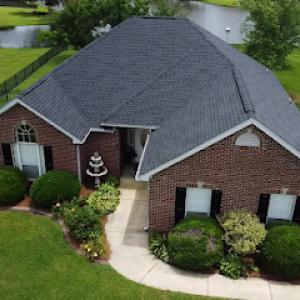
B&A Roofing - Meridian
(601) 841-3218 www.baroofings.com
302 17th St Suite D, Meridian, Mississippi
5.0 from 16 reviews
At B&A Roofing, we are dedicated to providing top-notch roofing solutions for both residential and commercial properties throughout Meridian, MS, and the surrounding areas. With a specialization in asphalt roofing and advanced commercial roof systems, we ensure that every project is completed with the highest level of craftsmanship and quality. Whether you need a new roof installation, routine maintenance, or repairs, our experienced team is here to deliver reliable and efficient service tailored to your specific needs. We understand that roofing issues can arise unexpectedly, which is why we offer emergency roofing services to address urgent situations promptly and effectively. Trust B&A Roofing for all your roofing needs.
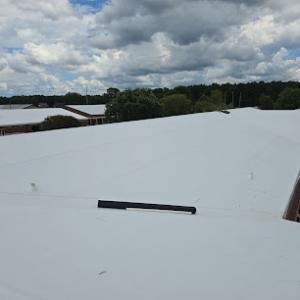
Norman Roofing
(601) 483-4079 www.normanroofing.com
2510 A St, Meridian, Mississippi
5.0 from 13 reviews
Norman Roofing is a certified commercial and industrial roofing contractor with a long list of satisfied clients. Our roots date back to the late 1950’s when our founder, Charles Norman Sr., started a residential contracting business. Norman Roofing was established in 1977 and has been meeting the needs of commercial and industrial clients in Mississippi and Alabama since then.
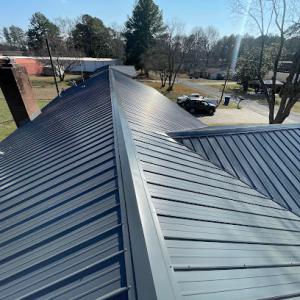
RidgeTop Roofing & Repairs
180 Mt Horeb Rd, Meridian, Mississippi
5.0 from 11 reviews
RidgeTop Roofing and Repairs, conveniently located in Lauderdale county, offers reliable and affordable roofing solutions. Whether you seek professional installation, repairs, or waterproofing services, their skilled team is dedicated to catering to all your rooftop needs. With RidgeTop Roofing and Repairs, you can trust in their expertise to deliver quality workmanship and ensure your property's protection against the elements.
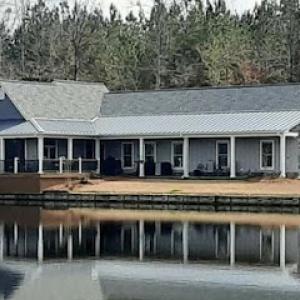
M&E Roofing Services
Meridian, Mississippi
5.0 from 1 review
We are a local business at work for you. We provide many other services other than just roofing. Contact us for a free estimate today.

Cross Roofing
(601) 483-3369 www.crossroofing.com
Serving
4.7 from 10 reviews
Cross Roofing, Inc., headquartered in Meridian, MS, provides residential roof replacement and repair throughout Meridian. Our expertise extends to commercial clients throughout Mississippi and Alabama, including prominent cities like Jackson, Hattiesburg, and Tuscaloosa. At Cross Roofing, our commitment lies in enhancing the longevity and performance of roofs through regular roof maintenance, enabling clients to maximize their investment, providing peace of mind and durability in every structure we serve. Trust Cross Roofing for reliable, high-quality roofing services that stand the test of time.
Asphalt shingles are common in Meridian, and you'll see them on many neighbors' homes. The hot summer temperatures here accelerate aging and can shorten appearance life compared with milder climates. If you choose asphalt, look for cool-graded or "advanced" shingles with higher dimensional stability and strong wind resistance. In addition, opt for a fiberglass base rather than organic, which tends to perform better in high heat and humid air. Proper underlayment and ventilation matter more here than in drier areas; ensure the attic has enough soffit and ridge ventilation to move moisture out and keep the roof deck dry. If you're upgrading after a storm, verify that the new asphalt shingles have a stout wind rating and that the installation crew uses the manufacturer's recommended nailing pattern for our wind-prone days.
Metal roofing is attractive in this climate because it handles repeated rain exposure well and resists the cycle of wet heat, which can cause other materials to warp or rot. For storm-driven replacements, metal often provides a durable, long-lasting option with clean lines and a relatively quick install when you're coordinating with a broader repair plan. If you lean toward metal, consider standing-seam panels or high-quality through-fastened panels with quality sealants and a reinforced underlayment system. Steel and aluminum options perform well in humid conditions, but review coating warranties to ensure color and surface protection hold up under intense sun and sudden downpours. Ensure the roof deck is cleaned and dry before metal installation, since hidden moisture can complicate fastening and sealant performance.
Clay tile, concrete tile, wood shakes, and slate exist in the market, but their weight, moisture behavior, and installation complexity matter more here than in drier regions. Clay and concrete tiles bring distinctive curb appeal and durability when properly installed, but they add substantial roof load. In humid, storm-prone seasons, you must confirm the attic structure can bear the extra weight and that fasteners and underlayment accommodate expansion and contraction with temperature swings. Moisture behavior matters; tile roofs need meticulous flashing around chimneys and vents to prevent leaks during heavy rain. If you're considering tile, expect longer installation time and higher labor costs, but you'll gain a roof that can resist wind-driven rain when laid out with a careful, code-compliant method and a compatible deck and underlayment system.
Wood shakes bring a textured look, but in this climate they require particular attention to moisture management and rapid drying between storms. Proper treatment, regular inspection for mildew, and timely replacement of any warped pieces are essential to prevent rot. Slate offers excellent longevity and a refined appearance, yet weight and brittle failure under hail or severe storm impact can be a concern. In Meridian's humid storm climate, installation quality, board or slate alignment, and secure flashing are critical to prevent moisture intrusion. If choosing these options, work with experienced installers who can assess hail exposure zones and confirm the roof structure can support the load while delivering reliable wind resistance.
When evaluating options, prioritize systems with robust wind resistance, reliable sealing around penetrations, and a deck that remains dry under heavy rain. Pay attention to ventilation and insulation, because heat and humidity thrive where the attic breathes poorly. For homes facing frequent storms, plan for a roof that balances weight, moisture behavior, and installation complexity with the long-term goal of resilience and minimal maintenance. In Meridian, the optimal roof blends weather resistance with feasible maintenance, predictable performance after major rain events, and a look that suits the house and neighborhood.
A building permit is required for a full roof replacement in Meridian. The City of Meridian Building Department handles inspection scheduling for roof replacement work, so this is not a process to guess at or DIY on the fly. Start by confirming the permit needs with the department, then line up the contractor to handle the paperwork and the on-site requirements. The permit paperwork is typically kept on site by the contractor, so you will want a clear handoff and a documented schedule before any tear-off begins.
From the moment demolition starts, steady coordination with the Building Department is essential. Your contractor should submit the permit package, including the project scope, materials, and ventilation plan, well in advance of any work. After approval, a permit card or number is issued and kept on-site as the reference point for all inspections. In Meridian, the approval timeline can hinge on weather windows and the completeness of flashing, ventilation, and nailing details, so align your contractor's schedule with anticipated storm patterns to minimize delays. If any amendments are needed, respond promptly to keep the process moving.
The first inspection typically occurs after the old roof is removed and the roof deck is exposed. This is the checkpoint where the inspector verifies that the deck is sound and free of rot, that proper nailing patterns are prepared, and that roof hardware and underlayment installation plans are in place. In this climate, ventilation placement and attic access considerations are often reviewed at this stage, since adequate airflow helps prevent heat and moisture buildup in the attic space. The contractor should have a clear on-site plan for temporary weather protection and a strategy to minimize exposing living spaces to the elements during removal. If issues are found, the department will specify corrective steps before the project can proceed to the installation phase.
The second inspection happens once the new roofing and flashing are installed. The focus here is flashing integration around chimneys, vents, skylights, and transitions, plus the overall installation quality, nailing schedule, and attic ventilation continuities. The inspector will also check that roof vents and soffits are correctly in place and that the final flashing details are watertight. A successful second inspection confirms the project meets code requirements and that all components were installed according to the approved plan. Keeping the permit card accessible on site helps the inspector verify the project scope quickly and reduces rework time.
Coordinate closely with the contractor to ensure that tear-off, installation, and inspections align with favorable weather and wind conditions. If a storm window interrupts work, communicate promptly with the Building Department and the contractor to reschedule inspections as needed. Have the site organized so the inspector can access ventilation, flashing, and nailing details without delays. In Meridian, keeping the permit paperwork on site and having a clear, documented progression from removal through installation helps prevent misunderstandings and supports a timely, code-compliant replacement.
Mississippi insurers commonly process wind and hail roof claims, making Meridian a documentation-heavy market after spring and summer storms. After a major event, you should expect a thorough walk-through by adjusters, and the carrier may push you to assemble a clear, organized record of what failed and when it failed. Your goal is to prevent disputes later by compiling a concise history of the roof's condition and the storm's impact, including which areas were visibly compromised and when you first noticed changes in leaks, granule loss, or missing shingles.
Adjusters reviewing Meridian-area claims may ask for detailed photos, evidence of prior condition, and information about earlier damage before approving full replacement. The photos should show the entire roof and any attic or ceiling staining, with timestamps if possible. Include close-ups of curling edges, lifted shingles, broken tabs, dents in metal portions, and any hail-struck spots that resemble stars or circular bruising. Documentation should trace the roof's trajectory from intact to damaged, so the insurer can distinguish storm-related failure from preexisting wear.
Coverage decisions in Meridian can be influenced by roof age, material type, and whether the insurer requests certification or wind-mitigation-related documentation. If the roof is older, insurers may scrutinize the likelihood of continued failure or hidden damage behind overhead decking. For metal, tile, or slate, the adjuster will evaluate the storm's severity against expected performance for that material, including wind-driven uplift scenarios. In some cases, certification that the roof meets wind-mitigation standards or a professional assessment of the roof's current wind resistance can shift the coverage stance. Being prepared with a recent professional evaluation can help clarify whether the loss stems from the storm or long-term deterioration.
Begin with a quick, safe inspection from the ground and document any obvious damage before you hire a contractor. Collect receipts for temporary repairs and note any attic signs of moisture that appeared after the storm. Contact your insurer promptly to initiate the claim and request a dedicated adjuster assignment who handles exterior storm damage. If an adjuster appears hesitant about full replacement, ask for a second opinion or a wind-mitigation specialist to provide objective findings that align with Meridian's storm pattern. This approach helps ensure your claim reflects the true severity of the event and supports a transparent, well-documented replacement process.
Provided Meridian-area pricing ranges run from 350 to 700 USD per square for asphalt shingles, 750 to 1400 for metal, 900 to 1900 for clay tile, 850 to 1600 for concrete tile, 600 to 1200 for wood shingles or shakes, and 1400 to 2800 for slate. When you're evaluating bids, the material choice drives a big chunk of the final number. In hot, humid summers, shingles and metal panels hold up differently under sun and storm exposure, so ask contractors to explain how each option handles heat resistance, wind uplift, and hail impact. If you're comparing two proposals, make sure the square-foot pricing aligns to the same material, gauge, and warranty language so you're not chasing apples and oranges.
In Meridian, storm-driven demand spikes after hail and severe weather can tighten contractor availability and push replacement scheduling and pricing upward. If a big hail event hits, you'll likely see a rush of calls, longer wait times, and a few "we can fit you in" promises that sound good at the time. Plan ahead by identifying a few trusted crew options before a storm hits, and have a clear timeline in mind for your own project, so you're not scrambling when crews are booked out for weeks.
Costs in Meridian are also affected by tear-off complexity after storm damage, and whether hidden moisture damage is found once the old roof is removed in the city's humid climate. A thorough inspection can reveal moisture in attic rafters or decking that wasn't visible from above. Expect the price to rise if a full tear-off is required or if decking repairs are needed after hail impact. Ask the bid to specify deck condition, potential replacement of damaged plywood, and any ridge or drip-edge work that becomes necessary once old layers come off.
Meridian's climate makes dry, moderate-weather periods the preferred window for full roof replacement. When planning window upgrades in tandem with a roof project, aim for a contiguous stretch of cooler, less humid days to minimize moisture intrusion and pressure on underlayment during tear-off. This approach helps keep interior spaces comfortable and lowers the chance of back-to-back weather delays that disrupt crew momentum.
Peak summer heat in Meridian can complicate installation logistics and make crew timing, material handling, and shingle work more difficult. For window replacements in a roofed context, coordinate with the contractor to schedule early-morning starts and midday breaks as needed to avoid heat fatigue. Materials should be staged in shaded areas and kept dry, with crews prepared to adjust sequences if shade becomes scarce or temperatures spike unexpectedly. This attention to environment supports smoother transitions between tearing off, underlayment exposure, and final sealing.
Heavy rain risk outside the drier window matters in Meridian because tear-off and underlayment exposure can become a bigger scheduling issue than in less storm-prone inland markets. Plan for contingencies: request adjustable delivery windows for windows and flashing components, and clarify that temporary weatherproofing steps are prioritized if showers threaten. A robust game plan reduces exposed roof edges and interior vulnerabilities while the new windows are sealed and integrated with flashing and drip edges.
Choosing replacement windows with high wind and impact resistance aligns with local storm realities. Look for frames and glazing that meet local climate demands, especially in areas prone to hail. Adequate vapor barriers and airtight seals around rough openings prevent post-install moisture issues and improve long-term performance, particularly when a roof is being refreshed at the same time.
In a storm-driven replacement plan, the goal is a cohesive envelope. That means windows should complement roof upgrades by reinforcing wind resistance and drainage pathways around the eaves. Regular inspections after installation help confirm that flashing transitions and siding intersections remain watertight as seasonal storms roll through.
You will notice wind-lifted shingles after a strong Meridian thunderstorm season, especially on edges and near roof penetrations. Repeated exposure to gusty winds means shingles can peel or lift without obvious failure of the roof deck. If lifts are caught early, repairs can be targeted; if not, water can find its way under the flashing and into the attic. The consequence is a cascade of small leaks that worsen over time, turning a manageable patch into a larger replacement problem later.
Hail events leave marks that aren't always visible from the ground, but bruising can compromise a shingle's surface and its protective granules. In Meridian, hail damage often starts as micro-cracks that let moisture migrate inward, especially around corners, vents, and roof valleys. Delayed repair increases the risk of attic condensation, mold, and accelerated deck rot. The result is interior discomfort and overlooked structural stress that can drive more costly fixes down the line.
Flashing and proper ventilation are focal points in Meridian inspections, and for good reason. Repeated storms stress metal flashing at joints, chimneys, and skylights, creating easy entry points for water if flashing is corroded or poorly sealed. Inadequate attic ventilation compounds moisture buildup, inviting wood rot and insulation degradation. When a replacement is planned, expect the flashing, attic intake and exhaust paths, and roof-to-wall transitions to be under close scrutiny.
While age matters, Meridian's storm pattern often speeds up deterioration. Missing granules, warped decking from moisture, and brittle underlayment can all masquerade as age-related wear but are accelerated by wind, hail, and leaks. A proactive approach catches moisture before it becomes extensive damage, preserving the roof deck and reducing the likelihood of cascading problems after the next storm.