
Last updated: Apr 19, 2026
In this region, Tuscaloosa sits in a severe-weather part of west-central Alabama where spring storms are a primary roofing trigger for wind and hail claims. Roofs in the area bear the brunt of quick spinning downpours, hard wind gusts, and hail that can leave blistering dents or dimples across shingles and panels. Those risks don't vanish simply because the calendar turns from March to May; they shift with the season, and the timing can matter more than the damage itself. When storms arrive, the clock starts ticking on your roof's vulnerability, and every hour without proper cover compounds the risk of interior leaks and attic damage.
Spring brings the most explosive mix of humidity, wind, and torrential rain. A fast-moving line of storms can sweep through with little warning, tearing up edges of shingles, loosening flashing, and pushing moisture into vents and valleys. Homeowners should anticipate that tear-off and dry-in windows can close quickly-especially when crews are tied up with back-to-back claims across town. When a hail event hits, the choice isn't whether to replace, but when to start the process in a way that doesn't leave your home exposed between storms. Quick action helps minimize secondary damage and keeps you from chasing a shrinking weather window.
Summer afternoon thunderstorms can compound the rush. Those pop-up showers arrive with little notice and leave just enough moisture on a roof that a rushed, half-done job invites trouble. The disruption is real: missing or delayed temporary tarps, improper seam work, or rushed nail schedules can create micro-damage that looks minor at first but becomes major once heat and humidity set in. A clear plan for monitoring leaks and coordinating with your contractor during the hottest months isn't a luxury-it's protection for your attic, insulation, and interior finishes.
Autumn remnants of tropical systems can still bring heavy rain inland to Tuscaloosa, extending storm-related roofing risk beyond spring. The long tail of moisture means you might face late-season leaks from stress cracks, tree debris, or aging underlayments that were never fully repaired after earlier events. The risk isn't only from wind; it also comes from rain that sits on a vulnerable roof longer than expected, saturating plywood and decking and inviting rot if not addressed promptly. Planning for a fall follow-up inspection after the bulk of spring activity can save you from stepping into a second round of repairs.
If you suspect wind or hail damage, document everything with photos and keep a log of dates and storm intensities. That documentation helps when filing insurance claims and makes it easier for a contractor to target problem areas quickly. Prioritize securing tarps over exposed areas as soon as you notice damage, especially after heavy spring rain or a late-summer hail event, to slow infiltration while you arrange a permanent fix. When schedules tighten because the weather is unpredictable, insist on a staged plan: a rapid tarp-and-dry-in followed by a precise tear-off sequence and flashing rebuild that reestablishes water tightness before the next storm season hits.
Choose local contractors who understand how a west-central Alabama climate stresses roofing materials. They should be able to explain how different sheathing types and underlayments respond to repeated exposures to sun, humidity, and wind-driven rain. Ask for references from recent Tuscaloosa projects and confirm that crews can work within your preferred window to minimize downtime. A trusted contractor will help you forecast potential storm-related delays and set realistic milestones that align with the local weather cycles, rather than chasing a distant ideal calendar.
Purple Turtle Roofing
5500 Joe Mallisham Pkwy, Tuscaloosa, Alabama
5.0 from 91 reviews
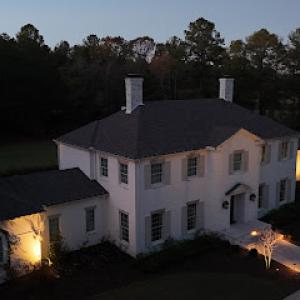
At Purple Turtle Roofing, every project is handled with equal dedication, regardless of its size. Our core values revolve around faith, family, and doing the right thing. We place these at the center of all our endeavors. Beyond merely serving as a protective covering for homes, we view the roofs we restore, repair, and install as symbols of the safety they provide to the individuals underneath.
South's Finest Roofing & Remodeling
(205) 242-2167 southsfinestroofingal.com
312 Hargrove E Rd, Tuscaloosa, Alabama
4.9 from 140 reviews
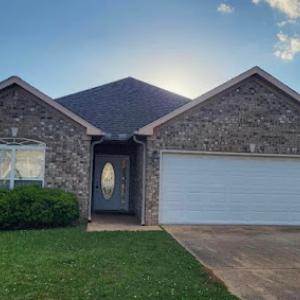
We specialize in Shingle Roofs and Metal Roofs in Tuscaloosa and Surrounding areas. We install roofs and do roof repairs. Free Inspections Free Estimates. Professional Roofers. We also specialize in Carpentry. Call us today for all of your roofing and carpentry needs!
Craftsman Roofing
(205) 826-2759 www.craftsmanroofing.com
2919 8th St Unit A, Tuscaloosa, Alabama
4.9 from 58 reviews
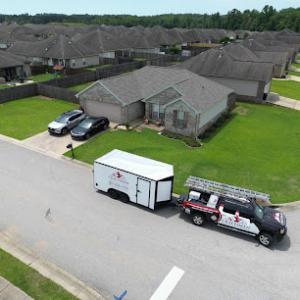
Craftsman Roofing provides roofing installation and repair to Tuscaloosa and Birmingham, AL, and the surrounding areas.
White Oaks Construction & Roofing
(205) 792-2559 whiteoaksconstruction.llc
2415 12th St, Tuscaloosa, Alabama
4.9 from 82 reviews
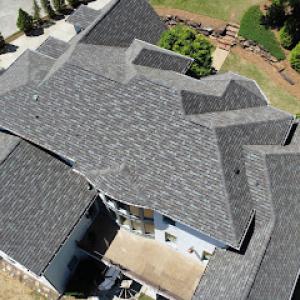
White Oaks Construction is a trusted name in roofing and construction, delivering top-quality craftsmanship and exceptional service since 2018. Specializing in residential and commercial roofing systems, we are certified by leading manufacturers like GAF, Owens Corning, Tamko, Atlas, and Versico, ensuring premium materials and expert installation for every project. Based in Tuscaloosa Alabama, we pride ourselves on our attention to detail, insurance claim expertise, and commitment to protecting your investment. Whether you need roof repairs, replacements, or custom solutions, our experienced team is here to help. Contact White Oaks Construction today to transform your property with reliable, long-lasting results!
VIP Alabama Roofing
(205) 561-9337 www.vipalabamaroofing.com
2919 8th St, Tuscaloosa, Alabama
4.9 from 63 reviews
•Roofing Services - Full roof replacements & repairs; Asphalt Shingle, Metal & Rolled Roofing ROOF SHIELD REJUVENATION deep clean rinse ROOF SHIELD TREATMENT add years of life back to your shingles •Gutter Services - installs, take downs, clean out services, gutter guards, repairs •Sheetrock Repairs •Painting Services - Interior & Exterior •Soft Washing •Fences, Decks and so much more •Insurance Claims specialist - we will work with your insurance company on your behalf
Premier Roofing & Repair
(205) 361-5008 premierroofingandrepair.com
2415 12th St, Tuscaloosa, Alabama
4.8 from 132 reviews
With over 20 years of dedicated service to the Tuscaloosa Area, we take pride in being your trusted roofing partner. As a Certified Licensed Professional Roofer, we uphold the highest standards of quality and professionalism in every project we undertake. Our team consists of skilled professionals who are covered by workman's compensation, ensuring their safety and well-being while on the job. Additionally, our company is bonded LLC, providing our clients with added peace of mind and assurance. Whether you need roof repairs, replacements, or maintenance services, you can rely on our expertise and commitment to excellence. We are here to serve the Tuscaloosa community with integrity, reliability, and unparalleled craftsmanship.
MNM Painting & Roofing
(205) 792-3719 www.mnmpaintandroof.com
1706 Carriage E Ln, Tuscaloosa, Alabama
5.0 from 22 reviews
Established in 1967, MNM Painting and Roofing is a family-owned and operated business serving Tuscaloosa and surrounding areas. Their commitment to quality spans generations, ensuring reliable roofing and painting services for residential and commercial clients. Our founder Charlie McDaniel's core values still hold true today faith, family, honesty and integrity.
Commercial Roofing Services
(205) 719-3850 www.crsbama.com
Tuscaloosa, Alabama
5.0 from 20 reviews
At Commercial Roofing Services, LLC, Specialize in high-performance commercial roofing solutions that stand the test of time. Serving businesses of all sizes, we provide expert installation, repair, and maintenance for flat roofs, metal systems, TPO, EPDM, and more. With a commitment to quality craftsmanship and safety, our certified roofing professionals deliver efficient service with minimal disruption to your operations. Whether you're upgrading, repairing, or building from the ground up, we’re your trusted partner for dependable protection and long-term value.
Bama Roofing
(205) 391-1444 bamaroofing.net
2501 Gary Fitts St, Tuscaloosa, Alabama
4.7 from 55 reviews
If you’re a homeowner, there’s one thing you know for sure: your family deserves the best structures in your home. You’ve worked hard to put a roof over your head—so make sure your roof is durable and appealing by working with Bama Roofing in Tuscaloosa, AL. You can count on Bama Roofing to install, repair or replace your covering, whether you prefer a shingle or metal roofing system. We can also help with your gutter repairs, cleaning and installation in Tuscaloosa, Alabama. Call us at 205-391-1444 for a free estimate on your roofing project.
Bluefin Exteriors
(205) 683-8010 www.bluefinroof.com
3933 Rice Mine Rd NE, Tuscaloosa, Alabama
4.8 from 13 reviews
Bluefin Exteriors, LLC specializes in all types of Roofing! We have been in the construction and insurance claims industry for over 2 decades and have helped thousands with their property insurance losses. We work with Insurance Carriers on a day-to-day basis to get your property repaired. Bluefin Exteriors, LLC is a General Contractor that understands the building components and how insurance claims work with different policies. We use the same estimating software as most Major Insurance Carriers and we understand their format and what documents are needed to get your Home or Business repaired. We are licensed as a Building Contractor and Insurance Claims Adjusting Company in the State of Alabama.
Pinnacle Construction - Tuscaloosa Roofing Pros
(205) 310-4741 www.tuscaloosaroofingpros.com
Tuscaloosa, Alabama
4.5 from 18 reviews
The Tuscaloosa Roofing Pros are a division of Pinnacle Construction. We are a full-service roofing contractor located in Tuscaloosa Alabama and covering Northport AL and surrounding areas. We do free estimates and feel that customer service is very important. We use the best quality materials and roofing techniques to assure your satisfaction. We also install gutters and siding in Tuscaloosa. Our experience of working through the Tuscaloosa F5 Tornado damage of 2011 made us "storm tested" and after installing thousands of roofs in Tuscaloosa we are very experienced with dealing with insurance claims and appraisers. The Tuscaloosa Roofing Pros are a local family owned business, not one of those "here today, gone tomorrow" roofing companies.
PRN Roofing
(855) 493-4008 www.prnroofing.com
1635 McFarland N Blvd #504, Tuscaloosa, Alabama
5.0 from 5 reviews
PRN Roofing is a full-service roofing contractor in Tuscaloosa, offering top-tier roof repairs, roof replacements, inspections, storm damage repair, and more. With over 40 years of combined experience, PRN has become the top choice for your roofing needs. Get a free estimate today.
Alabama is a high wind- and hail-claim environment, and Tuscaloosa homeowners often deal with insurer scrutiny after major severe-weather events. When a roof takes a direct hit or sustained wind damage from a prolonged storm, the path from emergency repair to full replacement can become a tight squeeze between what the insurer will cover and what your own schedule can tolerate. The storms don't always hit evenly, and hidden damage behind lifting shingles or in fascia and soffits is a common trap. In practical terms, that means you should expect questions about what happened, when it happened, and how the roof looked before the event. Keep a careful diary of storm dates, high-wind alerts, and hail sizes if you witnessed them, and photograph the roof from multiple angles after a storm passes through.
Local carriers may change underwriting or coverage terms after storm seasons, making documentation of pre-loss condition and post-storm damage especially important in Tuscaloosa. Start with a clear, dated snapshot of the roof and nearby structures before you file a claim. If a contractor or adjuster spots pre-existing issues-such as prior patches, curling shingles, or mismatched flashing-those details can influence how a claim is processed. After a storm, gather comprehensive evidence: photos of every roof plane, attic condensation patterns, and any interior signs of leaks, plus notes on attic insulation and ventilation. Insurers will scrutinize whether damage aligns with the reported storm event, so matching the timeline, weather reports, and your own observations reduces back-and-forth and potential claim delays.
Some insurance programs in this market may require wind-mitigation documentation or pre-approval for certain roof types before replacement. If your roof is known for higher wind vulnerability or if you've upgraded to a more storm-resilient style, anticipate questions about rafter connections, underlayment, and fastener patterns. Having a clearly documented wind mitigation strategy can smooth the path. Before committing to a full replacement, discuss any wind-related features with your insurer and, if possible, obtain written guidance on what documentation they will accept. In practice, that means keeping service records, contractor inspections, and any retrofits organized in one place so you can present a cohesive narrative if an adjuster asks for it.
In the wake of severe weather, the question often becomes: repair or replace? The decision hinges on how widespread the damage is, how quickly leaks develop, and whether underlying roof systems-like decking, underlayment, and ventilation-have been compromised. Tuscaloosa homeowners frequently find themselves caught between urgent temporary measures and the longer timeline of a full roof replacement. The careful approach is to document thoroughly, communicate promptly with the insurer, and align repair work with professional assessments that distinguish cosmetic impact from structural or long-lasting envelope failure. That discipline helps avoid a drawn-out claim process and reduces the risk of a partial or delayed settlement.
Connect with contractors who help homeowners navigate the claims process from damage assessment to final approval.
Purple Turtle Roofing
5500 Joe Mallisham Pkwy, Tuscaloosa, Alabama
5.0 from 91 reviews
South's Finest Roofing & Remodeling
(205) 242-2167 southsfinestroofingal.com
312 Hargrove E Rd, Tuscaloosa, Alabama
4.9 from 140 reviews
Craftsman Roofing
(205) 826-2759 www.craftsmanroofing.com
2919 8th St Unit A, Tuscaloosa, Alabama
4.9 from 58 reviews
Spring and fall are the window of opportunity for full roof replacements in this area because peak summer heat and frequent storms can slow installation and affect material handling. When planning a replacement, aim for a stretch with milder temperatures and calmer weather, ideally after any major storms have passed and before the fiercest heat of late summer arrives. This helps crews move materials more efficiently, reduces glare and heat strain on workers, and keeps bid passes closer to your original timeline.
Tuscaloosa's hot, humid summers can make attic heat and shingle handling more challenging during midday installation periods. Schedule work for mornings or cooler days, and coordinate with the crew to avoid the hottest hours. If attic ventilation is lacking, address that in tandem with the roof to prevent asphalt shingles or other materials from softening or expanding under midday sun. A well-ventilated attic also helps with long-term energy performance, keeping indoors more comfortable and stabilizing roof system behavior after installation.
Winter cold snaps in this part of Alabama can affect adhesive performance and some tile or slate installation details even though winters are generally milder than farther north. Cold snaps can cause sealants to cure more slowly or adhesives to set unevenly, which matters for certain shingle types and tile systems. Plan a completion window that avoids the coldest days, and ensure the installer uses temperature-appropriate products and methods. If a cold front coincides with installation, consider delaying the start of adhesive-intensive phases until temperatures rise above manufacturer recommendations.
Storm damage often triggers insurance activity in this market. Gather before-and-after photos of the roof, hail impact marks, and any perimeter leaks, then align your claim with a licensed roofer who can provide a professional inspection report. Insurers in the area typically respond better to a clearly documented timeline showing when damage occurred, the scope of repair, and the expected impact on attic insulation and interior spaces. A transparent scope helps movements through the claim process without unnecessary delays.
On day one, perform a quick exterior assessment with the contractor, noting any damaged decking or fasteners that could complicate timing. Confirm access routes that avoid driving heavy equipment through driveways or over freshly laid landscaping. During the project, keep a shaded work zone for midday tasks and store materials in a shaded area to minimize heat exposure. After installation, request a thorough inspection of flashing details around chimneys and vents, which are common stress points in storm-prone, humid conditions.
Typical installed costs in Tuscaloosa run about 350-550 per square for asphalt shingles. This is the most common choice for area homes and often the fastest to replace after a storm. If your roof sustains wind-driven damage during a severe spring squall, expect a surge in crew demand and material orders that can push prices upward temporarily. Dry-in time tends to be quicker with asphalt, which helps keep overall project timelines reasonable.
Clay tile ranges from 700-1200 per square. This heavier option can add structural considerations, especially if your attic framing or roof deck needs reinforcement. After a major weather event, crews with clay tile experience may be in higher demand, nudging prices higher in the short term. In Tuscaloosa, clay tile can also influence maintenance planning due to heat and humidity effects on mortar joints over time.
Concrete tile typically runs 600-1000 per square. Like clay, it's heavy and may require structural review during the permit review and inspection process, which can tilt overall costs upward. Concrete tiles provide durability against the Alabama sun, but be prepared for longer installation windows if crewmates are juggling multiple storm-damaged homes in the same week.
Wood shingles or shakes clock in around 500-900 per square. This material can suffer more readily in heavy humidity and storm debris, and repairs might demand more precise fitting around old rafter layouts. Surge pricing after storms can affect availability of experienced carpenters, extending timelines and adding labor premium when crews are scarce.
Synthetic or composite shingles run 350-700 per square. They offer a balanced option for those seeking reasonable cost with improved wind resistance. After severe weather, demand for synthetics can rise quickly, but inventory often recovers faster than specialty materials.
Slate is the premium option at 1200-2500 per square. It's durable but exceedingly heavy, typically requiring careful structural evaluation and sometimes reinforcement. In high-demand windows after major storms, slate crews may be booked out, pushing both material and labor costs higher.
Asphalt shingles are the dominant choice in this market, and for good reason: they're familiar to most crews, relatively quick to install, and adaptable to a hot, humid climate. In this heat and humidity, ventilation isn't optional-proper intake and exhaust venting helps prevent moisture buildup in attic spaces that can lead to mold, warped sheathing, and accelerated shingle deterioration after a heavy storm. Fastening patterns in Tuscaloosa's wind-prone spring weather matter, so you want a contractor who uses continuous ridge and well-sealed starter rows that resist uplift. Algae resistance becomes a practical concern in the combination of humidity and shade from live oaks and magnolias, so look for shingles with copper or zinc granules or algae inhibitors, and plan for periodic cleaning to maintain the appearance and a long life.
Clay and concrete tile appear in the local material mix, but their weight and installation complexity matter more on older homes if framing changes are needed. If the roof structure is original or has settled over decades, a structural assessment is wise before tile installation. While clay and concrete deliver excellent longevity and a distinctive look, their heavier weight increases the stress on rafters and connections, especially during a severe storm when wind uplift can be a factor. Installation requires precise underlayment, proper batten spacing, and careful flashing around penetrations. In homes with existing framing that's not up to modern tile standards, you may face the need for reinforcement or, in some cases, choosing a lighter tile option to maintain a balanced approach to performance and affordability.
Synthetic shingles and slate are part of the local market, giving homeowners alternatives when they want a premium look with different maintenance or weight tradeoffs. Synthetic options can mimic the appearance of heavier materials while offering more forgiving installation and often better impact resistance, which matters after a hail-driven season. Slate delivers a timeless aesthetic and superb durability, but it demands careful framing, precise fastening, and professional handling to avoid micro-cracks that can propagate in heat and sun. In a climate with hot days and rapid cooling at night, the expansion-contraction cycle plays a bigger role, so you'll want rigidity in the substrate and meticulous sealing around valleys and ridges. For any premium option, confirm compatibility with existing guttering and the home's overall insulation strategy to optimize performance through Tuscaloosa's storm season.
Explore specialists in steel, aluminum, and standing seam metal roofs built to last 50 years or more.
South's Finest Roofing & Remodeling
(205) 242-2167 southsfinestroofingal.com
312 Hargrove E Rd, Tuscaloosa, Alabama
4.9 from 140 reviews
VIP Alabama Roofing
(205) 561-9337 www.vipalabamaroofing.com
2919 8th St, Tuscaloosa, Alabama
4.9 from 63 reviews
MNM Painting & Roofing
(205) 792-3719 www.mnmpaintandroof.com
1706 Carriage E Ln, Tuscaloosa, Alabama
5.0 from 22 reviews
Full re-roofs require a permit through the City of Tuscaloosa Building Services. Before any tear-off or new installation begins, you or your contractor should pull the permit in person or online, ensuring all project details match the planned materials and roof dimensions. The city's system tracks approvals, inspections, and any requested changes, so starting early helps keep the project on track.
Inspections in this context center on structural changes and proper installation. A final inspection occurs after completion to verify the roof is installed to code and without new issues. When a rough-in inspection is required, it happens mid-way through the project and targets framing, underlayment, and initial sheathing work. Expect the inspector to review fasteners, deck integrity, and alignment with local wind and installation standards that apply to this region's weather exposure.
Permit processing times can vary with Building Services workload, which matters when scheduling around storm seasons. If a storm event is expected, plan for possible delays and coordinate with your contractor to align the work window with an available inspection slot. In heavy spring storm periods, utility coordination and material delivery windows can shift, so build in a small buffer for any unforeseen hold-ups.
Begin by confirming whether the existing structure requires any changes beyond the new roofing layer, since that drives the inspection type. Your contractor should submit the permit package, including a roof plan, material specs, and contractor credentials. Stay proactive by marking calendar reminders for the rough-in (if required) and final inspection dates, and ensure access routes for inspectors are clear on the job site.
Wind-driven hail and powerful gusts push at every edge of a roof here, and the result is more frequent replacement than in milder climates. Shingle edges lift, granules wash away, and underlayment gets stressed when a storm comes in hot and loud. You may notice curling tabs or dented metal flashing after a big thunderstorm. If you see widespread bruising or missing pieces after a storm, treat it as a behavior pattern-damage can escalate quickly once wind energy replays across the roof.
Rains arrive heavy and persistent in the spring and often interrupt replacements. That matters because flashing details and the fast dry-in need to be completed cleanly to avoid interior leaks. A failed seal around valleys, chimneys, or vents can become a slow drip that mimics a much larger problem. During replacement, plan for reliable tarp protection and a steady crew that can manage flashings before the next shower rolls in.
Skylights and other penetrations stand out during heavy rain periods as leak hotspots. In Tuscaloosa, the combination of intense downpours and humidity can enlarge small flaws into visible leaks inside the dwelling. Pay attention to any staining around skylights, lighting fixtures, or vent boots after a storm. Leaks often appear first in ceilings or on interior walls, sometimes far from the original exterior damage, so a thorough inspection is essential.
Storms that damage the roof often reveal themselves days later as shingles loosen or valleys deteriorate. A careful post-storm walk around the home can catch lifting shingles, torn flashing, and punctures before they advance. If you suspect wind or hail impact, document the condition promptly and coordinate a repair plan that addresses both the visible damage and the hidden spread of moisture risk.
Find contractors experienced in skylight installation, flashing, and leak repairs to bring natural light into your home.
White Oaks Construction & Roofing
(205) 792-2559 whiteoaksconstruction.llc
2415 12th St, Tuscaloosa, Alabama
4.9 from 82 reviews
VIP Alabama Roofing
(205) 561-9337 www.vipalabamaroofing.com
2919 8th St, Tuscaloosa, Alabama
4.9 from 63 reviews
Premier Roofing & Repair
(205) 361-5008 premierroofingandrepair.com
2415 12th St, Tuscaloosa, Alabama
4.8 from 132 reviews
After a severe weather event, the market in this city lights up with storm-response crews. You'll see contractors promoting rapid response and insurance coordination. Your first job is to separate the urgent from the trustworthy. Look for a local company with a stable presence, not a flash-in-the-pan outfit. Ask for a physical office address and a locally listed phone number. If a crew promises a same-day tear-off, press pause and request a detailed written plan that includes a start date, expected duration, and a line-by-line scope of work.
Cleanup is a clear hiring priority in this market. Ask about waste management: how debris will be contained, where waste will be disposed, and what happens if nails or shingles end up in landscaping or the street. A responsible contractor will map out a cleanup plan that covers daily site protection, final inspection, and a sweep of all affected areas. When you tour potential crews, request to see a sample of their daily cleanup checklist and a plan for protecting flowerbeds, driveways, and the gutter system during tear-off.
Long-established, family-owned firms are common here, but not every crew will handle every administrative task with the same thoroughness. Your best bet is to confirm who will manage permits, inspections, and any supplemental insurance paperwork tied to the project. Ask for the specific person responsible for communications, the timeline, and the insurer's claim liaison. If a contractor hedges on who owns the permit or who files the inspection report, move on to another option.
Start with a written recommendation from a neighbor you trust, then compile a short list of three to five bidders. Request the same scope of work from each bidder, including tear-off method, ventilation plan, and timeline-then compare not just price, but responsiveness and clarity. Schedule on-site evaluations with practical questions about storm damage assessment, the method of securing underlayment during wind events, and how debris mitigation is handled during the tear-off phase. Finally, choose a contractor you can communicate with clearly during the insurance coordination process and through the rebuild.