
Last updated: Apr 19, 2026
The hot, dry climate and intense sun deliver a steady beat to roofs, especially asphalt-based systems. In this environment, shingles bake, lose flexibility, and creep sooner than in milder climates. You'll notice faster granule loss, curled edges after a hot season, and a higher likelihood of heat-related failures if the roof is left unattended. That means timing your replacement to minimize prolonged sun exposure on fresh underlayment and new shingles matters. If a roof is due for replacement, delaying too long into peak summer can magnify wake-up calls: flashings may overheat, and adhesives or asphalt convectors can struggle when daily highs push well past the 100-degree mark. The key is to plan for a window where the sun's intensity is manageable enough to let crews handle material safely and accurately without risking accelerated wear on new layers.
The local installation sweet spots are typically spring and fall, when daytime heat sits at a more workable level and crews can handle shingles and underlayment without pushing safety limits. Scheduling during these shoulder seasons reduces the chance of heat-related injuries and helps keep the installation pace steady. When planning, you want a block of dry, mild days with minimal sustained heat, so adhesives cure properly and roof penetrations seal cleanly. If a replacement runs into a streak of unseasonably hot days, expect slower progress, more glare-related fatigue, and greater risk of missteps in underlayment alignment. Early spring or late summer transitions can also catch the tail end of monsoon prep, so coordinating with a weather window is essential.
Monsoon season can interrupt tear-off schedules with brief heavy rain and gusty winds, creating exposure risk if projects are poorly timed. Thunderstorm bursts can blow through in minutes, saturating exposed sheathing and forcing crews to pause with open roof decks. Even a short shower can compromise underlayment and decking, increasing the chance of water intrusion if the project isn't fully buttoned up before the next storm pass. This is not a season to gamble with a long, multi-day tear-off that leaves bare sections exposed during a monsoon front. Instead, aim to complete critical stages-de-clipping, underlayment installation, and secure edging-before the first expected rain. If a late monsoon front is forecast, consider locking in an earlier completion date or staging work so that the most vulnerable tasks are crammed into windows with predictable, dry weather.
To stay ahead, develop a two-tier plan: a primary replacement window in spring or fall, and a contingency row in late fall or early winter if the weather stays cooperative. Have crews prospecting the site with a weather watch, securing tarps and temporary lighting, and pre-ordering materials so that arrival times align with short dry spells. On the day a roof comes off, ensure surrounding areas are cleared to maximize speed and safety, because even a single gust can complicate an otherwise straightforward tear-off. If a monsoon front looms, pause decisively rather than ride it out; exposed decking and underlayment can take on water in minutes, complicating repairs and extending the project. In short, time your replacement to beat the harsh sun, and build-in room to pivot around the July-September showers.
In this desert-sun crossroads, the dominant residential materials follow a familiar mix: asphalt shingles, metal roofing, clay tile, concrete tile, wood shingles or shakes, and synthetic or composite shingles. Each has its place, but the region's long sun exposure and the late-summer monsoon bursts create distinct needs. A roof that survives here must handle accelerated granule loss and brittleness from heat, while still offering weather resistance when storms roll in. The sun's intensity also pushes underlayment choices and fastener strategies to the forefront.
Asphalt shingles are widespread because of their initial cost and ease of installation, yet they bear uniquely in this climate. Prolonged UV and heat accelerate granule loss and aging, which shortens service life compared to milder zones. In practice, this means you may notice color fading and reduced impact resistance sooner, and you'll want to pair them with a robust underlayment and proper attic ventilation to slow the aging curve. If asphalt is chosen, focus on a higher-quality shingle line with UV resistance and plan for periodic inspections, especially after peak heat seasons and monsoon swings.
Clay tile and concrete tile often hold appeal here because they respond differently to sun exposure than shingles. Tile's reflective potential can help with heat gain, and metal roofs shed rain and handle rapid temperature shifts well. However, tile weight becomes a factor, and breakage risk rises with storms and occasional hail. Underlayment and roof deck compatibility matter-tile systems typically need a strong, well-ventilated substrate and appropriate mounting to prevent cracks from heat cycling. Metal roofs demand attention to panel seams, fasteners, and insulation to manage radiant heat and condensation in monsoon evenings.
When planning a replacement, schedule the work to avoid the peak of the monsoon season, if possible, to minimize storm-related disruption. Consider underlayment options that emphasize high permeability for dry desert air and reliable moisture barriers for sudden rains. If choosing tile, verify weight support and confirm that the roof structure can bear heavier loads without compromising framing. For asphalt, gauge the wind zone and edge detailing, since Carlsbad wind events can challenge exposed edges. In all cases, ensure proper attic ventilation and an appropriately matched underlayment to the chosen roofing material to extend life through the desert heat and monsoon cycles.
In Carlsbad and the broader New Mexico market, wind, hail, and monsoon storms are the main roof-related insurance triggers rather than coastal or snow-load events. That means when a big storm hits, the focus shifts quickly to whether the roof stood up to the gusts, whether hail left pockmarks, and whether the flashing and underlayment did their job under severe conditions. The desert sun can age roofing materials unevenly, but it's the sudden bursts of wind and rain that tend to drive claim discussions and adjuster visits. Knowing this helps you set expectations when a storm threatens or after one passes.
Insurers commonly want photos of the roof in its pre- and post-storm state, documentation of material specifications, and solid evidence that underlayment and flashing were installed to code after severe weather claims. The photos need to capture the overall condition, vulnerable edges, and any visible damage to vents, penetrations, and valleys. Material specifications (type, manufacturer, installation method) matter, because some products weather monsoon cycles differently than others. The flashing's integrity is often the deciding factor between a patch job and a full roof replacement, so make sure any repairs or upgrades meet the insurer's expectations for performance in Carlsbad's climate.
Because carrier practices vary, Carlsbad homeowners benefit from documenting pre-storm roof condition before the late-summer storm season begins. A simple, dated set of photos from several angles can be invaluable when the monsoon season arrives. Store digital copies where they won't be lost to a storm event, and consider a professional inspection if the roof is older or has visible wear. The aim isn't to inflate risk but to establish a clear baseline that demonstrates you've maintained the roof to protect the home's envelope. If you notice advanced wear on shingles, flashings, or sealant around vents, address those issues ahead of the season to avoid easy denial on a claim that labels pre-existing conditions as the primary cause.
Keep a simple, organized record of recent roof work, especially after severe weather recurrences. Note the dates of any repairs, who performed them, and what materials were used. When you anticipate a monsoon window, perform a quick, on-roof safety check for loose shingles or damaged flashing after storms, and document any immediate hazards you observe. If an adjuster arrives, present clear, chronological evidence: the storm timing, observed damage, and how existing conditions might have influenced the claim outcome. Clear documentation helps prevent back-and-forth later on and supports a fair assessment aligned with Carlsbad's wind-driven and hail-driven claim reality.
Storms in this region can arrive with little warning and deliver concentrated impact, especially on exposed eaves, ridges, and vent areas. Consider upgrading to flashing and underlayment that address monsoon-driven moisture and wind uplift conditions. While ordinary wear is expected, the goal is to minimize the window for claim disputes by showing proactive, code-conscious maintenance and timely response to weather events. A roof that holds up under spring winds and late-summer downpours reduces exposure to post-storm repairs and the stress of navigating insurer expectations.
Design Roof Services
(575) 689-5220 www.designroofservicesllc.com
423 W Greene St, Carlsbad, New Mexico
4.7 from 24 reviews
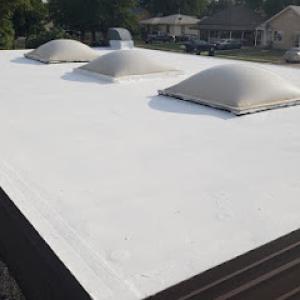
At Design Roof Services, we understand that your roof is your property’s first line of defense — and when it fails, everything underneath is at risk. As a licensed, bonded, and insured roofing contractor in Carlsbad, NM, we specialize in protecting homes and businesses with reliable, long-lasting solutions. From leak repairs and roof inspections to full replacements, coatings, and maintenance, we’re committed to quality, safety, and customer peace of mind. Don’t wait until a small issue becomes a major expense — call Design Roof Services today for expert commercial and industrial roofing you can trust.
Batman Roofing
(575) 706-1521 www.batmanroofingllc.com
1208 S Country Club Cir, Carlsbad, New Mexico
4.3 from 17 reviews
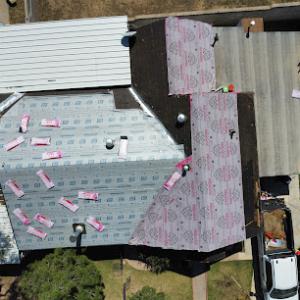
I am the Batman that's going to save you money and fix ur roofing problem. If it's a new roof or just a leak repair. We can get it done for you. Thanks and God bless.
RoofCARE
(505) 246-6960 www.roofcare.us
101 E Fiesta Dr, Carlsbad, New Mexico
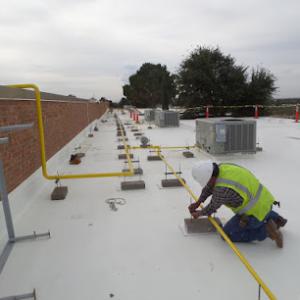
RoofCARE is a full-service commercial and residential roofing contractor that specializes in extending the life of existing roofing systems as a cost-efficient and sustainable alternative to premature roof replacement. Our services include Roof Inspections / Diagnostics, Leak Repairs, Preventative Maintenance, Corrective Repairs, Service Contracts, Roof Renovation, Roof Replacement and Wall Renovation.
Typical local cost ranges are about $350 to $650 per square for asphalt shingles, $700 to $1200 for metal, $1200 to $2500 for clay tile, $900 to $1800 for concrete tile, $600 to $1200 for wood shingles or shakes, and $400 to $900 for synthetic or composite shingles. These figures reflect Carlsbad weather, the way desert sun ages components, and how local labor markets price labor in a remote southeastern New Mexico area.
Costs in Carlsbad can rise when storm-driven demand spikes after wind, hail, or monsoon events, especially if many homeowners are filing claims at once. When a handful of roofs fail, material delays and local crews may slow, leading to higher prices and longer wait times. Planning for replacement windows in late spring or soon after the monsoon can help avoid peak price windows and reduce risk of scheduling conflicts.
Material choice has an outsized cost impact locally because systems that better tolerate desert sun and monsoon exposure often carry higher upfront pricing than basic asphalt. Clay and concrete tiles, for instance, resist heat and wind better and carry longer lifespans, but you pay more per square. Metal roofs balance weight and durability but still command a premium. If budget is tight, synthetic or composite shingles provide a middle ground, but performance differs by product line. A practical approach is to match the roof's exposure and typical storm loads to the chosen system, then confirm square-foot pricing and waste factors with multiple local contractors.
In a dry desert climate, the heat of midsummer accelerates aging of underlayment and seals, while late summer monsoon bursts increase the chance of weather delays. Schedule work for a dry period with minimal heat stress and avoid the week after a storm when crews are stretched. Insurance timelines, material stock, and supplier lead times can shift start dates, so build a small contingency into the plan. Having a clear sequence with an upfront three to five day window for installation helps keep timing predictable and reduces the chance of rework after sudden rain. Ask for written schedules too.
For a full roof replacement, a building permit is typically required. The City of Carlsbad Building Department handles roofing permits and generally requires use of a licensed contractor for full replacement work. This means you'll want someone who carries current state and local credentials, and can document the project steps from teardown to final wrap. Relying on an unlicensed helper or attempting work without a permit can create delays and potential penalties, especially when monsoon season is on the radar and inspections tighten up around critical weather windows.
City inspections occur during and after installation, with attention to venting, underlayment, and flashing compliance rather than only the finished roof surface. Early inspections verify that the roof is prepared correctly for the desert climate: proper attic venting to handle hot, dry days and moisture bursts during monsoons, appropriate underlayment choice for fast-rain events, and flashing around penetrations like chimneys, vents, and skylights. The post-installation inspection confirms that the installed materials and workmanship meet Code requirements and that ventilation and drainage are functioning as intended. Understanding this sequence helps homeowners coordinate weather and scheduling, reducing the risk of delays caused by weather-related hold-ups or noncompliance issues.
Coordinate with the contractor to align the permit timeline with monsoon forecasts so the critical, moisture-sensitive steps occur under favorable weather. Ask the Building Department or your contractor for a pre-inspection checklist that highlights venting, underlayment type, and flashing details typical for high-desert conditions. Keep documentation orderly: permit numbers, contractor license details, and material certifications should be readily accessible during both rough inspections and the final review. If a rain event is forecast, discuss temporary weather protection measures with the crew so interior spaces stay safeguarded and flashing components aren't exposed to unexpected downpours. Finally, plan for a post-installation walkthrough with the inspector to address any minor issues on the spot, ensuring the project proceeds toward a compliant and durable roof.
A common local failure pattern is sun-driven aging of asphalt shingles, including curling, cracking, and loss of protective granules. The relentless desert heat softens and then bakes the surface, accelerating fiberglass breakdown and leaving the roof vulnerable to UV-induced brittleness. When shingles curl at the edges or lift, wind can pry them up further, letting water and dust into the attic. You'll notice granules accumulating in gutters and downspouts, which once served as a shield against sun. In practice, this means a higher risk of leaks after a long heat spell or when a roof hasn't had timely maintenance. In Carlsbad, the temptation is to delay replacement, but aging shingles lose their seal and insulating value, making each monsoon season stingier for a roof in need of attention.
Monsoon gusts can expose weaknesses at flashing transitions and roof edges, especially on roofs already degraded by prolonged heat. Wind-driven rain can find gaps around chimneys, terminations, and vents that once held tight under cooler conditions. When flashing shows signs of age-seams lifting, caulk cracking, or metal flashing corroding-water intrusion becomes more likely during a heavy storm. This is not a dramatic warning but a practical one: address flashing and edge details before the next monsoon hits. A careful inspection after the hottest weeks of summer can reveal where replacement or resealing is needed to weather the coming storms.
Occasional winter freezes can complicate some tile work and material handling, making cracked tiles and brittle components a concern during colder installation periods. Tiles can become more fragile when carried across chilly mornings, and frozen mortar or underlayment can delay proper seating and alignment. If replacement falls during winter, expect longer turnaround and a cautious installation plan to minimize further cracking or breakage. In cooler periods, ensure crews have time to manage tiles gently and to allow sealants to cure in temperate conditions.