Ultimate Guide to Roof Tune-Up Services
Last updated: Feb 28, 2026

Introduction to Roof Tune-Up Services
Think of a roof tune-up as a regular health check for your home. It's a practical, proactive inspection and light maintenance plan designed to extend life, prevent leaks, and keep your attic and living spaces comfortable. A good tune-up isn't about a dramatic overhaul; it's about timely, targeted care that fits your budget and your climate.
What is a roof tune-up?
A roof tune-up is a focused set of inspections and minor maintenance tasks performed to optimize roof performance between major projects. It emphasizes early detection, minor repairs, and simple preventive steps that stop small issues from becoming big headaches.
What a tune-up includes
- Visual exterior inspection of shingles, flashing, vents, and chimneys for wear, curling, or damage
- Gutter and downspout check, debris removal, and ensuring proper drainage
- Moss, algae, or lichen assessment and safe removal if needed
- Flashing touch-ups and sealant maintenance around penetrations
- Attic and ventilation check, plus insulation assessment for energy efficiency
- Safety checks for access, ladders, and roof-edge conditions
- Minor repairs or recommendations for follow-up work (not a full replacement)
Why homeowners should consider tune-ups
- Prolonged roof life through timely maintenance and early problem detection
- Fewer leaks and reduced risk of interior water damage
- Lower emergency costs by addressing small issues before they grow
- Improved energy efficiency and comfort in your home
The tune-up process: 5 steps
1) Schedule and safety review
- Quick risk assessment, ladder and access plan, and protective measures for you and the crew
2) Exterior inspection and minor repairs
- Shingle condition, flashing integrity, vent seals, and fastener security
- Minor patching or resealing as needed
3) Gutter and drainage check
- Debris removal, joint inspections, and ensuring water flows away from the foundation
4) Attic, insulation, and ventilation check
- Insulation depth, airflow balance, and signs of moisture or pests
5) Post-tune-up recap and maintenance plan
- Clear notes on findings, recommended next steps, and a simple care schedule you can follow
Common issues caught during tune-ups
- And/or curled, cracked, or missing shingles that risk leaks
- Damaged flashing around chimneys, vents, and skylights
- Clogged gutters or improper drainage causing standing water
- Condensation, moisture staining, or signs of attic humidity
- Weak or loose fasteners, and step-back or edge wear in high-traffic areas
Frequency and best practices
- Climate and roof type influence interval; most homes benefit from a tune-up every 2–5 years
- In harsher climates with heavy wind, rain, or freeze-thaw cycles, consider yearly checks
- Pair tune-ups with seasonal transitions (before wet seasons or winter) for best results
DIY vs. professional tune-ups
- Do-it-yourself tasks: simple cleaning of gutters and roof surface debris, basic gutter checks, and visual exterior inspections from ground level or a safe ladder
- When to hire a pro: roof surfaces higher than typical reach, damaged flashing, odor or signs of moisture in the attic, or if you're unsure about safety or procedures
- A professional tune-up provides waste-not confidence: trained eyes, proper safety practices, and access to appropriate sealants and tools for small repairs
Roof Tune-Up Services: What They Include
Comprehensive definition
A roof tune-up is a proactive, cost-effective maintenance service that combines a thorough inspection with targeted, minor repairs and preventive measures. The goal is to keep a roof performing well between major repairs, catch small problems early, extend the roof's lifespan, prevent leaks, and improve overall energy efficiency. Think of it as a routine health check for your roof: a trained eye, careful hands, and practical fixes that don't require a full replacement.
- It focuses on prevention, not dramatic overhaul.
- It covers exterior surfaces, attic space, and drainage systems.
- It includes documentation of findings and a practical maintenance plan for the year ahead.
When it's typically needed
Roof tune-ups are most valuable when you notice signs of wear or after certain conditions. Use them as part of regular home maintenance, not just in response to a leak.
- After severe weather (strong winds, hail, or heavy rain) to assess hidden damage.
- As roofs age (commonly 10–20 years, depending on materials) to catch aging components early.
- If you see curling or missing shingles, granule loss, or dark stains on the ceiling.
- When gutters are clogged or downspouts aren't directing water away from the foundation.
- Before seasonal changes, especially before winter or the rainy season.
Core components of a tune-up
A typical tune-up covers exterior and interior checks, plus practical fixes you can trust.
- Exterior roof inspection
- Check shingles for curling, cracking, or missing pieces.
- Inspect flashing around chimneys, vents, skylights, and wall transitions.
- Look for signs of moss, algae, or trapped moisture.
- Debris removal and drainage check
- Clear leaves, needles, nests, and other debris from the roof surface.
- Ensure gutters and downspouts are free of obstructions and are directing water away from the home.
- Ventilation and attic assessment
- Inspect attic insulation and ventilation pathways for proper airflow.
- Look for condensation, dark spots, or signs of moisture intrusion.
- Sealing, flashing, and penetrations
- reseat loose nails or shingles and reseal small gaps around vents and penetrations.
- Re-caulk or seal skylights and vent boots if needed.
- Minor repairs and preventative measures
- Replace damaged or missing shingles when feasible.
- Address loose flashing or misaligned components that could lead to leaks.
- Improve or restore any missing protective coatings or coatings on metal components.
- Documentation and planning
- Provide a concise inspection report noting findings and suggested next steps.
- Create a maintenance calendar with recommended intervals for future checks.
Step-by-step tune-up process
A clear, homeowner-friendly sequence helps you understand what happens during a tune-up.
1) Prep and safety
- Technician sets up safe access, uses fall protection where required, and reviews any access concerns with you.
2) Exterior inspection and debris removal
- Roof surface, flashing, penetrations are inspected; debris is removed to restore drainage.
3) Flashing, penetrations, and sealant check
- Seals around vents, chimneys, and skylights are evaluated and resealed if needed.
4) Shingle condition and minor repairs
- Loose or damaged shingles are reset or replaced; minor flashing adjustments are made.
5) Gutter and drainage assessment
- Gutters and downspouts are cleaned and checked for proper slope and attachment.
6) Attic ventilation and moisture review
- Vent paths, insulation, and signs of moisture are assessed; recommendations are noted.
7) Final review and plan
- A summary of findings is provided, along with a practical maintenance plan and any follow-up actions.
Safety and maintenance considerations
- Always consider professional help for roofs with high pitch, extensive moss, or visible structural concerns.
- Use appropriate footwear, weather-watcher awareness, and ladder safety.
- Keep gutters clear between tune-ups to maximize drainage performance.
Maintenance tips after a tune-up
- Schedule the next tune-up at a predictable interval (e.g., every 1–2 years, or per manufacturer guidance).
- Monitor for leaks after storms and after heavy winds; address issues promptly.
- Keep gutters and downspouts clear, especially during fall and spring debris seasons.
- Note any changes in attic temperature or moisture and adjust insulation or ventilation as needed.
When You Need Roof Tune-Up Services
Signs this service is needed
- Visible leaks or ceiling stains that appear after rain
- Missing, cracked, curling, blistered, or worn shingles
- Noticeable granule loss in gutters or downspouts
- Damaged, loose, or flashing around chimneys, vents, skylights
- Sagging, dipping, or uneven roof deck when you scan from the ground
- Ice dams or recurrent ice buildup on the roof edge
- Moss, algae, or vegetation lifting shingles
- Damp or dark spots in the attic, or musty smells
- Excessive daylight visible through the roof boards from the attic
- Fretting around vent pipes or poor sealant at flashing joints
Ways you can confirm yourself as a homeowner
- Do a ground-level visual check with binoculars to spot obvious issues like missing shingles or sagging sections.
- If the roof is structurally sound and you have a solid ladder, perform a cautious rooftop walk to inspect visible areas—do not step on damaged or fragile shingles.
- Inspect the attic: look for daylight through the sheathing, signs of moisture or condensation, and mismatched or compressed insulation.
- Check interior ceilings and upper walls for fresh stains after rain or snow thaw.
- Examine gutters and downspouts for a heavy load of shingle granules or stained debris, which can indicate accelerated wear.
- Photograph any suspect areas from multiple angles so a pro can review before an on-site visit.
- Note any changes in energy bills or attic ventilation sounds (whistling wind, increased humidity) that may signal airflow issues.
When to get a professional assessment
- You see active leaks, widespread water intrusion, or new ceiling stains after rain
- Your roof is older (roughly 15–20+ years, depending on material) or has endured frequent severe weather
- Severe weather events happened recently (hail, high winds, tornadoes) and you suspect damage
- You're planning a tune-up, major repair, or roof replacement and want a professional scope and cost estimate
- You're unsure about roof safety or lack the tools to inspect safely
Steps a professional will take during the assessment
1) Exterior roof inspection: check shingles, flashing, vents, skylights, and fascia for damage or wear; identify high-stress areas like valleys and ridges.
2) Attic and interior checks: assess moisture intrusion, insulation quality, ventilation adequacy, and any signs of past leaks.
3) Structural and material evaluation: evaluate deck integrity, fascia, gutters, and fasteners; note any sagging or suspect deck boards.
4) Recommendations and scope: provide a written tune-up plan, prioritize repairs, and outline expected timelines and ballpark costs.
What's Included with Roof Tune-Up Services
What's typically included
A roof tune-up is a preventive service designed to catch small issues before they become big problems. It focuses on a thorough inspection, practical maintenance, and minor repairs that extend the life of your roof without a full replacement.
- Comprehensive inspection (on-roof and attic): look for missing or damaged shingles, curling, blistering, or granule loss; check flashing around chimneys, vents, and skylights; inspect vent boots, seals, and roof penetrations; note signs of moisture or potential leaks.
- Debris removal and surface cleaning: remove leaves, pine needles, branches, moss, and other debris from the roof and valleys; clear gutters and downspouts to restore proper drainage.
- Minor repairs and resealing: secure loose shingles; reseat up-lifted tabs; replace or drive down loose nails; reseal cracked flashing or compromised seals with an appropriate sealant; tighten deteriorated vent boots or replace them if needed.
- Drainage and gutter optimization: verify gutter alignment and slope; clear obstructions in gutters and downspouts; address minor sagging to improve water flow away from the fascia and foundation.
- Ventilation and insulation check: assess attic ventilation balance (soffit, ridge, or turbine vents); identify blockages or inadequate airflow; note insulation gaps that could contribute to ice dams or heat loss and suggest improvements.
- Safety and maintenance guidance: review safe ladder setup and basic fall-protection practices; provide simple maintenance tips and a seasonal checklist you can follow between visits.
- Documentation and recommendations: leave you with a written summary that includes observed conditions, photos, and a prioritized list of recommended next steps; include any minor repairs performed during the tune-up and notes for future maintenance.
- Scope clarity: the tune-up covers the tasks above; if we discover issues beyond this scope, we'll present a clear, itemized estimate for the required repairs and improvements.
1) Pre-service prep and safety: confirms access points, roof conditions, and a plan to protect your property during the visit.
2) On-roof assessment: a thorough walk of the roof and key flashing areas to identify signs of wear, movement, or minor damage.
3) Targeted maintenance: execute minor reseating, resealing, and fastener adjustments as needed, plus debris removal and gutter attention.
4) Post-inspection review: walk you through findings, show photos, and outline the next steps with priority timing and maintenance tips.
What's not typically included
- Major roof replacement or extensive structural repairs: decking replacement, major underlayment work, or large-scale alterations are outside a tune-up.
- Full re-roofing or significant flashing overhaul: extensive flashing replacement, chimney rebuilds, or skylight relocations.
- Storm or hail damage remediation beyond routine maintenance: large repairs, patchwork, or replacements needed due to severe weather are not part of a standard tune-up.
- Replacement materials: new shingles, flashing, underlayment, or other roofing components are not included unless part of a separate service or agreed-upon scope.
- Deep cleaning with specialty products: pressure washing, chemical roof cleaners, or specialty coatings are not included unless specified as an additional service.
- Permits, code upgrades, or structural modifications: any work requiring permits or city code compliance beyond routine maintenance is not included.
- Work outside the defined tune-up plan: any tasks not explicitly listed in the included scope require a separate estimate and approval.
Common Roofing Materials Used with Roof Tune-Up Services
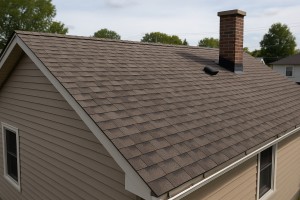
Asphalt shingles are the workhorse of most homes—affordable, easy to repair, and widely available. A tune-up for asphalt roofs focuses on preserving edge integrity, securing lifted shingles, and protecting the underlayment beneath. You'll often catch minor issues before they become leaks, keeping the roof age-friendly and cost-effective.
What the tune-up covers:
1) Inspect shingle condition: look for curling, cupping, missing granules, or any edges that are lifting.
2) Re-nail loose shingles and reseal if needed: use corrosion-resistant nails and roofing cement to secure edges without over-tightening.
3) Check flashing and vent boots: ensure seals around chimneys, vents, and skylights are intact and replace damaged boots if necessary.
4) Clean debris and address algae or moss: remove buildup gently and treat with approved products that won't harm the shingle surface.
5) Assess attic ventilation and insulation: proper airflow reduces heat and moisture buildup that can age shingles faster.
Key considerations:
- Granule loss is a telltale sign of aging; tune-ups focus on preserving remaining granules and protecting against moisture infiltration.
- If widespread shingle failure is evident, a patch-up may not be cost-effective long-term; planning for replacement could be recommended.
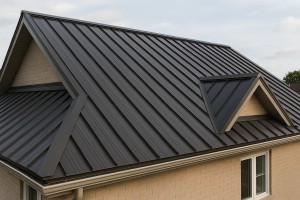
Metal roofs are durable, but loose fasteners, worn seals, and corrosion can cause leaks if ignored. A tune-up on metal roofs targets fastener security, seal integrity, and coating condition to extend life without a full-scale replacement.
What the tune-up covers:
1) Inspect panels and fasteners: tighten or replace loose screws, check for rust, and look for lifted edges.
2) Seal seams and flashing: reseal standing seams and around penetrations to prevent water intrusion.
3) Check for corrosion and coating wear: clean light oxidation spots and refresh protective coatings where needed.
4) Inspect flashings around chimneys and vents: ensure proper caulking and flashing alignment.
5) Scan for dents or hail damage: evaluate whether cosmetic fixes are sufficient or if structural repairs are required.
Key considerations:
- Avoid overtightening fasteners on metal panels; over-driving can cause panel deformation.
- Coatings and sealants should be compatible with the existing metal finish.
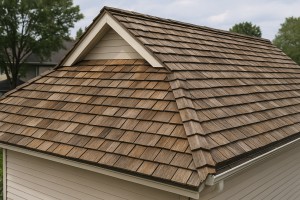
Wood roofs add character but demand moisture control and regular upkeep. Tune-ups for cedar or other wood shingles emphasize rot risk, insect damage, and proper sealing to slow decay and extend life.
What the tune-up covers:
1) Inspect for rot, splits, and loose shakes: replace damaged pieces with matching materials.
2) Test moisture and treat properly: check moisture levels and apply preservative or stain/sealant as recommended.
3) Re-caulk around penetrations: reseal vent pipes and flashing with compatible products to prevent leaks.
4) Remove moss and debris: clean organic buildup to reduce moisture retention and wood decay.
5) Improve ventilation: ensure attic and roof ventilation support long-term wood health.
Key considerations:
- Wood tolerates dryness poorly; excessive moisture accelerates rot and insect issues.
- Use breathable, weather-rated finishes designed for wood roofs.

Clay and concrete tiles are beautiful and long-lasting but fragile. Tune-ups focus on tile integrity, proper seating, and underlayment checks to prevent costly leaks.
What the tune-up covers:
1) Inspect for cracked or broken tiles: replace with matching tiles and check surrounding tiles for proper alignment.
2) Check fasteners and nail flush: reseat loose tiles and ensure nails are corrosion-resistant and correctly placed.
3) Inspect underlayment and flashing: confirm waterproofing layers beneath tiles and around roof penetrations.
4) Clean debris and ensure drainage: clear valleys and gutters to prevent water backup.
5) Verify roof-to-wall transitions: ensure sealants and coping details stay weather-tight.
Key considerations:
- Tiles are brittle; even small mishandling during maintenance can cause cracks.
- Heavy snow, hail, or foot traffic can necessitate more extensive repairs.
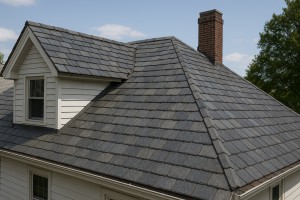
Slate roofs are exceptionally durable but very brittle, requiring careful handling during tune-ups. The service targets cracks, slipped slates, and flashing integrity to keep water out without compromising the slate.
What the tune-up covers:
1) Identify cracked or loose slate and replace as needed with matching profiles.
2) Inspect for fastener wear and flashing issues: reseal and re-secure where slate meets other roof components.
3) Check underlayment and drainage paths: ensure waterproofing layers are intact and that water flows properly.
4) Clear debris from gutters and valleys: maintain unobstructed drainage to prevent ponding.
Key considerations:
- Slate repairs should use appropriate fixings and avoid forcing misaligned pieces.
- Matching slate and careful cutting are essential for a seamless look and performance.
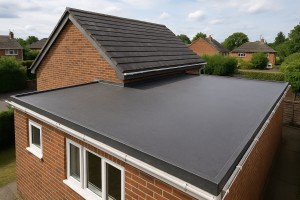
Low-slope or flat roofs with rubber or synthetic membranes require attention to seams, penetrations, and edge details. Tune-ups here focus on maintaining seam integrity and preventing punctures.
What the tune-up covers:
1) Inspect seams and flashings: re-weld or reseal seams and around penetrations to prevent leaks.
2) Check edge terminations and drains: secure side gutters, parapets, and confirm proper drainage.
3) Puncture and ponding checks: identify any surface damage and plan timely patches.
4) Clean and restore surface: remove debris responsibly and ensure the membrane remains smooth and uncracked.
Key considerations:
- Heat, UV exposure, and ponding can accelerate wear on single-ply roofs; timely resealing is essential.
PVC/TPO (Other Single-Ply Details)
Similar to EPDM but with heat-welded seams; tune-ups emphasize maintaining sealed seams and edge details to preserve water-tightness.
What the tune-up covers:
1) Inspect welded seams for separation and re-weld where needed.
2) Check flashings around penetrations and repair worn areas.
3) Ensure clarity of drainage paths and clean surface residues.
Understanding the Cost of Roof Tune-Up Services
Typical average costs for Roof Tune-Up Services
- Most homeowners pay between $200 and $450 for a standard tune-up on a typical asphalt shingle roof.
- Larger homes, steeper pitches, or roofs with multiple penetrations often run $350 to $700.
- A comprehensive maintenance plan (annual tune-up with minor repairs) typically costs $500 to $900 per year, depending on scope and region.
- Some providers offer tiers: basic inspection and debris removal, mid-range with resealing, and full service with minor leak repairs.
How costs are calculated
A tune-up price is driven by time, materials, and risk. The more areas to inspect, the more time and safety equipment are required. Common cost components include:
- Labor hours for inspection, cleaning, and any minor repairs
- Materials for resealing flashings, sealants, and small gaskets
- Safety gear, ladders, and fall-protection for tall or steep roofs
- Travel and site-access fees for remote locations
Factors that may lower costs
- Scheduling during off-peak seasons or promotional periods
- Narrowing the scope to a standard tune-up without major repairs
- Smaller roofs or simpler layouts reduce labor time
- Regular maintenance history; early minor issues are cheaper to fix than major repairs later
- Getting multiple quotes and choosing a mid-range maintenance plan
- Pre-cleanups: clearing loose debris or gutters beforehand to reduce on-site time
Factors that may raise costs
- Steep pitches or tall structures requiring extra safety protocols
- Complex roofs with many penetrations, valleys, or premium materials (tile, slate, metal)
- Extensive flashing work, leak diagnosis, or replacing membranes
- Integrated gutter cleaning or downstream repairs during the visit
- Remote location adding travel time and fuel charges
- After-hours scheduling, rush jobs, or required permits/reports
What to expect during a tune-up (step-by-step)
1. Pre-visit assessment: note roof type, attic conditions, and any known leaks.
2. Exterior inspection and debris removal: check shingles, vents, and flashing for visible wear.
3. Gutter and downspout check: clear clogs if included and verify drainage flow.
4. Flashing, vents, and seals: inspect for cracks, corrosion, and wear; reseal as needed.
5. Summary and plan: technician records findings, outlines recommended steps, and discusses maintenance options.
Quick tips to prepare and save on tune-ups
- Clear nearby ground clutter and ensure access paths are unobstructed.
- Note known trouble spots or leaks to share with the tech.
- Ask about a maintenance plan for future visits to lock in lower per-visit rates.
How the Roof Tune-Up Process Works
Step 1: Scheduling, intake, and prep
- You'll start with a quick call or email to share your address, roof type, and any concerns (leaks, moss, curling shingles).
- We confirm a convenient time window and what access is needed (gate codes, attic entry, parking).
- Before arrival, we note any weather considerations and set safety plans so everyone stays protected.
Step 2: On-site roof assessment
- A thorough visual inspection of shingles, flashing, vents, chimney, skylights, and edge details.
- Check for obvious issues: missing granules, curling edges, moss or algae, and loose or damaged flashing.
- If accessible, we assess attic insulation and ventilation to spot signs of moisture buildup or poor airflow.
- Documentation with photos and a prioritized list of fixes.
Step 3: Safety setup and site protection
- We install ladders, fall protection, and safety gear as needed; keep work zones clearly marked.
- Protective measures for landscaping, siding, and vehicles (tarps, corner guards, and debris containment).
- We establish a clear plan for debris pathways and minimize disruption to your daily routine.
Step 4: Cleaning and debris removal
- Remove loose debris from the roof surface: leaves, pine needles, branches, and moss growth.
- Clean gutters, downspouts, and roof edges to restore proper drainage and prevent backup.
- Use gentle, roof-safe methods to avoid scratching shingles or dislodging coatings.
Step 5: Minor repairs and sealant touch-ups
- Refasten loose mounting feet, reseal loose flashing, and address small nail pops with appropriate sealant.
- Replace or reseal cracked sealant around vents and chimneys where feasible without a full roof replacement.
- Patch small damaged areas using materials compatible with your existing roof system.
- Note any items that require a larger repair project and categorize urgency.
Step 6: Surface protection, ventilation checks, and protective measures
- Re-seal critical seams and flashing with durable, weather-appropriate sealants.
- Inspect attic vents, soffits, and ridge/roof vents for blockages or poor airflow and clear as needed.
- Check for moisture intrusion indicators and suggest cooling or insulation adjustments if indicated.
- Apply surface protection steps to minimize future wear (e.g., moss inhibitors only if appropriate for your roof type and climate).
Step 7: Documentation, recommendations, and maintenance plan
- Deliver a written tune-up summary with before/after photos, discovered issues, and a prioritized repair list.
- Provide an estimated cost range for recommended repairs or replacements, plus a seasonal maintenance checklist.
- Propose a maintenance plan with suggested tune-up intervals and a schedule for any follow-up visits.
- Offer guidance on warning signs to watch for after severe weather and how to address them promptly.
Residential vs. Commercial Roof Tune-Up Considerations
Residential considerations
Residential roofs are typically smaller, more accessible, and oriented toward function plus curb appeal. When tuning up a home roof, practical, cost-conscious decisions matter most.
- Size and access: Most homes have roofs under 3,000 square feet with easier access from ground level or attic hatches. This keeps inspection times shorter and reduces exposure risk.
- Materials variety: Asphalt shingles, metal, tile, or composite materials are common. Each material needs specific care to avoid damage during cleaning or resealing.
- Aesthetics and neighborhood impact: Homeowners often prefer discreet repairs and color-consistent sealants to maintain curb appeal. Color-matched sealants and flashing are worth prioritizing.
- Maintenance frequency: Semi-annual or annual tune-ups are typical, timed around spring and fall to preempt weather-related wear and to catch minor issues before leaks form.
- Leak focus and visibility: Small roof flaws or clogged gutters are quickly noticed by residents. Expect quicker triage of visible issues and faster prioritization of accessibility for repairs.
Commercial considerations
Commercial roofs are larger, flatter, and engineered for long service life with minimal disruption to operations. Tune-ups for commercial properties emphasize reliability, safety compliance, and long-term lifecycle planning.
- Area and layout: Flat or low-slope roofs dominate, often covering thousands of square feet. Inspections must be comprehensive and systematic to cover seams, collars, and drainage paths.
- Access constraints: Roof access can involve loading docks, equipment, and restricted hours. Safety protocols, traffic control, and coordination with building operations are essential.
- Penetrations and equipment: HVAC curbs, vents, skylights, and solar arrays create multiple potential leak points. Each penetration requires careful flashing and sealant work.
- Maintenance programs: Commercial properties benefit from formal roof maintenance plans, including schedule-driven inspections, documentation, and predicted repair timelines.
- Warranties and codes: Expect adherence to local building codes, fire codes, and contractor warranty terms. Documentation and traceability (photos, reports, repairs) are often required by owners and insurers.
- Downtime considerations: Work often needs to be scheduled to minimize disruption to tenants and business operations. Off-hours or weekend crew shifts are common.
- Drainage and water management: Proper slope, scuppers, internal drains, and gutter systems are critical to prevent ponding and rooftop leaks on large surfaces.
- Cost and scale: While the per-square-foot cost may be lower in bulk, larger projects require careful budgeting for equipment, access, and safety compliance.
Shared tune-up steps (applicable to most residential and commercial roofs)
1. Visual inspection and safety check: note any loose flashing, damaged shingles or membrane edge, and obvious ponding.
2. Debris removal: clear leaves, branches, and sump-blocking material from gutters, scuppers, and drainage lines.
3. Drainage review: verify that gutters, downspouts, and internal drains are functioning and free of obstructions.
4. Sealant and flashing attention: reseal minimal gaps, reflash corners, and replace cracked caulk around penetrations as needed.
5. Surface integrity: assess for microcracks, loose fasteners, or membrane wear; plan small patches or reseal strategies rather than full replacement unless necessary.
6. Documentation and plan: photograph issues, log findings, and outline a practical maintenance plan with timing, responsible party, and budget estimates.
Practical planning tips for homeowners
- Ask for a written scope that separates inspection, minor repairs, and major repairs.
- Request a maintenance calendar tailored to your climate and roof type.
- Ensure personnel follow safety practices and leave no debris behind after each visit.
Practical planning tips for business owners or property managers
- Schedule inspections during off-peak hours to minimize tenant disruption.
- Require a detailed report with recommended priorities, estimated costs, and warranty terms.
- Align tune-ups with long-term capital plans to optimize life-cycle costs.
How Roof Tune-Up Services Vary by Location
Climate and weather patterns shape what gets tuned up
Even with the same tune-up checklist, the weather you face changes what we emphasize during a visit. In humid regions, moisture control, algae growth, and ventilation take priority. In cold climates, ice dam prevention, insulation gaps, and attic ventilation are the main focus. In windy areas, we check for wind-driven debris and secure flashing. In hot, sunny belts, UV exposure and softening shingles can drive more frequent inspections.
- Humid Southeast and Gulf Coast: moisture management, algae/moss control, drainage, and proper attic venting.
- Cold Northeast and mountain towns: ice dam prevention, attic insulation, roof-edge drainage, snow load considerations.
- Wind-prone Plains and coastal zones: wind uplift resistance, loose flashings, vent seals.
- Arid Southwest and sunbelt: UV aging, granule loss, heat-related deterioration, and corrosion checks.
Local building codes and permits
Local rules can shape what's allowed and how it's documented. Some cities require permits for roof patching, vent replacements, or gutter work. HOA rules may restrict material choices or color. We factor these into scheduling and workmanship.
- Permits are common for major repairs and vent changes.
- HOA covenants may dictate material types, colors, or installation specifics.
- Waste disposal and recycling rules vary by city or county.
Regional materials and roofing types
Regions favor different roof systems, and that changes how we tune them up.
- Asphalt shingles: the default across many regions for cost and repair feasibility.
- Clay and concrete tile: common in the Southwest for heat resistance.
- Metal roofing: prevalent in coastal or modern residential areas for wind resistance.
- Wood shakes or shingles: seen in parts of the Northwest and some rural areas.
- Flat roofs and membranes: frequent in arid or urban areas with commercial-style construction.
Maintenance priorities by region
Different climates stress different roof components.
- Moisture-heavy climates: focus on algae growth, moss removal, gutter drainage, attic ventilation, and moisture intrusion checks.
- Cold climates: ensure proper attic insulation, ventilation, and flashing integrity to prevent ice dam damage.
- Windy/coastal climates: inspect and reinforce flashing around chimneys, skylights, and vent pipes; secure protrusions; check gutter hangers and downspouts.
- Hot/dry climates: monitor UV exposure, granule loss, and sealants; check fastener integrity after heat cycles.
- Universal steps for any tune-up
1) Clear debris from roof and gutters
2) Inspect attic vents and insulation, and address gaps
3) Examine shingles or tiles for damage and reseal penetrations
4) Check flashing around chimneys, skylights, and vents
5) Verify drainage and adjust gutter pitch as needed
6) Apply sealant or replace aging flashing
7) Treat algae or moss with region-appropriate products
How this service varies in different regions in the United States
Northeast and Midwest
- Winter weather makes ice dam prevention and attic ventilation critical.
- Snow loads require regular checks of roof edges and any installed snow guards.
- Shingle aging can accelerate from freezing-thaw cycles; monitor for cost-effective repairs.
Southeast and Gulf Coast
- High humidity and salt exposure heighten algae growth and corrosion risk.
- Hurricanes and tropical systems elevate the importance of wind-related fastening and flashing checks.
- Gutter systems must handle heavy rainfall and debris from storms.
Southwest
- Intense sun and heat accelerate UV damage; sealants and underlayment integrity matter.
- Tile and metal are common; fastener corrosion under heat is a concern.
- Roofs often drain quickly; ensure proper slope and edge detailing.
West Coast and Pacific Northwest
- Heavy rainfall and moss growth demand frequent gutter and flashing inspections.
- Coastal areas face salt spray and wind-driven debris; corrosion resistance matters.
- Variable seasons mean tune-ups should align with the rainy-season window.
