Last updated: Apr 19, 2026
Spring hail is a defining stress test for roofs around here, and the pattern is relentless: claim volume spikes just when contractor demand is roaring. Odessans often face decisions on whether to replace or repair as meteorologists call for storms, not just based on age or visible wear. The rhythm is predictable enough to plan around, but unpredictable enough to catch you off guard if you wait for a "better time." This city's spring storms bring panels and shingles into contact with hail impact, and wind drags the damage into a cascade-lifted edges, cracked seals, and flashing lifted just enough to start a leak under a sunny afternoon. The result is a market where many projects aren't driven by the roof's history but by the storm's aftermath and an insurance-driven process that can move faster than you expect.
If you notice a storm warning that includes hail advisories, treat that as a homeowner alert. The moment the weather dies down, that is when damage begins to reveal itself-often hours or days after the gusts have passed. In many neighborhoods, the first sign is a string of missed shingle tabs, a ragged edge along the eave line, or granule loss that shows up in the gutters. In Odessa, a rushed call to a contractor after a major hail event can snowball into a full replacement plan in a matter of days, even if the roof seems superficially okay. That pressure can be intense, so the smart move is to inventory what stands up to wind and hail and document it with photos the moment you can safely access the attic and exterior.
Strong West Texas winds can turn minor damage into active leaks faster than in calmer markets. That means edge damage, loose flashing, and small punctures can become bigger problems quickly if not addressed. Look for wind-driven gaps around chimneys, vent pipes, and wall transitions. Inspect the eaves and rake edges for lifted shingles or curling tabs that indicate a wind-driven vulnerability. Inside, check ceilings for damp spots or new mineral streaks, and pay attention to attic soffit ventilation-poorly vented attics can accelerate damage after a storm. In this market, it's not unusual for the most critical signs to be subtle at first: a telltale flattening of granules in one corner of the roof, a slight ripple along the ridge, or a single shingle that feels loose when pressed.
Document everything you find with timestamps and clear photographs from multiple angles. If you see rising costs or a crowd of contractors gathering in your neighborhood after a storm, know that this is the defining characteristic of the local landscape: a supply-demand crunch that can tempt quick, low-trust fixes. Do not sign off on a full replacement without a thorough, independent assessment of the actual damage and how much of it is likely covered by insurance. In Odessa, the fastest path to a reliable outcome often starts with a precise, storm-specific inspection that distinguishes hail-damaged areas from wear and tear.
Because so many Odessa roof projects begin after weather events, the window to secure a fair, comprehensive claim and a quality installation can be narrow. The timing decision hinges on confirming actual damage, not just cosmetic concerns, and aligning that with your insurer's assessment timeline. When the claim is approved, the project tends to accelerate-so prepare by narrowing down trusted contractors early, with proven responsiveness to post-storm demand. Ask for a detailed scope that includes both the hail-darmaged zones and any wind-related flashing repairs, and insist on an itemized plan that covers underlayment integrity, ventilation checks, and a cover for any climate-driven contingencies. If you're faced with imminent repairs, demand formal written timelines and a contingency plan for weather delays so that a temporary fix doesn't become a protracted, weather- or claim-driven project. In this market, acting decisively after a storm-and coordinating with your insurer and contractor-can prevent small vulnerabilities from becoming major leaks during the next wind gust. Here in Odessa, the sequence of hail, wind, and claim pressure defines the roof's fate more than any single year's age.
HUF Construction
(432) 296-8165 www.hufconstruction.com
2412 N Grandview Ave, Odessa, Texas
4.9 from 108 reviews
We are a family-owned and operated roofing company, with years of experience in the industry. Whether you're looking to have your roof repaired or replaced, we have the solution for you. Our team is fully trained and certified to work with any type of roofing style and type, so you know the job will be done right the first time. If you're needing our services after a hail storm or are ready update an old roof, give us a call today to schedule an appointment!
SunRey Technologies
(432) 348-2100 www.sun-rey.com
4037 E 42nd St STE 203, Odessa, Texas
4.9 from 52 reviews
SunRey Technologies is a locally owned and operated roofing and solar energy company that serves the Midland and Odessa, Texas areas. They are a full-service contractor that can handle all of your roofing and solar needs, from installation to repair and maintenance. SunRey Technologies is committed to providing their customers with the highest quality products and services at the most competitive prices.
#1Top Boss Roofing
(432) 307-9201 www.topbossroofing.com
2408 W 2nd St, Odessa, Texas
4.8 from 82 reviews
2024 Award WINNERS OF The best ROOFER IN THE BASIN #1 TOP BOSS ROOFING IS LOCALLY OWNED & OPERATED HERE IN ODESSA TEXAS .WE TAKE PRIDE IN OUR ROOFING PROJECTS & WILL TAKE CARE OF OUR HOMEOWNERS HERE IN THE PERMIAN BASIN WITH THE UPMOST RESPECT & DEDICATION TO HELP THEM IN THEIR TIME OF NEED TO PROTECT THEIR HOME,BUSINESS ECT! I,M PROUD TO BE A SECOND GENERATION ROOFER MY FATHER Raul Zamora Sen. IS A LEGEND IN ROOFING IN NEW MEXICO and TEXAS! I’m HONORED TO HAVE LEARNED FROM THE BEST IN THE WEST R.I.P TO MY FATHER AKA # 1 TOP BOSS /SE HABLA ESPANOL
PB Roofing
13311 W County Rd 122, Odessa, Texas
4.8 from 40 reviews
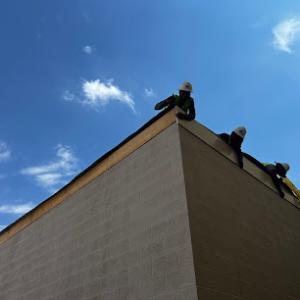
PB Roofing is a trusted roofing contractor serving Odessa and Midland, TX, as well as Balmorhea, Big Spring, Crane, Fort Stockton, and surrounding areas. We provide a full range of residential and commercial roofing services, along with expert siding, window, and gutter installation. Customers choose us for our comprehensive roof warranties and affordable financing options. If you're ready to experience the quality and dedication of your Permian Basin roofing company, give us a call today for a free estimate!
ARC Restoration & SolarX
(432) 423-7663 www.arcxteam.com
3205 Kermit Hwy Ste 15, Odessa, Texas
5.0 from 12 reviews
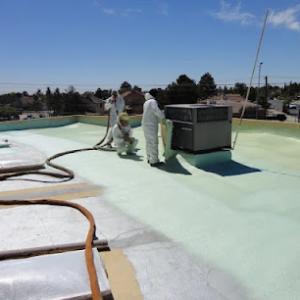
Hail Restoration, Hail Roof Inspection, Roofer Near me, Roofer Odessa, Roofer Midland, Flat Roofer Odessa, Emergency Roof Repair Odessa Roof, Roof Inspection Odessa, Residential Roofing Odessa, Commercial Roofing Odessa, Roof Replacement Odessa, Metal Roofing Midland, Emergency Roof Repair Midland, Roof Inspection Midland, Residential Roofing Midland, Commercial Roofing Midland, Roof Replacement Midland, Metal Roofing Midland, Flat Roofing Midland, Hail Roof Repair Odessa, Hail Roof Repair Midland
G & M Roofing & Construction
(432) 550-2700 www.gandmroofing.com
302 E 61st St, Odessa, Texas
4.5 from 40 reviews
G & M Roofing is locally owned and operated in Odessa, TX, as well as fully licensed and insured for your protection. We specialize in all types of roofing materials, which can be the perfect final chord in a harmoniously designed and appointed home. We have earned the designation of factory-certified GAF Master Elite® contractor from GAF Materials Corporation, North America’s largest roofing manufacturer. Call us today.
Roof-Tech
(432) 888-7435 www.gorooftech.com
620 N Grant Ave #911, Odessa, Texas
5.0 from 8 reviews
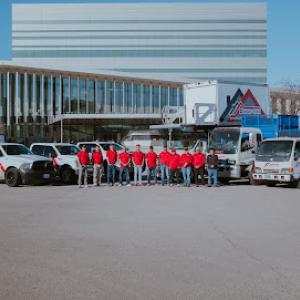
Experience hassle-free roofing with Roof-Tech, a trusted, family-run business in Odessa. Our skilled team is dedicated to providing superior service for all your residential and commercial roofing needs. From comprehensive roof replacements and repairs to expert inspections and navigating insurance claims, we guide you every step of the way. With a commitment to quality and customer care, Roof-Tech ensures your roofing project is a smooth and stress-free experience from start to finish.

Proclaim Roofing
(432) 756-7663 www.proclaimroof.com
4222 Wendover Ave #200, Odessa, Texas
4.2 from 16 reviews
At Proclaim Roofing, we’re committed to offering the best roof replacement, repair and installation services in Texas. Our roofing professionals are dedicated to delivering quality service, respecting your property, and getting the job done right – the first time. We’re also a Certified Contractor with some of the top manufacturers in the industry including Certain-teed, Tamko and Carlisle Syntec. As a bonus, we provide clean-up services and carry a $10,000,000 insurance policy so you can rest easy knowing we’ve got you covered. Contact us today and let us take care of all your roofing needs.
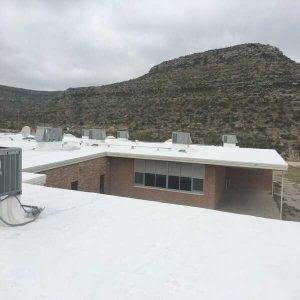
Sunbelt Insulation & Roofing
(432) 337-8247 sunbeltfoamroofing.net
2020 E 8th St, Odessa, Texas
5.0 from 3 reviews
Our company was founded on a tradition of pride and excellence. While much has changed about us over the years, that legacy remains with us at every turn. It’s what governs our business practices—and what lets our services shine. We are committed to meeting the highest of industry standards. Up-to-date training, regular professional development, continual organizational improvements: We spare no expense in upholding our reputation and staying at the peak of our craft. Our clients have come to expect the very best from us, and we think you should be able to as well
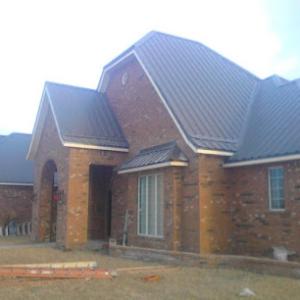
Wagner Roofing
(432) 366-1096 wagnerroofingtexas.com
6100 N Dixie Blvd, Odessa, Texas
3.5 from 19 reviews
Our Specialties Include:ALL ESTIMATES / BIDS ARE FREE • Metal Roofing • Metal Facsia • New Roof Installation • Roof Replacement • Roof Inspection • Roof Repairs • Re-Roofing • New Construction • Painting • Gutters • Siding • Fascia Board & Soffit • Free Estimates
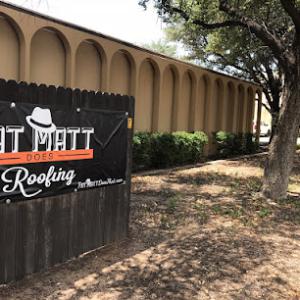
Fat Matt Roofing
(432) 558-0334 www.fatmattroofing.com
2101 N Grandview Ave suite c, Odessa, Texas
3.4 from 8 reviews
Fat Matt is a licensed roofing company that provides both commercial and residential services to the Odessa area. Based in West Texas, we will install your new roof and still be around to answer questions or offer help. Everything we do is driven by our desire for excellence and a commitment to serve our community. Call today for your free roof inspection.
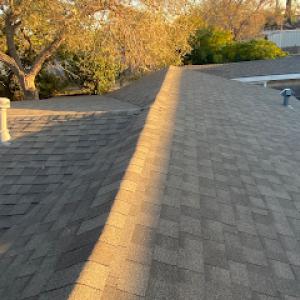
Midway roofing
5607 Ft Worth Ave, Odessa, Texas
4.0 from 3 reviews
All types of roofs. Residential and commercial Roofs leaks repaired Flat roofs speacialty
In Odessa, that Permian Basin heat can turn a simple roof tear-off into a scorch test for crews and materials. The extended heat of summer not only tightens available work windows-people and crews push to finish before peak afternoon heat-but it also influences how shingles, underlayment, and fasteners are stored and handled on site. Hail season and spring storms routinely create backlogs, so rush-to-replace orders after a major hail event can push jobs into longer timelines. The result is a scheduling dynamic that rewards early planning and clear coordination with the chosen contractor.
Spring and fall become the practical sweet spot for many homeowners. In spring, the season typically lands after the bulk of winter storms and before the heat climbs, allowing a steadier pace for material delivery and roof access. Fall offers another comfortable corridor, with cooler days reducing heat fatigue on crews and helping to keep drying-in times reasonable before winter rain or wind picks up. If a hail event has just occurred, expect some backlog, but still aim for the milder shoulder seasons to minimize exposure to peak heat while avoiding late-season delay spikes. In short, pick a window that keeps you out of the highest daytime temperatures and away from the most congested repair cycle after spring storms.
Before work starts, verify the roof deck is dry and free of loose debris, and arrange for a shaded area to stage materials when possible. In Odessa's heat, plan deliveries for early morning to avoid mid-day sun exposure on exposed materials. Confirm the contractor uses fasteners and underlayment rated for high heat and direct sun, and discuss temporary ventilation strategies to reduce heat buildup inside attic spaces during installation. Have a clear plan for protecting landscaping, air intakes, and vehicles from daytime heat and wind gusts that can shift materials on the roof. If your home has an attic venting system or soffit intake, coordinate with the crew to minimize interruptions to ventilation during the process.
Spring storms can create backlogs that push timelines into late spring or early summer. If a hail event is recent, establish a realistic expectation with the contractor about potential delays and weather-driven pauses. Build a buffer into the schedule to accommodate gusty afternoons and sudden wind shifts common in the spring transition. Clear communication about daily start times, expected progress, and what happens if a storm interrupts work helps keep the project on track without unnecessary downtime.
Winter in this area is usually mild, but cold snaps can still slow installation on exposed job sites. If a cold spell appears on the forecast, discuss with the contractor how it affects adhesive cure times, shingle handling, and safety protocols on slick surfaces. Even when temperatures are workable, the team should have a plan for rapid protection of exposed deck edges to prevent moisture ingress during short cold bouts. For most homeowners, a late fall or early spring start remains the most predictable path to a smooth, uninterrupted installation experience.
Get a clear picture of your project costs upfront - no commitment required.
Carreras Roofing & Construction
(432) 901-8572 www.carrerasroofingandconstruction.com
Serving
5.0 from 20 reviews
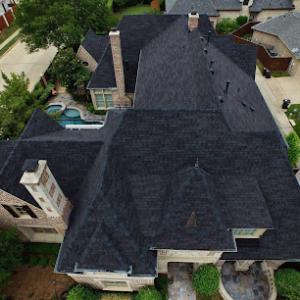
Asphalt shingles remain a common Odessa choice because they fit the city's re-roofing-heavy market and lower entry cost, but hail and intense sun can accelerate replacement cycles. You'll notice that asphalt gives you a straightforward installation window after spring storms, which is when many homeowners elect to refresh the roof. When choosing asphalt, look for impact-rated or Class 4 shingles if possible, as they tend to hold up better against hail strikes and the relentless summer sun. The stack-up matters too: a strong underlayment and reinforced starter strips can help the roof survive the worst weeks of Permian Basin heat. In this climate, a wind-limited, nail-fastened pattern with proper edge venting helps prevent edge blow-offs during high-velocity gusts. Regular inspections after hail events-especially along the edges and near vents-can catch scuffs or granule loss before they compound.
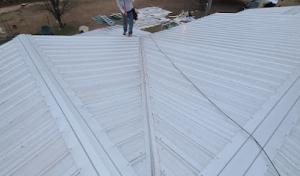
Metal roofing is especially relevant in Odessa's hot, sunny climate because reflective systems can perform well under prolonged solar exposure and strong wind conditions. If you're weighing metal, consider a light-colored finish that reflects more sunlight and reduces heat transfer into the attic. Metal panels with a continuous underlayment are beneficial in wind-prone neighborhoods, where fasteners and seam integrity matter after severe gusts. A standing-seam system often provides better rain shedding and less risk of panel uplift than exposed-fastener designs in high-wind events, which are common after spring storms. When hail strikes metal roofs, the surface can show dents but often remains watertight if the panels and seals are intact; however, inspect the fasteners and flashing after a heavy hail season to prevent slow leaks. Maintenance is simpler than some other options, but seasonal checks of ridge caps and panel laps keep the reflector's performance consistent year-round.
Clay and concrete tile appear in parts of Odessa but require attention to impact risk and underlayment condition, since the West Texas climate can age the waterproofing layer beneath the tile even when the surface covering still looks serviceable. Tiles can crack from hail or sudden temperature shifts, and broken units create water pathways that bypass the waterproofing layer if the underlayment has aged. Look for tile systems with proper mesh underlayment and high-quality flashing around chimneys, skylights, and vent stacks to guard against leaks when the insulation layer has seen years of sun exposure. The weight of tile requires a solid deck and proper structural assessment; in older homes you may need to upgrade supporting members to ensure the roof can carry the load without sagging. Even when the surface remains visually intact after a storm, the underlying waterproofing and fastener corrosion can drive the need for earlier replacement than the surface suggests. Regular checks after hail seasons help you identify subtle shifts in tile alignment or flashing integrity that can lead to concealed leaks later.
In this market, the decision hinges on local storm patterns, insurance-driven replacement timing, and how quickly the roof can shed heat and resist wind uplift. Asphalt provides affordability and quick re-roofing potential, aligning with the frequent insurance-driven cycles after spring hail. Metal prioritizes longevity and heat reflection, which can prove advantageous in long, sun-drenched summers and windy days. Clay and concrete tile deliver a distinctive look with durability, but they demand careful attention to impact resistance and the condition of the underlayment. Regardless of choice, ensure an emphasis on robust underlayment, proper sealing around penetrations, and a solid deck to support the system through Odessa's seasonal stresses.
In Odessa, hail-driven claims spike after spring storms, which tightens scheduling and pushes labor pressure higher. When insurers approve a batch of re-roofs, local crews often shift to meet that surge, meaning wait times can stretch and material lead times may lengthen. If your roof needs replacement, plan for a window where you're not competing with a flood of adjacent homes; otherwise you might see delays or rate bumps from crews juggling multiple urgent jobs. The timing choice matters because post-storm pricing isn't just about material costs-it's about availability and the ability to hit a realistic completion date without overtime or rush charges.
Odessa offers a broad spectrum: asphalt shingles run roughly from 350 to 700 USD per square, while metal can range from 650 to 1100 USD per square. If tile systems are on the table, clay can reach up to about 3000 USD per square, with concrete closer to 1000-2500 USD per square. Wood shingles or shakes sit around 900-1700 USD per square, and synthetic or composite shingles fall between 450 and 900 USD per square. The hot climate and hail exposure make impact resistance and wind uplift ratings a practical priority, so pay attention to class ratings and wind resistance numbers when comparing products. In practical terms, a single-square unit (100 square feet) can swing substantially depending on underlayment, attic ventilation needs, and fastener systems chosen for high-wind environments.
Project timing matters locally because replacing during the hottest months can reduce crew productivity and extend schedules. The Permian Basin heat drains labor stamina and increases the risk of installation mistakes if crews push through peak heat. Spring hail season, while driving insurance-driven demand, can create backlog pricing pressure if multiple roofs come online at once. If you're weighing a spring-start, build in buffer time for potential backlogs; if choosing summer, plan for heat-related productivity drops and hydration logistics. In all cases, align your schedule with a reputable, locally familiar contractor who can forecast typical crew availability for the season and coordinate with your insurance adjuster to minimize idle days.
Don't let upfront costs delay a critical repair - these contractors offer payment plans to fit your budget.
A full roof replacement in Odessa typically requires a building permit through the City of Odessa Building Department. Before any nails meet shingles, you'll want to verify that your chosen contractor has submitted the permit package and that the project address and scope are clearly described. The permit ensures the work meets local code and wind-resistance expectations that are critical in the Permian Basin's heat and hail environment. Expect the permit to cover structural work, underlayment, ventilation, and drainage components. If your home sits in a neighborhood with an active HOA, confirm whether HOA approval is needed in addition to the city permit.
Odessa inspections are commonly scheduled at key milestones including before underlayment is covered and after final installation is complete. The first milestone inspection guards against improper nailing patterns, deck integrity, and moisture control before the roof is sealed. The final installation inspection validates all components-underlayment, flashing, ventilation, and siding interfaces-are installed to code and aligned with the permit scope. Your contractor will typically coordinate these inspections with the Building Department, but you should confirm dates and that the permit card is accessible on site during the visits.
On the day of inspection, you should have the permit card present at the job site. The card serves as the inspector's authorization to review the work against the approved plans. If the permit card is missing, inspections may be delayed, which can push back weather-sensitive milestones-an especially critical concern during Odessa's rapid spring storms and subsequent repair windows. Keep a clear, lit access route for inspectors to reach attic spaces, vented roof lines, and any attic mechanicals that affect the ventilation strategy. Your contractor should provide a pre-inspection checklist to ensure all items are properly addressed before the official visit.
Some neighborhoods in Odessa add HOA approval requirements on top of city permits. If you live in a community with an HOA, start the HOA approval process early, since those approvals can take time and may require photos, color samples, or contractor details. Coordinate with your contractor to ensure the chosen shingle profile and color align with any HOA guidelines while still delivering performance against hail impacts and wind loads. Remember that Odessa's mix of hot, storm-prone conditions and mature roofing stock makes timely permit handling and milestone inspections especially important to keep the project on track.
In Odessa, the insurance environment has long traded on hail-prone markets, with carriers periodically pulling back and tightening wind and hail underwriting after spring storms. This means the path from damage to an approved claim can hinge on how thoroughly you document what your roof looked like before any incident and what a replacement would require once damage is confirmed. If a storm hits and you don't have solid records, a carrier may question the need for full replacement or limit coverage for wind or hail damage.
You should expect stricter documentation requirements that go beyond a casual note of "shingles blew off." Gather detailed photos showing the roof's pre-storm condition, including close-ups of shingles, flashing, and any existing damage or wear. A written replacement estimate from a licensed roofer is essential, outlining material choices, underlayment, and attachment methods, so the claim can move without a long back-and-forth. Keep a dated photo log spanning several seasons if possible, and organize it with a simple narrative that ties each shot to a visible condition. Deliberate, consistent documentation helps prevent disputes about weather-related wear versus new storm damage.
Some carriers serving hail-exposed Texas markets may limit wind or hail coverage without full replacement, making timing after a storm critical. If a hail or wind event happens, delays in obtaining your replacement estimate or gaps in pre-existing-condition photos can complicate the recovery. Have your roofing professional ready to deliver a precise, itemized plan promptly, and be prepared for an insurer to request additional verification. In tight underwriting environments, a well-documented history and a clearly justified replacement plan can be the difference between a smooth claim and a drawn-out process.
Connect with contractors who help homeowners navigate the claims process from damage assessment to final approval.
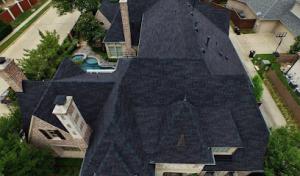
HUF Construction
(432) 296-8165 www.hufconstruction.com
2412 N Grandview Ave, Odessa, Texas
4.9 from 108 reviews
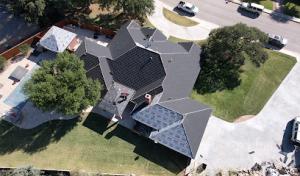
SunRey Technologies
(432) 348-2100 www.sun-rey.com
4037 E 42nd St STE 203, Odessa, Texas
4.9 from 52 reviews
#1Top Boss Roofing
(432) 307-9201 www.topbossroofing.com
2408 W 2nd St, Odessa, Texas
4.8 from 82 reviews
Odessa's contractor mix shows meaningful flat-roof specialization, reflecting the presence of low-slope residential additions and commercial-style roof systems in the local market. That mix means you'll encounter a wider range of membrane systems and flashing configurations than you might expect on steeper, traditional homes. When planning updates or repairs, prioritize contractors who demonstrate consistent experience with low-slope assemblies-especially those that understand both residential and small commercial membrane details. Fueling that expertise is knowledge of how these systems behave under Odessa's sun and storm patterns, so ask for a portfolio demonstrating successful long-term interventions on similar setups.
On low-slope roofs, intense sun exposure can accelerate membrane aging and make small drainage or flashing defects more consequential. In Odessa, a seemingly minor surface wear can translate into accelerated heat-related degradation or persistent membrane pinholes after a hail event. The key is proactive maintenance: inspect for edge warps, pulled seams, and compromised lap seals after seasonal heat spikes or hail seasons. Pay attention to curb flashings and penetrations, where heat cycles are most punishing. A quick, targeted inspection after extreme heat waves can catch issues before they escalate into costly leaks.
Low-slope roofs rely on precise drainage and robust flashing details to manage water movement. In this market, small drainage or flashing defects can become larger concerns due to the combination of sun exposure and wind-driven water movement during storms. Look for improper slope transitions, clogged scuppers, and fatigued sealants around terminations. Ensure that terminations at walls, chimneys, and parapets are mechanically secured and correctly sealed. When inspecting, verify that coping and drip edges are continuous and that any roof-to-wall transitions maintain positive drainage toward designated outlets.
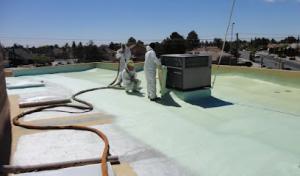
Roof coatings appear as a smaller but active specialty in Odessa, suggesting some owners pursue restoration on aging low-slope systems instead of immediate full replacement. Coatings can extend life by reflecting solar heat and sealing minor leaks, but they're not a universal fix. Evaluate coating compatibility with the existing membrane, the condition of any substrate, and the expected weather load. For coatings, prioritize systems with proven adhesion to the current membrane and that maintain flexibility under heat cycles. Regular re-application timing should align with performance data rather than a fixed calendar date.
Maintenance timing on low-slope roofs in this region hinges on heat-driven aging and post-storm checks. Schedule mid-season inspections after peak summer heat and after significant hail events to catch fast-moving wear. In Odessa, stability of edge details, vent flashings, and penetrations is often where leaks begin. Build a routine that focuses on seam integrity, flashing adhesion, and the condition of any coatings or sealants. A thoughtful maintenance cadence reduces the risk of sudden failures and supports longer service life for low-slope systems.
Find specialists in TPO, EPDM, and built-up flat roofing systems for residential and commercial properties.
HUF Construction
(432) 296-8165 www.hufconstruction.com
2412 N Grandview Ave, Odessa, Texas
4.9 from 108 reviews
ARC Restoration & SolarX
(432) 423-7663 www.arcxteam.com
3205 Kermit Hwy Ste 15, Odessa, Texas
5.0 from 12 reviews

Proclaim Roofing
(432) 756-7663 www.proclaimroof.com
4222 Wendover Ave #200, Odessa, Texas
4.2 from 16 reviews
The strong sun exposure in this area makes solar-related roof work locally relevant, but penetrations and attachment details need to be coordinated carefully during replacement. When a roof is being re-done after a storm or due to wear, plan for solar mounting points early in the project and confirm rafter spacing, underlayment seams, and edge flashing around panels. In practice, this means the contractor reviews the existing roof deck layout, ensures fasteners in the solar racking align with solid sheathing, and avoids retrofitting through compromised areas. The goal is a clean, watertight seal around every penetration, with corrosion-resistant hardware chosen for high heat and occasional hail exposure.
Skylight-related roofing work appears as a niche but active service in Odessa, which matters because leak diagnosis around curb and flashing details is often more specialized than standard shingle repair. When a skylight is being replaced or resealed, verify curb height, flashing transitions, and the compatibility of the new unit with the existing roof pitch. A common pitfall is mismatched curb seals or improper step flashing that creates a hidden path for leaks. If a skylight is added or moved during replacement, insist on precise shingle-to-flashing integration and a robust sealed joint where the curb meets the decking. Regularly inspect the skylight-to-roof interface after storms, particularly following hail events.
In Odessa's storm-prone environment, any existing rooftop penetrations should be documented before replacement so later leak disputes are easier to resolve. Create a concise map of vent stacks, antenna mounts, and skylight curbs, noting their condition and any prior repairs. This record helps both you and the contractor during the re-roof process and provides a reference if a leak is claimed months after a storm. The documentation should stay accessible in the project file and be updated if any penetrations are moved or altered.
Find contractors who integrate solar panels or solar shingles into your roof for long-term energy savings.
SunRey Technologies
(432) 348-2100 www.sun-rey.com
4037 E 42nd St STE 203, Odessa, Texas
4.9 from 52 reviews
ARC Restoration & SolarX
(432) 423-7663 www.arcxteam.com
3205 Kermit Hwy Ste 15, Odessa, Texas
5.0 from 12 reviews