Roofing in Vermont
Last updated: Feb 28, 2026
Vermont winters bite—deep snow, freezing temps, and wind that bites along exposed ridges. If you live here, you know how snow and ice can test a roof: ice dams at the eaves, gutters packed with ice, and freeze-thaw cycles that push shingles and flashing to the limit. Our climate also brings moss and damp growth on shaded slopes, plus the occasional hail or storm that can rattle a ridge vent. Many Vermont homes mix historic charm with modern efficiency, from cedar shakes on hillside cottages to metal roofs on newer houses. The right roof here isn't just about what looks good; it's about durability, energy efficiency, and how it stands up to long Vermont winters. As a local contractor who's spent years behind the ladder, I've seen how a thoughtful roof choice saves headaches—and money—when a cold snap hits.
On this Vermont page you'll find a practical guide that respects our climate and your budget. You'll learn how Vermont's weather drives material choices, what roof styles fit the state's architectural character, and what to expect for costs and permitting in different towns. You'll also encounter common Vermont-specific challenges—ice dams, moss or algae growth, wind uplift, and heavy snow loads—and simple, effective fixes, plus seasonal maintenance routines to keep your roof performing year after year. We'll offer guidance on smart timing for repairs versus replacement and tips for choosing a trustworthy local contractor who understands our hills and valleys.
Every recommendation here is tailored to Vermont's conditions and supported by local resources—your town's building department, weather and code considerations, and advice from licensed Vermont roofers who know our state's climate, terrain, and housing stock.
Now, let's start by looking at how Vermont's climate shapes the roof you choose and install.
Local Climate & Its Impact on Roofs
Winter Conditions in Vermont
Vermont winters are long and varied. Cold air settles in, and storms can bring heavy snow, sleet, and freezing rain. Higher elevations see more snow and higher wind exposure, while sheltered valleys can thaw a bit more during milder spells. Freeze-thaw cycles are common, bending and stressing roof components little by little. This combination means roofs must handle both constant cold and sudden warm spells that melt and refreeze near eaves.
- Typical winter conditions: long cold spells with significant snowfall, especially on exposed ridges and in the mountains.
- Freeze-thaw cycles: daily melt/refreeze can form ice pockets under shingles and in gutters.
- Wind and storms: high winds can drive wind-driven snow and create drifts that load certain roof areas more than others.
Snow Load & Ice Dams
Snow accumulation can create substantial loads on roofing, while ice dams trap meltwater and force it under shingles. The result can be leaks, shingle damage, and even rot in attic spaces if moisture penetrates the deck.
- Ice dams form when heat in the attic melts snow near the edges, which refreezes at the eave and creates a dam that backs up water.
- Leaks often show up at the edges or corners first, but can travel along roof lines and into walls.
- Repeated cycles of melting and refreezing weaken flashing and sealants over time.
Steps you can take (1–4):
1) Improve attic insulation to minimize heat in the attic that melts exterior snow.
2) Establish proper ventilation from soffits to the roof ridge to keep the roof cold in winter.
3) Install an ice-and-water shield along eaves and around roof penetrations to reduce water intrusion.
4) Use a roof rake from the ground to remove heavy snow safely; avoid climbing on a snowy or icy roof.
Warnings: ice dams pose a real risk of leaks and structural damage over time. If you notice persistent ice build-up, consult a licensed roofer to assess underlayment, flashing, and ventilation adequacy.
Roof Materials & Design for Cold Climates
Material choice affects how a Vermont roof handles snow, ice, and temperature swings.
- Asphalt shingles: common and affordable, but rely on good attic insulation and underlayment to resist damming.
- Standing-seam metal roofs: shed snow more readily and handle ice dams well, but require proper snow guards and flashing to control drainage.
- Wood shakes or slate: offer durability but may require more maintenance and higher upfront costs.
- Solar installations: integrate with ice dam prevention strategies but can add weight and require proper mounting.
Tips:
- Favor continuous underlayment and a robust ice barrier in eave areas.
- If you have a shallow or flat roof, consult a pro about drainage details to prevent ice backup.
Ventilation, Insulation & Attic Health
A healthy attic is your first line of defense against winter damage.
- Ventilation: ensure a clear path from soffits to ridge; blocked vents trap heat and melt snow at the top rather than the edges.
- Insulation: aim for high R-value in the attic to minimize heat loss; sealing air leaks around hatchways, light fixtures, and ductwork reduces warm air streaming into the attic.
- Deck and flashing: inspect for loose or damaged flashing where the roof meets walls or skylights; water intrusion often follows gaps in flashing.
Step-by-step upkeep (1–3):
1) Inspect insulation levels and seal air leaks in the attic.
2) Verify continuous soffit-to-ridge ventilation every fall and after major roof work.
3) Schedule periodic roof and flashing inspections after winter thaws or heavy storms.
Maintenance, Safety & Seasonal Checks
Proactive maintenance saves roof life in Vermont's climate.
- Gutter care: keep gutters and downspouts clear of leaves and ice to promote proper drainage.
- Snow management: plan for controlled removal before large storms; avoid leaving piles that form new ice dams.
- Regular inspections: have a professional inspect after heavy snow seasons or significant freezes, focusing on flashing, ridge vent, and underlayment.
Safety note: never climb onto a snow-covered or icy roof. Use a roof rake from the ground and hire a pro for steep slopes or high roofs.
Local Hazards & Official Resources
Warnings: ice dams, heavy snow loads, wind-driven snow, and occasional hail can threaten Vermont roofs. Structural damage and interior leaks are possible if issues go unaddressed.
Official resources:
- National Weather Service Burlington (weather hazards, winter storm advisories):
- Vermont public-facing energy and building guidance (code and efficiency):
- Vermont Agency of Natural Resources (general climate and watershed-related considerations for drainage and repairs):
Recommended Roofing Materials for Vermont
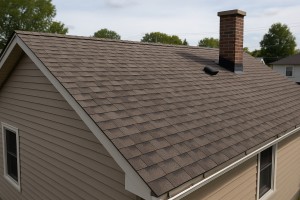
- Most homes in Vermont use architectural (dimensional) asphalt shingles for a solid balance of price, curb appeal, and performance.
- Look for products with good cold-weather performance and a long warranty. A 30-year or longer warranty and wind resistance ratings of 110 mph or higher are sensible targets.
- Install with a quality synthetic underlayment and an ice and water shield at eaves and along valleys to reduce ice dam risk.
- Pros: easy to repair, widely available, easy to replace in sections, wide color options.
- Cons: lifespan is shorter than metal or slate, especially in severe ice dam zones if not properly ventilated.
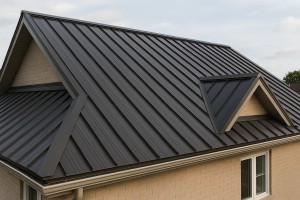
- Standing-seam or engineered metal roofs excel in Vermont's snow and freeze–thaw cycles.
- Longevity often 40–70 years with minimal maintenance, excellent snow shedding, and high wind resistance.
- Choose steel or aluminum with a factory finish and consider snow guards if you have heavy snowfall.
- Consider attic insulation and ventilation to minimize noise and condensation; metal can be noisier during rain or hail without adequate insulation.
- Pros: long life, low maintenance, energy efficiency; Cons: higher upfront cost, more rigid color and profile choices.
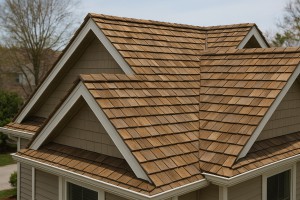
- Natural wood looks are a favorite for historic or rustic Vermont homes.
- When properly installed and maintained, cedar can last several decades, especially if kept dry and treated against rot and insects.
- Moss, mold, and rot are common in shaded or damp pockets; periodic cleaning and resealing help.
- Fire resistance varies by treatment and local codes; ensure fire-rated options if required by your area.
- Pros: unique curb appeal, good insulation value; Cons: higher maintenance, moisture sensitivity, higher cost than asphalt.
Slate and Synthetic Slate
- Slate is legendary for longevity and performance in freezing climates; some roofs still exceed a century with minimal issues.
- Slate is very heavy and requires structural assessment; installation is specialized and costly.
- Synthetic slate options mimic the look with lighter weight and easier installation; still pay attention to warranty and color stability.
- Pros: exceptional durability, excellent freeze–thaw performance; Cons: cost and structural requirements.
Other Options and Considerations
- Low-slope or flat roofs: EPDM, TPO, or multi-ply membranes work well on garages or additions; ensure proper slope and flashing.
- Composite or synthetic options: Polymer or fiberglass products can mimic slate or shake with reduced weight and installation complexity; often more resistant to moss and rot than natural materials.
- Local factors: consider storm history, wind zones, and tree coverage when choosing color and profile to minimize wind-driven debris or moss growth.
Ice Dam Protection and Ventilation
- Ice and water shield along eaves and in valleys is a must in Vermont to mitigate ice dams.
- Ensure full attic ventilation and adequate insulation to keep roof planes cold and reduce meltwater that refreezes at eaves.
- Verify proper ridge and soffit ventilation, plus baffles where needed, so warm attic air doesn't back up onto the roof deck.
- For snow-heavy sites, plan for snow guards or barriers to protect gutters and lower edges.
Structural and Installation Notes
- Heavier options (slate, some cedar, certain metal profiles) require a structural evaluation to confirm the roof can carry the load.
- Hire a local contractor with Vermont experience to address snow loading, wind zones, and building code requirements.
- In drought-free winter zones, ensure fasteners and flashing are corrosion-resistant and rated for freeze–thaw conditions.
Which material is best for Vermont homes?
- There isn't a one-size-fits-all answer. For many homeowners, architectural asphalt shingles provide reliable performance at a reasonable price. If you have the budget and a roof that can handle the weight, standing-seam metal offers outstanding durability and snow-shedding. Historic or scenic homes may benefit from cedar or slate for aesthetic and longevity, provided the structure and maintenance plan support them. Synthetic slate or shakes offer a middle ground between cost, weight, and look.
Popular Roof Styles & Architectural Trends in Vermont
Classic Vermont Roof Shapes
- Gable roofs with dormers: The timeless Vermont silhouette combines a steep pitch for snow shedding with dormers that add usable attic space and daylight.
- Saltbox-inspired forms: Long, low rear slopes paired with a high, front-facing gable create historic charm and good rain/snow drainage.
- Hip roofs: Slightly more complex, but highly wind-resistant and well suited to rural, cottage-style homes found across the state.
- Gambrel barn-tlet adaptations: In barns and converted spaces, a gambrel roof maximizes interior volume while preserving a rustic Vermont character.
These shapes emphasize snow shedding, interior usability, and curb appeal that fits both historic houses and modern cottages.
Materials Popular in Vermont
- Asphalt shingles (architectural or dimensional): Still the workhorse for cost-conscious homeowners. Look for thicker overlays and warranties built for cold climates.
- Metal roofing: Steel or aluminum panels excel at shedding heavy snow, handle temperature swings, and offer long life. Color choices also help with heat reflection in sunny winters.
- Cedar shakes: Rustic, natural look that matches forested Vermont neighborhoods. Requires regular maintenance and treatment, but ages beautifully when cared for.
- Slate and synthetic slate: Premium feel and longevity, with excellent wind and snow performance. Heavier to install and pricier, but ideal for historic or high-end homes.
- Composite/engineered shingles: A versatile, less-maintenance option that can mimic wood or slate while improving impact resistance and wind performance.
Tip: In snowy valleys and mountain towns, many homes pair a durable base material (metal or architectural asphalt) with accent accents (cedar or slate) to strike a balance between aesthetics and practicality.
Snow and Ice Management Essentials
1. Ensure adequate roof pitch and drainage: Steeper pitches help shed snow and reduce ice dam risk.
2. Install ice and water shield along eaves: A thick barrier protects vulnerable areas from ice damming.
3. Use snow guards or snow stops: These help control where snow slides off, protecting walkways and landscaping.
4. Prioritize attic insulation and venting: A well-insulated, vented attic keeps roof temperatures closer to ambient, reducing meltwater.
5. Consider heated cables as a backup: Use selectively for problem areas or long driveways where ice buildup is frequent.
These practices are particularly important for Vermont winters, where rapid freeze-thaw cycles and heavy snowfall are common.
Energy Efficiency & Solar Readiness
- Look for roofs designed for solar integration: Flat or low-hip roofs with strong structural support simplify mounting and future panel upgrades.
- Favor continuous insulation and vented roof decks: Keeps the attic cooler in summer and drier in winter, improving system efficiency.
- Favor light-colored or reflective shingles in sunny exposures: Reduces heat gain on south-facing slopes while preserving winter comfort.
- Plan for micro-siting: Allow space on the roof for future solar racking or skylights without compromising aesthetics.
These trends reflect a pragmatic approach: maintain Vermont's iconic look while improving energy performance and long-term value.
Design Details for Vermont Homes
- Dormer variety: Different dormer styles (fetching gable, shed, or little eyebrow dormers) add character and usable space without overburdening the roof system.
- Overhangs and soffits: Moderate overhangs protect walls from moisture while letting the roof breathe; ensure proper insulation at eave lines.
- Color and texture pairings: Earthy tones (deep greens, charcoal, slate) with natural wood accents echo Vermont's forested landscape.
- Historic preservation considerations: When remodeling a historic home, match the roofline and materials to maintain character, while updating underlayment, flashing, and insulation for modern performance.
Maintenance and Longevity Considerations
- Schedule annual inspections after winter: Check flashing, gutters, and snow guards for damage or detachment.
- Clean gutters and downspouts before spring thaw: Prevents ice dam buildup during melt seasons.
- Re-seal and treat cedar regularly: Prolongs life and preserves appearance in the damp climate.
- Match underlayment to climate: A cold-weather, moisture-resistant underlayment extends roof life.
These practical choices help Vermont homeowners balance tradition, performance, and value across the state's varied towns and landscapes.
Average Roofing Costs in Vermont
Typical price ranges by material
- Asphalt shingles (standard 3-tab): $3.50–$6.50 per sq ft installed
- Architectural asphalt shingles: $4.50–$7.50 per sq ft installed
- Metal roofing (steel or aluminum): $8–$14 per sq ft installed
- Cedar shake: $7–$12 per sq ft installed
- Slate: $15–$40 per sq ft installed
- Composite/synthetic options: $6–$12 per sq ft installed
- Removal of old roof: $1.50–$3.50 per sq ft (additional if access is difficult or debris disposal is costly)
Typical total project costs by roof size (installed)
- 1,000–1,200 sq ft (roughly 10–12 squares): asphalt $7,000–$12,000; architectural $9,000–$16,000
- 1,500–2,000 sq ft (15–20 squares): asphalt $11,000–$20,000; architectural $14,000–$28,000
- 2,500–3,000 sq ft (25–30 squares): asphalt $17,000–$28,000; architectural $22,000–$40,000
Notes: these ranges assume standard pitches and typical access. Premium materials, complex geometry, or substantial structural work can push costs higher. Permits, disposal, and added enhancements (ice-dam barriers, ventilation upgrades) are usually extra.
Style and architecture impact costs
- Steep pitches add labor time and safety measures; expect higher per-square-foot rates
- Dormers, multiple ridges, or complex rooflines increase roof-cutting, flashing work, and waste handling
- Barns, sheds, and detached structures may be priced separately due to access and scope
- Historic or specialty materials (slate, copper accents) carry premium installation costs and longer lead times
Vermont-specific considerations that drive cost
- Ice dam prevention and protections: most Vermont jobs include ice/water barriers along eaves and valleys; heater cables in valleys are a later, optional add-on
- Snow loads and wind: higher design loads can necessitate stronger decking, anchors, and sometimes reinforced framing, influencing upfront cost
- Local availability: rural areas can have higher material transport and scheduling costs; urban or college-town markets (e.g., Burlington) may show tighter windows for timing
- Ventilation and insulation upgrades: energy code guidance in Vermont often recommends improved attic ventilation and insulation during a roof swap; these upgrades add cost upfront but save long-term energy
- Permits and inspections: some towns require permits for roofing work; fees vary by locality and may extend project timing
Quick planning steps to estimate your bill
1. Measure roof area in square feet, then divide by 100 to get approximate squares
2. Choose your material type and thickness (e.g., architectural vs. basic asphalt)
3. Decide on underlayment and ice-dam protection needs
4. Consider any roof extensions, dormers, or chimneys that add complexity
5. Get at least 3 local Vermont contractor quotes and compare warranties, not just price
Local considerations by location
- Burlington-area homes: often see higher bids due to demand and urban logistics; asphalt and metal are common choices
- Rural Vermont: cedar shakes or metal roofs on barns and outbuildings are prevalent; access and disposal fees can swing totals
- Historic neighborhoods in small towns: may require matching materials or restoration-grade installation, increasing both material and labor costs
Common add-ons that affect the bottom line
- Ice dam prevention package: typically $500–$2,000 depending on roof size and eave length
- Enhanced ventilation or insulation upgrades: $1,000–$4,000 additional, depending on scope
- Roof penetrations (vents, skylights, chimneys) and specialized flashing: $200–$1,000+ each, contingent on complexity
Quick reference for homeowners
- Most Vermont jobs fall in the asphalt range for typical homes, with metal and cedar presenting mid-to-high premiums
- Complex roofs with dormers or steep pitches commonly push costs upward by 10–30% compared to simple, single-plane roofs
- Plan for seasonal timing: summer and early fall are generally the most budget-friendly windows, with winter projects facing higher labor risk and scheduling costs
Permits & Local Regulations
Do you need a permit for a roof in Vermont?
In Vermont, most roof replacements require a building permit from your municipal building department. But requirements vary by town. Some towns require a permit for any exterior roofing work; others only if you're altering the roof line, replacing sheathing, or changing ventilation or attic insulation. Before you start, contact your local clerk or building inspector to confirm whether a permit is needed and what forms are required.
What permits might apply
- Building permit: Most roof replacements, especially when structural components are changed or roof geometry is altered.
- Electrical/ventilation permits: If a vent fan, new attic venting, or any electrical work is part of the project, ensure these are properly permitted.
- Energy code compliance: Vermont enforces energy conservation standards (IECC) for renovations that affect insulation or ventilation. You may need to specify R-values and venting details.
- Historic/district approvals: If your home is in a local historic district or on a historic registry, you may need approval from the local historic preservation commission.
- Zoning considerations: Changes to roof footprint, drainage, or exterior appearance could trigger zoning review or neighborhood rules.
Step-by-step permit process (typical Vermont path)
1. Contact the local building department to confirm permit needs and the correct permit type.
2. Gather required information: project address, description, contractor details, job value, and any plans or sketches (simple drawings are often okay).
3. Submit the permit application and pay fees. Some towns offer online submissions; others require in-person visits.
4. Plan review: The building official will check for code compliance, drainage, and safety. Be prepared to answer questions or provide additional detail.
5. Schedule inspections: Common sequences include an inspection during major framing or underlayment work and a final inspection after completion.
6. Coordinate with utilities and any applicable homeowners' association rules.
Special considerations
- Historic districts: Check with the local historic preservation office for guidance on color, materials, and appearance. You may need approved samples or color approvals.
- Energy efficiency: If you're upgrading attic insulation or ventilation, provide documentation showing compliance with the adopted energy code.
- Lead paint and asbestos: For homes built before 1978, plan for lead paint precautions. If asbestos-containing materials could be disturbed, hire qualified abatement professionals.
- Weather window and timelines: Some towns restrict outdoor work during winter months or severe weather; plan permit timing around seasonal conditions.
- Debris and waste management: You may need to address debris disposal or containment, especially near roads or property lines.
Quick checklist to speed things up
- Confirm permit requirements with your town first.
- Have the contractor's license/insurance information and proof of workers' comp ready.
- Prepare simple roofing specs (materials, underlayment, flashing, ventilation).
- Note any energy code implications (insulation or venting changes) and be ready to provide a compliance path.
- Ask about inspection timing and what documentation to present at each inspection.
Documentation to keep on hand
- Permit approvals and inspection reports.
- Material certifications (underlayment, shingles, flashing).
- Change orders or amendments to the permit scope.
- Inspection pass certificates for code compliance.
Common Roofing Problems in Vermont & Solutions
Ice dams, icicles, and heat loss
In Vermont, warm attic air can melt snow on the roof, which refreezes at the eaves to form ice dams and heavy icicles. Damaging meltwater can back up under shingles and into the attic.
Solutions:
- 1) Improve attic insulation and air sealing. Target attic insulation (R-38 to R-60) and seal around penetrations, outlets, and the attic hatch.
- 2) Ensure proper ventilation with continuous soffit and ridge vents; use baffles to keep airflow unobstructed.
- 3) Safely remove fresh snow from the roof edge with a roof rake from the ground; never climb on icy sections.
- 4) Use calcium chloride ice melt in a sock along the dam or hire a pro for dam removal if it's large; avoid placing rock salt directly on shingles.
- 5) Inspect flashing around chimneys and vents and replace damaged flashing to reduce meltwater entry.
Snow load and ice accumulation
Heavy Vermont snows add stress to roof decks and can hide leaks until spring.
Solutions:
- 1) Have your roof and structure evaluated if you live in an older home or have a shallow roof pitch; consult a structural pro if you suspect inadequate support.
- 2) After significant snowfall, remove loose snow from the eaves with a roof rake to reduce weight and ice dam risk.
- 3) Install snow retention devices (guards) on higher-pitched roofs to prevent large avalanches on lower sections and walkways.
- 4) Keep gutters and downspouts clear so meltwater can drain away instead of pooling near the fascia.
Leaks around flashing, chimneys, and vents
Deteriorated or improperly installed flashing is a common Vermont culprit for interior water damage.
Solutions:
- 1) Inspect and replace deteriorated step flashing around chimneys and along transitions; seal joints with compatible roofing sealant.
- 2) Re-flash vent pipes and dormers as needed; ensure collar seals are intact.
- 3) Repoint or reseal chimney mortar and address any brickwork gaps.
- 4) If leaks persist, call a licensed roofer to locate the exact source and perform a proper repair.
Moss, algae, and organic growth
Wet Vermont summers and shade promote moss, algae, and lichens, which trap moisture and lift shingles over time.
Solutions:
- 1) Gently remove moss with a plastic scraper; avoid pressure washers that can damage shingles.
- 2) Apply zinc or copper strips along the ridge to inhibit regrowth; replace any damaged flashing.
- 3) Trim overhanging branches to reduce shade and debris accumulation.
- 4) Use a roof-safe cleaning solution and rinse thoroughly; never apply harsh chemicals near plants or gutters.
Damaged or aged shingles
Curling, cracking, or missing shingles accelerate leaks and wood deck exposure.
Solutions:
- 1) Replace damaged shingles promptly; keep a few matching remnants for future repairs.
- 2) Check for loose nails and reseal with the correct sealant or resealant-approved asphalt cement.
- 3) Maintain gutters and downspouts to prevent water from backing up onto the roof.
- 4) If many shingles are worn, plan a professional roof evaluation and potential replacement.
Gutter and drainage problems
Clogged or sagging gutters allow water to back up onto the roof and fascia, speeding deterioration.
Solutions:
- 1) Clean gutters and downspouts at least twice a year and after heavy storms.
- 2) Install gutter guards to reduce debris buildup.
- 3) Ensure downspouts extend away from the foundation to prevent basement moisture.
- 4) Repair or replace sagging or rotted fascia boards to maintain proper drainage.
Attic condensation and poor ventilation
Insufficient ventilation leads to condensation, mold risk, and accelerated roofing wear.
Solutions:
- 1) Add or correct soffit and ridge vent balance; check for insulation blocking vents.
- 2) Increase attic insulation where needed to minimize warm-air leakage into the attic.
- 3) Use a dehumidifier or controlled exhaust in humid months if condensation persists.
- 4) Schedule a pro assessment if condensation continues despite these measures.
Maintenance & Repair Tips for Vermont
Seasonal maintenance checklist
- Fall: Inspect attic insulation and air sealing; clean and inspect gutters; trim branches overhanging the roof; check flashing around chimneys, vents, and skylights; schedule a professional roof inspection if you notice curling shingles or exposed nails.
- Winter: Monitor for icicles and ice dams; use a roof rake from the ground to remove loose snow; keep walkways clear and avoid stepping on the roof; ensure heat sources and attic vents are not blocked.
- Spring: Look for winter damage after thaw cycles; clean gutters and downspouts; check for moss, algae, or shingle granule loss; reseal any flashing joints as needed.
Snow, ice, and ice dam prevention
- Improve attic insulation and seal air leaks to keep warm attic air from melting snow at the eave.
- Ensure soffit vents and ridge vents are clear and functioning to promote continuous ventilation.
- Consider downstream heat cables only where permitted and install per manufacturer instructions; avoid overloading gutters with heat tape.
- Use a roof rake to remove accumulated snow from the eaves and lower slopes after heavy storms, keeping injuries and ice dam risk down.
- Address ice dams early by temporarily brushing away packed ice near the gutter line from the ground; for persistent problems, call a pro to install ice/water shield in problem areas.
Attic insulation and ventilation in Vermont
- Prioritize a well-sealed attic: seal gaps around chimneys, plumbing stacks, and attic hatches to reduce warm-air leakage.
- Aim for robust insulation depth in the attic (target premium insulation levels appropriate for Vermont winters) and maintain a balanced venting plan: soffit intake plus ridge or roof vents to prevent condensation.
- Keep attic access doors well insulated and weather-stripped; avoid blocking soffit vents with stored items.
- Consider an energy audit if you notice drafty rooms or high heating bills; small improvements can significantly impact roof temperature and moisture control.
Gutter and drainage care
- Clean gutters in the fall and after heavy leaf drops; check for loose brackets and reseating nails.
- Install debris screens to reduce clogging and downstream ice buildup.
- Ensure downspouts direct water at least 3–4 feet away from the foundation; extend or divert where necessary to prevent basement dampness.
- In snowy areas, keep an opening at low points to prevent standing water from refreezing into ice buildup.
Roof repair basics for Vermont homes
- Common issues: missing or curling shingles, lifted flashing around chimneys and vents, worn valleys, and hail or wind damage after storms.
- Temporary fixes: use roofing cement or a patch strip for minor leaks; cover with a heavy-duty tarp if a rain event is imminent and the leak is significant.
- For structural concerns (sagging decks, loose rafters, or extensive flashing failure), call a licensed roofer promptly; Vermont winters demand proper assessment before heavy snows.
Safe repair steps and emergency measures
1) From the ground, inspect for obvious leaks or missing shingles after a storm; avoid climbing on a slick roof.
2) If safe, place a sturdy ladder, use roof jacks, and wear a harness; never work alone in icy conditions.
3) Patch small leaks with compatible roof sealant or cement on dry surfaces; avoid solvent-based products near vents.
4) Apply a temporary tarp or plywood shield over damaged areas to control water intrusion until a professional can complete repairs.
5) Schedule permanent repairs after temperatures rise and conditions are safer; document damage with photos for insurance and contractor estimates.
Materials considerations for Vermont climate
- Asphalt shingles: Affordable, easy to repair, and suitable for most Vermont homes; choose products with good wind and impact resistance for strong Nor'easters.
- Metal roofs: Excellent snow shedding and longevity; add snow guards in regions with persistent drifts to protect eaves and people below.
- Cedar shakes: Pre‑treatment and regular maintenance help resist moisture; ensure proper installation to reduce warping in freeze–thaw cycles.
- Slate: Durable but heavy; require a strong underlying structure and professional installation, ideal for long-term resilience in cold climates.
Regular inspections after big storms
- After heavy snow, ice, or wind events, visually inspect for lifted flashing, loose edges, or missing granules; address issues promptly to prevent water intrusion during melt periods.
When to Repair vs. Replace
Vermont climate considerations
- In Vermont, freeze-thaw cycles, heavy snowfall, and ice dams shape roof performance. Repairs that don't address underlying moisture and insulation issues tend to fail again after a few winters.
- If you've had recurring ice dam leaks, consider that a replacement paired with improved attic insulation and venting may prevent future damage more reliably than patching the same spot year after year.
- Structural safety matters in Vermont homes: sagging decks or visibly warped framing deserve a thorough assessment before patching, especially where snow loads add stress.
When to repair
- Localized leaks or damaged flashing: small gaps around chimneys, vents, or skylights, and loose flashing can usually be sealed or re-sealed without a full roof replacement.
- A few missing or curled shingles: isolated issues over a limited area can be addressed with targeted shingle replacement or resealing.
- Dry, undamaged decking: if the roof deck shows no rot or warping, a repair can restore protection without sacrificing most of the roof's life.
- Short remaining life on the roof: if the majority of the roof is healthy and has many years left, repairs are sensible to buy time.
- Ice dam-related leaks limited to one or two spots: fixes that improve ventilation and insulation in the attic, plus proper underlayment, can stop recurring leaks in those areas.
- Aesthetic or minor performance improvements: if you're updating color, patching a few spots, or eliminating a small leak to extend service life, repair is appropriate.
When to replace
- Widespread damage or multiple leaks: leaks appearing in many areas, or a roof that's been repeatedly repaired in the past few years, signals that a replacement is more cost-effective long term.
- Significant deck damage or rot: rotten or warped roof decking across large sections undermines structure and safety; replacement is the safer option.
- High roof age: asphalt shingles commonly reach the end of their useful life after 20–25 years; other materials have different timelines, but when aging roofing coincides with repeated issues, replacement makes sense.
- Large scale shingle failure: extensive curling, blistering, or loss of protective granules across most of the roof indicates the material is near the end of its life.
- Persistent ice dam problems: if addressing insulation, ventilation, and underlayment still yields frequent leaks, a full replacement with better climate-specific components reduces risk.
- Material upgrades for climate: Vermont winters benefit from robust underlayment and ventilation. If your plan includes upgrading to a more durable or energy-efficient system (e.g., metal, high-performance underlayment, or better insulation), replacement is the right time.
- Structural concerns or weight issues: if the roof structure or framing is undersized for current snow loads, replacement with a stronger system or different roofing type may be necessary.
Quick decision steps
1) Inspect and document damage: note which areas leak, how severe, and whether decking shows rot.
2) Get 2–3 professional evaluations: ask for written assessments of repair versus replacement, plus expected lifespans.
3) Compare longevity and cost: weigh the immediate cost of repair against the long-term protection and reduced risk of replacement.
4) Consider upgrades: evaluate opportunities to improve insulation, ventilation, and underlayment during replacement.
5) Account for climate reality: factor in Vermont winters, snow loads, and potential future ice dam scenarios when choosing.
Vermont-specific decision tips
- Work with contractors who know cold-weather installations and use climate-rated underlayment.
- Prioritize attic air sealing and insulation as part of any replacement plan to prevent future ice dams.
- If you're considering metal roofing or a heavier system, ensure the structure and support framing are evaluated for snow load demands.
- Budget for contingencies: winter weather can delay work, and proper installation in cold temperatures requires planning and timing.
When to Hire a Professional
- Active leaks or water stains on ceilings or walls
- Missing, curling, buckling, or severely damaged shingles after a storm
- Visible signs of structural damage: sagging decking, creaking sounds, or abnormal roof movement
- Ice dams with water backing up under shingles or icicles pulling gutters and flashing away
- Damaged flashing around chimneys, vents, or skylights
Vermont-specific weather timing
- Winter work can be risky: heavy snow, ice, and cold temps slow work and increase fall hazards. If you can, schedule major roof work in late spring, summer, or early fall when conditions are safer and easier to manage.
- Urgent winter repair: temporary fixes (tarps, patching, or debris containment) may be needed to stop leaks, followed by a proper replacement when weather allows.
- Ice dam mitigation is a Vermont priority: ensure any contractor includes ice-and-water shield at eaves and improved attic ventilation to reduce recurring issues after heavy snows.
What a Vermont roofing pro should handle for you
- Thorough inspection for leaks, wind damage, hail impact, and overall structural integrity
- Specific plan to prevent ice dams and manage snow load, tailored to Vermont conditions
- Permitting: the pro should handle or confirm all required permits and inspections per your town's building code
- Materials and installation appropriate for cold climates: cold-weather underlayment, roof venting assessment, and durable fasteners for snowy seasons
- Ice dam prevention and proper flashing around protrusions (chimneys, skylights, vents)
- Safe debris removal and responsible disposal or recycling of old materials
- Clear, written warranty covering both materials and workmanship
How to evaluate a contractor in Vermont
- Insurance and credentials: request current general liability and workers' compensation certificates
- Local licensing and permits: verify whether your town requires a contractor license or permit, and check the contractor's status
- Local references and portfolio: seek recent Vermont installations in snowy climates; ask about performance in winter conditions
- Snow-load and ice-dam experience: confirm they've addressed ice dams and snow load in past projects
- Written bids: obtain at least 3 bids with a clearly defined scope, materials, and warranty terms
- Manufacturer certifications: look for installers with manufacturer training (e.g., GAF, CertainTeed, metal roofing manufacturers)
- Permits and timeline: ensure the contractor will handle permits and provide a realistic schedule
- Warranty details: understand both material warranties and workmanship guarantees; check transferability
Questions to ask during the bid
- How will you protect landscaping and ensure safe access in winter conditions?
- What is your approach to ice dam prevention and attic ventilation improvements?
- Which underlayment, flashing details, and fasteners will you use for Vermont winters?
- Do you handle debris disposal and recycling of old materials?
- What are the warranty terms for workmanship and materials? How do you process warranty claims?
Steps to hire a pro (practical, simple)
1) Gather at least 3 written bids from Vermont-based contractors with local references
2) Verify insurance, licensing (per town requirements), and references
3) Confirm who handles permits and the expected timeline
4) Review the written scope, materials, and warranties; add a detailed change-order clause
5) Schedule work for safe weather; establish a clear payment schedule
6) After completion, verify warranty registration and inspect for proper installation and cleanup
Putting A Lid On It: Roof Maintenance, Repair, and Replacement in Vermont
Vermont winters bring heavy snow, ice dams, and fierce winds that test every roof to its limit. The freeze-thaw cycle can loosen shingles, lift flashing, and push water into vulnerable seams. Add spring rains and fall leaves, and even well-built roofs need regular attention to stay dry and durable.
Regular maintenance isn't flashy, but it's the best form of insurance you can buy. A little effort each season prevents leaks, preserves insulation, and extends the life of your roof. An annual walk-around—whether you do it yourself or have a trusted local roofer perform it—helps you catch problems early and stay ahead of costlier fixes.
Seasonal checks you can lean on
- Spring: after the worst of winter, inspect for damaged shingles, loose flashing around chimneys and vents, and any staining inside the attic. Clean gutters and remove debris that can trap moisture.
- Summer: watch for moss or algae growth, especially on shaded sections. Ensure proper attic ventilation and insulation to reduce condensation and heat buildup on the decking.
- Fall: clear gutters and downspouts, remove fallen branches, and check eaves for ice-dam readiness. If you have snow guards or barrier shingles, verify they're secure as you head into snowfall.
- Winter readiness: avoid climbing on a slick roof; use a roof rake from the ground to clear light snow buildup. If you see signs of ice damming or leaks, contact a licensed roofer promptly.
Common Vermont concerns and practical responses
- Ice dams and moisture intrusion: ensure adequate attic insulation and venting; consider an ice and water shield along eaves and vulnerable valleys.
- Wind and storm damage: inspect for lifted shingles, damaged flashing, or displaced vents after big storms.
- Moss, algae, and pine debris: keep roofs and gutters free of organic matter that traps moisture; address staining early to protect shingles.
- Snow load: ensure your structure and fasteners are appropriate for typical Vermont snowfall; discuss structural upgrades with a pro if you've noticed recurring issues.
When to call a professional
If you notice ongoing leaks, widespread shingle failure, sagging, or persistent ice damming despite basic maintenance, it's wise to consult a licensed roofer. A local expert can assess framing, flashing, ventilation, and underlayment, and help you decide between repair and replacement with Vermont-weather-informed guidance.
A durable, beautiful roof is within reach for Vermont homes. With thoughtful upkeep, sensible material choices, and a trusted local pro when needed, you can enjoy long-lasting protection and a roof you're proud of—and a neighborly sense of confidence that comes from looking out for one another. Here's to many warm, dry winters under a lid that stands up to our remarkable Vermont seasons.
