
Last updated: Apr 19, 2026
In this high-desert environment, roofs endure a relentless cycle: strong sun at altitude, biting winds, and deep freeze-thaw swings. The sun's UV rays bake surfaces, while winter cold causes materials to contract and expand repeatedly. That combination-sun, wind, and freeze-thaw-drives wear differently than a humid, coastal climate. This is not about leaks alone; it's about brittleness, sealant fatigue, and flashing movement aging the roof from the top down. The most vulnerable components are those exposed to sun and wind: ridge caps, penetrations, flashing at hips and valleys, and the top surface of shingles or panels.
Shingle and panel surfaces reveal wear patterns most evident after a few seasons of this climate. Asphalt and synthetic shingles may become brittle at the edges where UV exposure is highest, showing hairline cracks that can propagate under wind-driven rain and snow. Metal roofing can suffer from metal fatigue and paint chalking where wind-driven dust acts like sandpaper, especially on southern exposures. Tile roofs-whether clay or concrete-face UV-driven glaze wear and faster substrate movement under freeze-thaw cycles, which can lead to microcracks or broken tiles after winter storms. Wood shingles and shakes show accelerated drying and checking from sun exposure, followed by rapid expansion in response to moisture, then contraction in cold snaps. In all materials, the sealants around flashings and penetrations age faster than the field of the roof, creating the most common failure points in a dry, cold semi-arid climate.
Replacement timing hinges on three intertwined realities: material brittleness from sun exposure, sealant fatigue from repeated thermal cycling, and flashing movement caused by edge settlement and wind uplift. In practice, a roof that seems fine after a spring inspection may reveal its true age after a cold snap or a windy winter storm. Look for brittle edges, granule loss in shingles, and sealant cracks around chimney and vent penetrations. When a roof shows widespread granule loss, persistent drying out of sealants, or consistent movement at flashings during seasonal transitions, it's a sign that the underlying substrate has endured significant stress. The life expectancy of a roof in this climate is not only about leaking; it's about maintaining the integrity of the surface and the safety of the attic ventilation system as the materials become less capable of handling expansion and contraction without damage.
Establish a seasonal inspection cadence that aligns with the severe swings in this area. After the first thaw in spring, check for lifted granules, curling edges, and any soft spots on the roof surface. In late summer, inspect for sun-damaged edges and any loose fasteners that may have loosened under heat and wind. After heavy snows, examine the roof from the ground and, if safe, from the attic access, looking for daylight through the decking and for any frost-related condensation that could indicate insulation or ventilation shortfalls. Pay particular attention to penetrations around plumbing vents, skylights, and roof-to-wall transitions where flashing is most susceptible to movement with temperature changes. If a crack or gap appears at any flashing seam, treat it as an urgent signal to re-seal or re-flash before the next winter extremes.
When selecting materials, consider how they respond to the cycle of expansion and contraction. Shingles with UV-stabilized granules and thicker, more flexible asphalt or synthetic layers tend to hold up better under intense sun and cold nights. Metal roofs should be evaluated for coating durability and edge detailing to resist wind uplift and chalking. Clay and concrete tiles must be installed with generous substrate movement allowances to absorb thermal stress without cracking. Wood shingles and shakes benefit from thicker profiles and proper sealing, paired with a roof deck that remains well ventilated to slow saturation and drying cycles. In all cases, ensure fastener patterns and flashing designs accommodate movement without compromising waterproofing.
Ventilation is a quiet but decisive defender against brittle failures. A well-vented attic reduces heat buildup that accelerates UV degradation and simplifies the slide between expansion and contraction. Ensure ridge vents, soffit vents, and baffles provide steady air movement; blocked or inadequate ventilation accelerates material fatigue and sealant breakdown. Pay close attention to how the attic space is conditioned relative to the roof deck and ensure insulation does not trap moisture that could worsen freeze-thaw damage. At transitions and along valleys, maintain continuous, flexible sealants and proper flashing materials designed for high-desert climates to minimize movement-induced leaks.
Given the climate's demand, establish a routine that includes cleaning debris from roof surfaces, checking sealant joints after winter, and re-fastening any loose screws or nails on exposed edges before spring winds return. Keep tree branches trimmed away to reduce wind-driven debris strikes and minimize puncture risk to softer surfaces. When inspecting, use safe access practices and avoid stepping on weak spots; for those with flat or low-slope sections, consider temporary protection during storm seasons to prevent wind uplift damage.
Spring in this high-desert area brings sudden gusts and hail that can slam roofs without warning. When a contractor tries to tear off and re-sheet in a narrow weather window, a hail event or a mid-day gust can force a stoppage, leave the underlayment exposed, and set back progress for days. You need a plan for rapid scheduling and temporary protective measures if a storm rolls in-tarps ready, crews with secure edge protection, and a pace that matches Wyoming wind patterns rather than a calendar. Insurance-driven demand spikes can hit quickly after a hail report, so be prepared for back-to-back supplier calls and scheduling squeezes. If you see hail on the radar during spring, expect the crew to pause, reassess shingle seating, and verify flashing details once the wind drops enough to safely continue. The risk is not just weather; it is the erosion of a tight tear-off window that can drive delays and rework if underlayment or vent openings get exposed to sun and wind.
Winter snow and freezing temperatures in this region can stall installation windows and complicate how shingles seal or how flashing details are completed. Freeze-thaw cycles stress edges and hips, so crews prioritize proper sealing during a short, workable day. If snow blankets the roof, crews must clear it safely and re-evaluate the roof deck condition before sealing valleys and step-flashing. Cold temperatures slow adhesive and sealant cure times, so plan for the possibility that a late-day temperature swing keeps sealing tasks until frost cycles ease. Flashing around chimneys, vents, and skylights requires careful attention in winter, because a rushed job in cold air invites leaks once the sun reappears and moisture moves within the wall. Scheduling flexibility matters: you want a solid block of dry, moderate days rather than a handful of sunny-but-cooling days that force rushed flashing.
Summer heat and UV exposure accelerate surface aging and complicate work on exposed roofs. The sun-drenched ridge line and south-facing slopes burn crews and slow material handling as shingles become slick or stiff in high heat. Heat also dries asphalt faster, affecting installation timing and nail-down accuracy, which can undermine warranty-covered performance if fasteners back out or mis-seat. Plan for longer daily breaks, hydration on every shift, and shaded staging areas to maintain control of underlayment integrity and edge details. UV exposure stresses sealant longevity, so flashing corners and lap joints deserve extra inspection after the first few hot days. If a critical heat spell hits, you may see a temporary slowdown while decking temperatures normalize and crews coordinate longer, cooler dusk shifts to preserve seal quality. In all seasons, keeping a tight, weather-informed schedule is the key to avoiding wind-driven gaps, hail-related rework, or frost-induced leaks.
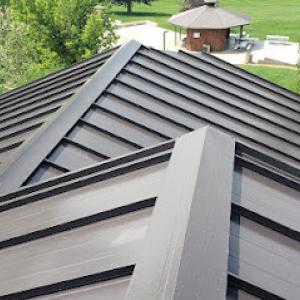
J & M Roofing
0 Marchant St, Rock Springs, Wyoming
5.0 from 19 reviews
we have a team ready to help you on your roof we are available to give you a quote as soon as possible and we adapt to all types of budget
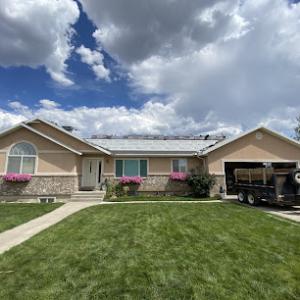
Roofing Specialists
(307) 922-3208 www.roofingsp.com
1993 Dewar Dr, Rock Springs, Wyoming
4.6 from 11 reviews
Roofing Specialists has been providing a quality roofing solution throughout southwestern Wyoming, since 2004. With over 50 years of combined experience among our employees, all work is performed up to code. Roofing Specialists was founded on the belief that our customers' needs are the most important, and our entire team is dedicated to meeting those needs. Because our work has a high-quality to it, most people hear about us from referrals by past customers. No matter how you found us, we welcome the opportunity to earn your trust as well, while giving you the best service found in the industry!
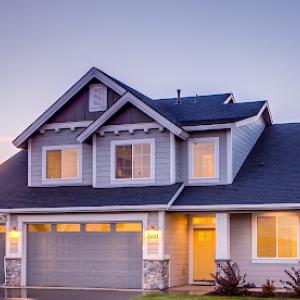
Rock Springs Roofing
(307) 242-5133 www.rockspringsroofing.com
Rock Springs, Wyoming
5.0 from 3 reviews
We are a local professional roofing company with many years of experience. We have only the best contractors and use only the best materials to ensure you are happy with the finished product. Let us be your local roofing contractor.
Blatter Construction
108 Sweetwater Dr, Rock Springs, Wyoming
3.0 from 4 reviews
Welcome to Blatter Construction and J&J Sprinklers! Blatter Construction specializes in serving the Rock Springs/Green River areas with the highest quality service and over 35 years experience in roofing, construction and sprinkler service. We are the experts for roof coatings, metal and shingles, membrane roofing, and sprinkler repair. We will work on residential or commercial projects - no job is too big! Call today for an estimate!
Asphalt shingles are common here, and you'll see them on many homes near the Red Desert. The local freeze-thaw cycling and wind exposure make seal strip performance critical. Check for looser edges or curling along the eaves after winter storms, and watch for brittle shingles after severe cold snaps. If your flashing joints and valley intersections aren't sealed well, those weaknesses multiply with UV exposure and wind-driven rain. A quality, properly ventilated attic helps keep the deck temperature steadier and reduces shingle strain.
Metal fits the dry, sunny pattern well, but details matter in this climate. When you install metal, pay attention to through-fastener reliability and the underlayment choice to prevent wind uplift under gusts commonly blasting across exposed ridgelines. Snow movement matters too; ensure adequate clearance and secure any snow guards where you've got steep sections. Trim expansion can create gaps at edges, so allow for material contraction and use fasteners that tolerate temperature swings without loosening.
Clay and concrete tiles are available locally, yet their weight and vulnerability to freeze cracking demand careful substrate evaluation. The roof structure must carry the load with a margin for seasonal ice buildup. Substrate and rafter spacing should be checked by a qualified roofer to avoid sagging or cracking under freeze-thaw cycles. If you're in a wind-prone area, confirm properly sealed fastenings and edge clips to keep tiles from lifting during blowing snow events.
Wood products endure strong UV exposure in the dry air, which can dry and warp faster than in moister climates. If you choose wood, inspect regularly for splits, cupping, and surface checking after sun-heavy seasons. Proper coating, maintenance intervals, and kiln-dried stock help reduce rapid deterioration. In areas with hail or severe weather, wood can suffer faster from impact; consider sealant or alternative materials in those zones, and maintain a robust underlayment to buffer from rapid temperature changes.
Synthetic or composite shingles may appeal for their impact resistance and flexible performance. They handle UV and wind well when installed with correct underlayment and ventilation. Look for products with proven expansion and contraction performance, and ensure the trim and drip edge detailing accounts for the dry air's tendency to dry out seals. Quality installation matters here as much as material choice, given the climate's insistence on long-term seal integrity.
Typical local cost ranges are about $350-$700 per square for asphalt shingles, $700-$1200 for metal, $1000-$1700 for clay tile, $900-$1700 for concrete tile, $700-$1100 for wood shingles or shakes, and $800-$1500 for synthetic/composite shingles. In Rock Springs, those numbers hold but can shift up quickly after spring wind or hail events when labor availability tightens across Sweetwater County and nearby southwest Wyoming markets. If you're comparing bids, ask each roofer to separate material cost from installation and to explain how they'll handle wind-driven uplift details and freeze-thaw protections.
Material choice matters more in this high-desert setting. UV exposure and winter freeze cycles hammer roofs differently than in lower-desert or moisture-heavy climates. Asphalt shingles stay affordable, but you'll notice steeper pricing if you want better windscreens or longer warranties. Metal roofs add upfront cost but often pay back with fewer dramatic seasonal repairs and improved wind resistance. Clay and concrete tiles provide robust UV and wind performance, yet weight, retrofit needs, and potential breakage in hail influence total project scope and cost. Wood shingles or shakes offer a traditional look but can cost more to treat against UV wear and to address cracking from temperature swings. Synthetic/composite shingles deliver a balance of UV resistance and weight but can sit in the middle of the price spectrum.
Costs in Rock Springs can rise after spring wind or hail events when regional demand tightens labor availability across Sweetwater County and nearby southwest Wyoming markets. When choosing a roof, plan for more than the bare materials: fasteners, flashing, underlayment, and ventilation corrections tied to the existing attic layout can push the price higher if installers find a mismatch during evaluation. If you replace with a higher-end system to better resist wind uplift and UV wear, you'll likely see longer-term savings through fewer seasonal repairs and a lower maintenance cadence between replacements.
A full roof replacement in this area typically requires a building permit. The process is not something to treat as an afterthought, since pulling the right permit helps ensure the work meets local standards and passes the necessary checks. Missing or delayed permits can lead to work stoppages, penalties, and difficulties when you go to sell the home later. The Sweetwater County Building Department expects homeowners and contractors to follow the proper channels, so plan ahead and verify that the project has the green light before any shingles come off.
Inspections are scheduled through the Sweetwater County Building Department, and a final inspection is expected after the roofing work is completed. Scheduling ahead matters, especially when weather windows tighten in spring or fall. If the final inspection isn't signed off, the roof technically isn't finished, which can block warranty activations and complicate utility or insurance processes. Keep a clear line of communication with the inspector and your contractor to avoid last-minute surprises.
Permit submittals may need plan details plus proof of ventilation and appropriate flashing. In this high-desert climate, proper ventilation helps manage attic heat and moisture, which ties directly to long-term roof longevity under intense sun and wind. Flashing must be appropriate for the roof type and local conditions, and it should be inspected for secure attachment against wind uplift. Ensure the submittal package includes updated drawings or notes showing vent locations, ridge and eave details, and the chosen underlayment and drip edges.
Local amendments may address wind uplift expectations, which is especially relevant for roofing in the Rock Springs area. Wind can lift edges and cause fastener loosening if the system isn't designed for this environment. When preparing the permit package, verify whether any county amendments affect fastener spacing, flashing integration, or venting requirements. Align the roofing plan with those specifics to reduce the risk of issues during inspections and in the years that follow.
In Wyoming, insurers scrutinize hail and wind claims, and spring storms in Sweetwater County can create disputed damage timelines. If a roof shows a mix of wear and sudden impact, be prepared for questions about when damage occurred and how it progressed over seasons. Accurate documentation helps prevent surprise denials, and a clear narrative can save weeks of back-and-forth. Align expectations with the adjuster about recovery steps, and keep every exchange in writing.
Carriers commonly request photos, signed contracts, and a detailed project scope before approving or paying roofing claims. Have clear photos taken from multiple angles, including nearby structures and gutters that reveal saturation or debris impact. A line-by-line scope helps both sides avoid scope creep after the adjuster visits. Keep dates and records of any temporary repairs, and store receipts for materials or services that relate to wind damage or hail spotting. If a claim is paused, you'll want a centralized file to show progress and consistency.
Some Wyoming insurers tighten availability in rural areas, so Sweetwater County homeowners may need to think about insurability and roof condition before replacement becomes urgent. If a carrier hesitates, your roof's age, material, and current wind or thermal wear matter more than curb appeal. Maintaining a defensible aging profile helps when you seek coverage or settlement, and understanding carrier preferences for asphalt versus metal or tile can influence how the claim unfolds.
Before the claim, conduct a careful roof inspection with a local pro who understands the Red Desert exposure. Note wind-driven arc damage, granule loss, and frost-heave indicators, along with any sagging or lifted materials. Document annual maintenance and any previous repairs, including photos after each winter. When you file, present a cohesive narrative: storm events, elapsed time, and observed damage to avoid gaps that invite dispute, and keep a primary contact at the insurer for steady coordination.
In Rock Springs, repeated freeze-thaw cycles can open vulnerable transitions at flashing, penetrations, and roof edges even when the field roofing still looks serviceable. Start by inspecting all step and counter-flashing where walls meet the roof deck, around skylights, vents, and chimneys. If you notice hairline cracks, loose sealant, or metal flashing that's pulled away from the substrate, address it before water finds its way behind the surface. Pay particular attention to eave and rake edge details, where movement is most likely to create gaps that let ice and meltwater intrude. During replacement, specify flexible, UV-stable sealants and compatible flashing materials that can tolerate repeated freezing and expansion without cracking.
Strong sun exposure in this high-desert climate can dry and age exposed components faster than homeowners expect in a place that does not feel humid. Roof penetrations, vent skirts, and edge trim endure prolonged UV exposure, which accelerates weathering of seals, shingles, and underlayment underneath. If you notice powdering, curling, or fading on exposed components, plan for timely resealing or replacement of brittle materials. Consider selecting materials with proven UV resistance and surface coatings designed to hold color and flexibility in intense sun. Regular cleaning to remove dust and debris also helps slow UV-driven degradation.
Wind events in the area make edge securement and uplift resistance especially important failure points during both aging and replacement. Check gutters and fasteners along hips, ridges, and under soffit lines for looseness or corrosion. Edge metal and ridge cap should be continuous and well fastened with corrosion-resistant screws or nails specific to the chosen material. If the overhangs show signs of fluttering, fastener patterns may need tightening or upgrading to heavier clips. During replacement, ensure edge fasteners are rated for high-wind performance and that the installation method accounts for local wind directions and shear loads. Regular inspections after strong wind storms help catch loose edges before they escalate.