Roofing in Wyoming
Last updated: Feb 28, 2026
Wyoming's climate is a rugged partner to your roof: blistering sun in the high-desert stretches, deep freezes and heavy snow in the mountains, and sudden storms that bring hail and whipping winds. On a Cheyenne winter day, a roof that looks solid from the curb can hide ice dams, wind-driven debris, and temperature-induced wear. In summer, intense sun can age shingles faster, and the wide swings between seasons mean small issues can grow quickly if left unaddressed. Here, your roof is not just shelter—it's a critical line of defense against moisture, cold, heat, and wind.
This Wyoming page is written with homeowners in mind—practical, trustworthy guidance you can act on. You'll find a clear, neighborly approach to what matters most for this state: climate-aware maintenance, material choices that stand up to our weather, and roof styles that fit our local architecture. We touch on cost ranges, how permits and local regulations work, and the common problems we see on Wyoming homes—with straightforward fixes and smart preventive steps. We also cover tough decision points, like when a repair makes more sense than a replacement and when it's time to bring in a professional, all with your local context in mind.
All advice here is tailored to Wyoming's conditions and backed by local resources—trusted suppliers, county and city building departments, and practices that reflect our unique environment. You'll find practical checklists, seasonal maintenance reminders, and realistic planning tips you can use whether you're fixing a small leak, updating an old roof, or deciding on a total replacement. Our goal is to help you protect your home without overcomplicating the process or chasing every new trend.
Ready to dive in? We'll start by looking at how Wyoming's climate shapes your roof and your maintenance plan, then move into material choices, design trends, and the practical steps that keep your roof performing year after year.
Local Climate & Its Impact on Roofs
Wyoming's Climate Snapshot
Wyoming sits at elevation and with broad weather swings. Winters bring heavy snow, cold snaps, and strong winds; summers can be hot and dry. The state's high desert and mountain zones create microclimates, so what works in one town may differ in the next. This mix means roofs must handle big temperature changes, wind, and snow loading—year after year.
Key Climate Impacts on Your Roof
- Snow load and ice dam risk
- Heavy snowfall and rapid temperature shifts can create ice dams at eaves, leading to water back-up under shingles and into the attic.
- Wind uplift and gusts
- Open plains and canyon gaps can generate high winds that lift shingles, loosen flashing, or blow debris onto the roof.
- Freeze–thaw cycles
- Repeated freezing and thawing can cause shingles to crack, granule loss, and flashing joints to fail over time.
- Temperature extremes and thermal cycling
- Extreme heat in summer and freezing temps in winter stress roofing materials, shortening life if they aren't rated for Wyoming conditions.
- Sun exposure and UV
- Bright sun at higher elevations accelerates granule wear on asphalt shingles and can fade color bands on some materials.
- Hail risk (regional)
- Some Wyoming areas experience hail events, which can dent metal panels or crack shingles and flashing.
- Drought and ventilation interplay
- Dry air reduces humidity-driven condensation issues in the attic, but poor attic ventilation can still trap moisture during winter heating.
Choosing Roofing Materials for Wyoming
- Asphalt shingles
- Opt for cold-weather–tested, impact-resistant options and install with ice and water shield along eaves.
- Standing-seam metal roofs
- Excellent for wind uplift resistance and snow shedding, but require proper flashing and underlayment to prevent leaks.
- Fiber-cement and composite shingles
- Good weather resistance and longer life in Wyoming's climate when properly installed.
- Underlayment and under-slab considerations
- A high-quality self-sealing or synthetic underlayment helps resist ice damming and wind-driven leaks.
- Ventilation-friendly designs
- Prioritize attic ventilation to equalize temperatures and reduce condensation and ice dam risk.
Installation & Maintenance Considerations
1) Prefer a local installer with Wyoming experience and knowledge of local snow loads and wind patterns.
2) Include proper ice and water shield from eaves up the slope to mitigate ice dam damage.
3) Ensure flashing around chimneys, vents, and skylights is robust and corrosion-resistant.
4) Install snow guards or fences if your roof tends to accumulate heavy snow to reduce sliding hazards and gutter damage.
5) Design attic ventilation (soffit, ridge, or continuous soffit plus vented roof decking) to minimize condensation and shingle degradation.
6) Schedule post-winter inspections to catch hidden damage from freeze–thaw cycles or wind-driven debris.
Local Risks & Official Resources
- Beware severe winter storms and heavy snow events that strain roofs and gutters.
- Watch for wind-driven debris and high-wind gusts that can loosen flashing and damage shingles.
- Be alert to hail in exposed regions; hail can dent metal panels and crack some shingle types.
- Dry summers can still bring wildfire risk in dry years; maintain clear space around vents and ignition sources.
- Official resources to consult:
- National Weather Service (for storm advisories, snow forecasts, and wind alerts):
- International Code Council (code guidance and standards for roof design, wind, and performance):
- Institute for Business & Home Safety (roofing safety, maintenance, and wind-resistance tips):
- Wyoming state and local building departments (for local snow load requirements and code adoption; contact your county or city building department and refer to your state portal for official links):
Recommended Roofing Materials for Wyoming
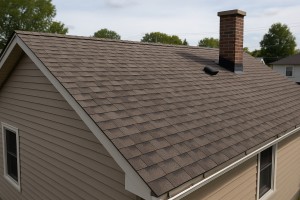
- Most common choice for Wyoming homes due to affordability and ease of installation.
- Choose architectural shingles with Class 4 impact resistance when possible; they stand up better to hail and UV exposure.
- Wind resistance matters: look for products rated to 110–130 mph or higher and confirm warranty coverage for high-wind environments.
- Pros: easy repairs, broad color options, good availability.
- Cons: shorter lifespan than metal or slate; performance depends on ventilation and attic temperature control.
- WY tips: pair with a high-quality ice-and-water shield along eaves and around penetrations; ensure proper attic ventilation to reduce ice dam risk on colder mornings.
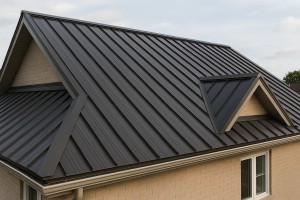
- Excellent for Wyoming's wind, snow, and hail conditions; common options are standing-seam steel or aluminum.
- Pros: long life (sometimes 40–70 years), outstanding wind and impact performance, lightweight compared with tile or slate, reflective finishes can reduce cooling load.
- Cons: higher upfront cost; potential noise in heavy rain unless attic is well insulated; dent resistance improves with thicker gauges.
- Best options: standing-seam metal with corrosion-resistant coatings (Galvalume, or Kynar 500 finishes) and light or reflective colors.
- Installation notes: proper ventilation and decking support are essential; account for snow guards or snow-retention systems in heavy snowfall areas.
Slate, Tile, and Shake
- Slate and concrete tiles offer exceptional durability in severe weather but require structural support due to weight.
- Clay tile is beautiful but can crack in extreme freezes and is heavier; installation must consider freeze-thaw cycles.
- Wood shakes provide a distinctive look but demand higher maintenance and can pose fire risks in some WY locales unless treated.
- WY considerations: only choose tile or slate if the roof structure is reinforced for the weight; ensure professional installation with appropriate underlayment and ventilation.
Synthetic and Composite Shingles
- Mimic the appearance of slate or wood while offering better hail resistance and lighter weight than natural materials.
- Pros: high impact resistance (often Class 3–4), good wind performance, easier installation than natural stone products.
- Cons: upfront cost can be higher than standard asphalt; fading or texture changes may occur over time with certain blends.
- Ideal for homeowners who want a premium look with improved durability in WY's climate.
Hail-Resistant and Wind-Resistant Options
- Prioritize products labeled Class 4 impact resistance and verify wind uplift ratings for your region.
- Look for reflective or cool-roof finishes to help manage heat during Chinook- or sunny days and reduce attic temperatures.
- Consider warranty extensions that cover hail damage and wind uplift, as WY weather can be unpredictable.
Underlayment, Ventilation, and Accessories
- Use high-quality synthetic underlayment suitable for extreme temperatures and moisture movement.
- Ice-and-water shield along eaves, around dormers, and at penetrations to minimize leaks during freeze-thaw cycles.
- Adequate attic ventilation (ridge vent, soffit vents, or an attic fan) helps control condensation, ice damming, and roof longevity.
- Snow guards or retention devices on metal roofs prevent rapid snow slides that can damage gutters or cause injuries.
Practical Selection Steps for Wyoming Roofs
1. Assess climate zone, typical snow load, wind exposure, and hail history.
2. Prioritize materials with Class 4 impact resistance and proven wind uplift ratings suitable for Wyoming.
3. Verify roof structure can support the selected material's weight; reinforce if needed.
4. Plan for proper underlayment, ventilation, and drainage details to combat temperature swings.
5. Consult local contractors about availability, warranties, and service in Wyoming.
6. Choose color and reflective properties that balance UV protection, heat gain, and roof aesthetics.
Popular Roof Styles & Architectural Trends in Wyoming
Climate-smart design drives Wyoming rooftops
Wyoming winters bring heavy snow, high winds, hail, and wide temperature swings. Roofs here must shed snow efficiently, resist wind uplift, and handle sudden freeze-thaw cycles. Local homes often layer aesthetics with rugged durability, favoring materials and shapes that perform well under winter conditions.
Popular roof styles in Wyoming
- Gable roofs: A classic, cost-effective choice that sheds snow well when pitched steeply enough. In wind-prone areas, proper bracing and installer quality are key to preventing uplift.
- Hip roofs: Sloped on all sides, offering excellent wind resistance and stability. Common on ranch-style homes and newer mountain houses.
- Cross-gable configurations: Combine multiple gables for added interior space and architectural interest, while still aiming for solid snow drainage.
- Shed roofs: Single-sloped roofs that create modern silhouettes or additions. Best when paired with well-planned drainage and underlayment for ice and snow management.
- Standing-seam metal roofs: A practical “style” in itself—durable, long-lasting, and superb at handling heavy snowfall and wind. The clean lines fit modern and rustic designs alike.
- Rustic wood-shingle or shake appearances: Cedar shakes or synthetic shakes give a cabin-like vibe that Wyoming homeowners love, especially on lodges and timber-framed homes. They pair well with metal or asphalt bases but require regular maintenance in harsh climates.
- Asphalt architectural shingles with a deep laminate: A flexible, cost-conscious option that can mimic the look of more premium materials while offering good wind uplift resistance when installed correctly.
- Standing-seam metal: Superior longevity, excellent snow-shedding, and low maintenance in Wyoming's climate. Great for solar integration and modern homes.
- Architectural asphalt shingles: Enhanced thickness and granule protection for wind, hail, and temperature swings; widely available and easy to repair.
- Cedar shakes or engineered wood: Rustic aesthetic and good insulation when maintained; susceptible to moisture and rot if not properly treated and vented.
- Composite or synthetic shakes: Low maintenance, rot-resistant, and designed to mimic real wood without the upkeep.
- Tile and slate: Rare in colder, heavier-wind regions due to weight and cost, but possible on larger, well-supported structures with premium budgeting.
- Flat or low-slope options (EPDM/TPO): More common on outbuildings or commercial-style homes; require careful drainage and edge detailing to handle Wyoming snow loads.
Architecture trends across Wyoming towns
- Ranch and modern-farmhouse blends: Wide eaves, exposed metal accents, and combination siding materials. These homes pair practical rooflines with a timeless, regional look.
- Log and timber-frame homes: Use metal or shake-style roofing to complement exposed timber and stonework; durability is prioritized in exposed mountain environments.
- Energy and solar-ready designs: Roofs are often positioned for sun exposure and future solar installs. Attic ventilation, radiant barriers, and upgraded insulation are common refinements.
- Overhangs and wind-friendly detailing: Deep eaves and protective fascia to shield walls from blowing snow and sun exposure, plus hidden gutters and snow guards in higher snowfall areas.
- Color and texture trends: Earthy tones, charcoal, and dark metal finishes are popular for modern, mountain, and prairie-adjacent homes, balancing heat management with curb appeal.
Practical considerations for Wyoming homeowners
- Wind and snow loads: Verify roof designs meet local wind uplift and snow load specs; insist on proper nailing patterns and durable underlayment.
- Snow retention and ice dam prevention: Plan for snow guards, heated cables where appropriate, and continuous attic ventilation to reduce ice dams.
- Ventilation and insulation: Proper attic venting reduces condensation and winter heat loss; aim for an insulation level appropriate to your area's climate zone.
- Maintenance cadence: Schedule seasonal inspections after major storms; clean gutters and inspect flashing, soffits, and seams for damage or wear.
- Local installers: Work with licensed contractors experienced in Wyoming's climate, who understand snow removal, wind uplift, and snow-load zoning.
Quick-start planning steps
1) Assess your lot's exposure to wind, sun, and snow—and how much shade or heat your roof will receive.
2) Choose a material that balances budget with durability: standing-seam metal or architectural shingles are common Wyoming picks.
3) Ensure the chosen roof style offers solid drainage paths and wind resistance for your home size and slope.
4) Plan for insulation, ventilation, and optional solar compatibility from the outset.
5) Get multiple local bids with clear lift-off, fastener, and underlayment specs to compare workmanship and warranties.
Average Roofing Costs in Wyoming
Key cost drivers in Wyoming
- Climate and weather risk: hail, wind, and deep freezes impact material choice and installation details.
- Roof size and pitch: larger, steeper roofs require more materials and labor; steeper pitches can slow work and raise safety costs.
- Accessibility and distance: remote areas and mountain towns add travel time, equipment rental, and fuel costs.
- Tear-off vs. re-roof: removing old roofing adds disposal fees and labor, while overlays reduce costs but may not be allowed by code or warranty.
- Material selection: higher-performance or wind-rated products cost more up front but can save insurance premiums or improve longevity.
- Underlayment, ventilation, and flashing: proper ice dam barriers, continuous ventilation, and robust flashing add to price but protect against moisture damage.
- Permits and disposal: local permit fees and roofing waste disposal impact total project cost.
- Local labor market: Wyoming's rural areas often have higher travel and scheduling costs, influencing price variability by region.
Common roofing materials and typical price ranges
- Asphalt shingles (standard 3-tab): approximately $350–$550 per square installed.
- Architectural asphalt shingles: roughly $450–$650 per square installed.
- Metal roofing: about $700–$1,200 per square installed.
- Clay or concrete tiles: around $1,000–$2,000 per square installed.
- Synthetic/composite shingles: about $500–$750 per square installed.
- Slate: typically $1,200–$3,000 per square installed.
Note: prices shown are installed costs and assume standard roof measurements with typical underlayment, ventilation, and flashing. Local factors in Wyoming can shift these ranges by region and project specifics.
Regional variations within Wyoming
- Eastern Plains (Cheyenne, Laramie area): wind-prone and hail zones push toward wind-rated shingles or metal; costs often reflect higher travel time and local permit nuances.
- Central towns (Casper, Gillette): mix of moderate labor rates and access considerations; square footage and pitch drive most of the variance.
- Mountain towns and resort areas (Jackson Hole, Cody): remote locations, steeper pitches, and specialty materials (snow load considerations) raise both material and labor costs.
- Rural zones: transportation, construction windows (shorter seasons), and limited local crews can elevate bids due to mobilization and scheduling.
- Ice and water shield: in valleys and eaves, especially where freezing is common, adding an ice/water shield increases material and labor costs but reduces later damage from ice dams.
- Wind uplift ratings: Wyoming's exposed landscapes push for higher wind-rated products; upgrading shingles or selecting metal may raise upfront costs but improve performance.
- Snow load and ventilation: heavier snowfall zones benefit from enhanced attic ventilation and properly sized soffit/ventilation; these add to the project cost but protect roof longevity.
- Seasonal timing: winter work is harder and slower; spring and summer windows can reduce labor costs and scheduling delays.
Typical project scope breakdown (typical Wyoming example)
1) Measure roof area in squares and confirm pitch.
2) Decide tear-off vs. re-roof, noting disposal costs.
3) Choose materials with appropriate wind/impact ratings for your location.
4) Include underlayment, ice-dam barriers where needed, and ventilation.
5) Add flashing, vents, and potential chimney or skylight work.
6) Account for gutters, drainage upgrades, and debris cleanup.
7) Include permits,Roll-off or dumpster fees, and final inspection if required.
Cost expectations by roof size and material (rough guidance)
- Small to mid-sized homes (around 1,200–1,800 sq ft of living space; roughly 15–20 squares on the roof): asphalt $5,000–$12,000; architectural asphalt $6,000–$13,000; metal $10,500–$24,000.
- Larger homes (2,000–3,000 sq ft living space; about 20–30 squares): asphalt $7,000–$16,000; architectural asphalt $9,000–$18,000; metal $14,000–$36,000.
- High-end or specialty materials (tile, slate, or premium metal in exposed Wyoming locations): significantly higher ranges, often $20,000 and up for larger roofs.
Local considerations that influence budgeting
- Local permit and disposal fees vary by county; check with your jurisdiction.
- Travel and crew mobilization fees can add to the base price in rural or remote areas.
- Insurance and warranty options tied to wind/hail performance may affect material choice and long-term cost.
Permits & Local Regulations
Do you need a permit in Wyoming?
Most Wyoming cities and counties require a building permit for a roof replacement if the project involves more than cosmetic changes or any structural work. Rules vary by jurisdiction, so always check with the local building department before starting. Even a straightforward re-roof can trigger permitting in some areas, especially when sheathing, flashing, or venting are touched.
Where to apply
- City or county building department: primary source for permit eligibility, fees, and inspections.
- Online permit portals: many municipalities offer digital submittals and status checks.
- HOA or historic district office (if applicable): confirm any extra approvals needed beyond permits.
What you'll typically submit
- Completed permit application with project address and contractor information.
- Roofing plan or sketch showing roof area, materials, and any changes to decking or ventilation.
- Product specifications: shingles/underlayment, underlayment type, venting, flashing details.
- Structural notes if you're replacing decking, rafters, or trusses.
- Contractor licensing and insurance details (if your jurisdiction requires proof of license and insurance).
- Local codes acknowledgments or energy code compliance statements.
The permit process (step-by-step)
1. Plan your scope: identify if you'll replace decking, alter ventilation, add skylights, or install solar.
2. Gather documents: drawings, product specs, and contractor details.
3. Submit the permit package: online or in person, with any required fees.
4. Plan review: the building official checks compliance with local codes and wind/snow load considerations.
5. Permit issuance: once approved, you'll receive permit documents and inspection schedule.
Inspections you should expect
- Pre-roof inspection (where required): ensures structure and decking are ready for the new roof.
- Roofing installation inspection: checks nailing pattern, underlayment, flashing, venting, and overall workmanship.
- Final inspection: confirms everything is completed to code and any punch-list items are addressed.
- Additional inspections: some municipalities may require follow-up inspections after weather-related setbacks or material changes.
Special considerations in Wyoming
- Wind and snow loads: Wyoming's climate and elevation mean inspectors pay close attention to framing, underlayment, and roof slope compatibility with local wind and snow requirements.
- Historic districts and HOAs: if your home sits in a historic district or is governed by an HOA, you may need additional approvals beyond a standard permit.
- Roof-mounted systems: solar panels or roof-mounted equipment often require separate permits or additional plan checks.
- Energy and ventilation: confirm compliance with local energy codes and proper attic ventilation to prevent moisture problems.
- Non-resident contractors: verify that any contractor you hire is properly licensed or permitted by the local jurisdiction; some areas require proof of license and insurance.
Documentation and records you'll want to keep
- Copy of the permit and final inspection sign-off for your records.
- Original drawings or updated roof plans showing materials and scope.
- Receipts for materials and proof of compliance with code changes.
- Photos of the pre- and post-work condition for your records and potential HOA or insurance needs.
Quick tips to stay compliant
- Contact the local building department early in planning to avoid delays.
- Don't start work before you have the permit approved and posted at the job site.
- Keep all receipts, inspection notices, and correspondence organized.
- If you're unsure about the requirements, hire a licensed contractor with local permitting experience.
Common Roofing Problems in Wyoming & Solutions
Ice Dams and Water Intrusion in WY Winters
- Causes: rapid melting on sunny days, refreezing at eaves, insufficient attic insulation or ventilation.
- Signs: icicles piling up at gutters, water stains on ceilings, personal patches of damp insulation in the attic.
- What to do (steps):
1) Improve attic insulation and air sealing to minimize warm roof zones.
2) Ensure a balanced ventilation system (soffit intake and ridge exhaust) to keep roof deck cold.
3) Install or repair an ice and water shield along eaves and in roof valleys.
4) Use a roof rake to remove large snow accumulations safely from ground level.
Hail Damage & Roof Wear
- Causes: Wyoming hail storms, especially in spring and early summer, can bruise shingles and dent metal.
- Signs: dented gutters/flashes, granule loss, visible cracking or curling of shingles.
- What to do (steps):
1) Document damage with photos for insurance claims.
2) Have a roofer inspect for hidden damage under shingles and flashing.
3) Replace damaged shingles with impact-resistant (Class 4) options when feasible.
4) Check and reseal flashing, vents, and gutters to prevent leaks.
Wind Uplift & Roofing in WY
- Causes: high-desert winds, canyon gaps, and wind-driven debris can lift fragile edges.
- Signs: lifted or missing shingles, loose flashing, creased edges.
- What to do (steps):
1) Use wind-rated shingles and proper nailing patterns per manufacturer specs.
2) Install durable drip edges and fully sealed step flashing around vents and chimneys.
3) Periodically inspect after storms; re-secure loose components early.
4) Consider upgrading underlayment and ensuring solid roof-to-wall connections in exposed areas.
Snow Load & Ice Buildup
- Causes: heavy snowfall and persistent freeze-thaw cycles strain roof structure.
- Signs: sagging or soft roof spots, gutters pulling away, ice dams forming near eaves.
- What to do (steps):
1) Have a structural assessment if you consistently see excess snow load on the roof.
2) Install snow guards to control sliding snow and reduce concentrated loads.
3) Keep gutters clear and ensure proper slope for meltwater drainage.
4) When safe, remove excess snow with a roof rake; avoid climbing on icy roofs.
Attic Moisture & Ventilation
- Causes: trapped humidity, inadequate vapor barriers, insufficient exhaust for bathrooms/kitchens.
- Signs: frost or condensation on roof deck in cold months, moldy attic, musty odors.
- What to do (steps):
1) Balance attic ventilation: adequate intake (soffit) and exhaust (ridge or power vents).
2) Install or improve vapor barrier on the attic's warm side.
3) Seal gaps around penetrations (pipes, wires) to reduce air leaks.
4) Use exhaust fans with properly vented ducts to the outside.
Moss, Algae & UV Exposure
- Causes: shaded, damp spots and long-term sun exposure can lead to streaks and surface degradation.
- Signs: dark streaks or greenish patches, slippery deck surface.
- What to do (steps):
1) Clean carefully with non-pressure methods to avoid shingle damage.
2) Apply zinc or copper strip inhibitors along the ridge to slow regrowth.
3) Trim overhanging branches to improve sun and airflow.
4) Consider algae-resistant shingles for new installs or replacements.
Flashing & Chimney Leaks
- Causes: aging or damaged flashing around chimneys, dormers, and exhaust stacks; improper flashing details.
- Signs: water stains near the chimney base, rusted flashing, soft ceiling spots below.
- What to do (steps):
1) Reflash with compatible materials and ensure proper shingling over the top edges.
2) Seal gaps with high-quality roofing cement or sealant where needed.
3) Cap and maintain the chimney crown to shed water away from flashing.
4) Schedule a professional inspection after severe storms to catch hidden leaks early.
Gutters & Downspouts
- Causes: clogging from pine needles, leaves, and ice build-up; improper slope or sagging.
- Signs: overflowing gutters, water pooling at the eaves, ice dams along the edge.
- What to do (steps):
1) Clean gutters and downspouts at least twice a year; remove debris.
2) Ensure proper slope (roughly 1/16 inch per foot) for drainage.
3) Add guards or screens to minimize future clogs.
4) Install heated cables on eaves in high-ice zones if consistent icing occurs.
Quick maintenance reminders
- Schedule annual roof inspections, ideally after winter and before the next heavy season.
- Address small issues promptly to prevent costly damage.
- Choose local, experienced roofers who understand Wyoming's climate and code requirements.
Maintenance & Repair Tips for Wyoming
Inspecting After Winter
Wyoming winters can be harsh on roofing. A quick post-winter check helps catch problems early before leaks start.
- Look for missing, curling, or cracked shingles and any loose or exposed fasteners.
- Inspect flashing around chimneys, vent pipes, dormers, and skylights for gaps or corrosion.
- Check the attic ceiling and insulation for damp spots or staining that point to a hidden leak.
- Note any wind-driven debris or ice build-up along eaves and fascia.
Wind and Hail Preparedness
Wyoming faces strong winds and hail storms. Proactive checks save headaches later.
- Walk the perimeter and look for loose or damaged shingles, exposed nails, or bent flashing.
- Clear debris from gutters and downspouts so water can drain properly during thaws.
- Inspect metal roof seams, ridges, and fasteners for looseness or dents; reseal or replace as needed.
- Check vent hood hardware and chimney caps to ensure they're secure against wind uplift.
Seasonal Maintenance Schedule
A simple rhythm keeps roofs in good shape year-round.
- Spring: remove pine needles and debris from the roof and gutters; inspect for winter damage; test attic ventilation.
- Summer: trim overhanging branches that could rub or shed debris onto the roof; monitor for heat-related wear on sealants.
- Fall: clean gutters, inspect flashing, and verify proper attic insulation and ventilation before the cold arrives.
- Winter: after heavy snows, look for ice dams and water infiltration signs; avoid walking on a snow-covered roof unless necessary.
Gutter and Drainage Care
Proper drainage protects your decking and fascia and reduces ice dam risk.
- Clean gutters and downspouts at least twice a year; remove leaves, pine needles, and debris.
- Ensure water flows away from the foundation; add extensions or splash blocks if needed.
- Check for sagging sections and secure with appropriate hangers; consider guards to minimize future clogging.
- If you notice granule loss on asphalt shingles, monitor for accelerated wear and plan for upcoming replacement.
Snow Load and Shoveling Tips
Snow accumulation plus wind can push on the same vulnerable areas.
- Do not let heavy snow linger on the roof; use a snow rake from the ground to remove it safely.
- Work from the edges toward the center to avoid bending shingles; never strike ice with a sharp tool on the roof.
- Keep snow away from vents and around openings to maintain proper ventilation and prevent blockages.
- If you must hire help, choose a contractor experienced with snow-load issues and winter safety.
Ice Dam Prevention
Ice dams are a common Wyoming issue when heat leaks into the attic.
- Improve attic insulation to achieve a snug, uniform ceiling temperature (aim for a high R-value and air sealing).
- Increase attic ventilation to balance roof temperatures and reduce hidden melt-and-refreeze cycles.
- Seal gaps around chimneys, vent pipes, and attic hatches to minimize warm air reaching the roof.
- Consider heat cables only as a last resort and have a pro install them correctly to avoid safety hazards.
Roof Materials: Quick Tips
Different materials demand specific care.
- Asphalt shingles: watch for curling, curling edges, or missing granules; replace damaged shingles promptly.
- Metal roofs: inspect seams and fasteners for looseness and rust; re-seal where needed to prevent leaks.
- Tile or clay: look for cracks, chipped edges, or loose tiles; replace individually if possible to avoid full replacement.
- Wood shakes: check for splits, rot, and insect damage; treat exposed edges to prevent further deterioration.
Temporary Repairs for Storm Damage
If damage occurs, you can limit further harm while you arrange professional help.
- Prioritize safety; avoid walking on damaged areas.
- Cover exposed sections with a watertight tarp and secure edges to prevent wind uplift.
- Photograph damage for insurance claims and promptly contact a licensed roofer for permanent fixes.
- Do not attempt major structural repairs yourself; water intrusion can worsen quickly.
When to Hire a Pro
Know when to call in a professional.
- Widespread shingle loss, extensive flashing damage, or suspected structural issues.
- Persistent leaks that aren't resolvable with a simple patch or temporary fix.
- Complex jobs: chimney flashings, skylights, or metal roof seam work that requires specialized equipment.
- After severe storm events where insurance has to be involved or where you lack proper safety gear and training.
Safety First
Roof work can be dangerous; prioritize safety at all times.
- Use a sturdy ladder, fall protection, non-slip footwear, and a buddy system when climbing.
- Avoid working on wet, icy, or windy roofs.
- If you're unsure about a repair, consult a licensed contractor rather than guessing.
When to Repair vs. Replace
Wyoming climate and what it means for your roof
Wyoming's mix of icy winters, bright sun, high winds, and the occasional hailstorm can take a toll on any roof. Local wear often shows up as cracked shingles, loose flashing, or granule loss after a harsh storm. In this climate, a proactive approach—inspecting after major weather events and scheduling timely maintenance—helps prevent small issues from becoming big failures.
- Heavy snow loads can hide leaks and cause ice dam issues.
- Hail can dent metal or crack shingles, accelerating wear.
- UV exposure from sunny days dries out aging roof材料 and seals.
- Wind can lift edges and expose underlayment.
When to Repair
Repair is appropriate when damage is limited, shallow, and doesn't threaten the deck or structure. It's the prudent choice for preserving a newer roof or when the underlying structure is solid.
- Localized leaks from damaged flashing, around chimneys, skylights, or vent boots.
- A handful of cracked, curling, or loose shingles (typically under 15-20% of the roof area).
- Minor hail or wind damage confined to a small section.
- Damaged or missing shout edges or ridge cap that doesn't expose a large area of the underlayment.
- Good underlying deck integrity, solid attic insulation, and no signs of rot.
What to expect with repairs
- Fast fixes: reseal flashing, replace a few shingles, or install new boots.
- Limited disruption: smaller crews, shorter timelines.
- Weather planning: Wyoming's winter windows can be tight—aim for dry, moderate days.
When to Replace
Replacement becomes the better route when the roof is past its prime, the damage is widespread, or the repair would be temporary at best. Consider replacement if any of the following apply.
- The roof is near or beyond the end of its expected life for its material.
- Asphalt shingles: roughly 20–30 years.
- Metal: 40–70 years, depending on coating and maintenance.
- Wood shingles/shakes: 25–40 years.
- Slate or tile: 50+ years with proper maintenance.
- Widespread damage: extensive hail impact, widespread granule loss, curling or buckling shingles across large areas.
- Signs of structural trouble: sagging deck, warped plywood, persistent leaks with multiple source points, or moisture in the attic.
- Persistent leaks despite multiple repairs, or repeated patching has become a pattern.
- Warranty or insurance considerations: if a newer roof has failed early or if a replacement is warranted by a failed component (e.g., underlayment or flashing) beyond repair.
- Aesthetics and future energy performance: a replacement can improve insulation, ventilation, and curb appeal, potentially lowering energy costs and increasing home value.
What to expect with replacement
- Longer planning window: scheduling, permits, material choice, and potential weather delays.
- Higher upfront cost, offset by longer lifespan and fewer future repairs.
- Modern options (cool roofs, improved ventilation, underlayment) that perform better in Wyoming's climate.
Quick decision steps (practical checklist)
1. How old is the roof, and what material is it?
2. What percentage of the roof shows damage or leaks? Is the deck exposed?
3. Are the repairs likely to recur or fail soon due to age or material wear?
4. Do you have a roof warranty, insurance coverage, or hail damage claim implications?
5. Is there a clear weather window to complete a full replacement without compromising interior or siding?
Maintenance tips to extend life
- Clear gutters and downspouts; ensure good drainage to prevent ice dams.
- Schedule annual or biannual inspections, focusing after major storms.
- Address moss, lichens, or algae promptly to protect underlayment.
- Keep attic ventilation balanced to minimize condensation and heat buildup.
- Inspect flashing around chimneys, vents, and skylights after heavy winds.
When to Hire a Professional
Signs you need a professional
- Active leaks or ceiling stains that don't stop after a rain.
- Sagging roofline or soft spots in attic decking; signs of structural trouble.
- Missing or severely damaged shingles after a storm, especially hail.
- Ice dams or long, stiff icicles along eaves with water intrusion in the attic.
- Extensive wind damage: torn flashing, loose gutters, or exposed underlayment.
- Complex roof shapes, multiple dormers, or a steep pitch you can't safely access.
Weather and seasonal considerations in Wyoming
- Winters bring heavy snow, rapid freeze–thaw cycles, and high winds. Cold-weather installation requires different techniques and precautions.
- After a major snowstorm or hail event, have a pro inspect for hidden damage to decking, flashing, and underlayment.
- Spring thaw can expose winter damage; if you notice leaks or moisture, don't wait—get a professional to assess.
- Plan around wind-prone months. Wyoming crews may need to coordinate work during drier, calmer days to ensure safety and quality.
How to evaluate a roofing contractor in Wyoming
- License and insurance: verify a valid Wyoming license if required for roofing work, plus general liability and workers' compensation coverage. Request current certificates and verify them with the insurer and state records.
- Local reputation: ask Wyoming neighbors or your city's residents for referrals; read local reviews, and look for experience with snow loads, wind, and hail in your area.
- Manufacturer credentials: ensure installers are certified by shingle or metal manufacturers to keep warranty intact.
- Permits and code compliance: confirm they will secure required permits and follow local building codes that address Wyoming's wind and snow loads.
- Written contract and warranties: demand a detailed contract with materials, scope, timeline, payment terms, cleanup, and a workmanship warranty. Understand what's covered and for how long.
- Price vs value: compare not just the bottom line but the scope, materials, anticipated timeline, and how weather delays are handled.
What to ask during the initial consultation
- How will they protect landscaping, gutters, and foundations during the project?
- What's the proposed sequence of work and a realistic timeline, including winter weather contingencies?
- How will they handle ice dam prevention and ventilation in the attic?
- What underlayment, flashing, and fasteners will be used to withstand Wyoming's wind and snow?
- Do they handle permits, disposal, and site cleanup, and who is responsible for temporary protections during storms?
Steps to hire a pro
1. Gather 3–5 written estimates with clear, itemized scopes.
2. Verify licenses, insurance, and ability to work in winter conditions.
3. Check references and review projects in similar climate zones (snow, wind, hail).
4. Confirm manufacturer certifications and warranty terms (material and workmanship).
5. Ensure permit handling and code compliance are included in the contract.
6. Get a signed contract with start date, milestones, payment schedule, and cleanup plan.
Putting A Lid On It: Roof Maintenance, Repair, and Replacement in Wyoming
Wyoming's weather places unique demands on a roof: long, snowy winters, rapid freeze-thaw cycles, strong winds, and bright sun. Regular inspections and timely maintenance help prevent leaks, reduce energy loss, and extend roof life. A little care today goes a long way in keeping your home dry, comfortable, and looking good through the seasons.
By building simple, seasonally aware habits into your routine, you can catch problems early and avoid costly surprises. When in doubt, or if you notice signs of damage, don't hesitate to bring in a qualified local roofer who understands Wyoming's climate and building codes. A trusted pro can confirm stripping, flashing, or ventilation needs and help you plan cost-effective repairs or replacements.
Seasonal checks you can do
- Spring: After winter, inspect for ice dam damage around eaves and flashing. Clean gutters and downspouts. Trim overhanging branches that could cause damage in storms.
- Summer: Look for missing or curling shingles, lifted flashing, and moss or algae growth. Check attic ventilation and insulation to keep the attic cool and dry.
- Fall: Clear gutters and ensure proper drainage. Check attic insulation and seal any gaps around penetrations. Re-secure loose flashing and inspect vent pipes.
- Winter: Avoid walking on a icy roof; use a roof rake from the ground if necessary. Monitor for ice dams and water spots inside your home; address ventilation and insulation issues promptly to minimize melt-and-freeze cycles.
Gutters, drainage, and ventilation
- Keep gutters clean and free of debris so meltwater moves away from the fascia and walls.
- Ensure downspouts direct water at least several feet from the foundation.
- Maintain proper attic ventilation and insulation to reduce condensation, ice dams, and heat loss in winter.
Watching for trouble
- Shingle granule loss, curling edges, or visible rust flashing.
- Water staining on ceilings or in the attic.
- Sagging or noticeable roof movement.
- Uneven patches after a storm, or persistent damp spots inside.
Repair vs. replacement decisions
- Small, timely repairs after a storm or hail event can extend life, but widespread damage, shingle brittleness, or structural issues call for a professional assessment.
- Roof material choice matters in Wyoming: asphalt shingles are common and affordable; metal roofs offer excellent wind resistance and longevity but require proper flashing and sealant. A local pro can help you weigh cost, performance, and climate-specific wear.
When to call in a pro
- You notice persistent leaks, widespread damage, or structural concerns.
- You're unsure about flashing integrity or ventilation adequacy.
- You're considering a replacement due to age or damage from hail or wind.
A homeowner's simple, enduring checklist
- Schedule a twice-yearly inspection and address issues promptly.
- Keep gutters clear and downspouts working.
- Maintain attic ventilation and insulation.
- Address snow and ice safely and promptly with professional guidance when needed.
- Choose materials suited to Wyoming's climate and your budget, with a trusted local roofer's input.
Here's to a sturdy, beautiful roof that protects your home and families for years to come. You're not alone out here—neighbors and seasoned local roofers are ready to keep your Wyoming home dry, warm, and welcoming.
