
Last updated: Apr 19, 2026
Albertville sits on Sand Mountain in Marshall County, a northeast Alabama upland area that is regularly exposed to strong spring thunderstorm tracks. The steep-slope homes common across the area bear the brunt of rapid wind gusts, hail, and flash-drying rain events that chase the clock between afternoon heat and cool nights. This is not a coast-facing risk; instead, the inland storm engine drives more frequent hail dents, wind scouring, and shingle lift scenarios. Roofs here endure cycles of hail strikes on exposed ridge lines, sudden downpours that overwhelm gutters, and humidity that accelerates aging of underlayment. Understanding that pattern helps you prioritize the most vulnerable areas of your roof system.
Storms moving through this upland corridor tend to produce sharp, narrow tracks of damage rather than uniform wear. Hail often targets valleys, hips, and edges where shingles overhang, and metal flashing around chimneys, vents, and vents-to-roof transitions is tested by consecutive wind-driven gusts. Look for bruised or pocked asphalt shingles, dented metal, or lifted shingle tabs after a hail event. Wind can peel back fibers and lift granules, accelerating aging and exposing the underlayment to grant moisture access. In pine- and hardwood-shaded neighborhoods, sudden, localized downpours can pool on low-slope sections, inviting water intrusion that travels along rafter lines into attic spaces if ridge vents or plumbing boots fail to seal tightly.
Because Albertville is inland but still affected by broader Alabama storm systems, homeowners often face storm-related roof claims without the coastal code and product assumptions used farther south. The climate here treats roofs as a high-frequency stress system rather than a single-event anomaly. Asphalt shingles, metal roofs, and tile options each respond to these conditions in distinct ways: shingles may shed granules and curl at edges after repeated hail hits; metal roofs can dent or bend if hailstones are large, though they often shed water efficiently when panels remain sealed; tile systems may crack or loosen if fasteners loosen under wind loads. The result is a repair plan that emphasizes rapid damage triage, targeted patching, and durable re-seaming of flashing details to prevent interior leakage.
Urgent action begins with a proactive roof health check after major spring storms. Inspect for lifted tabs, missing granules, punctures, and compromised flashing around chimneys, valleys, and skylights. Prioritize attic ventilation and insulation to reduce condensation-driven wear in humid summers, since poor attic conditions magnify minor leaks into visible interior damage. Adopt a plan for immediate temporary protection-tarping vulnerable skylights or vents after an event-so interior rooms stay dry while a professional assessment is scheduled. Consider reinforcing hail resistance through shingle choices and calling in a local roofer who recognizes the peculiar wind tracks and hail corridors typical to this upland region. Immediate action after a storm saves longer-term headaches.
In the wake of a storm, your first steps matter. Photograph the roof from multiple angles, focusing on hail impact patterns, protrusions, and flashing integrity. Create a simple map of damaged zones, noting any interior signs of moisture intrusion in ceilings and walls. Keep a log of dates, times, and observed conditions for quick reference when filing a claim with your insurer. If a contractor identifies concealed damage in the attic or underlayment, request a written assessment that highlights hidden risks and a phased repair plan. Acting quickly and with precise documentation helps ensure your roof's resilience against the next round of spring storms.
Spring on Sand Mountain brings a workable installation window, but the weather can flip quickly with severe spring thunderstorms and hail. When planning, map out a flexible schedule that targets the middle of dry spells and avoids the days forecast to carry winds or hail chances. If a weather front rolls in overnight, expect morning work to stall for several hours as you wait for the roof to dry and for crews to regain traction on steep pitches. Coordination with a responsive crew matters here: have a phone chain or text group ready so crews can pause and resume without losing too much daylight. Prioritize dry-in tasks after the first warm days, but be prepared for sudden rain pockets that can wash out early progress. In Albertville, you'll often see a mix of sunny stretches followed by quick storms; plan for contingency days immediately after a storm event so flashing, underlayment, and ridge work don't pile up.
Hot, humid northeast Alabama summers shorten safe crew working hours and complicate shingle handling during peak afternoon heat. Start work early, aiming for a pre-sunrise or shortly after sunrise start to minimize heat exposure and reduce adhesive setting delays. Keep crew breaks aligned with the hottest part of the day and have a shaded staging area for materials and ladders. When shingles are laid, manage stack height and handle to prevent warping or brittleness in the heat; if you notice sheen on the underlayment or browning on exposed nails, pause to reassess ventilation and drying conditions. If a pop-up storm threatens, have a rapid de-mobilization plan so materials aren't left exposed to downpours that can loosen shingles or wash out fasteners. In practice, steady progress hinges on clear daily forecasts, a cooling strategy for the crew, and a workflow that reduces time spent walking steep sections in direct sun.
Autumn is often the steadiest replacement season in Albertville, offering longer dry stretches and cooler, more predictable days. Use this window to lock in critical sequencing: roof deck inspection, underlayment installation, drip edge, and starter courses before heavier roof sections go on. The dryer air aids oven-dry nailing and helps sealants cure properly, which translates to a more dependable dry-in. Take advantage of back-to-back clear days to complete fascia and vents before seasonal leaf debris starts accumulating in gutters. Evening forecasts can help decide which days to push through attic ventilation checks, temporary coverings, and roof access setup, so you don't lose momentum when a front drifts in.
Winter moisture and occasional freezing nights can slow dry-in and underlayment work. If temperatures hover near or below freezing, plan for shorter daily sessions and longer curing times for adhesives and sealants. Protect doorways and interior ceilings that back onto attic spaces from any inadvertent moisture intrusion during testing and insulation checks. When a thaw arrives, coordinate with crews to maximize daylight and minimize the risk of dew forming on freshly installed materials. Keep a log of nightly temperatures and morning surface conditions to decide when to resume work after a freeze. In practice, winter work hinges on microclimates around steep slopes and shaded sections; stay flexible and adjust sequence to keep the roof dry and securely fastened.
Asphalt shingles dominate the roofing landscape in this area because they fit the common steep-slope residential rooflines without complicated install details. They also align with the more modest upfront budgets typical for many Albertville neighborhoods. When spring storms roll through with howling winds and hail, asphalt shingles offer a familiar, straightforward repair pathway. Look for architectural or designer shingles that provide thicker granules and a better wind uplift rating, which helps resist damage during hail events. If a storm hits, you'll find replacement pieces more readily at local suppliers, and the repair process tends to stay localized and familiar for most contractors.
Metal roofing stands out as a practical choice for homes facing heavy rain runoff and Alabama heat. The material sheds water quickly, minimizes ice damming potential on steep slopes, and tends to endure longer in sun-exposed exposures common on Sand Mountain-inspired architecture. In addition to longevity, metal can offer striking curb appeal when paired with the right color and profile, which is appealing to homeowners who want performance without sacrificing aesthetics. For hail, metal often performs admirably-impact resistance is highly dependent on panel quality and installation details, so it matters to choose a profile with reinforced edges and proper fasteners. If a hailstorm does strike, a metal roof can sometimes be easier to inspect from above and repair, since the panels are typically still in place and local crews are familiar with their quirks. Availability of skilled installers who understand the nuances of flashing, seam seals, and color matching is an essential factor to discuss early in the planning process.
Tile (clay or concrete) and wood shingles or shakes exist, but they are less typical for mainstream Albertville housing stock. Tile brings excellent longevity and a distinctive look, yet installation and repair require specialized crews. In storm-prone neighborhoods, repair matching becomes a practical concern because local supply of comparable tiles and experienced installers may be more limited than for asphalt or metal. Wood shingles or shakes offer a natural aesthetic, but they demand consistent maintenance and can be more vulnerable to moisture and hail impact if not properly protected with high-quality underlayment and weather-resistant finishes. If considering these materials, plan for careful selection of local contractors who can guarantee compatibility with existing roof geometry, ice and water protection details, and flashing around chimneys, skylights, and dormers. In Albertville, the installer availability and the ability to source matching materials quickly can influence long-term performance just as much as the initial appearance.
Albertville's elevated setting and exposure to rapid spring weather mean storm readiness should shape material choices. For a home on a steep slope, the priority is choosing a material that is reliable under heavy rain, hail, and strong winds, while staying accessible for inspections and quick repairs after a storm. Asphalt remains the dependable baseline for most neighborhoods, with metal offering a compelling longer-term option where you value durability and a modern look. If tile or wood is on the table, secure a local installer with a track record of matching repairs and color consistency, and discuss how each material will perform under the specific wind-driven rain patterns common to this area. The right material-and the right installer-can make storm season less stressful and help preserve the roof's integrity down the line.
In this climate, asphalt shingles bear the brunt of hail impacts that loosen or knock loose granules, leaving exposed patches that accelerate aging under the sun. Heat-related aging speeds early brittleness and can shorten the shingles' effective life, while severe thunderstorms can lift edges where the wind catches unsecured sections. When that edge lift propagates along a slope, water can begin to pool and infiltrate underlayment or felt, inviting moisture trouble that rarely shows up all at once. The best guard is routine inspection after storms: look for bare granules in gutters, curling at the edges, or shaggy edges that betray wear. Replacements should address not just visible damage, but the surrounding shingles that may have been stressed by repeated hail or heat.
Metal roofs in this area demand close attention to fasteners and any exposed penetrations, especially around vent stacks and exhausts. Hail moves through Marshall County with enough force to dent panels and loosen fasteners over time, creating micro-gaps that trap moisture and invite leaks during spring storms. Fastener distortion can also lead to panel movement that worsens edge seals and flashing joints. When inspecting a metal roof after a hail event, verify that sealant around penetrations remains intact, panels sit evenly, and there are no small, hidden dents that could trap water behind the surface. A careful check of ridge caps and seam transitions helps prevent slow, stubborn leaks that prove expensive to fix later.
Wood shingles and shakes absorb moisture quickly in humid summers, and repeated summer storms slow the drying process. Clay and concrete products bring their own moisture-management concerns: subtle cracks can widen in the heat, and porous surfaces can wick moisture into the substrate if flashing or edges aren't correctly sealed. In Albertville's high-humidity environment, lingering dampness increases the risk of rot in wood components and can compromise the integrity of clay or concrete tiles if microcracks allow water to bypass the protective surface. Regular inspections after thunderstorms should focus on evaluating staining, soft spots, and any signs that moisture sits on the roof deck or underlayment longer than typical dry spells permit. When damage is suspected, address both the visible defect and any compromised underlayment, as slow drying can amplify deterioration.
Storms that hammer Sand Mountain often leave fingerprints across multiple roof types, but the pattern is telling: the sooner a potential failure is identified, the less secondary damage accumulates. After heavy hail or a severe thunderstorm, walk the property with a clear eye for unusual sounds, damp spots, or attic condensation that wasn't there before. If any suspect area appears, bring in a professional for a focused assessment that emphasizes hail-induced edge damage, fastener looseness, and moisture entrapment behind coatings. Acting promptly helps keep small issues from becoming costly, long-lasting repairs.
Albertville cost planning should use these local ranges: asphalt shingles 350-700 USD per square, metal 600-1200, clay tile 900-1800, concrete tile 800-1400, wood shingles or shakes 550-1100, and synthetic or composite shingles 450-850. These figures align with the steep-slope, hot-humid summers, and spring storm patterns you see on Sand Mountain, where a storm can quickly shift the best-case budget into a closer estimate. When you start pricing, use these bands as your first check and ask contractors to confirm they fit your exact roof profile.
Storm-driven demand spikes in Marshall County can push scheduling and labor pressure higher after hail or wind events, especially when many homeowners seek inspections at once. In practical terms, that can mean shorter windows for bids, higher wait times for crews, and a premium for rush work. If a hail or high-wind event hits, expect a local surge in material availability as well, with some products temporarily harder to source and color-match requirements becoming more strict. Plan for potential overlaps where inspections and temporary repairs run concurrently with full reroofs on adjacent homes.
Costs in this area can also move based on steep residential roof pitches, tear-off complexity, and whether less-common materials like tile or wood require harder-to-source crews or matching products. A steeper pitch increases labor time and safety measures, often pushing per-square costs higher on asphalt or composite, and it can complicate tear-off logistics. Tile roofs, whether clay or concrete, demand specialized crews and careful handling to avoid breakage, which translates to both higher labor rates and longer project timelines. Wood shingles or shakes add another layer of complexity due to maintenance history and sourcing challenges, commonly resulting in a broader cost spread. Synthetic or composite shingles sit in the mid-range but can tilt upward if pattern matching or warranty specifics drive procurement complexity.
To keep a project financially predictable, start with your target material and match it to the home's typical pitch and the potential for simultaneous storm-related work. Build a small contingency for contractor scheduling volatility after a big event, and discuss with the contractor how they handle color and product matching if the hail window was recent. This neighborhood-level balance-material choice, roof slope, and storm timing-tends to shape the final bill more than any single factor in this climate.

SOCO Roofing & Restoration
(256) 677-9002 southernroofexperts.com
204 W McKinney Ave, Albertville, Alabama
4.9 from 45 reviews
Albertville's Roofing Experts! SoCo Roofing & Restoration. Call us for all of your roofing needs.
J R Roofing
(256) 673-6465 jrroofingalbertville.com
Albertville, Alabama
5.0 from 8 reviews
COMMERCIAL & RESIDENTIAL ROOFING Serving Albertville & surrounding areas. RELIABLE ROOFING PROFESSIONALS Hablamos español
Roof Shield
806 Lusk St, Albertville, Alabama
5.0 from 1 review
Roof Shield is the next generation in asphalt shingle reconditioning. With our proprietary treatment system, Roof Shield can extend the operational life of your roof and save you thousands in the process.
Agape Roofing
Serving
5.0 from 51 reviews
Agape Roofing specializes in Emergency Roof Repair for Business and Residential locations. Our team has years of roof repair and replacement experience in Huntsville, Madison, and nearby areas. Our quality is our calling card. We are only finished once you are satisfied. If your business or residence has been damaged due to a wind or hail storm, one call is all it takes, and we will be on our way to protect your property and contents within your building. We are a Christian-based company and do everything with integrity and honesty. All of our services are budget friendly, and we help with your insurance claim. Contact your reliable Huntsville and Madison roofing company for a free and reliable quote.
Top Notch Roofing
Serving
5.0 from 9 reviews
Providing exceptional licensed and insured roofing and contracting to all Marshall County Residents
Blue Square Roofing & Construction
(256) 572-7431 www.bluesquareroofing.com
Serving
4.8 from 64 reviews
At Blue Square Roofing & Construction, we specialize in top-quality roofing repairs and installations for residential and commercial properties. Founded by Jeremiah Lightsey, our trusted roofing contractor is dedicated to honest, reliable service that protects your home and investment. We use premium roofing materials and industry-best practices to ensure long-lasting results. Whether you need roof replacement, repair, or inspection, Blue Square Roofing delivers expert craftsmanship and exceptional customer care. Serving Boaz and North Alabama, we are your go-to roofing company for durable, affordable solutions.
Ford's Quality Roofing
Serving
4.3 from 12 reviews
Combining years of experience with a dedication to client satisfaction, Ford's Quality Roofing has established itself as the local leader in Roofing Contractors.
Evergreen Roofing
(256) 613-9264 www.evergreenroofing.co
Serving
5.0 from 42 reviews
Licensed & insured Roofing company Rainbow city Alabama
Eppsco Metal Roofing
Serving
5.0 from 9 reviews
Metal Roofing and Steel Buildings
DBR Metal Roofing
Serving
5.0 from 2 reviews
Let DBR Metal Roofing, LLC add value to your home or business with sustainable metal roofing. Call or message us for your free estimate!
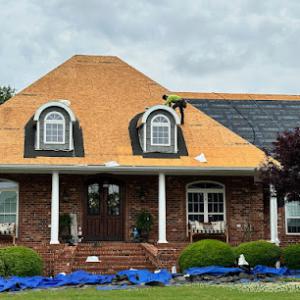
Fuller Roofing & CONSTRUCTION CONTRACTORS
Serving
25+ Years Experience. Family Owned and Operated. Licensed & Insured. Free Estimates.
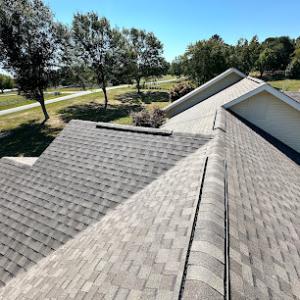
Jaguar Roofing
(754) 273-4818 jaguarroofing.durablesites.com
Serving
We do Shingles and Metal, repairs, clean gutters. Since we’re a small business, we only do repairs on roof but we promise to you that we do if professionally call us anytime we will attend you, Thank you.
Reroof projects in this area typically require a permit, and homeowners should treat permit filing as a normal part of the job rather than a last-minute afterthought. The local Building Department expects a permit to be in place before any tear-off or new material goes onto the roof, especially when storm repairs or hail-related work is involved. This keeps work compliant with local codes and helps avoid delays if an inspector visits mid-project.
Contractors usually handle the permit filing with the Building Department. If you're managing the project yourself, you'll coordinate with the contractor to gather required documentation and applications. Expect requests for project scope, roof location, and material type, plus a written set of project plans or sketches. The office staff respond with guidance on forms, fees, and any neighborhood requirements that may apply to your street or subdivision.
Inspections can be scheduled during progress or after major milestones, depending on project scope. A typical sequence involves at least one in-progress check and a final inspection once the work is completed. An inspector may verify underlayment, nailing patterns, and venting during the process, then confirm that the roof meets code and manufacturer guidelines at final review. Timelines can vary with workload, so expect some back-and-forth if plans need adjustment.
A final inspection is generally needed to close the permit. This step confirms that all components, from flashing details to chimney and vent boot installations, meet code and workmanship standards. Busy periods can stretch approvals or plan reviews to roughly 1-2 weeks, so plan accordingly for scheduling around weather windows and any contractor availability. Keeping communication clear with the Building Department helps minimize hold-ups.
Albertville sits in an Alabama insurance environment with frequent thunderstorm and hail claim activity, which makes roof documentation especially important after local storm events. Your roof's condition can change quickly in the aftermath of a storm, and insurers may look for a clear before-and-after record. Keep date-stamped photos taken from ground level and from the roof edge if safe, showing both general roof condition and any hail impact patterns on shingles, gutters, and flashings. Store these images with a simple timeline: pre-storm, immediate post-storm, and follow-up as repairs progress. In neighborhoods common to Sand Mountain, photo detail is often the difference between a smooth claim and a drawn-out process.
Homeowners in the area should keep date-stamped photos of pre-loss roof condition and post-storm damage because insurers commonly ask for thorough visual documentation in higher-claim markets. Focus on close-ups of damaged shingles, dented metal, lifted edges, and interior signs like staining on ceilings or attic insulation intrusion. Regularly review attic access after a storm; damp or musty air can signal unseen roof trouble. If you can, photograph interior ceilings or drywall in the week after a storm to capture any leaks that may not be immediately visible from the exterior. Consistent, orderly records help an adjuster see the full scope of damage rather than a partial picture.
Wind-mitigation features may matter in underwriting or credits, so Albertville owners should save permit records, product details, and final inspection documentation after reroofing. When hail or high winds strike Sand Mountain roofs, older or lighter systems can suffer more quickly, and insurers weigh the durability of underlayment, installation methods, and roof deck condition. Document any upgrades or repairs with the same thorough approach used for exterior photos. A well-documented roof history can support a smoother claim experience and clearer coverage outcomes.
After a storm, assemble a simple damage log: dates, what was observed, and who inspected it. Note the presence of any temporary protection like tarps, and keep receipts for emergency fixes. If a claim is filed, present the photo timeline alongside the log to help the adjuster gauge the progression of damage and repairs. In a market with active storm claims, clear, organized documentation reduces ambiguity and supports rightful coverage decisions.
Albertville homeowners often ask if a recent thunderstorm or hail event left enough impact to warrant repair rather than a full roof replacement. The answer depends on visible damage, attic signs (such as elevated humidity, droplets in insulation, or soft spots), and the presence of hail dents or cracked shingles. In Sand Mountain's brisk spring storms, dents on metal flashings, compromised granules on asphalt shingles, or curling edges can indicate deeper issues. After a storm, a careful, staged inspection is key: start with the most obvious areas-down-slope valleys, edge rows, and any roof sections shaded by trees-and then verify with a professional estimator who uses infrared or moisture meters to detect hidden damage. Documentation with dated photos helps separate minor wear from storm-driven failures and can prevent disputes with insurers later.
Because permit approvals can slow during busy periods, residents worry about getting dried in quickly after storm damage while still keeping the project compliant. A practical approach is to secure temporary weather barriers that protect interior spaces from wind-driven rain and to schedule a roof edge replacement or tarp placement promptly, followed by a formal repair plan. Coordination with a licensed contractor who understands local weather patterns and scheduling realities helps minimize exposure to further moisture damage. While you wait for favorable sequencing, ensure gaps around chimneys, vent pipes, and skylights are properly sealed to prevent rain intrusion. Clear communication about anticipated timelines with your contractor helps smooth the drying-in process without sacrificing long-term performance.
Owners worry about selecting a material that can endure Alabama heat and repeated storms without triggering insurance disputes over age or wear. For Sand Mountain conditions, materials with strong hail resistance and good heat reflection perform best. Asphalt shingles with a robust granule coating, engineered metal roofs, and synthetic/composite options often deliver durable, energy-conscious performance in this climate. When evaluating a replacement, consider the roof's slope, tree cover, and existing attic ventilation, since heat buildup and moisture management drive both comfort and longevity.
Insurance documentation matters, especially when weather events are followed by multiple claims in the neighborhood. Keep a detailed record of all damage assessments, contractor evaluations, and any temporary protections installed. If a claim is filed, provide clear, dated photos of damaged areas, notes on wind or hail indicators, and a written plan outlining repair or replacement options. A transparent trail helps minimize disputes related to age, prior wear, or incomplete documentation, and supports a smoother path toward a settled claim and a properly executed roof project.