
Last updated: Apr 19, 2026
Douglasville homeowners commonly face roof stress from frequent summer thunderstorms and hail, making storm-related inspections and repairs a top local need. When a storm rolls through, posture your roof for rapid assessment the moment it's safe to go up. Start with exterior signs: dented gutters, granule loss on shingles, curled edges, and visible leaks inside the attic or ceiling. If you notice active leaks, prioritize temporary containment to slow water intrusion while you arrange a proper roof evaluation. In this climate, every hour counts after a storm, because moisture and heat accelerate deterioration on aging or already stressed roofing systems.
In this market, insurance-claims assistance and storm-damage services are unusually prevalent among contractors, reflecting how often homeowners pursue roof work after severe weather. Build a clear, dated photo trail from before, during, and after the event. Photograph all visible damage on roof planes, flashing, and venting, plus interior damage from leaks. Keep repair invoices and a simple log of weather dates and storm intensity. If you tracked the roof's age prior to the event, have that record ready. This documentation makes conversations with adjusters more efficient and reduces back-and-forth while you're under pressure to move repairs forward.
Adjusters in Georgia can stretch timelines during active storm periods, so Douglasville homeowners benefit from timely, organized submissions. When meeting an adjuster, present the photo timeline, the roof age record, and any prior inspection notes. Be explicit about compromised areas that affect not just weather protection but energy efficiency and attic ventilation. Seek a contractor who will coordinate closely with your adjuster, provide a clear written scope, and maintain open communication. In a town where storm-related services are plentiful, you can expect robust options, but also a need to benchmark workmanship against a documented, project-specific plan.
Thunderstorms and hail leave telltale patterns in this area: bruised shingles, broken granules in gutters, and damaged flashing around chimneys and skylights. Clogged or damaged vents can cause moisture buildup and attic condensation that invites mold if left unchecked. It's not only the roof surface; the underlayment needs inspection, especially on older homes with diverse roof lines. If a contractor requests access to the attic, be ready to discuss ventilation effectiveness and any signs of staining, musty odors, or warmth which can indicate insulation or leakage issues that need addressing alongside the roof.
After the immediate claims process, establish a practical maintenance routine tailored to this region's storm cycle. Schedule a professional inspection after each major storm season, focusing on fasteners, sealant integrity around vents, and flashing continuity. Ensure adequate attic ventilation and remove debris buildup that can trap moisture. In neighborhoods with mixed-age housing stock, prioritize flashing and edge repairs where leaks commonly originate. This proactive stance helps reduce repeat claims and preserves roof life, even in a climate built for rapid weather shifts.
Look for a local contractor with a proven track record handling storm-damage claims and rapid-response repair in the area. Ask for references from nearby homes with similar roof styles and exposures, and verify they guide homeowners through the full claims process-from documentation to final repairs. Quick response times, transparent communication, and a detailed, itemized repair plan are essential when storms recur in this part of the metro area.
Find local contractors experienced in assessing and restoring roofs after hail, wind, and severe weather events.
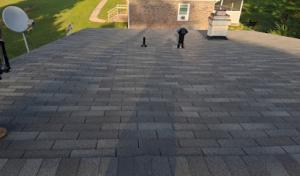
Hamby Roof Repair
(770) 577-9758 www.hambyroofrepair.com
4937 Revere Ct, Douglasville, Georgia
5.0 from 168 reviews

Paramount Roofing & Consulting
(404) 971-2880 www.paramountroofingandconsulting.com
2108 Fairburn Rd # A, Douglasville, Georgia
5.0 from 270 reviews
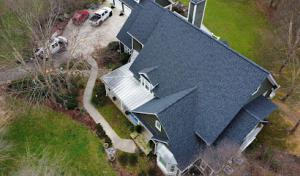
Efficient Roofing & Restoration
(678) 499-3257 effroofingrestoration.com
1485 Fall Creek Trce, Douglasville, Georgia
5.0 from 83 reviews
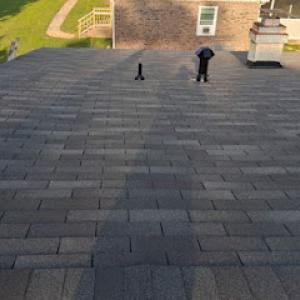
Hamby Roof Repair
(770) 577-9758 www.hambyroofrepair.com
4937 Revere Ct, Douglasville, Georgia
5.0 from 168 reviews
Since 1991, Hamby Roof Repair has been the trusted name in residential roofing and general construction. More than just leak repair, we offer comprehensive roofing services, bringing decades of experience to every project. We believe quality roof care shouldn't break the bank, and our maintenance plans are designed to extend the life of your roof, saving you money in the long run. From shingles to flat roofing products, if it's repairable, we can fix it, ensuring your home or business is protected for years to come.

Paramount Roofing & Consulting
(404) 971-2880 www.paramountroofingandconsulting.com
2108 Fairburn Rd # A, Douglasville, Georgia
5.0 from 270 reviews
Paramount Roofing & Consulting, Inc. is dedicated to delivering outstanding quality at competitive prices. Our goal is to create long-term value by building trusting relationships with our customers. Our roofing specialists are certified to attend to any siding, insulation, gutter, or roofing repair you need. With a focus on personal service and a commitment to integrity, our team is the best choice for any project you have. At Paramount, our relationship does not end when your project is completed, it begins. Paramount Roofing & Consulting, Inc. is an exemplary team and we are proud of it! We have the utmost trust in each other to deliver quality services to our customers.
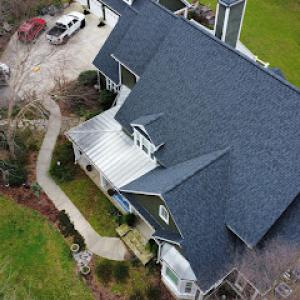
Efficient Roofing & Restoration
(678) 499-3257 effroofingrestoration.com
1485 Fall Creek Trce, Douglasville, Georgia
5.0 from 83 reviews
Efficient Roofing & Restoration Construction • Roofing • Remodeling • Renovations 🏠 Your project in the hands of true professionals. We specialize in all types of residential and commercial work: ✔️ Roof replacement and repairs ✔️ General construction ✔️ Additions and full renovations ✔️ Siding, windows, doors, painting, flooring ✔️ Structural repairs ✔️ Insurance claim assistance ✔️ Big or small projects — we do it all! 🛠️ Quality, responsibility, and results that speak for themselves. We serve all areas throughout Georgia and surrounding cities. 📞 (678) 499-3257 If you need an inspection, estimate, or help with your project, we’re here for you. ✨ “We build trust, and we restore your home.”
1761 Renovations
(678) 576-4584 1761renovations.com
7500 GA-5, Douglasville, Georgia
5.0 from 69 reviews
1761 Renovations is a licensed home renovation and roofing company based in Douglas County, Georgia. We provide full roof replacement, roof repair, metal roofing, shingle roofing, and roof inspections. We also offer siding and gutter installation. Our team won't waste any time when repairing your home. We'll do anything it takes to make your home look like it did when you first bought it when it was brand new. At 1761 Renovations, we have a passion for leaving things better than we found them and your home will be no different! We are not only professional but ethical--we don't know how to operate any other way. If your roofing, siding, or gutters are in need of some TLC, give us a call today and see for yourself what sets us apart!
Guardian roofing
(404) 626-3461 guardianroofingllcga.com
2867 Red Lodge Way, Douglasville, Georgia
4.9 from 115 reviews
Guardian Roofing is a family owned and operated company that is more than committed to becoming the contractor of choice. We pursue excellence through experience, dedication, and disciplined staff that has an ongoing passion in delivering timely, affordable, and quality projects. Our company has over 11 years of personal experience. Since then, we have built a solid reputation as reliable general contractors. Our continued business success and longevity relies on referrals and word of mouth of satisfied and loyal clientele across Douglasville, GA.

Safe Top Roofing & Remodeling
(770) 374-2736 www.safetoproofing.com
5481 Olde Plantation Dr, Douglasville, Georgia
4.9 from 81 reviews
SafeTop Roofing is a trusted roofing company in Douglasville, GA, providing expert residential & commercial roofing services. We specialize in residential roof installation, repair, and replacement, ensuring your home is protected with reliable roofing solutions. Our expert team also excels in commercial roofing repairs & commercial roofing maintenance, delivering exceptional results for all types of commercial properties. You're facing storm damage or routine wear and tear, our roofing repairs for buildings ensure your property remains safe and secure. We handle everything from roof renovations to complete roof replacements. Our flat roofing installations and home renovation services for all residential & commercial renovation needs in GA.
McKinley Roofing & Restoration
(678) 983-4455 mckinleyroofing.net
5228 Big A Rd, Douglasville, Georgia
4.9 from 67 reviews
McKinley Roofing and Restoration is family run and locally owned and operated in the West Georgia area. We have proudly served homeowners all across the state of Georgia. We have established ourselves within our community by consistently providing honest and quality work with excellent customer service. We take pride in the Services and Experience that we provide for homeowners. We understand the value and rarity of “going the extra mile”, and we are intentional to make our customers notice the willingness that we have to serve at the highest level. “Quality over Quantity” is the forefront of our company, and we greatly appreciate the opportunity to earn your business!
Whitaker Roofing Company
(706) 480-8278 www.wrcroofing.com
7575 Owl Creek Dr, Douglasville, Georgia
4.8 from 410 reviews
Whitaker Roofing Company specializes in residential roofing and commercial roofing solutions. From roof repair, roof installation, roof replacement, storm damage restoration, and more, we provide reliable, expert services tailored to your needs. Whitaker Roofing Company has been proudly offering local roofing services in Douglasville and the Metro Atlanta community since 2017. Our team of professional roofers has quickly earned a reputation for trustworthy and reliable professional roofing services by installing and repairing thousands of roofs in the Douglasville and Metro Atlanta area.
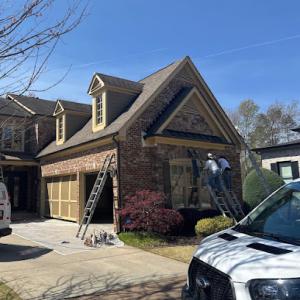
Vertex Roofing & Home Renovations
(470) 748-7490 www.vertexroofer.com
6905 W Strickland St, Douglasville, Georgia
4.9 from 81 reviews
Vertex Roofing & Home Renovations is a veteran-owned company serving Douglasville, Atlanta, and Metro Atlanta. As a GAF Certified Contractor with an A+ BBB rating, we specialize in residential and commercial roofing, emergency repairs, metal roofing, gutters, siding, custom cabinetry, painting, flooring, waterproofing, and complete home renovations. Our experienced team brings discipline and exceptional craftsmanship to every project. Licensed and insured, we're committed to honest communication, quality workmanship, and timely completion. From urgent storm damage to planned renovations, we deliver reliable solutions and superior customer service.
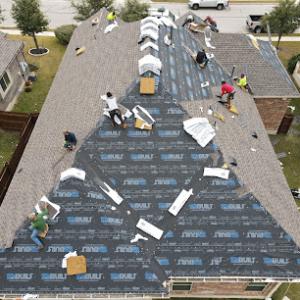
Roof Now
3400 Chapel Hill Rd #100/28, Douglasville, Georgia
5.0 from 27 reviews
Roof Now, headquartered in Douglasville, GA is a family-owned and operated company providing efficient and effective roof services from one family to another. As a West GA roofing company, our team has many years working directly to perfect the practice on roofs. We are your experts for commercial and residential roofing. When you want upfront pricing, a roofing contractor who cares, and even free inspections and estimates, we are here for you! Reach out to us today for all of your roof replacement, roof inspection and storm damage restoration needs!
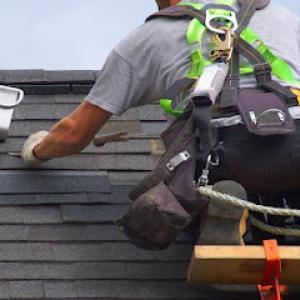
Quality Works Roofing
(404) 426-5277 www.qualityworksroofingatl.com
Douglasville, GA
4.8 from 45 reviews
Quality Works Roofing offers free estimates! A TOP RATED GAF Master Elite Certified roofing contractor. A+ rated with the Better Business Bureau. We use the best materials and products on every product and we'll beat any written estimate guaranteed!
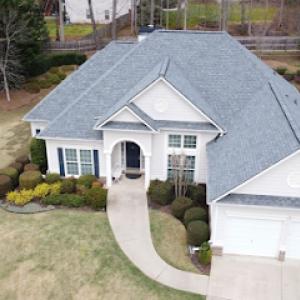
Finnegan Services
(678) 751-2052 finneganservice.com
8635 Park St, Douglasville, Georgia
5.0 from 18 reviews
Finnegan Services is the leading roofing and insurance restoration specialist in Douglasville, GA with over 7 years of experience. Our dedication shows in every project we undertake. Our services include roof repair, replacement, vinyl siding, metal roofing, and gutter installation. As your trusted roofing company, we use only premium and locally sourced materials for every project. We understand the importance of a reliable roof, so we provide top-notch roofing solutions. We are your go-to choice for quality work and outstanding customer service. Transform your home with the finest roofing and siding services. Don't wait; contact us now to experience the difference. Your satisfaction is our priority!
Douglasville experiences hot, humid summers and mild winters, a combination that accelerates shingle aging while also making ventilation performance especially important. In this climate, attic intake and exhaust vents must work in harmony with insulation to prevent heat buildup that can bake the roof deck and underlayment. Poor ventilation can shorten the life of asphalt or synthetic shingles and worsen ice-damming risk in shoulder seasons. Look for signs of curling, cupping, or lifted edges that appear earlier than expected, especially after several hot, humid months. A well-ventilated roof system also helps reduce heat-related expansion and contraction stresses on flashing and sealants, which matter when storms roll through.
Shoulder seasons are favored locally for planned replacement because summer thunderstorm frequency can disrupt tear-off schedules and expose homes during active weather windows. Spring and fall typically offer more predictable weather for roof work, with fewer days of extreme heat. In Douglasville, schedules should account for afternoon thunderstorms and the potential for quick changes in wind direction. When planning, coordinate with a contractor to keep decking dry during tear-off and to protect finished work from sudden downpours. If a replacement is delayed, focus on maintaining venting, flashing, and underlayment integrity to curb the risk of mid-season leaks.
Thunderstorms and hail can produce localized damage that isn't obvious from ground level. After a storm, inspect for lifted shingles, dented metal edges, damaged flashing around chimneys or vents, and granule loss in areas that resemble sandpaper. If a leak is suspected, place a bucket under the drip and avoid walking on wet roofs to prevent slips. At the first convenient opportunity, capture clear photos of the affected area from multiple angles, including close-ups of shingles and flashing. Document dates, weather notes, and any prior repairs. When contacting an insurer, provide the photos, a brief description of the incident, and a timeline of any temporary measures taken, such as tarp placement or water removal from living spaces.
During the peak storm season, homeowners in this area often face rapid assessments and claims related to hail and wind damage. Keep a detailed roof repair log, including dates of inspections, contractor notes, and any temporary fixes. Store copies of warranty documents, photos from before and after events, and notes on the roof's original material and deck condition. Proactive maintenance, such as ensuring proper underlayment, venting, and flashing, helps support claims that a leak or damage isn't simply cosmetic but rooted in protection system failure. Regular checks after severe weather help catch issues early, reducing the risk of widespread interior water intrusion.
Asphalt shingles dominate the market around here, and for good reason. They align with the large local re-roofing segment and the affordability-driven hiring patterns you'll notice in town. When a thunderstorm rolls through, asphalt shingles that are properly vented and sealed can hold up well enough for the typical Douglasville storm cycle. They're easy to repair, and a hooded attic vent plan helps keep attic temperatures from baking those shingles in heat waves. If you're replacing a traditional ranch or mid-century home with standard soffit vents and modest attic space, asphalt is usually the most straightforward, dependable option. Work with a local roofer who understands typical house orientations and the way trees and shading influence sun exposure on your shingles. In practice, you'll want a shingle profile that provides good wind resistance and a factory-applied sealing strip for faster recovery after a storm. The goal is a system that keeps water from penetrating early, buys you time during intermittent downpours, and minimizes disruption to your daily routine when storms hit.
Metal roofing has a meaningful local presence, making it a realistic upgrade path for homeowners who want stronger performance against repeated thunderstorm exposure. In Douglasville's climate, metal panels can shed heavy rain quickly and resist impact from hail better than many traditional options. The material's longevity aligns with people who intend to stay in their homes for a long period or want fewer roof replacement cycles. Metal also pairs well with modern venting strategies and flashing details that deter leaks during fast-moving storms. If your home has a shallow roof pitch or you're concerned about wind-driven debris, metal can be a smart match. The key here is to choose a style and thickness that fit your roof shape and local wind patterns, and to ensure proper edge flashing and valley detailing. A reputable local installer will align panel seams, fastener types, and sealants with the typical Douglasville storm sequence.
Tile and slate options exist in Douglasville but are far less common than asphalt and metal, so homeowners considering clay, concrete, synthetic, or slate should expect a narrower pool of specialists. Clay and concrete tiles bring distinctive curb appeal and excellent durability when installed with correct underlayment and flashing. Synthetic shingles offer a lighter alternative with some of the aesthetic appeal of slate or clay, while maintaining easier installation logistics. Slate contributes a timeless look and exceptional longevity, but the installation demands highly skilled crews and precise roof framing. If you're exploring these routes, anticipate longer lead times for materials and installation, and plan for a dedicated, experienced local crew to handle underlayment, ventilation, and flashing to ensure a leak-free finish under Douglasville's muggy summers and sudden storms.
The most popular roofing material in the US. Find pros who install, repair, and replace asphalt shingles.

Safe Top Roofing & Remodeling
(770) 374-2736 www.safetoproofing.com
5481 Olde Plantation Dr, Douglasville, Georgia
4.9 from 81 reviews
Honest Abe Roofing Atlanta
(470) 945-7663 www.honestaberoofing.com
Douglasville, GA
4.9 from 54 reviews
Quality Works Roofing
(404) 426-5277 www.qualityworksroofingatl.com
Douglasville, GA
4.8 from 45 reviews
Understanding local price ranges helps you plan after a storm without phantom costs ballooning the project. In this area, material pricing spans from asphalt shingles at 350 to 650 USD per square up to slate at 1800 to 3000 USD per square, with metal, tile, and synthetic products filling the middle ranges. That means your choice between a basic, quick fix and a long-lasting upgrade will show up most clearly in the per-square cost, and it matters when the weather turns nasty and crews are scarce.
After a major thunderstorm or hail event, expect a shift in pricing and availability. Local costs can rise when demand surges across Douglasville and nearby west-metro communities, tightening labor availability and extending schedules. This isn't about a hidden surcharge from a single contractor; it's supply and demand in real time, with crews pulled toward the most urgent weather damage near you. If a storm hits on a weekday, you may see a few more days of backlog than usual. If damage is widespread, the backlog can stretch into weeks. Plan for that by aligning expectations about start dates and intermediate weather windows, since poor weather can stall mobilization just as effectively as a write-up in a bid proposal.
Material choice should be driven by long-term performance and home style, not only the sticker price. Asphalt shingles are the most common in the area for budget-minded projects and quick restoration, while metal offers durability with lighter weight and often better wind resistance. Clay and concrete tiles bring distinctive looks and weight considerations, with tile options generally found in the middle-to-upper cost range. Synthetic or composite shingles provide a balance between price and resilience, and slate sits at the high end, valued for longevity and curb appeal but requiring structural awareness and cost tolerance. For many Douglasville homes, the roof type must stand up to humid heat, heavy summer storms, and occasional hail, so factoring in wind resistance, impact rating, and attic venting alongside the upfront price makes the most sense.
Timing a replacement or major repair hinges on weather, financing readiness, and the chosen product. If you've experienced recent hail or wind damage, prioritize a professional assessment quickly to separate actual damage from cosmetic wear. A thorough inspection helps you avoid chasing insurance-covered repair pathways or over-committing to a product that isn't necessary for your roof's remaining life. In practice, secure a plan that fits your budget, then lock in a realistic start window that tolerates potential weather delays, so your project doesn't linger into a second storm season.
Get a clear picture of your project costs upfront - no commitment required.
Efficient Roofing & Restoration
(678) 499-3257 effroofingrestoration.com
1485 Fall Creek Trce, Douglasville, Georgia
5.0 from 83 reviews
1761 Renovations
(678) 576-4584 1761renovations.com
7500 GA-5, Douglasville, Georgia
5.0 from 69 reviews
Guardian roofing
(404) 626-3461 guardianroofingllcga.com
2867 Red Lodge Way, Douglasville, Georgia
4.9 from 115 reviews
When a full roof replacement is on the table, a building permit is typically required in this area rather than relying on informal scheduling with a contractor. The process isn't just an administrative hurdle-it's a meaningful checkpoint that helps ensure the work meets local codes and the weather-driven demands of this region. If a job starts without a permit, any subsequent inspections or final sign-off can become serious obstacles, including potential requirements to undo or redo portions of the installation. In a neighborhood where storms and hail are common, securing the permit early can prevent delays that leave you exposed to the elements longer than necessary.
The City of Douglasville Building Department is the point of contact for permit applications and the scheduling of inspections. This department coordinates critical review moments, including the underlayment and venting stage, and the final completion inspection. Expect to present the project scope, roofing materials, and placement details, along with any code-compliant attic venting and flashing configurations. The structure of the inspection process is designed to catch issues before they become problems-especially in a climate where humid heat and storm-driven leaks frequently test roof systems.
Inspectors in this area pay close attention to flashing, ventilation, and overall installation quality, not just aesthetics. Flashing around chimneys, vents, skylights, and wall transitions must be integrated with precision to resist wind-driven rain and hail impact. Ventilation adequacy is checked to prevent attic heat buildup and moisture problems, which can accelerate shingle deterioration and deck rot. A common source of rework after a storm is a flashing mismatch or insufficient venting that compromises the roof's ability to shed moisture and withstand wind uplift. Understanding that inspectors are looking for a durable, properly installed system helps you plan for a thorough, cost-effective outcome.
Before the permit is issued, a detailed scope and plan are reviewed. As work progresses, inspections are staged at the most critical points: material delivery and setup, underlayment installation, flashing integration, and final completion. Coordinating with the contractor to align these milestones with the Building Department's schedule reduces the risk of delays. If an inspector flags any item, address it promptly to avoid cascading impacts on the project timeline and on the roof's performance during the next storm season.
Georgia's insurance market remains active, but Douglasville homeowners may still be asked for detailed proof of roof age and recent repairs when filing or renewing after storm activity. Storm and hail claims are common in this region, and documentation quality can materially affect how smoothly a Douglasville claim moves through inspection and adjustment. Keeping a careful trail of information helps you navigate the process with less guesswork.
Before a storm hits, assemble a robust file you can pull from quickly. Before-and-after photos capture the roof condition across the year and after each major hail event. Maintain permit records and contractor invoices that show materials, labor, and dates. Obtain inspection sign-offs from licensed roofers after any repair or replacement. Store email confirmations from insurance agents or adjusters that spell out what is covered. In short, this bundle supports both current claims and any future underwriting questions.
Start by photographing the entire roof from multiple angles, then focus on any suspected hail-impact spots and flashing or vent gaps. If a contractor notes needed repairs or a full replacement, secure a written scope and a dated report. Keep warranty documents for shingles or underlayment, if available. When an adjuster inspects the roof, request a written claim file summary that lists initial damage findings, agreed remedies, and final approvals. If you receive any correspondence that seems ambiguous, request clarification in writing and file it with the rest of the documentation.
Create a dedicated folder for each storm or claim cycle and label documents by date, event, and contractor. This organization supports not only the current claim but any future underwriting questions or updates to your policy. In practice, maintain accessible copies of photos, repair invoices, sign-offs, and written adjuster notes in a place you can retrieve quickly after a new storm or when renewing coverage.
In this market, skylight penetrations are not a minor detail-they are a frequent source of trouble when aging or improperly flashed transitions fail during heavy rain or hail. Inspectors here place emphasis on flashing, so the moment a leak shows up around a skylight, the first suspect is the flashing tape, boot, and its seal against the curb or curb-mounted units. Expect that replacement projects will test you on how the flashing is integrated with surrounding shingles and underlayment, not just the glass and glazing. A roof with a skylight should be treated as a transitional area where water can shed poorly if the sealant or metal flashing has aged or shifted. If you notice condensed moisture around the skylight corners or dampness on the interior ceiling near the flash line, plan for targeted flashing refresh rather than a full-scale overhaul of the entire roof.
Chimney work shows up often in this local market, reinforcing that the flashing and water-shedding at penetrations matter as much as the shingles themselves. The crown, the step flashing where the chimney meets the roof planes, and the chimney cap condition all influence how leaks travel into the attic. When replacing shingles near a chimney, it's not enough to resurface the slope; the corner transitions must be resealed to prevent capillary wicking along mortar joints and around brick voids. If the chimney flue or masonry shows cracking, that symptom can mirror back through the roofline as seepage that wanders under the shingles and into the attic during a storm. Expect skilled attention to both vertical and horizontal flashing, with extra care given to maintaining a clean water-shedding angle away from the brick.
Treat skylight and chimney areas as two-priority zones during any repair or replacement, especially after a severe storm. Have your contractor verify the compatibility of underlayment with the skylight curb and chimney flashing, and insist on detailed inspection of all corners and transitions. For skylights, request a test-fit of flashing around the curb and a plan that includes sealant integrity, shingle integration, and proper drainage pathways. For chimneys, demand a full assessment of step and counter-flashing, crown integrity, and a wrap-up that routes water away from the brick joints and attic entry points. In Douglasville, where heavy storms can expose vulnerabilities quickly, a proactive check of these zones saves you from cascading leaks and interior damage.
Find contractors experienced in skylight installation, flashing, and leak repairs to bring natural light into your home.
Efficient Roofing & Restoration
(678) 499-3257 effroofingrestoration.com
1485 Fall Creek Trce, Douglasville, Georgia
5.0 from 83 reviews
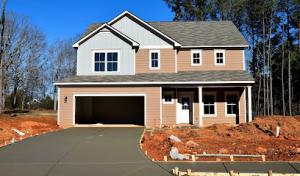
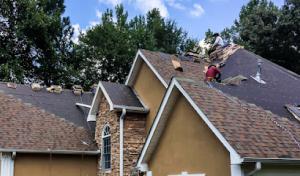
Douglasville experiences frequent thunderstorm impacts and storm-driven leaks, so you need a roofer who can answer calls promptly and clean up debris quickly. Look for a contractor who prioritizes on-site safety, protects landscaping, and coordinates with neighbors if streets are blocked after a storm. A clean, organized crew with a clear plan for temporary tarping and site safety will minimize disruption to nearby homes and reduce wind-driven debris from lingering on your property.
For many Douglasville homeowners, re-roofing is a common project, and logistics matter more here than niche new-construction work. Seek a company that has performed full roof replacements in similar housing stock-whether vinyl-clad ranches, brick bungalows, or multi-family rows. They should demonstrate a proven sequence: temporary protection, roof deck evaluation, underlayment installation, venting checks, flashing integrity, and a smooth hand-off to finish crews. A firm with a track record handling permit-ready replacements can keep the job moving even when weather squeezes the schedule.
Long-established, family-owned, locally owned, licensed, insured, and manufacturer-certified firms all have visible presence in Douglasville. This breadth gives homeowners several ways to screen beyond price alone. Check references from nearby neighborhoods, inspect recent full-replacement projects, and verify installation certifications from shingle or metal manufacturers. Local firms often offer extended warranties and better post-project support, since their reputation hinges on neighborhood relationships and quick, local service.
After a thunderstorm or hail event, you should document damage thoroughly: photos of the roof, gutters, and interior water intrusion, dated records, and a written account of when leaks began. Share documentation with the insurer promptly and maintain ongoing communication with the roofing firm during claim processing. A contractor who can coordinate directly with your adjuster and provide detailed scope of work helps streamline leak response and ensures important details-like deck condition, underlayment, and flashing-are accounted for in the claim.
Storms can tighten the window for repairs, so ask about lead times, crew assignments, and the sequence of work from tear-off to final cleanup. Confirm that the roofer will supervise venting, flashing, and underlayment to meet local expectations for full replacements, and ensure they will conduct a thorough cleanup that leaves the street and yard free of nails and debris.