Last updated: Apr 19, 2026
Kennesaw sits in the North Metro Atlanta weather pattern where spring hail, severe thunderstorms, and wind-driven rain are a primary trigger for roof replacements and insurance claims. Those storms can arrive with little warning and leave rapid, visible damage on steep-sloped roofs common to the area. A hailstone strike or a sustained wind gust can bend shingles, dent metal, or loosen flashing, and those issues tend to accumulate fast on a roof exposed to frequent downpours and tree debris. When a storm rolls through, the clock starts ticking on documentation and inspection, because insurers are watching the calendar as closely as the radar.
The city's hot, humid summers and regular spring and fall rainfall make replacement scheduling more reliable in milder shoulder seasons than during peak summer heat. In practical terms, that means plan to coordinate work in late spring or early fall, after the worst heat has passed but before the winter chill. Scheduling during these windows reduces heat-related stress on crews and materials, speeds up project completion, and minimizes the window of disruption for family life. If a storm arrives during summer heat, use it as a signal to secure temporary protection and begin the documentation process immediately, but set real work dates for the shoulder seasons whenever possible to avoid delays from heat-driven pace changes or scheduling bottlenecks.
Georgia insurers commonly require detailed photo documentation and field inspection findings after wind or hail events, which matters in a market like Kennesaw where storm-related roofing demand is especially active. Begin with clear photos of all affected surfaces: close-ups of damaged shingles, flashing, valleys, and drip edges, plus wide shots of the entire roof to show overall condition. Include video notes that identify date, time, and the specific storm event you believe caused the damage. For interior risk signs, capture leaks in ceilings, attic insulation dampness, and any signs of mold or mustiness. Keep a running log of every storm date, the observed damage, and any temporary repairs you've implemented, such as tarping or plywood covers. Insurers will expect a field inspection report, so arrange for a licensed adjuster to visit and document findings that correspond with your photos.
If a hail or wind event has occurred, you should contact your insurer promptly and request an assignment of a field adjuster. Do not wait for the insurance company to reach out; storms in this market drive high claim volumes, and delays can complicate coverage determinations. While waiting for the adjuster, protect the roof from further exposure with sturdy, weatherproof covers and safe, temporary shielding on interior leaks. Document any temporary repairs with dated receipts or contractor notes so you have a transparent trail for the claim. This proactive approach matters because insurers in a busy market like this often rely on timely, consistent documentation to validate the scope of work and the urgency of replacement.
Choose a local roofer who understands how Cobb County-based inspections, adjuster expectations, and the typical storm damage patterns show up on Kennesaw homes. Look for crews experienced with steep slopes, multiple roofing materials, and common suburban configurations found around HOA neighborhoods. A trustworthy contractor will help you compile the photo dossier, coordinate a joint inspection with your adjuster, and translate field findings into a precise, repair-or-replace plan that aligns with your home's age, roof type, and the storm history of your neighborhood. In this market, the fastest path from storm to secure, weather-ready roof is a partner who moves quickly, communicates clearly, and stands behind their documented approach.
For homes in Kennesaw, full roof replacements typically require a building permit through Cobb County rather than being handled only at the city level. The county process ensures that the work meets area-wide safety standards and drainage requirements, especially important for the steep-sloped suburban roofs common in the neighborhood. Before any shingle pull or replacement begins, confirm that the permit is initiated through Cobb County and that the planned scope aligns with county code expectations.
In this jurisdiction, the roofing contractor usually pulls the permit and coordinates the inspection process on the homeowner's behalf. This arrangement can streamline scheduling around weather windows and ensure inspections are requested promptly after key milestones. When selecting a contractor, verify they have current Cobb County credentials and a track record of handling the permit submission, inspection coordination, and any required corrections efficiently. Clear communication about inspection timing helps keep the project on track amid storm season surges.
A final inspection is typically required after completion to verify installation details such as flashing, vents, and proper sealing at ridges. This step is crucial for long-term performance in the humid summer and leaf-heavy drainage period, where minor flashing gaps or vent misalignments can lead to leaks or moisture intrusion. Expect the inspector to verify that all components meet county technical standards and that drainage paths shed water away from the fascia and gutters as designed.
Additional inspection attention may be needed when roof decking is replaced. If decking boards show signs of moisture saturation, rot, or hail impact, the inspection scope expands to confirm that the replacement decking is properly installed and spaced, with appropriate anchoring and nailing patterns. In areas with frequent thunderstorm activity and hail exposure, ensure the decking connection points, underlayment, and fastener protocols are explicitly reviewed during the inspection to prevent future performance issues.
Given the hail-and-thunderstorm pattern that characterizes North Metro Atlanta weather, aligning permit approvals and inspections with favorable indoor windows reduces the risk of weather-delayed work. Work the permit timeline to match expected dry spells, and coordinate with the contractor to pre-plan for rapid response after a major storm. If hail damage is suspected, documentation and scheduling should prioritize prompt assessment and a timely inspection sequence to minimize further exposure and ensure code-compliant repairs.
Kennesaw pricing is heavily affected by storm-driven demand surges common across Cobb County and the broader Atlanta suburbs after hail and wind events. When a hail spell hits, contractors swing from routine maintenance mode to quick-turn installations, and pricing shifts accordingly. This means your project may carry a temporary premium if several nearby homes are being repaired at once. Asphalt shingles remain the baseline in this market, with costs that most homeowners recognize, while metal and tile systems climb faster once the project demands become more complex or structural.
For most Kennesaw roofs, asphalt shingles are the point of reference. The typical cost range for asphalt shingles sits around the low thousands per square, with your local crew quoting roughly 350 to 700 USD per square installed, depending on the shingle quality, underlayment, and local labor rates. This makes asphalt the practical starting point for budgeting, especially when the house design and roof pitch fit standard configurations.
Metal roofing is increasingly common where homeowners want longer life and stronger weather resistance, but it comes with steeper price momentum. Expect installed metal roof costs to run higher than asphalt, generally in the 700 to 1500 USD per square range. In homes with steeper pitches, additional fastening requirements, or retrofit into existing structures, calculations can push toward the higher end. Tile options-whether clay or concrete-are the most sensitive to roof geometry and supporting structure. Clay tile typically ranges from 1200 to 3200 USD per square, while concrete tile tends to be about 1000 to 2500 USD per square. Wood shingles or shakes and synthetic/composite shingles sit between asphalt and the premium systems, with synthetic/COMPOSITE often landing around 600 to 1200 USD per square and wood shingles near 600 to 1200 USD per square.
Leaf accumulation from mature suburban tree cover and moisture-related deck repairs can increase tear-off scope in Kennesaw, especially on older roofs with hidden decking deterioration. The neighborhood's tree canopy bleeds into every fall cleanup and spring inspection, so expect extra labor to remove debris, inspect for hidden rot, and replace decking where moisture has taken its toll. If the roof is older, a careful teardown can reveal compromised plywood or decking that wasn't visible from the attic, driving up both the tear-off and disposal costs. In practice, that means a project that starts with a straightforward shingle replacement may grow to include deck repair or reinforcement, framing, and additional underlayment or ventilation work.
Storm season in Cobb County can compress scheduling windows. Insurance-related work tends to surge after hail events, and demand for crews can cluster, creating backlogs. If a hailstorm of particular intensity hits in late spring or early summer, anticipate a tighter window for permitting-ready, repair-first work, followed by installation once materials and crews are available. Planning with a contractor who coordinates debris removal, decking inspection, and shingle installation in a single, phased schedule can help minimize the exposure to another storm season's delays.
Start with asphalt as a yardstick, then evaluate whether a premium upgrade (metal, clay, or concrete tile) aligns with home style, roof slope, and long-term goals for energy efficiency and durability. When possible, stage work to avoid repetitive teardown costs-for example, arranging a full tear-off and deck inspection at the same time rather than piecemeal repairs. Keep in mind that storm-driven surges can render precise quotes challenging for a short window; ask for itemized estimates and a clearly defined tear-off scope to manage expectations through the busy season.
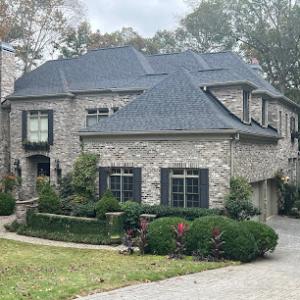
Regal Roofing
125 Townpark Dr #300, Kennesaw, Georgia
4.9 from 443 reviews
At Regal Roofing, we pride ourselves on being Southeast go-to roofing company for all residential and commercial roofing needs. With a focus on quality craftsmanship, exceptional customer service, and timely project completion, we offer a full range of services, including inspections, repairs, installations, and maintenance, using only the highest quality materials and industry-leading techniques. Our team is equipped to handle everything from routine inspections to large-scale installations, making us the best roofing company for both residential and commercial clients in the Southeast.
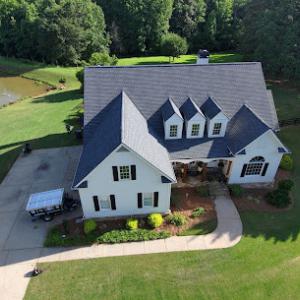
Retro Roofers
(678) 500-1977 www.retroroofers.com
125 Townpark Dr Ste 300, Kennesaw, Georgia
5.0 from 114 reviews
You may be wondering, “Why the name Retro Roofers?” The leadership behind our company grew up in a time where doing business was less complicated. Business was done in person, customers had a direct voice that was heard, and relationships were more important than a business transaction. People relied on someone’s word, their commitment, and their follow-through. At Retro Roofers, our goal is for our customers and clients to have that same experience. Your roof problems are ours to solve. We desire to focus on solving problems to your home or business, while you focus on what matters most to you in life. We’re doing things the old-fashioned way. Come be a part of our family. We are Retro Roofers.
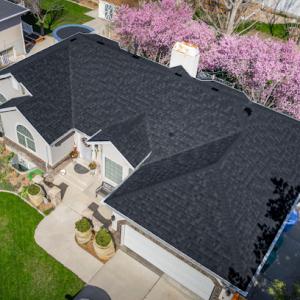
Bartlett Roofing
(470) 300-8742 bartlettroofs.com
3380 Town Point Dr NW Suite 140, Kennesaw, Georgia
5.0 from 53 reviews
Bartlett Roofing is Kennesaw’s trusted roofing company, proudly serving homeowners and businesses throughout Cobb County and the greater Atlanta area. With over 30 years of experience, our certified team delivers roof replacements, repairs, and maintenance backed by partnerships with GAF, Owens Corning, and CertainTeed. Recognized among the nation’s top 100 roofing companies and honored on the Inc. 5000 list, we remain dedicated to raising the standard of roofing across Kennesaw and Atlanta. To make things simple, we offer 24/7 scheduling for inspections and appointments, while our crews and office staff operate during standard business hours to provide the reliable craftsmanship and service we’re known for.
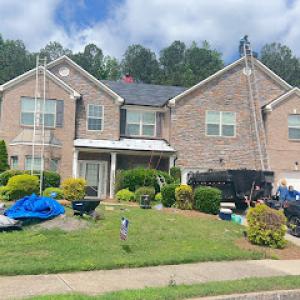
J. Dean Roofing
(470) 547-6793 jdeanroofing.com
1567 Halisport Lake Dr NW, Kennesaw, Georgia
4.9 from 101 reviews
We are roofing experts and insurance claim specialists who work on your behalf to get your roof installed as quickly and as hassle free as possible.
All Roof Solutions
(678) 945-0030 allroofsolutions.com
3700 Kennesaw S Industrial Dr NW Ste A, Kennesaw, Georgia
4.8 from 133 reviews
Founded in 2006 by Roger Morlan, All Roof Solutions is a full-service roofing company serving all communities surrounding Metro Atlanta and North Georgia. Roger received first-hand education in roofing and home improvement through his involvement with his father's roofing company. When Roger's father fell upon ill-health, he decided to start his own company, and his goal from the beginning has been to meld the individualized service of a small, family-owned business with the professionalism, experience, and quality of a larger corporation. To help further his mission of serving the local community at the highest standards, Roger added Bart Black to the team in 2018.
Roof U.S.
1590 N Roberts Rd suite 204, Kennesaw, Georgia
4.6 from 165 reviews
Roof U.S., located at 1590 Roberts Rd. Suite 204, is your premier roofing contractor providing top-notch roofing services to both residential and commercial clients. Specializing in roof leak repair, roof replacement, and roof installation, we are the leading roofing company you can trust. Our expert team excels in seamless gutter installation, state-of-the-art metal roofing, and comprehensive commercial roofing solutions. Whether it's a minor repair or a major overhaul, we ensure high-quality workmanship and reliable service. Choose Roof U.S. for all your roofing needs and experience unmatched craftsmanship and customer satisfaction. Contact us today for your roofing solution!

A & W Contracting
(770) 428-3240 a-wcontracting.com
3225 Heritage Dr, Kennesaw, Georgia
4.5 from 63 reviews
A&W Contracting is a full-service Roofing Contractor that has been serving Atlanta’s communities for over 30 years! Working on projects for the nations largest Home Building corporations such as Lennar, DR Horton, Beazer, Ashton Woods, Edward Andrew’s, Rocklyn Homes, and many others is a testament to the abilities of our team to handle any size project. From small residential to large Commercial projects, A&W’s team of experienced specialist can assist you in all things Roofing. Call our team today to schedule a call with a representative and get your project started with the best in the business!
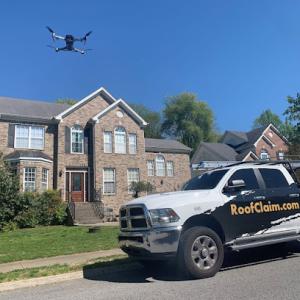
RoofClaim
1690 Roberts Blvd # 112, Kennesaw, Georgia
4.3 from 48 reviews
We're a national roofing company providing roof inspections, roof repair, & roof replacement backed by a Million Dollar Guarantee. At RoofClaim we handle your roofing needs in Marietta, GA, from start to finish. Shingle roof replacements can be completed in one day using top-quality materials. We offer financing and customized payment solutions. Over 11,000 satisfied customers and a 4.2 star average Google rating. Book your free roof inspection today!
JP Roofing Services
(770) 598-4788 www.jproofingservices.com
Serving
4.9 from 159 reviews
JP Roofing Services is a trusted Atlanta-based company specializing in roofing, siding, construction, and window installation services. Our team of experienced professionals is dedicated to providing high-quality workmanship and customer satisfaction. We offer a wide range of services to meet your needs, from roof repairs and replacements to complete home exterior renovations. Contact us today to schedule a free consultation and experience the JP Roofing difference!
Check Roofing
(404) 334-9938 www.checkroofing.com
Serving
4.9 from 114 reviews
Check Roofing is a brick & mortar family business located in the historic district of downtown Acworth, Ga. Servicing the entire Atlanta Metro area, we take pride in supporting the local economy. We are a local roofing company that specializes in Insurance Claim Restoration, offering FREE roof inspections and and no-obligation appointments. All project managers and inspectors in the field are HAAG Certified and have the knowledge and the skills to offer our customers solutions to just about any problem. Whether it's a small roofing repair job or an insurance claim roof replacement project, our experience is what sets us apart from our competitors. Call our office to schedule your free appointment and let us check your roof for free today!
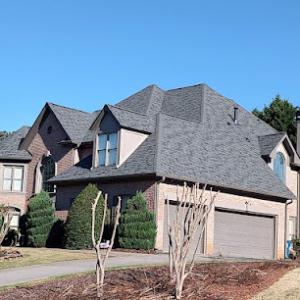
NBS Roofing
(470) 729-0678 www.nbsroofinginc.com
Serving
5.0 from 71 reviews
NBS Roofing, Inc. is your local roofing partner in Metro-Atlanta, North Georgia and Greater Nashville, proudly serving the community with over 50 years of combined experience. Voted Georgia Business Journal’s Best of Georgia in both 2023 and 2024, we specialize in top-quality roof replacements, specialty roof replacements, repairs, and inspections. Our team is committed to educating homeowners, not selling, ensuring transparency and trust every step of the way. Contact NBS Roofing, Inc. today for award-winning service you can rely on!
Georgia Roof Advisors
(678) 723-9995 www.georgiaroofadvisors.com
Serving
4.8 from 472 reviews
Welcome to Georgia Roof Advisors! We’re a family-owned roofing company in Marietta, named Best Roofer in Cobb from 2019 to 2025. With 15+ years of experience and over 450 5-star reviews, we’re known for honest, high-quality service. We take a repair-first approach — no pressure, no upselling, and only recommend insurance claims when they truly make sense. As a GAF Master Elite® Contractor, President’s Club member, GAF Metal Certified installer, and certified Fortified Roof installer, we’re proud to be #1 in the Atlanta metro area for Fortified Roof installations! Whether it’s a repair, replacement, or check-up, we make the process simple, clear, and stress-free — because you’re family to us.
In this area, asphalt shingles remain the dominant choice because they fit the typical suburban housing stock and are easier to replace after localized storm damage than heavier premium systems. You'll find a broad selection of profiles and colors that work with the common roof lines you see across neighborhoods in Cobb County. When hail or high winds strike, asphalt's lighter weight and straightforward installation can shorten repair timelines and reduce the risk of secondary damage to underlying decking. If you're weighing a repair versus a full replacement, the familiar feel and compatibility with existing gutters and vents often make asphalt a practical, predictable choice for many Kennesaw homes.
Metal roofing is increasingly relevant for homeowners who want stronger performance against repeated rain exposure and long-term heat resistance in humid Georgia summers. A metal system can offer improved wind uplift resilience and superior shedding of rain and hail, which translates to quicker drying and reduced moisture intrusion after storms. In Kennesaw's climate pattern, metal's reflective surface can contribute to a cooler attic and lower cooling loads during peak summer months. If a home already has a compatible roofing deck and you're considering a long-term, low-maintenance approach, metal can be a compelling choice, especially for reroofing scenarios where a durable finish is valued.
Clay and concrete tile exist in the market but are less common here and can be more challenging to install correctly in a region where most contractors are oriented toward shingle re-roofing and storm restoration. Tile adds a distinctive curb appeal and can offer excellent longevity, but weight considerations and labor complexity mean lead times and on-site coordination tend to be higher. Tile roofs also demand careful attention to underlayment, flashing transitions, and venting compatibility to perform well under the region's heavy rain and the spring hail window. If a home's structure is already prepared for a heavier system and there's a preference for a high-end look, tile can be a viable long-term option, provided a qualified, experienced crew handles the installation.
In practice, the storm cycle that frequently moves through North Metro Atlanta shapes material viability. Heavier systems demand precise crane access, structural assessments, and careful waste management after hail events. A local contractor with a solid track record in storm restoration can guide you through the nuances of matching a chosen material to your home's roof pitch, vents, and chimney details. For most streetscapes in Kennesaw, asphalt remains a reliable, familiar baseline, while metal offers a compelling durability pitch for adaptable, weather-aware homeowners.
The weather here often cycles between intense summer storms and spring hail, which keeps local roofs under stress season after season. In a Georgia insurance environment, roof age and visible storm damage carry extra weight during claim review. Some carriers tighten coverage or apply exclusions after major events, especially if the roof showed wear prior to the storm. As a homeowner, understand that the sequence and timing of damage matters: a fresh impact on an aging roof can be evaluated differently than a newer installation with no prior issues. The goal is to avoid surprises when the adjuster arrives, not to alarm you, but to align expectations with how claims are handled in this market.
Because many claims hinge on inspection evidence, thorough documentation is your best advocate. Start with date-stamped photos taken from multiple angles soon after a storm passes. Interior leak records-whether from ceilings, attics, or molding-help establish a timeline of impact. Keep notes on any emergency tarping or temporary repairs, including who performed them and when. In Kennesaw, where leaf-heavy drainage and rapid weather shifts can obscure damage, clear records prevent later questions about when and how issues developed. If you notice shingle granule loss, lifted edges, or visible dents on metal components, capture those details early; they often weigh in during the review process.
Timeliness matters: filing promptly and presenting organized evidence can influence the scope of coverage the carrier considers. Plan for a coordinated approach that includes a licensed roofer's assessment to corroborate the damage narrative without relying on memory alone. Understand that carriers may request confirmation of the roof's age and condition, so having a documented baseline helps. In the end, staying proactive with photos, repair records, and clear storm-damage chronology reduces friction when a claim lands on the desk of an adjuster.
Flashing details are a key inspection point in this market, especially around penetrations and transitions where wind-driven rain can exploit weak installation. Pay close attention where vents, pipes, and skylights meet the roof deck. In homes with steep-sloped roofs, tiny gaps can expand after a hail season or a heavy thunderstorm, leading to slow leaks that show up as dark streaks or musty odors inside. When inspecting, look for loose metal, lifted laps, or corroded flashings around the chimney, skylights, and dormer edges. A proactive approach keeps small issues from turning into costly repairs after the next storm.
Chimney intersections are a recurring concern in this market because many local contractors specifically advertise chimney-related roof work, signaling steady homeowner demand. The joint between brick or stone chimneys and the roof deck is a high-risk zone for wind-driven moisture. Check the step and counter-flashing where the chimney meets shingles, and verify that sealant around chimney caps remains intact. After a strong storm, look for efflorescence or mortar dust on shingles near the chimney as a clue that water has penetrated behind the flashing. Addressing this area early can prevent interior damage and broader roof gaps.
Skylight leak repair is a meaningful local specialty in Kennesaw, indicating that water intrusion around skylight flashing is common enough to shape contractor offerings. Inspect the skylight curb, flashing, and gasket for gaps or pooling water after heavy rains. Lift shingles near the skylight edge to confirm proper sealant coverage and ensure the flashing turns continue to drain toward the gutters, not toward the interior ceiling. If condensation appears inside the glass, or stains appear on the ceiling, treat the skylight as a priority repair to avoid expanding rot.
Find contractors experienced in skylight installation, flashing, and leak repairs to bring natural light into your home.
Ducks Roofing
(678) 770-6939 ducksroofingllc.com
4276 Janice Dr, Kennesaw, Georgia
5.0 from 22 reviews