
Last updated: Apr 19, 2026
Spring in the area brings convective storms that gust and drive rain and hail across roofs with little warning. When a storm rolls through the Coosa River valley, wind-driven rain and hail can slice through shingles, expose underlayment, and loosen flashing in minutes. For a homeowner facing the aftermath, the clock starts ticking the moment the clouds pass. Quick action protects the interior and prevents a small leak from turning into extensive interior damage, rot, or mold. In this corridor, storms don't wait for a perfect day to strike, so the window to document damage and start the insurance process is shorter than many homeowners expect.
Local claim conditions are shaped by Alabama's active wind and hail loss environment. Adjusters often want roof age records, prior repair history, and date-stamped photos before approving larger replacements. If there is any doubt about the roof's condition, an adjuster may request proof that the damage occurred during a qualifying storm or within a recent period. Having a concise paper trail showing the roof's condition before the event, plus weather data from the storm, strengthens the claim. Your goal is to build a clear, verifiable narrative: what happened, when it happened, and how the roof appeared immediately after the storm.
Because storm demand can surge after regional severe weather, homeowners in this area should document damage immediately before temporary repairs or debris cleanup obscure evidence. Take high-resolution photos from ground level and from a ladder or safe vantage point, focusing on damaged granules, lifted shingles, bowed flashing, and exposed underlayment. Photograph any hail impact marks on gutters, vents, and metal components-these details corroborate the claim. If safe, capture short video clips describing the damage, noting the storm date and approximate time. Keep a simple damage log: what you found, when you found it, and any temporary measures you've taken to stop further moisture intrusion.
Begin the claim promptly by contacting your insurer and noting the storm date and location. Ask for an initial adjuster visit to assess exterior components first, while you still have clear evidence. If a professional roofer is brought in, ensure the roofer documents the pre-storm condition as observed, with dated photos or reports. Coordinate with the insurer to schedule an on-site inspection within days of the event, preferably before weather or debris removal complicates the assessment. If debris cleanup is necessary, pause to capture damage before disposal, or use time-stamped photos to reconstruct the scene.
Prepare a simple dossier that includes: the storm date, a list of observed damages, dates of any temporary repairs, and copies or scans of prior roof work or repairs. Collect weather data from credible sources for the storm window, and keep all correspondence with the insurer organized by date. A chronological record helps the adjuster see the sequence of events and supports a timely decision on replacement if warranted. In the wake of a severe event, the emphasis is on fast, precise documentation that stands up to review.
Find local contractors experienced in assessing and restoring roofs after hail, wind, and severe weather events.

DBR Metal Roofing
Gadsden, Alabama
5.0 from 2 reviews
Let DBR Metal Roofing, LLC add value to your home or business with sustainable metal roofing. Call or message us for your free estimate!
USA Roofing & Gutters
Serving
5.0 from 8 reviews
USA Roofing & Gutters, LLC. is a local Gadsden Alabama roofing company that specializes in roof replacement, roof repair, gutter installation, & gutter guards. We are dedicated to providing the best customer service. We have been performing quality work for 20 years in Central & North Alabama. We are a fully licensed, bonded, & insured roofing company & gutter company, with a BBB A+ accredited rating. We have earned the highest certification in the industry as a Platinum Preferred Contractor with Owens Corning which allows us to offer extended warranties backed by the manufacturer. We offer free roof estimates & free gutter estimates for property owners in our service areas. Visit our website or give us a call at (256)-547-ROOF today!
Eppsco Metal Roofing
Serving
5.0 from 9 reviews
Metal Roofing and Steel Buildings
Evergreen Roofing
(256) 613-9264 www.evergreenroofing.co
Serving
5.0 from 42 reviews
Licensed & insured Roofing company Rainbow city Alabama

Home Rescue
(256) 344-4334 www.homerescuealabama.com
Serving
5.0 from 28 reviews
Home Rescue is a Local Roofing Contractor. serving all of the state of Alabama. We are professional, trusted, and affordable. As a licensed and insured roof company, Home Rescue provides a five year warranty on the workmanship of anything we do to ensure our client's peace of mind. All of our roofing services are compliant to the current residential building codes. For more information, please call us or visit our website.

D&G Roofing
(256) 295-8950 dgroofingcontractorsal.com
Serving
5.0 from 23 reviews
Established in 1992, D&G Roofing Contractors has been providing roofing installation and repairs for homeowners and businesses across Central Alabama. We will closely evaluate your insurance claim and work with your insurance company to pay the amount you need to fix the damage. We are proud to have been with the Better Business Bureau for over 10 years with zero complaints. As your storm damage specialist, we will repair any roof damaged by wind or hail quickly and accurately. Roof Renovations Roof Replacements Processing Insurance Claims Repairing Storm Damage To sum it all up, we provide everything it takes to protect your most important investment – your home. Contact us to get started with an estimate.
Blue Square Roofing & Construction
(256) 572-7431 www.bluesquareroofing.com
Serving
4.8 from 64 reviews
At Blue Square Roofing & Construction, we specialize in top-quality roofing repairs and installations for residential and commercial properties. Founded by Jeremiah Lightsey, our trusted roofing contractor is dedicated to honest, reliable service that protects your home and investment. We use premium roofing materials and industry-best practices to ensure long-lasting results. Whether you need roof replacement, repair, or inspection, Blue Square Roofing delivers expert craftsmanship and exceptional customer care. Serving Boaz and North Alabama, we are your go-to roofing company for durable, affordable solutions.
Curvin's Roofing
Serving
5.0 from 10 reviews
Family owned and operated for over 30 years, serving Calhoun county and surrounding areas
Roof Revivers
(256) 847-4099 roofreviversllc.com
Serving
4.7 from 40 reviews
We provide high quality roof restoration services to the communities in and around Alexandria, AL. Our team has years of experience repairing and washing roofs to make homes look brand new. Call today for shingle repair, pressure washing, and roof washing.
Storm Proof Exterior Construction
(256) 645-9721 stormproofal.com
Serving
5.0 from 19 reviews
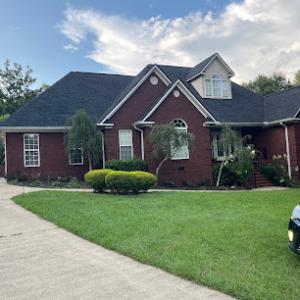
Alabama Roofing License #31650. Storm Proof Exterior Construction is a professionally owned and operated Roofing Contractor located in Calhoun County Alabama. We are dedicated to keeping your family protected from the elements. Our goal is customer satisfaction guaranteed. We strive for excellence no matter how big or small the project is. Our craftsman are highly trained professionals ready to keep your family safe whatever the cost.
Seamless Roofing
(256) 310-6096 www.seamlessroofal.com
Serving
5.0 from 7 reviews
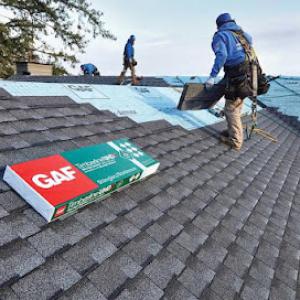
Free Estimates Shingle roofs Shingle repairs Metal roofs Metal repairs Storm damage and inspection Insurance specialists TPO roofs
Top Notch Roofing
Serving
5.0 from 9 reviews
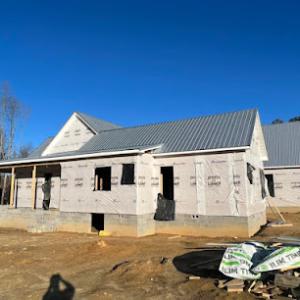
Providing exceptional licensed and insured roofing and contracting to all Marshall County Residents
Your roof endures a different kind of stress here than in cooler climates. The combination of hot, humid summers and the Coosa River valley humidity accelerates shingle aging, especially on roofs that already have marginal attic ventilation. In practical terms, heat sits on the roof deck, then rises into the attic. If intake and exhaust ventilation aren't well balanced, that heat gets baked from above while damp air sits on the underside, speeding degradation of seals, granules, and underlayment. In Gadsden, that cycle happens year after year, so a roof that looks fine may already be operating near its limit. This is why you pay attention not only to the visible shingles but to attic airflow, ridge vents, soffit openings, and any signs of blisters or curling that show up earlier than expected.
The river-valley moisture profile means moisture is everywhere: humid air rushing in with storms, rain-soaked nights, and summer humidity that lingers after a rain. A balanced system-adequate intake at the soffits and effective exhaust at the ridge or high vents-keeps air moving. When ventilation is off, heat and humidity press on the deck from below and heat from above, creating a microclimate under the roof that can hasten failure of seals, flashing, and even the deck itself. If your attic feels sticky in summer and you notice attic fans running constantly or trapped heat between ceiling joists, that's a cue to reassess ventilation long before any replacement is considered. A simple in-home check with a flashlight and a quick look at soffit and ridge openings can reveal obvious gaps or obstructions, while a professional can measure airflow and balance it without tearing into the ceiling.
Seasonal timing matters locally: spring and fall are usually preferred for installation, while summer heat can slow crews and winter freeze-thaw swings can complicate sealants and flashing work. In practice, you'll notice crews are more efficient when temperatures are moderate, humidity practical for sealants, and roof surfaces are dry but not brittle. If a storm has rolled through and damaged the roof, the weather window after the immediate storm is a critical period for planning. You want dry days with moderate temperatures for shingle adhesion, proper flashing work, and ventilation checks. Rely on a contractor who will verify that attic ventilation is not neglected during the replacement, because once new shingles are laid, trapped heat and moisture behind a properly vented system will protect the investment for years to come.
Storm events common to this area can create sudden roof damage that triggers insurance timelines. After a storm, focus first on securing the property and documenting damage thoroughly. High wind and hail can lift shingles in patches without obvious interior signs, and moisture can follow later if flashing was compromised. When scheduling a replacement tied to an insurance claim, coordinate the timing so that the roof is replaced while the attic ventilation remains monitored and balanced, not left to deteriorate during a lengthy processing period. Your notes should track wind direction, hail impact spots, and any attic signs of moisture intrusion, since those details often influence the scope of repairs and the overall replacement plan.
Asphalt shingles remain a dominant choice in Gadsden because they fit the area's mainstream residential re-roof market and lower upfront budgets, but they are more exposed to heat aging and hail bruising in North Alabama storms. Homeowners often find asphalt a straightforward option that works with typical HOA aesthetics and existing roof lines. In this climate, selecting a rated shingle with good UV resistance and impact resistance can help extend life through hot summers and sudden hail events. Proper attic ventilation and a quality underlayment are essential to mitigate heat buildup that can accelerate aging between rainstorms. If the house features shallow slopes or simple geometry, asphalt still offers reliable performance when paired with an accurate installation approach that preserves wind uplift resistance.
Metal roofing has strong local relevance in Gadsden because it handles heavy rain shedding well and is actively offered by multiple local contractors, making it a realistic upgrade path rather than a niche option. Metal panels shed water quickly during heavy downpours and tend to show better wind resistance in thunderstorm-driven events. For homes in this market, consider a profile that balances field panels with ridge vent compatibility and a roof deck that supports longer panel spans. In addition to durability, metal can help reduce attic heat gain when installed with an appropriate ventilated, reflective coating. If the roof line includes transitions, rake edges, or skylights, ensure flashing details are paired with a competent installer familiar with Alabama storm patterns to prevent leaks around penetrations.
Tile, wood, and synthetic/composite roofs are present in the market but require closer attention to structure, fastening, and moisture management in humid climate and storm-prone conditions. Clay and concrete tiles deliver long life and distinct curb appeal, yet their weight demands a reinforced deck and careful attachment to resist uplift in strong gusts. Wood shingles or shakes can provide a traditional look but are more sensitive to moisture and hail damage; verify that the sheathing and underlayment are rated for high humidity and that coatings or treatments are compatible with Alabama weather. Synthetic or composite shingles aim to mimic natural looks with improved moisture tolerance and lighter weight, but installation must still account for proper underlayment, ventilation, and fastening patterns to prevent blistering and wind-driven failures. For all three alternatives, pay attention to attic ventilation and moisture control to avoid slow rot or mold growth in the moist summers and frequent storms typical of the area.
In a storm-driven climate, the best choice balances local conditions with your home's structure and maintenance history. If hail exposure is a primary concern, prioritize impact resistance and a robust warranty, regardless of material. For homes with existing leaky gutters or poor attic ventilation, addressing those gaps will maximize any material's performance more than chasing a perfect species. In many neighborhoods, a carefully chosen asphalt system with upgraded granules, reflective coatings, and well-executed installation can deliver dependable service life, while metal offers an appealing long-term energy and wind-resistance profile for homes with the right roof deck. For more ornate houses or structures with special flagship styles, tile or synthetic options can work, provided that the deck and fasteners are upgraded to handle humidity and storm vibrations typical in the area.
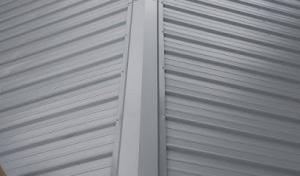
Explore specialists in steel, aluminum, and standing seam metal roofs built to last 50 years or more.

Provided local cost ranges run about $320 to $520 per square for asphalt shingles, $700 to $1300 for metal, $1500 to $3400 for clay tile, $1200 to $2600 for concrete tile, $600 to $1100 for wood shingles or shakes, and $450 to $1000 for synthetic or composite shingles. Those numbers reflect the realities of our humidity-heavy springs and storm-prone summers, where labor and disposal can move the needle even within a single material. In practice, asphalt remains the most common choice for many older homes, but in neighborhoods with heavier wind or hail exposure you'll often see homeowners leaning toward metal or synthetic options for longer-term resilience.
In a year with severe weather, the demand spike for full roof replacements can tighten labor availability and push both scheduling and pricing closer to the upper end of the ranges. That means if a detector-style claim comes in after a big hail event, you might face longer waits for tear-off crews and for crews that can handle complex venting or attic repairs. Planning ahead after a damaging storm helps avoid premium rush charges and last-minute material substitutions that can add up quickly.
Costs can also move based on whether decking repairs are needed from long-term humidity exposure. If the deck boards or sheathing show rot, expect a higher price to cover replacement and inspection time. Upgraded ventilation, which inspectors often expect after a storm and during a full replacement, can add modestly to the cost but may save energy and reduce condensation issues in hot months. More complex tear-off and disposal on older homes-common in older neighborhoods-also tends to push total project prices higher, sometimes by a noticeable margin. Plan for these contingencies when you're evaluating bids after a storm.
Get a clear picture of your project costs upfront - no commitment required.
A full re-roof in this area typically requires a building permit through the City of Gadsden Building Department rather than being treated as a no-paperwork job. That permit acts as a formal check on plan details, drainage, and safety measures before the first shingle is removed. If the project is tied to storm damage, the permit process still applies, and the inspector will expect documentation that the repair or replacement aligns with current codes. Skipping this step can trigger a stop-work order, penalties, and delays that cascade into weather-driven schedules.
Inspections are commonly scheduled during the roofing project and again after completion to verify code compliance. In practice, this means you should expect at least one mid-project review and a final walk-through that focuses on how the work was executed relative to the permit scope. The timing matters: a missed or poorly documented inspection can stall the job, even if crew work appears finished from the ground. In Gadsden, inspectors often coordinate around weather windows to avoid exposing an open roof during heavy rainfall or high winds, which are common in the area.
Local review commonly concentrates on underlayment quality, proper ventilation, and adherence to wind and fire requirements. The underlayment must be continuous and properly sealed at vent penetrations, and attic ventilation must meet calculated needs to prevent moisture buildup. Ventilation changes or adjustments made in the field can affect inspection outcomes, so it is crucial to communicate any scope changes to the building department and the contractor promptly. If your project diverts from the original plan-whether to improve airflow, add an additional vent, or change fastener patterns-expect a closer re-check during the final inspection.
Coordinate with the contractor to schedule inspections ahead of time and keep a clear trail of photos and notes showing how the work aligns with the permit. Unanticipated wind or hail impacts can necessitate minor scope tweaks; document these changes, obtain any required amendments, and avoid DIY improvisations that bypass formal review. A transparent, code-focused approach reduces the risk of rework and keeps the project on track when weather and insurance timelines press hardest.
Storm season in this part of the valley far too often shifts from a routine headache to a full insurance stress test. The patchwork of shingles and vents on many homes already ride the stress of humidity and sudden wind gusts, and after major storms, underwriting tightens quickly. Insurance lines in this region can become more cautious after the big events, with terms that bite if a roof shows age, uneven maintenance, or a history of prior damage. That means decisions about a replacement or repair are not just about the roof's appearance, but about how an insurer reads risk in the wake of a storm.
When a wind or hail claim lands, expect producers and adjusters to look closely at the roof's age and how well it's been cared for. Maintenance records and visible wear carry weight, and a noted history of minor leaks or repairs can shape how an adjuster evaluates the claim. In practice, this translates to more thorough documentation and potentially tighter coverage decisions if the materials or installation look dated or inconsistent with current expectations. This environment rewards a proactive, well-documented approach rather than improvisation after a claim.
For local claims, keep date-stamped photos from the day of loss and from a few days after, showing the extent of damage and any interior leaks. Include contractor inspection notes and any temporary tarping or containment measures you've put in place to protect the home. These records answer a question adjusters often ask: "What happened, when, and what was done to mitigate further damage?" Having a clear, organized file can smooth the process when a claim lands.
Storm exposure in this area repeatedly wears down ridge and hip lines and the outer edges of shingles. After a thunderstorm, inspect these high-running lines first, even if indoor leaks aren't yet visible. Damaged or lifted edge shingles at ridges and hips create quick pathways for wind-driven rain and hail to sneak in under the underlayment. Look for lifted tabs, cupping, or hairline splits that show up along the peak and along the edges where wind shear concentrates. A quick walk after a storm with a flashlight beam at dusk can reveal glossed or broken edges that aren't obvious in daylight. If you see loose shingles or cracking at the ridge, plan for a targeted repair rather than waiting for a full replacement, especially if recent wind events coincide with rising moisture readings in the attic.
Heavy rain and humidity in the area make flashing details around vents, chimneys, skylights, and transitions a recurring weak point. Small defects in flashing, sealant bead gaps, or mis-seated step and counter-flashing can become persistent moisture intrusion points over time. After a storm, check around each penetration from the attic if accessible, and from the exterior with a ladder for raised or corroded metal, loose sealant, or lifted flashing tabs. Pay particular attention to joints where two roof planes meet, as those transitions trap moisture when sealant dries out. If flashing looks compromised, address it quickly with proper sealant and reseating, since minor failures often escalate during the next rain event.
Winter temperature swings in North Alabama can stress sealants and flashing, so roofs that survive summer storm season may still develop leak paths during freeze-thaw periods. Inspect in late fall and after hard freezes for hairline cracks in sealant around vents, chimneys, and seams. Seams that appear flexible in summer can crack when temps swing below freezing, allowing condensation to migrate inward. If sealant shows hardening, cracking, or gaps, re-seal with compatible roofing sealant and verify that flashing is still sealed to the deck. This proactive step minimizes the risk of latent leaks that show up only after the cold sets in.
Find contractors experienced in skylight installation, flashing, and leak repairs to bring natural light into your home.

The local market signals show homeowners commonly hire for re-roofing, storm response, and insurance help rather than highly specialized roof systems. Look for a crew that handles full tear-off, weatherproofing, and debris cleanup in one coordinated visit. A contractor should arrive with a clearly written plan, provide you with a dated start and finish window, and leave the job site broom-clean each day. Prioritize firms that are licensed and insured and that carry crew coverage for all workers. In this market, you will benefit from a contractor who communicates when weather shifts and can offer a practical plan to minimize disruption.
Storm events demand rapid response and orderly cleanup. Ask for a concrete schedule showing when tear-off begins, when materials arrive, and how long debris containment will be in place. A dependable team will seal off the work zone, protect landscaping, and perform a thorough cleanup at the end of each day. Confirm that they commit to removing all discarded roofing material and nails with a magnetized sweep. Reputation matters here: request recent local references who can speak to punctuality, workmanship, and tidiness after storm-driven projects.
Insurance documentation is a central task in this market. Expect the contractor to assist with documenting hail or wind damage, provide a detailed written scope, and supply lien-release paperwork upon project completion. Verify they can communicate clearly with your insurer and provide the necessary documentation that supports a smooth claim process. A contractor who treats insurance coordination as a core service saves you time and reduces back-and-forth.
Ask for a written contract that includes warranty terms, start and finish dates, and a clear payment schedule aligned with milestones. Inspect their work order for a defined method of leak prevention during tear-off and a guaranteed cleanup standard. Choosing a firm known for dependable storm response and clear insurance support will help you navigate a challenging season with less stress.