
Last updated: Apr 19, 2026
Thunderstorms sweep through central Alabama with fierce spring hail and wind, and the damage can become invisible quickly. A roof that looks fine from ground level can suffer hidden shingle bruising, granule loss, or flashing damage that worsens with every rain. In these conditions, delayed response costs more than money-it risks interior leaks, attic mold, and escalating insurance disputes. The moment you suspect damage, you need to act decisively: document what you see, secure the area to prevent further harm, and start coordinating repairs with a trusted local contractor who understands the physics of our storms and the way hail patterns bite into different roof types.
Birmingham homeowners deal with frequent storm-related claims where the outcome hinges on thorough documentation. Before-and-after photos are not cosmetic extras; they are your primary evidence of damage and repair scope. Take wide exterior shots of the entire roof line, then close-ups of impacted shingles, dented flashing, and any granule staining in gutters. Keep a dated log of wind events, hail sizes when possible, and the concrete timeline from storm to initial claim submission. Material details matter: every shingle type, underlayment, metal edge trim, and flashing installation must be verifiable in the claim packet. When talking to the insurer, reference the weather report for the storm date and attach the photos with a simple, organized list of observed issues. A meticulous file often moves decisions faster and reduces back-and-forth requests.
Because storm demand spikes after severe weather in the metro area, scheduling delays and temporary protection needs are a recurring part of the replacement process. If a leak is present or rain is forecast, implement immediate temporary measures: tarps or sturdy weatherproof sheeting secured to prevent wind-lift and further water intrusion, plus a temporary seal over any obvious punctures. This is not a cosmetic fix; it's a risk-reduction step that can influence claim outcomes by showing proactive mitigation. Document what you applied, the dates, and the contractor or handyman's credentials if you used a third party for temporary protection. Keep receipts and take photos of the protected area from multiple angles after installation.
You want a local roofing professional who can translate storm damage observations into clear estimate language for the insurer. Ask for a detailed, itemized retrofit plan that covers visible damage and potential hidden issues-like compromised underlayment or compromised deck boards-that may only appear after partial removal. A reliable contractor will photograph both sides of every shingle course and the flashing system, label damaged components, and provide a phased repair plan that aligns with the insurer's claim process. In central Alabama, lots of claims hinge on timely cooperation between the homeowner, the adjuster, and the crew; ensure that your chosen team can coordinate inspections, communicate promptly, and document every stage of the work. Quick, precise documentation and a solid mitigation plan can keep your project moving even when storms push demand skyward.

Hyde Roofing
(256) 221-5743 hyderoofing.com
1 Perimeter Park S Suite 100 N, Birmingham, Alabama
5.0 from 175 reviews
Hyde Roofing offers the most premium products and delivers first-class customer service and an unrivaled experience for you and your family. The Hyde Roofing team is committed to excellence from the first call to the final step. We want to take care of your most important asset . Before you commit to any other roofer in the Birmingham and Decatur area, contact Hyde Roofing to experience the difference yourself!
Alabama Roofing Professionals
5508 Eastcliff Industrial Blvd, Birmingham, Alabama
4.9 from 376 reviews
Alabama Roofing Professionals provides commercial and residential roofing services to South and Central Alabama.
Elite Roofing
(833) 401-7663 www.eliteroofpro.com
1 Perimeter Park S suite 200, Birmingham, Alabama
5.0 from 193 reviews
Elite General Contracting is Alabamas’ #1 Roofing contractor. Locally owned and operated in Birmingham, Alabama. With over 25 years in the roofing industry, Elite Roofing is a prestigious GAF Master Elite® Contractor. Master Elite® Contractor status is only offered to less than 2% of roofing contractors in North America. Those who have earned this designation have exhibited an uncompromising commitment to the highest standards in sales, service, and installation, and have pledged to ensure that each customer receives the best choice in roofing. Elite maintains an excellent A+ BBB accreditation and a 5-Star Google rating across Alabama. Elite uses the highest quality materials on the market and provides superior workmanship on every job.
Eagle Roofing & Construction
(205) 703-0344 eagledoesitright.com
1185 Center Point Pkwy, Birmingham, Alabama
5.0 from 186 reviews
Eagle Roofing & Construction is Alabama’s leading roofing and construction company, proudly serving Birmingham, Hoover, and nearby communities. With over 20 years of experience, we specialize in roof replacements, repairs, emergency leak fixes, gutter services, and storm damage restoration. Our licensed and insured team is dedicated to quality workmanship, fast turnaround, and honest pricing. We help homeowners with insurance claims and offer free roof inspections to ensure your home stays protected. Whether you need asphalt shingle roofing, gutter installation, or exterior repairs, Eagle Roofing & Construction delivers trusted results with a commitment to excellence. Eagle Does It Right -call us today for a free estimate and experience

Brewer Roofing & Construction
(205) 499-7644 brewerroofingandconstruction.com
2100 Southbridge Pkwy #650, Birmingham, Alabama
5.0 from 127 reviews
Brewer Roofing and Construction, is Birmingham's local leader for roofing & construction services. Our professional company is a highly rated, licensed, and certified roofing & construction company serving Birmingham & surrounding areas. We specialize in quality roofing replacement, roof repairs, home siding replacement, deck and patio remodeling, and more. As a certified roofer, we provide the best roofing systems throughout the Greater Birmingham, AL area. We are your one-stop partner for all your home remodeling projects. Call us today to schedule a consultation with one of our team members today.
Elevated Roofing
(205) 266-3583 elevated-roof.com
2637 Queenstown Rd unit b, Birmingham, Alabama
5.0 from 112 reviews
At Elevated Roofing, we know that a solid roof is one of the most important elements of your property, which is why working with a reliable roofing team is essential for the quality and longevity of your roof. We are a factory-certified and professional roofing company with versatile solutions for your residential or commercial roof. Whether you need a roof inspection, are in the market for professional roof replacements, or need an estimate on your next commercial roofing project, we’ve got you covered. As a licensed, insured, and bonded roofing contractor with over 35 years of combined experience, we’ve become Alabama’s go-to team for dependable residential and commercial roofing solutions.
Reeder Roofing
(205) 209-3870 www.reederservices.com
25 W Oxmoor Rd # 16A, Birmingham, Alabama
4.9 from 131 reviews
Reeder Roofing is your trusted partner for residential and commercial roofing services across central Alabama. We specialize in roof repairs, replacements, maintenance, new installations, and flat roof solutions. From Huntsville to Alexander City, including cities like Birmingham, Auburn, Anniston, and more, our expert team covers all your roofing needs. We handle insurance claims and offer free inspections and quotes, ensuring a hassle-free experience. With our commitment to quality workmanship and excellent customer service, Reeder Roofing is the top choice for durable and reliable roofing solutions in Alabama.
Capstone Roofing
(205) 453-1803 capstoneroofingco.com
117 S Run Cir, Birmingham, Alabama
4.9 from 102 reviews
Capstone Roofing is a Birmingham, Alabama-based roofing contractor that has been serving Birmingham and local communities since 2014. We specialize in both residential and commercial roofing services, including roof repairs, roof installations, and seamless gutters. Capstone Roofing is committed to providing top-notch customer service and professionalism, and our skilled professionals use high-quality roofing materials to ensure that your roof is protected from the elements. Our team is also experienced in home remodels, interior repairs, and exterior repairs. If you want your home improvements done right call the professionals at Capstone Roofing, LLC.
ArcCon Roofing Company
(205) 335-8344 www.arcconroofing.com
5511 US-280 Suite 319, Birmingham, Alabama
5.0 from 61 reviews
ArcCon Roofing Company offers roofing installation and repair services in Birmingham, AL.
Above All Roofing Professionals
(205) 420-9802 www.aaroofpros.com
Birmingham, Alabama
5.0 from 57 reviews
Above All Roofing Professionals, LLC is a premier roofing contractor serving Birmingham, AL and surrounding areas. Our team of experienced roofers specializes in residential and commercial roofing services, including roof replacement and repairs. We are proud to be one of the top roofing companies in Fultondale, Gardendale, Vestavia, Hoover, Mountain Brook, Pelham, Alabaster, Trussville, and the greater Birmingham area. Contact us for all your roofing needs!
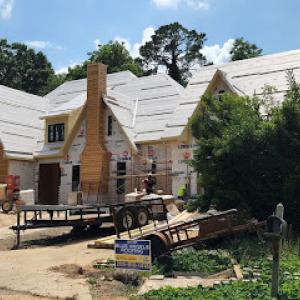
Blue Angels Roofing Birmingham
(205) 810-1418 www.blueangelsroofing.com
2230 Old Springville Rd, Birmingham, Alabama
4.8 from 438 reviews
We are here to satisfy all your needs for a roof repair and replacement in Birmingham, Alabama. We have matchless experience when it comes to any roofing services such as installing, maintaining, inspecting and repairing every type of roofing and waterproofing system. Since before we have worked on any structure that would have a roof like building, houses, establishments any size and any height. From the smallest local roof projects to some of the largest roofing and gutter installations, we could have thought of, we ensure every type of roof and project is within our capabilities.
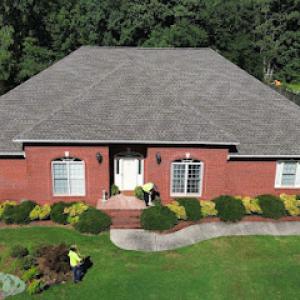
Monarch Roofing
(205) 607-0458 monarchroofingllc.com
420 20th St N Suite 2200, Birmingham, Alabama
5.0 from 45 reviews
Monarch Roofing is proud to be a family-owned top roofing company in Birmingham. We specialize in roof replacements, roof inspections, as well as other services such as gutters and fascia. Our team is fully trained to install the best materials on your home and to deal with any kind of damage you might have on shingle or metal roofing systems. We’re fully licensed and certified for your peace of mind. We are the keepers of your castle!
Asphalt shingles dominate the local market. They're familiar to most builders and installers, easy to match with existing homes, and respond well to typical Birmingham weather cycles. The hot, humid summers can accelerate granule loss, curling, and overall aging compared with milder climates, so choose shingles with enhanced UV resistance and a good warranty. In practical terms, prioritize larger granulose surface patterns and reflective options to reduce attic heat under the shingles. Regular inspections after hail events should focus on granule loss along edges and around fasteners, since hidden damage can advance with the next storm.
Metal roofing has a meaningful local specialty presence and is often considered by homeowners looking for better performance against heavy rain and long-term heat exposure. Metal systems tend to shed hail more cleanly than asphalt, and some coatings reflect heat more effectively, keeping attic temperatures a notch lower on peak days. If choosing metal, pay attention to panel thickness, fastening patterns, and a proven coastal-grade coating that resists chalking and color fade. The right installer will secure panels with sealing that stands up to Birmingham's thunderstorm cycles, reducing the chance of water intrusion after big hail or driving rain.
Tile and slate options exist in the market, but their higher installed weight and cost matter more on older homes where structural suitability may need closer review. Clay and concrete tiles can deliver a distinct look and long service life, yet the added weight often requires a structural assessment, possible reinforcement, and careful drainage planning. Slate offers excellent longevity and hail resistance but brings substantial weight and labor demands. For homes with lighter framing or switched-over roof lines, these may not be the most practical choice, despite strong performance in heat.
Your roof's shape and the age of the structure influence the best option. A simple gable or hip roof on a late-20th-century home may handle heavier materials differently than a complex roof with multiple valleys and dormers. In Birmingham, where wind-driven storms and hail are common, a well-sealed, properly vented system matters as much as the material itself. When selecting a material, consider how it interacts with existing underlayment, attic ventilation, and exterior color to minimize heat buildup and maximize storm resilience.
Regardless of material, insist on a thorough hail-damage inspection after every severe storm, and schedule a mid-season check each year. Look for loose fasteners, lifted edges, and shingles or panels that have shifted due to wind gusts. A trained local roofer can flag issues that become major leaks after the next thunderstorm and recommend timely repairs before moisture reaches decking. In the end, material choice should align with the roof's design, the home's weight tolerance, and a trusted local installer who understands how Birmingham's patterns of heat and hail stress roofs.
Spring and fall are generally the best replacement windows in Birmingham because they avoid the worst summer heat and the wettest storm-driven scheduling disruptions. If a storm season has just passed, a careful post-storm inspection is essential to catch hidden damage early, before leaks start showing inside the attic. A roof replacement during one of these shoulder seasons helps crews finish without the delays that come from sudden storms or heat-driven scheduling chaos.
After a strong thunderstorm or hail event, inspect the roof from the ground with a good pair of binoculars or hire a pro to do a thorough climb-and-inspection. Look for dented or cracked shingles, lifted edges, granule loss, and any suspect flashing around chimneys, vents, and dormers. In Birmingham's climate, roofers often see hail damage that isn't visibly dramatic yet can compromise the underlayment and deck over time. If the structure shows moisture in the attic, mold-like staining, or persistent leaks after a rain, the replacement decision moves from "repair" to "replace" more decisively.
Hot, humid summers can slow both the crew and the materials. Asphalt and certain composites may cure differently under extreme heat, and ventilation during installation matters for the crew's safety and for long-term roof performance. If a replacement is scheduled for midsummer, plan for additional crew breaks, hydration planning, and material handling to avoid warping or alignment issues. In hotter weeks, consider an early-morning start and wrap days before afternoon storms to keep installation quality high and minimize heat-related material stress.
Occasional winter freezes in the area can slow roofing work and affect how materials handle during installation. Ice dams, unexpected cold snaps, and damp conditions reduce traction and complicate shingle application and sealant curing. If winter weather intrudes, expect shorter work days and potential delays in lift availability or tarping. A winter plan should include contingency days and flexible scheduling so that the project preserves warranty conditions and avoids rushed, sloppy work when temperatures rebound.
First, verify whether the roof shows damage beyond cosmetic wear-missing granules, cracking, or lifted edges. If there is significant structural or moisture-related damage, replacement becomes the prudent path. Second, align replacement timing with the spring or fall window whenever possible to reduce heat and storm-related disruptions. Third, if a storm-induced replacement is unavoidable in summer, ensure the crew follows strict material handling, ventilation, and seam sealing practices to keep quality intact. Fourth, document all findings and keep a clear record of the decision process for insurance and warranty purposes. Fifth, schedule the project so weather forecasts hint at a dry, moderate period, with contingency days built in for unexpected weather.
Local replacement costs vary widely by material. Asphalt shingles typically run from 350 to 700 USD per square, while slate sits from 1500 to 3000 USD per square. Metal roofing generally falls in the 900 to 1800 USD per square range, with concrete tile around 1100 to 2000 USD per square and clay tile from 1400 to 2800 USD per square. Synthetic or composite shingles land between 500 and 900 USD per square. Those numbers reflect the Birmingham market's mix of aging homes and newer builds, where roof pitches and accessibility can push final pricing up or down. Remember: the "per square" cost is for 100 square feet of roof, so a 2,000 square foot roof translates into 20 squares on the invoice.
In this area, storm-driven surges in demand after hail or wind events tighten labor availability and can push timelines. When a big hail event hits, contractors may be juggling multiple urgent jobs, which can widen scheduling windows and elevate labor costs slightly. Materials also move quickly off supplier shelves after a major storm, which can shift pricing when orders are placed. If a project lands during this tightened window, expect longer lead times and potential premium bids to secure a crew and delivery slots. A careful contractor will spell out scheduling expectations and confirm a realistic start window before work begins.
Costs can shift based on whether the job is a straightforward re-roof or involves storm-related decking repairs, ventilation corrections, or inspection-related fixes common in full replacements. If decking needs replacement, or if roof vents, soffits, or attic space require correction, prices escalate accordingly. Insurance-driven projects often add scope tied to documenting hail damage, which can influence both time and cost. Expect detailed line items for decking repairs, ventilation work, and any required inspections, with clear explanations of what is covered by the material price versus labor or contingency charges.
Start with a realistic assessment of your roof's condition and the likelihood of hidden damage under shingles. Use the material ranges as a baseline, then add a contingency for storm-related scheduling or decking work. In a storm-prone market, set aside a buffer of 5-15 percent for potential delays or additional repairs. Request from contractors a transparent breakdown: materials, labor, disposal, and any permit-associated fees (even if not itemized in-house). Compare bids not only on total price but on projected timelines, included warranties, and the clarity of the scope-especially around decking and ventilation fixes.
Don't let upfront costs delay a critical repair - these contractors offer payment plans to fit your budget.
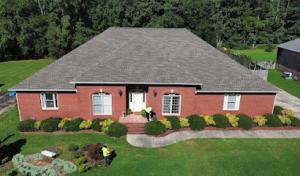
Monarch Roofing
(205) 607-0458 monarchroofingllc.com
420 20th St N Suite 2200, Birmingham, Alabama
5.0 from 45 reviews
Roofing World
(205) 851-9006 roofingworldal.com
1100 Corporate Dr, Birmingham, Alabama
4.8 from 113 reviews
Erie Home
211 Summit Pkwy Suite# 116, Birmingham, Alabama
4.6 from 122 reviews
A permit is typically required for a full roof replacement rather than just minor repair work. The city's process is built around making sure a complete roof rows up with local code and wind-load requirements, especially after storm season when repairs surge. The roofing contractor usually handles permit application through the city permit office, which is the standard local workflow homeowners should expect. You'll want to confirm your contractor has a current license and is authorized to pull the permit in your name, since the permit ties directly to the project's inspections and any future inspections by the city.
In this market, most reputable crews will front-load the permit paperwork and submittals, including plans, product data, and confirmation of underlayment and nailing patterns that meet Birmingham's expectations. It helps to provide your contractor with your recent storm-damage photos and any prior insurance documentation so the permit packet reflects the decision-making trail from initial assessment through replacement. Retain copies of the permit, the project scope, and the final inspection approvals in a dedicated folder. Should a question arise from the permit office, you'll have ready access to the required details without delaying the work.
Inspections commonly verify nailing pattern, underlayment, and ventilation after installation, and inspectors will look closely at attic ventilation to confirm adequate intake and exhaust. Expect a sequence of inspections: rough-in exterior decking, underlayment, and the final roof covering install plus ventilation checks. Weather can influence timing; delays are more likely during peak roofing season or after heavy rain events when crews juggle multiple high-priority jobs. Plan for a small buffer around the anticipated inspection windows so you're not caught with the clock ticking and the weather turning.
Before the inspector arrives, verify that the attic vents, soffits, and ridge vents are unobstructed and functional. Ensure the contractor provides access to the attic space for ventilation checks and that any temporary facilities or debris are cleared from the roof line and eaves. Keep a log of installation milestones and any deviations from the approved plan, ready to present if the inspector asks. If an issue is flagged, address it promptly with the contractor to minimize re-inspection delays.
In Birmingham, repeated thunderstorm exposure makes wind-lifted shingles, hail bruising, and leak points after heavy rain more relevant than in drier markets. That means a roof can fail subtly-shingle edges catching a gust and peeling, or hail leaving golf-ball-sized dimples that invite moisture intrusion once a storm passes. The consequence is a chain reaction: a small lift becomes a bigger gap, and a single bruised shingle can allow water to travel along the underlayment or into rafters through a compromised seam. Regular attic checks after storms, focusing on distant rafters, joints, and vent penetrations, help catch these issues before they spread.
The city's humidity and summer heat can shorten service life by accelerating wear on asphalt-based systems and exposing ventilation weaknesses. High heat dries and stiffens shingles, making them more prone to cracking when a storm hits. Humidity fosters edge curling and can promote granule loss, reducing UV protection and aging the roof faster. Ventilation gaps, soffit blockages, and improperly sealed attic hatches become more consequential in this climate, creating condensation that invites mold and attic rot. If soffits look damp or darkened with mildew after a hot spell, that's a red flag that the roof and its ventilation are fighting an ongoing battle.
Autumn debris and wind are a practical local issue, adding cleanup and drainage concerns during replacement season in tree-covered neighborhoods. Falling leaves can clog gutters, causing water to back up and seek out weaker seams or penetrations. When a roof is replaced or resealed in fall, ensure valley flashing, gutter outlets, and downspouts are clear and aligned to handle leaf load. A neglected drainage path increases the risk of standing water on the roof deck and undermines new sealants and flashing over time. Regular debris removal and a clear drainage plan help protect sensitive joints during the most storm-active months.
Find contractors experienced in skylight installation, flashing, and leak repairs to bring natural light into your home.
Birmingham Roofs
745 Montgomery Hwy #661012, Birmingham, Alabama
4.9 from 57 reviews
Cahaba Roofing & Remodeling
272 Snow Dr Unit 103, Birmingham, Alabama
4.8 from 115 reviews
Reliable Services
(205) 370-3160 reliableserviceroofing.com
7223 1st Ave N, Birmingham, Alabama
5.0 from 17 reviews
After a thunderstorm, how fast a roofer arrives matters almost as much as the repair itself. In this market, homeowners often choose contractors for quick response, cleanup, and re-roofing experience rather than just new construction work. A storm-serviced reputation can be earned by showing up with a crew, tarps, and a plan within hours, not days. Take note when a company promises a heavy upfront campaign but can't back it with timely action after the hail hits your street. You want a team that can mitigate interior damage quickly, protect landscaping, and prevent more water intrusion during the first 24 to 48 hours.
Free inspections and drone assessments are common locally, reflecting how homeowners often start with a storm assessment before committing to replacement. A thorough walk-around plus aerial imagery helps you see hidden damage on ridge caps, vents, and gutters. Don't let glossy advertisements skip the perimeters or skip the attic check for signs of leaks, mold, or soffit damage. Document every problem with dated photos, and keep a simple file for your insurer and adjuster. A reliable storm roofer will outline repair vs. replacement scenarios, with a clear timeline and a contingency plan for weather delays.
Licensed, insured, long-established, and manufacturer-certified firms are present but not universal in the local market, so you should verify these credentials rather than assume them. Ask for licenses, workers' comp coverage, and evidence of manufacturer-approved installation qualifications. Check references from nearby neighborhoods with similar homes, especially for asphalt and metal systems that handle the humid subtropical heat and frequent hail better with proper installation. If a contractor's office is a truck and a laptop, pause; a legitimate operation should have a stable address, solid communication, and written warranties on both labor and material performance here in Birmingham. Here in Birmingham, the advice stands: verify before you hire.
Ask for a written plan that includes a realistic sequence of storm damage repair, temporary measures, and a projected date for the roof replacement. In a storm-heavy market, promises can outpace delivery, leaving you exposed to weather and leaks.