
Last updated: Apr 19, 2026
Spring hail and gusty winds in this area can slam roofs in a matter of minutes, leaving granular damage, lifted shingles, and unseen layer failures. Late-summer and early-fall thunderstorms often bring back-to-back impacts, so a single storm can start a repair cycle that drags on for weeks or months. The pattern isn't random here-it's built into the weather by the Coosa-Etowah confluence, and every home with asphalt, metal, tile, or composite roofing faces a real chance of repeated activity. When damage stacks-shingle tears, exposed underlayment, hail bruising-small problems can turn into big leaks if left untreated while waiting on weather or access issues. The immediate objective is to identify, document, and start communications before the next round of storms hits.
Georgia insurers have shown periodic volatility in hail-prone areas, which makes the quality and timing of documentation crucial. Age, prior repairs, and visible wear influence how adjusters assess a claim, but Rome's climate demands that you anchor every file with date-stamped evidence. When a storm passes, you want clear photos showing the damage as it appeared the moment it happened, not after a rain or after a late-in-the-day breeze shifts debris. Focus on comprehensive close-ups of impact marks, lifted edges, and dented flashing. Photograph the attic and interior attic vents if any moisture appears, because unseen interior damage can become a later dispute point. Keep a running log of every storm event, the time and date, and the rough path of wind directions; this helps adjusters reconstruct the sequence of events when multiple storms occur in a season.
Because thunderstorms can interrupt both field visits and municipal inspections in Rome, claim documentation needs to be in hand before temporary repairs obscure impact marks. Do not cover or repair over damage in a way that hides streaks, dents, or delamination until the adjuster has inspected. If repairs are necessary to prevent interior water intrusion, use temporary, non-invasive measures that do not disguise the original damage. Insurers prefer a documented before-and-after view, so avoid over-reinforcing or changing the roof's visible condition until the claim is filed and noted.
You should photograph all visible roof surfaces from multiple angles after a storm, focusing on edge blows, hail impact points, and any granule loss. Note mismatched or displaced shingles, rusted metal seams, or cracked sealant around joints. Inside the attic, look for staining, dark patches, or damp insulation-document with timestamped images if possible. If a claim is filed, these visuals underpin the claim narrative and help prevent a cycle where minor damage is mischaracterized as routine wear. In Rome, timely, precise documentation isn't a luxury-it's a practical shield against protracted claim processes and repeated repair cycles.
Find local contractors experienced in assessing and restoring roofs after hail, wind, and severe weather events.
Wheeler's Roofing
(706) 766-2634 www.wheelersroofing.us
3255 Cave Spring Rd SW, Rome, Georgia
5.0 from 160 reviews
Buckhead Roofing
(706) 744-1844 buckheadroofing.com
144 Hicks Dr SE, Rome, Georgia
5.0 from 595 reviews
McCullough Roofing & Metal Works
3010 Rockmart Rd SE, Rome, Georgia
5.0 from 4 reviews
Wheeler's Roofing
(706) 766-2634 www.wheelersroofing.us
3255 Cave Spring Rd SW, Rome, Georgia
5.0 from 160 reviews
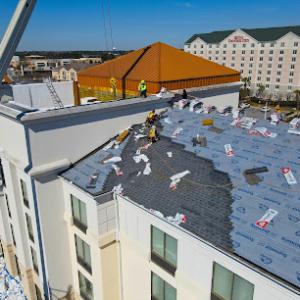
Wheeler's Roofing is a full service roofing company with our headquarters in Rome, Georgia. Wheeler's Roofing is family owned and has been serving the Rome area for many years. We at Wheeler’s Roofing always do business in a timely professional manner, our quality sets the bar and our integrity and honesty exceed the bar. We have all of our credentials such as workman’s comp and liability insurance. We are licensed in 3 states being Georgia, Alabama, and South Carolina. We do residential installations and repairs as well as commercial installations and repairs. We are flat roof specialist as all of our employees have been through the Mulehide certification process. We don’t give high or cheap prices, we give fair competitive prices. We a...
Buckhead Roofing
(706) 744-1844 buckheadroofing.com
144 Hicks Dr SE, Rome, Georgia
5.0 from 595 reviews
We provide both residential roofing and commercial roofing services and have decades of experience in roof replacements and roof repairs on all types of roofing systems including asphalt shingle roofs, tile roofs, metal roofs, and all types of flat roofs. We are deeply rooted in our commitment to customer service and high-quality roofs to protect your home. We are locally operated and proud to be a part of the communities we serve.
Midian Roofing
(706) 232-3085 midianroofing.com
402 Shorter Ave, Rome, Georgia
4.9 from 500 reviews
At Midian Roofing, we are up for any challenge! From minor roof repair after a hail storm to complete roof replacement, we’ve got you and your home covered—literally. We can help with any project, large or small, including shingles, gutters, siding, shakes and much more. We have over 20 years of experience in the roofing industry and are well respected as a high-quality roofing company throughout Rome, Ga. Cedartown, Chattooga, Rockmart, Armuchee, Cave Springs, Summerville, Dalton, Ringold and more. Our A+ rating with the BBB, parts and labor warranty and loyal customers can all attest to our excellent customer service. Above all else, we believe
Cornerstone Roofing Specialist
(706) 331-3006 cornerstoneconstructionga.com
504 Riverside Pkwy NE #612, Rome, Georgia
4.6 from 42 reviews
Gutter installation and We specialize in residential roofing and gutters installation ,we install shingle roofing,metal roofing & 6 inch seamless gutters and gutter leaf guards .contact us for a free quote
Roofers of Rome
6 E 3rd Ave # 2, Rome, Georgia
5.0 from 9 reviews
Roofers of Rome, LLC, located in Rome, GA 30161, provides all types of Roofing services in the area. With a highly experienced and dedicated team of skilled roofers, we have built a solid reputation for providing superior roofing service. Roofers of Rome, LLC strives to exceed industry standards daily, setting us apart from other roofing companies. Once you hire us, you can be sure that every job site will be treated as if it were our own house. For the most knowledgeable and adept roofers to repair or replace your residential, commercial, or metal roofs in Rome - Roofers of Rome is here for you! With years of expertise, we are reliable professionals that ensure high-quality results. Look no further than us for all your roofing needs!
McCullough Roofing & Metal Works
3010 Rockmart Rd SE, Rome, Georgia
5.0 from 4 reviews
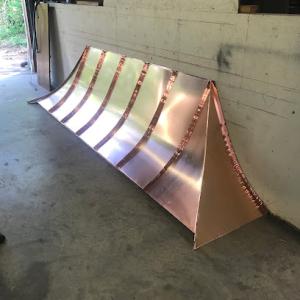
Commercial & Residential Custom Fabricate Copper and Metal to your specs Install Copper, Slate, Shingle, Sheet Metal, EPDM & TPO Roofs Maintenance and Repair for your Roof Seamless Gutter Installation and Gutter Cleaning Chimney Caps, Bay Windows, Hoods & more
Camco Services
(706) 232-4847 www.camcoservicesllc.com
31 Darlington Dr SW, Rome, Georgia
4.1 from 15 reviews
CAMCO Services is a one-stop shop for all your restoration needs. CAMCO offers both Residential and Commercial Roofing Services, in addition to fire, water, mold, natural disasters, biohazard cleanup, repairs, and rebuilding! Call our office today to schedule your FREE inspection!
Cargle Brothers &
212 E 19th St, Rome, Georgia
4.8 from 4 reviews
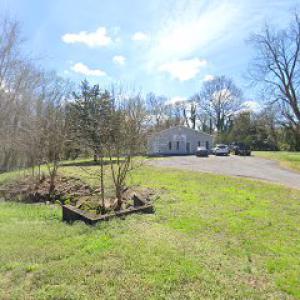
Cargle Brothers, Inc has been meeting all types of construction needs since 1972. We specialize in Fire, Wind, Hail and Water Restoration and are well qualified to handle your insurance claims! We are also a GAF Certified Roofing Contractor so keep us in mind for your roofing needs!
Rome Georgia Roofers
(706) 623-6360 romegaroofers.com
2503 Redmond Cir Unit 3203, Rome, Georgia
4.0 from 4 reviews
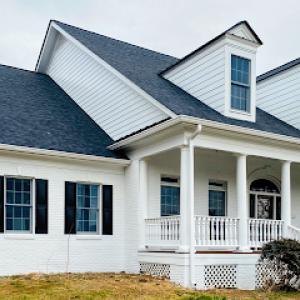
Rome Roofers proudly services Rome GA and surrounding areas. We are the best roofing company in Rome. Whether you're in need of a new roof, roof replacement, or a roof repair in Rome, then we’re the roofing company for you. Our roofing company strives to be the best that we can be in our field. We believe that we stand apart from other roofing companies because we strive for excellence in every roofing project that we work on. Our team of dedicated roofing professionals understand that your roof is important to you. We are a family owned roofing company serving Rome with over 18 years experience. We only use the best roofing materials and offer outstanding quality work, we have been voted the best roofers over and over again. Rome GA Roofer
Herbert Shiflett Roofing
Serving
4.5 from 31 reviews
Rome Georgia's Roofers - Herbert Shiflett Roofing are located in the countryside of Silver Creek Georgia. We have 30 years experience in all forms of Roofing Services. Asphalt Roofs, Flat roofs, Metal Roofs, Epdm Roofs, Tpo Roofs, Shingle Roofs, Dimensional Shingles, 3 Tab Shingles, Woodshakes, Tile, Flat Roofs. We do Residential Roofing Midian Systems as well as commercial businesses roofing systems. With a solid track record for getting the job done right and on time. We give better quality for a better price. Ask us about our senior citizens and veterans discounts. Also don't forget our holiday specials. Call us today for any Residential Or Commercial roofing jobs you have that you want top quality work done on today.
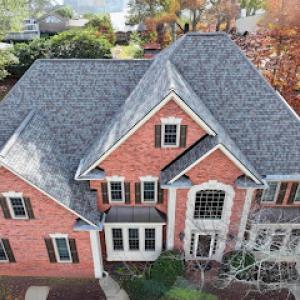
RoofMen
(470) 766-3636 www.roofmen.com
Serving
5.0 from 258 reviews
RoofMen is Georgia's #1 Trusted Roofing Company built on the values of honesty, integrity, and excellence. We specialize in residential and commercial roofing services, offering high-quality craftsmanship and dependable customer care. With a team of experienced professionals and a heart for serving our communities, RoofMen is committed to protecting what matters most—your home, your business, and your peace of mind.
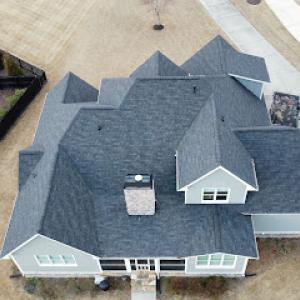
Ridgeline Contracting
(678) 340-7832 www.ridgelineroofsga.com
Serving
4.9 from 47 reviews
We are a dedicated residential and commercial roofing, gutter and siding company, offering comprehensive services that include inspection, removal, and installation. Our focus is on ensuring the utmost quality and satisfaction for every homeowner we serve.
Spring and fall stand out as the best windows for replacing a roof in this area. The hot, humid summers can accelerate shingle wear, while attic heat management becomes a critical factor during installation planning. By tackling roof work in these milder seasons, you reduce the risk of heat-related delays and give the crew a safer, steadier work environment. The longer daylight and generally drier conditions of spring and fall also help with back-to-back tasks like roof teardown, dry-in, and attic vent installation, which keeps the project moving without unnecessary weather interruptions.
Rome's late-summer and early-fall thunderstorm pattern is a practical reality to plan around. Thunderstorms can roll in with little warning and drop heavy bursts that complicate tear-off schedules, dry-in work, and final inspections. When a storm is forecast, scheduling becomes a moving target: you want a clear stretch, but you also want to avoid lingering hail risk in spring and early fall that can thin the metal or crack exposed underlayment. If your contractor talks about shifting a day or two to wait for a calmer window, know that this is about preserving the roof's long-term integrity rather than clipping the project timeline. Have a contingency plan for securing materials and protecting landscaping during any forced downtime, and confirm a revised inspection window to keep expectations aligned.
Winter brings a different set of concerns, especially for homes with clay or concrete tile. The freeze-thaw cycle stresses exposed roof areas more than asphalt does, so the potential for cracked tile or broken accessories increases when temperatures swing below freezing and then rise again. In colder periods, when frost sits on the roof overnight, temporary coverings and careful scheduling become essential to avoid micro-damage during handling and installation. If a clay or concrete tile roof is part of the plan, your crew should emphasize gradual heat management, meticulous underlayment protection, and careful placement of tiles on the roof deck to minimize cracking from cold snaps. For asphalt systems, winter work is more forgiving, but still demands attention to attic venting and moisture management to prevent ice damming later in the season.
Across all seasons, attic ventilation sits at the heart of a durable Rome roof. Hot, humid summers intensify heat transfer into the attic, which can accelerate underlayment aging and sap strength from shingles. A well-balanced vent strategy-combining soffit, ridge, and powered or passive venting where appropriate-helps keep the roof deck cooler during installation and in the years that follow. If a replacement happens in spring or fall, use the downtime to install or upgrade the attic ventilation plan, ensuring the new roof breathes properly and the living space above stays comfortable through the hottest months.
Coordinate with a contractor to identify the two or three consecutive days with the best forecast for dry-in conditions, avoiding the peak heat of July and August and the moisture-heavy periods of late summer storms. Build in a cushion before the final inspection to account for any late-day weather changes, and prioritize a precise tear-off and re-seal sequence so that the roof is weather-tight before any frost risks begin. For a roof with tiles, keep a rotation plan for tile removal and replacement that minimizes exposed underlayment time during cooler spells, reducing potential winter-related vulnerabilities.
Asphalt shingles remain a dominant choice in this market, and for good reason-a familiar look, straightforward installation, and a broad range of styles. In this climate, however, the hot, humid summers accelerate granule loss, curling, and attic-driven heat stress. A homeowner should pay attention to edge granules after major heat waves and after hail events, as accelerated granule loss can mask underlying wear. To maximize life, consider architectural or thicker 30-year warranties and ensure the roof deck is solid, with proper attic ventilation to reduce heat buildup. In long heat seasons, attic insulation can be a quiet defender against both energy costs and shingle aging, so pairing shingles with well-sealed soffits and an adequately vented attic matters as much as the shingle selection.
Metal roofing is especially relevant in this market and is often considered for better storm performance and heat shedding during long humid summers. Metal panels offer strong wind resistance, faster shed of rain, and a reflective surface that can moderate attic temperatures. When evaluating metal, look for a standing-seam system or architectural panels with concealed fasteners to limit potential water intrusion after hail. Hidden-fastener designs may reduce the risk of leaks around fastener penetrations, which can matter after severe storms. In Rome's thunderstorm bursts, a metal roof can minimize storm-driven debris penetration and reduce the chance of hail-induced denting spreading into interior damage, provided the system is installed with appropriate underlayment, edge detailing, and matching flashings at roof-to-wall transitions. Proper installation and attic ventilation remain essential to prevent heat buildup underneath metal roofs, which can otherwise compromise underlayment and insulation over time.
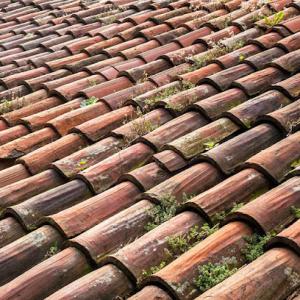
Clay and concrete tile are used locally, offering distinct aesthetics and superior lifespan when correctly installed. However, these tiles can be more prone to cracking during freeze-thaw cycles and in storm repair scenarios where impact damage occurs. In colder pockets or after violent hail, tiles may crack or shift, creating hidden leaks if the underlayment isn't robust or if gaps appear beneath loose tiles. In Rome's climate, tile systems benefit from a strong, properly vented attic and a roof deck that can support the weight without compromise. When opting for tile, ensure the underlayment is rated for weather swings and that professional installation accounts for tile alignment, nail placement, and correct spacing to prevent future cracking from thermal movement. Regular inspections after hail season help catch cracked or displaced tiles before they lead to interior moisture problems.
Homes with mixed roof lines or existing structures may benefit from hybrid approaches-combining energy-efficient underlayment, breathable venting, and compatible flashing for transitions between roof types. In all cases, attic ventilation is not optional; it becomes a practical line of defense against heat stress, moisture buildup, and potential ice dam risk in shoulder seasons. In this market, the best choice balances local weather demands with the home's structure, the likelihood of storm impacts, and the ability to document improvements for insurance and maintenance records. A roof that breathes well and resists hail-induced damage keeps the interior dry and the attic comfortable throughout Rome's storm season.
In this market, storm events-hail, heavy thundershowers, and rapid temperature swings-drive quick demand for replacements. After a severe hail event, crews and materials can be scarce for days or weeks, even when the weather has cleared. Plan for potential delays not just in the installation window but in material delivery and crew rotation. If you can, line up a few backup dates and confirm your contractor's ability to keep a flexible schedule, especially during peak seasons. Build a realistic timeline that includes a buffering period for insurance adjuster visits and any weather-related hold times. In practical terms, expect a tighter window if a storm just peeled off your neighborhood, and be prepared for a faster-than-usual lead time on asphalt shingles or metal panels, depending on supply.
Rome supports asphalt, metal, clay tile, concrete tile, wood shingles, and synthetic shingles, each with distinct labor needs and repair concerns. Asphalt shingle roofs generally move fastest and are most cost-stable, but hail can accelerate wear and reveal underlying decking issues sooner than expected. Metal roofs bring excellent hail resistance yet can require specialty fasteners and precise valley detailing. Clay and concrete tiles offer strong impact resistance but demand careful handling and subroof preparation, which can lengthen installation time. Wood shingles and synthetic options occupy the middle ground on labor-wood needs meticulous sealing, while synthetics can simplify some tasks but may require different fastener schedules. When you price, factor in not only the upfront material cost but the labor intensity tied to the chosen system and the local crew's familiarity with that type of roof.
Given the frequency of hail and storm bursts, having solid, organized documentation helps streamline a settlement. Start with a dated set of progress photos, close-ups of damaged decking, flashing, and any chimney or vent penetrations, plus a roof plan showing area measurements. Keep an itemized quote that clearly separates materials, labor, and disposal, and note the expected lifespan for the chosen system. If your insurer requests repairs or a partial replacement, be ready with a preliminary scope and any known preexisting issues so the process doesn't stall at the desk. This approach minimizes back-and-forth and supports a smoother claim-to-replacement transition in storm-affected periods.
Get a clear picture of your project costs upfront - no commitment required.
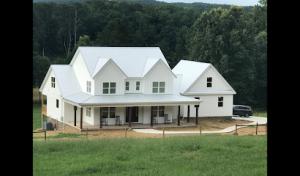
Cornerstone Roofing Specialist
(706) 331-3006 cornerstoneconstructionga.com
504 Riverside Pkwy NE #612, Rome, Georgia
4.6 from 42 reviews
Rodriguez Roofing Solutions
(404) 317-5501 rodriguezroofingsolutionsllc.com
Serving
5.0 from 88 reviews
In Rome, a building permit is typically required for a full roof replacement rather than being treated as a no-permit maintenance item. The rule isn't about big-city buzz-it's about ensuring storm resilience and proper attic ventilation in this climate. If your contractor suggests skipping a permit, pause and verify with the City of Rome building department, because skipping can create long delays and complicate insurance claims after a hail event.
The City of Rome building department handles roofing permit applications, and inspections are conducted after work begins and again upon completion. Your project cannot slide quietly under the radar. Expect an initial check to confirm scaffold safety, material approvals, and flashing details, followed by a final inspection to verify correct installation and venting. Delays are common when documentation is incomplete or inspections aren't scheduled on time, so set calendar reminders and keep your permit number handy.
Inspections zero in on proper installation, flashing around chimneys and walls, and attic ventilation with appropriately sized soffit and exhaust vents. In a climate with humid heat and spring hail, ventilation matters to prevent moisture buildup that can compromise decking and shingles down the line. Ensure roof penetrations-vents, pipes, and skylights-are flashed and sealed with materials rated for high-wind events. If your attic space isn't properly vented, a passive delay can snowball into future energy costs and accelerated wear on shingles.
Before work starts, assemble a clear scope, selected shingle or panel specs, and a proposed vent plan for the inspector. Schedule inspections promptly and maintain open lines with the contractor and the permit office. Deliberate attention to documentation, timely inspections, and a thorough ventilation strategy save time and reduce the risk of rework after a storm.
Georgia's changing insurance environment can affect Rome homeowners through tighter underwriting in hail-exposed areas and closer scrutiny of older roofs. In this climate, a storm-heavy spring can drive more agents to flag vulnerabilities in the roof system, especially if the attic or decking shows heat-accelerated aging alongside hail impact. The consequence is more frequent requests for documentation, higher scrutiny of claim history, and longer timelines before a decision is reached. You may notice adjusters focusing not just on visible damage but on the roof's overall resilience, ventilation, and flashing integrity. This is not a scare tactic but a reality that reinforces the need for clear, organized records when a claim is filed.
Some policies may require underlayment or flashing upgrades during replacement, which is especially important in Rome when a claim transitions into a full re-roof. If the roof has reached the point where storm damage overlaps with heat aging, insurers may look for modern underlayment, better ice and water shield placement, and upgraded step-flashing around chimneys and vents. These upgrades can materially improve resistance to the next thunderstorm burst and hail, but they also mean your project will need precise documentation and coordination with the adjuster to ensure the scope aligns with policy language. Expect questions about attic ventilation, airflow balance, and how the new materials will perform in humidity and heat.
Detailed roof age records, inspection notes, and claim photography are unusually important in this area because storm-related damage can overlap with heat-related aging. Keep a current file of professional inspection reports, photos from multiple angles, and any prior repair history. When a claim arises, this documentation helps the adjuster distinguish between old wear and new storm impact. Clear records also support conversations about upgrades to underlayment, flashing, or ventilation that may be required as part of the replacement, reducing back-and-forth and helping to secure a fair resolution.
Rome's contractor market shows meaningful flat-roof activity, reflecting the city's mix of residential additions, porches, and commercial buildings that need low-slope expertise. When a portion of the structure behaves like a flat roof, you're looking at a different set of failure modes than on a steep main roof. The key is to treat the low-slope section as a separate system that ties into the steeper roof, not as an afterthought.
Heavy rain and thunderstorm bursts are common in this area, so drainage details matter more on low-slope transitions. Start with a clear path for water to shed toward approved outlets, not toward interior spaces. Check that gutters and downspouts along the low-slope run have adequate capacity for quick rain pulls, and verify that any internal drains terminate where clogs won't back up into living spaces. On low-slope runs, flashing transitions need regular inspection after storms, especially where they intersect with steeper sections.
Flashing should be continuous and securely sealed at every change of plane, especially at the intersection where the flat-like section meets the main roof. Look for fully sealed joints at penetrations, edges, and vent collars, then verify that any pipe penetrations use compatible flashing and membranes. A common weak point is where the membrane overlaps a step-down into steeper pitches; ensure adhesive seams are weather-strong and protected from wind-driven rain.
Homeowners with mixed rooflines should not assume a standard shingle crew is the right fit when part of the structure behaves like a flat roof. Coordinate with the contractor to designate a dedicated low-slope crew for the transitions and porch areas, while the main roof is handled by a separate team if needed. This separation helps address the unique drainage and flashing demands without compromising the steeper sections.
Find specialists in TPO, EPDM, and built-up flat roofing systems for residential and commercial properties.
Wheeler's Roofing
(706) 766-2634 www.wheelersroofing.us
3255 Cave Spring Rd SW, Rome, Georgia
5.0 from 160 reviews
Buckhead Roofing
(706) 744-1844 buckheadroofing.com
144 Hicks Dr SE, Rome, Georgia
5.0 from 595 reviews
Webb Brothers Roofing & Construction
(706) 331-5032 www.webbbrothersroofing.com
2096 Burnett Ferry Rd SW, Rome, Georgia
4.5 from 13 reviews
In a market where replacement work dominates, you want a crew that treats a full re-roof as the standard job, not an occasional add-on. Look for crews that regularly complete complete tear-offs and new roof installations, not teams that mainly patch shingles. The exterior of most homes in this area presents a mix of asphalt, metal, and tile options, so the crew should demonstrate comfort and competence across those materials.
A meaningful share of local contractors serve both residential and commercial clients, so homeowners should confirm the crew regularly handles the same roof type on your house. If your home wears metal panels or clay or concrete tile, ask for recent projects in those categories and request client references with similar slope, attic layout, and warranty expectations. Roofing crews that specialize or at least maintain a balanced portfolio will perform with fewer material and installation mismatches.
Rome sees quick storm bursts that can leave tarps and debris in the yard. A reliable crew offers rapid response and clear scheduling, plus a disciplined cleanup plan-containment of loose debris, careful tarping of exposed areas, and a defined debris haul-out routine. These signals matter after a hail event when interior damage risk rises with delay or sloppy site management.
Ask for an on-site assessment rather than a phone estimate. A trusted crew will inspect vents, attic ventilation, flashing, and eave details, then provide a transparent, written scope with material labels and installation steps. Ensure their contract includes accountability for weather-related delays and guaranteed workmanship, so you have recourse if quality drifts after the first rain.