
Last updated: Apr 19, 2026
The pattern of late-spring and summer afternoons in this area brings frequent, gusty downbursts that hammer roofs without much warning. Wind-driven shingle damage shows up fast-lifted tabs, hairline fractures, and sections peeled back just enough to invite hidden leaks. You'll notice the most dramatic calls for attention after a string of storms rather than a single event, because moisture can creep where shingles once lay flat and the attic heat builds pressure under the roof deck. In practical terms, you should treat these periods as high-risk windows: rapid inspection after each storm, even if you didn't see obvious damage from the ground, is a smart move.
Spring hail and wind events are a major local trigger for inspections, temporary tarping, and insurance claim activity in Cobb County. Hail can leave pockmarks that compromise granule loss and flashing integrity, while strong winds can pry shingles loose or misalign gutters and vents. After a significant hailstorm, plan for a careful exterior walkaround within 24 to 48 hours if you can, looking for spongy sounds when you tap on suspect shingles and for lifted edges along the eaves. If you do locate potential trouble, prompt contact with your insurer is essential, because the clock on many policies starts ticking when the damage is reported. Temporary tarping is a practical stopgap to prevent water entry while you coordinate professional assessments.
Because storms can hit in clusters across Cobb County, homeowners in this area may face slower adjuster scheduling and contractor backlogs after major weather events. When several neighborhoods are dealing with damage at once, the calendar fills quickly and urgent fixes become a race against time. If you anticipate a storm cluster or just rode through one, you should assume that securing a professional evaluation may require a short wait. Plan ahead by documenting any visible damage with photos, noting dates and storm conditions, and keeping a consistent point of contact with both your insurer and the contractor you trust. This preparation makes the moment you finally get on a schedule much more efficient.
After a storm, do a careful but safe roof check from the ground and, if possible, from a ladder with a partner. Look for torn, curled, or missing shingles, lifted tabs, and any wet spots on ceilings or attic insulation. If you see active leaks, place a temporary tarp or plastic sheeting over damaged areas to minimize interior damage until a professional can seal the roof properly. Document everything with dated photos, especially any deformations around dormers, valleys, or vents where water tends to seep. When you contact your insurer, present your photos and a concise damage timeline so the adjuster can prioritize your claim appropriately amid the post-storm surge. In short, act quickly, stay organized, and guard against delays by setting expectations early with both the insurer and your roofing team.
Asphalt dominates many neighborhoods in Marietta, and that remains true even as the summer heat and humidity take a toll. The hot, humid summers can accelerate granule loss, curling, and overall aging compared with milder climates. When a spring-to-summer storm rolls through, you'll notice granules washing into gutters or revealing bare spots along eaves where sun and rain have taken their toll. For homeowners, the practical takeaway is to inspect after each major storm and before and after hail season to separate cosmetic wear from real leaks. Asphalt is forgiving for quick fixes, but repeated exposure to our thunderstorm pattern can compound damage if inspections are spaced too far apart.
Installation quality matters with asphalt in Marietta for two reasons. First, wind-driven rain can exploit marginal detailing around penetrations, vents, and roof-to-wall transitions. If the edge detailing or flashing isn't properly integrated, moisture can work its way under shingles at critical seams. Second, attic heat during humid summers can push moisture through the roof deck, making ventilation an essential part of a long-term solution. When you're selecting a contractor, prioritize crews that emphasize correct nailing patterns and shingle alignment, and that demonstrate a solid plan for attic ventilation alongside the roofing work. In neighborhoods with trees and wind exposure, such as those facing frequent fast-moving storms, a well-seated asphalt roof reduces the risk of lift and blow-off compared to a rushed installation.
Metal roofing is a strong fit for Marietta's thunderstorm-heavy weather pattern because it handles wind and rain well and resists the kind of granule loss that asphalt sometimes endures under repeated downpours. Metal can shed water quickly and withstand hail more predictably, which translates to fewer emergency calls after a storm. The caveat is installation quality. Wind-driven rain can exploit poorly detailed penetrations, transitions, and fastener arrays. A metal roof needs precise flashing at chimneys, vent stacks, skylights, and where the roof meets vertical surfaces. If those details aren't executed with careful sealant choices and accurate penetration sizing, moisture can find pathways under the panels or at the seams. The right contractor will show a clear plan for fastening patterns, gasketed or sealed penetrations, and a thoughtful approach to roof ventilation that aligns with the house's attic layout.
For homes in this region that face hot, humid summers, metal can also help reduce attic heat gain by reflecting more of the sun's energy and allowing attic air to move more freely, though this benefit is maximized only when the roof is paired with a proper venting strategy. In practical terms, look for a metal installation that treats complex transitions-around chimneys, vents, and skylines-as a single, weather-tight system rather than a collection of patched connections. That approach matters more here than in milder climates because the local storm cycle tests every seam and joint.
Tile and wood roofs do appear in Marietta, but they are less common than asphalt and metal. Homeowners choosing these options should anticipate a narrower pool of crews with true repair and replacement experience on those systems. When a tile or wood roof needs service after a storm, finding a specialist who understands the unique fastener patterns, underlayment needs, and venting implications is critical to avoiding future leaks. The additional complexity of tile and wood means more careful inspection of the roof deck, flashing, and transitions after a heavy rain.
In a spring-to-summer storm cycle, the first line of defense remains a roof that is properly ventilated, well nailed, and correctly underlaymented. A Marietta roof that anticipates the season's quirks-hot attic heat, humidity-driven deck issues, and wind-driven rain-will stand up to storms with less drama and fewer emergency repairs.
In this market, you'll see material price bands that reflect Marietta's mix of aging homes and newer builds: asphalt shingles typically run about 350 to 700 per square, metal 700 to 1200, clay tile 900 to 1600, concrete tile 750 to 1350, wood shingles or shakes 600 to 1200, and synthetic or composite shingles 500 to 900 per square. Those ranges aren't just about the product; they echo the neighborhood variety-from aluminum-sided bungalows to 1950s full-frame houses with attic heat and venting quirks. When you're pricing a re-roof, start with your roof's square count and multiply carefully, but also expect a gap between low-cost bids and the full project bill once you factor in decking, underlayment, and ventilation needs.
Storm surges in demand after hail and wind events can push scheduling out and raise labor pressure for full replacements and urgent repairs. When a spring thunderstorm rolls through and causes shingles to lift or leave the roof vulnerable, contractors in the area tend to book up quickly. That means your timeline may stretch if your insurance claim lands during peak season, and crews may charge closer to their availability window rather than their nominal price. In practical terms, if your roof is damaged and you need work done before the next storm cycle, expect some urgency-driven adjustments to both price and lead time. Plan a buffer for delays and keep a short list of backup options if one crew's schedule fills up.
Costs in Marietta can also move based on ventilation corrections and deck or underlayment upgrades because local inspections commonly focus on those details during full re-roofs. If the attic feels like an oven in July, ventilation improvements aren't optional to pass inspection; they're a common driver of both comfort and long-term roof performance. Upgrading to better underlayment or a properly vented deck can add to the upfront cost, but these elements reduce the chance of leaks and heat-related deterioration down the line. If you're replacing clay or concrete tile, you'll see the effect of weight and deck reinforcement on pricing and scheduling more than with asphalt, which is far simpler to retrofit.
To navigate these pressures, get multiple, detailed bids that break out materials, labor, decking, underlayment, and ventilation work. Ask for a year-by-year cost projection for common upgrades tied to Marietta's climate, and request a clear schedule aligned with your insurer's expectations. If you're balancing a storm-driven claim, document hail and wind damage promptly and keep notes on when crews are able to start. A well-structured bid that tallies material choices with anticipated ventilation and underlayment needs will keep you from surprises when the permit checks and inspections begin.
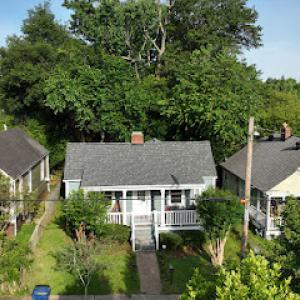
Summit Roofing
(770) 545-5244 www.summitroofingga.com
646 Lawrence St NE, Marietta, Georgia
5.0 from 209 reviews
Experience the Summit difference! As your go-to, locally-owned roofer, we're proud to be a BBB-accredited business with a 5-star rating on Google. Specializing in superior, durable roofing solutions, we use only top-tier GAF products designed to withstand Georgia’s diverse climate, ensuring your roof is built to last. Our skilled team is dedicated to delivering flawless installations and an unmatched customer experience, making us the trusted choice for homeowners across Georgia. Schedule your complimentary roof inspection today and discover why we are the last roofing solution you’ll ever need.

Modern Roofing
(470) 922-6253 modernroofingusa.com
1956 Powder Springs Rd SW, Marietta, Georgia
4.9 from 292 reviews
Modern Roofing in Marietta, GA, offers expert residential and commercial roofing with over 10 years of experience. Specializing in insurance claims, we use top-quality materials to ensure safety and comfort. From inspection to completion, we deliver exceptional roofing solutions.

Aegis Roofing & Gutter
(470) 357-3340 aegisroofingandgutter.com
Marietta, GA
5.0 from 153 reviews
AEGIS Roofing & Gutter is the #1 choice for roofing and gutter services in Atlanta, GA. We offer roof and gutter inspections, repairs, replacements, and maintenance. Our transparent approach and competitive prices make us stand out as a trusted company in the region. Call today for a free inspection! Services: Roof repair, roof replacement, gutter Installation, gutter repair, Roof damage repair, Roof inspection, Gutter cleaning, Skylight repair, Attic venting and others.
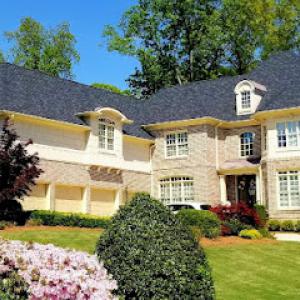
Avalon Restoration
(770) 213-1638 www.avalonrestorationco.com
2550 Sandy Plains Rd Suite 118, Marietta, Georgia
5.0 from 118 reviews
Avalon Restoration Company focuses on providing restoration services to Marietta, Georgia. Our mission is to restore the spirit of confidence and satisfaction to an industry depleted of quality service and accountability. Built on a foundation of unmatched customer service and top-quality restoration services, our team of licensed and insured property restoration experts can capably address your problems and provide practical and innovative solutions. Our restoration services can even be covered by insurance companies. We use high-quality materials and operate above code requirements to restore your homes’ or businesses’ siding, roofing, interior, and gutters. Contact us today to get in touch!
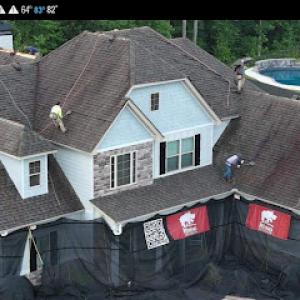
Rhino Restoration Roofing Marietta
(678) 590-5507 rhino-roofs.com
4016 Canton Rd, Marietta, Georgia
5.0 from 106 reviews
At Rhino Restoration of Georgia, we’re proud to be a trusted roofing contractor serving Marietta, GA, and surrounding areas. With over 15 years of experience, we specialize in roof repair, roof installation, gutter installation, gutter repair, and siding installation. Our team focuses on delivering outstanding workmanship and building long-lasting relationships with our clients. Whether you need a full roof replacement or storm damage roof repair, we are committed to putting your needs first and ensuring complete satisfaction with every project.
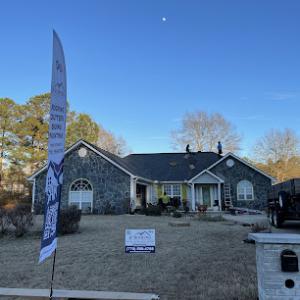
JP Roofing Services
(770) 598-4788 www.jproofingservices.com
3310 Forest Creek Dr SW, Marietta, Georgia
4.9 from 159 reviews
JP Roofing Services is a trusted Atlanta-based company specializing in roofing, siding, construction, and window installation services. Our team of experienced professionals is dedicated to providing high-quality workmanship and customer satisfaction. We offer a wide range of services to meet your needs, from roof repairs and replacements to complete home exterior renovations. Contact us today to schedule a free consultation and experience the JP Roofing difference!
Atlanta Roofing Specialists
(770) 284-6885 www.atlantaroofingspecialists.com
1232 Sandtown Rd SW, Marietta, Georgia
4.9 from 332 reviews
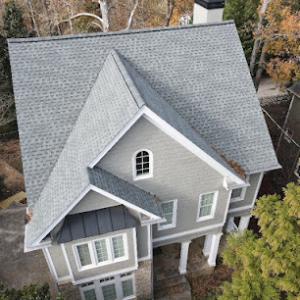
We are a residential and commercial roof contractor located in Marietta, GA and serving all of Metro Atlanta. We offer a full range of home and commercial building services including roof repair, roof replacement, custom roofs, metal roofing, and various home improvement services such as siding, painting, and more. Serving Metro Atlanta since 1993, we have maintained great reviews and an A+ BBB rating throughout the years, testifying to our goal of complete customer satisfaction. Call us today for your free estimate!

Findlay Roofing
(470) 613-7559 www.findlayroofing.com
4181 Jvl Industrial Park Dr, Marietta, Georgia
4.8 from 2530 reviews
Findlay Roofing (Roof Roof), Georgia's most trusted roofing contractor, has been serving Marietta and Atlanta, GA since 1995. We specialize in roof repair, replacement, gutter installation, windows installation, attic insulation, and commercial roofing. Backed by our Leak Free Warranty, we offer top-quality workmanship and materials with no payment until the job is complete. Available 24/7, we provide free roof analyses and use advanced technology like SureNail for added durability. Call today for expert roofing solutions for your home or business!

Metro Atlanta Roofing & Remodeling
(470) 538-1729 metroatlantaroofing.com
25 Powder Springs St Suite 216, Marietta, Georgia
5.0 from 55 reviews
Metro Atlanta Roofing & Remodeling provides reliable roofing and remodeling services. Whether you need roof repair, roof replacement, or help with metal roofing, our team is here to get the job done right. We also offer siding repair and replacement, as well as full interior and exterior remodeling to give your home a fresh new look. Planning to build a new home? We offer home building services with clear communication and dependable work from start to finish. As a roofing contractor Marietta can trust, we help homeowners maintain and improve their properties. Our goal is to deliver quality results that last, using materials and methods that make sense for your space. If you need honest roofing or remodeling support, we’re ready to help.
BlueBuilt Roofing & Siding
(770) 282-1108 bluebuiltroofs.com
3827 Roswell Rd Suite 204, Marietta, Georgia
4.9 from 260 reviews
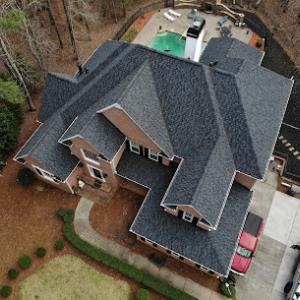
BlueBuilt Roofing & Siding, is a locally owned & operated roofing and insurance restoration company that proudly serves the Atlanta metro area & surrounding communities with excellence. Our main goal is to serve each client with 5 star service from the initial appointment all the way through the completion of the job. There are three characteristics we focus on and do business by here at BlueBuilt Roofing & Siding are - Honesty, Integrity and Customer Care. All of our roofs are installed with quality that is unmatched from our competition. From our quality of work all the way to building lasting relationships with our clients we can assure you you’ll have to look no further when deciding who’s going to replace your roof!
Marietta Roofing Pros
(770) 758-6143 mariettaroofingpros.com
1640 Powers Ferry Rd Building 11, Suite 200 Unit A, Marietta, Georgia
5.0 from 53 reviews
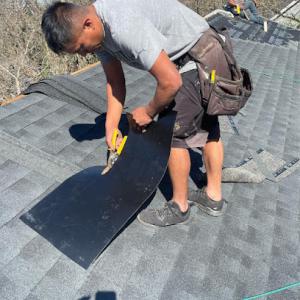
Marietta Roofing Pros is a trusted roofing company serving Marietta, GA, specializing in residential and commercial roofing services. We provide expert roof installation, repair, maintenance, and replacement, focusing on delivering durable, high-quality solutions for every project. Whether you need a roof inspection, storm damage repair, or a complete replacement, our skilled team is committed to ensuring your property is protected and looking its best. Marietta Roofing Pros is dedicated to providing reliable service with a focus on customer satisfaction and long-lasting results.
Mr. Roofer
(770) 270-3855 www.mrrooferatlanta.com
2470 Windy Hill Rd SE #300t, Marietta, Georgia
4.9 from 79 reviews
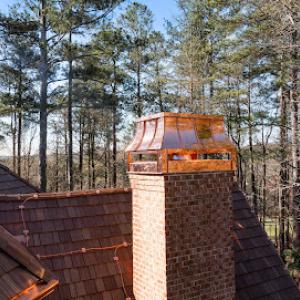
Mr. Roofer is the leading roofing contractor in Marietta and the surrounding area. We proudly offer expert roof repair, full roof replacements, precise roof leak repair, quality remodeling services, and durable commercial roofing solutions. With years of experience and a reputation for excellence, our team is dedicated to protecting your home or business with top-notch craftsmanship and materials. Whether you're dealing with storm damage, aging shingles, or need a complete roof overhaul, we’re here to help. Contact us for all your roofing needs.
A full re-roof in Marietta commonly requires a building permit through the City of Marietta Building Department, often handled through the Cobb County portal workflow. Your contractor should start with a permit application that includes roof plan details, underlayment approach, nailing pattern, and ventilation strategy aligned with local code expectations.
The inspection sequence typically begins with rough-in checks on framing, then a rough-in for underlayment installation, followed by final inspections after shingles and exterior vents are in place. Inspections commonly emphasize underlayment quality, fastening pattern, and proper attic ventilation details, reflecting the climate and attic heat exposure in this area.
Because permit handling can run through city and county systems, homeowners should confirm early who is pulling the permit and how inspection scheduling will be managed. Understanding whether the city or the county portal handles certain steps helps prevent missed slots during spring-to-summer storms.
Plan with the permitting timeline in mind and coordinate with your insurer, contractor, and the building department to avoid seasonal delays. Keep a folder of inspection notices, approved plans, and change orders, and note any required corrections promptly to stay on schedule during the storm-heavy season.
In Georgia's generally stable insurance market, Marietta homeowners are still commonly asked to document roof age and recent storm damage when pursuing roof-related claims. The spring-to-summer pattern of thunderstorms here can drive a surge of wind- and hail-related claims, which can slow processing if missing or unclear evidence is presented. Because roof failures and wind-driven damage can appear subtle at first glance, gathering clear, timely records helps ensure the claim is evaluated on actual condition rather than assumptions. Missing documentation or delayed notices can lead to partial or denied coverage, even for systems that seem obviously damaged to a homeowner.
First, note the roof's age and any prior repairs or extended wear issues. Photos taken from the ground and from the attic-level vantage points reveal different perspectives-shingle curling, granule loss, or raised fasteners are easier to spot when light angles are favorable. Keep a dated log of storm events, including wind speeds if available from weather apps, and record any visible damage such as punctures, downed branches, or displaced flashing after a storm. Inside the attic, look for fresh signs of moisture, staining, or mold growth that align with water intrusion paths. Documenting the date of discovery and the earliest signs of leakage helps anchor the claim timeline, which is crucial when carriers scrutinize coverage terms after a heavy storm season.
When filing, compile a concise record set: a current roof age estimate, storm-event dates, a gallery of representative photos (before and after), and notes on observed damage patterns (edge wear, wind-lifted shingles, or hail divots). If possible, obtain a professional assessment that notes material type, fastener condition, and underlayment exposure, since Marietta's wind-driven patterns often emphasize the importance of a solid underlayment and proper nailing. Be ready to show how damage aligns with recent weather events rather than routine wear. Carriers increasingly cross-check with weather data and claim histories, so precise timing and clear cause-and-effect documentation reduces ambiguity in decisions.
Wind- and hail-related claims are especially relevant in this area because local thunderstorm patterns can create concentrated seasonal claim volume. Timely reporting matters: late notices can complicate coverage assessments and raise questions about the cause-and-effect link between the storm and the observed condition. If a claim hinges on the distinction between pre-existing wear and storm-induced damage, the documentation becomes the bridge for a fair evaluation. In practice, prepare for the possibility that insurers may request additional documentation or a licensed professional inspection to verify the cause and scope of damage before approving repairs.
Connect with contractors who help homeowners navigate the claims process from damage assessment to final approval.
Modern Roofing
(470) 922-6253 modernroofingusa.com
1956 Powder Springs Rd SW, Marietta, Georgia
4.9 from 292 reviews
Avalon Restoration
(770) 213-1638 www.avalonrestorationco.com
2550 Sandy Plains Rd Suite 118, Marietta, Georgia
5.0 from 118 reviews
Rhino Restoration Roofing Marietta
(678) 590-5507 rhino-roofs.com
4016 Canton Rd, Marietta, Georgia
5.0 from 106 reviews
Marietta's hot, humid summers make attic ventilation a roof-performance issue, not just a comfort issue, because trapped heat and moisture can shorten shingle life. When attic temps climb, shingles age faster and can curl or blister prematurely. That heat also drives interior humidity higher, which can worsen condensation and promote mildew near the attic access. A balanced system with intake vents low and exhaust vents high helps move hot air out before it damages roof decks or underlayment.
The local inspection emphasis on ventilation during full re-roofs reflects how important airflow is in this climate. Contractors expect to see continuous ridge or soffit venting, with baffles that keep airflow from short-circuiting around the attic. In practice, that means vents must be unobstructed by insulation, and the attic floor should not be packed with stored items that block pathways. Poor ventilation shows up as rapid shingle issues after one hot summer, so plan for a proper vent plan in the replacement.
Winter rain and occasional freezes in Marietta can also complicate underlayment curing and installation timing, especially on replacement projects started in colder wet spells. If a roof project kicks off during a wet spell, crews must protect new underlayment from freezing moisture and ensure the deck is dry before nailing. Waiting for dry, calm days improves long-term performance and reduces the chance of early rust or fastener loosening in damp conditions.
Practical steps to diagnose and improve ventilation: check for visible soffit and ridge vent alignment, confirm baffles exist at every rafter bay, and listen for attic air leaks around can lights or vent pipes. Have a contractor perform a simple attic airflow test, and consider upgrading soffit vents or adding a ridge vent if the attic feels muggy on the hottest afternoons. Restoring proper ventilation supports shingles during storm season.
Skylights in this market carry a meaningful specialty credential because repeated thunderstorm exposure often reveals flashing weaknesses around roof openings. In a neighborhood with tall trees and frequent spring gusts, you'll notice that a seemingly solid seal around a skylight starts to show wear after a few quick, hard rains. If you're evaluating a repair, expect the flashing to be the real focal point, not just replacing the shingle directly over it. The risk is gradual water intrusion that travels along the flashing plane before showing up as an interior drip, sometimes only after a strong downpour. A cautious approach is to treat any soft spots or staining near a skylight as a red flag, and to verify that the entire flashing assembly-curbs, underlayment, and sealant-is addressed, not just the visible surface.
Chimney-related roof transitions are a visible part of the local contractor landscape, suggesting Marietta homeowners often need careful flashing work rather than simple surface shingle replacement. The joint between chimney and roof is a known stress point where mortar gaps, chipped step flashing, or wind-driven moisture can creep in. If a contractor spots gaps or corrosion at the base, plan for comprehensive flashing repairs that integrate with the surrounding underlayment and proper ventilation. Skipping these details can leave a durable looking surface with a hidden leak that worsens after a few severe storms.
Wind-driven rain during storms can make leaks at penetrations appear suddenly even when the main field shingles still look serviceable from the ground. That contrast is common here, where attic heat and rapid cooling can push moisture into the slightest vulnerabilities. If you see attic condensation near vents, or dampness that travels along a seam, treat the issue as a warning, not a fluke. Addressing it promptly-before it migrates to insulation or drywall-saves you from more extensive repairs later.
Find contractors experienced in skylight installation, flashing, and leak repairs to bring natural light into your home.
Rhino Restoration Roofing Marietta
(678) 590-5507 rhino-roofs.com
4016 Canton Rd, Marietta, Georgia
5.0 from 106 reviews
Homeworks of Georgia
(770) 656-0965 www.homeworksofgeorgia.com
157 Forest Ave NE, Marietta, Georgia
4.9 from 38 reviews
When you live in a neighborhood with steep roofs, high attic heat, and frequent spring storms, the warranty on the material itself is only part of the story. In Marietta inspections pay attention to nailing, underlayment, and ventilation, and workmanship quality has an outsized effect on whether a new roof performs as expected. A material warranty often looks solid on paper, but it sits on top of a roof that must be properly installed to avoid early failure. If nails back out, underlayment laps aren't sealed, or soffit vents aren't functional, a warranty may not protect you from the most common failure modes after a wind-driven leak.
The local market includes a meaningful group of manufacturer-certified and warranty-offering contractors, which matters most on full replacements rather than patch-only jobs. In a season when wind-driven leaks are common, the real question becomes what the contractor will actually cover after a storm hits. Some manufacturers require specific installation details or matched components to honor a warranty, and those details are often checked long after the lightning has faded. A contractor that stands behind their workmanship will back those warranty claims with direct support, site visits, and documented repairs. When a leak recurs after an initial repair, the claim path should be straightforward rather than a prolonged dispute about responsibility.
Before committing, verify whether the contractor follows manufacturer installation guidelines and whether their crew is trained to meet underlayment and ventilation expectations that inspectors will look for during a full re-roof. Ask for a written outline of what the warranty covers after wind events, including exclusions for pre-existing conditions or improper prior work. In storms-heavy years, the distinction between a roof that merely survives a season and one that remains covered under warranty without drama hinges on the installer's attention to the critical details: correct nailing patterns, continuous underlayment, and functional ventilation.