
Last updated: Apr 19, 2026
In Huntsville, spring storms and hail are a leading trigger for sudden roof damage, especially creased asphalt shingles and wind-lifted sections. The mix of humid subtropical heat, frequent afternoon downpours, and spring wind storms turns a quiet roof into a risk event in a hurry. When hail hits, it can leave pockmarked or bruised shingles and lift edges, creating vulnerable spots you may not notice from the ground. The result is a domino effect: moisture can intrude, attic warmth migrates downward, and the roof deck bears the brunt if flashing or seals fail. This is not a matter of "if" but "when" for many homes in this market, so acting fast and accurately matters for long-term resilience and claim outcomes.
Alabama is a high wind-and-hail claim environment, so homeowners often need photo documentation, date-of-loss detail, and insurer-facing damage records after storms. Start with a clear, date-stamped photo trail that shows damage from multiple angles-shingles, flashing, and the surrounding fence or gutters can all reveal impact patterns. Capture close-ups of creased or lifted shingles and any granule loss. Keep a simple log noting the exact day the hail or wind event occurred, what you observed immediately after, and when you first contacted your insurer or a contractor. Insurance adjusters rely on precise records, so the more complete your file, the quicker the claim can move toward resolution. If you've got a satellite dish, vent, or chimney nearby, photograph those intersections where wind-driven impact often concentrates. A basic, well-organized dossier helps you avoid back-and-forth and supports a repair or replacement decision aligned with actual damage.
Local contractor signals show unusually strong demand for storm damage, insurance claim help, and emergency repair, indicating that post-storm roof work is a core homeowner concern in this city. That surge means reputable crews can fill up quickly after a hail event, and some outfits will rush into temporary fixes that aren't ideal long term. Choose a contractor who prioritizes a thorough assessment over a quick patch, and who can explain the difference between cosmetic damage and structural impairment. Look for teams that provide a dated summary of the observed damage, a straightforward scope of repair or replacement, and a transparent timeline. A credible crew will treat your claim as a joint effort with the insurer, not a separate, standalone job. If a bill looks disproportionately large or a repair path seems unclear, seek a second opinion before committing.
Begin with a safety-first assessment from ground level. If you notice sagging, standing water on the roof, or exposed underlayment, treat it as urgent. Temporary tarps can prevent additional water intrusion, but the goal is to minimize risk without delaying a proper diagnosis. Schedule a same-week roof inspection with a qualified contractor who understands local wind and hail patterns and who can identify whether the damage is limited to shingles or has spread to deck and ventilation components. When the adjuster arrives, be prepared with your loss chronicle, photo log, and a list of questions about scope and materials. Ask for a written, itemized repair plan that aligns with your insurer's guidelines and the observed damage. If an emergency claim scenario arises, ensure the contractor documents every step-photos before, during, and after work, plus a clear record of materials and labor. This level of detail accelerates approvals and reduces the risk of disputes over coverage.
Air-circulating needs from spring heat and sudden downpours emphasize venting and roofline integrity. Asphalt shingles are common, but wind-lifted sections and creasing remain recurring trouble spots after severe events. Metal roofs show different patterns of denting and edge pull, while concrete and clay tiles demand attention to underlayment support and coping details beneath impact points. Understanding how your specific roof type responds to hail and wind-where edge lift, granule loss, or seam damage tends to occur-lets you tailor a post-storm inspection checklist and communicate more effectively with insurers and contractors.
Find local contractors experienced in assessing and restoring roofs after hail, wind, and severe weather events.
SOCO Roofing & Restoration
(256) 677-9002 www.southernroofexperts.com
3609 Memorial Pkwy SW Suite A3, Huntsville, Alabama
5.0 from 251 reviews
Henderson Roofing, Inc, Huntsville, Alabama Office
(256) 767-7166 www.hendersonroofing.net
1200 Jordan Ln NW #1, Huntsville, Alabama
5.0 from 107 reviews
SeekOne Roofing Company
(256) 870-7335 seekoneroof.com
4812 Commercial Dr NW, Huntsville, Alabama
5.0 from 85 reviews
Advanced Roofing & Construction
(256) 603-9171 advancedalabama.com
7027 Old Madison Pike Suite 108, Huntsville, Alabama
5.0 from 813 reviews
Advanced Roofing & Construction, LLC, based in Huntsville, AL, specializes in roof replacement and repair. We help our community recover from Mother Nature’s challenges. With extensive knowledge and expertise, we navigate insurance processes for our clients, making sure the job is done right. At Advanced, we prioritize integrity and exceptional service, guiding you through every step.
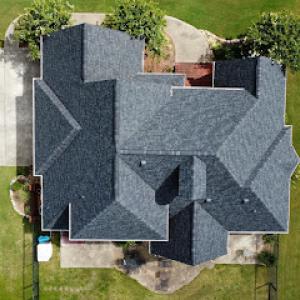
SOCO Roofing & Restoration
(256) 677-9002 www.southernroofexperts.com
3609 Memorial Pkwy SW Suite A3, Huntsville, Alabama
5.0 from 251 reviews
SOCO Roofing & Restoration is a licensed and insured roofing company providing high-quality roof installations and repairs including emergency storm damage to Huntsville and the rest of northern Alabama.
Henderson Roofing, Inc, Huntsville, Alabama Office
(256) 767-7166 www.hendersonroofing.net
1200 Jordan Ln NW #1, Huntsville, Alabama
5.0 from 107 reviews
A company founded and managed through the beliefs of quality workmanship, dependability, and honesty. Since 1986, Henderson Roofing has provided Award Winning Roofing Service to all of North Alabama. We’re a family-owned business that prides ourselves on quality workmanship, Professionalism, and dependability. As a GAF MasterElite Contractor, you can rest easy knowing your home or business has worry-free and hassle-free warranty options. "We Are Your Residential and Commercial Roofing Specialists."
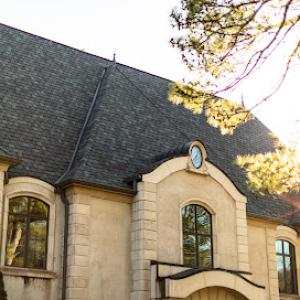
SeekOne Roofing Company
(256) 870-7335 seekoneroof.com
4812 Commercial Dr NW, Huntsville, Alabama
5.0 from 85 reviews
SeekOne Roofing Company is a trusted roofing contractor based in Huntsville, AL, specializing in residential and commercial roofing services. We offer expert installation, repairs, and maintenance, using high-quality materials and advanced techniques to ensure durability and protection for your property. With a focus on customer satisfaction, we provide free inspections and strive for timely, reliable service for every project!

Huntsville Roofing Solutions
(256) 617-6671 www.huntsvilleroofingsolutions.com
7734 Madison Blvd Ste 113, Huntsville, Alabama
4.9 from 137 reviews
Huntsville Roofing Solutions is a locally owned roofing company serving Huntsville, Madison, and surrounding North Alabama areas. We specialize in roof repair, roof replacement, storm damage restoration, and roof inspections for both residential and commercial properties. Our team is known for fast service, transparent communication, and 100+ 5-star reviews. Call today to schedule your free inspection and see why we’re a top-rated roofing contractor near you.
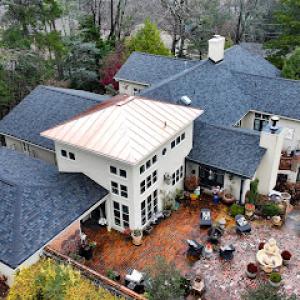
Thoughtful Roofer
(256) 280-6007 thoughtfulroofer.com
2317 Meridian St N Unit 3107, Huntsville, Alabama
5.0 from 66 reviews
At Thoughtful Roofer, we deliver high-quality roof installations, repairs, and exterior services with expert precision. We’re a combat veteran-owned company serving Huntsville, AL, and beyond serving Madison, Decatur, Mooresville, Priceville, Somerville, Athens, Tanner, and Harvest. Offering roof inspections, repairs, leak repairs, storm damage repairs, emergency services, installations, and energy-efficient metal roofing. We also provide gutter installs and maintenance to protect your home. We know roof and gutter services can be daunting that is why we offer financing is available, and if storm damage is involved, we know how to handle insurance the right way—with 98% success. Built on integrity, driven by results. Call Today!
Ridgeline Construction Roofing & Exteriors
(938) 444-8101 www.ridgelineconstructionhsv.com
600 Boulevard S SW Suite 104, Huntsville, Alabama
4.9 from 96 reviews
Ridgeline Construction Roofing & Exteriors offers roof replacement, roof repair, siding and gutter services for residential and commercial properties. As a family owned and operated business, it is our goal to provide our customers with the highest quality service for the best price. We understand that your home is one of your most important financial assets and that it protects your most valuable personal asset: your family. That is why we take great care to ensure that each and every job we do is done correctly and with the best materials available. We understand that choosing a roofing contractor can be a difficult decision, so we are confident in our ability to give you the service you need at a price you can afford.
Rocket Roofing & Restoration Contractors
(256) 801-7881 roofwithrocket.com
600 Boulevard S SW Suite 104, Huntsville, Alabama
4.9 from 90 reviews
Discover premier roofing and interior solutions from Rocket Roofing, your go-to roofing contractor in Huntsville, Alabama. We specialize in all types of roofing including asphalt shingle, commercial & metal roofs. We also provide comprehensive Gutter & Siding installations & prompt Emergency Storm Damage Repairs. Beyond roofing, our Interior Services like Drywall & Flooring Installation & Repair ensure your home is both stunning & functional. Rocket Roofing is committed to delivering quality, durability, and customer satisfaction, offering energy-efficient and aesthetically pleasing solutions tailored for your home. Experience exceptional craftsmanship with Rocket Roofing. Contact us today for your roofing and home improvement needs.
Iron Man Roofing & Construction
(256) 335-8398 www.iroofhuntsville.com
2206 Fairfax St NE, Huntsville, Alabama
5.0 from 41 reviews
Iron Man Roofing & Construction is your trusted choice for roofing solutions in Huntsville, AL! From roof replacements to storm damage repairs, we're your go-to team for all things roofing and beyond. Our skilled professionals bring years of experience, reliability, and quality to every project. Proudly based in Huntsville, AL we understand the unique roofing needs of our community. Iron Man Roofing & Construction is committed to delivering personalized, top-notch services tailored to the specific requirements of your job. We specialize in roofing, roof replacement, and storm damage. We are also committed to quality craftsmanship and customer satisfaction. We are licensed, insured and bonded. Give us a call today for any roofing questions!
Lewis & Son Roofing & Construction
(256) 533-1213 www.lewisandsonroofing-hsv.com
1462 Jordan Rd, Huntsville, Alabama
5.0 from 40 reviews
Lewis & Son is a full-service Roofing and Construction company, backed by years of experience from a team of Elite Contractors.
Impact Roofing
(256) 333-0026 impactroofing.us
3204 Governors Dr SW, Huntsville, Alabama
5.0 from 37 reviews
Whether it's a small repair or a complete roof replacement, our team is trusted throughout North Alabama and Southern Middle Tennessee for reliable, high-quality roofing services. Certified by leading manufacturers like IKO, Owens Corning, and GAF, we specialize in both asphalt shingle and standing seam metal roofing systems, offering a variety of designer and high-performance options, as well as solutions for flat roofs. We are also proud to offer Alabama Power Smart Financing. Don’t let roof damage escalate. Contact Impact Roofing, your local roof specialists, for quick, professional service.
Pro Building
(256) 519-0042 probuilding.com
11303 S Memorial Pkwy, Huntsville, Alabama
5.0 from 33 reviews
Pro Building Roofing & Restoration serves Huntsville and Madison with roofing, water damage restoration, fire and smoke cleanup, mold remediation, storm and tree damage repair, and full-service home restoration. We provide detailed inspections, clear project documentation, and professional restoration services that protect and restore your property after unexpected damage. Our team also delivers high-quality remodeling and upgrade work, including kitchens, bathrooms, home additions, and outdoor living projects. From emergency tarping to complete rebuilds, Pro Building combines expertise, precision, and reliability on every job.
H3 Climate-driven wear patterns you'll notice here stem from a humid subtropical mix: hot summers that push heat into roofing materials and frequent rain that keeps decks damp and susceptible to moisture migration. Compared with drier inland markets, the combination of high humidity, sustained temperatures, and regular storms accelerates the aging process in ways that show up as premature granule loss on shingles, faster underlayment degradation, and more pronounced algae or moss growth on shaded slopes. In practical terms, that means a roof you might expect to last a typical cycle could arrive at the need-for-repair point sooner if the system isn't paired with appropriate ventilation and moisture control. When you inspect, look for softened edges, curled shingles, or dark streaks that come and go with the summer humidity pulse. Those are telltale signs that the climate is putting extra wear on the roof's surface and its foundational components.
Replacement timing in this market tends to shift into shoulder seasons. Hot, wet months are hard on crews and on materials, and both homeowners and installers prefer to avoid peak heat and heavy rain when scheduling reroofs. Spring storms bring a flurry of activity, but the lingering rain can complicate tear-off work and ventilation setup. Fall offers cooler, drier days that help with shingle seating, attic vent testing, and moisture checks without the immediate pressure of summer humidity. If you're weighing a reroof, aim for a window that minimizes the risk of moisture intrusion during tear-off and provides stable temperatures for the installation crew to perform precise nailing and sealing. The timing nuance is less about cost and more about ensuring the roof's new layers cure and settle under typical Huntsville weather patterns.
Attic ventilation performance becomes a more practical concern during reroofing here than in cooler Alabama markets. Summer humidity amplifies heat buildup in attic spaces, so the way a ventilation plan is executed matters more than ever. A well-vented attic reduces the risk of shedding or warping under a new roof and helps preserve the life of new underlayment and vents. During replacement, expect to review the balance of soffit intake versus ridge exhaust, and verify that any newly installed vents align with the roof's slope and exposure. In humid months, condensation can form on interior surfaces if ventilation is insufficient, which, over time, can mimic or mask leaks. A thorough attic assessment-measured air-flow, duct runs, and insulation condition-will pay off by keeping the roof system performing as designed after the crew leaves.
In this climate, roofing materials themselves respond to heat and moisture differently. Asphalt shingles still play a practical role for many homes, but the local weather pattern tends to reveal wear sooner, especially on lower slopes or shaded faces that stay damp longer. Metal roofs tend to hold up well under heat when properly vented, yet fasteners and sealants must be chosen with humidity in mind to prevent corrosion or oxidation. Tile and concrete tile offer durability in high heat, but installation quality and underlayment choices matter because moisture trapped beneath an imperfect seal can haunt the roof system later. Wood shingles or shakes deliver character but demand meticulous maintenance in damp air to prevent rot and surface checking. Synthetic and composite shingles can strike a balance between weight, resilience, and moisture tolerance, but the long-term performance still hinges on vented attic conditions and correct installation details.
Periodic inspections after a storm season are particularly valuable in this area. A homeowner who tracks aging signs-granule loss, surface staining, or soft spots-can map a proactive path to maintenance before a small issue escalates. In the Huntsville climate, the wise choice is to align replacement timing with shoulder-season windows and to couple the work with a robust attic ventilation plan that supports long-term roof health.
Asphalt shingles are the go-to choice for most homes in this market. They're familiar, workable for the typical Huntsville roof pitch, and respond well to the area's humid subtropical climate. Spring storms and hail can bruise and crease shingles, and damage isn't always obvious from the ground. Pay attention to bruising on shingle backs and edges after a storm, and have a professional inspect any suspected damage promptly. For a homeowner, this means planning a careful post-storm inspection routine and knowing what to look for: dimples that look like flat, pressed spots, raised tabs, or granule loss along gutters and downspouts. If you're considering a reroof after hail, asphalt can be a reliable, cost-conscious option that accepts repairs well and provides solid wind resistance when installed with proper underlayment and ventilation.
Metal roofing has a meaningful local specialty presence, reflecting homeowner interest in durability during heavy rain and long hot summers. In this market, metal panels or "standing seam" systems tend to hold up well under high winds and drive rain, with fasteners and ridge details designed to shed moisture efficiently. If hail is a recurring concern, metal can show less surface bruising than some asphalt products, though hail can leave dents on softer metals. The key practical step is to ensure proper panel installation, a solid underlayment layer, and a well-sealed edge detail to prevent wind-driven rain from leaking at the eaves or hips. Metal also tends to carry a longer service life in this climate, which can offset upfront cost with savings over time if the roof is kept in good condition and properly ventilated.
Clay tile, concrete tile, wood shakes, and synthetic shingles exist in the market, but their use is more selective than asphalt and metal in this city's mainstream residential reroof segment. Clay and concrete tiles bring a distinct aesthetic and excellent longevity in some homes, yet they're heavier and may require structural assessment before installation. Wood shakes offer a rustic look but can struggle with humidity and rapid seasonal changes unless properly treated and maintained. Synthetic shingles aim to mimic real materials while offering easier installation and sometimes better hail resistance; however, they are less common as a first choice in many Huntsville neighborhoods due to cost and compatibility with existing roof geometry. When considering these options, evaluate how well the material aligns with your roof's slope, overhangs, attic ventilation, and local storm history.
In practice, treat material choice as a balance between storm resilience, long-term performance, and the likelihood of hail-induced cosmetic or structural damage. Start with the roof's current condition and age, then assess how much hail history your block experiences and how that history aligns with the expected performance of each material. Ensure ventilation is addressed with any reroofing plan, since proper airflow helps prevent heat buildup and moisture-related issues that can worsen under hail impact. For Huntsville homes, selecting a material that you can reliably inspect after storms-and that can be repaired with minimal disruption to interior spaces-will yield the most practical, long-term value. If a homeowner-centric approach is desired, asphalt shingles paired with a robust underlayment and a quality ventilated attic system remains a straightforward, dependable path.
Explore specialists in steel, aluminum, and standing seam metal roofs built to last 50 years or more.
Thoughtful Roofer
(256) 280-6007 thoughtfulroofer.com
2317 Meridian St N Unit 3107, Huntsville, Alabama
5.0 from 66 reviews
Ridgeline Construction Roofing & Exteriors
(938) 444-8101 www.ridgelineconstructionhsv.com
600 Boulevard S SW Suite 104, Huntsville, Alabama
4.9 from 96 reviews
Rocket Roofing & Restoration Contractors
(256) 801-7881 roofwithrocket.com
600 Boulevard S SW Suite 104, Huntsville, Alabama
4.9 from 90 reviews
A full reroof in this market typically requires a permit through the City of Huntsville Building Department. Before any shingle, tile, or metal work begins, contact the Building Department to confirm the exact permit requirements for your street address and whether any drainage or setback rules apply to your project. Pulling the permit early helps avoid rework or delays that can come from a last-minute review. Keep a copy of the permit handy on site during the entire reroof process, since inspectors may request to see it at various stages of the work.
Huntsville's reroof inspection process commonly includes an inspection during installation and a final inspection after completion. The mid-project check helps verify that the installation is proceeding according to code and your permit plan, while the final inspection confirms full compliance before the project is considered closed. Scheduling your inspections with a licensed contractor who understands the local calendar and weather patterns helps ensure the timing aligns with material deliveries and crew availability. Plan for a brief window when access to the attic and roof edge is required so the inspectors can review the work without slowing the crew.
Local inspections verify ventilation, underlayment, and fastening patterns, making installation details a practical compliance issue rather than just a workmanship preference. Expect inspectors to look for adequately vented soffits and ridge ventilation to handle Alabama's humid subtropical climate, correct underlayment placement for wind-driven rain, and fastener patterns that meet wind resistance standards. The inspection may also address nail or screw spacing, the correct use of starter courses, and the proper overlap of shingles or panels to prevent water intrusion. If your roof includes specialty materials-metal, clay, or concrete tile-the inspector will check that fasteners are appropriate for the chosen product and local wind zones. A clean, well-documented installation plan helps demonstrate compliance if questions arise during review.
Coordinate your scaffold or ladder setup with the inspector's schedule to minimize on-site congestion and avoid delays in access. Keep all roof vent locations and any added mechanical vents clearly indicated on the plan you submitted with the permit. If vendors or crews propose deviations from the original plan for temporary fixes, pause and confirm with the Building Department before proceeding. A proactive approach-documenting ventilation calculations, underlayment type, and fastening patterns-speeds the process and reduces the chance of rework during the final inspection.
When you compare bids, you'll notice the local pricing bands align with the area's climate and housing styles. Asphalt shingles run roughly from $400 to $700 per square, a practical middle for most starter homes with standard pitches. Metal roofs sit higher, about $700 to $1,400 per square, reflecting longer life and heavier panels common on newer builds and some ranch styles. Clay tile can range from $1,200 to $2,500 per square, with many Huntsville homes using this for a distinctive, long-lasting curb appeal, especially where a tile roof complements a brick exterior. Concrete tile typically sits from $900 to $1,600 per square, offering robustness in storm-prone setups. Wood shingles or shakes run $600 to $1,200 per square, favored on older neighborhoods with mellower roof lines. Synthetic or composite shingles are typically $500 to $1,200 per square, providing a lighter, cost-conscious option that still handles heat well. These local pricing ranges are a practical starting point when you're gathering quotes after a storm.
Spring weather can shake up scheduling and pricing. After a hail event or heavy rain, demand spikes as neighbors step up repairs, and contractors may push tighter timelines. Reroofs can shift from a routine project into a rushed job to beat next round of weather, which can edge costs upward in the short term. If a storm hits just as you're ready to replace, expect bids to reflect quicker mobilization, material availability, and the need for crews to prioritize urgent damage mitigation.
Beyond the material choice, the final bill can hinge on how well a roof breathes and vents for Huntsville's hot, humid summers. Ventilation corrections flagged during inspection can influence the scope and price, especially on mid-century homes with original venting layouts. The condition of upper decking, attic insulation, and the time of year also shapes total cost: scorching late spring and the wet season introduce variables that can lengthen labor time and require additional weather protection. In practice, plan for a margin that accounts for potential adjustments once the roof is opened and the underlying structure is reviewed.
Don't let upfront costs delay a critical repair - these contractors offer payment plans to fit your budget.
Henderson Roofing, Inc, Huntsville, Alabama Office
(256) 767-7166 www.hendersonroofing.net
1200 Jordan Ln NW #1, Huntsville, Alabama
5.0 from 107 reviews
Thoughtful Roofer
(256) 280-6007 thoughtfulroofer.com
2317 Meridian St N Unit 3107, Huntsville, Alabama
5.0 from 66 reviews
Impact Roofing
(256) 333-0026 impactroofing.us
3204 Governors Dr SW, Huntsville, Alabama
5.0 from 37 reviews
Huntsville homeowners operate in an Alabama insurance market where wind and hail claims are common and can shape whether replacement is approved or limited. That means your roof isn't just a structural element; it's a trigger that can affect how your insurer views future coverage. When spring storms roll through, the specter of a hail-hit roof can lead to a cascade of questions, from whether a full replacement is warranted to how a before-and-after assessment will be read years down the line. The outcome hinges as much on documentation as on the roof's physical condition.
Insurers in this market may request roof certifications or replacement documentation after work is completed, affecting future coverage availability. A contractor's written confirmation that workmanship meets expected standards, plus any signed excerpts about material integrity, can become a practical shield or a stumbling block when a new claim comes years later. Keep a clear file that shows what was replaced, what was repaired, and the exact date of work. If your insurer asks for a certification, respond promptly with the contractor's stamped record and any product test results tied to the replacement.
Adjusters reviewing retroactive damage can influence claim outcomes in Huntsville-area roof losses, so dated photos and contractor inspection records matter. Take high-quality photos from multiple angles before work starts, during progress, and after completion. Request a detailed final inspection report from the contractor that notes any pre-existing issues and the extent of new work. When questions arise later, that documented trail can steer the review toward a fair determination and help preserve future coverage options.
Connect with contractors who help homeowners navigate the claims process from damage assessment to final approval.
Advanced Roofing & Construction
(256) 603-9171 advancedalabama.com
7027 Old Madison Pike Suite 108, Huntsville, Alabama
5.0 from 813 reviews
SOCO Roofing & Restoration
(256) 677-9002 www.southernroofexperts.com
3609 Memorial Pkwy SW Suite A3, Huntsville, Alabama
5.0 from 251 reviews
Henderson Roofing, Inc, Huntsville, Alabama Office
(256) 767-7166 www.hendersonroofing.net
1200 Jordan Ln NW #1, Huntsville, Alabama
5.0 from 107 reviews
Spring in Huntsville brings storm and hail exposure that can complicate roof work. If a replacement must start in this season, plan for rapid debris containment and temporary protection for vulnerable areas. Scheduling should account for possible downpours and thunderstorms that interrupt tear-off and installation. Choose a crew with storm-response experience and a clear plan for weather-induced delays, so you are not left with a half-dinished roof when the next cell moves through.
Huntsville replacements are often planned for milder shoulder seasons to reduce weather disruption and installation risk. Late spring and early fall windows offer a balance between manageable temperatures and lower wind risk. Ground logistics-ladder placement, material staging, and airflow-tend to be steadier, which helps crews avoid rushed corners and shingle misalignment. If possible, target a block of calm days rather than chasing a weekend only window.
Summer brings heat and humidity that affect installation conditions. Asphalt shingles can expand with heat, and adhesives may cure differently in high humidity. If a replacement runs through peak summer, verify that the contractor uses moisture-controlled installation practices and schedules tighter morning/early-afternoon shifts to minimize heat exposure for workers and material handling challenges for roof decks.
Autumn adds wind and debris pressure, which can complicate staging and tear-off. Fallen leaves and gusty days require careful debris management and secure re-roofing sequences. A plan that fronts load-in during calmer spells and pauses work during strong winds reduces the risk of hail or limb impact and helps keep underlayment integrity intact as installation proceeds.
Winter freezes or sleet can stress flashing and underlayment, making early-season or late-season routes less predictable. If winter work is unavoidable, expect additional emphasis on sealing penetrations and ensuring that flashing is fully tested after occasional freeze-thaw cycles. In this climate, coordinating a clear plan with the crew for weather contingencies is essential, especially in mid-winter storms that can strike without warning.
Huntsville's frequent rain makes flashing transitions and exposed penetrations a recurring leak concern during reroofing and repair work. Skylights, vent pipes, and chimney transitions are where water finds its way if details aren't flawless. A careful hand with the base flashing, curb flashing, and sealant joints matters more than the roof surface itself, because a small lapse at a corner or around a skylight can lead to long months of damp attic smells and hidden rot. When choosing a skylight installation or replacement, insist on a tested flashing kit and a robust curb design, and expect a closer inspection of every seam before shingles go back over.
The local contractor market shows active specialty demand for skylight work and flat-roof service, even though the city is primarily a pitched-roof residential market. Low-slope areas and flat details often hide under the umbrella of a larger roof job, yet they deserve focused attention. Exposed transitions around skylight domes or flat sections, especially where two roof planes meet, tend to shed water poorly if not flashed precisely. In practice, that means better-than-average attention to edge terminations, underlayment continuity, and careful integration with any existing guttering or deflection features. Do not overlook the possibility of a separate low-slope repair crew or a dedicated skylight pro if the job feels unusually complex.
Winter freezes and occasional sleet in Huntsville can stress flashing and underlayment at exposed roof details more than broad field shingle areas. Cold snaps tighten materials and can reveal hairline gaps that were previously invisible. Plan for thorough moisture testing and a deliberate, phased approach to resealing vulnerable seams after the heat of summer has softened the membranes. In the end, the goal is a roof that keeps water out at every potential breach, not just where the shingles are most visible to a quick eye.
Find contractors experienced in skylight installation, flashing, and leak repairs to bring natural light into your home.
Ridgeline Construction Roofing & Exteriors
(938) 444-8101 www.ridgelineconstructionhsv.com
600 Boulevard S SW Suite 104, Huntsville, Alabama
4.9 from 96 reviews
Iron Man Roofing & Construction
(256) 335-8398 www.iroofhuntsville.com
2206 Fairfax St NE, Huntsville, Alabama
5.0 from 41 reviews
Gonzalez Roofing & Architectural Sheet Metal
(256) 394-3785 www.huntsvilleroofingandmetals.com
Huntsville, Alabama
4.9 from 15 reviews
In Huntsville, homeowners commonly hire reroof-focused contractors that emphasize quick response and cleanup, reflecting the storm-repair reality after spring hail and wind events. A reputable crew will explain their on-site process for tarp safety, debris removal, and temporary protection, so you don't have to chase guarantees while you assess damage. Look for a contractor that can outline a storm-response plan with a clear timeline, prioritized communication, and a dedicated point of contact you can reach during the first 48 hours after a storm.
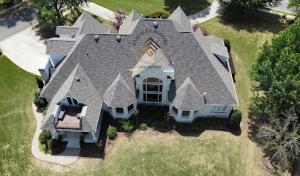
Long-established and locally owned firms have a visible presence in the market, but affordability remains a strong hiring factor. Prioritize companies with solid local references who have completed reroofs on homes similar to yours in structure and age. Ask for a weather-aware crew lineup, and verify that the estimator can identify wind-driven and hail-related issues beyond what's visible from ground level. Free inspections and drone inspections appear in the local market, which matters in Huntsville because hail and wind damage is often not fully visible from the ground. Request a thorough roof-by-roof assessment, including attic ventilation and signs of moisture intrusion, to avoid surprises after work starts.
After the inspection, ensure the contractor provides a written scope of work, material selections, and a projected schedule with daily cleanup milestones. The best teams bring portable documentation, including before-and-after photos and drone footage, to capture hail patterns and wind-stripped edges. Confirm that the contract includes a clear warranty path and a plan for follow-up visits if issues surface after the job is complete.