Roofing in Alabama
Last updated: Feb 28, 2026
Here in Alabama, a roof has to stand up to more than heat. Our long, humid summers are punctuated by quick spring storms, heavy afternoon downpours, and the occasional hail squall that can ding shingles and bend flashing. Add tropical moisture sneaking into attic spaces and windy gusts from Gulf breezes along the coast, and you've got a climate that tests roofs year round. That's why a durable, properly vented, and well-sealed roof matters more here than in many other places. Whether you're in Birmingham, Huntsville, Mobile, or a small town along the Tennessee line, you'll notice that materials and installation details that perform well in Alabama's weather make a real difference in longevity and overall cost.
On this Alabama page you'll find a practical, neighborly guide to what matters most for local roofs. We cover how Alabama's climate shapes choices, recommended roofing materials that stand up to heat and humidity, popular roof styles you'll see in Alabama neighborhoods, typical costs you can expect, the permits and local regulations you'll encounter, common roofing problems here and how to solve them, maintenance and repair tips tailored to Alabama conditions, guidance on when to repair versus when to replace, and when it's best to hire a licensed professional. The aim is clear, reliable advice you can act on.
All recommendations are tailored to Alabama's conditions and backed by local resources—area weather patterns, code requirements, trusted suppliers, and seasoned local roofers who know our neighborhoods and the crews that show up on time. You'll also find links to state and municipal resources, so you're not guessing at permits or timelines.
Let's start by looking at how our climate shapes your roof and your maintenance routine.
Local Climate & Its Impact on Roofs
Alabama's climate is hot and humid, with long summers and mild winters, which places unique demands on roofs. The combination of high heat, humidity, and frequent storms can accelerate wear and create particular vulnerabilities if your roof isn't suited to local conditions.
Key climate drivers for Alabama roofs
- Heat and UV exposure: prolonged sun can age shingles, fade color, and raise attic temperatures, stressing underlayment and roofing components.
- Humidity and moisture: high humidity encourages condensation, mold, and wood rot in poorly ventilated attics or damaged sheathing.
- Heavy rainfall and storms: frequent downpours and thunderstorms increase the risk of leaks at flashing, joints, and penetrations if not properly sealed.
- Strong winds and hail: Alabama experiences severe thunderstorms with gusty winds and hail that can dent metal, loosen shingles, or tear flashings.
- Gulf Coast salt and corrosion: coastal areas face salt spray that can corrode metal fasteners, drip edge, and flashing if not treated or protected.
- Tornado risk inland: occasional tornadoes can create localized roof damage from flying debris and sudden impacts.
Regional variations you'll notice
- Gulf Coast and southern Alabama: higher exposure to hurricanes, salt air, and wind-driven rain. Use wind-rated shingles or metal roofing, corrosion-resistant fasteners, and robust flashing details.
- Central Alabama: frequent thunderstorms and heavy rain; prioritize drainage, proper attic ventilation, and sealing around penetrations.
- Northern Alabama: milder exposure to heat but occasional ice and winter precipitation, though severe ice is uncommon; still ensure adequate insulation and ventilation to avoid condensation issues.
- Asphalt shingles: common and cost-effective; look for wind warranties and algae/mold resistance. Ensure proper attic ventilation to reduce heat load and moisture buildup.
- Metal roofing: highly durable in heat and rain, with good wind resistance; watch for expansion joints and corrosion-prone edges near the coast; consider painted or coated finishes for longer life.
- Clay/concrete tiles: durable in heat, but heavy; require a strong structural deck and proper underlayment; less forgiving on roofs with complex geometry.
- Underlayment and ventilation: synthetic underlayment paired with adequate soffit/ridge ventilation helps manage humidity and heat, reducing deck warping and mold risk.
- Gutters and drainage: oversized or well-maintained gutters prevent water backflow during heavy downpours; ensure downspouts direct water away from the foundation.
Maintenance and seasonal guidance (quick steps)
1) Inspect after major storms and quarterly in mild seasons for loose shingles, lifted flashing, or damaged gutters.
2) Clean gutters and downspouts to maintain proper drainage and prevent water backing under the roof edge.
3) Check attic ventilation and insulation; ensure vents are clear and attic temperature is controlled.
4) Look for signs of leaks on ceilings, walls, and around chimneys, vents, and skylights; address promptly.
5) Schedule a professional roof inspection after severe weather or every 3–5 years to catch hidden damage early.
Warnings and official resources
- Be aware of Gulf Coast hurricane season and associated risks: June 1 through November 30 brings elevated wind and rain hazards.
- Official resources:
- National Weather Service / NOAA: (local climate data and severe weather alerts)
- National Hurricane Center: (hurricane tracking and preparedness)
- Ready.gov hurricanes: (personal and home readiness)
- Alabama Emergency Management Agency: (state emergency info and guidance)
- Alabama Cooperative Extension System: (home maintenance and climate-smart roofing tips)
- Insurance Institute for Business & Home Safety: (roofing resilience standards and guidance)
- If you suspect structural damage after a storm or wind event, contact a licensed roofing contractor for a thorough inspection and to determine the necessary repairs.
Recommended Roofing Materials for Alabama
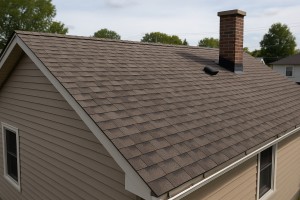
- Why they work here: They're affordable, widely available, and easy to install, with plenty of color options to match heat-reflective roofs.
- What to look for: Architectural (laminated) style for better wind uplift resistance, UL 2218 Class 3 or 4 impact resistance if hail risk is a concern, and a 130 mph+ wind rating on the package. A 30-year or longer warranty is a solid baseline.
- Installation notes: Use corrosion-resistant nails and a breathable synthetic underlayment. Ensure proper attic ventilation to maximize lifespan in Alabama's heat and humidity.
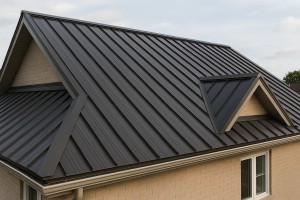
- Why they work here: Extremely durable in hot weather and strong against high winds; they can reflect heat and lower cooling costs.
- Pros: Long life (often 40–70 years), excellent wind uplift resistance, fire resistant, and wide color options.
- Cons: Higher upfront cost; proper installation is key to avoiding leaks. May be noisier in heavy rain unless you have good attic insulation/insulation.
- Tips: Choose a factory-coated, energy-efficient finish; confirm flashing, clips, and proper ventilation with a contractor experienced in coastal/wind-prone installs.
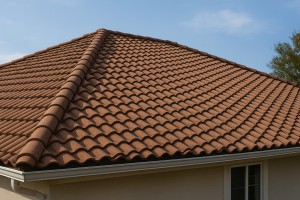
- When to consider: If you want a distinctive look and have solid roof structure to support the weight.
- Pros: Very long life, excellent fire resistance, good natural insulation.
- Cons: Heavy; needs structural reinforcement; more costly; susceptible to breakage from hail and improper installation; wind performance depends on secure installation.
- Tips: Ensure the roof framing is rated for tile weight and use wind-rated fasteners and clips. Tile may require additional flashing around penetrations.
Synthetic or Composite Shingles
- Why they're appealing: Modern synthetics mimic the look of tile or shake while offering improved impact resistance and lighter weight.
- Pros: Durable, good impact resistance, often low maintenance, flexible for various aesthetics.
- Cons: Brand-to-brand variation in performance; check warranty terms and long-term color stability.
- Tips: Look for UL 2218 rating, solid warranty coverage, and a color that stays cooler in sun-exposed Alabama roofs.
Quick Selection Steps
1) Determine budget, desired lifespan, and aesthetic preferences.
2) Check local climate risks (wind, hail, coastal exposure) and ensure the product meets code requirements.
3) Confirm roof structure can support heavier options (tile) or plan reinforcement if needed.
4) Prioritize underlayment and ventilation; consider a cool roof color to reduce attic heat.
5) Hire an experienced Alabama installer who understands local wind and storm considerations.
Maintenance & Longevity
- After storms: Inspect for lifted shingles, loose flashing, or damaged panels; address issues promptly to prevent leaks.
- Humidity and algae: Clean gutters regularly and treat moss/algae growth on shaded roofs.
- Regular refresh: For metal roofs, monitor coatings and recoat as needed; for asphalt, inspect for curling or missing tabs and reseal if recommended by the manufacturer.
Popular Roof Styles & Architectural Trends in Alabama
Popular roof styles in Alabama
- Gable roofs: Simple, budget-friendly, and prevalent on many Alabama homes.
- They shed rain efficiently and work well with a variety of traditional and modern facades.
- Hip roofs: Sloped on all sides for impressive stability in high winds.
- Common on bungalows, ranches, and coastal-adjacent homes where wind resistance matters.
- Cross-gabled and combination roofs: Mixes of gables and hips to create character on traditional Southern houses.
- Provide visual interest while still delivering solid drainage and durability.
- Dutch hip and shed-style roofs: Found on some Craftsman and contemporary designs.
- Offer a balanced look between classic charm and modern practicality.
Roofing materials favored in Alabama
- Asphalt shingles (architectural): The workhorse choice for most homes.
- Wide availability, solid weather resistance, and good warranties; look for Class 4 impact resistance in hail-prone areas.
- Metal roofing: Standing-seam or heavy-gauge panels.
- Excellent wind and hail performance, light weight, long lifespan, and reflective coatings help cut cooling costs.
- Concrete and clay tiles: Popular in higher-end or Mediterranean-inspired homes.
- Very durable and heat-tolerant, but heavy—requires a properly reinforced roof structure and careful attic ventilation.
- Wood shingles/shakes: Used on Craftsman and bungalow-influenced homes.
- Natural look, good insulation value, but higher maintenance and fire risk in certain zones; treat for moisture and insects.
Architectural trends shaping Alabama roofs
- Craftsman influences: Low-pitched, wide porches, and exposed rafters with deep eaves, designed for shade and curb appeal.
- Rooflines emphasize craftsmanship and integration with the porch environment.
- Southern Colonial and traditional ranch silhouettes: Symmetry and balanced rooflines with bold entrances.
- Roofs often feature paired gables or dormers to enhance the façade.
- Mediterranean and coastal cues: Terracotta or light-colored tile, stucco-adjacent exteriors, and arched openings.
- Common near the Gulf Coast, where heat tolerance and humidity resistance matter.
- Modern farmhouse and contemporary blends: Mixed materials, metal accents, and solar-ready opportunities.
- Favor practical, low-slope sections that accommodate solar panels and energy-efficient upgrades.
Climate, wind, and code considerations
- Coastal Alabama and hurricane zones: Wind resistance is critical; choose materials with proven wind performance and proper nailing patterns.
- In hurricane-prone areas, aim for higher wind-rated shingles or metal systems and reinforced roof decks.
- Humidity and algae growth: Damp climates can encourage moss and algae on shaded roofs.
- Look for algae-resistant shingles or apply zinc/copper strips at the ridge to slow growth.
- Ventilation and insulation: Alabama summers demand good attic ventilation to reduce heat transfer.
- Pair roof choice with appropriate soffit vents and insulation for year-round comfort.
Practical steps for choosing a roof (1–3)
1. Identify your home's architectural style and existing roof deck capacity.
- If you're adding tile or a heavy metal system, verify structural support and the option for roof vents.
2. Prioritize wind and impact ratings for Alabama conditions.
- Select architectural shingles (Class 4) or metal with reflective coatings; ensure proper installation for local wind zones.
3. Plan for longevity and upkeep.
- Consider a roof that aligns with maintenance tolerance, attic ventilation, and energy goals; factor debris and storm-season cleaning into yearly plans.
Maintenance and longevity tips for Alabama roofs
- Schedule inspections after major storms and seasonal transitions.
- Check for lifted shingles, damaged flashing, and signs of moss or debris buildup.
- Keep gutters clean and free-flowing.
- Clogged gutters trap water and can lead to leaks and rot.
- Address algae and moss promptly.
- Use algaecide treatments or zinc/copper strip solutions to slow regrowth.
- Monitor for heat-related wear.
- Look for curling shingles or damaged coatings, especially on south-facing slopes.
Colors and curb appeal
- Lighter, reflective roof colors: Help keep homes cooler in Alabama heat.
- Pair with mid-tone to light exterior hues for a balanced look.
- Earth tones and natural textures: Blend with the landscape and are less maintenance-prone visually.
Average Roofing Costs in Alabama
Climate, style, and how they impact price
The warm, humid climate and Gulf Coast exposure influence material choices and installation methods in Alabama. Coastal areas may require extra moisture barriers and corrosion-resistant components, while inland cities deal with heat and storms. Roof style also matters: ranch houses with low pitches, craftsman and colonial designs with multiple gables, and steeply pitched roofs all change material usage and labor time.
Cost drivers in Alabama
- Roof size and pitch (steeper or larger roofs need more material and longer labor)
- Old roof removal and disposal (tear-off costs)
- Material choice and grade (lower-cost asphalt vs. premium metals or tile)
- Deck condition and repairs (damaged decking increases cost)
- Access, conditions on a busy job site, and waste disposal
- Accessories and systems (underlayment, ventilation, ice/water shield, flashing)
- Local labor rates and permitting requirements
- Scheduling window (summer heat can affect crew productivity; spring/fall often preferred)
Average installed costs by material (per square, 100 sq ft)
- Asphalt shingles (3-tab): $350–$520 per square
- Architectural asphalt shingles: $420–$700 per square
- Metal roofing: $800–$1,400 per square
- Cedar shake/shingle: $700–$1,000 per square
- Clay or concrete tile: $900–$1,600 per square
- Synthetic slate: $700–$1,100 per square
Notes:
- Prices generally include underlayment and basic flashing, but upgrades (thicker ice/water shield, high-wriction underlayment, or class 4 impact-resistant shingles) add to the total.
- Removing and disposing of the existing roof typically adds to the lower end of the range if the old roof is in good condition, and substantially if there's extensive damage or hazardous materials.
Regional and architectural differences
- Gulf Coast coastal counties: higher emphasis on corrosion-resistant materials, wind uplift requirements, and moisture control; costs may skew higher for premium metal or concrete tile.
- Urban centers (Birmingham, Mobile, Huntsville, Montgomery): labor rates tend to be higher due to demand and permitting processes.
- Rural areas: potential savings on labor, but longer project windows and transportation costs for materials can affect the total.
- Home style and roof complexity: multi-peak roofs, dormers, and skylights drive additional flashing, flashing components, and waste removal.
Example project price bands by roof size (installed)
1) 1,000 sq ft (10 squares)
- Asphalt shingles: $3,500–$5,200
- Architectural shingles: $4,200–$7,000
- Metal roofing: $8,000–$14,000
- Tile or synthetic options: $9,000–$16,000
2) 1,500 sq ft (15 squares)
- Asphalt shingles: $5,250–$7,800
- Architectural shingles: $6,300–$10,500
- Metal roofing: $12,000–$21,000
- Tile or synthetic options: $13,500–$24,000
3) 2,000 sq ft (20 squares)
- Asphalt shingles: $7,000–$11,000
- Architectural shingles: $8,400–$14,000
- Metal roofing: $16,000–$28,000
- Tile or synthetic options: $18,000–$32,000
Practical steps to estimate your Alabama roof cost
1. Measure your roof area (roughly in squares; 1 square = 100 sq ft).
2. Pick a material schematic (from budget asphalt to premium metal or tile).
3. Gather at least 3 local bids that break out tear-off, disposal, materials, and labor.
4. Ask about code-required upgrades (wind uplift, moisture barriers) that may apply to your region.
5. Factor in permits, attic venting, and potential decking repairs.
6. Plan for weather-related scheduling and project duration, especially in peak heat months.
Permits & Local Regulations
Identify Your Jurisdiction
In Alabama, roofing work is regulated at the city or county level. Most jurisdictions require a permit for roof replacement, even if the new roof is the same size and scope. Some smaller towns may have streamlined rules, while larger cities require plan reviews. Start by contacting your local building department or using the city's permit portal to confirm what is needed for a re-roof project at your address.
Permit Requirements for Roofing in Alabama
- Permit application with basic project description and address.
- Contractor information: name, license (if required locally), contact details.
- Evidence of insurance: general liability and workers' comp.
- Any plans or notes for structural changes, venting, or attic access.
- Permit fees and any required plan review or spot checks.
- Construction and waste disposal plan, including jobsite safety measures.
- Scheduling required inspections (tear-off, underlayment/installation, final).
Licensing and Contractor Vetting
1. Verify the contractor is licensed to perform roofing work in your jurisdiction and note the license number.
2. Check current insurance: general liability and workers' compensation.
3. Ask for references and a written, detailed contract with a clear scope of work.
4. Ensure the contractor will pull the permit in your name or under your address, as required.
HOA and Local Restrictions
- If you're in a subdivision or gated community, check HOA CC&Rs for roofing rules, color approvals, and allowed materials.
- Some HOAs require pre-approval before starting; failing to get it can lead to fines or work stoppages.
- Keep a copy of HOA guidelines on-site as you work.
Inspections & Process Timeline
- Step 1: Permit application accepted and approved; you may need to post a job-site notice.
- Step 2: Tear-off or initial inspection to verify existing structure and roof deck condition.
- Step 3: Progress inspections during installation (underlayment, ventilation, fasteners) as required by your jurisdiction.
- Step 4: Final inspection to verify code compliance and proper termination of services.
Code, Weather, and Safety Considerations
- Alabama generally adopts the International Residential Code (IRC) with local amendments; confirm the edition used by your jurisdiction.
- Ensure proper attic ventilation and underlayment for hot summers and potential humidity.
- If the home is brick or older, verify attic access requirements and flashing details to prevent leaks.
- For homes built before 1980, consider asbestos or lead-based paint concerns; coordinate with licensed professionals if suspected.
Common Roofing Problems in Alabama & Solutions
Hail and Wind Damage
- What to look for: missing, cracked, or curled shingles; dented metal edges; granule loss in gutters or downspouts; shingle tabs lifting.
- Simple checks: after a strong storm, walk the ground around the house for glossed or shiny granules; inspect a few shingles from the ground using binoculars.
- What to do:
1) Document damage with clear photos from multiple angles.
2) Schedule a professional roof inspection within 1–2 weeks of a storm.
3) File an insurance claim and work with a contractor who has storm-damage experience.
4) If a leak is present, place a temporary tarp or bucket to protect interior, but avoid climbing on a damaged roof yourself.
5) When repairs are needed, prioritize proper flashing, edge venting, and wind-rated shingles to resist future storms.
Algae, Moss, and Lichen Growth
- Why it happens: Alabama's humidity and mild winters foster organic growth on shaded or north-facing roof areas.
- Signs: dark streaks, mossy patches, softened shingles, or reduced roof-darkening aesthetics.
- What to do:
1) Gently remove loose growth with a broad brush or soft cleaning solution (non-pressure wash) to protect shingle granules.
2) Apply a cleaning solution designed for roofs, following label directions; rinse thoroughly with low-pressure water.
3) Install zinc or copper strips near the ridge to slow regrowth.
4) Improve prevention: trim overhanging branches, keep gutters clean, and ensure attic ventilation to lower moisture.
Leaks & Flashing Problems
- Common culprits: deteriorated step flashing around chimneys, vents, and skylights; broken or lifted shingles; deteriorated pipe collars.
- Symptoms: water spots on ceilings, stained drywall, or active dripping inside.
- What to do:
1) Inspect flashing seals and replace damaged sections; reseal with compatible flashing cement.
2) Replace any damaged flashing along chimneys and roof penetrations.
3) Replace warped or missing shingles; ensure any underlayment is intact.
4) Have a roofer verify attic ventilation and insulation to prevent future condensation and leaks.
Poor Attic Ventilation & Condensation
- Why it matters in Alabama: heat and humidity can cause attic moisture buildup, leading to mold and faster shingle aging.
- Signs: musty attic, damp insulation, or interior frost on rare cold days.
- What to do:
1) Add or upgrade soffit and ridge vents to improve airflow.
2) Seal leaks between the attic and living space to reduce warm, moist air entering the attic.
3) Improve insulation (aim for a suitable R-value for your home) and consider radiant barriers in hotter months.
4) Have a pro perform a balanced ventilation check and a blower-door test if needed.
Gutter Overflow & Debris Buildup
- Why it matters: clogged gutters can cause water to back up under shingles and toward the fascia.
- Signs: overflowing gutters during rain, staining along fascia, or ice damming in rare cold snaps.
- What to do:
1) Clean gutters and downspouts at least twice a year; remove leaves and pine needles.
2) Ensure proper slope (the gutters should drain toward downspouts).
3) Install gutter guards or screens to reduce debris buildup.
4) If gutters are damaged or undersized, replace with a system that matches roof run and rainfall intensity.
Tree Overhang & Debris
- Risks: branches can abrade shingles, drop heavy limbs during storms, or deposit constant debris and moisture.
- Signs: frequent debris, bark chips, or scratched roofing surfaces.
- What to do:
1) Trim back branches at least 6–10 feet from the roof edge.
2) Schedule annual debris removal and roof inspections, especially after storms.
3) Consider a tree health check to reduce future limb breakage risk.
Asphalt Shingle Aging & Granule Loss
- How to spot it: granule loss shows up as darkened patches; shingles may curl or cup with age.
- Why Alabama homeowners care: reduces UV protection and shortens roof life.
- What to do:
1) Have a professional assess remaining shingle life; typical asphalt shingle life is 15–30 years depending on install and climate.
2) If several areas show saturation or curling, plan for replacement with high-wind or algae-resistant shingles.
3) Maintain airflow and moisture control to extend life.
Ice Dams (Seasonal Consideration)
- Occurrence: rare in Alabama but can happen in high-elevation or very cold snaps.
- Risks: melted ice refreezing at eaves can cause water to back up under shingles.
- What to do:
1) Improve attic insulation and ventilation to minimize warm-air buildup.
2) Remove snow safely from roof edges with a non-abrasive tool.
3) Use heat cables only where recommended by a professional and in accordance with local codes.
Maintenance & Repair Tips for Alabama
Seasonal Maintenance Checklist
- Spring: Inspect after winter storms for loose shingles or damaged flashing; clean gutters and downspouts; check attic insulation and clear soffit vents; trim overhanging branches.
- Summer: Look for heat-related damage such as curling shingles or exposed nail heads; ensure flashing around chimneys, vents, and skylights is intact; keep gutters clear after storms.
- Fall: Remove leaves from gutters and roof valleys; reseal flashing if needed; inspect for loose shingles and verify attic ventilation for winter.
- Winter: Avoid walking on a wet or icy roof; monitor interior ceilings for leaks; confirm attic insulation is intact to minimize heat/moisture issues.
1. Safety first: stay off a damaged roof, watch for downed power lines, and use binoculars from the ground if needed.
2. Ground check: look for missing shingles, dented gutters, lifted flashing, and signs of leakage around chimneys or vents.
3. If you spot damage, cover exposed areas with a tarp or roofing cement patch as a temporary measure and call a roofer for a proper fix.
Common Alabama Roof Problems and Quick Fixes
- Wind damage: replace missing shingles promptly; for small patches, a temporary seal with roofing cement can buy time, but plan a proper repair soon.
- Flashing leaks: around chimneys, vents, and valleys—reseal with high-quality sealant and inspect/replace flashing if persistent.
- Humidity-driven growth: moss and algae respond to gentle scrubbing with a roof-safe cleaner; avoid high-pressure washing that can lift granules.
- Hail signs: look for bruising or soft spots on shingles and inspect underlying underlayment; consider a professional assessment.
- Granule loss on asphalt shingles: note bare patches and schedule replacement if widespread.
Gutter and Drainage Maintenance
- Clean gutters at least twice a year; remove leaves and debris; check for leaks.
- Downspouts should discharge water four to six feet away from the foundation; add extensions if needed.
- Keep valleys and gutters clear to prevent water backing up and potential leaks.
Attic Ventilation, Insulation, and Moisture Control
- Ensure an alternating system of soffit intake vents and ridge or exhaust vents; clear any blockages.
- Maintain adequate attic insulation (aim for a robust level for Alabama's climate) to reduce heat gain and moisture buildup.
- Look for signs of moisture: condensation, musty smells, or mold; address leaks and seal penetrations promptly.
Materials-Specific Tips
Asphalt Shingles
- Check for curling, cupping, or missing granules; re-nail loose shingles and seal edges as a temporary measure until a full replacement can be done.
- Keep debris off the roof to protect granules; avoid aggressive cleaning that can damage the shingle surface.
Metal Roofs
- Inspect for loose screws or fasteners; tighten as needed and reseal seams.
- Look for rust spots or corrosion; treat and repaint as necessary; wash with mild soap and water.
Tile Roofs
- Inspect for cracked or slipped tiles; replace with matching tiles.
- Avoid stepping on tiles; use roof-safe walkways if you must go on the roof; check underlayment if tiles are displaced.
When to Call a Professional
- Widespread damage, multiple missing shingles, or leaks inside the home.
- Structural concerns, sagging decking, or compromised attic insulation.
- You're unsure about safety or lack the proper tools and experience.
Emergency Measures
- If a leak is active, place a tarp to minimize water intrusion and move belongings away from the area.
- Use buckets or containers to catch drips; dry the area as much as possible to prevent mold growth.
- For temporary stabilization or complex repairs, contact a roofing professional promptly.
When to Repair vs. Replace
Alabama climate and its impact
- Heat and sun accelerate shingle aging; you'll see faster granule loss, more curling, and quicker wear.
- Humidity and moisture can lead to attic condensation, mold growth, and hidden deck rot if ventilation isn't up to par.
- Severe thunderstorms, hail, and wind uplift common in Alabama mean more frequent localized damage, especially on exposed edges and ridges.
- Storm season can uncover existing weaknesses—be ready to reassess after a major event.
Core factors to consider
- Roof age and material: asphalt shingles typically last 15–25 years; architectural shingles 25–30; metal 40–70; tile or slate 50+.
- Extent and location of damage: isolated leaks or small patches vs. widespread, multi-area damage.
- Structural decking condition: water intrusion into the sheathing or rafters demands closer scrutiny.
- Repair vs. replacement cost: balance immediate fix costs against the expected remaining life and future repair needs.
- Warranties and insurance: manufacturer warranties, workmanship guarantees, and storm/insurance claims can sway the decision.
- Ventilation and insulation: poor attic ventilation can shorten roof life and make repairs less durable.
When to repair
- Damage is localized: a few missing or cracked shingles, or damaged flashing around chimneys, vents, or skylights.
- Small leaks with solid surrounding roof: leaks confined to a single area or penetration point.
- Shingles and deck are generally sound: no widespread curling, blistering, or extensive granule loss.
- Roof still has substantial life left: most of the roof's expected life remains intact (roughly 60–80% depending on material).
- Quick fix options are viable: sealants, flashing adjustments, or flashing replacements that don't require major deck work.
- Cost is clearly favorable: repair bills are far less than the price of a full replacement, and the repair extends the roof's life meaningfully.
When to replace
- Widespread damage: curling, buckling, or missing shingles across large sections; granule loss on many shingles.
- Age approaching or exceeding life expectancy: asphalt roofs over 20 years old are strong candidates for replacement; if the roof is older than 25–30 with recurring problems, replacement is often wiser.
- Structural damage or deck rot: visible sagging, water stains on the sheathing, or compromised roof deck calls for a full replacement.
- Frequent leaks even after repairs: persistent leaks indicate deeper issues or aging components that repairs won't fully fix.
- Energy efficiency and performance: upgrading to a more durable, energy-efficient material (like metal) can reduce cooling loads in Alabama's heat.
- Insurance and warranty considerations: after a major hail or wind event, replacement may be more cost-effective or required by insurance, and newer warranties come with renewed coverage.
Step-by-step decision guide
1) Get a professional assessment from a licensed roofer familiar with Alabama conditions.
2) Have the contractor document damage with photos and a written scope (what's repaired vs. replaced).
3) Compare repair costs to replacement costs and estimate remaining life for your current roof.
4) Check warranties and odds of future leaks or additional repairs.
5) Consider the local climate risks (wind uplift, hail potential) and whether a newer material would offer better longevity.
6) Decide based on life expectancy, cost, and risk of further damage if you delay replacement.
Quick decision rules (practical thresholds)
- If repair cost approaches or exceeds half of a new roof's price, or the roof is past its typical life for its material, replacement is usually wiser.
- If damage is isolated, the roof is relatively young, and the repair preserves most of the remaining life, repair is sensible.
What to ask your roofer ( Alabama-specific)
- What is the remaining life expectancy for my current roof material in our climate?
- Do you recommend a full replacement or a targeted repair, and why?
- Will replacement improve ventilation, insulation, and energy efficiency?
- What wind uplift ratings and local codes apply to my project?
- What warranties will cover materials and workmanship, and how do claims affect future repairs?
Alabama-specific tips
- After high-wind storms, have a pro inspect for hidden damage under shingles and along the eaves.
- Consider metal or dimensional shingles if you're dealing with long Alabama summers and humidity—these can offer longer life and better performance in heat.
- Keep gutters clear and ensure attic vents are functioning to slow deterioration from moisture and heat.
When to Hire a Professional
- Active leaks or water stains on ceilings, walls, or insulation. Water damage can spread quickly and worsen structural issues.
- Visible structural concerns: sagging decking, buckled shingles, or loose flashing around chimneys, vents, or valleys.
- Extensive shingle damage: large areas of missing, curling, cracking, or granule loss that expose the roof deck.
- Damaged flashing or vent booting: rusted metal, displaced seals, or gaps that can let water in.
- After a severe storm: hail, high winds, or tornadoes can create unseen underlayment or deck damage.
- Moldy or musty attic odors or damp insulation, indicating moisture intrusion.
- You're planning a major upgrade (new underlayment, better ventilation, or better insulation) or a roof replacement under a warranty requirements.
When to call soon after a storm (Alabama-specific)
- Alabama experiences intense spring and summer storms, plus occasional hurricanes along the Gulf Coast. If you've had a strong hailstorm or high winds, have a pro inspect promptly.
- Do not climb on the roof yourself after a storm; a professional can safely assess for hidden damage, compromised decking, and wind-driven leaks.
- If you notice interior staining after a storm or new drafts, schedule an inspection even if there's no obvious exterior damage.
- Have a professional perform a damage assessment before or during an insurance claim to ensure your claim is accurate and comprehensive.
Alabama-specific considerations for hiring
- Permits and HOA rules: Many Alabama municipalities require permits for roof work, and some HOAs have oversight or color/material standards. Verify permit requirements and approvals before work begins.
- Local availability and lead times: Gulf Coast and central Alabama areas can experience supply and scheduling delays after storms. Plan ahead and choose a contractor who can commit to a realistic timeline.
- Storm-chaser awareness: Be wary of door-knockers or contractors who appear immediately after a storm. Verify licensing, physical business address, and references before signing anything.
- Local references: Prioritize contractors with verifiable Alabama projects and local warranties. Ask for recent neighbors or nearby homes you can visit.
How to evaluate a roofing contractor (Alabama-focused tips)
- Licensing and insurance: Ask for license numbers and verify them with the state or local licensing board. Ensure the contractor has current general liability and workers' compensation insurance.
- Written estimates: Get 2–3 detailed bids that outline materials, labor, underlayment, flashing, disposal, permits, and warranties.
- References and portfolio: Request recent Alabama jobs and contact homeowners about quality, timeliness, cleanup, and how disputes were handled.
- Warranties: Confirm workmanship warranty length and what it covers, plus manufacturer warranties on shingles or other materials.
- Permits and codes: Confirm who will obtain permits and ensure the work meets local building codes and Alabama-adopted codes.
- Safety practices: Ask about fall protection, roofing safety program, and debris disposal methods.
Questions to ask during a consultation
- What's the exact scope of work and included materials?
- How will you protect gutters, landscaping, and HVAC equipment?
- What's the project timeline, start date, and expected completion date?
- How do you handle leaks or hidden damage discovered during work?
- What payment schedule do you require, and do you offer financing or insurance claim assistance?
- Do you provide a written contract with all terms, including change orders?
- Will you handle permits, inspections, and HOA approvals?
A practical hiring process (step-by-step)
1) Assess your roof's needs and obtain a few referrals from trusted neighbors or local hardware stores.
2) Schedule on-site assessments with 2–3 licensed Alabama contractors; request a written estimate.
3) Verify licensing, insurance, and references; call or visit references.
4) Review contracts carefully: scope, materials, warranties, timelines, payment terms, and permit responsibilities.
5) Select a contractor, secure a start date, and document everything in writing; ensure proper permit issuance and final inspections.
Putting A Lid On It: Roof Maintenance, Repair, and Replacement in Alabama
Alabama's climate places unique stress on your roof: hot, humid summers mix with sudden thunderstorms and heavy rainfall, all challenging shingles, flashing, and underlayment. Regular maintenance isn't just about appearance—it's your first line of defense against leaks, mold, and escalating repairs. A well-cared-for roof protects insulation, helps your home stay comfortable, and preserves value over time.
In our warmer, wetter environment, proactive roof care pays off. After a heavy storm or a long heatwave, a quick check can catch problems before they grow. Quality maintenance reduces energy loads, minimizes interior damage, and gives you peace of mind through Alabama's seasonal swings. Think of it as small, steady investment that yields long-term stability for your home.
Seasonal care for Alabama roofs
- Inspect twice a year (spring and fall): look for loose or curling shingles, damaged flashing around chimneys, vents, and skylights.
- Clean gutters and downspouts: remove debris, ensure water flows freely, and direct discharge away from the foundation.
- After storms: check for missing shingles, exposed underlayment, dented flashing, and signs of leaks in the attic or ceiling.
- Ventilation and insulation: confirm adequate attic ventilation and insulation to reduce heat buildup and moisture buildup.
- Algae, moss, and staining: treat shaded areas with gentle cleaners or install zinc/copper strips to slow growth; avoid aggressive pressure washing.
- Trim trees: keep branches 6–10 feet away from the roof to prevent damage from wind and debris.
Repair versus replacement decisions
- Age and condition: asphalt shingles typically last 15–30 years. If most of the roof is approaching end of life or extensive damage is present, replacement may be the wiser choice.
- Local weather impact: repeated leaks, sagging decking, or widespread shingle failure often signals the need for replacement rather than piecemeal repair.
- Upgrades: consider reflective or cool shingles and impact-resistant options to better handle Alabama's sun and hail; these can improve energy efficiency and long-term performance.
- Cost and warranties: compare estimates, analyze warranty terms, and weigh short-term fixes against long-term savings.
Choosing a professional
- Look for licensed, insured contractors with verifiable references.
- Get multiple written estimates and check for workmanship warranties.
- Ask about material options, timelines, and what the project includes (ventilation, flashing, clean-up).
You're part of a practical, weather-savvy community, and the roof over your head is a shared responsibility. With regular care, a sensible repair plan, and smart upgrades, you can enjoy a durable, beautiful roof that weathered Alabama's seasons for years to come. Here's to a safe, sturdy, and welcoming home for you and your neighbors.
