
Last updated: Apr 19, 2026
Spring in this area brings more hail and high-impact storms than most homeowners expect, and insurance claim activity spikes accordingly. In Austell, the rhythm is clear: after a big storm, roof damage is likely, and the clock starts ticking on documentation and repairs. Summer afternoon storms can interrupt inspections, tarping, and replacement schedules, turning a straightforward claim into a months-long project if not handled with speed and clarity. You need to treat the first 72 hours as your window to confirm damage, stabilize the roof, and begin legitimate claim communication with your insurer.
Georgia wind and hail losses shape how homeowners prove damage. Insurers commonly expect pre-loss or post-loss photos and clear storm-date evidence. Start by taking wide shots of the entire roof and steep sections from ground level if safe, then move to close-ups of hail impacts, lifted shingles, dented vent pipes, and any visible granule loss in gutters or downspouts. Preserve anything that looks displaced or damaged and keep a dated file of all images. If you have records of a recent roof purchase or maintenance, gather those to show the roof's condition before the storm. When you speak with the insurer, present a concise timeline: when the storm hit, when damage was first noticed, and when the claim was filed. The more precise the documentation, the faster you'll move through the adjustment process.
Because many local contractors actively market emergency response and insurance claim help, homeowners are likely to encounter rapid post-storm canvassing after severe weather. This can feel convenient but also pressuring. Verify credentials and avoid signing open-ended assignment forms on the spot. Ask for written specifics about scope, timelines, and the insurer's approved repair methods. If a contractor insists on performing temporary tarping or field assessments before you've filed the claim, document the interaction and delay nonessential work until your claim is filed and acknowledged. Your goal is to secure the safest, fastest path to a permanent fix-not a hurried, suboptimal patch that could fail during the next storm.
Inspections should be scheduled after the storm's immediate hazards subside but before the next system rolls in. Acknowledge that humid conditions can complicate roof work in spring and summer, especially when ladders and tarps are involved. Ensure tarps are properly weighted and secured to prevent wind-flung damage during the afternoon gusts that are common in this climate. If you must postpone work due to ongoing storms, keep documentation current: photograph every weather-related delay, update your claim file, and communicate revised timelines to your insurer and contractor in writing. Clear, ongoing communication reduces misunderstandings as the project progresses through mid-summer weather cycles.
Storm-driven damage isn't just about shingles; it can affect decking, underlayment, and fascia. Prioritize protecting interior spaces from leaks with temporary measures that you can supervise-while avoiding risky improvisation. If a claim is approved, align your post-storm plan with the expected local schedule: gentle, staged replacements that respect the heat, humidity, and typical rain windows of the season. Staying proactive minimizes the chance of new damage during the replacement process and keeps your roof on a predictable clock, even when skies turn threatening again.
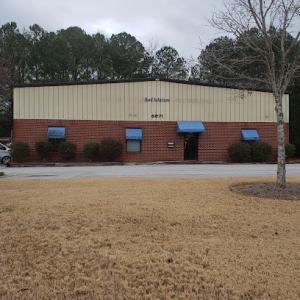
Roof Solutions
(404) 352-0000 roofsolutionsllc.com
6871 Oak Ridge Commerce Way, Austell, Georgia
4.3 from 6 reviews
Commercial Roof Solutions, LLC was founded in 2004 on a simple principle - Do the right thing. That means working with our customers to determine what the right solution is for them; performing our duties in a timely, professional and courteous manner; and not calling a project complete until our customers are fully satisfied with our performance. Our favorite line to prospective customers is “Give us the leak that no one else can fix and let us show you what we can do”.
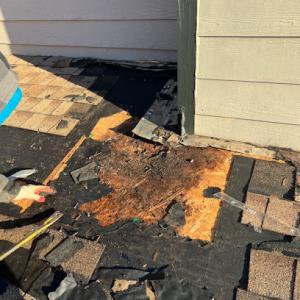
Austin's Roofing & Gutters
(470) 664-6976 www.austinsroofingandguttersga.com
Serving
4.6 from 95 reviews
Have you noticed leaks in your house's attic or ceiling but aren't sure how they got there? Do you believe that your roof's colored tiles also have seen better days? Perhaps you are just about to put your house on the market and want to make sure that your roof is in complete working order? If you answered yes to any of these questions, then it sounds like you could benefit from the exemplary and all-encompassing support provided by Austin's Roofing and Gutters, LLC , the Atlanta, GA roofing specialists.
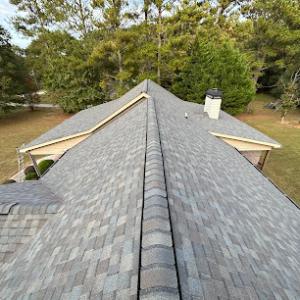
RX Roofing
(404) 464-6159 rxroofingllc.com
Serving
4.9 from 9 reviews
At RX Roofing, we offer exceptional roofing services and solutions that are tailored to your specific needs. We specialize in new roof installations, roof repairs, and preventative maintenance to keep your roof in top condition. Our team of skilled and dedicated local roofers uses only top-quality materials and workmanship to ensure that your roofing project is completed to the highest standards. With our extensive experience serving the Atlanta area, you can trust us to be your go-to choice for all of your roofing needs. Choose RX Roofing for reliable, professional, and personalized roofing services that you can count on.

Oak Hill Roofing & Restoration
(770) 285-7965 www.oakhillroof.com
Serving
4.6 from 10 reviews
Oak Hill Roofing & Restoration provides roof replacements and new roof installations in Douglasville, GA, and surrounding areas.
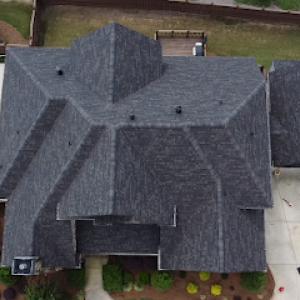
Wren's Roofing
(770) 609-0328 wrensroofing.com
Serving
5.0 from 46 reviews
Wrens Roofing is a family owned and operated residential roofing company located in Georgia. We specialize in roof repairs, replacements and maintenance service as well as gutter installation, and repairs. We service the entire metro Atlanta area and surrounding cities. With a combined 40 years in the customer service and roofing industry, Wrens Roofing is always the best choice for your roofing and gutter needs. Inspections and estimates are always free, with zero obligation. We offer superior workmanship and materials while never compromising quality for higher margins. Our company is fully insured with both liability and workers compensation. We offer warranties on all the work we provide and we proudly stand behind them.
United Roof Inspections
(470) 470-9509 unitedroofinspections.com
Serving
5.0 from 8 reviews
United Roof Inspections is a roofing contractor located in Powder Springs, GA that has been open since 2013. We service the Atlanta metro area and surrounding counties. Our services include roof inspections, roof installation, roof repairs, attic venting, gutter installation and cleaning, skylight installation and repair, and repairing storm and wind damage. As an experienced local roofing company, we can provide commercial roofing services and comprehensive roof inspections to help extend the life of your roof. Our wide range of roofing repair services can fix any issues discovered during inspections or weather damage to ensure your home stays protected.
Union Restoration Group
(770) 549-7437 unionrestorationatl.com
Serving
4.8 from 58 reviews
Especializados en water mitigation and restoration
Alliance Roofing
(404) 932-5260 www.allianceroof.com
Serving
4.7 from 103 reviews
Alliance Roofing, LLC has served the Atlanta area since 1992. We take pride in being a professional roofing company based in Smyrna, GA, and serving the surrounding areas. As a locally owned and operated business, we have built a strong reputation as the go-to roofing experts for residents and businesses. Our commitment is to offer more than just roofing services; we aim to deliver exceptional service, superior products, and fair pricing. Whether your project is residential or commercial, big or small, our knowledgeable team and top-quality materials ensure we do the job right and within your budget.
Trademark Roofing
(770) 437-1317 trademarkroofing.com
Serving
4.8 from 99 reviews
Trademark Roofing provides roofing installations and repairs, gutter installation, chimney services, and more to Atlanta, GA and surrounding areas.
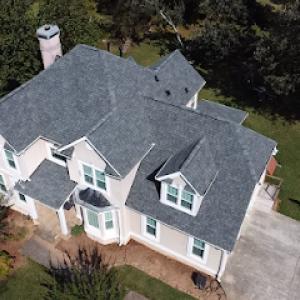
Peacock Roofing & Construction
(678) 788-5150 peacock-roofing.com
Serving
5.0 from 13 reviews
Peacock Roofing & Construction, LLC, is your trusted partner for all roofing and construction needs. With a reputation for quality and integrity, we offer a wide range of services, including roof repairs, replacements, installations, and maintenance. Our experienced team uses premium materials and cutting-edge techniques to deliver durable and efficient solutions for residential and commercial properties. Whether you need emergency repairs or a complete roof overhaul, count on us for exceptional service and results. Contact us today for a free consultation and experience the Peacock difference!
JG pro solutions
(770) 895-2826 jgprosolutions.com
Serving
4.9 from 123 reviews
JG Pro Solutions is a roofing company specialized in roof replacements, with a strong focus on insurance claims related to hail and wind damage. We help homeowners navigate the insurance process while delivering high-quality workmanship and reliable service.
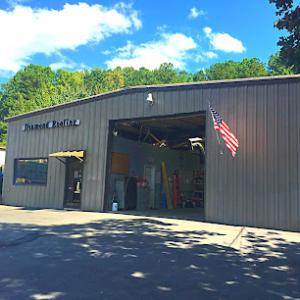
Diamond Roofing Company
(404) 355-4996 diamondroofingco.com
Serving
5.0 from 2 reviews
Commercial Roofing Contractor serving Atlanta area for over 50 years. New roofs, replacement roofs, repairs, and more.
In this part of Cobb County, the weather window for replacing a roof is short and sometimes harsh. Spring storms bring frequent hail and gusty rain, while summer thunderstorms can interrupt progress and complicate tear-off, dry-in, and shingle sealing. Fall generally offers a more predictable stretch of dry, moderate days, which helps crews work steadily without the heat stress that pushes projects behind schedule. Winter brings its own hurdles-rivered rain, occasional freezing temperatures, and slower pace on job sites-so planning around that slower season can prevent rushed work or damaged materials.
Spring is the time when hail-driven insurance claims spike, and that surge can strain local crews. If a claim is filed, consider the timing of the adjuster's visit and the window for making repairs so the roof does not sit exposed. A typical Austell spring can deliver back-to-back storms, so a project started early in the season may be paused by a sudden downpour or high winds. To ride this window effectively, coordinate with a contractor who prioritizes protective measures-tarps, temporary coverings, and careful sequencing of tear-off and re-covering-so moisture intrusion stays minimal while waiting for weather gaps. If a claim is filed, ask the contractor how they stage materials and coordinate with your insurer to avoid delays caused by contractor scheduling peaks.
Fall usually offers cooler, drier installation conditions in this area, making it the most reliable time for a full replacement without the intense heat of summer. Daylight remains ample, and humidity is typically lower, which helps with adhesive cures and shingle sealing. The stable fall weather also reduces the risk of weather-related schedule interruptions, so projects can advance with fewer slowdowns. For homeowners, this means more predictable timelines, less need to scramble for drying-in windows, and fewer nights spent with open roofing work during cool evenings. If a tear-off is planned, the gradual cooling trend can support a smoother sequence from removal through to final sealing.
Winter rain and occasional freezing temperatures can slow tear-off and dry-in operations. In subfreezing mornings, sealants and asphalt shingles may not seal properly, increasing the chance of leaks if a storm rolls through. If winter work is unavoidable, prioritize days with above-freezing afternoons and clear forecasts. Shorter daylight hours also mean a tighter daily target, so expect more coordination between weather windows and material delivery. The goal in winter is to protect interior spaces during any lingering precipitation and to ensure that vents, underlayment, and flashing are secured when cold snaps ease.
Seasonal demand in Austell can spike after spring hail events, which affects crew availability and can push homeowners into longer wait times during claim surges. A practical approach is to secure a contracting team that maintains a standby roster and can mobilize quickly after a storm. Communicate clearly about expected lead times for materials and entry into the schedule, and confirm that the crew will perform a thorough inspection of all potential problem areas-roofs with multiple penetrations, valleys, and worn flashing-so repairs or replacements do not stall mid-process. Establish a fall-back plan for weather hold days, including a prioritized sequencing plan that keeps the most vulnerable areas protected and minimizes exposure to rain while awaiting the next dry spell.
Get a clear picture of your project costs upfront - no commitment required.
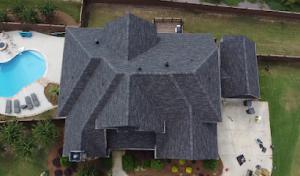
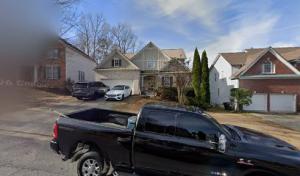
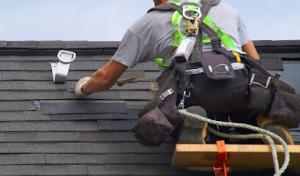
Asphalt shingles are a dominant choice in Austell because they fit the area's mainstream suburban housing stock and lower entry cost compared with tile, copper, and many metal systems. For most roofs you see in town, asphalt provides reliable protection against the humid Georgia climate, with a straightforward replacement process if a hail claim or thunderstorm damage occurs. If your home has standard attic ventilation and a typical 3-tab or architectural shingle profile, you can expect predictable performance, a wide selection of colors to match brick or siding, and a replacement path that aligns with local contractor schedules after a storm event. The familiar composition also eases matching nearby homes for any patchwork repairs after hail or wind damage, which is a common reality in this storm-prone part of metro Atlanta.
Metal roofing is a meaningful but smaller specialty in this market, often considered by homeowners looking for stronger wind performance and long-term durability in a storm-prone part of the metro area. In Austell, metal can excel where frequent thunderstorms and hail perturb the usual home maintenance rhythm, offering faster shedding of water and high resistance to impact when properly installed. The trade-off is that metal often requires more precise flashing details and careful integration with existing roof transitions, chimneys, and skylights. If a dwelling already has a robust structural deck and a design that suits metal profiles, a homeowner can gain a longer service life and potentially lower maintenance needs compared to asphalt, especially in years with severe storm activity. A local contractor who understands the seasonal storm window can coordinate timely installation to minimize post-storm disruption.
Clay tile and concrete tile appear in the Austell market, but they are less common and typically tied to higher structural, flashing, and labor complexity than standard shingle replacements. These materials offer distinct curb appeal and longevity under ideal conditions, yet they demand careful roof geometry, compatible decking, and precise flashing details to prevent leaks after heavy rain or hail. Synthetic/composite shingles are another option seen here; they mimic the look of more expensive materials while leaning on modern manufacturing for better impact resistance and flexibility in fluctuating temperatures. Copper, while striking and exceptionally durable, is the least common choice due to cost and installation intricacy. When copper or tile is considered, anticipate more involved flashing work and extended installation timelines, which can affect scheduling during the busy storm season.
For homes with typical loads and suburban framing, asphalt shingles remain the most practical, widely adopted choice with straightforward repairs after hail events. If wind resilience and long-term durability are paramount and the house structure supports it, metal roofing offers a compelling alternative with a different maintenance rhythm. Tile and copper options tend to be reserved for specific architectural lines or high-end renovations, requiring close coordination with experienced installers to ensure flashing, ventilation, and roof-to-wall transitions perform well under Georgia's humidity and storm cycles. In any case, the chosen material should be paired with proper underlayment, adequate attic ventilation, and a solid gutters-and-drains plan to manage heavy rain and hail-driven runoff.
When you shop for a replacement, you'll see price bands tied to material type. Asphalt shingles sit in the range of about $400 to $700 per square, a straightforward choice if you're balancing cost and performance. Metal roofing tends to run higher, roughly $600 to $1,200 per square, with long-term durability a key pro. Clay tile often lands between $850 and $1,600 per square, and concrete tile sits around $750 to $1,500 per square. If you're considering synthetic or composite shingles, plan for roughly $450 to $750 per square. For copper, expect a wide spread from about $1,200 to $2,600 per square. These figures reflect typical local pricing under ordinary conditions and can shift with material availability and contractor demand.
Storm season reshapes the local roofing landscape. After a spring hail event or a major wind storm, labor pressure increases and scheduling can stretch out as crews move from one neighborhood to the next. In practice, that means you may face longer wait times for an assessment, material drop-off, and crew arrival. If your roof is damaged but still functional, you'll see some homeowners choosing rapid-response routes, which can tighten the window for careful inspection and planning. For a typical project, expect variability in start dates, particularly if several nearby homes are pursuing replacements at once. Keeping a flexible plan and aligning expectations with your contractor about start and finish windows helps reduce stress when weather pockets open or close.
In this market, the total project price isn't just the shingles or panels. Coordination work-timing inspections, ensuring proper tear-offs, and handling follow-up walkthroughs-adds to the bottom line. It's common for these non-material tasks to influence the overall cost, especially when multiple crews, debris containment, and storm-season logistics come into play. If you're dealing with rapid post-storm scheduling, you may notice milder cost variance as contractors balance urgent needs with material delivery windows. Prepare for a price uptick relative to off-season bids, driven by labor demand and the complexity of coordinating tear-off timing, inspections, and final sign-offs during busy weeks.
Don't let upfront costs delay a critical repair - these contractors offer payment plans to fit your budget.
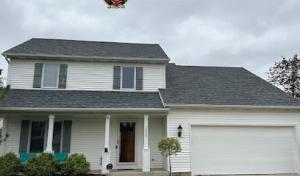
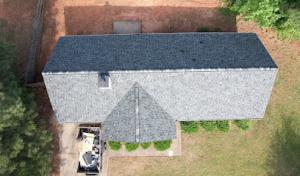
When a full re-roof is on the table, a permit is typically required. In Austell, the permit is usually filed by a licensed contractor through the Cobb County Building Department or the City of Austell depending on jurisdiction. That distinction matters because it affects which office processes the paperwork and schedules the review. Your project will hinge on the scope of work documented in the permit, so the contractor should spell out the roof scope and material details rather than a vague "replace roof" description. If the jurisdiction is the City of Austell, the same attention to detail still applies, but the forms and submission process are handled through the city channels. Treat the permit as part of the project's contract-missing specifics can slow things down and invite post-submittal questions from inspectors.
Inspections in this area follow a predictable rhythm. After tear-off, the first inspection checks that the old roof is fully removed and that the substrate is prepared for new installation. A second inspection follows at completion, confirming that the new roof is properly installed and all penetrations are sealed. In some cases, the department may request wind mitigation verification for certain roofing materials. That means you should be prepared with manufacturer data and supplier certificates that demonstrate the roof's wind-resistance features. Turnaround times vary with workload, so expect occasional delays if the department is handling a high volume of storm-related work. Having all documentation organized and readily accessible helps keep the process moving.
Storm season in this climate can collide with permitting schedules, so work that begins without the proper permit creates bigger problems down the road. Your contractor should submit a complete package that clearly identifies materials, underlayment type, antenna and vent work, and any re-flashing required around chimneys or shadows. If the project involves high-wind-rated materials or reinforced components, you'll want to preemptively assemble wind mitigation evidence to minimize back-and-forth with the inspector. Remember that a timely, properly documented inspection plan reduces the chance of rework and keeps a post-storm roof replacement from becoming a longer, more disruptive ordeal.
Austell sits in a Georgia insurance environment where hail and wind events drive roof claims, so policy terms and carrier requirements can materially affect whether replacement is approved. In practice, that means your insurer may scrutinize the cause of damage, the extent of wear, and the timing of the claim with more rigor than you expect. A quick, well-documented claim that aligns with your policy language can be decisive, while vague or poorly timed filings can stall or deny a roof replacement even after a storm. Be prepared to walk through the insurer's standard decision tree with your contractor's inspection notes in hand, and expect the possibility of back-and-forth requests rather than an immediate yes.
Homeowners in Austell should keep date-stamped photos, interior leak evidence, and contractor inspection records because insurers may ask for pre- and post-loss documentation. Photos taken at the time of the event, plus successive shots showing delamination, missing granules, or lifted shingles, create a clear narrative of damage progression. Interior leak evidence-stains, warped ceilings, and compromised attic insulation-helps establish a timeline. Contractor inspections provide a professional perspective on whether damage extends beyond cosmetic concerns to structural risks. Organize these items by date, and store digital copies in the cloud so they're accessible even if the roof area is temporarily off-limits during assessment.
Coverage availability and underwriting can vary by carrier and by roofing material in Georgia, making it important for Austell homeowners to verify claim and replacement requirements before signing a contract. Some carriers have strict stipulations tied to specific materials or installation methods, while others may require a certain durability standard or proof of original installation quality. Before committing, confirm what your policy requires for the claim to proceed and what documentation the contractor will provide to satisfy those requirements. This proactive step can prevent last-minute surprises that complicate post-storm repairs.
After a storm, initiate contact with your insurer promptly and share your documentation package. Schedule the contractor's inspection quickly to capture evidence before any temporary repairs or weather exposure alter the condition assessment. Remember: the storm season in this area means rapid shifts in weather and scheduling, so timely communication and precise records are your best defense against protracted claim disputes.
Connect with contractors who help homeowners navigate the claims process from damage assessment to final approval.
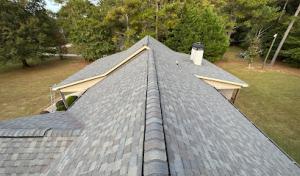

In Austell, frequent storms bring wind-lifted shingles, flashing displacement, and water entry after heavy rain more than purely cold-weather ice issues. Shingle edges can peel up where wind finds a seam, and uncured flashing around chimneys and penetrations can loosen with each high-speed gust. This section helps you spot the top trouble spots that storms regularly reveal in this climate.
Between spring squalls and summer downpours, wind-lifted shingles are a recurring concern. Look for curled or torn edges along the eaves and around dormers, and check for lifted tabs near transitional areas such as vents, chimneys, and skylights. If you notice loose shingles, address them promptly to prevent water from tracking under the layers. A careful reseat or seal with appropriate asphalt or metal fasteners can buy time until a full repair is possible.
The local contractor market shows notable demand for chimney and skylight-related roof work, indicating these penetrations are recurring trouble spots. Inspect flashing at chimneys, vents, and skylights for caulking gaps, lifting metal, or corrosion. After heavy rain, inspect the junctions where roof planes meet these penetrations, because even small gaps can funnel water into the attic. A seasoned sealant or proper re-flashing, performed by a qualified pro, is often the fastest path to a lasting fix.
Because Austell summers are hot and humid, delayed repairs after storm damage can quickly turn a small roof breach into decking, attic, or interior moisture problems. If water enters and soaks the sheathing, look for staining, musty odors, or damp insulation in the attic. Quick containment of the leak with temporary measures, followed by a timely permanent repair, helps prevent mold and structural issues.
On a tight storm-year schedule, arrange rapid inspection after heavy rain and prioritize flashing and skylight/chimney work. Document visible damage with photos to support insurance and contractor communications. Maintain a lightweight tarp or roof patch for small breaches while awaiting a repair window, but avoid delaying professional assessment when interior moisture signs appear.
Find contractors experienced in skylight installation, flashing, and leak repairs to bring natural light into your home.
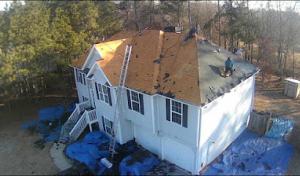
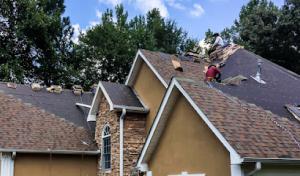
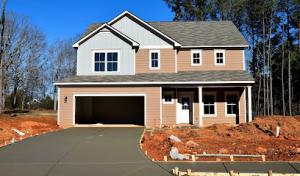
When evaluating local roofers, you will notice many contractors emphasize re-roofing, quick response, cleanup included, and affordable pricing. The practical approach is to compare scope and quality of the work rather than speed alone. Look for firms that clearly describe the full project-tear-off, underlayment, ventilation, flashing, roof deck repair, and any warranty terms. A clean, well-detailed scope helps you see what's truly included and prevents gaps that push you into unexpected costs later.
Long-established firms are well represented in the Austell market, but homeowners should still confirm licensing, insurance status, and who is actually pulling the permit for the job. In Austell, homeowners are selecting from many contractors that emphasize re-roofing, quick response, cleanup included, and affordable pricing, so comparison should focus on scope quality rather than speed alone. Ask for a history of completed homes in similar housing stock, and request client references you can contact about workmanship and reliability during storm season.
Manufacturer-certified, family-owned, locally owned, and drone-inspection offerings exist, but these factors are secondary behind storm handling, responsiveness, and clean jobsite execution. You want a crew that can mobilize quickly after a hail event, protect landscaping, and leave no debris or shingle granules in gutters. Verify that drone images are used to document roof condition pre- and post-work, and that a supervisor will be present on critical days.
Clear communication reduces post-storm stress. Expect a written schedule with milestone checks and a single point of contact who can address weather delays, material lead times, and warranty questions. Make sure the contractor has a plan for storm-impacted days, including temporary coverings if needed and daily cleanup routines, so the job progresses smoothly despite Atlanta-area spring and summer storms.