Last updated: Apr 19, 2026
June through September is the defining roof risk window for this coast, where gusts from tropical systems can slam exposed edges and soak fast-moving water into vulnerable seams. The priority is wind uplift resistance paired with solid water intrusion protection, because cosmetic choices won't replace a leaky attic during a rapidly developing storm band. When planning, focus on attachment details that hold up under pressure and a roof geometry that minimizes uplift paths. Rely on fasteners and components rated for high-wind zones, and prioritize a roof assembly that behaves as a unified system rather than a collection of high-grade parts. In this climate, the difference between a roof that merely looks sturdy and a roof that actually resists wind is in the details you can't see from the ground.
Frequent tropical rain and storm bands along the Gulf Coast mean even small flashing or underlayment failures can turn into interior leaks quickly during summer weather. Think through the path water would take from the smallest vulnerable corner to the most exposed interior space. Reputable flashing should extend continuously through intersections, hips, and valleys, with no shortcuts at edges or penetrations. Materials chosen for underlayment must tolerate heat, humidity, and occasional salt spray without degrading prematurely. The moment a roof is exposed to a sequence of storms, those underlayers become the first line of defense against hidden leaks. Before work starts, inspect every seam, vent, and boundary; schedule a thorough test for wind-driven rain to verify there are no gaps that could become channels during a storm surge.
Local reroof decisions are often tied to wind-mitigation considerations because documentation on attachment details and roof geometry can affect insurance treatment in this coastal Florida market. When selecting fasteners, edge treatments, and closure systems, document your choices with manufacturer specs and installation notes. A well-documented wind-mitigation approach helps support claims and can influence premium considerations after a hurricane-provided the installation aligns with tested methods and relevant Florida wind code expectations. Communicate these details clearly to the contractor and save the records for your insurer and your HOA, if applicable. A roof that demonstrates resilient attachment, watertight joints, and a geometry that reduces lift is more likely to translate into favorable insurance treatment when a storm hits.
Your best defense is a roof that treats salt air, heat, and relentless rain as a single system. For this coastline, choose materials that hold up under strong winds and resist corrosion from salt spray. Metal options with standing seam designs can offer robust wind resistance when properly installed and flashed, while synthetic shingles can deliver resilience with lighter weight and rapid install times. Tile options must be secured and sealed against uplift in zones that experience frequent gusts, and underlayment choices should prioritize breathability and moisture management without sacrificing water-tightness. If you're weighing asphalt shingles, select versions designed for wind uplift ratings and ensure the installation uses sealant or interlocking systems recommended by the manufacturer. In every case, demand a landscape of fasteners and sealants that create continuous protection from eave to ridge, because the Gulf's weather doesn't follow a calendar-it arrives with little warning and often with heavy rain.
Standing seam metal is especially relevant in 30A Salt Air because coastal salt air can shorten the life of vulnerable fasteners and accessories if the assembly is not chosen for marine exposure. The smooth, concealed fasteners and continuous seams resist wind uplift better when attachment details are engineered for high wind zones common to the coast. In practice, look for metal panels with corrosion-resistant alloys, sealed penetrations, and clip-and-clip systems that allow for thermal movement without compromising sealant integrity. A local roofer should verify that the substructure and fastener schedule are tied to wind-rated standards and that sealants chosen near the oceanfront won't degrade under sun and salt spray. If an HOA is involved, ensure the panel profile and color choices align with architectural guidelines while still meeting wind-resistance goals.
Clay and concrete tile fit the area's upscale coastal architecture but add weight and require attention to attachment details in a high-wind environment. The weight requires re-evaluating roof framing to handle the load and ensuring that battens, fasteners, and underlayment are selected for hurricane-season conditions. Clay and concrete tiles can deliver long service lives when installed with a reinforced underlayment and an engineered fastener pattern that resists uplift. Look for interlocking or batten-supported systems that maintain water shedding during heavy rains and gusts. In HOA reviews, specs that emphasize corrosion-resistant clips and marine-grade fasteners help avoid revision cycles after a storm. The goal is a system that preserves tile alignment even when wind shifts edges and corners.
Asphalt shingles remain common, but in this humid, storm-prone coastal setting homeowners weigh lower upfront cost against shorter service life expectations than more wind-resilient premium systems. When choosing asphalt in this market, prioritize wind-rated shingles, upgraded underlayment, and a secure nailing pattern to resist gusts. Pay special attention to fastener quality, sealant longevity, and coastal seal products designed for salt exposure. An effective installation plan should include staggered, full-coverage nailing along eaves and hips, with attention to edge wind zones per manufacturer guidance. For projects requiring documentation for insurance or HOA approvals, ensure the installation package clearly documents wind-resistive features, retrofit compatibility, and maintenance intervals so future wind-mitigation audits are straightforward. If a re-roof is being planned in a storm-prone season, coordinate with the contractor to bundle upgrades that address both performance and documentation needs. This alignment helps ensure the roof not only withstands gusts but also clears the paperwork without delays in the approval process.
In a coastal climate with Gulf-front exposure, roof age and the material you choose don't just influence appearance-they steer what insurers will consider insurable. Heavy windstorm claim activity, paired with periodic insurer pullbacks, means a roof that looked fine a decade ago may now be treated as higher risk. The combination of salt spray, humidity, and pounding storms accelerates wear, and that wear becomes a tangible signal to underwriters about potential failure. This is not merely a cosmetic concern; it directly shapes the likelihood of coverage after a storm or even the terms of renewal.
Insurers in this market expect strong, verifiable records after a replacement. Photos from multiple angles, before-and-after visuals, and clear documentation of the workmanship matter. Permit records, inspection sign-offs, and wind-mitigation information aren't optional extras-they're the proof that the roof was upgraded to withstand the local wind environment. Without comprehensive proof, even a well-built roof can encounter scrutiny, and coverage terms can shift simply because the file lacks confidence-inspiring detail. In this setting, a meticulous project narrative helps maintain insurability.
Because coverage terms can shift based on roof age and storm exposure, postponing a needed upgrade can backfire when the next renewal comes around. If the roof has started to show age signs or if its exposure is high, delaying replacement increases the risk that the insurer will push for more restrictive terms or a higher deductible. In a market where pullbacks happen, preserving insurability often means choosing to upgrade earlier rather than waiting for obvious failure. That practical calculus sits at the heart of many coastal decisions.
When a claim hits, the insurer's appetite for coverage can tighten even more. A home with a roof that clearly demonstrates modern wind resistance and robust construction stands a better chance of retaining favorable terms. If the roof was replaced with a product that aligns with high wind performance and correct installation, the file tells a stronger story. Conversely, if a replacement appears rushed or mismatched to the local wind profile, the insurer may request additional mitigation measures, or question the long-term insurability of the structure.
Material selection matters beyond aesthetics. Durable, wind-mitigated systems that resist salt-induced degradation tend to settle into more stable coverage discussions. The goal is to align a roofing system's performance with the insurer's risk model, not just your personal preference. In practical terms, that means prioritizing products and detailing that prove resilience against frequent wind events and salt exposure, and ensuring that the installation adheres to the highest standards your insurer recognizes. The preference is not necessarily the most expensive option, but the one that delivers predictable performance and credible documentation.
Citadel Roofing & Restoration
(850) 775-7400 citadelrandr.com
605 N County Hwy 393 STE 11B, Santa Rosa Beach, Florida
5.0 from 43 reviews
Citadel Roofing and Restoration is a leading, local roofer in Santa Rosa Beach, FL, dedicated to protecting your home with superior craftsmanship and reliable solutions. As a trusted, quality roofing company, we specialize in a wide range of residential roofing services, including durable metal roof installations, classic traditional shingle roof replacements, and the elegant, resilient option of stone coated steel roofing. We also provide expert storm restoration services, ensuring a complete solution for your home's needs. Count on Citadel R&R for integrity, exceptional customer service, and a roof built to last against Florida's elements.
RoofPro Roofing - Santa Rosa Beach, Florida
(850) 332-3330 roofproroofing.com
70 Riverbirch Loop, Santa Rosa Beach, Florida
5.0 from 20 reviews
RoofPro Roofing: Your trusted GAF Certified Contractor in Santa Rosa Beach, FL. Specializing in residential and commercial roof replacements, we offer expert services for shingle, metal, tile, and flat roofing. Our skilled team ensures high-quality, leakproof installations that meet manufacturer guidelines and state codes. Serving Walton County and Bay County, we're committed to delivering exceptional results on time and within budget. Whether you need a new roof for your home or business, or a roof repair, RoofPro Roofing provides dependable solutions and outstanding customer service. Choose us for all your roofing needs in the Florida Panhandle. Contact RoofPro Roofing today for a free estimate.
Bel-Mac Roofing
(850) 267-0900 www.bel-macroofing.com
122 Bishop-Tolbert Rd #3, Santa Rosa Beach, Florida
4.3 from 43 reviews
Bel-Mac Roofing, Inc. is one of the largest installers of modified bitumen, built-up roofing, tile, single-ply, coating systems, and standing seam metal roofs in the Southeastern United States.
iDEAL HOME SOLUTIONS
60 Maddox St, Santa Rosa Beach, Florida
5.0 from 7 reviews
"Trusted Roofing, Building and Solar Experts Serving all of Florida 100% Free Inspections & Estimates Financing Available" "Roofing License # CCC1333103" "Building License # CBC1266477" "Solar License # CVC57223"

ATW Roofing
(850) 231-9114 www.atwroofing.com
333 Cox Rd, Santa Rosa Beach, Florida
4.6 from 11 reviews
At ATW we stand ready to serve your Roofing needs at all levels, with a turnkey approach. Remember we maintain the highest level of Certification as a Florida Certified Roofer, Certified Home Inspector, and Certified General Contractor. Not only does this allow us to serve any peripheral needs that might relate to your roofing project, but Canvas (our parent company) is able to be your 1 stop source for all construction needs from Minor Repairs and Maintenance, to Ground Building of your next project. That integration gives us a critical edge over our competitors.
Hightower Industries
(850) 789-8209 hightowerindustriesllc.com
5410 E County Hwy 30A Suite 209, Santa Rosa Beach, Florida
4.2 from 5 reviews
Hightower Industries is a local family owned company that is committed to excellence in everything we do. We pride ourselves in working to the highest industry standards and doing so with Integrity. Hightower Industries has offices in Pensacola, Fort Walton, and Cape Coral FL, specializes in Roofing, Renewable Energy Solar Solutions, and residential and commercial construction. Whether it's a simple remodel or a large commercial build, you can trust Hightower Industries with your project. Call today and join our growing list of happy customers.
Bravo Roofing
Serving
5.0 from 7 reviews
Welcome to Bravo Roofing, your premier partner in transforming and enhancing your residential and commercial spaces. With years of dedicated service, we have established ourselves as leaders in the roofing and home improvement industry. Our commitment to quality, precision, and customer satisfaction drives us to deliver exceptional results on every project.

C-Side Roofing & Construction
(850) 749-5447 www.csideroofing.com
Serving
4.8 from 26 reviews
C-Side Roofing & Construction is a Top Choice Florida Contractor for roof replacement & roof repairs serving Destin, Miramar Beach, Sandestin, Santa Rosa Beach, 30A, and Panama City Beach. We specialize in premium tile roofing, standing-seam metal roofing, shingle roof replacement, and complex coastal reroofs designed for Florida wind, salt air, and extreme sun exposure. Our team uses drone inspections, advanced roof measurement technology, and detailed written estimates so homeowners know exactly what they’re getting before work begins. We work with luxury homes, coastal communities, and high-value properties where quality, communication, and craftsmanship matter. Florida Licensed & Insured Roofing Contractor CCC 1334298

Specialty Roofers
(850) 974-7663 www.specialtyroofers.com
Serving
4.9 from 238 reviews
Specialty Roofers provides commercial and residential new roofing installations and roof repairs to Northwest Florida including Niceville, Freeport, Destin, Santa Rosa Beach, Crestview, Fort Walton Beach and surrounding areas.
AJL Select Roofing & Construction
Serving
5.0 from 28 reviews
AJL Select Roofing and Construction is a Florida licensed roofing and residential contractor based in Panama City Beach
A & A Roofing Company
(850) 271-4199 aaroofingfl.com
Serving
4.6 from 28 reviews
We have proudly served the State of Florida since 1979. Our Company was established and is operated by a third generation roofing contractor who is dedicated to quality workmanship and customer satisfaction. Our offices and warehouses are located in Lynn Haven, Florida. We perform roof installations and site work throughout the entire state of Florida, specializing in commercial projects, residential installations and industrial projects including U.S. Military site work. We are committed to excellent job performance and we ensure our customers are fully informed of the most up to date roofing products, solutions and regulations to assist in their decisions to address all their roofing needs, questions and concerns.
A full residential re-roof in this area typically requires a building permit submitted to the Santa Rosa County Building Department by the contractor or homeowner. In practice, homeowners often rely on licensed roofers who understand the county's forms, code references, and the documentation package that inspectors expect to see. The permit ensures that the chosen roofing system, fastening method, underlayment, and wind-resistance features meet local standards designed to withstand Gulf-front wind and salt exposure. Take the time to confirm who will file the permit, what information is needed, and how long the review cycle tends to be during peak storm season. Having a complete stack of drawings, product data, and installation details helps prevent delays once the project is underway.
Local inspections commonly include a rough-in and a final inspection, with attention to underlayment and nailing patterns rather than only the finished appearance. During rough-in, inspectors verify the roof deck is sound, that the underlayment type is appropriate for coastal conditions, and that fasteners and nail patterns align with wind mitigation expectations. The final inspection confirms that all components-valleys, flashing, penetrations, and hip or ridge lines-are correctly installed and weather-tight. In coastal districts, inspectors will look closely at how the roof resists wind forces, the method of edge protection, and the integrity of the venting and drainage details. Your contractor should walk you through the week-by-week inspection plan so you aren't scrambling to locate a missing certificate or amendment right before the final approval.
HOA-controlled neighborhoods common in the area can add separate approval steps for color, profile, and material before county permit work proceeds. These boards often require a submittal that includes color charts, product manufacturer specifications, and installation diagrams showing how the chosen roof will look from street view. Since Atlantic breezes and salt air can accentuate color fading and profile compatibility with neighboring homes, anticipate a potential back-and-forth to align with covenants and architectural guidelines. It helps to gather HOA approval early in the process and keep the permitting team informed of any HOA-related constraints that could influence the final build plan.
Coordinate the timing of permit submission with HOA review milestones to minimize hold-ups. Ask for a predefined set of approved document templates from the Building Department so your contractor can reuse a familiar package for any future re-roofs. Confirm that wind-mitigation details-such as roof-to-wall connection methods, protective roof edge devices, and nailing schedules-are clearly documented in the permit notes. Finally, maintain open lines of communication with the inspector assigned to the project, since coastal projects often ride seasonal inspection schedules tied to hurricane-season readiness.
Get a clear picture of your project costs upfront - no commitment required.
RoofPro Roofing - Santa Rosa Beach, Florida
(850) 332-3330 roofproroofing.com
70 Riverbirch Loop, Santa Rosa Beach, Florida
5.0 from 20 reviews
iDEAL HOME SOLUTIONS
60 Maddox St, Santa Rosa Beach, Florida
5.0 from 7 reviews
The region's drier periods are generally preferred for planned replacement because late spring and summer thunderstorms can interrupt tear-off and dry-in schedules. If a homeowner can target a window where fronts are more predictable and rainfall is lighter, the project tends to flow smoother. In practical terms, plan for a dry stretch of a week or more, with a weather pattern that avoids the lead-off of tropical season. That spacing helps keep underlayment and fasteners from exposure, and it gives the crew a clearer path to complete attic ventilation checks and roof deck assessments without rain-driven setbacks. For HOAs, align this timing with any approval windows so the schedule isn't broken by administrative delays.
Hot, humid summer conditions in this area can slow crews and complicate staging, especially when afternoon storms are frequent. Heat and humidity affect material handling and adhesive cures, so expect longer staging times and more on-site hydration planning. Bring a clear plan for debris containment and daily cleanup, since coastal properties often have landscaped yards and buffer zones that require extra attention to prevent storm runoff or sand tracking. If a storm cell pops up, crews may pause work to protect newly installed underlayment and flashing, then resume quickly once skies clear. Have a contingency plan for late-afternoon rain with tarp options ready to minimize exposure of open decking.
Post-storm demand surges after tropical events can tighten scheduling and push homeowners into emergency temporary repairs before full replacement slots open. If a tropical system passes nearby, temporary tarping and shingle patches might be necessary to secure the structure, but these are stopgap measures. The goal is to move back to a full, proper tear-off and replacement as soon as crews can safely access the roof and as solid weather forecasts confirm extended dry periods. Coordination with insurers, adjusters, and the contractor is crucial to avoid gaps in protection and to ensure that temporary fixes meet wind-resistance expectations until the permanent roof is in place.
A coastal re-roof project commonly centers on upgrading to wind-resilient components and meeting insurer expectations for documentation. Before work begins, confirm that the chosen roof system and fastener schedule align with wind mitigation strategies that the carrier recognizes. Prepare a dossier of wind-resistance features, including fastener types, nailing schedules, and any required uplift calculations. Have a clear plan to document shingle or tile selections, underlayment, flashing details, and attic ventilation as this information often supports insurance adjustments and claims. If HOA approvals are part of the process, ensure the wind-resistance elements and the installation sequence are described in the submittal so approvals aren't delayed by technical questions later.
When you can't wait, these contractors offer fast response times to stop leaks and prevent further damage.
Material choices drive most of the price difference in this coastal area, where storm-driven demand and limited coastal-appropriate crews can push timelines and totals. Asphalt shingles sit on the lower end of the spectrum, with costs listed as 320 to 700 USD per square. Synthetic or composite shingles run a notch higher, at 420 to 750 per square, while concrete tile generally lands between 800 and 1500 per square. Clay tile tends to be 900 to 1800 per square, and standing seam metal ranges from 800 to 1700 per square. If the roof is expansive or features visible slopes, the square count can quickly amplify total cost, especially when matching coastal architectural details.
In this coastal market, EPDM rubber roofing is a practical option for flat or low-slope areas, priced at 4 to 7 USD per square foot. For a typical coastline home with elevated, tile-focused aesthetics, the labor and access considerations can add a meaningful premium, even on material lists that look straightforward on paper. Upscale coastal architecture with steeper visible rooflines, tile details, and HOA-driven material matching often requires extra trim, flashings, and accessories, increasing labor and accessory costs compared with inland reroofs.
Costs in this area can rise after tropical weather events, as storm-driven demand strains labor availability and extends lead times for popular coastal materials. When the next storm season looms, expect shorter windows for scheduling and potential price bumps on both materials and skilled roofers who can handle high-want coastal finishes without compromising wind resistance.
For homeowners weighing options, plan around both material class and the architectural character of the home. Tile systems-clay or concrete-often look most authentic on upscale coastal structures, but they come with higher installation complexity and sometimes longer installation windows. Asphalt or synthetic shingles offer faster installation and lower upfront costs, but may require closer attention to wind-resistance details and underlayment quality to endure Gulf-front winds. Your selection will shape not just the sticker price, but the project timeline and the faster path to an insurance-friendly, wind-rated roof.
Explore specialists in steel, aluminum, and standing seam metal roofs built to last 50 years or more.
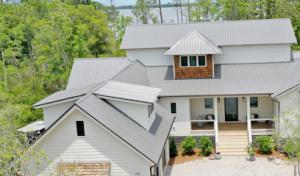
Citadel Roofing & Restoration
(850) 775-7400 citadelrandr.com
605 N County Hwy 393 STE 11B, Santa Rosa Beach, Florida
5.0 from 43 reviews
RoofPro Roofing - Santa Rosa Beach, Florida
(850) 332-3330 roofproroofing.com
70 Riverbirch Loop, Santa Rosa Beach, Florida
5.0 from 20 reviews
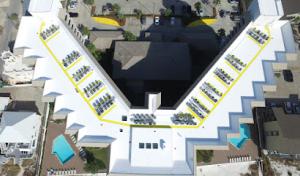
Bel-Mac Roofing
(850) 267-0900 www.bel-macroofing.com
122 Bishop-Tolbert Rd #3, Santa Rosa Beach, Florida
4.3 from 43 reviews
Salt air and humidity near the coast can accelerate corrosion in exposed fasteners, flashings, and accessories if the roof system is not selected for marine conditions. In Santa Rosa Beach, salty spray can ride on every breeze and find its way into the tiny gaps where metal meets sealant. If corrosion sneaks in, fasteners loosen, flashings knife through under wind pressure, and the roof's edge hardware starts to fail where you can least afford it. The practical takeaway is to choose fasteners and flashing alloys rated for coastal service, and to consider protective coatings or coatings-infused accessories that hold up under salt exposure. Regularly inspect metal edge metal and vent hardware after storms or heavy humidity surges, especially on older homes with mixed materials.
Wind-driven rain in Santa Rosa Beach commonly exposes weaknesses at valleys, penetrations, and edge details before the field of the roof appears worn out. Valleys can shed water irregularly if they're not integrated with a seamless membrane, and penetrations like chimneys, vents, and skylights are prime spots for leaks to start when wind pressure drives moisture under seams. Edge details-where roof meets fascia, rake, and gutter-can open up first in a hurricane-season gust. The consequence is not only interior staining, but accelerated degradation of sheathing and fasteners when water sits along seams. A practical approach is to prioritize continuous underlayment, properly tapered valleys, and enhanced fastener patterns at edges and penetrations, with regular checks after tropical systems.
Low-slope sections over porches, additions, or mixed-use buildings in this market need close attention because ponding and membrane seam issues can be masked until heavy summer rain arrives. When water sits on a flat plane, the weakest seam or field seam becomes the first place to fail, and UV exposure plus salt accelerates aging of the membrane. In the short term, keep an eye on ponding during rain events and ensure membrane laps are properly sealed and reinforced. The long-term risk is water penetrating to sheathing and structural members, which can compromise roof integrity well beyond the visible surface.
Find specialists in TPO, EPDM, and built-up flat roofing systems for residential and commercial properties.
RoofPro Roofing - Santa Rosa Beach, Florida
(850) 332-3330 roofproroofing.com
70 Riverbirch Loop, Santa Rosa Beach, Florida
5.0 from 20 reviews
Bel-Mac Roofing
(850) 267-0900 www.bel-macroofing.com
122 Bishop-Tolbert Rd #3, Santa Rosa Beach, Florida
4.3 from 43 reviews
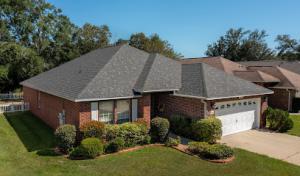
In many Santa Rosa Beach neighborhoods and planned communities, HOA review of roofing material, color, and profile happens before work begins. The appearance of the roof is a recognizable part of the coastal streetscape, where resort and second-home architecture aims for a cohesive visual rhythm. Understanding that these design controls shape not just aesthetics but long-term curb appeal helps you plan with less friction when a project gets underway.
These design controls matter more here than inland markets because coastal architectural consistency is emphasized across 30A. HOAs often specify approved material families, color palettes, and roof profiles that echo the wind-resistant, salt-tolerant character of the area. When selecting shingles, tiles, or metal, you'll frequently encounter constraints on glare, texture, and the silhouette of ridges. Even small deviations-from a tan shingle shade to a low-sheen finish-can trigger reviews or require redraws. The goal is a durable, yet harmonious roofline that holds up to Gulf winds while preserving the look residents expect along the dune corridors and salt-air corridors.
Coordinating HOA approvals with county permitting can be a delicate balance, and delays push projects toward peak storm season. Start the HOA review early and prepare documentation that clearly shows color swatches, product names, and profile details. If possible, select roofing components that are known to be HOA-friendly in the community's guidance, and have alternatives ready in case a HOA committee requests adjustments. Communicate anticipated timelines for each phase-design review, material selection, and final acceptance-to avoid last-minute bottlenecks that could compress scheduling during the Atlantic hurricane season. A proactive, transparent process helps reduce disruption and keeps the project moving toward a durable, compliant roof.
Request HOA-approved color and texture catalogs, and verify the exact panel or shingle profiles allowed. Document your selections with product data sheets and roof plan sketches showing how the profile integrates with surrounding homes. If color matches or trim details are a concern, bring samples to the review meeting and note sun exposure and coastal glare considerations to support your choices.
Find contractors who specialize in clay and concrete tile roofs, known for their durability and curb appeal.
RoofPro Roofing - Santa Rosa Beach, Florida
(850) 332-3330 roofproroofing.com
70 Riverbirch Loop, Santa Rosa Beach, Florida
5.0 from 20 reviews
Bel-Mac Roofing
(850) 267-0900 www.bel-macroofing.com
122 Bishop-Tolbert Rd #3, Santa Rosa Beach, Florida
4.3 from 43 reviews

In Santa Rosa Beach, homes with architectural upgrades such as skylights need careful flashing review because wind-driven rain can exploit weak transitions quickly in coastal storms. When inspecting a roof replacement, map every skylight and its surrounding flashing as part of the plan. Ensure the curb or flashing integrates with the roof deck, and confirm that sealants and step flashing are continuous up the slope. In coastal neighborhoods, prioritize dummy-runments that verify the flashing remains watertight under simulated wind-driven rain. If a skylight is aging or the flashing shows oxidation or loose seals, plan to reseal or replace the entire curb to avoid later leaks.
Solar-integrated work in this market has to be evaluated alongside roof age and insurance considerations so homeowners do not install over a roof nearing replacement. When adding solar, coordinate the mounting points with existing roof penetrations and ensure racking sits flush to the deck without creating gaps at hips or valleys. If the roof is approaching end-of-life, consider delaying solar installs until a full roof replacement is completed to avoid repeated penetrations and rework. Favor sealed, low-profile fixtures and seek guidance on edge details where panels meet the eave overhang, as salt air accelerates corrosion on exposed hardware.
Mixed roof designs common in higher-end coastal homes can combine steep-slope visible sections with low-slope areas, increasing coordination demands during replacement. Develop a unified water-management plan that treats transitions between slopes as a single system, not separate projects. Align flashing, underlayment, and fastener patterns across both slopes, and verify that any low-slope zones use enhanced underlayment and wind-rated details to resist coastal gusts. In HOA-heavy neighborhoods, document the plan for wind mitigation and flashing details to streamline approvals during the project.
Find contractors experienced in skylight installation, flashing, and leak repairs to bring natural light into your home.