
Last updated: Apr 19, 2026
Spring hail and summer thunderstorms are not abstract risks in this part of the Wiregrass. The pattern is predictable: windows flash, gutters clog, and the roof bears the brunt of rapid temperature swings and driving rainfall. Gulf storm activity from June through November brings stronger winds and more frequent post-storm damage checks. In this climate, the roof isn't just a shield against rain; it's a shield against wind uplift, in-service moisture, and delayed repairs caused by heat and humidity. The urgency is real: a small puncture or missing shingle can become a full leak within a single thunderstorm, especially when paired with high humidity and rising temps.
Wind uplift matters more here than snow load concerns, so you should look at roofs that are engineered for high wind zones, with properly secured fasteners and edge protection. When a storm threatens, plan for immediate action: have a contractor ready to tarp exposed areas, verify attic ventilation is not compromised, and schedule assessment within 24 to 48 hours after a storm passes. If you notice curling edges, granule loss, or light showing through the underside of the decking, treat that as a red flag. In Enterprise's heat, a dry tear-off becomes nearly as important as a sturdy roof once the rain begins; prolonged heat can complicate attic work and extend teardown timelines. A proactive stance reduces the risk of secondary damage, including mold growth and framing rot that heat and humidity accelerate.
Choose materials that perform under rapid weather shifts and frequent wetting. Metal roofing offers excellent wind resistance and rapid installation windows, but a proper inspection of panel seams and edge fasteners is crucial in this climate. Asphalt shingles with upgraded synthetic underlayment can provide solid protection, yet ensure the installation includes proper nailing patterns and wind-rated caps at hips and ridges. Concrete or clay tiles can shed wind-driven water well if installed with the right underlayment and furring; however, they demand careful alignment and fastening to resist uplift under gusts. Wood products, while aesthetically desirable, require careful maintenance for moisture resistance and can be sensitive to rot in the Wiregrass humidity. Synthetic or composite shingles balance performance with lighter weight and quicker installation, which is valuable during hot, humid stretches when crews push to complete work before the next round of storms.
Local replacement timing is heavily influenced by hot, humid summers with frequent rain, which can interrupt tear-off and installation schedules. Scheduling windows shrink during peak heat and afternoon downpours, so plan around forecasted dry spells and cooler mornings. Keep crews moving efficiently but safely: ventilation, scaffolding, and dew point awareness reduce moisture entrapment during the tear-off and install phases. If a storm hits mid-project, your priority is protecting exposed decking from continued rainfall, then resuming work promptly once conditions allow. Communicate a clear plan with your contractor for post-storm checks, so you aren't left with a partial return to a compromised surface.
After a Gulf storm passes, perform a swift exterior scan from the ground: look for lifted edges, missing shingles, or unusual gaps along eaves and ridges. If you see moisture staining inside the attic, address it immediately with tarps and a temporary cover while arranging a full assessment. In this region, timely post-storm evaluations prevent water from seeping into framing or insulation, which heat and humidity will aggravate quickly. Maintain a storm-contact list ready: a trusted local roofer, an emergency tarp supplier, and your insurance liaison. The goal is to limit exposure time between damage and repair, because every hour of delay in Enterprise during storm season compounds risk to the home.
Restoration Commercial Roofing Services
(888) 707-1916 restorationcommercialroofing.com
707 Glover Ave, Enterprise, Alabama
4.9 from 167 reviews
Restoration Commercial Roofing Services brings years of invaluable experience to every project. Whether you engage us as your roofing contractor or for our comprehensive services, you'll immediately discern our commitment to integrity and excellence. We understand that upholding our promises giving you a quality product and prioritizing customer service is paramount to our longevity in this industry.
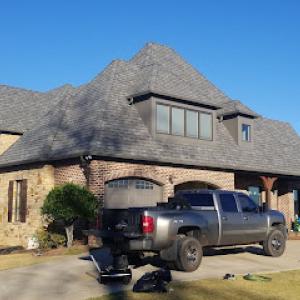
Forbes Roofing & Restoration
(334) 417-0743 www.forbesroofingandrestoration.com
557 Glover Ave Ste 30, Enterprise, Alabama
4.9 from 46 reviews
We are General Contractors specializing in storm damage restoration. Our services include Roofing, Remodeling, and General Construction. We are an Alabama based company that holds a Home Builders License. Our services are based on experience of generational builders and insurance restoration consulting.
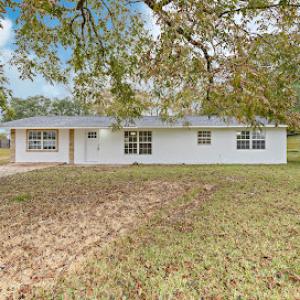
Heritage Roofing Solutions
108 Pledger St, Enterprise, Alabama
5.0 from 27 reviews
Heritage Roofing Solutions is your go-to roofing contractor in Enterprise and Dothan, AL, also serving Daleville, Elba, and nearby communities. We provide expert residential roofing services, including roof repairs, roof replacements, and new roof installations. With affordable roof financing options and comprehensive roof warranties, we make it easy and stress-free to protect your home. If you want to experience how your most trusted Enterprise and Dothan roofing company embraces our motto "Heritage you Trust, Solutions you need", call us now for a free estimate!
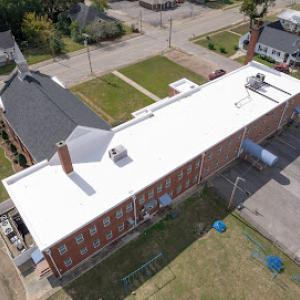
Esmac
(334) 347-0039 www.esmacroofing.com
707 Glover Ave, Enterprise, Alabama
4.7 from 40 reviews
ESMAC, located in Enterprise, Alabama, has provided our Southeast Alabama with professional and reliable roofing services for more than 50 years. We are committed to offering homeowners, businesses and institutions the best quality, and service for their investment. Each ESMAC project is custom-designed to meet our clients' individual needs, and all of our materials and products are shaped to guarantee that everything fits their building the first time - every time! When you need roofing services, look no further than ESMAC. We await your call!
Davis Roofing - Enterprise
(334) 350-3350 www.davisroofing.net
813 Geneva Hwy, Enterprise, Alabama
5.0 from 2 reviews
When you need a home roofing professional with decades of experience and knowledge, call Davis Roofing for expert care and guidance. Locally-owned and operated since 1965, we take pride in being valued members of the community, the Better Business Bureau and Angie’s List. We perform a wide range of roofing services for both residential and commercial properties. Call now for your free estimate.
Right Way Roofing
105 Martin St, Enterprise, Alabama
5.0 from 1 review
Right Way Roofing has been doing business in the Wiregrass area since 2018. We are a family owned business! We strive to please our customers! We give free estimates on whatever you may need done!

Roof Doctors
(334) 379-8078 roofdoctors24hrs.com
Serving
5.0 from 60 reviews
Roof Doctors is a locally owned and operated professional roofing company in Enterprise, AL that is committed to excellence in every aspect of our business. We have years of experience in the industry, and we use only the highest quality materials and techniques. We offer a variety of services such as roof leak repair, roof installation, free inspections, and so much more. Give your local roof doctor a call today!
Roof Care Solutions
(334) 764-3415 www.roofcare.pro
Serving
5.0 from 32 reviews
Roof Care Solutions is a trusted, family-owned residential roofing contractor based in Enterprise, AL 36330, proudly serving the surrounding communities, including Daleville, Dothan, Hartford, Geneva, Opp, Samson, Florala, Kinston, Andalusia, and more. We specialize in a wide range of roofing services, including roof repairs, roof replacements, roof maintenance, roof inspections, attic ventilation, leaking chimney repairs, skylight repair and installation, flashing repair and replacement, and pipe boot replacement. Our skilled team works with various roof types, such as shingle roofs, metal roofs, tile roofs, and flat roofs, delivering top-quality craftsmanship and reliable results. We offer free estimates and special discounts.
LA Roofing
(334) 339-7077 laroofingco.com
Serving
5.0 from 4 reviews
At LA Roofing we strive to offer the top roofing services available not only in our area, but in the entire industry. We believe in working with each customer one on one to find each customers exact needs and then to offer high quality work and fair pricing both at the same time. We’ve practiced these procedures since the beginning, and we believe it is the reason why we have gained so much traction and worked with so many families with both residential and commercial properties. With each project we take on we are always given a new problem to solve and we believe that’s what we do best, solving problems. We are here to make sure your roof is working properly, doing it’s job, and showing no signs of stopping! Give us a call today!
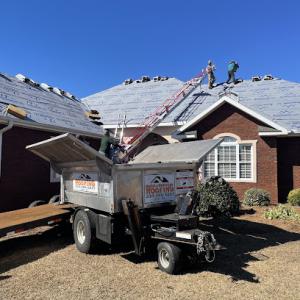
Hollinghead Roofing
(334) 488-5251 www.hollingheadroofing.com
Serving
5.0 from 4 reviews
Hollinghead Roofing is a local, family-owned and operated roofing business. We have been roofing homes and businesses for over 33 years in the Covington County, AL, area. We are dedicated to providing expert roofing services for residential clients and commercial businesses. Make us your first stop when looking for a roofing contractor for your home or business. No job is too big or small. "If it has a roof, we can roof it!"
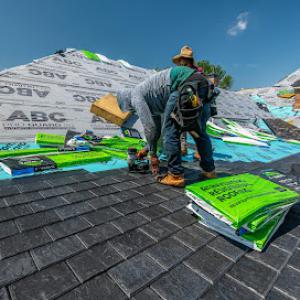
MAC Construction
(334) 726-6401 macconstructionofdothan.com
Serving
5.0 from 50 reviews
MAC Construction is a trusted roofing contractor in Dothan, AL, proudly serving the Wiregrass region for over 30 years. Family-owned and locally operated since 1991, we specialize in roof repairs, replacements, metal roofing, storm-damage restoration, and inspections. Our licensed and insured team delivers honest service, upfront pricing, and quality craftsmanship that lasts. Whether you need a small repair or a full roof replacement, we treat every job like it’s our own. Call MAC Construction today for a free roof inspection and discover why homeowners and businesses trust us for reliable roofing solutions across Dothan and the Wiregrass area. Proudly serving Dothan, Enterprise, Ozark, Headland, and nearby Alabama communities.
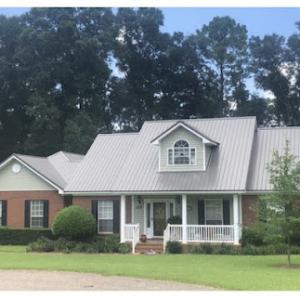
Kenneth Bedsole Roofing
(334) 671-9225 kennethbedsoleroofingcompany.com
Serving
4.3 from 40 reviews
With over 40 years of expertise, Kenneth Bedsole stands out as the leading roofing contractor since 1993, proudly serving Dothan, Troy, Eufaula, Ozark, Midland City, Cottonwood, and nearby areas. We specialize in both residential and commercial roofing solutions, ensuring quality and reliability in every project. For more details, reach out to Kenneth Bedsole Roofing, INC. in Dothan today.
Asphalt shingles are the most common locally, and they fit many home layouts in this market. In this climate, heat, humidity, and frequent rain accelerate granule loss, algae staining, and general weathering. When you're evaluating asphalt, look for high-quality granules and a shadow-line or architectural profile that adds wind resistance. Choose shingles with good algae resistance and a reflective or cool-color option to help reduce attic heat. Installation matters just as much as material: ensure proper nailing patterns, correct shingle alignment, and a solid underlayment to mitigate wind-driven rain entering at eaves and hips. Routine inspection after summer storms should focus on curled edges, lifted tabs, and signs of granule wash-off on gutters and downspouts.
Metal roofing is especially relevant in this market because local storm exposure and high summer heat make durability and heat performance a frequent homeowner priority. Metal panels with a standing-seam profile or ribbed panels tend to resist wind lift better than lighter materials, which is a real advantage during Gulf-influenced thunderstorm season. Look for coatings with high reflectivity and oxidation resistance to minimize heat buildup in the attic and reduce cooling loads. Overhangs and vented soffits still matter with metal, as proper attic ventilation prevents condensation and heat buildup that can stress supports in older structures. If you're replacing a roof on a home with a shallow attic or limited headroom in the attic space, verify that the structure can support the weight and that the fastener pattern is designed for high-wind events common in this area.
Tile and wood options exist in the market, but heavier clay and concrete systems require attention to structure and installation quality in a region where wind-driven rain is a recurring concern. Clay and concrete tiles are excellent for heat resistance and roof longevity, but their weight means a professional assessment of roof framing and potential retrofits is essential. Wind uplift resistance must be verified through an appropriate attachment method and sealing details around penetrations. Wood shingles or shakes deliver a natural aesthetic and real curb appeal, yet they demand meticulous maintenance in humidity and after heavy storms to prevent rot, mold, and insect pressure. If choosing wood, select treated, decay-resistant varieties and ensure a competent ventilation plan to keep framing dry and extend roof life. In either case, installation quality cannot be overlooked: misaligned tiles or poorly sealed penetrations become water entry points quickly when storms arrive with Gulf moisture and driving rain.
When deciding among these options, align roof choice with the existing structure and typical storm exposure. Materials that handle wind-driven rain and heat well should pair with a robust underlayment, sealed penetrations, and continuous ventilation. For asphalt, prioritize algae resistance and reflective colors; for metal, focus on coating quality and wind-rated fasteners; for tile or wood, insist on a structurally compatible design, proper anchorage, and high-quality flashing. Regular checkups after the peak storm season help catch leaks before they spread, preserving interior comfort and long-term performance.
In this area, storm activity drives roof replacement timing more than in calmer seasons. Hail or strong wind events can spike reroof demand across Enterprise and nearby southeast Alabama communities, pushing project timelines and working material stock. After a major thunderstorm, contractors may face tighter schedules and higher bidding as crews recover from rapid leak calls and weather-related reruns. Pricing can reflect those swings, so you may see brief upticks right after a significant storm, with some stabilization once crews regain availability.
Costs here are affected by the dominant reroofing market, material choice, and whether weather delays stretch labor time during rainy or storm-prone periods. If a job runs into back-to-back rain days or severe weather windows, crews may need to extend project days, which can add to labor charges and equipment rental costs. Planning for a window of possible weather disruption helps keep a replacement on track and within a reasonable budget.
Provided local material ranges are: asphalt shingles 300 to 600 USD per square, metal 700 to 1100, clay tile 900 to 1700, concrete tile 800 to 1500, wood shingles or shakes 400 to 800, and synthetic or composite shingles 350 to 700. These ranges reflect the mix of common housing stock in the Wiregrass, plus the current market for panels, underlayment, and fasteners. Asphalt shingles stay the most common entry point for price-conscious replacements, while metal and tile options bring higher upfront costs with long-term durability benefits. In Enterprise, those upfront costs should be weighed against expected life, wind resistance, and hail resilience given Gulf-influenced storm seasons.
Storm-driven damage often triggers faster-than-usual replacement decisions, which can compress bidding timelines and push material choices toward readily available inventories. If a hail event floods the area, expect multiple crews to be on call, and material suppliers to experience temporary shortages. That dynamic can raise prices for a short period, especially for premium underlayment, ice and water barriers, and fasteners designed for high-wind resistance. Conversely, if the weather is unusually calm for an extended stretch, some contractors may offer better scheduling and potentially lower mobilization fees, though material prices still apply.
Rain delays are common in this part of Alabama, and weather-prone weeks can extend a typical roof replacement timeline by days or even weeks. Extended labor times influence crew availability, overtime costs, and the need for weather-proof staging. In Enterprise, expect some projects to stretch into weekends or require temporary tarping and rapid water-control measures, especially in mid-spring and late summer thunderstorm windows. These factors can modestly lift overall costs, particularly when storm-season scheduling squeezes contractor calendars.
To gauge a sensible project budget, pick a material category first (asphalt, metal, tile, wood, or synthetic) and apply the local range per square. Multiply by the number of squares in the roof, then add a contingency for weather-driven delays if a storm is forecast. If a hail event has occurred nearby, anticipate a potential spike in demand and possibly a short-term price bump. For most homes in the area, a practical planning figure sits near the lower to mid-points of the chosen material range, with adjustments up for high-wind resistance requirements and extended labor due to weather.
Get a clear picture of your project costs upfront - no commitment required.
A full roof replacement in Enterprise typically requires a permit through the City of Enterprise building department. This isn't just a formality-the permit helps ensure the roof is installed to local wind resistance and moisture-management standards that matter in Wiregrass heat and humid summers. Before any shingle stripping or deck work begins, you or your contractor should file the permit and keep a copy on site. The process moves smoother if the project clearly outlines the scope, the proposed materials, and the expected timeline. If you've recently weathered a Gulf-influenced storm, be prepared for questions about fastener types, underlayment, and ventilation as part of the review.
Inspections are scheduled during tear-off and again after installation to verify code compliance. The tear-off inspection confirms that old materials are removed down to a suitable substrate and that the roof deck is sound, dry, and ready for the new layer. The final inspection checks nailing patterns, underlayment, flashing, vents, and proper attic ventilation to minimize moisture intrusion during the hot, humid months and any lingering storm season leftovers. In Enterprise, inspection timing can be affected by weather-thunderstorms and heavy Gulf-influenced rain can push crews off the roof and delay the schedule. Department scheduling can also shift with busy seasons, so capacity isn't always predictable. Planning for a window of several days around anticipated inspections helps keep the project moving.
Contractors may need to submit basic project details and material specifications to the building department as part of the permit application. Having a clear set of documents-including a material list, shingle type, underlayment, and ventilation plan-helps avoid back-and-forth delays. If a storm system rolls in, coordinate closely with the inspector and contractor to adjust the sequence without compromising safety or code compliance. On the day of inspection, ensure access is unobstructed to the roof and attic space, and keep sight lines clear for any required measurements. Communication with the building department ahead of time reduces the chance of a second visit.
This area has an Alabama insurance backdrop that brings frequent hail, high-wind events, and Gulf storm activity into the roofing conversation. Adjusters here tend to scrutinize storm-related damage closely, and a claim can hinge on how clearly the damage connects to a specific event rather than to normal wear. Expect that a spike in storm activity will sharpen review standards across the market, with older roofs under closer watch once the storms roll in again. Being prepared with weather-linked evidence helps you navigate the process more smoothly and reduces the risk of frustrating delays.
When a storm hits, timing is essential, and documentation should map the sequence of events and the damage you observed soon after the winds or hail pass. Take wide shots of the entire roof to show its condition in context, then close-ups of damaged shingles, granule loss, fascia, and any leaks inside the attic or ceiling. Keep a dated log of weather events, spillover water intrusion, and any temporary fixes you apply. Photographs should be clear, high-resolution, and include multiple angles to tell the story of the roof's condition before and after the storm. If interior water intrusion occurs, photograph the affected walls and ceilings as supporting evidence that leaks are linked to roof damage rather than interior plumbing or prior issues.
Insurers look for a distinct post-storm deterioration pattern rather than gradual aging. Focus on ruptured shingles, hail impact marks, nail pops, and wind-driven roof lift that align with the storm timeline. Document any existing wear as a baseline but keep it separate from the storm evidence. For example, show areas where granules are missing specifically after a hail event or where shingles show impact marks with corresponding underlayment exposure. A short maintenance history that highlights prior repairs should accompany the file to demonstrate that ongoing issues were not the root cause of the current claim, while still acknowledging legitimate preexisting concerns.
Carrier requirements may tighten after active storm seasons or major hail events, which can affect coverage expectations for older roofs in this market. Be prepared for requests for third-party estimates, contractor assessments, and a detailed chronology tying each issue to a storm occurrence. If an adjuster visits, present your organized documentation first and be ready to point to the exact photos and dates that support the claim. A prudent approach now reduces the chance of later disputes and helps ensure that the evaluation stays aligned with the storm's impact rather than with gradual aging.
Connect with contractors who help homeowners navigate the claims process from damage assessment to final approval.
Forbes Roofing & Restoration
(334) 417-0743 www.forbesroofingandrestoration.com
557 Glover Ave Ste 30, Enterprise, Alabama
4.9 from 46 reviews

Exposed roofing materials in this area endure repeated heat and humidity cycles that shorten service life compared with milder, drier climates. Shingles can become brittle or curl early, sealants lose elasticity, and fasteners can loosen as flashing and edge details endure constant expansion and contraction. The result is more frequent micro-leaks and accelerated wear around edges, valleys, and near vents. In a home with long shade lines or southern exposure, this wear compounds quickly, so a close eye on surface condition and neighborhood age cohorts helps catch issues before they become noticeable leaks.
Thunderstorm season and Gulf systems deliver wind-driven rain that tests every flashing joint, seam, and roof transition. If flashing around chimneys, skylights, vents, or hips isn't flawlessly sealed and reinforced, even small flaws can allow water to track inward during a heavy downpour. Regular checks after storms are practical: look for lifted shingles near joints, missing or deteriorated sealant, and any staining along eaves or soffits that hints at hidden intrusion. A modest upgrade to flashing materials and fastereners can dramatically reduce cascading damage from isolated wind events.
Heavy rain in cooler months can worsen small leaks or exposed underlayment issues if a reroof project is delayed into wetter periods. Wet sheathing loses its grip, adhesives and underlayment fibers swell, and any compromised deck area is more prone to delamination or rot when covered by damp insulation. If a reroof stretches into autumn, plan for prompt protection of interior ceilings and attic spaces, and prioritize addressing known leaks before the heaviest storms arrive.
Find contractors experienced in skylight installation, flashing, and leak repairs to bring natural light into your home.
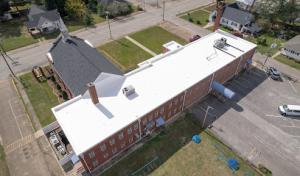
Although Enterprise is primarily a residential reroofing market, some homes and additions still have low-slope sections that are more vulnerable during the city's frequent rain events. Persistent humidity means standing water and slow drainage can linger, inviting early membrane wear. In practice, verify that the entire low-slope field drains toward a defined outlet, not toward corners or transitions. Keep scuppers, gutters, and downspouts clear, especially after thunderstorms. If you notice ponding longer than 48 hours after a rain, address it promptly to prevent accelerated wear or creep of the waterproof layer.
Mixed rooflines with porches, additions, or transitions can become leak-prone when heavy rain and wind expose weak seams or flashing. Inspect around parapets, skylines, and vent penetrations for loose or degraded sealant and corroded metal. In Enterprise, edges and terminations near outdoor living spaces deserve extra attention because wind-driven rain finds these gaps easily. Re-seal or replace failing flashings with compatible, trafficable materials and ensure sealant joints have proper backing and distortion capability for temperature swings.
Moisture management in southeast Alabama hinges on регуляр maintenance. Schedule semi-annual checks focused on low-slope areas after storm seasons and during the humidity peak. Look for soft spots, blistering, or irregular granule loss in nearby shingles that could signal underlying leakage paths. Keep an eye on transitions where shade and vegetation meet roofplanes, as organic debris can trap moisture and abrade membranes. If you spot water intrusion, trace it to the closest vulnerable seam or flashing and address it before it migrates.
Find specialists in TPO, EPDM, and built-up flat roofing systems for residential and commercial properties.
Restoration Commercial Roofing Services
(888) 707-1916 restorationcommercialroofing.com
707 Glover Ave, Enterprise, Alabama
4.9 from 167 reviews
The local contractor market skews toward reroofing and quick-response service, reflecting homeowner demand after storms and leaks rather than highly specialized new-construction work. When a thunderstorm rolls through and shatters a shingle line or lifts vent flashing, you want a crew that can be on site fast, diagnose accurately, and start restoration with minimal disruption. In this area, most crews run lean crews focused on getting you back under cover, not on protracted, one-off design-build cycles. That means your best bet is a contractor who communicates clearly about arrival windows, material choices, and temporary protection during heavy rain events. Your choice should favor teams with a track record of rapid leak stops and solid follow-through on weather-driven repairs.
Family-owned, affordable, and cleanup-focused companies are notably prevalent in the mix. This translates into practical benefits you can feel: straightforward pricing, flexible scheduling, and post-work cleanup that leaves your yard and walkway clear of nails, shingle scraps, and debris. In storms where attic and attic-vent leaks are common, a crew that treats cleanup as part of the service reduces the risk of stray nails and torn tarps creating new hazards around your home. Seek a contractor who prioritizes protecting landscaping, driveways, and exterior finishes while they work, and who follows up with a tidy, documented handover of maintenance items and short-term protection options for the next round of storms.
Residential work appears to dominate, though a meaningful share of contractors also handle commercial projects in the city. That balance matters when choosing a partner for a storm-damaged roof: a primarily residential shop tends to be more attuned to homeowner expectations, insurance-friendly documentation, and clear, day-to-day communication. Still, a contractor with some commercial capacity can bring larger-capacity crews and more robust storm-response protocols without sacrificing the customer-first approach. When evaluating bids, ask how a company handles storm season priorities, from tarp-up to rapid on-site assessment, and how they schedule follow-ups for any interior moisture concerns discovered during the initial repair.