
Last updated: Apr 19, 2026
Pooler's June through September stretch brings frequent heavy rainfall and tropical storm activity that can interrupt roofing work and turn small defects into active interior leaks quickly. The heat and humidity accelerate deterioration of shingles, flashing, and vent seals, so a tiny drip today can become a ceiling stain tomorrow if attention isn't immediate. Autumn winds after coastal storm systems can damage exposed roof areas and worsen lifted shingles, ridge caps, and flashing details on homes in rapidly expanding subdivisions. Ready access to full-coverage tarps and fast-drying materials matters because storm-driven schedules are unpredictable and crews often book out after a major event.
When a storm hits, you act fast. Your first move is to locate the highest-traffic ceiling or wall area to confirm if water is active or only damp from a recently passed rain. Do not assume a roof leak is tiny simply because the rain has stopped. If you see or suspect active water, you need a temporary dry-in to prevent interior damage while arranging a professional assessment. In Pooler's subdivisions, exposed ridge lines and valley points tend to lift first after a storm, so prioritize those areas when inspecting from the attic or ceiling-look for daylight, curling shingles, or discolored ceiling patches.
If gutters are clogged, clear them as debris can back up and drive water toward the fascia and roof deck. For visible shingles with lifted edges, do not attempt to re-nail or force-press the material yourself; lifting often indicates underlying deck or flashing issues that require a professional. Place a sturdy tarp over any exposed roof plane that shows active moisture inflow, ensuring the tarp edges are secured beyond the drip line to prevent wind flapping. If interior moisture is reported, place plastic sheeting or tarps over the affected area to limit further water intrusion and document the location and extent of the leak.
In Pooler, tarping is not a one-and-done task; storms can recur, and contractor signals often push emergency repairs into backlog windows. Proper tarping uses weighted edges and secure fasteners to withstand tropical winds. A temporary dry-in should cover penetrations around chimneys, vents, and skylights, with flashing inspected or installed by a pro. Keep a close eye on tarps during afternoon thunder storms; wind gusts can shift or tear materials, creating new leaks.
Because storm damage and emergency repair demand are common here, having clear documentation matters. Photograph leaks at the interior and exterior, track the date and time of every rainfall event that coincides with new seepage, and maintain a simple map of leak patterns across rooms. Save all communications with your contractor, including messages about backlogs, estimated response times, and any temporary repairs performed. Insurance adjusters respond faster when the homeowner demonstrates a consistent timeline of storm impact and the immediate steps taken to prevent further damage.
Post-storm scheduling backlogs are a reality in rapidly expanding neighborhoods. Reach out to a trusted local roofer as soon as you have a confirmed leak or damaged area, even if the roof appears only mildly compromised. Ask for a priority assessment for roofs with exposed flashing or ridge components, and request a written dry-in plan with timelines that accommodate the weather forecast. Keeping the project moving in Pooler means prioritizing urgent leaks, staged dry-ins, and clear, time-bound communication with both the contractor and the insurance carrier.
Real Good Roofing
(912) 405-9178 realgoodroofing.com
407 N Sangrena Dr, Pooler, Georgia
5.0 from 160 reviews
Real Good Roofing is a trusted roofing company serving both residential and commercial clients. Our team is committed to delivering high-quality workmanship on every project, no matter the size. We take pride in doing things the right way — with attention to detail, clear communication, and a strong focus on customer satisfaction. We work with a wide range of roofing materials and systems, and we specialize in roof installation, repairs, replacements, and ongoing maintenance. Using modern techniques and high-quality products, we ensure durable, long-lasting results that also look great. Known for our reliability and professionalism, Real Good Roofing has become a preferred choice for homeowners and businesses looking for dependable roofin
Victory Roofing
(912) 800-1544 www.victory-roofing.com
82 Columbia Dr, Pooler, Georgia
4.9 from 144 reviews
Let us take care of that "Roofing Honey-Do" list. We will handle anything from debris removal, soft washing, gutters, to repairs and replacements. Let us come do a FREE inspection so you can plan for the longevity of your most prize investment.

South Shore Roofing
(912) 348-8091 www.southshoreroof.com
304 Casey Dr, Pooler, Georgia
4.9 from 95 reviews
For the most efficient and expedient roofing services in Pooler, GA, be sure to call South Shore Roofing, your highly experienced and skilled roofing contractor. We offer a wide range of services, from roof inspections to complete roof replacements. We are fully licensed and certified, with over 50 years of roofing experience and client satisfaction.
Divine Roofing & Restoration
(689) 688-5755 divineroofingrestoration.com
20 Naples Ln, Pooler, Georgia
4.9 from 44 reviews
Divine Roofing & Restoration is a local, certified and insured Georgia contractor based out Savannah and Pooler, Georgia. We provide residential, commercial, and multi-family roofing, restoration, and remodeling services. Roofing services include roof inspections, leak and storm damage repair, insurance claims, roof replacement and restoration, asphalt shingle, metal, flat and low-slope systems, protective coatings, and seamless gutter installation. We also provide siding repair and replacement, window and door upgrades, decks, exterior paint, and interior remodeling such as kitchens, baths, flooring, drywall, trim, and paint. Serving Chatham, Bryan, Effingham, Liberty, Bulloch, McIntosh, Glynn, Camden, and surrounding Georgia counties.
Pooler Roofing Company
(912) 330-2094 poolerroofingcompany.homes
101 W Mulberry Blvd, Pooler, Georgia
4.8 from 20 reviews
In search of a roofing company you can depend on in Pooler? Look no further than Pooler Roofing Company. We specialize in both residential and commercial roofing services. Backed by years of experience, we offer complimentary roof inspections to identify any potential issues before they escalate. Whether it's a minor repair or a complete roof replacement, our skilled roofers are ready to handle it all with precision and expertise. In the unfortunate event of storm damage, we're your trusted partner for swift and reliable repairs. We understand the urgency of such situations and strive to provide prompt assistance to restore your home. Trust Pooler Roofing Company to protect your investment and keep your property protected for years to come.
RoofCo of Savannah
(912) 704-8529 www.roofcosav.com
114 Canal St #602, Pooler, Georgia
5.0 from 5 reviews
Welcome to RoofCo, where we're dedicated to providing top-tier roofing services that not only enhance the aesthetic appeal of your home but also ensure its protection from the elements. Our team of experienced professionals is committed to delivering excellence in every project, utilizing high-quality materials and expert craftsmanship.
Roof Medics Roofing
(912) 231-7338 roofmedicsroofing.com
Serving
4.8 from 64 reviews
Roof Medics prioritizes customer satisfaction. Known for top-notch service and honest pricing, we're a premier roofing company focused on delivering value and quality craftsmanship. With a mission centered on reliability, transparency, and excellent customer service at fair prices, Roof Medics provides peace of mind for all your roofing needs.

Horton's Roofing
(912) 844-7691 www.hortonsroofing.com
Serving
4.5 from 42 reviews
Horton's Roofing serves Savannah, Georgia, the Coastal Empire of Savannah and Brunswick, Georgia. We specialize in roof installations and roof repairs for Residential and Commercial customers for over 45 Years!
Professional Roofing Solutions
(912) 667-2225 roofingsolutionpros.com
Serving
5.0 from 80 reviews
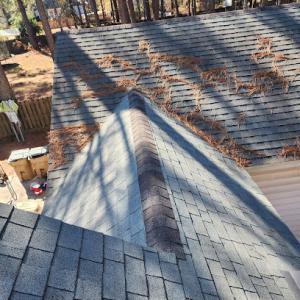
Professional Roofing Solutions is the top Georgia roofing company serving Savannah GA, Statesboro GA, Richmond Hill GA, and Hinesville GA markets. Our roofers specialize in Asphalt Shingles and Metal Roofing System. Our contractors are proficient at dealing with hail damage, and wind damage repairs as well as the installation of Gutters and various kinds of Siding projects.
JCB Roofing
(912) 920-4364 www.jcb-roofing.com
Serving
4.7 from 269 reviews
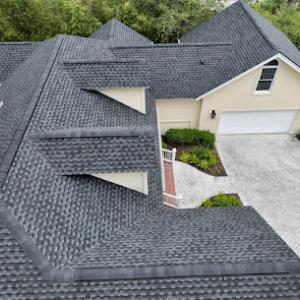
We provide Residential & Commercial Roofing Services for New Installations, Roof Repairs, Metal Roofs, Flat Roofs, TPOs, Skylights & much More! JCB Roofing has offered outstanding roofing services to our customers throughout the Savannah, Georgia & South Carolina Low Country areas for more than 20 years. We are fully licensed, bonded and insured to handle both residential and commercial projects in Low Country, Savannah, Brunswick, Statesboro, Hilton Head, Bluffton, Charleston and the surrounding areas. We are proud to say we use only the best materials & highly trained installers for every roofing project. Whether you are interested in a shingle, metal or flat roof, our team has the skill and experience necessary to get the job done right!
Rewis Roofing
(912) 644-0931 www.rewisroofingllc.com
Serving
5.0 from 114 reviews
Experienced and trusted roofing company serving Georgia and South Carolina
Metalcrafts, A Tecta America Company
(912) 236-0615 www.tectaamerica.com
Serving
4.7 from 12 reviews
Metalcrafts, a Tecta America, LLC, Commercial Roofing Contractor, founded in 1968, is now managed by the second generation of Lancaster family members. We specialize in providing services for industrial, governmental, specialty, commercial roofing and sheet metal needs. The Lancaster family has built a reputation for service, integrity, and quality in the roofing industry. With a commitment to fulfill “All of Your Roofing Needs,” Metalcrafts has the personnel and experience to install and maintain an array of commercial roofing systems. There is no job too small or too large for consideration.
After tropical rain and wind events, carriers expect a clear trail of documentation. Pooler homeowners should anticipate that insurers will ask for roof age, dated photos, and inspection reports before renewal or after a loss. Take contemporaneous photos that show the overall roof condition and specific problem areas from ground level and from the attic if possible. Keep a dated log of weather events, including when you first noticed leaks or wind damage. If an inspection is scheduled, confirm what the adjuster will review and prepare copies of any prior maintenance records, recent repairs, and any previous claim notes. The goal is to establish a transparent baseline so the carrier can distinguish new damage from preexisting issues.
Adjuster decisions in this area are influenced by documented local wind and hail patterns, so photo evidence of creased shingles, displaced flashing, and water entry points matters. When you document, focus on the most vulnerable spots: ridge shingles lifted by gusts, valleys where shingles have separated, flashings around chimneys and chimneys boots that show lifting or corrosion, and interior water staining near ceilings, walls, and attic joints. If possible, photograph the surrounding landscape after a storm to show tree debris or impact marks on the roof edge. Use a tape measure to indicate elevations on videos or photos so the adjuster can gauge the severity. Keep digital backups and ensure filenames include the storm date and location on the roof.
Because insurance-claims assistance is a common local contractor specialty, homeowners will often be choosing between contractors based partly on how well they document storm damage for carriers. A reputable local contractor should provide a written damage summary tied to the photos, with clearly marked problem areas and suggested next steps. Ask the contractor to annotate photos with arrows and labels that match the adjuster's expected categories (shingle damage, flashing, ventilation-related entry, and potential underlayment exposure). Request a copy of the damage assessment that you can share with the insurer, and confirm that the assessment aligns with the observed wind and rain patterns typical for Pooler storms. Consistency between the contractor's report and the homeowner's logs eases the adjustment process.
Begin with a temporary protection strategy to prevent further damage, especially during tropical rain events. Cover exposed areas with tarps, secure loose siding, and minimize interior exposure to water. Obtain multiple quotes only after documenting the damage; delay is acceptable if weather remains risky, but keep the claim flow moving by sharing the initial findings with your insurer promptly. Schedule an inspection as soon as it is safe, and be present during the adjuster's visit to point out all areas of concern. If a discrepancy arises between your photos and the adjuster's assessment, request a follow-up review or ask for an internal re-evaluation, providing additional photos or video evidence as needed.
Locally, discrepancies between what you document and what the insurer accepts often come from gaps in the scope-especially around flashing, attic ventilation, and signs of wind-driven water intrusion. Ensure the documentation captures the entire roof surface and the attic space for signs of moisture or mold. If the claim involves a re-roof, be prepared to discuss the roof's age in relation to the typical lifespan of the chosen material, and reference any prior maintenance that could affect warranty eligibility. Remember that a well-documented case can influence both the timely resolution of the claim and the long-term performance of the roof after a coastal storm.
Connect with contractors who help homeowners navigate the claims process from damage assessment to final approval.
Real Good Roofing
(912) 405-9178 realgoodroofing.com
407 N Sangrena Dr, Pooler, Georgia
5.0 from 160 reviews
Victory Roofing
(912) 800-1544 www.victory-roofing.com
82 Columbia Dr, Pooler, Georgia
4.9 from 144 reviews

South Shore Roofing
(912) 348-8091 www.southshoreroof.com
304 Casey Dr, Pooler, Georgia
4.9 from 95 reviews
In this part of the Lowcountry, asphalt shingles and metal roofing are the practical backbone of most homes. Asphalt shingles fit the suburban-style roofs common in newer neighborhoods, offering straightforward installation and reliable performance for a hot, humid climate with frequent tropical rainfall. Metal roofs show up on a growing share of homes as a durable, long-lasting option, particularly where homeowners want a modern look or enhanced wind resistance. Heavier tile systems-such as clay tile, concrete tile, synthetic/composite, or fiber cement-appear more selectively, typically on higher-end or style-driven houses. Those options can deliver distinctive curb appeal, but they also bring considerations for structure, weight, and long-term maintenance.
Pooler's summer heat is real: attic spaces can act as heat traps that push the rest of the roof system to work harder. Regardless of material choice, ventilation helps control humidity, protect attic insulation, and slow moisture-related issues that can compromise sheathing and fasteners. A balanced approach-adequate intake and exhaust, plus properly sized soffit vents and ridge or gable vents-proves especially helpful when tropical storms push heavy rain and wind through the region. Underlayment quality matters, too. A good, weather-tight underlayment paired with a properly sealed roof deck helps prevent water intrusion during unexpected downpours. When choosing a fastener pattern for metal or shingles, ensure the fastening schedule aligns with the roof's slope, exposure, and anticipated wind loads common to Pooler's climate.
In newer neighborhoods around town, cost-conscious production homes often favor lighter materials and simpler roof lines. Heavier tile systems can be less common here because the roof structure must support extra weight, and the roof's framing has to accommodate a longer installation window and potential engineering requirements. If a home already leans toward a shallower pitch, laying tile may mean additional framing or reinforcement, which affects both installation feasibility and future maintenance. For shingle or metal options, ensure that the existing decking and rafter spacing can support the chosen system, especially in areas that experienced recent high-wind events or tropical downpours.
When tropical rain and wind strike, quick tarp provisions and early leak checks become practical routines. Focus on obvious entry points-the attic where underlayment protection meets the roof deck, window headers, and chimney-to-roof transitions-and then inspect exterior components such as ridge caps, flashing around penetrations, and sealant continuity. Document damage with clear photos, preserve damaged materials when safe, and keep a simple log of dates and affected areas. This neighborhood sees fast weather shifts, so a ready plan for temporary containment and professional assessment helps keep small issues from turning into bigger problems.
Spring and fall are the preferred replacement windows. In Pooler, those seasons dodge the worst combination of peak summer heat, humidity, and tropical storm disruption. Starting a project in mild air helps roof crews handle underlayment, vent installations, and sealing properly, which protects the roof into the hot months. If a project can land in late spring or early fall, the weather tends to cooperate for a smoother tear-off and dry-in sequence.
Summer installation can be slowed by material handling issues, crew fatigue, and afternoon rain patterns that complicate tear-off and dry-in sequencing. In hot, humid days, decking can reach moisture-saturated levels quickly after a midday shower, making fasteners and sealants work less predictably. Plan for earlier starts and shorter daily targets to avoid the peak heat window. If a summer schedule becomes necessary, build in buffer days for potential back-to-back storms and ensure temporary ventilation and shading adjustments are ready to maintain comfort and safety on the roof.
Winter is usually workable but moisture and occasional cold snaps in the area can still delay schedules and final punch-list items. Wet, overcast days slow deck drying and can extend the time needed for sealants and underlayment to cure. When a winter project is pursued, anticipate occasional pauses for wind-driven rain and keep crews flexible about dry-in timing. Ensure interior spaces and attic access remain clear to reduce moisture intrusions during any extended rain events.
Coordinate with the contractor to set a target start in spring or fall, but build a fallback plan for an early summer window if needed by weather patterns. Schedule a pre-install inspection after any tropical lull to confirm roof deck condition and venting readiness. Establish a plan for daily weather checks, with agreed-upon lead times for rain delays and a clear sequence for tear-off, dry-in, and accessory installations. Finally, document any storm-related pre-existing conditions and stabilization steps so the project can resume promptly after a weather break.
A full roof replacement in Pooler typically requires a permit through the City of Pooler Building Department rather than being treated as a no-paperwork job. Before any shingle or tile comes off, the permit must be filed, plans may be reviewed, and once the project starts, inspections are expected at key milestones. Skipping this step can lead to rework, fines, and trouble with insurance claims after tropical rain events. In practice, the permit process acts as a basic quality check: it helps ensure proper nailing, flashing, ventilation, and drainage details meet local codes that respond to the area's hot, humid Lowcountry climate and intense storm cycles. Don't assume a contractor will handle it automatically; confirm who pulls the permit and who will be present for the required inspections.
Pooler inspections commonly focus on underlayment quality, the correct nailing pattern, adequate attic ventilation, and flashing details around chimneys, vents, and roof penetrations. A final inspection is expected after the work is completed, confirming everything aligns with code and the jobsite was restored safely. Because Pooler sees rapid growth, roofs can be mixed in age and type; inspectors look for consistent application of newer underlayment technologies and proper vent placement to manage humidity and prevent leaks. If any item fails an inspection, compliance requirements will need to be addressed before a certificate of occupancy (or final approval) is issued, potentially delaying your project.
Permit processing times in Pooler can vary by season and workload, which matters more during storm-driven demand spikes and busy replacement periods. After a tropical rain event, a backlog can slow approvals, so planning ahead is essential. A practical approach is to align the replacement window with a predictable weather lull and ensure the contractor schedules inspections promptly, keeping the project moving without leaving the roof vulnerable to new leaks. While delays happen, staying proactive with documentation and access for inspectors reduces the risk of extended exposure and rework.
In Pooler, cost expectations should be framed around the provided per-square ranges, with asphalt shingles at the lower end of the market and tile systems at the upper end. Asphalt Shingles run roughly from 350 to 700 USD per square, making them the most budget-friendly option for a suburban lot with standard attic spacing. Metal Roofing typically sits from 700 to 1200 USD per square, offering durability and quicker dry-in opportunities after a storm. Clay Tile ranges about 1000 to 1800 USD per square, while Concrete Tile sits around 900 to 1500 USD per square, both pulling toward the premium end due to weight, installation complexity, and long-term venting considerations. Synthetic/Composite Shingles are usually between 450 and 750 USD per square, a middle-ground choice that blends resilience with cost. Fiber Cement Shingles come in roughly 700 to 1200 USD per square, delivering a stable mid-to-higher range performance. Across Pooler, the actual final figure will hinge on roof complexity, existing decking, and the chosen underlayment, but the overarching rule holds: asphalt is the most affordable pathway, while tile systems push the total well above most mid-market re-roofs.
Pricing can rise after tropical storm activity when demand surges for re-roofing, emergency dry-in, and insurance-related repair work across Pooler and the greater Savannah area. Costs in Pooler are also affected by material mix of newer suburban homes versus higher-end custom properties, as well as the need for ventilation upgrades commonly flagged in inspection. In hot Lowcountry humidity and frequent tropical rain, a tighter schedule and thorough attic venting can influence both estimate and long-term performance, especially for heavier tile assemblies.
Get a clear picture of your project costs upfront - no commitment required.
Victory Roofing
(912) 800-1544 www.victory-roofing.com
82 Columbia Dr, Pooler, Georgia
4.9 from 144 reviews
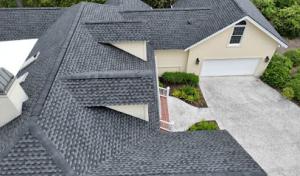
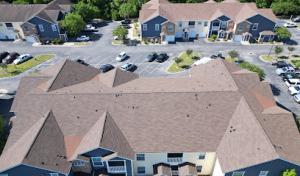
In Pooler's wet, humid conditions, failures often show up first at flashing transitions, roof penetrations, ridge details, and any area left exposed during interrupted installs. That means metal step flashings at chimneys, vent pipes, and valleys can corrode or lift earlier than the shingles themselves. If a penetration sits under saturated Florida-style downpours, even a small gap can become a drip line that travels along the sheathing before you notice. Ridge vents and cap shingles can loosen when wind-driven rain pushes beneath, exposing underlying decking to moisture. In practice, those weak spots become the first clues of trouble after a tropical rain event, not years later.
Inspection emphasis on ventilation in Pooler reflects how heat and humidity can worsen shingle aging and moisture-related attic problems when airflow is inadequate. Poor attic venting traps hot, damp air, accelerating adhesive failure, curling shingles, and mold growth on sheathing. Look for soffit intake blockages, louvered vents that are painted shut, or soffit-to-ridge ratios that don't move enough air. You'll notice faster shingle aging on upper elevations and in rooms with poor attic soffit access. A humid summer can turn small attic leaks into noticeable interior staining or musty odors if not addressed promptly.
Homes with skylights or low-slope sections in Pooler need closer attention because repeated rain events can expose weak curb flashing and drainage details. Skylight curb flashing tends to fail where sealants shrink in heat and where flashing has inadequate counter-flash coverage. Low-slope roof areas rely on precise drainage and proper membrane seams; any puncture or poorly sealed seam can pond and promote accelerated wear. Check gravity-based drainage over these areas, and watch for staining that travels toward interior walls after a storm.
After tropical rain and wind, perform a rapid exterior sweep for lifted shingles, loose flashings, and scuffed sealants around penetrations. If you notice damp attic insulation or discolored decking, prioritize a professional inspection before a minor defect becomes a major leak. In this climate, catching failures early saves real headaches later.
Find specialists in TPO, EPDM, and built-up flat roofing systems for residential and commercial properties.
Divine Roofing & Restoration
(689) 688-5755 divineroofingrestoration.com
20 Naples Ln, Pooler, Georgia
4.9 from 44 reviews
Pooler Roofing Company
(912) 330-2094 poolerroofingcompany.homes
101 W Mulberry Blvd, Pooler, Georgia
4.8 from 20 reviews
Storm-driven work in Pooler shows up fast after tropical rain and wind events, and workmanship issues tend to surface quickly when flashing, fastening, or ventilation were not handled properly. A solid warranty acts like a layer of protection against quick rain-driven wear, especially on roofs that see frequent storms and hot Lowcountry humidity. Look for a clearly written workmanship warranty that covers flashing, underlayment, fasteners, and ventilation components for multiple years. Verify who is responsible for repairs, how claims are filed, and whether the warranty is backed by the contractor or by a third party.
Pooler's contractor market shows unusually strong homeowner emphasis on quick response and cleanup, reflecting storm-driven work and occupied suburban neighborhoods. When evaluating crews, notice whether they protect nearby landscaping, driveways, and exterior siding during the project, and whether they contain debris daily. A respectable crew will use ground tarps, netting, and waste containment to prevent nails and shingle fragments from ending up in yards or street gutters. After completion, the crew should leave the site swept or vacuumed, with nails picked up and visible debris removed. If the crew demonstrates a responsive attitude to cleanups during the job, that habit usually transfers to post-job wrap-up.
Re-roofing remains the dominant practice in Pooler, so homeowners often judge crews by responsiveness and reliability rather than exotic system expertise. Ask for a real-time update plan: anticipated start date, progress milestones, and a single point of contact for weather delays. A dependable crew will provide timely notifications if delays occur and will reschedule promptly. In practice, the best teams arrive prepared with protective equipment, contain the work area, and communicate clearly about any temporary water shedding or ventilation needs.
A trustworthy crew finalizes moisture checks, confirms venting paths, and demonstrates proper attic and roof ventilation during the finish. They should offer a brief walk-through to explain any flashing reinforcements or minor sealant touch-ups needed after a heavy rain event. If questions arise about how the roof will respond to future tropical storms, a capable contractor will address them with straightforward explanations and a clear plan for preventive maintenance. Pooler homeowners should value those signals when selecting a contractor.