
Last updated: Apr 19, 2026
Evans roofs are routinely stressed by spring and summer thunderstorms that bring the wind and hail events most likely to trigger local repair and replacement decisions. The combination of hot days followed by sudden storms creates aging shingles that crack, loosen, or shed granules in an instant. When a storm rolls in, the clock starts ticking: wind-driven shingle lift and hail impact can open up vulnerable spots that look minor at first but become active leaks within hours. In this market, a quick read of your roof's condition after every strong storm is not optional-it's your best defense against extensive interior damage.
Because short heavy rain showers are common in the warm season, small storm-created openings can turn into active interior leaks quickly instead of waiting for a long rain event. Have a plan ready: inspect the attic for new light sheen on insulation, listen for drips, and feel for rising humidity in reachable ceiling corners. If a leak is suspected, address it with a temporary, water-stopping measure to protect valuables and avoid escalating mold risk while arranging professional service. Time is the differentiator between a manageable repair and widespread ceiling or drywall damage.
The local contractor signal mix is heavily weighted toward storm damage, insurance claims, and emergency repair, showing that post-storm response is a core homeowner need in this market. When a hail or wind event hits, document damage promptly with clear photos from multiple angles, including close-ups of lifted shingles, cracked granules, and any interior staining. Contact the insurer quickly to start the claim, but coordinate with a trusted contractor who can provide rapid on-site assessment, prioritized scheduling, and a documented scope of emergency repairs. Delays in reporting or in securing a start-of-work assessment can complicate coverage and slow long-term fixes.
In Evans, the post-storm signal is strong: many reputable local roofers understand the urgency and the expectations of insurance-adjusted work orders. When choosing a contractor, prioritize teams with proven rapid-response capacity, on-site storm damage experience, and transparent communication about timelines, temporary protections, and evidence-based repair plans. A contractor familiar with the local wind patterns and hail history will better anticipate common failure points-valleys, rake edges, and chimney flashings-that often become leak sources after a storm.
If a leak starts, protect valuables with plastic sheeting or tarps and avoid electrical exposure near any water intrusion. Schedule an on-site assessment as soon as weather allows, and request a written emergency repair scope that includes temporary protections and a clear path to a permanent fix. Keep a dated log of storms and observed damage to support the claim file and guide future prevention strategies, such as targeted sealing, an upgraded underlayment, or higher-grade shingles when replacement becomes necessary.
Penn Roofing
(706) 421-0226 www.pennroof.com
4103 Colben Blvd, Evans, Georgia
4.9 from 287 reviews
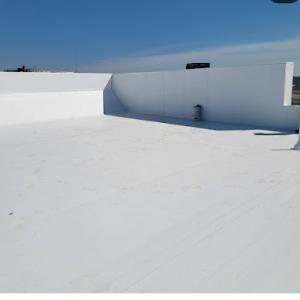
Penn Roofing is a full service commercial and residential roofing company. We are focused on providing quality workmanship along with excellent customer service on all levels. Our experience includes both low slope and steep slope roofing systems. From repairs to preventative maintenance, our commitment is to be passionate about our work in every aspect, with hope that our customer base will follow.
E-Z Roofing & Construction
(706) 364-4083 www.myezroofing.com
4199 Crosstowne Ct Ste. 2, Evans, Georgia
4.9 from 124 reviews
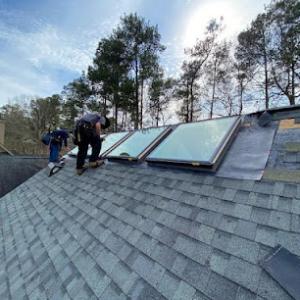
Since 2009, E-Z Roofing & Construction has proudly served Evans, GA, Augusta, and surrounding areas with quality residential and commercial roofing services. Our certified team specializes in roof replacements, roof repairs, and new roof installations using Owens Corning Duration and Designer Shingles. We also offer siding, skylights, insulation, and waterproofing. Committed to craftsmanship, reliability, and customer satisfaction, E-Z Roofing delivers lasting results that protect and enhance your property.
Roof Savers® North America
(706) 786-1819 myroofsavers.com
4342 Evans to Locks Rd, Evans, Georgia
4.8 from 236 reviews
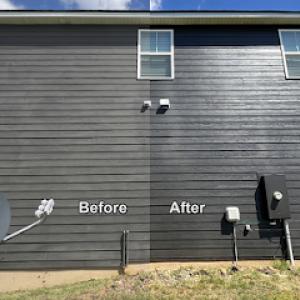
Roof Savers North America is a full-service roofing and siding company specializing in the maintenance, repair, and installation of exterior surfaces for both residential and commercial properties across North America. Our services include: Roof Inspections & Leak Repairs – Identifying and addressing issues before they become costly problems. Roof Replacements – Expert installation using top-quality materials for lasting performance. Exterior Surface Life Extension – Our patent-pending Renueit™ with Microcraze VR™ Technology can extend the life of asphalt, tile, and metal roofs, as well as vinyl siding, Hardie board, and stucco by up to 10 additional years. Gutter & Gutter Topper Installation – Protecting your property from water d
Augusta Roofing Pros
(706) 406-3408 augustaroofingpros.com
926 Woody Hill Cir, Evans, Georgia
5.0 from 29 reviews
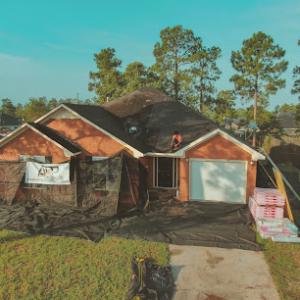
We believe a Happy Home starts with a Quality Roof, and we won’t stop till every member of our community has both.
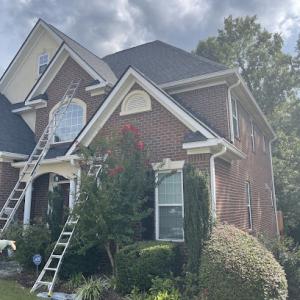
Enon Hopkins Roofing
(706) 868-1234 www.enonhopkinsroof.com
789 Rocky Branch Ln, Evans, Georgia
3.8 from 28 reviews
Enon Hopkins Roofing Company offers roofing, roofing repairs and seamless gutter installations to homeowners throughout the greater Augusta, Georgia area. Family-owned and operated, we have over 40 years of experience and take pride in the work we do. Call today for a free estimate if you own a home or business in Augusta, Evans, Hephzibah, Grovetown, Martinez, North Augusta, Waynesboro and the entire CSRA.

Tico Roofing
(706) 650-2121 ticoroofing.com
Serving
4.7 from 33 reviews
Tico Roofing in Augusta GA is an experienced full-service provider of residential and commercial roofing in the CSRA and the surrounding areas. For roofing installation, repairs, coatings, metal installation, or inspection, you can count on us to provide quality workmanship and exceptional customer service. We are proud members of the NAHB., and GAF manufacturer certified roof installer.
Crosby Roofing
(706) 823-4300 www.crosbyroofing.com
Serving
4.7 from 714 reviews
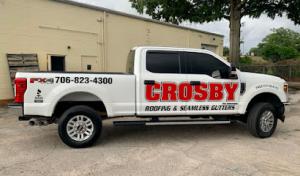
Crosby Roofing and Seamless Gutters is a family owned and operated business since 1989. Crosby Roofing was founded with the goal of providing exceptional service in the Roofing Industry. We are now operating in Georgia and South Carolina with offices in Macon, Augusta, and Columbia. With 30 years experience and thousands of happy customers, we are proud to continue providing exceptional customer service for our customers. In addition to roofing services, we also provide gutter repair and installation, vinyl siding, attic ventilation and insulation and window replacements. Contact us for a free estimate today! Quality you can look up to!
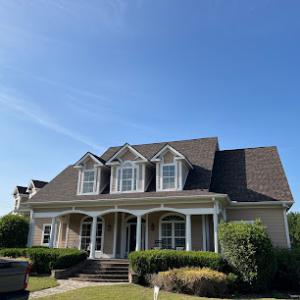
Gunn Roofing
(706) 962-7026 gunnroofing.com
Serving
5.0 from 155 reviews
Gunn Roofing is a licensed and insured roofing company locally owned and operated out of Augusta, GA. We specialize in all roofing aspects and customer satisfaction. We are here to not only educate the homeowner about their roof but to also create a sense of ease knowing that they are working with genuine, integrity-driven professionals. We value your time and energy, so leave it to us to take care of all your roofing needs from small repairs, storm damage, all the way to a full roof replacement.
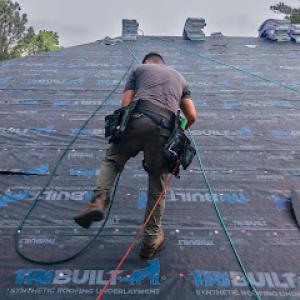
Buckhead Roofing
(706) 744-1844 buckheadroofing.com
Serving
5.0 from 49 reviews
Buckhead Roofing are your trusted roofing experts serving Buckhead, Alpharetta, and Milton, GA! With decades of experience, we specialize in both residential and commercial roofing services, including replacements and repairs on all types of roofing systems: asphalt shingle, tile, metal, and flat roofs. Our dedication to customer service and top-quality roofs ensures your home or business is protected for years to come. Locally operated, we're proud to serve and be a part of the Buckhead, Alpharetta, and Milton communities. Contact us today for reliable roofing solutions tailored to your needs!
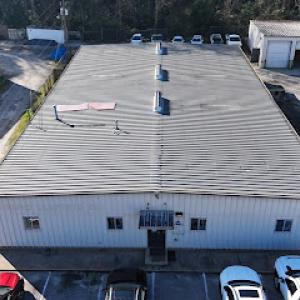
Armour Roofing - Augusta
(706) 920-6837 teamarmourroofing.com
Serving
4.9 from 214 reviews
Armour Roofing - Augusta is a full-service roofing contractor, specializing in residential and commercial roofing repairs and replacement in Augusta GA. We offer roof repair and replacement financing Visit our website to qualify in about 30 seconds! Some of the best roof repair professionals in Georgia work with Armour Roofing - including former insurance adjustors who can help get your roofing claim paid! We are located nearby - offer emergency tarping services and are affordable, professional, and can usually schedule your roof repairs right away! Armour Roofing is certified InterNACHI, ICC Building Code, and Xactimate Construction Estimating.
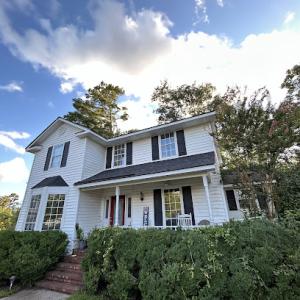
Eben Gray's Roofing Service
(706) 799-4486 www.ebengraysroofingservice.com
Serving
5.0 from 30 reviews
Serving the CSRA for more than 20 years, Eben Gray has been the one you trust with all your trees. Now you can also trust Eben Gray's Roofing Service with all your roofing needs! We are a locally-owned roofing company serving the greater Augusta GA area. We can install, replace and repair residential and commercial roofs - including both shingle and metal roofing. We also install and repair gutters and siding. Call us today for a roof inspection. We offer free estimates! We are proud to continue our tradition of excellence.

Best Choice Roofing
(706) 528-6721 bestchoiceroofing.com
Serving
4.5 from 330 reviews
Best Choice Roofing is your trusted roofing expert and the Best Choice when it comes to choosing a roofing company with a commitment to impeccable customer service. In business since 2009, Best Choice Roofing’s industry-leading contributions to the roofing industry include a customer-first mentality, a dedication to top-quality products and a leadership team focused on the growth of its people. Because of this framework, we have created a loyal base of customers all over the United States.
Asphalt shingles are a dominant choice for many homes in this area, but the hot humid summers here accelerate aging compared with milder climates. Granule loss tends to be more noticeable after long periods of sizzling sun followed by quick, heavy storms. Curling edges and accelerated curling at hips and ridges are common indicators that heat and humidity are doing their work. When the shingles age unevenly, leaks often show up first at valleys, joints, and around protrusions like vent pipes. The practical takeaway is to monitor for granule loss in early summer and inspect after major storms. A fast, visual check can catch developing trouble before a small issue becomes a larger repair. If you're evaluating a roof replacement, consider a shingle with better heat resilience and a granule retention warranty, and plan for more frequent inspections during peak heat months.
Metal roofing has a meaningful local presence and is often evaluated here for better performance against thunderstorm wind exposure and for durability in repeated wet-dry summer cycles. In Evans, metal can shed rain quickly, resist impact from hail better in some profiles, and remain cooler under a blazing sun when a reflective finish is chosen. The key decision points are panel type, fastener pattern, and coating. Standing-seam metal with a concealed fastener tends to perform well under wind-driven rain and driving hail, while exposed-fastener panels need careful sealant and proper flashing at edges to avoid leaks. If a reroof is in the plan, choose a profile with good wind uplift ratings and a warranty that covers coastal-like humidity effects-your local storms can produce rapid, repeated cycles that test coatings and sealants. In practice, schedule annual inspections after the storm season to verify flashing integrity and treat any corrosion-prone areas before they advance.
Mild winters reduce severe freeze-related roofing stress compared with colder regions, so local material decisions are driven more by heat, humidity, rain, and storm resilience than by snow load concerns. That means focusing on reflectivity, UV resistance, and how well a roof handles rapid wetting and drying cycles in the summer. For asphalt, that means keeping proper ventilation and choosing granules that resist UV breakdown. For metal, it means selecting coatings with proven weathering in hot, humid environments and ensuring proper drainage around penetrations to avoid water pooling at fastener lines. In either material, proactive maintenance after hail events, and a mid-summer check for exposed fasteners or loose flashing, can head off leaks before they start. This is the practical rhythm for preserving a roof in the Columbia County climate and keeping up with storm-driven repair needs.
A full re-roof project in this area typically requires a permit through Columbia County rather than being handled informally at the contractor level. This means you should expect a formal process that starts before any tear-off and continues through to closeout. Skipping the permit step can lead to fines, delays, or problems with future home sales, so treat permitting as an essential part of the project rather than an optional hurdle. The permit helps ensure that the chosen roofing system meets the county's standards for structural load, wind resistance, and fire safety, which matters when a thunderstorm season rolls in with strong gusts.
Inspections in Columbia County are staged during the roofing job. After tear-off and installation of underlayment, a first inspection is conducted to verify that the roof deck is sound and the underlayment installation adheres to code. A second check typically occurs once the new roof material is installed but before the edges and flashings are final, ensuring wind-related details and ventilation paths are correctly addressed. A final inspection is completed at closeout, confirming overall compliance and proper sealing around penetrations. Expect coordination with the inspector to schedule these visits, and be prepared to address any issues promptly to avoid project delays.
Wind uplift is a common topic during Columbia County roofing inspections, especially given the region's thunderstorm-driven wind patterns. The inspector will look for solid fastening patterns, correct nailing schedules for the chosen material, and adequate edge protection to resist uplift during a strong gust. Ventilation also draws scrutiny, since proper attic ventilation helps manage heat and moisture that can deteriorate shingles more quickly in hot, humid conditions. Code compliance is a broad umbrella that covers flashing details, valley treatments, drip edge installation, and proper clearance around chimneys and penetrations. Plan to discuss these elements with the contractor ahead of time so the installation aligns with expectations.
Start by verifying that your selected contractor is ready to navigate the county permit process and coordinate inspections. Request a written plan that outlines the sequence of tear-off, underlayment, decking checks, and final installation so you know what to expect each week. Schedule utility disconnections, if needed, in alignment with permit dates to minimize hold-ups. During the project, keep accessible sightlines for the inspector to inspect interior and exterior access points, attic ventilation paths, and tidal points around dormers or vents. If an issue is noted, address it promptly and document the correction with photos to streamline the closeout inspection.
Understand that the permit and inspection process is designed to protect you from hidden defects and to ensure the roof system performs under Columbia County's typical storm cycles. A careful, compliant installation reduces the risk of repeated leaks and wind damage down the line and helps avoid unexpected expenses or disputes with the insurer after a claim. If the project stalls due to inspection findings, treat the corrections as a necessary step toward long-term peace of mind rather than a setback. Your best outcome is a durable, code-compliant roof that stands up to the area's demanding weather while keeping your home secure and compliant.
Evans homes typically use a mix of asphalt shingles, metal roofing, clay tile, concrete tile, wood shingles or shakes, and synthetic or composite shingles. Local pricing should be framed around this dominant mix, with asphalt shingles and metal roofing serving as the baseline for most mid-market homes. Clay and concrete tiles are common on higher-end or custom-lot houses, while wood shingles or shakes and synthetic shingles fill out the rest of the portfolio. In practice, you'll see price points cluster around the following per-square ranges: asphalt shingles from about 350 to 650 USD, metal between 700 and 1100 USD, clay tile from 1100 to 1600 USD, concrete tile from 900 to 1500 USD, wood shingles or shakes from 700 to 1100 USD, and synthetic or composite shingles from 500 to 900 USD. When selecting materials, consider how the humid climate and rapid aging from hot, storm-quick cycles affect long-term value and maintenance needs.
Thunderstorms can drive sudden spikes in demand after a big event. In Columbia County, full re-roofs and urgent dry-in work can shift from a routine project to a limited-availability schedule within days. When a widespread hail or high-wind event hits, roofing crews may book out weeks to months, and prices can move upward due to tight crew availability and material backlogs. For an Evans homeowner, factor in the possibility of accelerated scheduling pressure if a storm swath travels through the area, and expect some premium for expedited or staged work.
Spring and summer storms in this area are frequent enough to justify a staged approach on many projects, especially for larger homes or complex roof patterns. Shingle aging under hot, humid conditions accelerates wear, so leaks can appear quickly after a storm, prompting faster dry-in work. If a project includes clay or concrete tiles, or a multi-material roof, planning for weather interruptions helps avoid costly delays. In practice, you'll want to build in a contingency for weather windows, allowing for rain delays and the need to re-sequence crews after heavy storm days.
When you're choosing between materials, start with the local mix you're likely to see on your street, then weigh storm risk and scheduling reliability in Evans. Asphalt remains the most economical entry point, while metal offers durability for wind-prone periods. Tile options bring long-term aesthetics and premium performance but require precise installation. For storms, prioritize contractors with proven dry-in capability and clear communication about anticipated scheduling shifts, so your leak response remains fast even after a big weather event.
Get a clear picture of your project costs upfront - no commitment required.
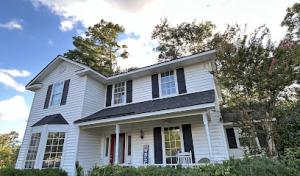
Eben Gray's Roofing Service
(706) 799-4486 www.ebengraysroofingservice.com
Serving
5.0 from 30 reviews
Georgia's regular wind, hail, and storm activity makes Evans a market where roof claims are a recurring part of ownership rather than a rare event. When a storm rolls through Columbia County, the damage can appear in stages: a quick wind lift, hail punctures, or subtle granule loss that only shows up after a few days. Insurers know this pattern and frequently scrutinize weather-related claims, so having clear, timely records helps you avoid delays or disputes that stretch out repairs.
After a storm, expect requests for roof photos, roof age, and proof of contractor involvement before any temporary repairs or replacement begin. Photos should capture multiple angles, close-ups of damaged areas, and the overall roof condition before any work starts. Note the roof's age from papers or a labeled shingle batch, not a memory. Proof of contractor involvement means a written estimate, a visible company name and contact information, and a documented scope of work. In Evans, where storm-driven wind and hail claims are a common rhythm of ownership, having these records ready can shorten the back-and-forth with an adjuster and keep temporary repairs from becoming a reason for later coverage questions.
Create a weather-tied folder that includes dated storm reports, original photos, and a copy of the prior roof's documentation. After the claim is filed, add any follow-up photos from early repairs and the contractor's signed assessment. If a contractor is brought in, ensure the estimate explicitly links to storm-damaged areas and notes the anticipated replacement path. This clarity matters because coverage and treatment can shift based on roof type and age, so having a clean, complete file helps auditors see the true scope of loss without second-guessing.
Do not delay documenting right after the storm, even if temporary fixes are underway. Insurers look for a clear sequence: storm event, initial assessment, documented damage, and a signed contractor plan. By keeping the documentation tight and current, you reduce the risk of misinterpretation and keep your repair timeline on track.
Clay tile and concrete tile are part of the local material mix in Evans, but they sit outside the area's more common storm-service workflow and need crews familiar with heavier specialty systems. If your home already has these heavier tiles, you want a contractor who treats them as a true specialty, with proper underlayment, fasteners, and sealing details to resist Columbia County's storm-driven winds. For new installs, consider whether a tile system aligns with your home's roof pitch, weight-bearing structure, and long-term maintenance plan. A well-built tile roof can deliver enduring curb appeal and a distinct profile, but the installation requires precise alignment and careful venting to prevent moisture issues after heavy rainfall events.
Synthetic or composite shingles are a recognized local option for homeowners who want a different appearance profile without moving fully into tile pricing. In practice, these materials can mimic the texture and color variety of traditional shingles while offering lighter weight and potentially lower installation risk. In Evans, synthetic options often pair well with metal or asphalt components on the same house, which can simplify maintenance if a storm-related leak occurs. When choosing a synthetic profile, focus on wind resistance, dimensional stability in heat, and the compatibility of underlayment with existing decking.
Wood shingles and shakes appear in the Evans material mix but are far less central to the local contractor market than asphalt, metal, and storm-related re-roofing services. If you already own a wood-shingle roof, expect specialty care for fire-safing, sealing, and rapid weathering from the humidity. New wood work should be weighed against maintenance needs and local weather patterns. For most homes facing frequent thunderstorms, a wood configuration is more about aesthetic preference and long-term upkeep than the primary choice for storm resilience.
When a storm hits, tile and specialty roofs demand prompt assessment after the high winds and hail pass. After a rapid leak occurs, prioritize a temporary seal to protect interior spaces while a qualified crew coordinates a full repair plan. Since these systems sit outside the standard storm-service workflow, establish a real-time communication line with the contractor and ensure they have experience handling heavier tiles or composite products in the Evans climate.
Find contractors who specialize in clay and concrete tile roofs, known for their durability and curb appeal.
Roof Savers® North America
(706) 786-1819 myroofsavers.com
4342 Evans to Locks Rd, Evans, Georgia
4.8 from 236 reviews
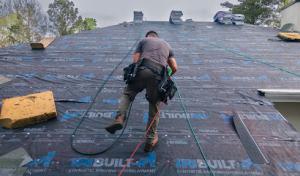
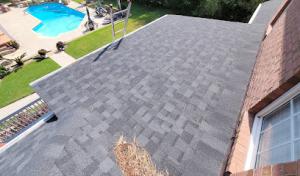
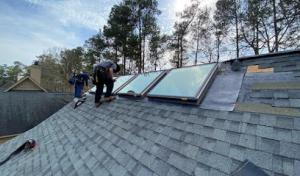
Short intense rain showers in Evans make flashing details around skylights especially unforgiving when seals, step flashing, or curb details begin to fail. If your skylight shows any sign of moisture on the interior or around the curb after a storm, act quickly. Inspect the sealant line around the skylight from the attic with a flashlight, looking for cracked or softened sealant or hairline gaps where water can migrate. On the roof, check the metal step flashing that tees into the skylight curb-look for loose fasteners, raised edges, or bent corners. A small failure here can channel water into the roof deck in moments during a downpour.
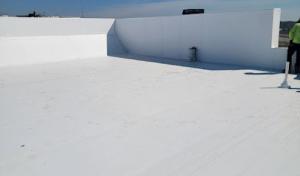
Low-slope and flat-roof work exists in this market but is clearly secondary to the area's dominant residential steep-slope re-roofing demand. If your home features a low-slope section or a flat transition, pay extra attention to the transitions where it meets a steeper roof. The most vulnerable spots are along parapets, at the intersection with dormers, and where a skylight or vent penetrates the roof plane. Make sure a competent roofer verifies the integrity of the underlayment at these transitions, since a fast leak can originate far from the visible stain on the ceiling.
Because local inspections review underlayment and final assembly, detail-sensitive areas such as penetrations and transitions matter more than just shingle color or brand selection. Inspect every penetration-pipes, vents, conduit, and attic access hatches-for a tight seal and proper flashing. Step flashing should be integrated with the roof's slope and the skylight curb, with engineered sealant joints that remain flexible in heat and humidity. For flat or low-slope sections, ensure a continuous membrane overlaps properly at the transitions to steeper sections and at any vertical risers.
In practice, perform a seasonal check of all skylights and low-slope interfaces. From the attic, verify that insulation is not blocking vents or encroaching on flashing. On the roof, run a lazy, careful visually guided scan for lifted edges, misaligned shingles near penetrations, and any pool of standing water that points to a failed drain or improper drainage. If a leak is detected after a storm, document with photos from inside and outside, and contact a local roofer who prioritizes flashing and underlayment details.
Find contractors experienced in skylight installation, flashing, and leak repairs to bring natural light into your home.
E-Z Roofing & Construction
(706) 364-4083 www.myezroofing.com
4199 Crosstowne Ct Ste. 2, Evans, Georgia
4.9 from 124 reviews
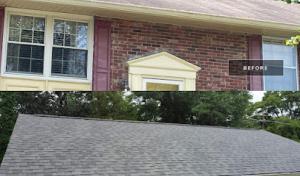
In this market, the fastest crews don't just tarp and be done; they can also handle a code-compliant replacement when the weather holds. Look for a crew that can stage tarping immediately after a storm and has a documented path to a full roof replacement that meets local building codes. A crew that can do both reduces the headache of juggling multiple contractors and minimizes the window of exposure to further weather damage.
Cleanup is a major local hiring priority. Homeowners notice when debris from a reroof filters into driveways, onto lawns, or even into neighboring yards. Prioritize crews who bring Friday-to-Friday cleanup plans, use magnetic rollers for nails, and promise daily site tidying. Ask for a written cleanup protocol and confirm how magnets, tarps, and containment will be deployed to protect landscaping and vehicles.
Established, locally owned firms have a visible presence, but not every crew with a truck qualifies. Look for a company with a stable local address, recent local projects, and verifiable references from nearby streets. The best teams keep communication tight during storms, provide a single point of contact, and offer clear progress updates as work advances from tarp to shingles.
Verify licensing and insurance coverage before any work begins. Confirm the policy includes general liability and workers' compensation. Ask whether the crew coordinates Columbia County permit and inspection steps, and whether a dedicated supervisor will be on site during critical phases. A responsive crew will provide proof of coverage and a transparent roster of on-site personnel.