
Last updated: Apr 19, 2026
June through November bring a hurricane season that sits atop frequent summer thunderstorms, creating a pattern of wind-driven rain and sudden leaks that catch unprepared homes off guard. This climate spike means roofs must withstand rapid shifts from calm to gale to downpour, often within a single afternoon. For older downtown structures with historic roofing elements and newer suburban homes alike, the risk isn't just about a single storm-it's about the recurring onslaught that tests sealants, flashing, and shingle granules week after week. If gutters clog or soffits trap moisture, the next hard rain can overwhelm a compromised area, and a small leak can cascade into attic mold, insulation degradation, and interior damage before you notice it.
The hot, humid subtropical conditions here accelerate asphalt shingle aging more than in drier markets, but every roof component pays a price when moisture is allowed to linger. Poor attic ventilation turns static heat and humidity into a direct vector for shingle warping, adhesive failure, and condensation on underlayment. In practical terms, that means attic vents and soffit intake must work in tandem with a properly sealed roof deck. If vents are blocked by insulation or debris, attic temperatures spike, accelerating aging and increasing the likelihood of ice dam-like issues during rare cooler spells. Regular checks should verify that ridge, gable, and soffit vents aren't obstructed, that attic insulation sits correctly to allow airflow, and that baffles remain in place to preserve airflow pathways. The result is a modest but crucial shield against moisture buildup that can otherwise stealthily compromise roof integrity.
Coastal humidity invites green growth on roofing surfaces, with algae and moss taking hold especially on tile and shaded areas of roofs. When growth is allowed to flourish, it traps moisture against the surface, gradually lifting, etching, or discoloring tiles and shingles. The longevity of tile roofs-whether clay or concrete-depends on timely cleaning and treatments that control organic growth without damaging the glaze or the underlayment. Shaded sections, porches, and tree-dappled areas are the first to show staining, but the moisture behind the growth can extend into the roof deck and rafters, inviting rot or pests over time. Even cosmetic issues carried by discoloration can mask deeper problems when moisture is hidden under the surface. Regular, proactive maintenance-visual inspections after storms, targeted removal of organic matter, and appropriate anti-fungal treatments-helps avert accelerated wear and preserves curb appeal.
Start with a candid roof inspection after major storms: look for lifted shingles, damaged flashing at chimneys and valleys, and signs of moisture intrusion in the attic, such as damp insulation or musty smells. Pay special attention to the underlayment near eaves and penetrations; these are common failure points when rain arrives with force. Ensure attic ventilation is balanced: intake through soffits or vents and exhaust through ridge or high-side vents should work in harmony, with no obstructions from insulation or debris. Reevaluate gutter performance-clear out debris, ensure downspouts discharge away from the foundation, and consider screens to reduce debris and moisture buildup along roof edges. For tile roofs, stay on top of algae or moss control with non-abrasive cleaners or treatments that are compatible with your tile type and warranty. And for roofs with mixed materials, coordinate maintenance so that flashing and sealants around transitions remain watertight, because a leak at a single seam can undermine an otherwise solid roof system. In this climate, a proactive, neighborhood-aware maintenance routine is your best defense against costly water damage and early material failure.
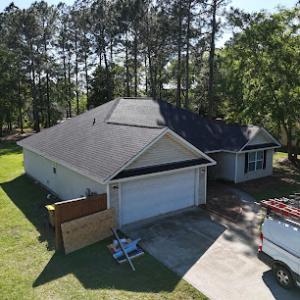
LowCo Roofing & Exteriors
1216 Waters Ave Suite C, Savannah, Georgia
5.0 from 173 reviews
LowCo Roofing and Exteriors is a roofing contractor in Savannah, GA & Bluffton, SC serving Beaufort, Bluffton, Guyton, Hardeeville and nearby areas. Our roofing company offers residential roofing, commercial roofing, roof repair, asphalt shingle roofing, and more. We also specialize in gutters, windows, siding, and more. Customers love us because of our comprehensive roof warranties and our affordable roof financing options. We also have industry affiliations and certifications such as GAF Certified Contractor & GAF coatings Pro. If you want to experience how your most trusted Savannah, GA and Bluffton, SC roofing company embraces our motto "Dont Be LOCO Call LowCo", call us now for a free estimate!
Designer Roofing & Restoration
(912) 913-8655 designerroofs.com
2 Mall Ct, Savannah, Georgia
4.9 from 205 reviews
Designer Roofing & Restoration, a Savannah-based roofing and home improvement company founded in 2014, is known for its top-notch services and comprehensive roofing solutions. As a certified roofing contractor, they specialize in residential and commercial roofing, offering a range of options, including all-metal roof systems, asphalt shingle roofing, and roof repair. In addition to roofing services, Designer Roofing & Restoration also offers siding, gutters, and window installation, providing homeowners with a one-stop solution for all their exterior home renovation needs.

South Shore Roofing
(912) 335-0400 www.southshoreroof.com
105 Wheeler St, Savannah, Georgia
4.9 from 485 reviews
At South Shore Roofing, we provide roofing services for homeowners, companies and corporations in Savannah, GA and all of its surrounding areas. Call us today! As one of the top roofing company in Savannah, GA with the best reviews on Google, BBB and Homeadvisor, we provide residential roofing services, commercial roofing services and storm damage roofing repair and Savannah roof replacement services. We provide a team of professionals for every kind of roof repair and installation you need. We are certified, insured and provide warranty for all types of roofing including shingles, flat, metal, tile, tpo, modified bitumen, pvc and epdm.
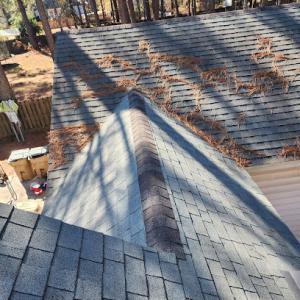
Professional Roofing Solutions
(912) 667-2225 roofingsolutionpros.com
541 Fort Argyle Rd, Savannah, Georgia
5.0 from 80 reviews
Professional Roofing Solutions is the top Georgia roofing company serving Savannah GA, Statesboro GA, Richmond Hill GA, and Hinesville GA markets. Our roofers specialize in Asphalt Shingles and Metal Roofing System. Our contractors are proficient at dealing with hail damage, and wind damage repairs as well as the installation of Gutters and various kinds of Siding projects.
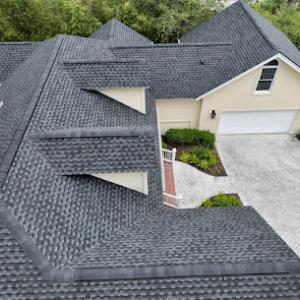
JCB Roofing
(912) 920-4364 www.jcb-roofing.com
31 Fort Argyle Ln, Savannah, Georgia
4.7 from 269 reviews
We provide Residential & Commercial Roofing Services for New Installations, Roof Repairs, Metal Roofs, Flat Roofs, TPOs, Skylights & much More! JCB Roofing has offered outstanding roofing services to our customers throughout the Savannah, Georgia & South Carolina Low Country areas for more than 20 years. We are fully licensed, bonded and insured to handle both residential and commercial projects in Low Country, Savannah, Brunswick, Statesboro, Hilton Head, Bluffton, Charleston and the surrounding areas. We are proud to say we use only the best materials & highly trained installers for every roofing project. Whether you are interested in a shingle, metal or flat roof, our team has the skill and experience necessary to get the job done right!
Talya Roofing
(912) 999-7989 talyaroofing.com
6606 Abercorn St Suite 119, Savannah, Georgia
5.0 from 35 reviews
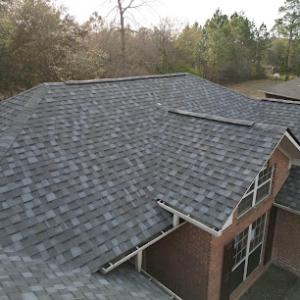
Talya Roofing is a licensed, insured roofing contractor serving Savannah and coastal Georgia. We handle residential and commercial roofing, storm damage & emergency roof repair, plus gutter and siding installation and repairs. Certified with Atlas Roofing, we offer free inspections, insurance-claims assistance and financing to simplify your project. Trusted for quality workmanship and responsive service — contact us for a free estimate and fast, reliable roof service.
Alpha Roofing Services
(912) 289-4937 www.alpharoofingusa.com
502 E Montgomery Cross Rd, Savannah, Georgia
4.8 from 86 reviews
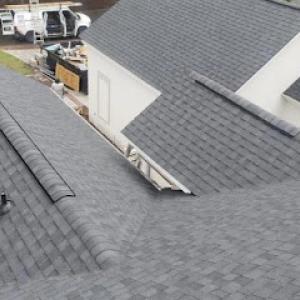
Alpha Roofing Services is a trusted roofing company providing reliable commercial flat roofing in Savannah, GA, for businesses and property managers. We also deliver dependable apartment roofing services designed to protect multi-unit properties. As a full-service roofing contractor, we handle repairs, replacements, and storm damage solutions using durable materials and skilled workmanship. We also supply quality gutter & downspout supplies to support proper drainage and long-term roof performance. With over 20 years of experience, we are licensed, bonded, and insured, offering dependable service and clear communication. Contact us today to schedule an inspection or request a quote.
Savannah Roofing Company
(912) 421-2679 savannahroofingco.com
1911 E 57th St, Savannah, Georgia
4.9 from 30 reviews
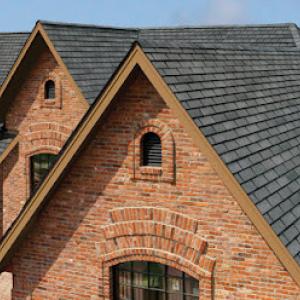
In search of a roofing company you can depend on in Savannah GA? Look no further than Savannah Roofing Company. We specialize in both residential and commercial roofing services. Backed by years of experience, we offer complimentary roof inspections to identify any potential issues. Whether it's a minor repair or a complete roof replacement, our skilled roofers are ready to handle it all with precision and expertise. In the unfortunate event of storm damage, we're your trusted roofing contractor for swift and reliable repairs. We understand the urgency of such situations and strive to provide prompt assistance to restore your home. Trust Savannah Roofing Company to protect your property.
Roof Medics Roofing
(912) 231-7338 roofmedicsroofing.com
Savannah, Georgia
4.8 from 64 reviews
Roof Medics prioritizes customer satisfaction. Known for top-notch service and honest pricing, we're a premier roofing company focused on delivering value and quality craftsmanship. With a mission centered on reliability, transparency, and excellent customer service at fair prices, Roof Medics provides peace of mind for all your roofing needs.
Integrity Roofing Solutions
(877) 676-6373 www.roof-crafters.com
109 Willow Rd, Savannah, Georgia
4.7 from 155 reviews
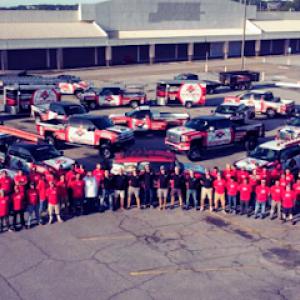
Our mission is to provide job opportunities for others to thrive, grow, and make a meaningful impact in our communities. We do so by helping guide you through your investment and providing an exceptional roof service experience. Our commitment is to provide you with an exceptional customer experience with the highest quality installations and warranties, at a fair price.
Altamaha Roof Restorations
(912) 620-4857 altamaharoof.com
100 Bull St Suite 200 - #2661, Savannah, Georgia
5.0 from 23 reviews
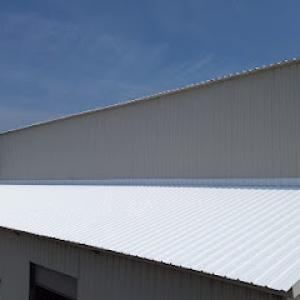
Most quotes will be completed within 24 hrs. We have solutions for all your commercial, industrial, agricultural roofing needs.
The Cool Roofing Company Savannah
(912) 513-8128 thecoolroofingcompany.com
22 Bull St suite 300, Savannah, Georgia
5.0 from 20 reviews
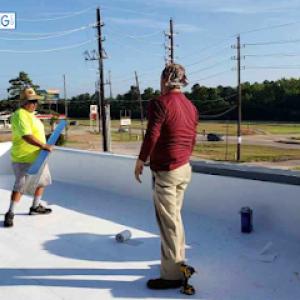
At The Cool Roofing Company Savannah, we’ve proudly served Savannah, GA, since 1998, offering over 25 years of roofing expertise. As the leading roofing company in Savannah, GA, we specialize in both residential and commercial roofing services, including roof replacement, installation, repairs, and inspections. We handle all roof types—shingle, metal, tile, cedar, EPDM, slate, flat, green, and TPO—ensuring your property gets the best solution. With prestigious awards such as A+ BBB and Duro-Last Master Elite, we take pride in our craftsmanship and customer satisfaction. If you’re searching for a reliable roofing company in Savannah, GA, reach out today for a free roof estimate and let us take care of your roofing needs!
The dominant roofing mix includes asphalt shingles, metal, clay tile, concrete tile, synthetic/composite shingles, and slate, reflecting both historic-home aesthetics and newer suburban construction. In this coastal Lowcountry climate, storm resilience and moisture management drive decisions year-round, not just during hurricane season. You'll see a broad range of profiles, from visually historic to modern clean lines, so select a material that matches your house's character while meeting performance needs.
Asphalt shingles remain a practical, middle-ground choice for many Savannah homes. They shed water readily when correctly installed with a solid eave and rake edge, and they're easier to retrofit with modern underlayment for moisture control. For a coastal setting, choose shingles with a roof deck underlayment that includes a high-performance, breathable vapor barrier and a proper ventilation plan to reduce heat buildup in attic spaces. Synthetic/composite shingles offer a similar install experience with sometimes enhanced impact resistance and lighter weight, which can be helpful on older structures or second-story additions. When replacing or upgrading, verify the product's wind resistance rating and ensure it integrates with existing flashing details around hips, ridges, and chimneys to minimize wind-driven moisture intrusion.
Metal has strong local relevance because coastal storm exposure makes wind performance and fast water shedding a major homeowner priority. Standing-seam or corrugated panels provide excellent resistance to wind and more reliable drainage, which helps during heavy downpours. Metal roofs tend to fare well with attic ventilation upgrades, because cooler roof decks reduce thermal cycling that can stress underlayment. If you're considering metal on a historic-looking roof, there are concealed fastener profiles and paint finishes that mimic traditional aesthetics while delivering modern performance. Ensure the metal system includes a continuous eave closure and well-sealed transitions at valleys and hips to prevent moisture intrusion during tropical downpours.
Heavy materials such as clay tile and concrete tile are especially relevant for architectural character, but their weight and moisture behavior require careful structural and flashing planning. Clay tile offers classic charm and good thermal performance, yet needs a robust deck and proper underlayment to handle humidity without warping around fasteners. Concrete tile shares many of the same benefits and drawbacks, with slightly better impact resistance in some shapes but still a heavyweight job. Ensure the structure can support the load, and work with a contractor who understands tile-specific flashing at penetrations, rake edges, and around chimney details. In humid months, verify that tiles are fully supported and not bridging on cracked or misaligned battens, as moisture can linger at seams.
Slate delivers durability and a refined look, but it brings substantial weight and cost. In Savannah's climate, slate requires precise structural assessment and a meticulous flashing plan at all transitions to manage moisture between tiles and underlayment. If a slate retrofit isn't feasible, a high-quality synthetic slate can mimic the appearance with improved weight characteristics and moisture handling. Regardless of choice, ensure attic ventilation, ridge and hip venting, and proper rainwater management to prevent moisture buildup in roof decks.
Whichever material you choose, a well-planned ventilation and flashing strategy is essential for storm resilience. Inspect and maintain gutters and downspouts to prevent water backing up into the roof edge, especially after tropical storms. For historic homes, preserve existing look by coordinating color and profile choices with flashing materials that honor the architectural details, while upgrading underlayment and ventilation to modern standards. In all cases, prioritize a roof system that sheds water quickly, resists wind uplift, and remains robust under prolonged humidity.
In Savannah, spring and fall are the preferred replacement windows because they avoid the worst summer heat and reduce the chance of hurricane-season weather interruptions. That combination helps a project stay on track without pushing crews into the peak heat or facing sudden tropical system delays. During these seasons, air and humidity are more manageable, which supports better installation conditions and a longer-lasting finish on vulnerable details like flashing and underlayment.
Late spring and hurricane season can create scheduling pressure not only from weather but also from permit and inspection backlogs at the city level. Weather fronts can roll in with little warning, and urban infrastructure needs can stretch contractor crews thin. If replacement work is planned for this period, expect tighter calendars and potential minor delays. Coordinate with a contractor who understands how weather windows and local inspection cycles interact, and build in a couple of flexible days for unexpected storms.
Spring thunderstorms can expose weak flashing and underlayment before peak summer humidity, so many homeowners discover replacement needs during that transition period. Thunderstorm-driven leaks often reveal themselves at roof valleys, chimney flashings, or around dormers that see daily sun and rain exposure. If a storm test reveals any moisture intrusion, treat it as a warning sign to evaluate the surrounding roof assembly holistically-underlayment integrity, vent seals, and edge details. Addressing these weaknesses in a calmer spring window helps prevent moisture that could accelerate rot or mold during humid months.
Before the heat arrives, perform a careful, ground-level inspection to identify missing granules, warped decking, or detached flashing. A deteriorating attic ventilation pattern compounds moisture problems once summer humidity climbs, so check soffit intake, ridge vents, and the balance of exhaust paths. If the roof shows widespread granule loss or sagging decking, replacement is typically more reliable than patching. In mixed housing stock-historic downtown roofs with older flashing setups and newer suburban builds with more modern venting-this evaluation should factor in how each style responds to coastal humidity and seasonal gusts.
During calm, dry periods, you can assess decommissioned or failed roof components without the pressure of a looming storm. Look for signs of moisture intrusion around skylights, along eaves, and at transition points where different materials meet. If multiple risk points exist, replacement often yields better long-term resilience than piecemeal repairs. As a practical rule, plan around a window with several dry days to allow proper deck and flashing preparation, installation, and curing. In a climate where humidity remains high year-round, ensuring proper moisture management during installation is essential for a durable result.
Get a clear picture of your project costs upfront - no commitment required.
LowCo Roofing & Exteriors
1216 Waters Ave Suite C, Savannah, Georgia
5.0 from 173 reviews
Designer Roofing & Restoration
(912) 913-8655 designerroofs.com
2 Mall Ct, Savannah, Georgia
4.9 from 205 reviews
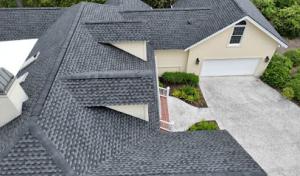
JCB Roofing
(912) 920-4364 www.jcb-roofing.com
31 Fort Argyle Ln, Savannah, Georgia
4.7 from 269 reviews
A full roof replacement in Savannah typically requires a building permit issued through the City of Savannah Development Services. This isn't something to treat as an afterthought or a courtesy check; it formalizes the work and helps ensure that materials, ventilation, and flashing meet local code and climate realities. The permit process tends to be most collaborative when the contractor provides drawings, venting details, and confirmation of underlayment suitability for coastal humidity. If a project seems to slip by without proper paperwork, the likelihood of later hurdles-rework for flashing, or discovered code gaps-will grow. Plan your timeline with permit submission as a hard anchor, not an optional step.
Savannah's process commonly includes inspections during and after the job to verify installation details and flashing, which makes sequencing with the contractor especially important. Inspections may check attic ventilation compatibility with the roof system, moisture barrier integrity, and proper seal around penetrations such as chimneys and vent stacks. Because coastal humidity and storm-driven moisture stress are real concerns, inspectors often pay close attention to flashing at eaves, valleys, and roof-to-wall transitions. Understanding this can help you coordinate access, scheduling, and any necessary corrective work before the contractor moves on to the next phase.
Homeowners should expect possible delays during late spring and hurricane season, when Development Services can experience permit and inspection backlogs. Those delays aren't just inconvenient; they can push critical weather windows for installation into less favorable conditions. When planning, align contractor milestones with anticipated permit review dates and set aside contingency time for inspections. If a backlog arises, stay proactive: maintain open lines of communication with both the permit office and the contractor, confirm required paperwork early, and document every inspection item as it arises to reduce back-and-forth.
In a coastal Georgia market where wind and hail events are a regular headache, the claims process hinges on documentation as much as on the damage itself. Carriers often expect extensive photo documentation before and after roofing work, so you should build a clear, chronological record. Keep dated pictures of all shingles, flashing, and vents, and note any preexisting wear. Your neighbors' roofs can help establish a baseline for typical local conditions, but avoid relying on secondhand observations-photos and notes from you carry real weight when a request comes in.
Adjusters in this area may request roof certifications and precise communication from the contractor about the scope and timing of work. A well-documented path of correspondence helps prevent gaps that could stall a claim. When you hire, ask for written confirmations of what will be inspected, the exact materials used, and the anticipated sequence of steps. If a certification is needed to close a claim, ensure your contractor provides a complete packet with photos of installed components, warranty details, and any code-compliant modifications that protect your roof against Savannah's humidity and seasonal winds.
State-level insurance rate increases are affecting policy terms, so review deductibles, wind coverage, and claim requirements before storm season. Speak with your agent about how higher hurricane-season deductibles are applied and whether wind-only riders are included in your policy. Understand what triggers a claim and what documentation the carrier expects for weather-related losses. With coastal exposure and historic housing stock in the mix, knowing these terms ahead of time reduces the risk of surprises when a storm tests your roof.
Beyond reviewing your policy, start assembling a simple claim folder now: recent roof photos, a contact list for your contractor, and a written summary of any preexisting concerns you've noted on your roof. After a storm, photograph the roof from multiple angles, capture attic and ventilation conditions, and document any moisture intrusion. If you detect damage, contact your insurer promptly and maintain a steady line of communication with your contractor to keep the claim moving swiftly and accurately.
Connect with contractors who help homeowners navigate the claims process from damage assessment to final approval.
LowCo Roofing & Exteriors
1216 Waters Ave Suite C, Savannah, Georgia
5.0 from 173 reviews
Designer Roofing & Restoration
(912) 913-8655 designerroofs.com
2 Mall Ct, Savannah, Georgia
4.9 from 205 reviews
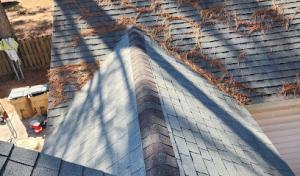
Professional Roofing Solutions
(912) 667-2225 roofingsolutionpros.com
541 Fort Argyle Rd, Savannah, Georgia
5.0 from 80 reviews
In this climate, you plan per-square costs with Savannah-specific ranges: asphalt shingles 350-650, metal 700-1600, clay tile 1000-2800, concrete tile 900-2400, synthetic/composite 600-1500, and slate 1400-3000. Costs are shown per square, and weather-driven demand can push those numbers higher when a coastal storm hits and crews are in tight supply. When budgeting, assume a conservative middle-ground for contingencies, especially if storm season overlaps with a project window.
Coastal weather events tighten labor availability and extend re-roofing timelines. After a hurricane or tropical storm reach, you may see scheduling delays as crews shift to urgent repairs, and material lead times lengthen for specialty products. In Savannah, that often translates to higher temporary labor costs and potential weekend or after-hours work to meet critical weatherproofing needs. Build a cost cushion for both material delivery lags and a longer-than-typical install period.
Historic-style homes, complex rooflines, and heavier premium materials common in parts of Savannah can increase labor intensity compared with straightforward suburban shingle replacements. A steep or multi-faceted roof, dormers, copper accents, or decorative detailing adds risk for wraparound cornices or tile work, which can raise both labor hours and waste disposal needs. If choosing tiles or slate, expect higher per-square costs but also longer durability in humid, wind-prone seasons. Synthetic options can offer a balance of weight and installation ease, often reducing labor time while keeping performance solid in year-round humidity.
Beyond material selection, plan for moisture management with attic ventilation, vapor barriers, and properly sealed underlayment. In Savannah's humidity, moisture control curbs corrosion, mold risk, and roof deck deterioration that can undermine a replacement. If a historic roof requires matching profiles, budget for careful fit and finish work to preserve curb appeal while maintaining hurricane-season resilience.
Savannah's frequent heavy rain makes low-slope drainage details especially important on additions, porches, and mixed-roof homes where water can linger after storms. Flat or near-flat sections invite standing water and can seep into underlayment and flashing if a drip edge isn't properly integrated with the parapet or overhang. When an addition shares a roof with an older structure, mismatched slopes or memory-set gutters create pockets where moisture can stagnate for hours. In practical terms, you want a deliberate, well-graded slope, clear runoff paths, and positive drainage away from walls. Make sure any new low-slope connection uses a continuous waterproof layer that transitions cleanly into the existing roof system, with no abrupt step where water can trap.
Repeated thunderstorm exposure increases the importance of flashing quality around skylights and roof penetrations, which are common leak points during wind-driven rain. Skylight curb flashing, step flashing at dormers, and roof-to-wall transitions should be inspected after each major storm front. In Savannah's climate, sealants age quickly under UV and humidity, so look for hairline cracks, cupping, or missing mastic. When you replace or reseal, choose products with proven resilience to salt-air exposure and high humidity. A tight hardware install matters just as much as the flashing itself; a loose mounting or poorly seated curb invites leaks as soon as wind-driven rain finds the seams.
High humidity means small flashing failures can turn into persistent moisture problems faster than in inland climates. Look for signs of dampness along roof lines, staining on interior ceilings near skylights, or musty odors that travel along ceiling planes. Condensation on interior surfaces can mask slow leaks that feed mold growth in concealed cavities. Prioritize a robust air-sealed envelope around penetrations and ensure attic ventilation remains balanced to keep dew point behavior in check. Regular, targeted checks after the wettest months help catch issues before they spread.
Find specialists in TPO, EPDM, and built-up flat roofing systems for residential and commercial properties.
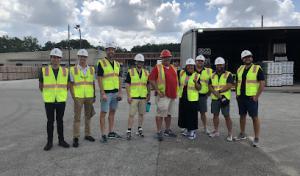
South Shore Roofing
(912) 335-0400 www.southshoreroof.com
105 Wheeler St, Savannah, Georgia
4.9 from 485 reviews
JCB Roofing
(912) 920-4364 www.jcb-roofing.com
31 Fort Argyle Ln, Savannah, Georgia
4.7 from 269 reviews
Alpha Roofing Services
(912) 289-4937 www.alpharoofingusa.com
502 E Montgomery Cross Rd, Savannah, Georgia
4.8 from 86 reviews