
Last updated: Apr 19, 2026
Late summer through fall is when the Atlantic storm season hits hardest for a coastal city like this. You'll feel the difference in pressure as wind-driven rain pours against rafters and eaves, and you'll notice that even storms that don't land directly can throw long rain bands and gusts. These conditions relentlessly test flashing details, ridge lines, and the aging shingles that already show wear. If you're hearing increased rain intrusion or seeing shingles flutter in gusts, treat it as an urgent signal that the roof's protective layers are under strain and needs swift attention.
Brunswick's coast exposes roofs to salt air and higher humidity, which accelerates corrosion on metal flashings and fasteners, and softens underlayment where leaks begin. The most vulnerable areas are weak flashing around chimneys and vents, ridge cap seams, soffits where ventilation has deteriorated, and older shingle courses that have lost granules. When storms push rain sideways, these points become entryways for water. A small dip in the roof deck or a loose shingle can become a major leak after a few hours of persistent rain. Prioritize inspection of these zones after any wind event, even if the damage isn't obvious from the ground.
If a hurricane warning is in effect or the forecast is showing heavy rain bands, perform a rapid, practical check of the most critical areas: look for lifted flashing, missing caps, or shingles with visible curling at the edges. If you find moisture on the attic sheathing or warm spots along the attic vent pathways, seal with temporary tarping and cover any obvious gaps with durable roofing tape or waterproof membrane until a professional can arrive. Keep a clear path to the worst-affected area for emergency crews or contractors so response times stay short. Do not delay temporary repairs if you sense active intrusion-timely action can massively reduce interior damage.
After a storm, immediate triage becomes essential. Prioritize tarping over vulnerable roof sections to prevent further water intrusion during residual rain bands, then secure any protruding vent pipes or chimney flashing that could worsen leaks with subsequent gusts. Insurance-claim support remains a central need, so gather photographs of impacted areas, dated weather reports, and a concise note of where water entered. Local contractor signals show unusually strong demand for emergency repair and storm-damage work, indicating that a prompt, documented response improves claim outcomes and overall recovery time.
This coast-facing environment means upgrading for wind resistance and moisture management should be a planning priority. Focus on reinforcing flashing integrity, upgrading ridge vent systems to sealed, high-wind models, and selecting roofing materials proven to withstand seasonal humidity and salt exposure. If a roof is approaching the end of its service life, consider materials with enhanced wind resistance and shore up fastener patterns to reduce lift risk in future storms. Planning with a proactive, storm-ready mindset now saves victims of later, more chaotic post-storm scenarios.
Find local contractors experienced in assessing and restoring roofs after hail, wind, and severe weather events.
Platinum Roofing
(912) 250-7663 platinumroofpros.com
2917 Scarlett St, Brunswick, Georgia
5.0 from 124 reviews
MLW Roofing
(912) 464-7207 www.mlwroofingssi.com
2717 Glynn Ave, Brunswick, Georgia
5.0 from 22 reviews

Integrity Roofing Solutions
(877) 676-6373 www.roof-crafters.com
19 Amber Mill Ct, Brunswick, Georgia
4.8 from 51 reviews
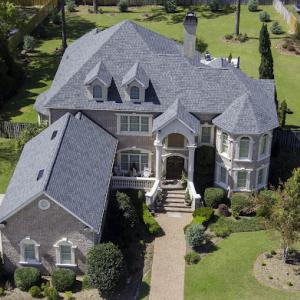
Platinum Roofing
(912) 250-7663 platinumroofpros.com
2917 Scarlett St, Brunswick, Georgia
5.0 from 124 reviews
We are Platinum Roofing, Brunswick's trusted and fully insured roofing contractor. As a Nation's Top 100 Roofing Contractor, we specialize in Residential Roof Replacement, Storm Damage Repair, and Commercial Roofing (TPO/PVC) for homes and businesses throughout the Golden Isles. We are certified CertainTeed Select ShingleMasters, Owens Corning Platinum Preferred, and Duro-Last certified. With over 5,000 roofs installed and 0% Interest Financing available, we are the clear choice for your project.
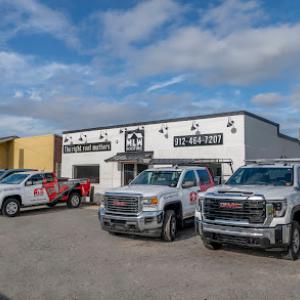
MLW Roofing
(912) 464-7207 www.mlwroofingssi.com
2717 Glynn Ave, Brunswick, Georgia
5.0 from 22 reviews
MLW Roofing is the trusted roofing contractor in Brunswick, GA, proudly serving St. Simons Island and nearby communities. We specialize in storm damage repairs, full roof replacements, and expert installations of metal and asphalt shingle roofs. Our team also provides professional commercial roofing services, including flat roof maintenance, TPO, and other membrane systems. Whether you need urgent repairs or a long-lasting roofing upgrade, MLW Roofing delivers reliable solutions with quality craftsmanship.
Integrity Roofing Solutions
(877) 676-6373 www.roof-crafters.com
19 Amber Mill Ct, Brunswick, Georgia
4.8 from 51 reviews
Our mission is to provide job opportunities that help others thrive, grow, and make a meaningful impact in our communities. We do so by helping guide you through your investment and providing an exceptional roof service experience. Our commitment is to provide you with an exceptional customer experience with the highest quality installations and warranties, at a fair price.

Atom Roofing & Construction
2180 Perry Lane Rd # 109, Brunswick, Georgia
5.0 from 14 reviews
Atom Roofing & Construction provides expert roof repairs, replacements, and installations across South and Coastal Georgia. We deliver high-quality craftsmanship, reliable service, and durable solutions built to withstand Georgia’s toughest weather. Our team is committed to honest communication, customer satisfaction, and timely project completion, ensuring your home stays safe, secure, and looking its best.
JCB Roofing Company
(912) 920-4364 www.jcb-roofing.com
139 Altama Connector, Brunswick, Georgia
4.8 from 28 reviews
Commercial & Residential Roof Services for New Installations, Roof Repairs, Metal Roofs, Flat Roofs, TPOs, Skylights & much More! JCB Roofing has offered outstanding roofing services to customers throughout the Savannah, Georgia & South Carolina Low Country areas for more than 20 years. We are fully licensed, bonded and insured to handle both residential and commercial projects in Low Country, Savannah, Brunswick, Statesboro, Hilton Head, Bluffton, Charleston and the surrounding areas. We are proud to say we use only the best materials and highly trained installers for every roofing project. Whether you are interested in a shingle, metal or flat roof, our team has the skill and experience necessary to get the job done right!
Dasch & Sons Construction
(912) 267-4258 www.daschandsons.com
300 Wrangler Rd Suite 133, Brunswick, Georgia
4.8 from 16 reviews
Dasch & Sons Construction is a family-owned business, built on a legacy of craftsmanship passed down from one generation to another. We specialize in the following: Roofing & Siding, Remodeling & Renovations, General Maintenance & Repairs, Framing & Carpentry, Flooring Installation, Window & Door Installation, Demolition & Site Prep, Decks & Patios.
Brunswick Roofing Company
(912) 372-5860 brunswickroofingcompany.com
Brunswick, Georgia
4.9 from 15 reviews
In Brunswick Roofing Company, your satisfaction is our top priority. In fact, it’s more than just that we’re after. We hope that when we’ve finished doing the job for you, you’re so happy about the results that you program our number into your phone should you ever need it again, or to simply refer us to someone you know that is also looking for what we do.
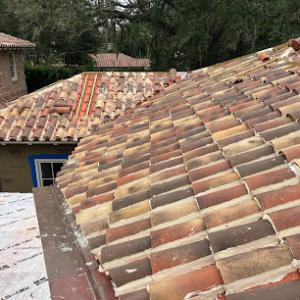
Atacama Roofing
(912) 766-3464 www.atacamaroofing.com
2937 Scarlett St, Brunswick, Georgia
5.0 from 9 reviews
Backed by over 130 years of combined industry experience, Atacama Roofing delivers proven craftsmanship and personalized service you can count on. Our team has led commercial, residential, and specialty roofing projects throughout the Southeast. We also provide custom roofing solutions for industrial, medical, and institutional facilities—always delivering the best-in-class systems tailored to each project. Proud to call this community home—we look forward to earning your trust, one roof at a time. Call 912-ROOFING to schedule a FREE roof inspection today.
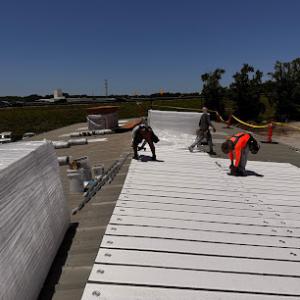
Alpha Roofing Services
(912) 289-4937 www.alpharoofingusa.com
4345 Community Rd, Brunswick, Georgia
4.9 from 9 reviews
Alpha Roofing Services is a full service Georgia and South Carolina licensed Roofing Contractor. We have been proudly serving South Georgia and Coastal South Carolina with residential and commercial Roofing Services for over 20 years! Our services include new Roof Installations and Roof Repairs for Shingle Roofs, Metal Roofs, Flat Roofs, TPO Roofs, Skylights & much more! We only use the best materials and highly trained installers for every project. Our areas of service include Brunswick, GA, Saint Simons Island, GA, Jekyll Island, GA, Sea Island, GA, Waycross, GA, Hinesville, GA, Statesboro, GA, Savannah, GA, Hilton Head Island, SC, Bluffton, SC, Beaufort, SC and Charleston, SC. Call us Today for a Free Roof Inspection!
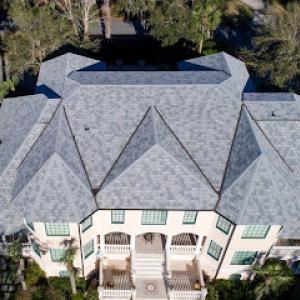
Coastal Georgia Quality Roofs
(912) 268-0486 coastalgeorgiaqualityroofs.com
Serving
5.0 from 23 reviews
Coastal Georgia Quality Roofs proudly serves the Glynn, McIntosh and Camden county areas. We specialize in designer, professional residential roof replacement and insurance storm restoration.
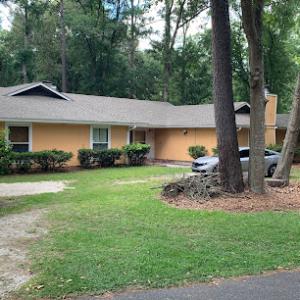
Cutright Roofing
(912) 230-0654 www.cutrightroofing.com
Serving
4.8 from 17 reviews
Protect your largest investment with the reliable roofing services of Cutright Roofing. We are a locally owned and operated roofing company currently serving Saint Simmons Island, GA and surrounding communities. If you want to make your roof last as long as possible, it is vital that you never put off a roof repair. Small issues with roofing become big issues in a hurry. No matter how major or minor the repair you need, we are here to help. Our services include new roof, roof repairs, and asphalt shingles. Call today for a Free Estimate.
Prodigy Roofing
(912) 955-9038 georgiaroofs.com
Serving
5.0 from 7 reviews
At Prodigy Roofing, we pride ourselves on being the go-to roofing experts in Georgia. With two convenient locations in Greensboro and St. Simons Island, we are able to provide top-notch service throughout the state. Whether you need a roof repair or a full replacement, we guarantee trustworthy and high-quality workmanship. You can rely on us to take care of your roofing needs from start to finish, and we always make sure to leave the job site clean. At Prodigy Roofing, your satisfaction is our top priority.
Brunswick's residential roofs lean heavily on asphalt shingles and metal, with tile and synthetic options sprinkled in. That mix matters because coastal humidity and salt exposure change how these materials perform, layer by layer. Asphalt shingles are common thanks to affordability and straightforward repair, but in salt-laden air they benefit from a strong, sealed underlayment and solid wind-rated shingles. Metal is a prevalent choice for long-term wind resistance and low maintenance, provided the panels and fasteners are corrosion-resistant and installed with coastal detailing. Tile and synthetic shingles exist, yet each responds differently to Brunswick's humidity and heat: tiles tolerate wind well if properly anchored, while synthetics can resist salt spray but vary by brand in terms of expansion and UV wear. Wood shingles and shakes also show up, but the hot, wet summers and frequent rainfall push these toward the higher-maintenance end.
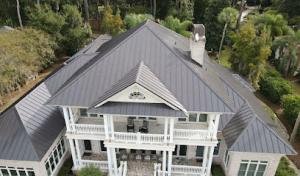
Metal roofing is especially relevant in this market, where contractor specialization is active and homeowners often weigh higher upfront cost against coastal wind performance and lower maintenance frequency. If you're eyeing metal, focus on components designed for salt exposure: cupped edge seals, corrosion-resistant fasteners, and a color-coated finish that resists chalking from the sun. A standing-seam system with concealed fasteners can reduce snag points at wind-driven edge gusts, which matter in hurricane season. Look for a coating system rated for salt spray and a warranty that covers both panels and penetrations (vent stacks, skylights) against rust and fading. In practical terms, metal shines on roofs with complex shapes or long spans where fewer penetrations and lighter weight translate to quicker, cleaner installation and fewer mid-life repairs.
Asphalt shingles stay common because you'll find reliable warranty coverage and easy field repairs, which is comforting when coastal conditions push you toward a fast fix after a storm. To maximize coastal performance, choose a high-wind-rated shingle and ensure the roof deck is solid and dry-before-lay. Pay attention to the attic side: adequate ventilation and a robust underlayment protect the roof from humidity-driven issues like mold and deck rot. In salty air, you'll want corrosion-resistant flashing and sealant, plus periodic inspection for any lifted edges after stiff Atlantic winds. If you're replacing one section or the whole roof, a uniform shingle profile with good weight-to-wind resistance helps maintain a tight water barrier during heavy rain bursts.
Clay and concrete tiles can offer long lifespans and good wind performance when properly installed and not over-ventilated by weak substructures. They're heavier, so structural checks matter; ensure the deck and trusses are rated for the load and that fasteners are corrosion-resistant. Synthetic shingles mimic many benefits of tile or wood without some of the moisture sensitivity, but brand-to-brand variation exists. Look for products with moisture resistance testing and warranties that address shrinkage or expansion in Brunswick's heat. If your climate's humidity climbs, verify that the chosen synthetic won't warp or delaminate under salt-laden spray and frequent downpours.
Wood options are available, but the moisture environment makes maintenance more demanding. Expect more frequent cleaning, sealant reapplication, and potential rot checks in the valleys and eaves. If you pursue wood, select pressure-treated or naturally rot-resistant species, and plan for a high-quality sealant system and regular inspections after heavy rains or coastal storms. A tight installation with proper venting and a solid underlayment remains essential to delay moisture intrusion.
Explore specialists in steel, aluminum, and standing seam metal roofs built to last 50 years or more.
MLW Roofing
(912) 464-7207 www.mlwroofingssi.com
2717 Glynn Ave, Brunswick, Georgia
5.0 from 22 reviews
JCB Roofing Company
(912) 920-4364 www.jcb-roofing.com
139 Altama Connector, Brunswick, Georgia
4.8 from 28 reviews
Brunswick Roofing Company
(912) 372-5860 brunswickroofingcompany.com
Brunswick, Georgia
4.9 from 15 reviews
When the storm season has just passed, you're likely to see pricing shifts across the market. In this market, asphalt shingles run roughly from $360 to $640 per square, metal roofing from $800 to $1,400 per square, clay tile from $1,000 to $1,900 per square, concrete tile from $900 to $1,600 per square, wood shingles or shakes from $550 to $900 per square, and synthetic or composite shingles from $600 to $1,000 per square. Those ranges reflect Brunswick's exposure to surge demand, insurance scheduling quirks, and the competition for limited material stock right after a hurricane or tropical event.
In Brunswick, after a tropical weather event you'll notice two cost drivers. First, emergency demand tightens the supply chain: crews, deliveries, and even basic shingles may be in higher demand. Second, insurance-driven scheduling creates a backlog that can push replacement timelines and, in some cases, the trim and underlayment components needed to keep a roof storm-ready. Expect estimates to come in a bit higher than the same-project pricing you saw during the calm months, even if the materials themselves aren't dramatically more expensive. Planning with those realities in mind helps prevent sticker shock when you're ready to move.
If you're leaning toward asphalt, plan for a wider window of pricing volatility but know your cost anchor is still the $360 to $640 per square range. Metal roofs, already popular for wind resistance, may edge toward the upper end more consistently after a storm because of demand for metal panels and fasteners. Clay and concrete tiles, while durable, can see price movement tied to supply of long-lead items and regional demand; clay tile often lands in the $1,000 to $1,900 per square band, while concrete tile sits around $900 to $1,600. For wood shingles or shakes, the post-storm premium is less about the material itself and more about securing experienced crews for coastal installations. Synthetic or composite shingles maintain a middle ground, typically $600 to $1,000 per square, but with installation timing sensitive to crew availability.
If a hurricane season has just ended and you're evaluating a roof project, build a cushion into your budget for a few reasons: elevated travel and crew costs, possible weather-related delays, and a longer wait to secure the exact materials you want. Call multiple local crews for a few staggered start dates to compare not just the price but the proposed schedule and the level of moisture protection they include in the warranty. Weather-resilient underlayment, upgraded fasteners, and wind-rated vent seals can add to the initial quote but save long-term headaches-and potential insurance concerns-down the line.
In Brunswick, roof pricing can rise after tropical weather because emergency demand, insurance-related scheduling, and material competition all intensify during and after hurricane season. If your project is a full replacement, you'll notice administrative and project-management costs moving with the total job scope more than with a flat roofing-only fee. Keep that in mind when comparing bids: a lower upfront price may come with longer lead times or fewer protective details, while a higher quote could secure swifter scheduling and more comprehensive storm-ready features.
Don't let upfront costs delay a critical repair - these contractors offer payment plans to fit your budget.
Platinum Roofing
(912) 250-7663 platinumroofpros.com
2917 Scarlett St, Brunswick, Georgia
5.0 from 124 reviews
Integrity Roofing Solutions
(877) 676-6373 www.roof-crafters.com
19 Amber Mill Ct, Brunswick, Georgia
4.8 from 51 reviews
For Brunswick properties, a full roof replacement typically requires a building permit through Glynn County rather than being handled as an informal contractor-only process. That process ensures the project aligns with local wind-resistance standards, coastal drainage considerations, and hurricane-season requirements. When a permit is in place, your roof rebuild is anchored to the county's codes for wind load and moisture management, reducing the risk of leakage and future failure.
The local permit submission generally includes project scope, roofing materials, and wind-related considerations, which is especially important in a coastal jurisdiction exposed to hurricane conditions. You'll typically need a clear description of the replacement plan, the type and class of shingles or panels, underlayment details, fastener types, and any venting or edge metal components. If there are any transitions from existing to new materials (for example, from asphalt to metal or tile), include those details. The county often requires confirmation that the chosen roofing system meets the applicable wind-speed provisions for Glynn County, so gather product data sheets and installation guides to attach with the application.
Along with the project scope and materials list, expect to provide site diagrams or roof plans that show existing penetrations, ventilation, chimney locations, and skylights. If debris containment or disposal is part of the work, outline how that will be handled. Some teams also submit a simple load path narrative, explaining how the new roof assembly will transfer wind forces to the structure. Having these items organized can help smooth the review and reduce back-and-forth during the process.
Inspections are commonly performed after tear-off at rough-in and again at final completion. An inspector will verify tear-off containment, proper nailing patterns, underlayment installation, and the correct placement of fasteners and flashing. The timing of issuance can take several days to a couple of weeks depending on department workload. While waiting, keep the job site accessible for the inspector and have contact information up to date in case the department needs to schedule follow-ups. If weather delays occur, coordinate with the contractor to anticipate revised inspection windows.
Coordinate early with your contractor about wind-rated components and hurricane-season readiness so the permit content accurately reflects the chosen system. Don't initiate work without approval, since blowing a permit can complicate insurance and occupancy issues later. After approval, maintain neat documentation of progress and retain all manufacturer certifications and installation instructions for potential future inspections or disclosures.
Coastal Georgia, including Brunswick, has seen above-average wind and hail claim activity during hurricane season, making roof age and condition more consequential for underwriting than in many inland markets. Homeowners should treat a roof's current state as part of long-term risk, not a cosmetic detail, because insurers will weigh how well the structure resists gusts and moisture when a storm arrives.
Insurers in this region may request detailed documentation on wind-related enhancements and roof deck condition, so Brunswick homeowners benefit from keeping photos, permit records, and installation details organized before storm season. A well-organized file helps demonstrate that upgrades-such as better fasteners, clips, or correspondingly robust decking-are in place and up to the current expectations for wind-rated performance.
Because premiums and claim outcomes can shift based on roof type and age in coastal Georgia, Brunswick homeowners often have stronger insurance incentives to replace aging roofs before visible failure becomes severe. When shingles curl, granules shed, or flashing shows wear, the risk profile rises for wind-driven leaks and interior damage, which can complicate claims and extend restoration times after a storm.
In this area, wind pressure can lift shingles and pry open seams, while salt air and frequent rain corrode fasteners and deck interfaces. A proactive approach focuses on sealing vulnerable edges, maintaining valley and ridge lines, and ensuring the attic is properly ventilated to manage moisture that travels with heavy downpours. Small upgrades now can translate into fewer headaches when a hurricane edges close to shore.
A Brunswick home should be evaluated with the intent to document every improvement that enhances wind resistance and water shedding. Prioritize visible wear, flashing integrity, and roof-to-wall connectors, and keep a current record that aligns with what an insurer would want to review if a storm strikes. A measured, neighborly approach now can reduce surprises when the forecast calls for a direct hit.
Connect with contractors who help homeowners navigate the claims process from damage assessment to final approval.
Platinum Roofing
(912) 250-7663 platinumroofpros.com
2917 Scarlett St, Brunswick, Georgia
5.0 from 124 reviews
MLW Roofing
(912) 464-7207 www.mlwroofingssi.com
2717 Glynn Ave, Brunswick, Georgia
5.0 from 22 reviews
Integrity Roofing Solutions
(877) 676-6373 www.roof-crafters.com
19 Amber Mill Ct, Brunswick, Georgia
4.8 from 51 reviews
In this market, salt air and frequent rainfall create a roof environment where small flashing defects can turn into recurring leak problems faster than in drier Georgia cities. Water tends to travel along eaves and hips, riding under edge metal, shingles with lifted tabs, or poorly sealed attic penetrations. Look for staining along fascia, dark damp spots on interior ceilings near exterior walls, and sudden attic warmth that hints at hidden moisture behind decking. Leaks often appear first after heavy rain or when wind drives spray under vent flashings, dormers, or chimney bases. Knowing this pattern helps you pinpoint trouble spots before they become larger repairs.
Brunswick homes rely on many open-vent and roof-penetration details to manage humidity. Small flashing defects near exhaust stacks, skylights, and valley intersections can ooze water during the frequent downpours of a hot, wet summer. Debris-packed gutters and clogged scuppers also force water to seek alternate paths, sometimes into soffits or under decorative cladding. If decking shows any ply discoloration, soft spots, or a musty odor after storms, address the source quickly. In this climate, a tight seal around penetrations and a continuous, corrosion-resistant flashing path are essential to keeping moisture out.
Spring thunderstorms and high humidity can interrupt installation schedules in Brunswick, which affects tear-off timing and can extend project duration if crews are trying to avoid exposing decking before another rain event. Dry installation windows shift with tropical humidity and sea breeze-driven fronts, so plan ahead for possible pauses. Even mild winters do not eliminate disruptions, because frequent rain events and occasional cold fronts still make dry installation windows less predictable than homeowners often expect. Expect occasional weather-driven delays and build a contingency around sealant cures and protective coverings during intervals between rain events.
Find contractors experienced in skylight installation, flashing, and leak repairs to bring natural light into your home.
JCB Roofing Company
(912) 920-4364 www.jcb-roofing.com
139 Altama Connector, Brunswick, Georgia
4.8 from 28 reviews
Alpha Roofing Services
(912) 289-4937 www.alpharoofingusa.com
4345 Community Rd, Brunswick, Georgia
4.9 from 9 reviews
This coastal market prioritizes quick response and thorough cleanup, a reflection of emergency leak calls and storm debris common after late-summer storms. When a contractor answers promptly, it's a signal of organized crews who can handle Wilmington-area weather patterns and the rapid turnover of repairs after a storm. Look for firms that advertise 24/7 storm response, mobile crews, and clear communication channels for urgent calls.
Re-roofing is more common than new-construction work among active local contractors, so you should expect a focus on replacement and repair know-how rather than builder-only teams. Seek out roofers with documented experience in asphalt shingles, metal, or tile, depending on your chosen material, and ask for recent project photos that show handling of wind-driven rain and coastline moisture. Insist on contractors who can demonstrate navigation of insurance coordination when a claim is involved.
The strongest recurring service themes are storm response, insurance coordination, and post-job site cleanliness. Verify that the contractor has a local address and a stable phone line, not just a mobile number. Request references from local homes impacted by recent storms and ask about how the crew protected landscaping, cleared debris, and minimized disruption during the replacement. Check whether they use drop cloths, steel toe boots, and proper containment for debris to keep the yard clean.
Coastal homes in Glynn County demand crews that understand salt air, high humidity, and wind-driven rain. Ask candidates to explain their method for securing underlayment against moisture, bracing for high winds, and protecting vents and skylights during replacement. Clarify who manages cleanup and tarping, and whether the same crew returns for any follow-ups or warranty work.
Prioritize contractors with a clear written plan for storm-season contingencies, transparent communication during adverse weather, and a track record of responsible, tidy post-job cleanup. Schedule on-site assessments after a storm or heavy rain to gauge responsiveness, and insist on a detailed written scope, wind-resistance considerations for the chosen material, and a dependable warranty framework.
The coastal setting in Glynn County means roofs contend with salt-laden air, high humidity, and repeated wetting cycles. Salt can corrode fasteners and flashings, while moisture fluctuations promote mold, rot, and deck deterioration if degradation isn't addressed. In this environment, shingles must resist both prolonged dampness and wind-driven spray, which differ from inland Georgia conditions. A roof that breathes well, drains efficiently, and dries quickly after rain will age more gracefully under these coastal stresses.
Hurricane-season timing shapes replacement decisions in this market. Late-summer and fall weather volatility makes it prudent to align major roof refreshes away from peak storm windows, while ensuring materials and fasteners are rated for high-wind events. Scheduling around the Atlantic hurricane pattern reduces the risk of rushed workmanship under dangerous conditions and helps preserve structural integrity during severe weather. Insurer expectations often reflect the reality that coastal roofs must perform reliably through seasonal wind and rain, so proactive planning matters more here than in more inland markets.
Material choice matters beyond aesthetics because it directly influences wind resistance, moisture management, and long-term durability under coastal scrutiny. High-wind performance requires fasteners, clips, and underlayments that resist salt-induced corrosion and uplift. Moisture-retardant underlayments, properly lapped flashing, and corrosion-resistant hardware become essential. The local mix of exposure and climate means certain coverings-such as systems with robust wind ratings and moisture control capabilities-will age differently than those common inland. When evaluating materials, consider not just appearance but how the product responds to salt air, humidity swings, and the potential for rapid weather shifts during hurricane season. A well-chosen roof can look and perform better for decades if it prioritizes coastal performance, reliable fasteners, and thoughtful integration with roof deck and ventilation.