
Last updated: Apr 19, 2026
In the thick heat and humidity of summer, shingles are tested by frequent thunderstorm activity that rolls through the area. Wind gusts push on edges and corners, lifting loose shingles and shifting ridge materials enough to expose underlayment and decking to moisture. That recurring pattern-wind-lifted shingles, blown ridge caps, and sudden leaks during the warm season-creates a rhythm you'll recognize year after year. The risk isn't only a single storm; it's the cumulative wear from repeat events that makes early detection and fast action essential. When a storm rolls through, glance at the roof edge as soon as it's safe to do so, and set expectations for rapid assessment if you notice any lifted tabs or granule loss on asphalt shingles. Proactive monitoring during heat waves can prevent bigger problems once the next front arrives.
Fall in this inland region still brings the stray mechanism of coastal weather, and the wild swings can disrupt a planned repair window with sudden, storm-driven calls. In a town where the market is keyed to fast-response residential re-roofing and storm claims, a single windy day can cascade into multiple urgent projects. That means scheduling becomes a moving target: you may need to prioritize urgent temporary measures to seal leaks, then re-schedule a full replacement after the system settles. Prepare for interruptions: crew availability can drop, and wait times may stretch when storms travel inland or when back-to-back events hit. Staying flexible with timing helps you protect interior spaces and preserve the roof's integrity until a longer-term fix can proceed.
Storm damage and emergency repairs are among the most active specialties in this market, signaling homeowners commonly need rapid post-storm response rather than only planned replacements. When a storm passes, expect contractors to respond with triage-style assessments, emergency tarps, and temporary shingle stabilization to curb interior leaks. The fastest path to reliability is to have a trusted contractor ready to mobilize within hours of daylight on a dry day. You should understand who can provide same-day or next-day on-site evaluation and what response packages they offer. In this environment, the best practitioners keep a clear workflow for insurance documentation, temporary repairs, and a concrete plan for a permanent fix that aligns with the senior weather pattern of the area.
After any thunderstorm, inspect the attic for daylight or damp spots, and check ceilings for new stains from leaks. If ladders are needed, use a second person to stabilize and avoid overreaching. Capture high-quality photos from ground level and from reachable roof points, documenting debris, missing shingles, or lifted edges. Contact your chosen storm-response contractor for a rapid on-site assessment, and begin gathering basic information that will help with documentation-dates of storms, known gusts, and any prior repairs. If leaks are present, place temporary tarps or buckets, prioritizing minimal interior damage while awaiting a more thorough fix. In this climate, decisive, early action is the best defense against escalating water intrusion and accelerated deck or fascia wear.
As soon as the weather allows, convene with a storm-focused contractor to determine triage priorities: secure, seal, and stabilize; then plan for a full roof evaluation and replacement path if needed. Expect a tight timeline in the wake of storms when insurance documentation and rapid repair are in demand. Your goal is to move from immediate containment to a predictable repair schedule that minimizes further exposure to heat and humidity, while keeping the interior protected and the exterior weather-tight as subsequent weather systems move through.
After a thunderstorm that rattles shingles or blows branches across a roof, you start with safety and documentation. Inspect from the ground for obvious issues, then wait for a dry, safe window to climb only if you're comfortable. In Orangeburg, wind and hail damage can leave misshapen shingles, lifted edges, or granules in gutters. The key is to move quickly but methodically: photograph the roof edge, any loft or attic leaks, and exterior walls where water enters. Time-stamped photos help establish when damage occurred and support later claims. If you've had prior repairs, catalog those records alongside new storm damage so an adjuster can see current wear versus fresh impact.
Adjusters commonly perform on-site assessments after storms, so prepare for that visit. Gather prior repair receipts, contractor notes, and any leak history you can verify with date stamps. Documentation should cover roof age, material type, and notable wear patterns that could affect how a claim is reviewed. In practice, the more you can show about pre-existing conditions, the clearer the claim picture becomes. Keep a log of when leaks were first noticed, where they appeared, and whether interior signs of damage appeared in living spaces or ceilings. This level of detail helps the adjuster understand what is due to the storm versus what was already deteriorating.
Carriers sometimes apply wind-related exclusions or credits based on roof age and exposure, which can materially influence whether an older roof is repaired, partially replaced, or denied for wear-related reasons. In a market that leans toward fast response after storms, the adjuster will likely scrutinize whether the roof's current condition would have warranted replacement independent of the claim. Being prepared with a clear narrative about the roof's age, materials used, and any prior maintenance can help set expectations. If certain areas of the roof show consistent wear-common in areas with high heat, humidity, and frequent summer storms-note those zones specifically for the adjuster's review. Keep in mind that a well-organized file that ties together photos, timelines, and repair history often smooths the path from claim submission to a repair decision.
Connect with contractors who help homeowners navigate the claims process from damage assessment to final approval.

Hammertime Roofing & Remodeling
Orangeburg, SC
5.0 from 16 reviews
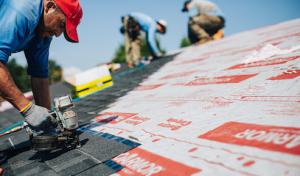
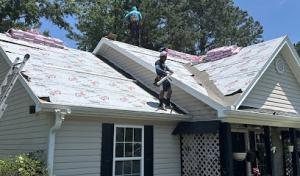
Keep Your Roof in Excellent Condition Make us your go-to local roofing company in Orangeburg, Columbia, Lexington, Aiken, Barnwell SC and all surrounding counties!! Did a severe storm do a number on your roof? Any water damage that the storm caused can be detrimental to your home's structural integrity if it isn't repaired. Luckily, Hammertime Roofing & Remodeling can fix any issues with your roof. We're a local roofing company in Orangeburg, SC that you can count on for all your roofing needs. No job is too big for our licensed residential contractors Get in touch with us today to learn more about our roofing services.
Cody's Construction roofing contractor
(803) 347-0273 www.codysconstruction.com
Orangeburg, South Carolina
4.7 from 20 reviews
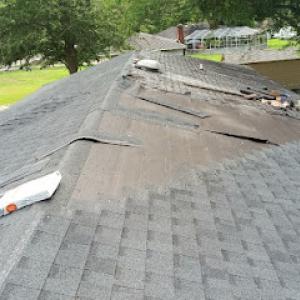
BOOST YOUR CURB APPEAL AND PROPERTY VALUE Our roofing contractors will get your building in or around the Orangeburg, SC area in tiptop shape Whether you need a new roof or home remodeling services, Cody's Construction has your back. We provide various exterior building services in Orangeburg, SC and the surrounding area. We have 31+ years of experience, so you'll have peace of mind knowing that your property will be taken care of by an experienced and professional team. Discuss your next project with our roofing contractors today.
Culler Roofing
(864) 630-2354 cullerroofing.com
Serving
4.8 from 101 reviews
Culler Roofing is a family and veteran owned and operated roofing company. Our family has been in the roofing industry for over 25 years, and pride ourselves in customer satisfaction and will go above and beyond to help you with all of your roofing needs. Our roofing company that will repair or install a new residential or commercial roofing system, serving all of South Carolina stretching from the mountains of the Upstate to the marshes of the Low Country. We have three conveniently located offices in Greenville, Columbia, and Camden,SC. We specialize in: Residential, Commercial, and Industrial Roofing Systems Complete Roof Replacements New Construction Roof Repairs of all Sizes Asphalt Shingles Metal Roofs Flat Roofs Call us today!

Four Sons Construction
Serving
4.8 from 39 reviews
Family owned and operated. Call or e-mail today for your free estimate!
Gold Standard Roofing
(843) 796-7126 www.goldstandardroofingllc.com
Serving
5.0 from 11 reviews
Gold Standard Roofing offers top-notch roofing services to safeguard homes in Myrtle Beach Horry County Georgetown County and nearby areas reaching into North Carolina and Georgia. Our specialization in storm damage repairs insurance claims assistance
Aspen Contracting
(803) 712-7694 www.roofsbyaspen.com
Serving
5.0 from 8 reviews
Aspen is a nationally recognized exterior contractor, trusted to restore residential and commercial roofs, siding and gutters. We are committed to our mission to do the right thing, through higher standards and integrity. We carry out this mission each day by providing high quality service and following through on our commitments. We hold this dedication for our customers, insurance companies and strategic partners in manufacturing, distribution and technology. With this formula, Aspen has grown into one of the largest roofing contractors in the United States.
Assured Roofing
Serving
5.0 from 5 reviews
Assured roofing, a locally owned and operated licensed roofing contractor. Assured Roofing specializes in new construction roofs, roof replacements, and roof repairs. We offer 10% off for veterans, active duty, law enforcement, EMS, and teachers. We look forward to servicing the Low Country.
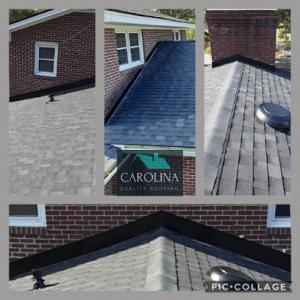
Carolina Quality Roofing
(843) 617-5567 carolinaqualityroo.wixsite.com
Serving
5.0 from 4 reviews
Roofing Services
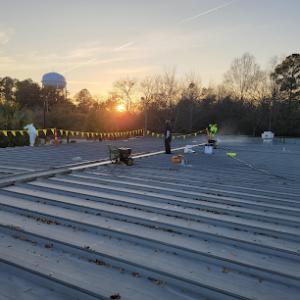
Nunnery Roofing & Remodeling
Serving
4.0 from 15 reviews
Welcome to Nunnery Roofing & Remodeling, your premier roofing solution in South Carolina. We have been in business for 25+ years. We specialize in commercial, industrial, and residential roofing including metal roofs. We cover the entire state with fully licensed, bonded, and insured services. Our team of certified installers, authorized by leading manufacturers, ensures top-quality craftsmanship for reliable and durable roofing solutions. Whether it's a business, industrial facility, or a residence, we are committed to delivering excellence in every project, prioritizing customer satisfaction and peace of mind.
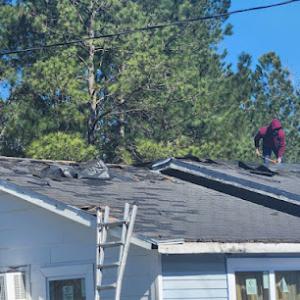
Everything Home & Technologies
(803) 717-3088 roofingcontractororangeburgsc.com
Serving
4.9 from 10 reviews
Established in 2012, Everything Home & Technologies aims to provide reliable and skilled roofing services to the Orangeburg community. Their experienced professionals specialize in all types of roofing projects, ensuring the highest standard of quality and customer satisfaction. With a strong emphasis on quality materials, innovative strategies, and personalized care, they are dedicated to transforming living spaces. For additional inquiries, please contact Everything Home & Technologies
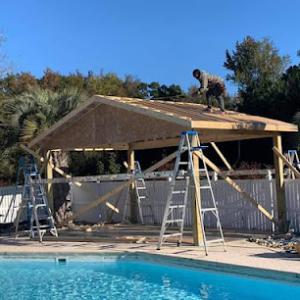
M&B Construction & More
Serving
4.8 from 16 reviews
M&B Roofing is a roofing company based in Florence, SC. Our team of professional, skilled roofers can perform a variety of roofing services like no other company. Do you need to fix a hole in the roof? Consider it done. Do you want an entire home roof reconstruction with quality products? You can trust us with that task. Whatever services you might require, our skilled team will help you achieve your ambitions without hesitation. Whenever you are thinking of servicing, maintaining, or installing a new roof, you know who you can look up to. Call us at (843) 598-8146 for a free quote!
Complete Roofing Systems
(803) 607-7663 completeroofingsc.com
Serving
5.0 from 2 reviews
Complete Roofing Systems is a trusted roofing contractor in Columbia, SC, providing professional roof repair, roof replacement and emergency roofing services for residential and commercial properties. With years of hands-on experience, our team specializes in storm damage repair, hail and wind damage, leak detection, shingle roofing and metal roofing using high-quality materials built to last.We proudly serve Columbia, Lexington, Irmo, Cayce, Blythewood, Sumter, and surrounding areas, delivering reliable workmanship, honest pricing and fast response times. Whether you need minor roof repairs or a full roof replacement, we are committed to protecting your property with durable, efficient and professional roofing solutions you can depend on.
Asphalt shingles are the backbone of many homes in this area, and they're the stuff you'll see most often on sun-bleached roofs after a summer storm. In this market, asphalt is favored for its balance of cost and ease of repair. But UV exposure and humidity here accelerate granule loss, surface aging, and moisture-related deterioration compared with milder climates. That means older roofs can start to show dimmed color, more curl at the edges, and reduced granule protection just a few seasons after installation. For you, the practical takeaway is to look for shingles with stout granule adhesion, a robust algae-resistant coating for South Carolina summers, and an effective underlayment system. If you're considering a roof refresh, opt for a product with a proven track record for heat and humidity resistance, and plan for more frequent inspections after major thunderstorms when granules and small granule-filled gutters become more common.
Metal roofs have strong local relevance in this market and are often considered for better heat performance and storm resilience in thunderstorm-prone conditions. When installed properly, metal panels shed water quickly, resist wind uplift, and reflect a portion of the sun's heat, which can help cut cooling loads on hot summer days. In Orangeburg's climate, a well-sealed metal roof with appropriate fasteners and flashing can tolerate repeated hail strikes or driving rain better than some other materials. However, it's important to pay attention to panel seams, screw placements, and roof-to-wall transitions, where leaks can start if corrosion protection isn't maintained. Algae and staining can still occur on metal surfaces, so choose coatings or finishes designed for humid, algae-prone environments. If a storm leaves denting or impact marks, metal roofs often provide faster repair options with patching or panel replacement, but ensure the contractor uses compatible fasteners and proper sealants for this region.
Tile (clay or concrete), wood shingles, and synthetic alternatives exist in the market, but their performance in this climate requires careful judgment. Tile roofs add mass and can perform well in heat by shedding water and resisting wind if installed on a strong deck and with correct underlayment. Yet prolonged summer moisture and algae risk can stain or degrade lighter-colored tiles, and heavy tiles impose structural considerations for existing roof framing. Wood shingles or shakes bring a rustic look but are particularly vulnerable to humidity-driven rot and algae growth, which can shorten life expectancy unless treated and maintained regularly. Synthetic shingles offer design flexibility and improved moisture resistance, but their long-term behavior under high humidity and intense UV exposure should be verified with the manufacturer's guidance for local conditions. In all cases, the decision hinges on how well the system is treated for algae control, roof deck ventilation, and the weight implications for the existing structure. A careful assessment of attic ventilation, moisture management, and the anticipated storms for your neighborhood helps ensure the chosen material holds up through Orangeburg's seasonal cycles.
In this market, price guidance starts with the per-square ranges for common roof coverings. Asphalt shingles sit toward the lower end of the local spectrum, typically showing the most affordable option for a full replacement. Metal roofing tends to be mid-to-upper in cost, with durable performance that appeals in hot, humid summers and frequent wind events. Tile systems-whether clay or concrete-sit at the upper end, driven by heavier weight and the longer, more intricate install process. Wood shingles or shakes and synthetic/composite shingles fill out the middle, but still reflect the specialized labor that higher-end products demand. When planning, use the ranges as a starting point, and align expectations with the installers who are active in Orangeburg's storm-repair market. The key takeaway is that asphalt generally lands at the lower end of the local market, while tile systems carry the higher end because of weight and installation complexity.
Summer thunderstorms and the ensuing wind damage create sharp, sometimes abrupt, demand spikes. After a major storm, overscheduling can push timelines and labor pricing higher as crews pivot to fast-response repairs and re-roofing claims. In practice, this means you may see tighter availability for skilled roofers and slightly elevated daily rates during the peak storm season. Plan for potential scheduling compression if your roof needs replacement after a damaging event, and be prepared to confirm preferred start dates quickly with the contractor to reduce downtime. This is a real pattern in this area, where storm-driven demand can compress calendars for several weeks into the fall as tropical weather systems approach.
Because the market tightens after big storm events, budgeting should include a contingency for scheduling shifts and possible late-start days when a crew is tied up with other urgent claims. If a temporary protective cover is needed while awaiting replacement, factor in the cost and the protection duration into the project plan. When choosing materials, start with asphalt if price sensitivity is high, then compare against metal and tile options that deliver longer-term value under hot, humid summers and frequent wind events. Weight and installation complexity matter; tile systems require structural assessment and skilled handling, which can extend the timeline and influence the overall cost. In sum, plan with the per-square price band in mind, account for storm-driven scheduling, and prepare for the possibility of modest price changes as crews reallocate capacity during peak periods.
Get a clear picture of your project costs upfront - no commitment required.
For full re-roofs in this area, the local building department requires a permit and will review roofing plans before work begins. This process helps ensure the new roof is installed to current code and stands up to inland South Carolina heat, humidity, and the heavy summer thunderstorm load typical in the county. Homeowners should anticipate that a permit is needed even if neighboring houses seem to have old, long-standing roof setups. Expect that the permit review will capture details such as fastener schedules, underlayment choices, and venting provisions that influence long-term performance in our climate. The contractor or a licensed designer often handles the submittal, but you are responsible for ensuring the permit is secured before any shingles, underlayment, or flashing get installed.
Inspections in this jurisdiction occur at appropriate milestones, commonly including rough or framing if needed, underlayment, and final inspection. If the roof replacement involves structural work or any changes to roof geometry, rough framing inspection may be required. Underlayment inspection ensures the weather barrier is installed correctly to resist the region's humidity and storm-driven moisture. The final inspection confirms that the completed roof, penetrations, vents, flashings, and drip edge meet code and local standards. A clear plan with your contractor helps those inspections go smoothly, reducing delays that can extend the time you're exposed to weather during a replacement.
Contractors in this market cite permit turnaround times of roughly 1 to 2 weeks depending on department workload, which matters when trying to fit work into spring and fall replacement windows. In practice, the posted workload can shift with storm claims or seasonal fluctuations, so it's wise to align planning with the broader weather patterns and avoid last-minute timing. If a storm damaged roof work is urgent, ask the contractor to monitor the permit status and set expectations for interim protection measures, like tarp-downs, to minimize exposure while awaiting approval. Keep communication concise with the building department and the contractor, especially if spring thunderstorm activity is forecast, so scheduling stays on track.
Spring and fall are the practical windows for replacement work. Summers bring heat, humidity, and frequent storms that slow tear-off and dry-in schedules, so planning around milder shoulder seasons helps keep projects moving. In this area, crews appreciate when you target a period with daily highs more bearable and afternoon thunderstorms less likely to interrupt consecutive work days. Homes built with traditional Southern shingle patterns or metal accents respond best to a well-timed fall slate or a spring lull between storm fronts.
Summer heat and thunderstorms can delay tear-off and dry-in schedules, making weather planning more important here than in cooler inland markets. If a storm system rolls through, expect crews to pause for safety and to protect heat-sensitive materials. Clear communication with the crew about preferred start times, anticipated heat days, and potential backup dates helps keep the project on track. The most reliable approach is to build a two- to three-week buffer into the plan for the peak of hurricane season and its late-summer instability, so you're not caught with a rainout mid-tear-off.
Orangeburg homeowners who wait into fall must account for hurricane-season disruptions that can suddenly tighten contractor availability. By early fall, many crews shift to finishing touches on queued projects, which can widen the gap for new starts. If fall is your target, lock in a start date once a window opens and confirm that tear-off and dry-in crews can dedicate a sequence of days to your home without long gaps. Being flexible with start times right after a warm spell can reduce delays caused by lingering heat or sudden weather shifts.
Coordinate with your roofer to align a target dry-in day with a window of several dry, cooler days. Have materials staged and protected, so a brief shower won't immobilize progress. Keep an eye on forecasts for multiday dry stretches and communicate any weather-linked changes promptly to minimize downtime. In this climate, a smart, weather-aware plan saves more than just time.
In the summer thunderstorm pattern of this area, leak tracing often centers on wind-driven rain entry at flashing transitions rather than obvious field-shingle failure. A hose-on-test can miss these hidden paths if the wind alignment isn't replicated. Pay close attention to transitions around chimneys, vent stacks, and where roof decks meet dormers or parapets. If you notice moisture tracking along interior ceiling lines that seems to skip the center of a panel, that's a telltale sign the problem is chasing flashing movement rather than a cracked shingle. When storms arrive with gusts, you may find stains popping up where the flashing has shifted, even if the shingles themselves look intact.
High humidity makes small flashing defects around penetrations show up as recurring interior moisture problems, especially after repeated summer storms. In practice, that means a tiny lift in the edge of a step or counter flashing can drip steadily into the attic or underlayment. The humid air keeps any seepage lingering longer, so interior spots can appear weeks after a storm, then reappear after the next event. If you're seeing damp patches that migrate or reappear in the same locations after multiple rain events, inspect the flashings around vents, skylights, and chimney bases first, not just the shingles themselves. A careful look at sealant lines and metal corners can reveal hairline failures that stubbornly resist simple resealing.
Skylight-related repair capability appears in the local contractor pool, making it a relevant issue for homeowners with older flashing details or recurring leak history. Skylight seals and curb flashing endure heat, humidity, and vibration; once aging or improper installation shows, leaks tend to follow the path of least resistance around the unit. If you notice dampness along the perimeter boards directly under a skylight, or hear dripping near a skylight during a storm, plan for a targeted check of the curb seal, flashing metal, and waterproofing under the skylight frame. In older homes, upgrading to compatible flashing kits or replacing aging skylights can prevent persistent drip cycles rather than chasing a new symptom after every storm.
Find contractors experienced in skylight installation, flashing, and leak repairs to bring natural light into your home.