
Last updated: Apr 19, 2026
In the Charleston-area storm path, tropical systems and hurricane-season wind events routinely push roof damage concerns from June through November. Afternoon thunderstorms in summer can topple shingles and loosen flashing in moments, exposing decking to sudden rain and rapid deterioration. The roof in Summerville bears a fast-moving threat: wind-driven debris, saturating downpours, and heat that relaxes sealants. When a storm hits, the first priority is to identify any active leaks or daylight showing through the attic. If water is entering the living space or sagging appears in ceilings, treat it as an emergency. Delays compound interior damage, promote mold growth, and threaten structural components. Your focus should be on protecting people and property first, then preventing further roof damage.
Summer thunderstorms can interrupt tear-offs and leave decking exposed even outside named storms. In a typical Summerville scenario, a temporary tarping plan buys time between storm events and scheduled repairs. If a roof shows punctures or edge gaps, place a sturdy tarp anchored with weighted edge materials and secure fasteners to resist wind uplift. Ensure tarps extend past the damaged area to channel rain away from vulnerable spots. If power lines or utilities are involved, contact the utility provider first and keep clear of hazards. A prompt response reduces secondary damage to ceilings, insulation, and interior walls and helps stabilize the roof until a permanent fix can begin. Maintain a simple record: date, time, weather conditions, and photos of damaged areas and tarps in place. This information proves invaluable when a contractor evaluates storm impact and begins documentation for insurance. In Summerville, expect rapid weather shifts; plan for a two-step approach: immediate temporary containment, then a professional assessment as soon as feasible.
Storm damage often requires swift, precise documentation to support insurance claims. Take wide and close-range photos showing the entire roof, edging, flashing, and any visible interior signs of water intrusion. Note any fallen or damaged trees, branches, or debris that may have contributed to damage. Keep a detailed inventory of affected materials and approximate dates of the events. If safe, capture video that narrates the sequence of the storm and the resulting roof condition. Timely contact with an experienced local contractor who handles storm damage, emergency repairs, and insurance documentation is essential. A contractor with a track record in this market understands the sequence of claim steps, how to prioritize urgent repairs, and how to translate field observations into claimable items. In Summerville, homeowners frequently need help translating storm impact into a clear, organized claim package that accelerates repairs and reduces back-and-forth with the insurer.
Local contractor signals show storm damage, emergency repair, and insurance claims are the prevailing needs after weather events in this market. Choose a contractor who can rapidly mobilize, provide a tangible tarping plan, and document pre- and post-storm conditions with your insurance needs in mind. Prioritize removing standing water and securing flashing, hip and ridge caps, and any vent losses that can worsen leaks. If a roof shows compromised decking, plan for a staged repair that aligns with your insurer's assessment timeline and the expected hurricane-season window. Schedule follow-up inspections promptly to verify that temporary fixes hold and to adapt the repair plan as post-storm conditions evolve. In Summerville, a neighborly, responsive, and credentialed team makes the difference between a quick recovery and lingering vulnerability, especially when the next storm system looms.
Asphalt shingles dominate the local market, and for good reason in this climate. In Summerville, heat, humidity, and frequent rain stress roofs daily, so ventilation and proper nailing quality matter just as much as the shingle grade. When choosing asphalt, look for laminated ( architectural) shingles that offer better wind resistance and a thicker, denser surface. Algae resistance matters here too; choose products with algae-coated granules or a copper-infused shingle surface to fend off the green growth that loves the Lowcountry humidity. In practical terms, ensure the ridge vent or soffit-to-combining vent strategy is robust enough to move hot humid air out of the attic, and confirm the contractor uses corrosion-resistant nails and correct nailing patterns for the roof pitch. A well-ventilated attic helps shingles last longer during those long hot seasons and quick post-storm schedules.
Metal roofing has a meaningful local specialty presence and is often considered by homeowners looking for better wind performance and lower maintenance during the Long Hot Season. In Summerville, metal's smooth surface tends to shed rain efficiently and resists the kind of wind-driven damage seen in severe storms. But metal isn't magic; it still needs a solid underlayment, proper flashing, and careful installation-especially around chimneys, skylights, and vents. If you lean toward metal, prioritize tested coatings for coastal humidity and check that fasteners are corrosion-resistant. A metal roof can be quieter than expected with solid deck insulation, and its lighter weight reduces the load on older structures. Factor in the need for adequate attic ventilation to prevent heat buildup under the metal panels, which can affect longevity and performance.
Clay tile and slate appear in the local material mix but are less common and can be a fit mainly on higher-end homes where structure, underlayment, and specialized installation matter more than in standard shingle neighborhoods. Clay tile and slate deliver distinctive appearances and excellent longevity, but they require a strong roof deck, precise underlayment, and experienced installers who understand the weight and expansion behavior of these materials in heat and moisture. In Summerville's humidity and storm-prone environment, expect more robust detailing around eaves, penetrations, and plus fasteners. If choosing these materials, plan on a careful assessment of the attic's ventilation and the roof's ability to handle added dead load without compromising framing or intermediate support.
Across options, the real-world test is how a roof handles rapid post-storm scheduling and potential emergency leaks. Prioritize roofs with sound installation quality, thorough sealing at penetrations, and reliable drainage to minimize water intrusion during heavy rainstorms. In hurricane season, choose materials and installers who understand wind-driven rain risks, have reliable flashing details, and can document nail patterns and underlayment choices for insurance needs after storm events.
Spring and fall are the preferred windows for roof replacement in this area because they avoid the worst summer heat while reducing exposure to peak tropical weather disruptions. The mild shoulder seasons offer more predictable conditions for shingle handling, underlayment application, and adhesive curing. If you plan a replacement, target mid-spring or early fall when afternoon storms are less likely to derail progress. In Summerville, that pace aligns with the rhythm of coastal storms without forcing work into the height of hurricane season.
Hot, humid summers can slow crews, soften shingles during handling, and increase weather delays from frequent afternoon storms. If a project runs during summer, expect longer timelines and additional protection needs for daytime heat. Afternoon downpours can also pause nail guns and sealants, so a crew may shift to cleanup or driveway work during those bursts. When planning, coordinate with the contractor for daily targets that account for heat, shade, and storm risk so the crew can push ahead in the cooler mornings.
Mild winters allow roofing work much of the year, but occasional freezes can still affect adhesives and some installation conditions. If there's a freeze-free stretch, a late fall or early winter project can proceed, but avoid days when temperatures linger near or below freezing, especially for synthetic underlayments and asphalt products that rely on proper curing. In cold snaps, crews may pause to prevent sealant failure, which can extend timelines.
Shingles cupping, curling, or widespread granule loss on a panel is a clear sign a replacement is prudent, not just a repair. Roof deck sag, persistent leaks that show up in multiple rooms, or widespread mold and rot around penetrations indicate that patchwork has given you diminishing returns. If you're evaluating after a storm, a licensed roofer should inspect for hidden damage under shingles, in eaves, and around flashings to determine whether repair or full replacement is warranted.
When you anticipate a replacement, align timing with the shoulder seasons, then confirm a weather contingency plan with the contractor. Have a clear moisture mitigation plan for potential post-storm weeks, including tarp placement and interior leak protection, so a replacement can proceed promptly when windows reopen. Consider how a new roof will handle the local heat load, humidity, and the sudden wind gusts that characterize late summer events.
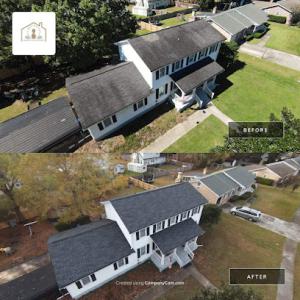
Palm & Pineapple Roofing & Exteriors
(854) 213-6870 palmandpineappleroofing.com
1140 Boone Hill Rd B, Summerville, South Carolina
5.0 from 132 reviews
Palm & Pineapple Home and Exteriors is a trusted roofing contractor in Summerville, SC, proudly serving the Greater Charleston communities. As a family-owned and operated exterior remodeling company, we bring over 20 years of knowledge and experience to every project. Our veteran-owned team specializes in roof replacement, roof repair, siding replacement and repair, gutter installation, and window replacement. We are committed to delivering professional results at competitive prices with a customer-centric approach that builds long-lasting relationships. Expertise you can rely on ensures your home stays safe and beautiful. Contact us today to schedule your consultation and experience quality service you can trust.
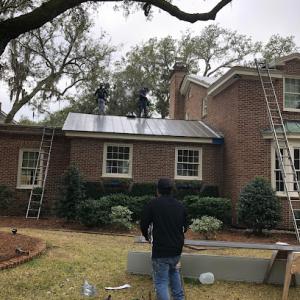
Southpaw Roofing
(843) 998-0211 southpawroofing.com
513 N Magnolia St, Summerville, South Carolina
5.0 from 102 reviews
Southpaw roofing features affordable roofing services and is a licensed, bonded, and insured roofing contractor in Augusta, GA and Charleston, SC. Since early 1985, we have been providing the highest in quality and affordable rates, on roofing services in Evans, Grovetown, Martinez all the way to the Isle of Palms, Goose Creek, Summerville and more. Some say Southpaws or Lefties are different; You can call any roofing company to repair or install your new roof, but you can only make one call to get it done the right way. We are different in the way we quote, install, & service. So, whether you're in need of roofing repairs, or a new roof, call the professionals here at Southpaw!
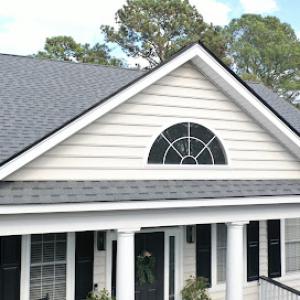
Southline Roofing & Exteriors | Summerville
(843) 471-2625 www.southlineroofing.com
700 Nexton Square Dr Suite 148, Summerville, South Carolina
5.0 from 88 reviews
Your Weatherproof Line of Coverage Starts Here! We are a Full-Service Roofing Company in Summerville that serves the entire Charleston metro area, from Mount Pleasant to Summerville and beyond! We offer many services, including the following : - Roof Repairs - Roof Installations - Roof Replacements - Roof Inspections - Metal Roof Installations - Metal Roof Repairs - Metal Roof Replacements - Gutter Repairs - Gutter installations - Gutter Replacements - Siding Repairs - Siding Replacements - Siding Installations Give us a call today and find out why our customers rave about us!
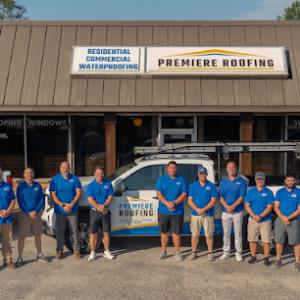
Premiere Roofing
1718 N Main St Suite 101, Summerville, South Carolina
5.0 from 83 reviews
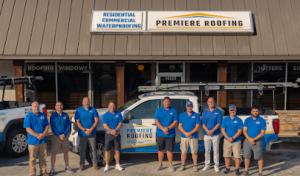
Since 2008, we at Premiere Roofing have been proudly repairing and installing roofs in South Carolina. We are a family-owned, fully licensed roofing company that demands excellence from our employees and seek to consistently exceed our customers’ expectations through unparalleled service. Our goal is to provide top-quality roofing and home improvement services to residents in our great state of South Carolina. We don't want our customers to neglect their home’s needs due to budget restraints. Consequently, we ensure our services are affordable, without lacking in quality. At Premiere Roofing, we hold the distinction of being one of the best roofing companies in South Carolina.
CMS Roofing
(843) 732-5558 www.cmsofsc.com
195 Farmington Rd B, Summerville, South Carolina
4.8 from 129 reviews
Welcome to CMS Roofing! As a fully licensed and insured commercial and residential roofing contractor, we have been serving South Carolina with the highest quality workmanship for gutter installation, metal fabrication, roof repairs and new roof installations for decades.

Prince Roofing & Construction
(843) 474-1156 www.princeroofingandconstruction.com
1306 State Rd S-8-449, Summerville, South Carolina
5.0 from 39 reviews
Proudly serving Charleston, SC and surrounding areas, Prince Roofing specializes in residential roofing, roof repair, replacements, and remodeling. With over 20 years of experience, we deliver quality craftsmanship, reliable service, and peace of mind—one roof at a time. We've Got You Covered!
RoofBoyz
(843) 452-8985 www.roofboyz.com
136 Whippoorwill Dr, Summerville, South Carolina
5.0 from 34 reviews
RoofBoyz is the roofing company to call in the Lowcountry for repairs, replacements, inspections, and storm damage assistance. Locally owned and operated out of Summerville, SC, we help homeowners across the greater Summerville, Goose Creek & Charleston area regain confidence in their exteriors, not just their roofs. Call us today.
Modern Roofing
(843) 920-5167 modernroofingusa.com
10595 US-78, Summerville, South Carolina
4.7 from 159 reviews
Modern Roofing offers expert residential roofing in Summerville, SC, specializing in insurance claims. With 10+ years of experience and top-quality materials, we guarantee excellent service, ensuring safety and satisfaction. We're your trusted roofing partner in Summerville.
IBC Roofing Charleston
Summerville, South Carolina
5.0 from 22 reviews
In Charleston, quality roofing isn't just a luxury; it's a necessity. With the region's harsh weather conditions, including frequent storms and the looming threat of hurricanes, having a reliable roof becomes paramount. It's not just about shelter; it's about safeguarding your loved ones, property, and valuable belongings. In this demanding climate, you need a professional roofing team that understands the significance and possesses the skills to get the job done right the first time. At IBC Roofing, we're committed to delivering the peace of mind that comes with a durable, weather-resistant roof. We are trained, licensed, and insured roofers dedicated to serving Charleston.
The Roof Guardian
(843) 571-8629 roofguardiansc.com
305 Surfbird Rd, Summerville, South Carolina
5.0 from 18 reviews
residential roofing company
Top Notch Roofing & Exteriors
(843) 345-0882 topnotchroofsc.com
314 Indian Dr, Summerville, South Carolina
5.0 from 17 reviews
Been in business since 2004 Local since forever. Home grown. BBB accredited business A+rating.
Alpha Roofing Services
(843) 548-4032 www.alpharoofingusa.com
102 Holiday Dr, Summerville, South Carolina
4.8 from 26 reviews
Alpha Roofing Services delivers expert commercial flat roofing in Savannah, GA, and beyond. With over 20 years of experience, we serve South Georgia, Coastal South Carolina, and Northeast Florida, offering high-quality roofing solutions for commercial, residential, and multi-family properties. Our licensed, bonded, and insured team is known for precision, durability, and dependable service. From flat roof repairs to complete installations, we use top-grade materials and expert craftsmanship to protect and enhance your property. Count on us for reliable, customized roofing backed by unbeatable customer care. Contact Alpha Roofing Services today for your free consultation.
When you're budgeting a roof in this area, expect asphalt shingles in the ballpark of $350 to $650 per square, metal around $700 to $1200 per square, clay tile from $1500 to $3000 per square, synthetic or composite shingles roughly $500 to $900 per square, slate from $1600 to $3000 per square, and EPDM about $4 to $8 per square foot. Those figures reflect standard installation in the Dorchester County market and factor in typical deck teardown if needed. In practice, a mid-range asphalt job often ends up closest to what most homeowners pay in calm years, while premium materials push toward the higher end, especially when the roof line is steep or the attic space requires extra ventilation work.
During hurricane season, the demand curve changes quickly. Storm damage and emergency repairs pull forward scheduling, and many neighbors are trying to line up assessments and repairs in a short window after a tropical event. That pressure can push leads into earlier slots but also squeeze timelines, which sometimes nudges costs upward due to expedited material orders, overtime crews, and weather-driven delays. In Summerville, you'll feel this pressure most if a recent storm left several homes needing immediate attention on the same block or subdivision.
Steeper residential rooflines common in newer suburban development can increase labor time and material waste, lifting per-square costs and extending project timelines. If a tear-off reveals damaged decking, each square can add to the bottom line not just for labor but for disposal and deck repair materials. In contrast, homes with simpler, flatter layouts may stay closer to baseline estimates. Dry, warm days between storms help keep crews moving, but delays are common when rain keeps crews from safely tearing off or replacing sections.
Permit and inspection timing through Dorchester County can slow a project, especially when multiple homes are in flux after a big storm. That slowdown can compress your window for ordering materials and locking in labor, which sometimes translates into short-notice pricing changes or the need to secure temporary coverages to guard against rain. If you're coordinating post-storm work, expect variability in scheduling, and plan for a small afternoon-to-evening workload window if inspections run late in the week.
Get a clear picture of your project costs upfront - no commitment required.
Attyx
700 Nexton Square Dr #227, Summerville, South Carolina
4.5 from 38 reviews
In this part of the Lowcountry, a full roof replacement isn't something a contractor can hand-wave away. A permit through Dorchester County is usually required, and skipping that step is a fast track to headaches after a storm. When the county sits down to review, they're checking that the roof will perform reliably under heat, humidity, and the occasional summer deluge rather than just looking finished from the curb. Failing to secure proper authorization can trigger penalties, delays, and even requirements to undo work in the future.
The local process starts with an application review by the building department before any permit is issued. You'll want a clear plan that shows roof type, ventilation details, flashing layout, and attachment method for the chosen system. The review helps ensure the roof can handle Summerville's humidity and the wind loads that come with hurricane season. Expect questions about attic ventilation and moisture control, which are not cosmetic concerns but practical protections against mold and deck rot that can crop up after heavy storms.
Milestone inspections are your timeline signposts during installation. The first checkpoint typically happens after the roof deck is prepped and underlayment is down. A mid-install inspection ensures nailing patterns align with the chosen materials and that ventilation remains adequate as work continues. A final completion inspection confirms everything is tack-drilled, flashed, and sealed to weather. In this area, inspectors are thorough about flashing around chimneys, dormers, and vents, along with proper nailing spacing and shingle alignment.
Unpermitted roofing work can lead to penalties and even disqualification for insurance claims after a storm. If a later inspection uncovers a gap in documentation or mismatched flashing, you may be faced with costly retrofits. Keeping a clean record from the start helps protect you when a fast-moving post-storm schedule pressures crews to finish quickly. Think of the permit steps as part of building resilience against Summerville's quick onset storms and the long life of a roof that stays compliant.
When a big storm rolls through the inland Lowcountry, the window to document damage quickly closes. Insurers in this coast-influenced market expect thorough photo documentation, notes on roof age, and precise material details. In a neighborhood hit by wind-driven rain or hail, you'll want clear before-and-after shots of the roof, gutters, vents, and any interior signs of leakage. Take photos at different times of day to capture color and texture, and keep a dated log of when you first noticed issues after the storm. Delays in reporting can complicate claims, especially when many homes in the area show similar damage.
Carriers tend to scrutinize the roof's construction when evaluating a claim after a tropical storm or hurricane-season event. If the roof is older or uses material vulnerable to wind uplift, expect closer attention to replacement versus repair options. Gather any available records: installation dates, warranty papers, and previous repairs. This helps the adjuster assess whether damage is storm-driven or related to aging, which matters for settlement outcomes in a fast-moving, high-volume claiming environment.
In severe damage scenarios, some carriers push toward full replacement, particularly when multiple neighbors report similar issues after a storm. Understand that this is not a blanket rule, but a common posture in high-claim periods. Having detailed documentation ready can support a well-justified repair plan and prevent automatic tilt toward full replacement. If a contractor recommends a major rebuild, request an itemized scope that distinguishes what can be repaired versus what must be replaced, and ask the insurer to review each line item.
Local climate-driven claim volume can slow down responses after major storm periods. Stay proactive: follow up with the adjuster, provide requested documentation promptly, and coordinate any temporary leak-control steps you've taken. Knowing this rhythm helps manage expectations and preserves options for scheduling repairs before the next heat and humidity spike.
Connect with contractors who help homeowners navigate the claims process from damage assessment to final approval.
Palm & Pineapple Roofing & Exteriors
(854) 213-6870 palmandpineappleroofing.com
1140 Boone Hill Rd B, Summerville, South Carolina
5.0 from 132 reviews
Southline Roofing & Exteriors | Summerville
(843) 471-2625 www.southlineroofing.com
700 Nexton Square Dr Suite 148, Summerville, South Carolina
5.0 from 88 reviews
Premiere Roofing
1718 N Main St Suite 101, Summerville, South Carolina
5.0 from 83 reviews
Flashings around penetrations are the first line of defense against active leaks in this climate. Frequent rain and thunderstorm patterns in Summerville make even small defects respond quickly. If a flashing seam or curb seems imperfect after a storm, inspect from the ground with binoculars and note any daylight or rust streaks. A proactive approach-keeping drip edges sealed and flashings properly bedded-preempts water intrusion that expands with each downpour.
Skylights draw attention from homeowners and local contractors alike because the glazing meets the roof system in a zone prone to wear. In this area, the demand for skylight work is meaningful, so look for a contractor who specializes in both glazing and flashing integration. When a skylight shows condensation, haze, or persistent moisture around the frame, prioritize resealing or flashing rehab rather than full replacement unless the unit itself is failing. Regular curb flashing checks after heavy storms can catch issues before leaks begin.
Low-slope and flat roofing is a smaller specialty locally, but active in additions, porches, and some mixed-use structures. Flat roofs in this market benefit from meticulous edge detailing and proper seam treatments. Pay attention to drainage at transitions from roof to parapet walls, and ensure field seams are thermally sealed to accommodate the humidity. In Summerville, temperature swings can stress membrane joints, so schedule targeted inspections after hurricane-season events and before the winter dry spell to extend service life.
Emergency response after a storm should be practical and immediate. If a leak is discovered, place a temporary pan under the flow and protect valuables; document with photos for insurance purposes. When the water source is unclear, trace the path of the leak from the penetration outward, as small defects in flashing or around skylights can migrate quickly across a roof line. A prompt, clear report helps a local contractor determine whether resealing, flashing replacement, or targeted repairs will restore the roof's rain-shed performance.
Find contractors experienced in skylight installation, flashing, and leak repairs to bring natural light into your home.
Premiere Roofing
1718 N Main St Suite 101, Summerville, South Carolina
5.0 from 83 reviews
RoofBoyz
(843) 452-8985 www.roofboyz.com
136 Whippoorwill Dr, Summerville, South Carolina
5.0 from 34 reviews
The Roof Guardian
(843) 571-8629 roofguardiansc.com
305 Surfbird Rd, Summerville, South Carolina
5.0 from 18 reviews
The strongest local hiring signals are re-roofing projects, quick response after storms, cleanup included, and affordable pricing-showing that homeowners here prioritize speed and jobsite recovery as much as workmanship. In a fast-growing Dorchester County market, a contractor that markets a rapid start-to-finish plan and can commit to a tidied, ready-to-resume home is valued well beyond glossy brochures. Look for upfront timelines that align with post-storm needs and a clear plan for safeguarding interiors during work.
In June through September, thunderstorm bouts and hurricane-season pressure push homeowners to seek relief fast. Narrow the field to roofers who demonstrate a proven capacity to begin within days of contact and to contain debris, dust, and tarps with daily cleanup. A responsive crew that communicates when weather shifts, coordinating temporary protections and temporary leaks, reduces stress during a tense period. An emphasis on a thorough, end-of-project cleanup signals a contractor who treats the work as a contiguous, drive-in-and-finish job rather than a partial patch.
Long-established companies are common, and that history matters when follow-up service may be needed after a storm. A contractor-backed track record implies you're less likely to be left with unanswered questions or a missed warranty item when a storm season reopens. Seek references from neighbors who faced similar weather exposure and ask how past jobs held up through hurricane season and rapid post-storm scheduling.
Licensed and insured positioning appears often enough to matter locally, but it is not universal across listings, so verify credentials rather than assume them. Check a contractor's insurance certificate, license status, and any local references. If a roofer hesitates to share proof, move on. A straightforward, transparent contractor who welcomes credential verification typically signals a safer, more accountable choice when your home and family are on the line.