
Last updated: Apr 19, 2026
Garden City sits on the open High Plains of southwest Kansas, where there are few natural windbreaks and roofs are highly exposed to straight-line winds during spring storm season. That exposure means a single season can hammer shingles, flashing, and ridge lines with repeated gusts, dust, and hail. In practical terms, a roof here endures more micro-damage triggers than a similar house in a sheltered neighborhood, so small issues today can grow into significant leaks tomorrow. When you step outside after a spring storm, look for micro-cracks on shingles, lifted edges, or lifted granules along eaves and valleys. If you spot any of these, treat them as urgent signs rather than cosmetic flaws.
This city sits in a Kansas hail-prone insurance market, so homeowners commonly need photo documentation, date-of-loss details, and an adjuster inspection before a full roof claim moves forward. After a damaging storm, collect clear photos from different angles showing roof conditions, street context, and any adjacent properties with similar wear. Record the exact date of the storm and the time you first noticed damage. When possible, arrange an adjuster inspection promptly, because delays can complicate the claim and extend the repair timeline. If you already have a suspected leak, don't delay photos or measurements-document now and keep a simple log of when you first noticed water intrusion inside the house.
Spring storm damage timing matters locally because inspection scheduling may tighten after regional hail events. In practical terms, if a big hail event sweeps through, expect a rush of claim activity and tighter appointment windows. Act quickly: start documenting damage within days of the storm, and coordinate with your insurer or roofing contractor to secure an inspection appointment before the schedule fills. Rapid triage helps prevent further interior damage from rain and reduces the risk of insurance disputes later on. If damage seems localized to a single section of the roof, prioritize that area for temporary protection to minimize water intrusion while you line up a professional assessment.
If you suspect hail or wind damage, you should minimize exposure by covering vulnerable openings with a sturdy tarp or roofing felt to prevent rain intrusion until repairs can begin. Do not assume you can DIY a full repair-wind-driven damage on this terrain can compromise attic ventilation and deck integrity in ways that aren't obvious from ground level. Contact a local roofing professional who understands steep-slope systems and Kansas weather patterns. Ask for a thorough inspection focusing on shingles' edge seals, ridge caps, flashing around chimneys and vents, and any signs of non-visible damage in the underlayment.
When you hire a local contractor, insist on a prioritized, staged plan keyed to this climate: first, a temporary weatherproofing fix; second, a precise assessment of each damaged roof component; third, a repair or replacement plan that accounts for High Plains sun, wind-driven dust, and hail impact patterns. Request a written scope that pinpoints affected areas, required materials, and the sequence of work. Keep a running record of all communications, including dates, times, and agreed milestones. In this market, clear, timely photos and detailed notes are your strongest tools to move from damage recognition to dependable, durable repair.
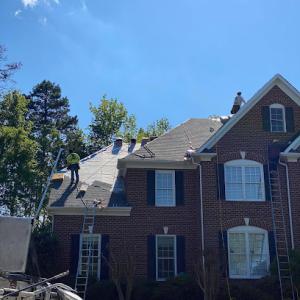
Garden City Roofing Pros
(620) 267-8030 www.gardencityroofingpros.com
1506 N 12th St, Garden City, Kansas
4.9 from 26 reviews
Garden City Roofing Pros was founded years ago with the goal of becoming one of Kansas' most trusted roofing companies. While we still have a ways to go before we get there, we are taking each step with pride and full effort to earn the trust of our customers. We have installed hundreds of roofs all over Garden City and the surrounding area and have become very good at navigating insurance claims and finding discounts for those who need to pay privately. Our roof repair and inspection team can also proactively save your roof from needing replaced early so give us a call if you want the peace of mind of an expert roof inspection. If your roof needs replaced we can make it happen quickly, affordably, and efficiently.
Assurance Roofing & Exteriors
(620) 287-9081 www.assuranceexteriors.com
1107 E Kansas Plaza, Garden City, Kansas
5.0 from 8 reviews
Assurance Roofing and Exteriors is a residential and commercial roofing company offering top-quality services to our clients all across the great state of Kansas. We are fully insured and certified, providing you with peace of mind on every project that we complete. We offer free estimates for all of our services.
Aqua Shield Roofing & Construction
1115 E Kansas Plaza STE C, Garden City, Kansas
5.0 from 3 reviews
We believe that attention to the details of your project are extremely important, regardless of the size of a particular home improvement project. Each and every member of our team is dedicated to your complete satisfaction. If you have any questions or concerns at any time during our process, we will be happy to explain to you the details of your project. Your happiness with the end result is our highest priority. Satisfied customers provide us with repeat business and good, solid referrals.
Garden City Roof Repair Solutions
(620) 568-8732 gardencityroofrepair.com
621 N 13th St, Garden City, Kansas
Garden City Roof Repair Solutions is the premier roofing contractor in Garden City, KS, dedicated to delivering top-notch roofing installation and repair services. With a focus on quality craftsmanship and exceptional customer service, we specialize in addressing all roofing needs, from minor repairs to full-scale installations. Our team of experienced professionals is committed to ensuring that every project is completed efficiently and to the highest standards. Trust Garden City Roof Repair Solutions for reliable and expert roofing solutions in Garden City, Kansas.

Southwest Kansas Roofing
1115 E Kansas Plaza b, Garden City, Kansas
Southwest Kansas Roofing has been servicing Garden City Kansas and surrounding areas for over 5 years now. We specialize in roof repair, roof installation, roof tear down, including fascia, soffit & gutters Give us a call for a free estimate.
Chambless Roofing
(620) 275-8410 www.chamblessroofing.com
1809 E Mary St #4, Garden City, Kansas
We are a locally owned and operated 3 Generation Residential & Commercial Roofing Contractor that has been in business Since 1993. We provide our customers with the highest quality products, competitive prices, and unmatched customer service. We have offices located in Garden City & Scott City, Kansas.
Infinity Roofing & Remodeling
(620) 287-0405 infinityrnr.com
4041 Cypress Dr, Garden City, Kansas
Infinity Roofing and Remodeling strives to make its community’s dreams come to reality. We gladly provide free estimates and consultations for any home renovations or repairs!
Spring in these parts arrives with bright skies, then sudden storms that roll in off the High Plains. Hail-driven damage is the main event you want to time around. After a spring storm, inspect for bruises, broken shingles, and dented flashing. Even small bruises can grow into leaks when warmer days arrive and the sun bakes exposed underlayment. Focus your check near valleys, ridges, and around vent pipes and skylights where wind-driven debris tends to hit hardest. If a resident storm creates a visible dent or hail hit on the shingles, plan a closer inspection within a week or two while the roof is still dry and shade is available for safe access. In Garden City, a rapid post-storm review helps catch hidden damage before it escalates, since wind-driven dust can mask granule loss on asphalt or surface wear on metal panels. Keep an eye on the gutter downstream as well-debris and granules can indicate impacted areas that merit closer scrutiny from a safe climb.
Summer sun here can accelerate aging, especially on asphalt shingles, and can push underlayment toward edge failure if any gaps or lifted edges exist. When the hottest stretch hits, you may notice faster granule loss and increased brittleness near the eaves. If you have a steep slope, the fatigue compounds where the sun bounces off siding or a neighboring roof. Plan a mid-summer inspection for high-stress zones: near roof-to-wall transitions, around vents, and at the chimney flashing. Address minor lift or sealant degradation before it propagates into a leak when a late-season storm arrives. Shade and wind can help, but the heat makes safety paramount; use proper harness systems and have a clear plan for a cooler day if a full exterior check is needed. In this climate, underlayment deserves attention after a dry, hot period because it bears the brunt of heat-driven expansion and contraction, which can loosen fasteners and widen seams.
Autumn brings cooling temperatures and sometimes strong gusts that test ridge lines and flashing transitions. This is the window to reseal around penetrations and to re-seat any loose shingles exposed to prior spring or summer stress. A fall walk-around helps confirm that attic ventilation remains adequate, since poor ventilation compounds heat exposure during the day and cold drafts at night. If there are signs of edge curling or minor curling at eaves, schedule attention before winter. The goal is to stabilize the roof surface enough to resist the first hard windstorms that often arrive with seasonal fronts. Garden City homeowners should consider tightening up fascia boards and soffits during this season to reduce the risk of wind-driven debris finding its way under the roof plane.
Winter brings freeze-thaw cycles that can create micro-cracks in shingles and sealants. Snow load matters on shallower pitches or with heavy drifts against eaves and around flashing transitions. Ice dam risk increases where eaves are shaded and and meltwater refreezes at the eave line, forcing water under shingles. Clear stress points before snowfall, especially around skylights and chimneys, and ensure proper insulation and venting in the attic to limit condensation. When ice accumulates along the edge, a careful, methodical removal plan is essential to prevent gutter damage and flashing lifting. In these conditions, routine checks focus on maintaining the integrity of the edge detail and ensuring that heat cables or other mitigation strategies are prepared for a harsh winter cycle. Regular, season-specific checks help extend the life of the roof by catching problems before they become costly failures.
Asphalt shingles fit mainstream residential construction and are the default option on many homes here. They perform reasonably well under sun and heat, but spring hail and wind storms can leave bruising that isn't always visible from the ground. Granule loss after a hail event is common, and wind-lift can expose the roof deck if fasteners or the underlayment aren't up to the task. When choosing this material, look for features that mitigate hail damage: stronger, impact-resistant granules, reinforced nailing zones, and sealant compatibility for wind zones. Regular inspections after severe spring weather help catch loose or damaged shingles before leaks start.
Metal stands out for exposure to high wind and for shedding snow quickly on sloped roofs. In this climate, metal is a solid match because it resists the relentless sun and temperature swings that cause other materials to flex and crack. The key to reliable performance is in the details: properly spaced and secured fasteners, corrosion-resistant coatings, and well-sealed flashing at all joints and penetrations. In winter, expansion and contraction intensify, so choose a system with a tested, compatible sealant and flashing that won't fail at the seams after freezing nights and thaw cycles. A roof that includes a solid edge detailing and wind-rated panels will ride out spring storms more confidently than one with marginal flashing.
Clay and concrete tiles appear on homes with a Southwestern influence, which blends nicely with the local aesthetic. Their appearance is attractive, but weight matters. In this climate, the combined effects of hail impact and temperature-driven stresses can lead to cracking in brittle tile types if the subroof or deck isn't reinforced for heavy loads. Storm resistance hinges on tile thickness, mounting patterns, and the strength of the roof structure to support the weight. Before deciding, have a structural assessment that specifically evaluates u- and k-values for wind uplift on tiled roofs and ensure the fasteners are designed to resist repeated hail impacts. If climate testing shows vulnerability in your home's framing, tile may require additional structural reinforcement or opting for a lighter alternative.
Spring hail and wind season is the central planning window. Regardless of material, perform a thorough post-storm inspection focusing on flashings, vents, and edge metal. Keep a close eye on any granule accumulation in gutters and downspouts if asphalt shingles are installed. For metal roofs, check seals around skylights and transitions where temperature swings can reveal leaks. For tile roofs, inspect for chipped or cracked pieces and verify that fasteners remain secure after high-wind events. In all cases, establishing a plan for timely repairs after a storm helps preserve the roof's service life and keeps interior spaces dry. Regular, targeted maintenance after severe weather translates to fewer surprises in the middle of a windy, hail-prone season.
A roof replacement in Garden City typically requires a building permit from the city before work begins. This ensures the work complies with local codes and weather-related requirements for high plains conditions. Your chosen contractor should pull the permit and post the permit on site where it remains visible throughout the project, including any notices or amendments. Expedite conversations with the building department early, especially after severe spring storms when demand spikes.
Local inspections are generally scheduled with the building department after tear-off and again at final completion, so contractors need to sequence labor around those checkpoints. Expect a rough window for each inspection and plan materials delivery around those dates to avoid delays. If an issue is found during any inspection, address it promptly so the project stays on track and maintains the weather-tight status during the spring wind and hail season.
Processing commonly runs about 1-2 weeks depending on workload, and the permit should remain visible on site with the contractor's information. During peak spring demand, permission times can stretch, so establish a clear line of communication with the contractor about who signs off on changes. Keep copies of the permit and inspection notices on-site as a reference for any neighbor or city questions.
For storms that hit in spring, coordinate early weather checks and plan for potential short windows to complete tear-off and underlayment. Ensure the crew knows where to place ladders, and keep a tidy footprint so dust and debris stay away from nearby homes and driveways. If a revision to plans is needed, document it and update the permit record promptly with the building department to avoid inspection holds.
After final approval, keep a copy of the completed permit with contractor information in an accessible place for future reference, especially when seasonal hail or wind events recur. If any amendments were issued during the project, verify they are logged and retained with the original permit. This helps when securing a certificate of occupancy or when neighbors inquire about the work. Keep everything organized.
Prices you'll see locally reflect the High Plains exposure: hail, wind, sun, and freeze-thaw cycles all stress steep-slope roofing. Typical local price ranges are about $350-$600 per square for asphalt shingles, $700-$1100 for metal, $1100-$2100 for clay tile, $900-$1600 for concrete tile, $450-$850 for wood shingles or shakes, and $450-$800 for synthetic or composite shingles. In practice, you'll notice asphalt shingles are the most common first call for older homes and quick turnarounds, while metal often wins for long-term durability in new builds or homes with higher wind or hail risk. Tile options push the cost up, but they hold color and resist impact differently in summer heat; that can balance long-term value for some streetscapes. For a typical 1,500 to 2,000-square-foot roof, simple material choices stay more budget-friendly, but the full project cost climbs quickly once underlayment, ventilation, and edge details are added.
In this region, storm-driven demand spikes after hail and wind events can push scheduling out and raise labor pricing as homeowners across southwest Kansas seek inspections and replacements at the same time. A routine spring hail event can place multiple crews on a tight timeline, so expect longer wait times for inspections and material drops even if your roof looks minor on the surface. If a hail storm hits, prioritizing a rapid but thorough assessment helps avoid delays that push you into peak-season pricing. Having a pre-arranged plan with a trusted local contractor lets you lock in preferred crews and approximate timelines when the dust settles, rather than scrambling after the next storm.
Material choice affects cost differently here because impact resistance, wind performance, and heat exposure are not abstract features in this climate-they directly influence replacement frequency and insurance outcomes. Metal offers strong resistance to hail and wind, with good energy performance on hot days, but initial cost is higher. Clay and concrete tiles bring long-term durability and a distinct look, yet they are heavier and costlier to install, which matters on older or marginally framed homes. Asphalt remains a solid, economical baseline with decent hail resistance when upgraded with longer-lasting shingles and quality underlayment. Synthetic or composite options balance price and performance, often providing improved impact resistance without the weight or cost of tile. When evaluating bids, compare not just price per square but also warranty terms, installation depth, and how each option handles flashing, venting, and ridge lines in the wind-prone, sun-soaked exposure this area demands.
In this High Plains setting, losses from hail and wind are common enough that insurers here scrutinize roof age, prior repairs, and storm-date evidence closely. The way a claim unfolds can hinge on whether the roof shows a long record of patches or a relatively fresh system. Understanding that dynamic helps you prepare for how an adjuster will view your condition and history.
Because underwriting can vary in high-hail parts of Kansas, deductible structure and replacement approval can influence whether you repair isolated slopes or replace the full roof system. A neighboring home may see a quick fix on one face, while another property gets full replacement after a storm sequence. Knowing this variability helps set expectations when you discuss options with your insurer and contractor.
Homeowners should document each slope, soft metals, gutters, screens, and interior leaks immediately after storms because adjuster review is a routine part of the local claims process. Take clear photos from multiple angles, note timestamps, and keep a simple diary of any new water staining or shingle wear. This evidence-based record can support your case when the claim is examined.
Storm timing often dictates repair urgency, with some insurers prioritizing the most severely affected sections first. If a leak appears after a rain, treat it as priority and document its location relative to penetrations, valleys, and vent flashing. Keep repair receipts and clearance notes from any temporary fixes, as these can influence how a subsequent assessment unfolds.
When a hail event hits, gather everything promptly and prepare a concise narrative of the roof's condition before and after the storm. If a full replacement emerges as the most durable path, align that choice with the evidence you've collected and the insurer's typical review rhythm to avoid delays.
In Garden City and surrounding southwest Kansas, repeated wind exposure commonly shows up as lifted shingle tabs, loosened ridge components, and flashing fatigue rather than only obvious punctures. That pattern means failure often starts at fasteners and edges where wind-driven air can pry shingles upward or push under flashing seals. You'll notice curled tabs, lifted corners, and occasional micro-blistering along seams after a strong gust event. Regular inspections after hail and wind storms should focus on ridge caps, vent flashings, and the transition from roof to wall flashing, where cumulative stress tends to accumulate. When edges look loose, address those areas promptly before wind pressure can propagate further damage.
Dusty High Plains conditions can accelerate wear around roof penetrations and valleys where fine debris collects and holds moisture after storms or snow. Fine dust acts like sandpaper on sealants and reduces the efficiency of valley drains and attic vents. Pay extra attention to the eave drip edges, valley intersections, and booted vent penetrations, where gritty dust can work its way into joints and create silent corrosion. After a wind-driven dust storm or late-season melt, run a careful inspection along roof penetrations and close to the attic access, looking for grit buildup, compacted debris, or moisture staining. Cleaning debris and resealing vulnerable fasteners or metal-to-fabric joints can significantly slow deterioration.
Fall temperature swings in this part of Kansas can intensify expansion-contraction stress on metal flashings, sealants, and composite roofing components. When daytime heat is followed by sharp overnight cooling, metal flashings can separate from intersections, and sealants may crack or lose elasticity. Areas around dormers, chimneys, and roof-to-wall transitions are particularly sensitive. If you notice hairline cracks along sealant lines or lifted metal edges after a cold snap, plan for targeted maintenance focused on re-sealing and reseating flashing components before winter moisture-/wind-driven pressures peak. A proactive approach to flashing integrity helps prevent water invasion and keeps the roof system performing through seasonal temperature swings.