
Last updated: Apr 19, 2026
Oxford sits in North Mississippi's humid storm belt, where frequent spring thunderstorms and heavy rain accelerate granule loss, flashing stress, and leak development compared with drier regions. The result is a roof that ages not only with calendar years but with every storm-driven lash of wind, hail, and saturated conditions. In this climate, a roof that looks fine after a dry spell can deteriorate quickly when a string of downpours arrives, forcing repairs or replacement decisions sooner than you might expect. The pattern is clear: storms beat up the surface, moisture lingers, and the deck below sometimes pays the price.
The city's hot, humid summers can keep roof assemblies damp longer after storms, which matters for decking condition, attic moisture, and the timing of repairs between rain events. When sheeting moisture clings to shingles or tiles, the underlayment and fasteners stay stressed, which weakens wind resistance and accelerates wear. Morning dew, afternoon humidity, and evening thunderstorms create a cycle of dampness that can trap moisture in attic spaces. If attic vents aren't moving air effectively, that moisture doesn't dry out, which increases the probability of sags, soft spots, and hidden rot. In short, the roof isn't just facing rain; it's contending with a humid, lingering dampness that compounds aging fast.
Homeowners in Oxford often need to think about replacement timing around spring storm season rather than only around roof age, because repeated wind-and-rain exposure can push an aging roof past repairability. A roof can survive in pieces for years, but once the pattern of leaks, damaged flashing, or granule loss becomes stubborn after multiple storms, repairs stop being cost-effective. In practice, that means watching for consistent leakage after each spring storm, not just for one bad season. If repeated fixes return soon after rain, you're entering a threshold where replacement becomes prudent to prevent ongoing interior damage.
Look for accelerated granule loss in gutters and downspouts after a heavy storm, a telltale sand-like coating washing away from shingles. Dark patches on ceilings or walls in the attic indicate slow leaks that aren't just cosmetic. Exposed flashing seams that show more corrosion or loosening after wind events signal flashing stress. Softer spots on the deck or rafters, or visible cupping and curling of shingles, point to compromised decking and reduced structural resilience. If you notice wind-driven shingle displacement or recurrent leaks in the same area after storms, treat it as a red flag for timing a major repair or replacement rather than chasing another patch.
When a forecast calls for heavy rain and wind, clear the roof of debris-limbs, pine needles, and gravel-like grit-so flashing and seals aren't obstructed. After a storm, inspect visually from the ground or via a safe rooftop walkthrough if you're able, focusing on flashing lines around chimneys, vents, and skylights, plus the ridge cap integrity. Maintain ventilation in the attic; a modest improvement here can dramatically slow moisture buildup. If you're unsure about any signs of damage, don't wait for a second storm to reveal the issue-schedule a targeted inspection within a few days of the latest heavy rain, while conditions are still favorable for safe access. Acting promptly keeps water out of the attic and prevents minor issues from morphing into costly full-roof replacements.
In Oxford, mature-tree residential areas around older in-town neighborhoods create a steady stream of dampness on roofs. Shade from canopies keeps shingles damp longer, especially in spring storms and misty mornings, which accelerates aging and softens asphalt over time. Valleys and roof intersections near large branches tend to hold moisture, inviting algae, moss, and organic debris to creep in. The result is localized wear that isn't uniform across the roof, making periodic, targeted checks more valuable than a single yearly glance. If your roof sits under a dense canopy, plan for an extra annual walk-around after heavy rains to spot soft spots, curling edges, or lifted shingles before they worsen.
Heavy leaf litter in Oxford's wetter months can clog gutters and back water up at eaves. When gutters slow or back up, water sits along the drip edge and can seep under shingles at valleys and rakes. This is not just an aesthetic nuisance-standing moisture speeds deterioration of underlayment and can lead to fascia rot. A practical habit is to clear gutters and downspouts before, during, and after peak leaf drop. Keep an eye on debris that collects near roof valleys or under branch clusters; even small accumulations can funnel water poorly and create micro-dams that back up in storms. Consider installing gutter guards if leaf load is consistently heavy in your neighborhood, and schedule a mid-season cleaning after the heaviest leaf fall to prevent long-term moisture penetration.
Homes near older canopy cover are more likely to see algae staining, debris abrasion, and localized shingle wear from repeated dampness and organic buildup. Algae tends to color shingles dark green or black, but its presence also indicates persistently moist surfaces where dirt and needles adhere. This buildup can act like sandpaper, abrading protective coatings and shortening cycle life in patches of the roof. Routine cleaning is not about making the roof pristine; it's about maintaining the surface's protective layer. Use a gentle, roof-safe cleaning approach-cool mornings, thorough rinse, and avoidance of high-pressure blasting that can lift granules. Target affected areas first, then extend to the rest of the field over time. For roof sections shaded by tall trees, plan a combined approach: selective cleaning plus more frequent inspections to catch sunless, moisture-prone zones before subtle damage becomes visible. If moss or algae persist, consider conservative remediation that preserves granule integrity while improving drainage and moisture evaporation. In a mature tree belt, a steady rhythm of inspection, gentle cleaning, and proactive gutter management goes a long way toward keeping valleys and intersections from becoming chronic trouble spots.
Asphalt shingles are common in this area because they fit mainstream housing stock and cost expectations, but humidity and storm cycles can shorten the useful life of lower-grade products. In practice, you'll want to choose a mid- to high-grade shingle with a dense granule coating and a proven wind rating to stand up to those spring storms. When inspecting or planning, check the attic for signs of trapped moisture-condensation on the underside of sheathing or warped boards can be a clue that the system isn't venting or drying well. If you're re-roofing, consider upgrading underlayment to a reflective, moisture-resistant layer and ensure there's a solid ridge vent and soffit intake to promote air flow, especially in buildings with mature tree coverage that can shade and hold humidity around the roof line.
Metal roofing performs well in a heavy-rain environment because it sheds water quickly, but installers must detail fasteners, penetrations, and condensation control carefully in a humid climate. For Oxford's frequent soaking and rapid temp swings, look for metal panels with a durable coating designed for wet coastal and inland climates, and confirm the fastener pattern avoids water intrusion at seams and around vent pipes. Condensation can be an issue on metal roofs in this area if ventilation underneath isn't right, so ask for a full condensation-control plan, including insulation details and potential underlayment that minimizes sweating on interior surfaces. A properly installed metal roof also reduces ice dam risk and helps longevity in storm-driven cycles, but avoid overly thin gauges if wind-driven rain is a concern on exposed ridge lines.
Tile, wood, and synthetic roofs appear on higher-end or style-driven homes around Oxford, but their suitability depends heavily on structural capacity, moisture behavior, and how well the system handles repeated wetting in North Mississippi. Clay or concrete tile brings long life and distinct curb appeal, yet heavy rainfall and humidity stress the substrate and fasteners more than some options. Ensure the roof deck is solid and the substrate is rated for the tile type chosen; mis-sized or undersized supports will lead to sagging or cracking under moisture load. Wood shingles or shakes offer classic character but require meticulous moisture management, regular sealing, and attention to insect exposure in humid springs. Synthetic shingles can blend the look of natural products with improved moisture resistance, yet still rely on a robust underlayment and proper flashing to manage frequent wetting. In all three cases, confirm that the roof is designed to shed water efficiently across the entire plane and that flashing around chimneys, vents, and skylights is continuous and corrosion-resistant, since repetitive wetting tests these joints hardest.
Begin with a realistic assessment of the house's exposure: tall trees, yard drainage, and the likelihood of prolonged rains during storm season all influence roof aging. For any roof type, insist on high-quality underlayment and an established drainage plan that keeps water moving away from the interior during heavy rain events. Ask for a detailed moisture management strategy, especially for roof lines that share attic space with living areas. Finally, plan for an annual inspection after the spring storm season, focusing on fasteners, flashing, vent piping, and signs of trapped moisture, to catch small issues before they become leaks.
Typical installed cost ranges in Oxford are about $350 to $700 per square for asphalt shingles, $600 to $1100 for metal, $1100 to $1800 for clay tile, $700 to $1200 for concrete tile, $700 to $1100 for wood shingles or shakes, and $500 to $800 for synthetic or composite shingles. Those numbers reflect what you'll see on a standard suburban roof with accessible eaves and a straightforward pitch, but a real project often lands somewhere in the middle. If the roof deck is in good shape and ventilation is solid, you'll stay near the lower end; if there's decking repair or upgrades to soffit vents and ridge ventilation, expect the upper range to come into play.
Oxford pricing can rise during storm-driven demand spikes, especially after severe spring weather, when contractor schedules tighten and homeowners compete for inspections and reroof slots. After a heavy rain season or a string of damaging storms, it's common to see higher bids due to shorter crews and tightened timelines. If you're comparing bids in the weeks following a storm, build in a cushion for scheduling delays and potential access challenges.
Costs can also shift based on whether the home is an older in-town property with decking repairs and ventilation upgrades or a newer subdivision home with simpler access and more standardized roof geometry. In-town homes often carry extra costs for scaffolding, attic vent improvements, and minor decking repairs discovered during teardown. Newer subdivisions typically present a smoother process, with fewer surprises and a more predictable installation path, but clock in at the higher end if the roof line includes multiple valleys or complex angles.
When budgeting, plan for the specific material you choose within the ranges above and set aside a contingency for repairs discovered during teardown. In Oxford's humid spring climate, factoring in potential decking or ventilation upgrades alongside the roof material can save last-minute cost spikes. If storm season is imminent, request phased scheduling or a clear priority sequence from your contractor to minimize downtime and protect your budget.
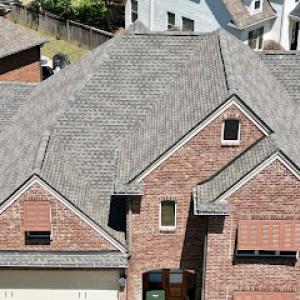
RiverLand Roofing
(662) 644-4297 riverlandroofing.com
1015 N Lamar Blvd, Oxford, Mississippi
4.9 from 145 reviews
Riverland Roofing, established in 2013, is a licensed and insured roofing company serving Mississippi, Tennessee, Louisiana, Alabama, and Arkansas. As a GAF Master Elite Contractor, GAF Premium Coating System Contractor, and GAF Certified Maintenance Professional, we offer exclusive warranties and top-tier roofing services. Our mission is to deliver uncompromising workmanship and exceptional customer service, ensuring complete satisfaction for both residential and commercial clients. From inspections and replacements to repairs and maintenance, we handle all aspects of roofing with professionalism and integrity. Contact us today for reliable, on-time, and on-budget roofing solutions.
MR Roof
(662) 471-4238 www.mrroofoxford.com
31 MS-328, Oxford, Mississippi
4.7 from 30 reviews
Residential and Commercial Roofing Contractors here to help with all of your roofing needs. Licensed, Bonded, and Insured
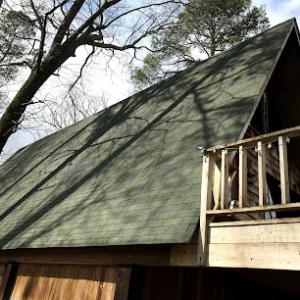
Moore Roof Solutions
(662) 418-9612 www.mooreroofsolutions.com
152 Twin Gates Drive, Oxford, Mississippi
5.0 from 1 review
We are a pressure washing and roof shampooing company. Gutter cleaning and exterior soft wash with our solution cleans homes streaked roofs . We do commercial and residential exterior cleaning and washing. We also have teams that do amazing interior painting. Freshen up your home to sale or let us do your spring cleaning !
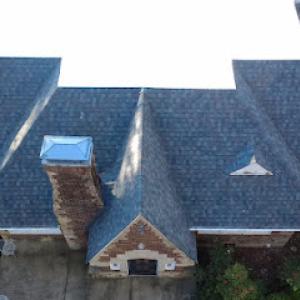
Cloud Nine Roofing
(270) 207-0041 www.cloudnineroofs.com
Serving
5.0 from 26 reviews
Cloud Nine Roofing is a licensed, insured local roofer providing expert roof repair, roof replacement, and residential & commercial roofing services with free consultations and reliable craftsmanship.
In Oxford, a full reroof typically requires a permit, with the contractor or homeowner submitting project details to the city before work begins. The process is designed to keep a rapidly growing town on track with its historic neighborhoods and newer subdivisions alike, especially after humid springs and heavy rains surge through town. As the project moves forward, the permit acts as a formal record that the scope, materials, and timeline have been reviewed by code officials. If the permit isn't secured, you risk delays at best and compliance penalties at worst, along with potential issues when you try to sell or insure the home later.
City inspection is part of the reroof process in Oxford, with on-site checks during and after the job to confirm code compliance rather than relying only on contractor self-certification. Inspections are not a one-and-done event; a typical sequence includes a pre-work review, mid-project checks, and a final sign-off. Expect to see inspectors walking the roof line, attic space, and areas around penetrations to verify that the installation aligns with local expectations. If something doesn't meet the letter of the code, the job can be paused until corrections are made. This is a real deterrent against shortcuts that might save a few hours but create long-term headaches.
Oxford reroof inspections may include verification of ventilation, underlayment standards, and general adherence to local code expectations, so homeowners should confirm these items are in the written scope before signing. Adequate attic ventilation helps temper the humid spring weather and reduces premature aging of roofing materials. Proper underlayment protects against the heavy rainfall typical to the area, particularly where trees overhang and debris can complicate water shedding. General adherence means nail patterns, flashing details, and acceptable fasteners meet the city's standards. Asking for these specifics in the contract helps prevent post-start surprises and keeps the project moving toward a compliant finish.
When a severe spring storm hits, keeping dated photos, maintenance records, and notes showing what changed after the event can be the difference between a repair and a full replacement. In Oxford, wind and hail claim questions often follow those storms, so you benefit from a solid trail of evidence. A simple photo log taken within days of the storm, plus any service notes from the previous year, helps you show progression rather than ambiguity. Keep records of any temporary measures you take to protect the roof, such as tarping or debris removal, and store them with your storm date notes.
Mississippi insurers commonly look closely at roof age and storm documentation, which can affect whether homeowners pursue repair, full replacement, or a claim-supported inspection first. If the roof is nearing the end of its expected life, carriers may scrutinize how the damage is tied to a specific weather event versus general wear. Having clear, event-specific documentation can support a claim and reduce the risk of a dispute over cause and extent.
Older roofs in Oxford may face tougher pricing or coverage terms depending on carrier rules, making pre-storm documentation especially important for homes already near replacement age. A well-organized file showing the roof's condition before the storm helps a adjuster understand what was already present and what the event added. If the weather brings another damaging season, that context can influence how an insurer responds.
Create a simple, dated roof snapshot for the last few seasons, label any observed issues, and note the exact storm date. Store contractor notes alongside homeowner observations, and keep a running log of any mitigation efforts. When a claim arises, this compiled history supports a clearer, faster assessment and reduces back-and-forth during a stressed process.
Spring in Oxford brings the highest disruption risk from thunderstorms and heavy rainfall, which can delay tear-off schedules and expose open roof areas to sudden weather changes. You'll want to plan with buffers for those quick, gusty downpours and have tarps ready to cover exposed areas if a storm moves in. Crew mobilization should prioritize quick, secure staging and extra fast cleanup to minimize water intrusion windows between lifts. Clear communication with the roofer about likely rain bands helps you set realistic milestones and reduces the chance of a partial tear-off leaving vulnerable spots exposed longer than necessary.
Summer heat and humidity in this climate increase crew fatigue and can affect material handling, making early-day scheduling and careful staging more important than in cooler climates. Expect asphalt or composite materials to behave differently as temperatures climb; storage on-site should be shaded, and panels should be kept dry to avoid handling hazards. Consider shorter daily work windows on peak heat days and a contingency plan for heat-related pauses, so the project remains on track without compromising seal integrity or safety.
Winter cold snaps are usually less dominant than storm moisture, but freeze conditions can still affect sealants and installation timing on certain days. Freeze-thaw cycles can complicate flashing, penetrations, and adhesive performance, so align sealant choices with local moisture exposure and keep extra fasteners on hand. If a cold-front approaches, discuss temporary protective measures with the crew to prevent ice dam build-up and ensure that underlayment remains dry during installation.
Throughout the year, access to mature shade trees and dense neighborhoods in older sections can influence tarp placement and debris management. Ensure your contractor uses disciplined debris containment and a clear plan for minimizing ground and gutter debris every day. In spring and fall, storm prep and rapid post-storm inspections help catch hidden vulnerabilities before they become leaks, while summer schedules should emphasize fan-out staging and material handling to reduce heat-related missteps.