
Last updated: Apr 19, 2026
Jasper homeowners are faced with a wind-and-hail claims environment that moves decisions fast, often driven by severe weather rather than the roof's age. After spring storms, you'll want to inspect with a critical eye within 24 to 72 hours if safe to do so. Look for bruising on shingles, lifted edges, missing granules, and dented metal around vents and flashing. In the aftermath of a thunderstorm, a quick exterior walk-around can reveal flashing gaps or hail-impact dents on softer components like vents and gutters. The key is to catch damage while the roof is still fresh in people's minds and the risk of coyly delayed claims hasn't slid past the peak storm window.
Spring storms and hail are a stated local seasonal risk, and they can both damage roofs and delay contractor scheduling after widespread events. The weather pattern in this area tends to cluster severe thunderstorms, which means the window to secure a repair crew or start a replacement can compress quickly. If a big event hits nearby, expect a flurry of calls and longer wait times. Plan for a rain-free, clear-slot window, but be ready to adjust as crews shift to the hardest-hit neighborhoods. Don't assume a later date will be easier-the need to complete work before the next heat spike often tightens the schedule.
Hot, humid summers accelerate wear on asphalt shingles, especially after rapid weather changes following thunderstorms. Sun exposure compounds granule loss and brittleness, which weakens a roof's resilience to future hail and gusts. If the last storm left granules washed away or if shingles show curling and color fading, the cycle shifts toward replacement more quickly than a mild year. Addressing potential heat-related wear early helps prevent costly leaks and interior damage during the next summer monsoon.
Document promptly and comprehensively. Take dated photos from multiple angles, capturing roof surface, gutters, and downspouts for signs of granule loss, hail hits, or lifted edges. Note any interior signs of moisture around ceilings or walls near attic vents after a storm. Keep a simple log of when severe weather struck and any professional assessments you obtain. This documentation becomes your strongest ally when filing a claim and coordinating post-storm scheduling with contractors.
When a storm hits, the best path is to call trusted local roofing pros who understand the neighborhood's typical damage patterns and the pace of Jasper's post-storm ramp-ups. Retrieve a written inspection checklist from them, focusing on flashing, vent seals, and chimney or wall penetrations, in addition to shingle integrity. If an assessment reveals significant damage, prioritize a plan that staggers steps-from temporary protection to full replacement-so the roof remains protected during the hottest part of the year and while storm-chasing crews are in transit from nearby counties.
In the days after a storm, add temporary cover where shingles are exposed, seal minor leaks with consumer-grade patches only if you're confident in their use, and clear clogged gutters to prevent water backup. Avoid impulsive contractor hiring if a storm wave has just passed; verify credentials, check local references, and secure a written forecast for installation windows to minimize the risk of coverage gaps during peak heat. The cycle ends when a roofing decision-whether repair or replacement-aligns with the next surge of weather, not merely the roof's age.
After a spring thunderstorm or a hot Alabama afternoon with hail, the claim process for homes in this market moves quickly. Insurers in Alabama commonly require photos, documentation of hail or wind damage, and timely reporting after storms affecting Jasper-area homes. This means gathering and organizing evidence before an adjuster arrives can save headaches and delays. The storm-driven claims environment here makes pre-replacement records especially valuable, because adjusters may later ask for a roof condition report and evidence of updated roof features. Being ready with a complete, dated record helps your claim stay on track even if weather turns severe again during the season.
Because claim activity rises after severe weather in this region, you benefit from documenting exterior elevations, roof slopes, vents, flashing, and interior leaks before temporary repairs are made. Take wide shots of each elevation to show the roof line relative to the house and any nearby trees or structures that could contribute debris during a storm. Capture close-ups of shingles, granule loss, and any visible hail hits, especially on right-to-left slopes that often carry unique wear patterns in the hill-country setting. Note the condition of flashing around chimneys, vents, and skylights, since flashing integrity is a frequent point of contention in Jasper claims. If ceilings or walls show leaks, photograph the affected areas upstairs and downstairs, including attic access and any insulation exposure. Timestamp the photos with date and location to establish a storm-specific sequence.
Prepare a simple, two-part file: a written roof condition report and a corresponding photo log. The written report should describe observed damage, the approximate date of the storm, and any immediate but temporary measures taken to mitigate leaks or further damage. The photo log should pair each photo with a short caption: location on the roof, what's shown, and the date. For attic shots, include a view of the underside of the roof deck and any signs of water intrusion. If you have prior inspection notes or competing quotes from reputable roofers, attach them as supporting context, since insurers may compare pre- and post-storm conditions to quantify impact.
Timely reporting after a storm is critical. In this market, delays can complicate adjustments and reopenings of files. Submit the documentation to the insurer as soon as you can, but ensure every claim item is accurate and clearly supported by the evidence. If possible, coordinate with your roofer or a local storm-damage specialist who can provide an independent roofer's condition report that corroborates what you've documented. This expert perspective often helps when the adjuster evaluates roof slopes, vent and flashing integrity, and any evidence of updated features that may affect replacement eligibility.
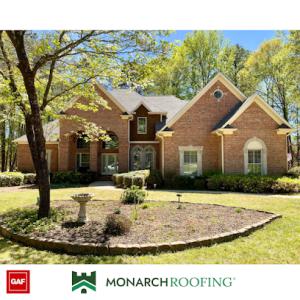
Monarch Roofing
(205) 282-9986 monarchroofingllc.com
505 20th St W, Jasper, Alabama
5.0 from 28 reviews
Monarch Roofing is proud to be a family-owned top roofing company in Alabama. We specialize in roof replacements, roof inspections, as well as other services such as gutters and fascia. Our team is fully trained to install the best materials on your home and to deal with any kind of damage you might have on shingle or metal roofing systems. We’re fully licensed and certified for your peace of mind. We are the keepers of your castle!
Miller Roofing Alabama
(205) 384-9768 www.millerroofingalabama.com
804 Hwy 78 W, Jasper, Alabama
4.4 from 34 reviews
Proudly serving Jasper, Cullman, and surrounding Alabama communities since 1968, Miller Roofing is one of the state’s most trusted names in residential and commercial roofing. With deep roots in the community and a legacy of quality, we specialize in durable roof replacements, emergency storm repairs, and long-term maintenance plans for homes, churches, schools, and businesses. Whether you're a homeowner navigating storm damage or a property manager looking for dependable service, we provide clear communication, honest assessments, and reliable results—every time. Our reputation was built the old-fashioned way: by doing what we say and standing behind our work.
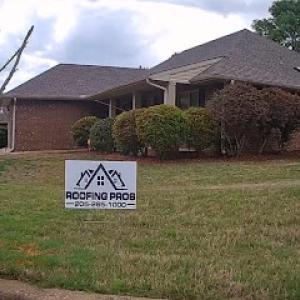
Roofing Pros
(205) 265-1000 roofingprosal.com
Serving
5.0 from 18 reviews
Roofing Pros is your trusted local roofing contractor proudly serving homeowners across Walker County and the greater Birmingham area. From Jasper and Cordova to Sumiton and Dora, we specialize in roof replacements, new roof installations, and fast storm damage repairs. Whether you need a shingle or metal roof, our licensed, local team delivers high-quality workmanship and honest, stress-free service. Call today for your free estimate and experience roofing done right.
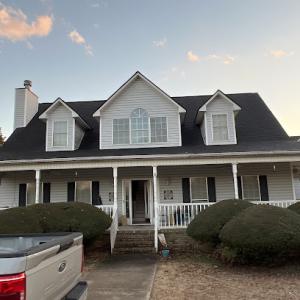
Top Choice Roofing
(256) 620-5482 www.thetopchoiceroofing.com
Serving
5.0 from 120 reviews
Here at Top Choice Roofing our roofing professionals have an extensive background in roofing installations with experience in the roofing construction and roof repair to suit all your project needs. We are committed to providing you the information you need to make an informed choice when selecting a roofing contractor. From your initial contact, we will guide you through the entire process from setting up the initial roof inspection, asking you about your desires or specifications, working within your budget and plans, educating you about your options, to ultimately installing a roof and providing service that will exceed your expectations!
Asphalt shingles remain a dominant choice in Jasper due to their familiar look and straightforward installation. In a hot summer and quickly shifting spring weather pattern, these shingles can age faster than in milder climates. The heat drives faster surface aging, and the frequent thunderstorms can test granule retention and sealant performance. When selecting asphalt, look for high-quality ASTM-rated glow resistance and thicker shingle profiles that offer better impact resistance and longer life. A practical approach is to pair the shingles with an underlayment that provides robust moisture protection and a well-sealed ridge and eave system to minimize leakage during high-wind events. Regular inspections after severe storms help catch loose tabs or lifted shingles before water finds its way under the surface. If hail is common in your area, choose a premium asphalt shingle with enhanced impact resistance and consider an aligned venting strategy to keep attic temperatures in check.
Metal roofing stands out in a climate marked by frequent thunderstorms and heavy rain. Its low weight relative to some alternatives means you can avoid overstressing roof decking while still achieving strong water shedding and wind resistance. In Jasper, metal panels with concealed fasteners or standing-seam profiles tend to outperform exposed-fastener varieties in high-wind zones. A key practical point is choosing a finish that resists fading from long, sun-drenched summers and that maintains clarity during the humid months. Proper sealing around penetrations and at roof-to-wall transitions is essential, as rapid weather swings can expose weak points. Snow load isn't a primary concern here, but wind uplift is, so pay attention to edge details, valley integrity, and secure attachment to the framing. A metal roof may show denting from hail, but many systems can recover with factory-protected coatings and selective panel replacement.
Clay tile, concrete tile, synthetic/composite shingles, and slate offer distinctive aesthetics and durability, but their higher weight and installation complexity matter more on homes not originally framed for heavy roofing. In this region, clay and concrete tiles demand careful structural assessment to ensure the existing framing can bear the load without costly reinforcements. Synthetic/composite shingles provide a middle ground, combining resilience with lighter weight and easier handling, though they still benefit from a roof deck capable of supporting extended hipped or complex layouts. Slate delivers a timeless look and excellent longevity but requires meticulous structural verification and qualified install crews due to its weight and fragility during installation. If a home has a roof with multiple valleys, dormers, or retrofitted enhancements, these heavier materials may complicate flashing transitions and warrant a framing review before planning an upgrade. For any of these options, confirm that proper underlayment and moisture barriers are matched to the climate's humidity swings and storm risk, ensuring the system remains resilient through Jasper's spring thunderstorm season.
When planning a roof replacement, you'll see a broad spread in prices depending on material. Provided local cost ranges are $300-$550 per square for asphalt shingles, $600-$1000 for metal, $900-$1800 for clay tile, $700-$1200 for concrete tile, $500-$900 for synthetic/composite shingles, and $1200-$3200 for slate. Those numbers reflect typical Jasper projects and can shift with material suppliers, crew availability, and the scale of the job. In practice, the more complex the roof plane or the more penetrations and vents, the more you'll see the higher end of each range.
In Jasper, storm-driven demand spikes after hail and wind events can tighten contractor availability and push pricing and lead times upward. After a hail event, a quick inspection of the damaged area is not enough-timing your replacement around the storm cycle matters for both pricing and access to skilled crews. If a roof needs immediate attention after a hailstorm, expect scheduling to push out by weeks, and prices to reflect the rush. Conversely, in a quieter window, you may gain more choice in crews and potentially more favorable scheduling.
For asphalt shingles, expect the lowest ongoing maintenance burden, with cost estimates closer to the $300-$550 per square range when the roof is straightforward. Metal roofs tend to fall in the $600-$1000 per square band, but installation can be quicker in some cases, offsetting labor costs. Clay and concrete tile bring higher installation complexity and weight considerations; clay runs $900-$1800 per square, concrete $700-$1200. Synthetic/composite shingles offer a middle ground at $500-$900, while slate sits highest in the $1200-$3200 range due to weight, underlayment needs, and careful installation. When comparing bids, look for warranty terms, warranty on workmanship, and crew experience with your chosen material, especially in a storm-prone locale.
In Jasper, a roof replacement almost always starts with a permit. The local building department issues the permit after submission, and that process can pause if the weather turns rough or if the office is handling a backlog from storm debris. To avoid delays, gather the basics up front: a signed contractor agreement, project address, roof size, and any structural notes from the prior inspection. Do not assume that the permit is a mere formality-if your project begins before the permit clears, you risk stop-work orders and fines that disrupt your repair timetable during a thunderstorm season.
Inspections in Jasper commonly occur at key milestones, including after tear-off and after final or underlayment installation. The tear-off inspection confirms that old material has been removed and the roof deck is sound. The final inspection or underlayment check confirms that the weather barrier and leak-prevention layers are correctly installed before shingles go on. Scheduling can hinge on weather windows and inspector availability, which tend to tighten after big storms. Having the contractor coordinate access and attic vents ready can prevent backtracking.
Processing times and department workload in Jasper can vary based on weather conditions and department workload, which matters during storm-recovery periods. If a hail-damaged roof is part of a larger neighborhood recovery, expect the line to grow and allow extra time for permit review. Begin the permit process as soon as estimates are ready, and keep copies handy for the inspector day. On the day of inspection, ensure all safety measures and access routes are clear, and communicate any temporary tarps or structural bracing so the ruling can be made quickly. Delays cost more than time; they can leave a roof exposed to rain longer than necessary.
Spring in Jasper brings storm and hail risk, which can create both emergency replacements and scheduling bottlenecks. If hail damage is evident-softened or cracked shingles, dented trim, or granule loss-you should start documenting ASAP and talk to a roofer about a fast assessment. Storms can overwhelm local crews, so expect a wait even with a clear replacement plan. Tie your decision to the observed damage pattern: widespread asphalt blistering or curling indicates a full tear-off is likely, while isolated impact marks may support a targeted repair. In this season, a quick triage helps prevent interior leaks during successive fronts, but avoid rushing into a roof teardown if the structure still sheds water adequately. Prioritize temporary tarping and water mitigation if a leak is present, then coordinate a phased replacement if the crew faces peak demand.
Summer heat in Jasper can complicate installation conditions while also accelerating wear on aging asphalt roofs. High afternoon temperatures soften underlayment and some fasteners, so crews often prefer early-morning work and midday fuel and break planning. If replacement is needed, aim for windows with moderate weather: consecutive dry days, low humidity, and mornings with cooler temps. Prolonged heat can stress new shingles, especially if a roof-to-be is near the end of its life; planning a staged tear-off with a dry-in phase may reduce heat-related issues and help preserve attic ventilation during the process. Consider shade strategies on the jobsite and ensure metal flashing is fully supported to resist the day-long sun exposure that can warp lightweight components. When the forecast calls for storms, secure materials and set a realistic sequence to avoid weather-driven delays that leave a partially completed roof exposed.
Winter rains, occasional freezes, and autumn humidity in Jasper create moisture-management concerns that affect tear-off timing and dry-in planning. Freezing temperatures slow adhesive curing and complicate roof decking inspection, so many projects shift to dry, above-freezing days. Autumn humidity raises the risk of trapped moisture if the roof isn't properly dried before covering. Schedule replacement to finish before the coldest snaps set in, but avoid forcing a shut-in during wet or damp stretches. A thorough moisture check of the attic and decking helps determine whether a full tear-off is feasible in a single shot or if a staged approach with controlled drying is safer for long-term performance.
The Alabama insurance environment around storms is active, with hail and high-wind events leaving many neighbors assessing damage after every spring thunderstorm. Homeowners in Jasper should expect insurers to scrutinize storm causation, roof condition, and whether repairs were made promptly after damage. The carrier's decision can hinge on clear, timely reporting and thorough documentation of what existed before the storm and what happened after. Delays or vague notes can shift responsibility and stretch the path to a full replacement or a simple repair.
Concrete documentation matters more than you might expect. Take dated photos of the roof and surrounding areas before any work begins, and capture hail impact patterns on shingles, gutters, and flashings. After a storm, obtain contractor assessments that describe observed damage and note whether repairs were completed or if measurements show progressive wear. Keep a written log of communications with the insurer, including who spoke, what was said, and any promised timelines. Insurers will weigh whether the roof's current condition was accelerated by the storm versus existing aging, so precise records are essential.
Roofing decisions in Jasper are often influenced by whether a carrier will cover full replacement, partial repair, or require proof of material matching and current roof condition. When the claim centers on replacement, ensure the proposed scope covers alignment with the home's other exterior systems and that match considerations are clear for shingles, metal, or tile options. If the carrier balks at a full replacement, you may face continued exposure to weather until a patchwork fix is approved, which can complicate storm readiness for the next thunderstorm season. Being proactive with an independent roof evaluation helps frame a credible claim and sets expectations for what the insurer will consider questionably tied to the storm versus preexisting wear.
The combination of humid summers, frequent thunderstorms, and mild winters creates a wear pattern that isn't found in colder inland markets. In Jasper, heat and moisture work together to accelerate aging of asphalt shingles, especially when granules are stressed by repeated sun exposure and hail impacts. That means you may see faster granule loss on north-facing slopes or roofs with southern exposure, and you'll notice a softer feel to the shingle surface after a hot Alabama afternoon. Understanding this pattern helps homeowners plan maintenance before a small issue becomes a larger problem.
Because the city's roofing concerns are driven less by snow load and more by heat, moisture, hail, and wind exposure over repeated storm seasons, the roof behaves like a weathered shield rather than a static layer. Frequent spring thunderstorms bring sudden downpours and hail events that can bruise or puncture shingles, shove granules into gutters, and loosen edge fasteners. Repeated wind gusts can pry up unsecured tabs, lift flashing, or weaken hip and ridge lines. You'll get better long-term value by inspecting after a major storm, then addressing hidden damage before it propagates.
Because asphalt shingles are common in Jasper, many homeowners experience replacement decisions tied to granule loss, heat aging, and storm damage overlap. Granules protect the underside of the shingle and help reflect heat; when they wear thin, UV exposure accelerates aging and staggering issues like curling or Sevilla-like granule shedding becomes visible. Hail can compound this by creating micro-damage that accelerates moisture intrusion under compromised edges. The practical takeaway is to monitor for sudden color changes, lifted tabs, or darkened streaks after storms, and to treat any sign of granule loss as a clue to check the underlying roof deck for moisture.