
Last updated: Apr 19, 2026
Spring hail storms and strong thunderstorms are a primary roof threat in Tupelo and often trigger repair and replacement demand spikes. The pattern here is fast, sharp, and weather-driven: a hail swath can leave hidden pockmarks on shingles, dent metal, and loosen flashing, while heavy gusts can lift edges and drive leaks into attic corners. In a market shaped by frequent weather events, the question becomes not if damage exists, but how quickly you can document it, present it, and align with the insurer's expectations after a claim is opened. You need to act with urgency, because the window to preserve shingles and prevent interior damage can be short, and insurers scrutinize damage alignment with recent storms.
Mississippi's elevated storm and hail claim activity means Tupelo homeowners may face stricter insurer documentation requirements and higher weather-related deductibles after major events. That reality puts a premium on clear, consecutive evidence. When you walk the roof after a storm, look for obvious impacts-dented or chipped shingles, bruised granules, lifted edges, and cracked flashing around vents and chimneys. Inside, check for moisture staining, warped ceiling panels, and attic condensation. The adjuster will rely on this source material to gauge cause and extent, so your documentation should be precise and organized. Date-stamped photos are not optional: capture shingles, flashing lines, vent stacks, gutters, and any interior leaks in a way that tells a chronological story of the storm's impact. If you can, photograph distinct landmarks in the yard to anchor the damage to the event, and save copies of any prior roof maintenance receipts or photos to show pre-storm conditions.
In this climate, adjusters may be especially attentive to hail and wind evidence, so date-stamped photos of shingles, flashing, vents, gutters, and interior leaks are especially important. When you file, be prepared to explain how the storm aligns with visible damage and why the roof materials failed or shifted. Gather repair invoices, contractor assessments, and any reports from local roofers who have already evaluated the site. Open communication early helps set expectations and reduces back-and-forth delays. If a contractor identifies alternate problem areas-like fascia boards or soffits-that could compound water intrusion, note those findings and bring them to the adjuster's attention so your claim covers the full scope. If the insurer requests a mitigation plan to prevent further leaks while awaiting replacement, implement it promptly to reduce the risk of escalation in claim cost or denial.
Storm-driven timing can push homeowners toward rapid replacement, but timing also affects claim approval and coverage. After a major hail event, the insurer may provide an accelerated evaluation path or a weather-related deductible trigger. In practice, this means you should not let a small, cosmetic repair mask underlying structural concerns. Hail can compromise underlayment or decking in ways that are not immediately visible from the ground. Have a trusted local roofer perform a thorough inspection and provide a written assessment that weighs material integrity, visible damage, and potential moisture pathways. When the assessment aligns with your photos and any meteorological data from the days surrounding the storm, you'll be in a stronger position to advocate for a replacement if the shingles or decking show widespread deterioration. The goal is a durable, weather-resistant roof that can stand up to Tupelo's hot, rain-heavy climate and the next round of spring storms.
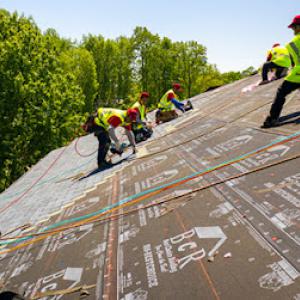
Best Choice Roofing
(662) 767-7702 bestchoiceroofing.com
280 S Thomas St Ste 101, Tupelo, Mississippi
4.9 from 294 reviews
Best Choice Roofing is your trusted roofing expert and the Best Choice when it comes to choosing a roofing company with a commitment to impeccable customer service. In business since 2009, Best Choice Roofing’s industry-leading contributions to the roofing industry include a customer-first mentality, a dedication to top-quality products and a leadership team focused on the growth of its people. Because of this framework, we have created a loyal base of customers all over the United States.
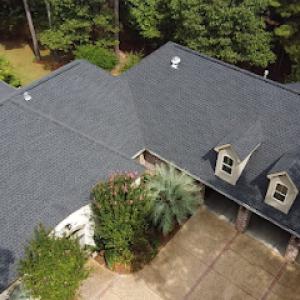
B&A Roofing
(662) 636-7663 www.baroofings.com
3098 Cliff Gookin Blvd #5, Tupelo, Mississippi
5.0 from 65 reviews
B&A Roofing specializes in shingle roof replacements for both residential and commercial customers.
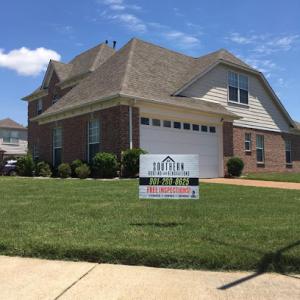
Southern Roofing & Renovations
(662) 271-5924 southernrnr.com
1289 N Gloster St Suite B, Tupelo, Mississippi
4.9 from 58 reviews
At Southern Roofing & Renovations, we proudly serve homeowners across the Southeast United States with high-quality roofing and renovation solutions built to last. With years of regional experience, our team is known for skilled craftsmanship, dependable service, and attention to detail. Whether you need a roof replacement, repair, or renovation, we deliver personalized solutions and a guided experience from start to finish. As an Owens Corning Platinum Preferred Contractor, we meet the highest standards in the industry and can offer exclusive extended warranties and comprehensive system protection. Backed by our A+ rating with the Better Business Bureau, Southern Roofing & Renovations is committed to integrity, professionalism and 100%
Watkins Construction & Roofing
(662) 540-8911 watkinsconstructioninc.com
1715 McCullough Blvd suite e, Tupelo, Mississippi
5.0 from 15 reviews
When you have a roof leak or storm-related roof damage, you need a local roofing contractor you can trust. Watkins Construction & Roofing has been a trusted Mississippi roofer for over 20 years. With services such as: roof repair, roof replacement, residential and commercial roofing, skylight repair and replacement, and even roof cleaning services, Watkins is Owens Corning Platinum Preferred and wants to be your go-to Tupelo, MS roofing company. At Watkins Construction & Roofing our #1 goal is customer experience-- we always put customers first. Contact Watkins Construction & Roofing today for your complimentary inspection!
Wheeler Roofing
(662) 844-4481 www.wheelerroofingms.com
411 Clark St, Tupelo, Mississippi
5.0 from 10 reviews
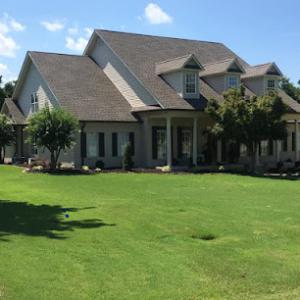
Wheeler Roofing provides residential and commercial roofing services to the Tupelo MS area.

Commercial Roofing Rana
(662) 321-3954 www.commercialroofingrana.com
3176 Tupelo Commons Dr., Tupelo, Mississippi
5.0 from 6 reviews
Since 1983, Commercial Roofing Rana has been helping business owners throughout TN, KY, MS and AR by offering high quality commercial roofing services. Our highly-trained and licensed team of roofing professionals never cut corners on any roofing project. Instead, we use high-quality products and materials to deliver stunning results that protect your business property. With nearly four decades of experience, Commercial Roofing Rana is the most trusted family owned roofing contractor in the midsouth. As a family business, what really sets us apart from other roofers is our dedication to you - the customer! High Quality Service is a Family Tradition.
True South Roofing & Solutions
(662) 231-3148 www.truesouthroofingandsolutions.com
Serving
5.0 from 43 reviews
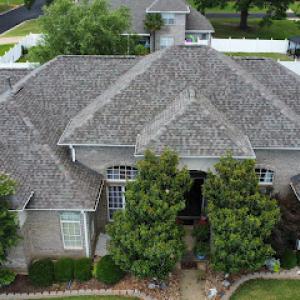
True South Roofing & Solutions is a licensed, insured, and certified roofing contractor based in Tupelo, MS and serving NE Mississippi. We are A+ BBB rated and GAF "Master Elite" roofers with expertise in all areas of commercial and residential roofing and roof repair. We provide excellent customer service paired with affordable roofing services. We also offer special care working with your insurance company for claims. We are insurance claim specialists and homeowner advocates who make roof repair and replacement as fast and smooth as possible. Give us a call today for a free roof inspection and free quote!
J & H Roofing
(662) 372-1777 jhroofingco.com
Serving
5.0 from 6 reviews
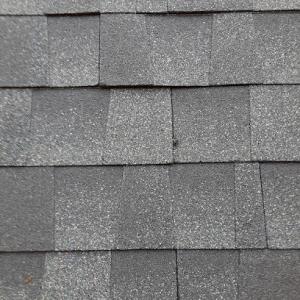
We offer master quality roofing services at a competitive price. J&H Roofing has over 15 years experience, offers a 5 year workmanship warranty, and is driven by customer satisfaction.
North East Roofing & Repair
(413) 244-9882 northeastmsroof.com
Serving
5.0 from 3 reviews
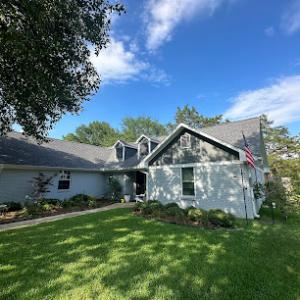
At North East Roofing & Repair, LLC, we provide top notch roofing services across all of North East Mississippi for shingle and metal roofs. This includes residential installation, renovation, and repair. Increase your property value and keep your home beautiful with our team of experts.
Tupelo Roofing Contractors
Serving
Tupelo roofing contractors are the best roofing repair and replacement service in Tupelo and North East Mississippi. If you need work done on your roof then please consider us. We are willing to travel Mississippi to help home and business owners have a long lasting, reliable roof. Contact us for a free estimate! You won't be disappointed!
Tupelo's hot, humid subtropical climate paired with frequent rain accelerates granule loss on asphalt shingles, invites algae staining on lighter roof surfaces, and pushes sealant fatigue and underlayment aging at a faster pace than drier regions. Humidity keeps roof decks damp longer, which can soften underlayment and nail seals if installation isn't meticulous. Thunderstorm winds can whip debris and lift vulnerable edges, so every chosen roof system needs solid edge detail and reliable waterproofing. This section favors practical, install-ready choices that stand up to persistent moisture and rapid weather shifts.
Asphalt shingles remain the most practical mainstream option locally, offering a balance of installability, repairability, and performance under Tupelo's conditions. Look for enterprise-grade polymer-coated asphalt with good granule adhesion and algae-resistant facings to slow staining. Metal roofing is a close second for durability, with panels or shingles that shed heavy rain and resist wind-driven damage. Metals with durable coatings resist staining and corrosion, and will typically tolerate the humid air better over the long term, provided fasteners and flashing are chosen for high-humidity environments. Heavier tile and slate systems have their virtues, but require structure-aware planning that is less common in typical North Mississippi housing stock, making them less practical for most existing homes without significant reinforcement.
Persistent moisture and thunderstorm exposure make flashing details a critical line of defense. Corners, transitions, and roof-to-wall interfaces must be well-sealed with high-quality flashing that won't fail in rapid temperature swings or driving rain. In Tupelo, attic ventilation becomes a first-order concern because proper air exchange helps prevent condensation buildup under shingles or tiles during muggy seasons. An effective combination of ridge venting and soffit intake helps maintain a dry attic, which in turn preserves underlayment and reduces decking warp. Fastener performance matters just as much as the roofing product itself. In humid climates, stainless or coated steel nails and corrosion-resistant screws, with proper sealant-backed flashing nails, are preferred to resist rust and maintain nail seals through seasonal humidity cycles.
Underlayment aging progresses faster when damp conditions persist. In Tupelo, choose a high-quality, weather-rated underlayment with proven moisture resistance and good tear strength, especially beneath asphalt shingles or metal panels. Deck preparation should prioritize a flat, dry surface with attention to proper nail patterns and sealant coverage at every seam. If a roof is subject to frequent driving rain during severe storms, pay particular attention to valley areas and underlayment transitions, which are common failure points in humid environments.
Installers should adapt standard practices to local realities. For asphalt, ensure edge and hip lines receive reinforced shingles in the wind exposure zone, with algae-resistant granules facing outward. For metal, verify panel alignment, proper seam sealing, and secure fastening with corrosion-resistant hardware designed for humid climates. When flashing, use waterproof sealants compatible with metal and asphalt substrates, and verify compatibility with any existing vent penetrations. In all cases, prioritize clean surfaces, dry decking, and a meticulous inspection of every seam after installation, particularly in the first storm season following the job. This approach helps ensure the roof stands up to the climate-driven wear that Tupelo homeowners routinely face.
When a hail event or severe thunderstorm sweeps through North Mississippi, contractor calendars tighten fast. Local replacement costs rise as crews shift from steady, planned projects to rush repairs for multiple homes in a neighborhood. In Tupelo, this surge can push labor hours higher and lead times longer, even for standard asphalt shingle jobs. Plan for a tighter window between damage assessment and scheduling, and expect some variability in timing if weather systems linger or follow-up hail reports come in. A weather-driven rush also increases the risk of temporary price bumps for materials and expedited delivery, so you'll want to lock in a contractor's timeline and price range as soon as an adjuster signs off.
Asphalt shingles remain the budget baseline in this market. In practice, that baseline reflects Tupelo's climate: a durable, cost-conscious option that handles hot summers and heavy rain without over-investing in structural changes. Metal roofing is a common upgrade here, chosen for durability and faster return-to-service after a storm. Tile systems-clay or concrete-bring high durability but add installation complexity and heavier framing requirements, which elevates both labor and potential reinforcement needs. Slate stands apart as the premium option, with substantial weight and specialist workmanship driving higher costs. In concrete terms, typical ranges per square foot will align with local market patterns, but expect material choice to tilt overall project pricing significantly, especially when inspection points require corrections or added ventilation or underlayment work.
Inspectors in Tupelo frequently request corrections to underlayment, nailing patterns, flashing, or ventilation when a roof is replaced after storm damage. If corrections are needed, costs can rise beyond the initial quote due to additional materials, labor retraining, and re-inspection steps. This is more common after severe hail or when a roof transition reveals latent vulnerabilities in existing structures. Budget for the possibility that a proposed replacement might require upgrading underlayment or upgrading vented ridge systems to satisfy inspection criteria. Having an independent pre-inspection check can help you anticipate changes before the contractor is fully underway.
In this climate and market, cost projections should explicitly separate material price from installed labor and any contingencies tied to storm-driven demand. If you're weighing asphalt against metal, calculate total installed cost per square and consider how long each option will stand up to Tupelo's weather patterns and insurance timelines. For high-wear roofs, understand the potential for expedited scheduling but balance that against the longer lead times or structural work associated with tile or slate. Communicate clearly with your insurer about observed hail impact and required corrections so approvals move smoothly and timing aligns with your chosen material.
Get a clear picture of your project costs upfront - no commitment required.
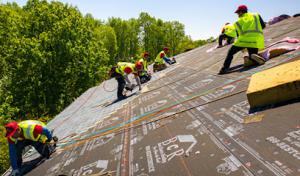
Best Choice Roofing
(662) 767-7702 bestchoiceroofing.com
280 S Thomas St Ste 101, Tupelo, Mississippi
4.9 from 294 reviews
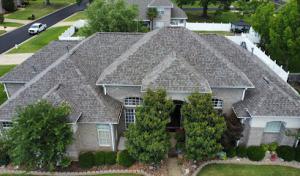
True South Roofing & Solutions
(662) 231-3148 www.truesouthroofingandsolutions.com
Serving
5.0 from 43 reviews
Full roof replacements in Tupelo typically require a permit through the City of Tupelo Building Department. Before any shingles start flying, you or your contractor should submit the permit application, along with the scope of work and any necessary plans. The process helps ensure materials, ventilation, flashing, and underlayment are appropriate for North Mississippi's hot, stormy climate and humid air. Keeping a clear line of communication with the Building Department can prevent delays when the project is underway. If you're replacing like-for-like with the same roof type and color, you'll still need to check for any local amendments or add-ons that the department may require, particularly if the roof structure or attic ventilation needs modification.
City inspections commonly review underlayment, nailing, flashing, and ventilation during and after installation rather than treating reroofing as a paperwork-only process. Expect the inspector to verify that the roof deck is sound, underlayment is properly laid, nails or clips are correctly spaced, flashing around chimneys and vents is continuous and sealed, and attic ventilation meets code requirements. In Tupelo's storm-driven market, inspectors also pay attention to workmanship that can affect wind uplift and water shedding, especially on edges, hip and ridge lines, and near penetrations. Your contractor should be prepared to demonstrate proper nailing patterns, confirm the use of approved fasteners, and show that ventilation pathways won't be blocked. If a mistake is found, be prepared for a pass or fail and a corrective path, rather than a simple approval.
Homeowners should plan for processing and approval time ranging from several days to a couple of weeks from application through final sign-off. Weather windows matter in Tupelo, so scheduling around rain and heat is practical. During the wait, ensure all data the Building Department needs is readily available: permit numbers from your contractor, structural notes if a deck upgrade is involved, and any architectural details tied to venting or attic space. Keep copies of all inspections and approvals in your project file, and share them with your insurer as needed during a hail-driven claim. Coordinating the permit timeline with the storm season can help ensure your replacement proceeds smoothly and is properly documented for future maintenance.
In Tupelo, spring and fall emerge as the clearest, most reliable times to plan a roof replacement. Those seasons dodge the peak summer heat and humidity while still offering enough daylight and mild conditions for steady work. Aiming for a late March through April window or a late September through October window gives the crew good temps, fewer pop-up storms, and fewer weather-related delays. If a replacement must happen in mid-summer, be prepared for slower progress due to heat, higher fatigue, and the occasional afternoon thunderstorm that can push the crew off the roof for safety. Winter projects are possible but tend to slow everything down; occasional ice and freezing rain in Tupelo can delay tear-off, access, and inspections even though winters are milder than farther north. Scheduling with your crew in mind around these patterns helps keep the project on track and reduces the chance of weather surprises derailing a replacement.
Storm season can dramatically affect when a roof is replaced. After a major hail or wind event, a quick, thorough inspection helps determine whether a repair will suffice or if a full replacement is needed. If insurance coverage is involved, the timeline often hinges on how swiftly the claim is processed and approved. In practice, this means documenting damage promptly, coordinating with the contractor to align a replacement with a window of favorable weather, and avoiding the rush of an imminent storm that could complicate access or force a rushed job. When hail reports are frequent or a thunderstorm pattern lingers, prioritize arranging a replacement within the upcoming window that minimizes exposure to rain during tear-off and protects interior spaces from potential leaks.
Begin by scheduling a professional roof inspection early in the preferred spring or fall window to assess structural integrity, shingle condition, and flashing wear, especially after a hail season or a heavy storm stretch. Request a written assessment that clearly separates repairable areas from areas needing full replacement, including a proposed sequence that avoids long gaps between tear-off and reinstallation. Coordinate with the contractor to set aside a rain contingency and to pre-order essential underlayment and components so installation can proceed quickly when a calm, dry day appears. Finally, align your insurance documentation with the replacement plan, ensuring that photos, notes from the inspector, and the contractor's findings are ready to accompany a claim if needed. This approach minimizes delays and keeps the project moving through Tupelo's transitional seasons.
Mississippi experiences a higher frequency of hail and storm-driven claims, and this reality shapes how insurers view roof condition. After a major wind or hail event, expect scrutiny of roof age, prior repairs, and any storm-specific damage evidence. If a roof shows noticeable wear or patchy past fixes, an adjuster may question its remaining life or assign greater depreciation. Clear, honest records help protect you from surprises during claim settlement and help the process move more smoothly.
Wind mitigation considerations can affect underwriting and claim handling in this market, especially after severe weather periods. Features such as fastened shingles, roof deck attachment, and secondary water barriers can influence acceptance and speed of processing. If a home has signs of strong winds in recent years-scoured flashing, loose gutters, or lifted shingles-document them. When presenting a claim, highlight improvements or retrofits that reduce risk, since these details can shift the insurer's assessment of future risk.
The strongest documentation package for a Tupelo claim usually includes wide and close-up roof photos, interior leak photos, notes on the storm date, and records of temporary protection such as tarping. Take exterior shots from multiple angles, including edge views and any hail impact marks on shingles or metal panels. Capture interior ceilings or walls where moisture is present, with dates where visible. Keep records of temporary protection efforts (tarps, plywood) and any professional notes about staging repairs. This evidence can be pivotal when an adjuster inventories damage and timelines.
In the humid Mississippi climate around this area, poor attic ventilation can trap heat and moisture, accelerating shingle aging and contributing to decking and underlayment deterioration. When the attic breathes poorly, asphalt and other roof coverings cook from the inside out, and attic insulation becomes less effective. You'll notice faster curling, sooner granule loss, and more widespread deck exposure after heavy rains. The risk isn't limited to shingles alone-every layer beneath the surface feels the pressure, from the OSB to the felt. Prioritize a balanced intake and exhaust strategy to keep temperatures and humidity closer to a steady, ordinary summer average.
Frequent thunderstorms make flashing around valleys, chimneys, wall intersections, and roof penetrations a recurring weak point in local leak investigations. Metal step and continuous flashing can corrode or buckle when driven by sudden downpours, and sealants can dry out or crack after repeated cycles. Valleys that aren't properly reinforced or flashed tend to trap debris and moisture, creating slow leaks that widen with every storm. Chimney details, especially where masonry meets roofing, are notorious for separating under pressure, and wall intersections invite moisture intrusion when siding mismatches or poorly sealed joints exist. Each area demands careful, site-specific attention during inspection and when planning any repair.
City inspection emphasis on flashing and ventilation reflects the fact that installation detail failures are especially costly in the wet-weather environment. A small misalignment or skipped step in the attic ventilation plan can magnify over years, turning a minor drip into an attic-wide ordeal. When storms blitz through, look for salt-like mineral streaking near penetrations, soft decking underfoot, and rust on metal flashings. Consistent, proactive attention to ventilation paths and flashing integrity saves you from storm-driven surprises and keeps the roof performing when rain falls hardest.
Find contractors experienced in skylight installation, flashing, and leak repairs to bring natural light into your home.
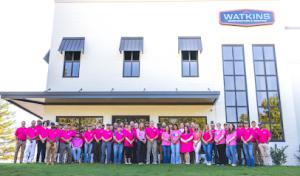
Watkins Construction & Roofing
(662) 540-8911 watkinsconstructioninc.com
1715 McCullough Blvd suite e, Tupelo, Mississippi
5.0 from 15 reviews
Tupelo homeowners often hire for re-roofing and storm response rather than only new construction, so experience with insurance paperwork and post-storm scheduling matters locally. The market mixes residential-focused roofers with firms capable of commercial-scale work, and many emphasize rapid response, thorough cleanup, and a long-established local footprint. Look for a contractor who can balance fast service with careful, detail-oriented workmanship, since rapid response without solid quality isn't a win.
In this market, contractor credibility stands out when a company holds manufacturer certifications and offers robust warranties. Certification signals adherence to installation standards, better product support, and a clearer plan for post-storm service. Seek written proof of manufacturer training and the specific warranty terms the contractor will provide on your roof system. A contractor with a durable post-storm support track record is especially valuable after hail or high-wind events.
Storm seasons create pressure to document damage quickly, but proper claims require careful notes and timelines. A reliable Tupelo contractor should help you photograph damage, keep a dated project log, and provide itemized, signed work orders. Ask how they document wind or hail damage and what information they will submit to your insurer. You want a team that can streamline the paperwork while ensuring all steps align with your policy's expectations.
Post-storm scheduling matters locally due to fluctuating demand. Choose a contractor that communicates clear arrival windows, keeps you updated on project milestones, and coordinates with adjusters to minimize downtime. Expect a phased plan: temporary measures if needed, material delivery windows, and a realistic timetable that respects Mississippi weather patterns while preserving your home's interior protection.
Finally, prioritize a contractor who combines quick response with a track record of durable installations and attentive post-install service. Ask for recent references, verify local project history, and confirm they stand behind both the installation and the warranty. A strong local partner will help you navigate the storm-driven insurance cycle and keep your roof performing through Tupelo's hot, rain-heavy seasons.