
Last updated: Apr 19, 2026
In Bessemer, the Birmingham metro storm corridor means wind-driven hail is a recurring roofing concern and a major driver of replacement timing. Summers bring hot, humid days that can mask weather damage until a heavy shower or gust hits. Damage often shows up not only as a few lifted shingles, but also as compromised ridge caps, dented flashing, and cracked vents. After a severe event, you may discover multiple failure points in a single attack: shingles blown up the slope, flashing pulled away from the chimney or skylight, and vents that no longer seal properly. The pattern matters because insurance adjusters will look for a cohesive story of wind, hail exposure, and sustained wear rather than a single obvious leak.
When a storm hits, your first objective is to stop the water from entering the attic and living spaces. Start by tarping the most active leaks if you can safely reach the roof, and keep a dry bucket or tarp under any ceiling drip. Interior mitigation buys time for a careful assessment and reduces secondary damage to insulation and drywall. Remember that summer storms can damage multiple roof components at once, so don't settle for a quick fix that only covers one suspect area. After you've stabilized the interior, proceed with a roof-wide assessment because wind and hail damage often appear far from the most visible leak spot.
Because insurers in Alabama expect detailed photo sets and notes on pre-existing wear, Bessemer homeowners benefit from documenting the entire roof before and after storms rather than only obvious leak spots. Start with a clear, high-resolution photo sequence of each plane: the main slopes, ridge line, flashing around chimneys and vents, and any attic-venting hardware. Capture close-ups of cracked shingles, bruised tiles, dented metal edging, and lifted or curled edges. Then walk the attic with a flashlight to identify soft roof decking or insulation saturation. Note any sagging or unusual warm spots that could indicate hidden moisture. A comprehensive record helps separate new damage from pre-existing wear and makes the subsequent repair scope clear.
To streamline the claims process, create two parallel tracks: exterior roof photos and interior moisture evidence. Exterior, document the roof in different light angles, focusing on edges, caps, and penetrations where wind-driven hail often causes failures. Interior, photograph stained ceilings, signs of newly formed mold, and attic ventilation issues. Keep dated copies of these records, and label each photo with its location and a brief description. When talking to your insurer, present a cohesive timeline: the storm date, observed damage on the day after, and any interim weather events that could have influenced progressive damage. A well-organized dossier reduces back-and-forth and speeds up the review.
Don't climb on a recently damaged roof during a thunderstorm window or high-wind conditions. Once safety is assured, prioritize an inspection by a reputable roofer who understands the local climate-one who can verify whether loose shingles, missing ridge caps, or compromised flashing are isolated issues or part of a broader replacement need. If a roof compromise is confirmed, arrange temporary protections (tarps, boards) to prevent water intrusion while scheduling a full assessment. During the interim, keep indoor rooms well-ventilated and monitor for new leaks after each storm. The goal is to limit further exposure while moving toward a complete, code-compliant solution.
Wind and hail patterns in this corridor tend to repeat, so establishing a proactive maintenance rhythm helps weather the next storm. Schedule annual roof inspections, especially after the peak storm season, focusing on the integrity of shingles, ridge caps, flashing, and vent seals. Prioritize attic venting health since proper ventilation reduces moisture buildup that can amplify damage over time. A proactive approach keeps you ahead of sudden, large-scale failures and aligns with the fast, comprehensive review insurers expect after major weather events.
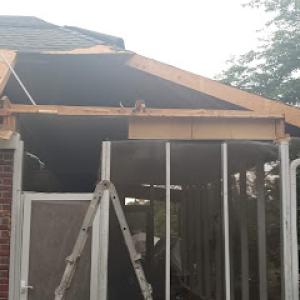
Austermiller General Contracts
1611 Long 14th St, Bessemer, Alabama
5.0 from 33 reviews
Fire claims/ Roofing / siding/ gutters/ paint/ decks/ fence/complete remodeling inside and outside / tree service and branches cut and removal
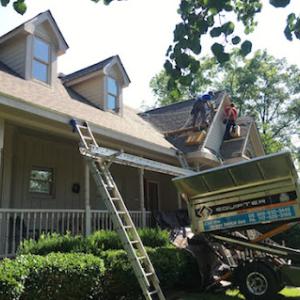
Bill White Roofing & Specialty
3172 Shannon Wenonah Rd, Bessemer, Alabama
4.7 from 30 reviews
When it comes to protecting your home for the weather outside, Bill White Roofing and Speciality has been helping our community since 1969. | Hand Nailed asphalt shingles
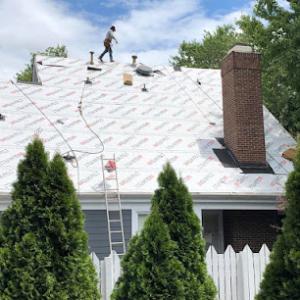
Ascend Roofs
4894 Mountain Gap Dr, Bessemer, Alabama
4.6 from 29 reviews
High-quality roofing repairs & replacements with unparalleled customer service -- get in touch for a free inspection or estimate!
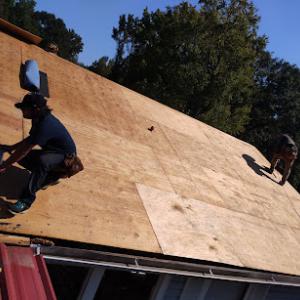
Roofing & Construction Company
(205) 757-7342 roofingandconstructioncompanyllc.com
Serving
5.0 from 19 reviews
We have 10 years experience specializing in shingles, metal roofs, framing, gutters, skylights and more.
Yadal Restoration
(205) 475-0716 yadalrestorationllc.com
Serving
5.0 from 15 reviews
Roofer in Hueytown, AL
Capstone Roofing
(205) 453-1803 capstoneroofingco.com
Serving
4.9 from 102 reviews
Capstone Roofing is a Birmingham, Alabama-based roofing contractor that has been serving Birmingham and local communities since 2014. We specialize in both residential and commercial roofing services, including roof repairs, roof installations, and seamless gutters. Capstone Roofing is committed to providing top-notch customer service and professionalism, and our skilled professionals use high-quality roofing materials to ensure that your roof is protected from the elements. Our team is also experienced in home remodels, interior repairs, and exterior repairs. If you want your home improvements done right call the professionals at Capstone Roofing, LLC.

One Call Roofing
(205) 588-2786 www.onecallroofing.com
Serving
4.8 from 423 reviews
Protect your property with the expertise of One Call Roofing, LLC, the Birmingham roofing contractors established in 2003. With two decades of experience, their team of licensed and insured professionals specializes in a comprehensive range of roofing services, including repairs, replacements, inspections, and storm damage restoration. They are proficient in handling all types of roofing materials, from asphalt shingles and metal roofing to cedar shake and flat roofs. Committed to providing exceptional customer service, One Call Roofing caters to both residential and commercial clients throughout Birmingham and the surrounding areas.
Idea Roofing
(205) 910-7492 www.idearoofingandconstruction.com
Serving
5.0 from 680 reviews
Idea Roofing is Helena’s top-rated, locally owned roofing contractor, trusted by 670+ 5-star Google reviews. We specialize in roof repair, full roof replacement, and storm damage inspections across Helena, Pelham, Alabaster, Calera, Chelsea, and nearby Shelby County communities. Our licensed and insured team prioritizes quality, keeps your property clean, and communicates clearly from first inspection to final nail. We also help you navigate insurance claims so you get the coverage you deserve. Call today to schedule a free roof inspection and estimate.
Roof Rehab
(205) 787-2930 www.roofrehab.biz
Serving
5.0 from 32 reviews
Roof Rehab is a leading professional roofing company dedicated to providing top-tier roofing solutions for residential, commercial, and industrial properties. With a team of highly skilled and experienced roofing specialists, we offer a comprehensive range of services including roof installation, repair, maintenance, and inspection. Our commitment to quality craftsmanship, use of premium materials, and customer-centric approach ensures that each project is completed to the highest standards of excellence and durability. At Roof Rehab, we pride ourselves on our reliability, transparency, and ability to deliver roofing solutions that not only protect but also enhance the value and aesthetics of your property
Reeder Roofing
(205) 209-3870 www.reederservices.com
Serving
4.9 from 131 reviews
Reeder Roofing is your trusted partner for residential and commercial roofing services across central Alabama. We specialize in roof repairs, replacements, maintenance, new installations, and flat roof solutions. From Huntsville to Alexander City, including cities like Birmingham, Auburn, Anniston, and more, our expert team covers all your roofing needs. We handle insurance claims and offer free inspections and quotes, ensuring a hassle-free experience. With our commitment to quality workmanship and excellent customer service, Reeder Roofing is the top choice for durable and reliable roofing solutions in Alabama.
Green Valley Roofing & Construction
Serving
5.0 from 452 reviews
As a trusted, family-owned business in Homewood, Green Valley Roofing & Construction has been a cornerstone of quality since 2018. Specializing in both commercial and residential roofing, our expert team brings over 70 years of combined experience to every project. We are proud to be a highly-rated, BBB Accredited business, a testament to our commitment to exceptional customer care and superior craftsmanship. We are dedicated to providing durable solutions for all your roofing needs, from storm damage repair to material installation.
Cahaba Roofing & Remodeling
Serving
4.8 from 115 reviews
Roofing companies near you. When you have a roof leak or storm related roof damage you need a local roofing contractor you can trust. Cahaba Roofing and Remodeling has been a trusted Birmingham AL years. With services like roof repair, new residential roof replacement, commercial roofing, leaky skylight repair and replacement, and even roof cleaning services, Cahaba wants to be your go-to Birmingham roofing company. At Cahaba Roofing our #1 goal is customer experience. Cahaba Roofing and Remodeling always puts customers first. Call a CertainTeed roofing contractor, Cahaba Roofing and Remodeling, today if you have a roof leak or need a new roof on your home anywhere in greater Birmingham AL.
Spring in this area brings a renewed air of activity after winter, but it also carries the tail end of storm season. Early spring can expose roofs to lingering wind-driven debris and sporadic hail from late-season squalls. If a full roof replacement is scheduled for spring, plan around the chance of sudden rain showers that can stall progress and push dry-in timelines back. Efficient staging and weather watching become essential on a reroof job, with crews prioritizing tarping and rapid leak-prep during any split-second rain window. For homeowners, having clear, up-to-date documentation on recent storm damage helps speed insurance coordination if wind or hail left marks on shingles, flashing, or vents. Strong communication with the contractor about anticipated spring showers can keep progress on track without losing the dry-in pace.
Summer brings hot, humid weather that challenges tear-off and shingle installation. In this climate, heat softens asphalt and can make nail driving more difficult, while humidity affects attic venting work and the overall comfort of workers. If a full replacement is necessary, consider scheduling the bulk of the work during the cooler portions of the day and staggering crews to avoid heat-related delays. Proper dry-in preparation remains crucial, especially on roofs with complex flashing details or attic ventilation plans. Weather awareness matters even more when afternoon storms pop up; having a plan for quick sheltering and secure tarping helps prevent wind-driven damage to an open roof. This season also emphasizes the importance of documenting pre-existing conditions and any hail signs spotted during inspection, which can ease insurance interactions if weather later proves damaging.
Fall offers a practical balance of manageable temperatures and fewer severe storms. With milder afternoons, shingle installation and tear-off proceed more predictably, reducing the risk of heat-related distortion or blistering. Dry-in speed tends to improve as rain patterns wane, and staging becomes more straightforward when weather windows align with work phases. Fall is often the most reliable time for fast leak response planning, since crews can focus on sealing and venting configurations before winter. Attic ventilation decisions gain extra importance as temperatures begin to drop; a well-vented attic helps prevent condensation and strip-down failures that may occur if moisture backs up from summer. Efficiency in communication with the crew about potential rain gaps and how to protect newly installed flashing can keep the project steady through the season.
Winter in this city is milder than in northern markets, yet occasional freezes and ice still affect seal-down performance, flashing behavior, and attic ventilation decisions. When temperatures fall below comfort levels, shingles can become brittle and seal-down may struggle if moisture is trapped against cold surfaces. Scheduling during the coldest spells requires vigilance about de-icing measures and ensuring that fasteners and underlayment maintain their integrity. Consider extending the project timeline to avoid the worst of winter snaps, especially for homes with existing roofline complexities or multiple vent penetrations. Even in milder winters, a rapid response plan for leaks after a storm remains critical, with crews prepared to diagnose flashing or vent misalignments that ice buildup could exacerbate. Keeping a tight line of communication with the contractor ensures that any post-storm issues are addressed promptly and that warranty considerations are clearly understood and documented.
Get a clear picture of your project costs upfront - no commitment required.
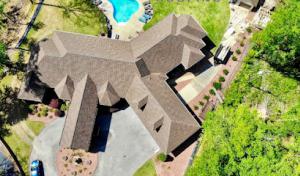
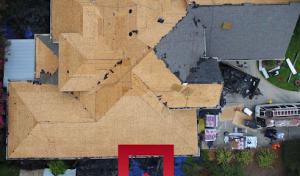
Asphalt shingles are the backbone of most homes in this area, especially product of choice for the large reroof market. In Bessemer, heat and humidity, plus the frequent hail events, push you to think about ventilation and flashing as essential parts of the system, not afterthoughts. A well-ventilated attic helps keep shingles cooler in the long Alabama summer and reduces the chance of premature curling or granule loss. Ensure your ridge and soffit vents are clear, and that attic insulation sits properly to minimize heat transfer that can degrade attic materials and decking over time. When the wind roars and hail strikes, strong wind-rated drip edges and well-sealed starter courses matter for limiting leaks until a proper repair can be done. If you're documenting storm damage for an insurance claim, photographs should include attic ventilation conditions, evidence of proper flashing around chimneys and vents, and the overall shingle condition after every storm event.
Metal roofing has a meaningful local specialty presence and is often considered by homeowners seeking better performance against heat exposure and repeated storm cycles. Metal sheeting typically handles hot days well and resists hail better than many other options, but installation quality is crucial. In Bessemer's climate, heat expansion and contraction can stress fasteners and sealants if the system isn't planned with proper panel alignment and adequate attic or under-eave ventilation. Look for a standing-seam or through-fastened profile installed with corrosion-resistant coatings. Proper flashing at transitions, vents, and skylights is essential to prevent leaks during strong winds or driving rain. If you're weighing options after a storm, ask how the underlayment beneath metal will interact with existing roof decking and whether any venting upgrades are included in the project scope to maintain moisture balance.
Tile, wood shake, and synthetic products exist in the market, but require closer attention to structure, underlayment, and moisture management in humid, rainy conditions. In Bessemer's wet climate, moisture control starts with a solid deck and compatible underlayment. Clay and concrete tiles demand a reinforced substrate and careful flashing over penetrations to avoid cracking under freeze-thaw or wind lift. Wood shakes bring a natural beauty but need meticulous maintenance to resist mold, decay, and insect intrusion in high humidity; consider a moisture barrier and surface treatments appropriate for Alabama summers. Synthetic shingles offer resilience and can emulate other materials while often delivering lighter weight and easier installation, but still rely on a sound underlayment and proper ventilation. Regardless of choice, moisture management-proper underlayment, continuous ventilation, and robust flashing around vents, chimneys, and skylights-stays central in a humid, storm-prone climate.
In all cases, plan for fast-leak response after severe weather. Keep a temporary tarping strategy ready and know where the shutoff valves and interior water-penetration points are most likely to show up after a hail event or heavy wind. Documentation for insurance responses should capture any wind-driven damage, damaged flashing, or exposed decking, with clear notes on where moisture is entering the attic or interior.
In this area, storm-driven demand spikes after major wind or hail events can tighten scheduling and labor availability quickly. Local reroof teams may be juggling multiple emergency repair projects, which nudges lead times longer and can push pricing upward for a short window. That means a straightforward, back-to-back replacement suddenly looks more like a staggered project with available crews and favorable weather windows at a premium. Planning with a weather-aware window-aim to avoid peak storm weeks-helps keep labor costs predictable and reduces the chance of rush-order material surcharges.
Bessemer's housing stock keeps asphalt shingles as the dominant reroof material, but a noticeable share of homes use metal or tile in specific neighborhoods. Specialty materials and crews for those sections tend to push pricing up faster than basic shingle replacements. If a project includes metal coping, tile underlayment, or matching existing textures, expect crews with specialized equipment and longer job durations. This mix matters not just for upfront quotes but for the pacing of delivery, as specialty shipments can encounter longer lead times even outside of storm peaks.
Certain job elements commonly surface in this market and can materially change final pricing. Flashing corrections are frequent after severe weather, as wind-driven debris and shifting attic loads stress the edges of the roof line. Attic ventilation upgrades are often recommended or required to maintain energy efficiency and long-term roof performance, and these add-ons affect permit timing, air sealing, and overall project scope. Hidden decking repairs-soft spots or moisture damage found only after old shingles are removed-also contribute to cost and scheduling changes. Expect a solid range when budgeting: asphalt shingles sit in the lower end, while metal and tile systems push higher, with contingencies for flashing, ventilation, and decking work.
For asphalt shingles, anticipate a price range that reflects local demand and scheduling realities, while metal and tile options carry premium considerations. In practice, a homeowner should plan for potential adjustments within the broader ranges shown, recognizing that storm-driven demand and specialty material needs can narrow or widen the final figure as crews confirm exact scope and sequence.
Don't let upfront costs delay a critical repair - these contractors offer payment plans to fit your budget.

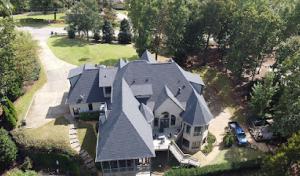
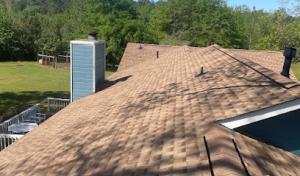
Knowing what to expect with permits and inspections can save you from costly delays after a storm. In Bessemer, a full reroof typically requires a building permit filed with the City of Bessemer Building Department. That process isn't a formality; it sets the stage for the wind, hail, and venting considerations that matter most in this climate. If a permit is skipped or rushed, you risk a failed inspection, a rework fund, and potential fines that stretch out the project timeline when you're already dealing with roof damage.
Inspections happen during the project and again at completion. The emphasis in local review isn't on whether shingles look right from the street, but on whether the installation meets code and will hold up under Birmingham-area storms. Inspectors will check flashing around chimneys, valleys, edges, and any penetrations carefully, because improper flashing is a frequent source of leaks after a heavy rain or wind event. Venting matters just as much as waterproofing; attic vents need to be correctly sized and installed so moisture and heat don't trap under the deck. If the roof is part of a reroof, you'll likely face a sequence of inspections as work progresses, not just a final nod. Timely access for inspectors and clean project records help keep the permit process moving and reduce the chance of rework.
Some Bessemer neighborhoods may also require HOA notice or approval before work begins. Private community rules vary, and they can add a layer of review that runs parallel to city permitting. Failing to secure HOA consent can stall your project at the worst moment, especially if a storm has just left many homes with urgent needs. Before pulling permits, check with your HOA representative or property manager to understand the timing, notification requirements, and any architectural standards that influence flashing color, venting configurations, or overall roof appearance. In practice, coordinating city permits with HOA approvals helps you avoid last-minute holds and keeps the project on track when weather windows are short.
Once inspections are complete, you'll receive a record of compliance. Keep this documentation accessible for future claims, inspections, or potential resale. If weather recurs and another roof is needed, those same permit and inspection habits will apply again. The bottom line is that permit discipline and clear communication with both the city and any HOA protects your investment and reduces the risk of leaks, wind damage, or inadequate venting slipping through the cracks after a storm.
In Bessemer, homeowners operate in an Alabama wind-and-hail claim environment where roof losses are common enough that carriers often scrutinize documentation closely. That scrutiny can slow you down if the record isn't thorough, so approach a claim with meticulous organization from day one. Weather events in this area tend to layer damage, making it essential to separate new storm-created issues from pre-existing wear or prior repairs.
Adjusters may ask for updated roof photographs and itemized notes separating storm-created damage from older wear, repairs, or installation defects. Prepare clear shots that show the entire roof, flashing, and attic areas, plus close-ups of any curling shingles, lifted edges, or granule loss. Keep a simple, dated log of what happened and when, including names of any contractors consulted. If you've had prior leaks or repairs, document those dates and the existing conditions before a storm hit so the adjuster can distinguish cause from effect.
There has not been a broad statewide insurer pullback in Alabama, but some carriers have tightened wind or hail terms, making policy review important before replacement decisions. Read the policy carefully and note how wind or hail damage is defined, what thresholds trigger replacement versus repair, and any requirements for attic ventilation or flashing to be considered compliant. If terms feel ambiguous, don't rush; a careful policy interpretation now can prevent disputes later during settlement.
Delays in reporting or incomplete evidence can derail a smooth claim. If a leak appears after a storm, document it promptly, keep samples of damaged materials, and coordinate temporary repairs that stop further damage while the claim is being processed. A well-organized file with dated photos, notes, and contractor plans helps keep the process practical and transparent.
In Bessemer, repeated rain exposure and storm-driven water intrusion make flashing details around penetrations, valleys, and roof-to-wall transitions a frequent source of callbacks. Look for lifted or cracked flashing around valleys, chimneys, skylights, vents, and where the roof meets exterior walls. If stormwater finds gaps under trim or along fastener lines, it can seep into decking and trim, creating hidden rot and interior leaks. After severe weather, inspect for loose nails, missing shingle edge fasteners, and any discoloration on interior ceilings that signals hidden water intrusion. A practical check is to trace water stains in an attic or ceiling back to the corresponding roof seam; early detection helps prevent larger failures during the next storm.
The city's heat and humidity put extra pressure on attic ventilation, and poor vent balance can accelerate shingle aging and moisture-related roof system problems. A roof that feels hot to the touch on a mid-summer afternoon may be lacking adequate intake or exhaust venting, which hampers moisture removal and can cause deck warping or premature shingle deterioration. Ensure soffit vents, ridge or soffit-to-vent paths, and gable vents are clear of insulation. Avoid sealing off vents with foam or bulky insulation, and watch for signs of mold or musty odors in the attic after storms, which point to trapped humidity and insufficient ventilation.
Occasional winter freezes in this area can expose weaknesses in sealants, metal components, and vent assemblies that were already stressed by summer heat. Cracked sealant around flashing, rusting metal drip edges, and loose vent gaskets are common failure points when cold snaps follow hot spells. Inspect sealants at all flashing joints, check metal components for corrosion, and test vent boots for cracks or loose fits. If ice dams form, ensure proper insulation and ventilation to reduce the risk of water backing up under shingles and into the roof deck during thaw cycles. Regular seasonal checks help catch these weaknesses before they lead to leaks.
Find contractors experienced in skylight installation, flashing, and leak repairs to bring natural light into your home.
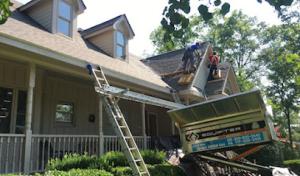
Bill White Roofing & Specialty
3172 Shannon Wenonah Rd, Bessemer, Alabama
4.7 from 30 reviews
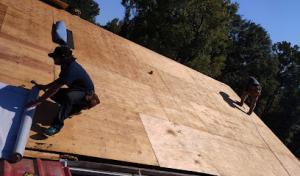
Roofing & Construction Company
(205) 757-7342 roofingandconstructioncompanyllc.com
Serving
5.0 from 19 reviews
Because the local market is dominated by reroofing and quick-response repair work, you should verify who will handle storm follow-up, debris cleanup, and inspection scheduling before signing any contract. Ask explicitly whether the same company that performs the initial patch or roof lift will return for final inspection, warranty work, and post-storm follow-ups. In practice, a reliable crew will designate a project lead who stays your point of contact from first hail dent to final clearance, so there's no mystery about who coordinates the repair timeline. If the contractor balks at clarifying these steps, move on.
Cleanup is a visible local hiring priority, which matters in neighborhoods where reroof projects are common and debris control affects homeowner satisfaction as much as speed. Before signing, request a written plan for daily cleanup, tarp placement, and responsible disposal of old materials. Confirm that workers cover landscaping, fences, and driveways during material staging, and that they remove nails and scraps promptly each day. A contractor with a reputation for thorough cleanup is often a sign of a well-organized crew that can keep a project on track even in storm-charged weeks.
The market includes a mix of long-established, family-owned, and residential-focused contractors, so homeowners often compare responsiveness and practical storm experience more than niche luxury offerings. Look for references from neighbors with similar homes and roofing materials. Ask how they have managed past after-storm service calls, especially for wind-driven leaks or hail-damaged flashing. A practical storm background matters more than flashy portfolios when wind and hail are common in this area.
Ask for clear warranty terms on workmanship and materials, plus what the contractor will do if a leak reappears after the first heavy rain. In Bessemer, the first heavy rain after a repair often reveals unseen issues, making a responsive post-installation plan essential. Ensure the contract specifies response times for rain-related leaks and a realistic schedule for any required follow-up visits. A contractor who can commit to timely return visits tends to protect the project's long-term performance.