
Last updated: Apr 19, 2026
Hail and April thunderstorms in this area can strike with little warning, shredding shingles, denting metal, and weakening edge flashings. When a storm rolls through, the real race begins: you against the adjuster's schedule, contractor crews, and the narrow windows that allow a safe, quality replacement before the next heat spike or storm front. You will see a surge of activity in the hours after hail reports, and that rush can flood your neighborhood with competing bids and limited crews. Stay sharp: document damage the moment it's safe to be on the roof, take clear daylight photos, and note the date of the storm. The goal is to establish a direct link between the event and the damage you're claiming, so your claim isn't questioned later by a wary insurer.
In this climate, the hot summer months and ongoing storm cycles complicate scheduling. Replacement projects often spill into milder spring and fall periods when crews are available and temperatures cooperate for proper installation. If you wait for "the perfect" line of dry days, you risk losing the window entirely to back-to-back storms, heat fatigue on shingles, or matting of underlayment. The urgency is real: coordinate with an experienced local contractor who can forecast weather gaps, stage materials, and secure an installation plan that minimizes exposure to repeated weather events. Plan for contingencies, such as short-term tarp coverage and rapid oak-wood trim or fascia repairs that keep interior spaces dry while the roof is held off for a few days.
Oklahoma's high hail-claim environment means inspectors move quickly, and insurers increasingly request thorough photo documentation with date stamps and detailed notes. You should have recent, weather-appropriate photos showing all affected areas, including adjacent shingles that may have sustained micro-damage invisible to the casual eye. Keep an organized binder or folder-photos labeled by date, storm name, and roof location, plus a simple map of roof planes. When the adjuster arrives, be ready to walk through every issue: hail impacts on shingles, denting on metal surfaces, damaged vent flashings, and possible substrate concerns. If gaps appear between what was claimed and what was observed, respond promptly with additional photos and a clearly labeled timeline. The more precise your records, the smoother the claim review-and the quicker you can lock in a replacement date before the next season's wave of storms.
Fortney Construction
(580) 467-6577 www.fortneyconstructionllc.com
4530 S 13th St, Duncan, Oklahoma
5.0 from 7 reviews
Fortney Construction & Insulation is a family owned and operated business offering services in general contracting, specializing in roofing and blown-in insulation installation.
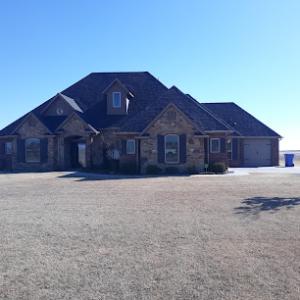
Duncan Roofing Company
(580) 448-4564 www.duncanokroofing.com
811 W Hackberry Ave, Duncan, Oklahoma
4.4 from 12 reviews
Duncan OK Roofing provides Duncan, OK with the highest quality residential roofing, commercial roofing and fence-building company. We've been in business since the 1990s and have now become the city's experts at what we do!
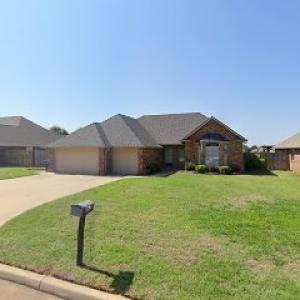
A Step Above Roofing - Duncan
(580) 606-6090 astepaboveroofing.com
2302 Meadow View Dr, Duncan, Oklahoma
4.0 from 8 reviews
A Step Above Roofing is the leading Roofing Company in Duncan, OK & the surrounding areas. We proudly offer Residential & Commercial Roofing Services in Duncan, OK! We offer the following services: Roofing Company Duncan OK Roofer Duncan OK Roofing Contractor Duncan OK Commercial Roofing Duncan OK Roofing Services Duncan OK We proudly service the Duncan, OK area & pride ourselves on offering the best Roofing services. Please contact us for all your roofing needs. Roofing Company near me Roofer near me Commercial Roofing near me Roofing Services near me Roofing Services near me Duncan OK Commercial Roofing near me Duncan OK Roofer near me Duncan OK Roofing Company near me Duncan OK
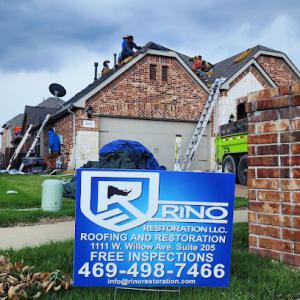
RINO Restoration
(469) 498-7466 rinorestoration.com
1111 W Willow Ave, Duncan, Oklahoma
5.0 from 1 review
We are a Commercial and Residential roofing and restoration contractor providing quality services in more than 20 states. We work will all insurance carriers and assist our clients through the insurance claims process as well as write cash proposals for or self pay clientele. Its not just a ROOF it is our REPUTATION please reach out if you do not know the condition of your roof system or you have experienced leaks or recent hail / Wind storms. We will provide a no obligation FREE property assessment. We provide quality installs for Asphalt shingle, TPO, PVC, EPDM, Modified Bitumen, Metal system. Our core values are important to us and are a reflection of the experience you receive with us. IN GOD WE TRUST!
Craftsman Roofing & Construction
Serving
1.0 from 2 reviews
General Contractor specializing in Roofing, Gutter, Siding, & Solar serving Oklahoma City, OK and the surrounding areas.
In Duncan, the Southern Plains weather pattern drives a distinct roofing reality. The mix of hail, scorching summer heat, gusty winds, and variable rainfall pressures roofs in a way that shortens their service life compared with milder regions. The climate means shingles edge toward faster granule loss during heat waves, and metal, tile, and composite options need to be evaluated for sun exposure and wind resistance. This is not a place where one-size-fits-all guidance works; the climate pushes roofs toward more frequent maintenance cycles and a sharper eye for storm-related damage.
The city's roofing cycle is defined less by coastal moisture or snow load and more by repeated convective storm damage and heat stress. Thunderstorms in spring, often accompanied by hail, set the tone for the year, while summer heat can bake roofing substrates and accelerate aging. Wind can lift weak edges and loosen fasteners, creating small leaks that worsen with every storm. Because hail tends to come in bursts, many homeowners find that damage accumulates in a way that makes a single, well-timed replacement more practical than sporadic patching over several seasons. Understanding this pattern helps you anticipate when a roof is most vulnerable and plan proactive inspections after heavy spring or summer squalls.
Homeowners in Duncan often plan around spring and fall installation windows because those seasons are generally more workable than peak summer heat or winter freezes. Spring storms can reveal hidden damage as hail cleans up, while cooler fall weather provides comfortable working conditions and more predictable material installation. The heat of mid-summer can complicate roof work, stressing daytime crews and increasing the risk of rapid material expansion or sealant failure if proper precautions aren't taken. By aligning replacement or major repairs with shoulder seasons, you reduce weather-related risks and achieve a longer-lasting result once the roof is in place for the next round of storms.
Southern Plains exposure tends to favor roof assemblies that stand up to heat and resist wind-driven debris. Asphalt shingles, metal, and various tiles are common choices, each with trade-offs in longevity and maintenance needs under intense sun. Wood shingles and synthetic options also appear in Duncan's housing stock, chosen for aesthetics or specific performance goals. Whatever the material, expect that post-storm checks should focus on hail impact, fastener integrity, flashing seals, and coping around chimneys and vents. A practical approach combines a thorough inspection after notable hail events with a proactive maintenance plan that targets seals, gutters, and fascia, helping the roof weather another cycle of warm, windy, convective weather.
For roof decisions in this area, the combo of Southern Plains hail exposure and intense summer heat drives what lasts and what falters. The typical storm window after spring tends to push projects into fall, so choosing a roof that can ride out hail hits and heat buildup without frequent repairs makes sense. Asphalt shingles are common because they fit the local housing stock and price expectations, but hail bruising, granule loss, and lifted tabs are recurring local failure points. When a storm rolls through, those bruises can go from cosmetic to structural if left unchecked, especially on lighter granule coats or aged shingles. Heat, on the other hand, accelerates granule shedding and can shorten a roof's effective life if the system isn't well vented or sealed. Any choice here benefits from attention to attic ventilation and proper underlayment, because hot, stagnant air compounds how quickly damage appears. A proper assessment after a hail event helps determine if a roof needs a quick fix or a full replacement.
Asphalt is a practical baseline for most homes, but it's not a one-size-fits-all solution in these conditions. In practice, look for shingles with higher asphalt saturation and better granule retention to resist both hail impact and sun exposure. Pay attention to wind uplift ratings as well, since spring storms can bring gusts that test edge tab integrity. In areas with frequent hail, asymmetrical patterns of damage can emerge on older asphalt roofs, where tabs may crack or lift in corners or near transitions. A well-executed installation matters as much as the product itself: careful alignment, proper nailing, and adequate attic ventilation help prevent snowball effects of heat and moisture. If you're considering asphalt, a practical route is pairing high-wind, high-impact-rated shingles with a solid ridge vent strategy and weathered flashing that won't buckle under repeated sun exposure.
Metal stands out for heat management and durability, and it's often considered after repeated hail losses. It heats less than dark asphalt in direct sun and reflects a portion of the sun's energy, which helps preserve interior comfort and reduce thermal cycling on the deck. When evaluating metal, look beyond color choice to panel profile, fastening method, and flashing details. Dents can be visible on some panels, though modern metal often hides many dent scenarios, particularly on lighter machinery-grade coatings. Detailing at fasteners and flashing matters more here because improper sealing or misaligned laps can become a leak point after a heavy rain. A careful install includes robust sealants at penetrations and a designed drainage path to prevent water from pooling at eaves during intense downpours.
Clay tile, concrete tile, wood shingles, and synthetic composites appear in the local market, but suitability hinges on hail impact resistance, heat performance, and installation quality. Clay and concrete tiles can be heavy enough to require structural checks, and hail impacts may crack certain tile profiles if the substructure isn't prepared. Wood and synthetic options offer varied impact resistance and color stability under heat, but coatings and sealants weather differently under high sun and intense storms. In practice, the best approach is to match the roof's weight class and impact resistance to the existing structure while ensuring installation quality-especially in transitions around skylights, chimneys, and vents-where failures are most common after hail events.
A full re-roof in your area typically requires a permit through the City Building Department rather than being treated as a no-notice maintenance item. Plan for the permit to come with a review of the project scope, including material choice, ventilation, and drainage considerations. Starting the permit process early helps avoid spring storm delays or fall weather crunches that can push work into less favorable conditions. The permit also sets expectations for inspection milestones and waste handling, which can influence the scheduling window around hail season and the calmer fall period.
Expect inspections to be scheduled during the project and again at completion. The initial inspection often occurs after underlayment, flashing, and rough-stage work are in place but before your roof is fully shingled. This early check helps catch issues with venting, attic insulation considerations, or improper alignment before irreversible work proceeds. The final inspection confirms completion and that the roof system aligns with local code and permit requirements. In Duncan, inspectors look closely at how the system handles heat and moisture exposure, so ensure any ventilation upgrades or ridge vents are clearly visible and documented.
Local review in Duncan focuses on venting, flashing, and nailing-pattern compliance. If your home has complex eaves, chimneys, or skylights, plan for additional flashing detail and coordinated sealants. The inspector will verify that nails and staples meet the required spacing and that shingle fasteners penetrate to the correct depth without overdriving. Proper nailing patterns are especially important in hail-prone conditions to resist uplift during intense summer storms. Be prepared to demonstrate that every vent boot, boot-flashing, and stack flashing is integrated with a compatible underlayment and that step-and-cap shingles are properly aligned.
Some neighborhoods expect debris containment and waste-disposal notices during the job. This means setting up containment at the roof edge to prevent hail-borne debris from reaching street-grade property and ensuring a clean work area around the curb. The permit process may require a disposal plan or contractor-provided details on how waste will be managed, including timetables for pickup and responsible disposal of damaged materials. Communicate with your contractor about these expectations early so the project stays compliant with both city requirements and neighborhood covenants.
Coordinate the project around Duncan's spring storm window and later, calmer fall weather to minimize weather-related holdbacks. Schedule the first inspection after underlayment and rough-stage work, then plan the final inspection once installation is complete and warranties are in place. Keep all permit documents, inspection notices, and contractor communications readily accessible in case the building department requests updates or clarifications during the job. Having a clear line of sight between permit requirements and daily work helps prevent delays and ensures a smoother re-roof experience in this climate.
In Duncan-area projects, you'll see typical per-square costs aligned with the city's climate and housing stock. Asphalt Shingles usually run from 350 to 650 USD per square, Metal Roofing from 500 to 1000, Clay Tile from 650 to 1100, Concrete Tile from 600 to 1000, Wood Shingles/Shakes from 650 to 1150, and Synthetic/Composite Shingles from 450 to 900. Those ranges form the baseline when planning after a hail event or major storm, and they reflect the mix of aging roofs, attic venting, and existing flashings found across Duncan's neighborhoods.
After a major hail event, storm-driven demand compresses contractor schedules and drives competition for crews and materials. In Duncan, that pressure can push prices upward quickly, especially for tear-offs and full replacements. If multiple homes along a block are getting new roofs, expect a tighter window to choose materials, secure opinions, and align on timing. The heat of summer also shortens workable daylight hours, creating scheduling bottlenecks that translate into higher bids or rushed decisions.
Storm timing matters for both cost and outcome. Replacing a compromised roof in spring often makes sense to beat the peak heat, but requires waiting for post-storm assessments and insurance decisions. Fall has calmer weather and more predictable crew availability, which can moderate price and shorten delays. If a tear-off is required, plan for weather delays related to hail, wind, or cold snaps, and anticipate that longer waits can affect material pricing and crew labor availability.
Insurance-driven replacements are common after hail. In Duncan, it's typical to encounter scopes that expand beyond cosmetic damage to address hidden hail effects and venting or flashing updates. Budget for a professional assessment that documents damage comprehensively, and be prepared for adjustments in material choice if the insurer's allowances shift. A well-documented claim often aligns the project with the most durable, code-ready finish within the local cost ranges.
Start with a rough comparison using the local cost ranges, then gather two to three written estimates. Prioritize contractors who can show recent hail-related replacements in Duncan and provide clear timelines for tear-off, installation, and inspection milestones. Confirm that the chosen finish aligns with existing curb appeal and shading patterns typical of Duncan homes to maximize long-term performance.
In this climate, repeated hail exposure commonly shows up as shingle bruising, granule loss, cracked tabs, and shortened replacement cycles. A quick glance at an older roof can reveal dull patches and a peppered look on the shingle surface after a spring storm run. These signs often precede accelerated aging, making inspections crucial after every hail event and before the next window for replacement.
The long, hot summers bake exposed surfaces and speed up wear on roof assemblies. Heat exacerbates brittleness in the asphalt layer, stresses sealants, and intensifies ventilation-related wear. Soffits, ridge vents, and attic baffles can deteriorate faster than neighbors expect. If heat seems to pull at edges or lift fasteners slightly, plan for closer monitoring and timely assessment after mid-summer peaks.
Storms that sweep through the area carry enough force to expose weak flashing and edge details that might not be obvious at a casual glance. Fastening errors from years past or compromised flashings near chimneys and vents can lay dormant until the next severe weather hit, when a single gust reveals the failure. A careful, targeted inspection after windy events helps catch issues before interior leaks appear.
Because this climate combines hail, heat, and wind, a roof often tells its story in layers-first with bruised shingles, then with creeping edge damage, and finally with flashing or vent failures. When inspection reveals multiple proximal failures, it's a sign to step back, assess overall condition, and plan repairs before the next weather cycle.
After a damaging hail event, you face an insurance process that moves quickly and with strict documentation. In this market, adjusters can be scarce, so the pace of a roof replacement often hinges on how thoroughly you document loss. Expect insurers to want detailed photos, dates of loss, and clear evidence of specific roof impacts such as bruising, lifted shingles, or hidden moisture. Take wide-angle and close-up shots from multiple angles, include ground-level views, and timestamp everything. Keep a running log of when storms occurred, when you first noticed damage, and when you reported it to the carrier. Missing or inconsistent records can slow a claim and push decisions into less favorable weather windows.
Carrier responses after major Oklahoma storm periods can affect replacement pacing. When a wave of claims hits the system, adjusters may be temporarily backlogged, and scheduling windows tighten. In Duncan, that means your project might slide toward calmer fall weather if the claim drags, or into spring storm seasons if delays occur earlier. Plan for a window rather than a fixed date, and communicate with your adjuster about realistic timelines. If weather patterns shift, carriers may reevaluate priorities, so expect some fluctuation in how quickly materials and crews are approved and mobilized.
Insurers increasingly weigh mitigation steps and material choices in their recommendations after hail events. Because hail claims are common and closely reviewed, carriers may favor proven impact-resistant options or specific roof strategies that reduce risk of future hail damage. Document any protective measures you implement-like reinforced attic ventilation, improved underlayment, or vented caps-as these can influence approval decisions and, in turn, the pace of replacement. Tailor your plan to align with what the carrier signals as acceptable mitigation while maintaining durability for Southern Plains exposure.
Spring in Duncan brings hailstorms and April thunderstorms that can both damage roofs and interrupt active replacement projects. If you're planning a re-roof after hail or after a storm, you'll want a tight window that minimizes the chance of a quick second hit or a weather delay. Start with a weather forecast two weeks out, and be prepared to pivot if a storm cone shifts. Scheduling teams for a mid-month start can help align you with calmer days, but know that patching damage to holding off on a full tear-off may be necessary if a fresh front rolls in.
Summer roof work is affected by high temperatures that stress materials and can slow crew productivity or shift work hours. In Duncan, heat can dry out shingles too quickly or make asphalt feel brittle, while metal and tiles can conduct heat, slowing ventilation and safe handling. Plan for early morning starts and stricter hydration/risk controls. If a replacement is underway during peak heat, consider phased work or temporary protection to keep exposed decking from sun-baked damage.
Fall can be one of the better replacement windows, but wind and storm activity still create timing risk before winter freezes and occasional ice. Target a stretch with fewer late-season fronts so the crew can finish before temperature swings complicate sealants and underlayment. If fall storms threaten, have a backup plan for securing tarp or temporary coverings and a clear handoff between inspection, ordering, and a final sealant phase. In Duncan, aligning with calmer fall patterns helps avoid ice-related delays and ensures a solid, weather-resilient install.