
Last updated: Apr 19, 2026
Spring hail events act as a sharp trigger for sudden roof damage and claim spikes. Homes often emerge from the winter with aging shingles or exposed flashing, and a single hailstorm can leave dented panels, bruised shingles, and compromised valleys. After the hail, the real danger is delayed leaks that show up with the first summer rain. Autumn storms bring high-wind exposure and debris loading, which can loosen shingles and damage roof edges after the main hail season has passed. If you hear hail on the roof or notice granule loss, treat it as a warning signal-fast action reduces risk of interior damage and bigger replacement timelines when the insurance process starts.
The local insurance climate is shaped by frequent hail and wind claims, so carriers commonly expect photo documentation, contractor estimates, and on-site adjuster inspections. Start with clear photos taken from multiple angles: after the storm, from ground level, and up close of any visibly damaged areas such as shingles, flashing, and edge areas. Include the entire roof silhouette in a wide shot to show overall condition. Gather contractor estimates from reputable local roofers who are familiar with the typical Wichita Falls roof lines and aging conditions. If an adjuster is scheduled, prepare a concise run-down of observed issues: missing granules, lifted shingles, exposed underlayment, and any interior signs of water intrusion. The faster this information is provided, the smoother the review and reconciliation process tends to be.
Temporary mitigation matters. Use tarps or heavy-duty plastic to cover exposed areas after a storm to prevent water intrusion. Keep records of maintenance notes, previous repair dates, and any contractor advisories about edge cracks or hail bruising. Before choosing a contractor, verify local licensing and a solid track record with roof replacements typical to the region's climate and housing styles. A trusted local roofer can walk you through what a thorough roof assessment looks like after a spring hail event or autumn windstorm and can help translate damage into a precise, insurer-ready scope of work. Expect the process to demand prompt responses to adjuster questions and timely coordination for on-site inspections.
Storm-season damage tends to cluster in spring and then escalate again with autumn winds, so timing is essential. Initiate documentation as soon as safe after a storm, but prioritize a professional roof inspection within the first week if possible. Coordinating a same-day or next-day roof assessment with a well-known local contractor helps ensure that the claim reflects actual, verifiable damage rather than estimates based on imperfect inspection windows. If multiple storms hit in quick succession, keep a centralized file of all communications, photos, and invoices to streamline the claims review and avoid backtracking during the adjustment process.
Have a short list ready of three local roofing pros who routinely handle hail and wind damage. Schedule inspections promptly after a significant hail event or strong autumn winds, and insist on a written, itemized assessment that matches insurer documentation requirements. When requested, provide high-quality photos and the contractor's scope of work promptly to prevent delays. By staying proactive, you keep the repair or replacement timeline tight and minimize the risk of end-of-season complications that can arise from staged or unclear claim details.
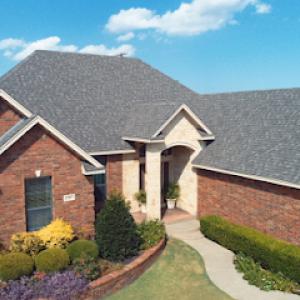
Marchand Roofing & Construction
(940) 782-5276 www.marchandroofingwf.com
3136 S Farm to Market Rd 369, Wichita Falls, Texas
4.9 from 283 reviews
Doug Marchand and his team at Marchand Roofing and Construction, have been in the construction business here in North Texas since 1987. We are licensed, bonded, and insured and can handle all of your roofing and construction needs. Being locally owned, all of us at Marchand Roofing are your friends and neighbors, and we believe in doing the job right to build a better community together. We work with you, your insurance carrier, and their adjusters, to help you get the job done right – the first time.

Assured Roofing & Construction
(940) 782-1194 assuredconstructiontx.com
900 8th St #115, Wichita Falls, Texas
5.0 from 80 reviews
Insurance Claims, Storm Restoration, Roof Replacement, Roof Repair
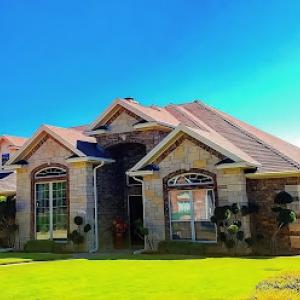
Mataska Roofing
(940) 691-5722 mataskaroofing.com
2409 Cambridge Ave, Wichita Falls, Texas
5.0 from 68 reviews
Mataska Roofing is a roofing contractor in Wichita Falls, TX. We specialize in roofing, gutter cleaning, and siding. We have a team of experienced professionals who can handle any roofing project. We offer free estimates and our services are backed by a warranty.
Wichita Falls Roofing
(940) 202-8280 www.wichitafallsroofingco.com
4509 Dunbarton Dr, Wichita Falls, Texas
4.9 from 71 reviews
Storm restoration and roofing.
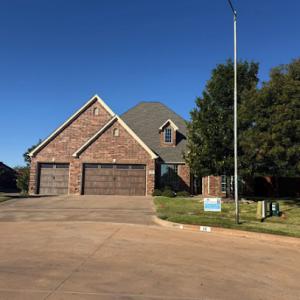
940 Roofing & Construction
(940) 213-0140 www.940roofingandconstruction.com
906 Tilden St, Wichita Falls, Texas
4.8 from 85 reviews
940 Roofing and Construction provides roof installation and repairs for commercial and residential customers in the Wichita Falls, TX area.
Red River Roofing & Construction
(940) 224-5220 rrroofingandconstruction.com
4402 Phillips Dr, Wichita Falls, Texas
5.0 from 16 reviews
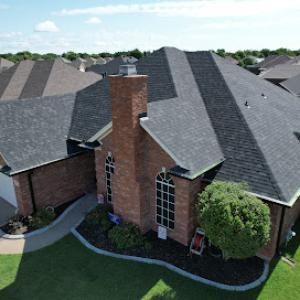
Give your Wichita Falls, TX home a beautiful new look! Red River Roofing and Construction is your preferred general contractor, specializing in top-tier roofing solutions. Whether your roof needs an upgrade, your home's siding is faded, or you're ready for a new outdoor living space, we offer comprehensive home improvement services to breathe new life into your exterior. We excel in roofing, fencing, and carport installations, and also have extensive experience with a wide range of projects, from installing seamless gutters to adding a stylish deck. You'll love the quality and transformation we bring to your home!
SonRise Roofing
(940) 631-1535 sonriseroofingllc.com
2610 Fairway Dr, Wichita Falls, Texas
5.0 from 15 reviews
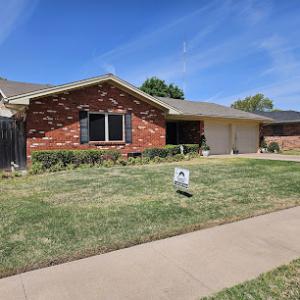
SonRise Roofing is a family owned and operated roofing contractor in Wichita Falls that is licensed, bonded and insured. Chris Carroll, native Wichitan and owner/operator of SonRise Roofing, has over 20 years in the roofing industry and uses only experienced, well-trained technicians. SonRise Roofing serves the entire North Central Texas area specializing in residential and commercial roof replacements, roof repairs, new construction installs, gutters, siding, windows and structural covers. Chris has expertise in the insurance industry and handles all aspects of claim settlements as well as assisting self-pay customers. SonRise Roofing provides the finest quality workmanship, materials and service during and after the sale.
A-Plus Construction | Roofing Wichita Falls TX
(940) 613-6667 wichitafallsremodel.com
10579 FM1954, Wichita Falls, Texas
4.8 from 37 reviews
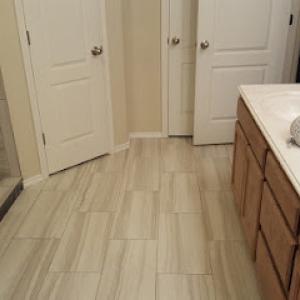
A Plus Construction is the standard in the roofing and remodeling industry in the Wichita Falls area, we have extensive experience and specialist in all fields of the construction industry. We are available to complete small and large projects and aid the customer when tragedy strikes. We are ready to engage with your insurance adjuster when you need us and we have a good working relationship with many of the local area Insurance Adjusters. With 38 years of experience in the industry I have acquired extensive knowledge and maintain numerous contacts in the insurance, real estate and construction industries. We look forward to working for you.
Cornerstone Roofing Company
(940) 447-5944 www.cornerstoneroofingcompanywf.com
5199 TX-79, Wichita Falls, Texas
4.7 from 25 reviews
Proudly serving the citizens of Texoma since 2007. Cornerstone Roofing, locally owned, understands the need for good quality roofing and at a rate that is affordable. Now offering Solar that can help you build a better future through sustainable energy. Our goal is to be the provider you can depend on in times of emergency, growth and dream building. We have a wide range of services to meet your individual needs. Whatever your project may be. Contact us today for a free quote, book a time to receive a thorough assessment and to speak with an agent .
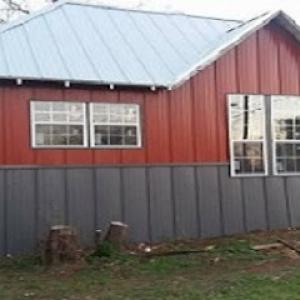
Guaranteed Roofing & Construction
(940) 322-7663 guaranteedroofingconstruction.com
Wichita Falls, TX
4.6 from 13 reviews
CALL FOR RESIDENTIAL AND COMMERCIAL ROOFING SERVICES TODAY Residential roofing Commercial roofing Siding and gutters Window and door installation Wichita Falls residents choose us for roofing services, storm damage repair and other services because we: Specialize in standing seam metal roofing for homes and businesses. -Work with insurance companies to help customers with storm damage -Offer free estimates and free roof inspections for financial peace of mind
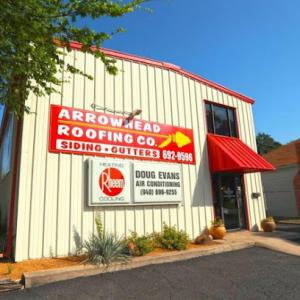
Arrowhead Roofing, Siding, Gutters & Windows
(940) 692-9596 www.arrowheadroofingandsiding.com
1314 Kell W Blvd, Wichita Falls, Texas
4.1 from 84 reviews
Arrowhead Roofing & Siding has earned a reputation as our area’s most respected roofing and siding contractors. Our clients know they can depend on us for innovative solutions to their toughest roofing and siding challenges, as well as completing each project promptly, professionally, and with superior workmanship.
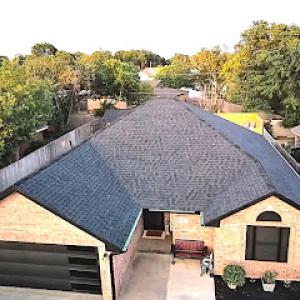
Comfort Roofing
(940) 990-5055 comfortroofing.net
2900 Kemp Blvd, Wichita Falls, Texas
5.0 from 6 reviews
For nearly three decades, Comfort Roofing has been a trusted name in the Wichita Falls community. With a commitment to quality craftsmanship and customer care, we take pride in providing reliable, long-lasting roofing solutions tailored to each home we serve. Whether you need a repair, a full roof replacement, or a professional inspection, our experienced team is here to help—every step of the way. At Comfort Roofing, we treat every home as if it were our own, delivering the same care, respect, and attention to detail we’d expect for our families. 📞 Contact us today for a free estimate and experience the difference that 29 years of dedication and excellence can make!
When choosing roofing windows for projects in this climate, the window install needs to ride the same seasonal rhythm as the roof itself. In this market, the most practical approach is to pair the roof replacement or repair window with a window type that stands up to hail, high winds, and intense sun, while keeping installation windows aligned with the weather you actually experience here.
Spring and fall are the overlooked sweet spots for major roof projects because they dodge the peak summer heat and the coldest winter days. You gain more predictable installation times, less risk of heat-related material trouble, and fewer interruptions from sudden weather changes. If a hail event just happened and a roof is likely to be replaced, aiming for a fall window keeps labor on track and minimizes the chance of new weather damage hindering the window install. The same logic applies when adding roof windows or skylights: plan the work within that shoulder season to stabilize scheduling and help sealants cure properly in moderate temperatures.
Impact-resistant glazing is a smart default. Whether you're installing vented skylights or fixed skylights, choosing LP SmartSide-like framing or aluminum-clad options with tempered or laminated glass provides durability against wind-driven debris. For asphalt shingle roofs, especially the darker varieties that heat up quickly, select low-E coatings and argon-filled cavities to curb heat gain. For metal, clay, or concrete tile roofs, look for a rain-screen compatible installation and waterproof flashing that integrates with the roof system so water shedding remains reliable after a storm.
If a homeowner is replacing a section of the roof due to hail or wind damage, consider integrating a dual-vent or humidified skylight setup only after the roof deck is solid and weatherproof. In North Texas, those roof openings are most successful when the surrounding roof is in good condition and the flashing around the window is matched to the roof's material class. The benefit is not just venting; it's creating a controlled daylight source that won't compromise the roof's protective layers during storms.
Summer heat in this area can affect installation schedules and material handling, especially on dark asphalt roofs that heat up quickly. If a window project must happen in mid-summer, build in extra cooldown time for sealants and ensure crews have shade and hydration to prevent thermal stress on gunnable sealants and coatings. For dark shingle surfaces, plan installation during the cooler parts of the day and prioritize materials with UV resistance and color stability. Contractors should stage flashing and underlayment so it's protected from direct sun when membranes are being folded or cut. A well-ventilated roofing window installation reduces heat buildup inside attic spaces, which helps the roof stay stable as shingles settle.
Winter freezes can expose underlayment and roof deck issues that are not obvious during warmer months. When windows are part of a roof project, use this downtime to inspect the deck for soft spots, moisture intrusion, and nail pops around the window cutouts. If underlayment is compromised, replace it before installing any window unit. A properly flashed skylight transitions the seal from the roof plane to the window framing, preventing ice dam accumulation and seasonal water intrusion. In Wichita Falls, frost cycles can push and pull along flashing joints, so insist on reinforced flashing integration with the surrounding roofing plan.
Start with impact-rated units suitable for the roof type you're installing, then confirm U-values and solar heat gain coefficients align with your climate goals. Check warranty terms for both the window and the flashing kit, and ensure compatible fasteners and sealants are specified for metal versus shingle roofs. Finally, coordinate the window installation with the roof work so trims and interior finishes stay protected from weather exposure during the transition.
When you can't wait, these contractors offer fast response times to stop leaks and prevent further damage.
A-Plus Construction | Roofing Wichita Falls TX
(940) 613-6667 wichitafallsremodel.com
10579 FM1954, Wichita Falls, Texas
4.8 from 37 reviews
Asphalt shingles dominate the local roof landscape, and you'll see them on a large share of homes here. In storms, repeated hail exposure in this part of North Texas can shorten service life through granule loss, bruising, and lifted tabs. That means shingles may look fine after a storm but lose protective granules over time, accelerating wear and increasing the risk of premature leaks. If your house has asphalt, pay close attention to hail-damaged areas, especially on slopes that face prevailing wind and hail tracks. When you inspect after a storm, look for bare patches where granules have sloughed off, and test for soft or hollow spots that indicate bruising under the surface. A well-documented claim and a timely, professional assessment can keep minor damage from becoming a larger restoration project, since the weather pattern here makes quick decisions about repairs or replacement meaningful.
Metal is common enough to be a meaningful upgrade path for homeowners focused on hail resistance and heat management. It tends to shed hail impacts more gracefully and reflects a portion of the brutal summer sun, helping keep attic temperatures lower and reducing cooling loads. When evaluating metal, focus on impact resistance and fastener detailing that can handle the region's gusty winds. Appearance matters here more than with other materials: panels, seams, and edge details should be chosen with the local hail trajectory in mind, as damaged seams or misaligned fasteners can invite leaks after a heavy storm. If you're upgrading from asphalt, consider a finish and profile that minimizes dent visibility and simplifies future inspections, since you'll likely need to check fasteners and flashing after the next batch of storms.
Clay tile, concrete tile, synthetic/composite shingles, and slate are all present in the market, but their weight, brittleness, and repair complexity become more important after local hail events. Clay and concrete tiles add wind resistance when installed correctly, yet they can crack or spall under direct hail impact and may require careful replacement matching to maintain performance. Slate and synthetic/composite shingles offer distinct advantages in finish and color longevity, but slate comes with significant weight and specialized repair needs that can complicate a hail-damage scenario. Synthetic or composite shingles can strike a balance between durability and ease of repair, yet heat exposure can influence how well the material holds up over time. In the wake of a hailstorm, assess not only the surface damage but also underlying decking integrity, as traffic patterns and seasonal heat can magnify hidden issues. If roof morphology uses multiple materials, ensure transitions and flashing between differing substrates are integrated to prevent leaks after heavy wind events.
When considering a header material upgrade after a storm, think about long-term performance in this climate: hail frequency, wind direction, and radiant heat. Prioritize systems with robust impact resistance for the typical hail strikes and a surface profile that minimizes granule loss or brittle fracture. Look for installation details that improve wind resistance and flashing continuity, since high winds can exploit weak seams. Finally, weigh ease of inspection and potential future repairs as part of the overall decision, because repeated hail exposure makes proactive maintenance more cost-effective than reactive fixes.
In this market, post-storm demand surges can create scheduling backlogs, pushing more homeowners into the replacement queue at once. That backlog tends to raise labor availability and material procurement costs for a window after a hail event, so timing matters. When a major hailstorm hits, the window for planning and project start can compress from weeks to just days, increasing the likelihood of expedited bids and higher overall cost quotes. If you're weighing options, expect prices to drift upward during and immediately after a widespread hail season.
Material choice spans from asphalt shingles at 350 to 550 USD per square to slate at 1200 to 2300 USD per square. Metal, clay tile, concrete tile, and synthetic or composite shingles fill the middle ranges, offering a balance of durability and upfront cost. In practice, asphalt is the most common starting point for residential roofs here, especially when the roof is a straightforward shape and the attic ventilation is solid. Metal roofs tend to rise in price but deliver longevity and hail resistance that can pay off over time. Tile and slate bring distinctive aesthetics and resilience but require careful deck assessment and installation. Composite options sit between asphalt and traditional tiles, often providing a practical compromise if the roof has complex details or limited pitch.
Costs can move based on roof complexity, including slopes, hips, and valleys, which complicate tear-off and reinstallation. If tearing off reveals damaged decking or underlayment, expect additional labor and materials-often a noticeable bump in the total. Post-storm conditions also influence scheduling, as crews may be diverted to temporary repairs or insurance-related work, affecting both availability and turnaround time. In short, the price you see for a given material assumes a straightforward tear-off and clean deck; deviations from that scenario are common after storm events.
Get a clear picture of your project costs upfront - no commitment required.
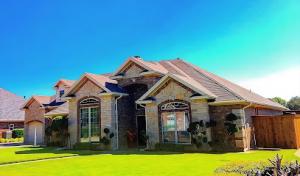
Mataska Roofing
(940) 691-5722 mataskaroofing.com
2409 Cambridge Ave, Wichita Falls, Texas
5.0 from 68 reviews

Wichita Falls Roofing
(940) 202-8280 www.wichitafallsroofingco.com
4509 Dunbarton Dr, Wichita Falls, Texas
4.9 from 71 reviews
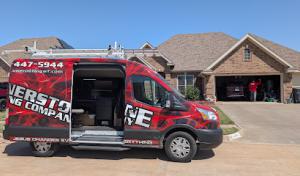
Cornerstone Roofing Company
(940) 447-5944 www.cornerstoneroofingcompanywf.com
5199 TX-79, Wichita Falls, Texas
4.7 from 25 reviews
A full roof replacement requires a permit through the City of Wichita Falls Building Permits process. The permit step isn't just paperwork-it's a threshold that helps ensure wind, hail, and heat impacts are accounted for in the new roof design and attachment. When starting a project after a hail storm or severe wind event, expect the city to review the proposed materials, fastening methods, and ventilation details to align with local code requirements. Having clear documentation from the contractor about underlayment type, attic ventilation, and drainage considerations can smooth the permit review, especially on homes with attic soffit vents and complex rooflines common in Wichita Falls neighborhoods.
Local inspections are typically scheduled after framing or underlayment work and again at final completion. This sequencing matters because the underlayment and edge metal must be in place before the interior climate and weather exposure become critical. The first inspection verifies that the roof frame and underlayment are correctly installed, with attention to proper nailing patterns for the high plains wind environment. The second inspection confirms that roof coverings, flashing, and drip edges meet code and that ventilation and drainage pathways function as intended. Being aware of the inspection windows helps homeowners coordinate delivery of materials and avoid delays during the peak storm season.
Some Wichita Falls properties may receive added review related to drainage or utilities if the building department determines it is necessary. Storm water management is a real concern when a replacement changes roof runoff characteristics, especially on steeper slopes or homes with tight lot lines and mature trees. The city might request assessment of downspout placement, gutter capacity, and runoff discharge points to prevent water from pooling near foundations or seeping into crawl spaces. Utilities-such as old gas lines, electrical conduits, or nearby meters-may fall under enhanced scrutiny if the roof work requires temporary service interruptions or creates access conflicts. Coordinating with the contractor and the permit office early can help anticipate any additional documentation or on-site checks.
Hail and wind losses are common in this market, and that makes the claim cycle more active than in many neighboring towns. After a storm, damage can appear subtle at first glance but evolve quickly under the heat and sun. Document damage as soon as it's safe to do so, because insurers and adjusters prioritize timely notices. Expect a rapid sequence: initial notification, a field inspection, and a contractor's scope of work reviewed against the adjuster's findings. Delays can compound when storms stack or when multiple homes in the area are filing claims, so prompt documentation helps prevent disputed results later in the process.
Roof claims are routine in this region, so insurers tend to compare photos, contractor scopes, and adjuster notes closely. That means your job isn't just to file a claim and wait; you should provide clear, consistent documentation from start to finish. Take high-quality photos that show both overall roof condition and close-ups of damaged shingles, edges, flashings, and vents. Obtain a detailed scope from your chosen contractor that aligns with the observed damage and the policy's coverage language. When the adjuster arrives, have your contractor present or available to discuss the scope and justify the replacement or repair work with solid, project-specific reasoning.
Coverage terms can vary by policy and recent regulatory changes, so verify deductibles, exclusions, and how actual cash value versus replacement cost treatment is handled before signing a contract. If a policy utilizes actual cash value, there may be gaps between what is paid now and the full cost to replace. Exclusions can surprise a homeowner after a storm, especially under wind-driven or miscellaneous damage provisions. Understanding how the policy defines hail damage versus incidental wear will save friction when the claim moves from the first inspection to approval of the final scope. Always review these details with care before committing to a contractor's plan.
Connect with contractors who help homeowners navigate the claims process from damage assessment to final approval.
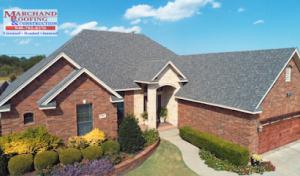
Marchand Roofing & Construction
(940) 782-5276 www.marchandroofingwf.com
3136 S Farm to Market Rd 369, Wichita Falls, Texas
4.9 from 283 reviews
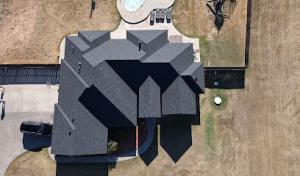
Assured Roofing & Construction
(940) 782-1194 assuredconstructiontx.com
900 8th St #115, Wichita Falls, Texas
5.0 from 80 reviews
Mataska Roofing
(940) 691-5722 mataskaroofing.com
2409 Cambridge Ave, Wichita Falls, Texas
5.0 from 68 reviews
Hail in this area often leaves visible bruising on shingles, plus granule loss that you can't always see from the ground. That granule loss accelerates sun exposure and can hide further problems until a storm or heavy rain pushes water under the surface. Even if there's no active leak right after a hail event, the weakened shingle surface can fail earlier than a roof that didn't take a pounding. Pay attention to dark, flat spots and any mats that look weathered beyond their age. That damage quietly undermines your roof's protective layer and can complicate a replacement claim later on.
When high winds arrive, the first damage tends to show up at ridges and hips, along eaves, and at flashing transitions where uplift pressure concentrates. Those areas are the most exposed to gusts that peel back edges or shove shingles upward enough to open micro-tears. If you notice lifted tabs or loose flashing after a storm, treat it as a warning sign rather than a cosmetic blip. Left unaddressed, wind-caused gaps invite moisture intrusion and accelerated wear around vents, chimneys, and transitions.
Cold snaps reveal vulnerabilities that heat often hides. In winter, weak underlayment, brittle sealants, and deck deterioration become more evident as water freezes and expands. Those cycles push thin spots into visible leaks or sudden interior dampness once temperatures rise and moisture moves. If you've observed a sudden splash of condensation after a thaw, or you notice cracking beneath shingles where shading isn't a factor, those are signs to inspect closely for hidden deck damage.
In plain terms, this climate's storms don't just test your roof once; they stress it in stages. Regular, targeted checks after hail, wind events, and seasonal freezes help you understand when a repair becomes a larger replacement need.
Find contractors experienced in skylight installation, flashing, and leak repairs to bring natural light into your home.
Mataska Roofing
(940) 691-5722 mataskaroofing.com
2409 Cambridge Ave, Wichita Falls, Texas
5.0 from 68 reviews
Wichita Falls Roofing
(940) 202-8280 www.wichitafallsroofingco.com
4509 Dunbarton Dr, Wichita Falls, Texas
4.9 from 71 reviews
SonRise Roofing
(940) 631-1535 sonriseroofingllc.com
2610 Fairway Dr, Wichita Falls, Texas
5.0 from 15 reviews
The Wichita Falls market leans toward re-roofing rather than niche new-construction work. When evaluating contractors, prioritize those with strong replacement and storm-restoration experience. A bid that highlights multiple hail-season projects with documented results speaks to familiarity with the local weather pattern, insurance-driven cycles, and the typical aging of common residential roofs. Look for crews that routinely handle rapid job starts and thorough post-install cleanup.
In this market, quick response and thorough cleanup are top hiring priorities. Homeowners facing hail stress need teams that pick up the phone after a storm, can schedule work within a reasonable window, and leave the property as it was found-or better. Ask for a clear timeline from inspection to completion, including debris removal, nail-stripping, and a final walkthrough to confirm no stray shingles remain. A contractor who commits to a decisive, clean finish will limit post-storm headaches.
Long-established, residential-focused companies are common, which makes a local track record especially relevant when comparing bids after hail events. Review at least three recent Wichita Falls projects with neighbors, if possible. Request references that match your roof size and material type. Verify that the contractor has a permanent office, a stable crew, and a dedicated project manager who can address weather delays or material shortages without losing momentum.
Given the region's high Plains hail and wind, ask about roof systems that perform well under repeated stress. Concentrate on contractors who can pair your preferred material with proven underlayment, secure fasteners, and appropriate attic ventilation. For older homes, discuss compatibility with existing deck structure and fascia. Ensure the proposed system includes wind-rated components and a cohesive color-and-seal plan that stands up to heat and sun.
Storm-restoration projects hinge on solid documentation. Confirm the roofer will provide before-and-after photos, a comprehensive materials list, and a written warranty with clearly defined coverage. In the event of a contested claim, a contractor who can speak in insurance terms and furnish timely documentation will ease the restoration process.