
Last updated: Apr 19, 2026
Spring hailstorms and severe thunderstorms are a regular drumbeat for this area, and a marginally aging roof can be caught in the crosshairs in a single season. If you notice sudden bruising on shingle surfaces, granule loss in gutters, exposed nail heads, or flashing that looks bent or loosened after a hail event, treat it as a potential claim trigger. In the days after a storm, validate exterior integrity-look for dented metal flashings, damaged vent boots, and any roof penetrations showing signs of water entry or compromised sealant. Do not wait for a leak to appear before taking action; hail damage can quietly escalate, with wind-driven shingle lift creating vulnerable seams that invite moisture intrusion.
Replacement timing is often driven less by the age of the roof and more by how repeatedly hail and wind have compromised shingles, flashing, and roof penetrations. A roof that survived several heavy blows but now shows curling, cracking granules, or detached tabs, plus compromised flashing around vents and chimneys, is a strong candidate for replacement rather than patchwork. In Yukon, a single season can push a roof from questionable to unsound, so the decision hinges on the roof's current condition and the likelihood of ongoing wind-driven damage. If insurance repairs are being considered, ensure the assessment accounts for all damaged components-not just surface shingle replacement, but flashing, step and counter-flashing, attic ventilation, and roof-to-wall connections that may have suffered wind uplift.
Storm timing and documentation matter here more than in many Oklahoma City-area markets. Start the documentation process as soon as the weather clears. Photograph hail impact patterns on shingles, note widespread bruising, and capture near-damage areas around skylights, vents, and chimney chases. Keep a dated record of each storm event that could affect the roof, including wind speeds and hail size if known. When filing a claim, present a clear timeline of damage progression, emphasizing how repeated events have worsened edge wear and flashing integrity. If an adjuster visits, have a simple, labeled map of the roof sections showing hail impact zones and any past repairs. Promptly scheduling a professional assessment after a storm helps lock in a clearer picture of what needs replacement versus what could be repaired.
Fall is commonly favored for full roof replacement in Yukon because summer heat can complicate installation conditions and spring storm cycles can interrupt projects. The cooler, more predictable temperatures of fall help sealants cure properly, materials perform as designed, and crews stay on schedule without the heat-induced glare that can wear down a crew's efficiency. If a hail-damaged roof is borderline for replacement, aim for a fall window that allows for a comprehensive replacement before the first heavy winter weather. A well-timed fall project minimizes the risk of temp-related delays and reduces the chance of a mid-season weather snag forcing a partial, stop-start approach.
Request a storm-damaged roof evaluation from a local contractor who understands Yukon's climate quirks and the typical suburban roof profiles. Prioritize processes that verify flashing integrity and roof penetrations in addition to shingle condition. Verify that your chosen contractor has a plan for debris containment, attic moisture management, and post-installation wind uplift testing. Make a storm-damage file that includes photos, dates, insurers' communications, and contractor assessments. When the next hail event hits, you'll be prepared, not surprised, with a clear path to securing the right replacement timing and material choices.
Whitney Roofing & Guttering
(405) 229-3551 www.whitneyroofingguttering.com
530 Pointe Pkwy Blvd Ste A, Yukon, Oklahoma
5.0 from 124 reviews
Whitney Roofing and Guttering, LLC’s mission is to be recognized as a leader and preferred provider of roofing services in Oklahoma City and surrounding areas. From the initial call until the job is complete, Whitney Roofing and Guttering's number one objective is our customers and obtaining their 100% satisfaction from start to finish.
Jay Reeves Roofing
(405) 949-9999 jayreevesroofing.com
10020 Kirk Dr, Yukon, Oklahoma
4.9 from 229 reviews
Professional Installation of Commercial and Residential Roofing Systems Since 1988. Jay Reeves Roofing is the local Oklahoma City roofing company that thousands of Oklahoman’s have chosen for over 35 years to help with commercial and residential roofing services. From T.P.O. (Thermal Plastic) single ply commercial flat roofing systems, all the way to heavy weight impact resistant shingles on residential homes. Jay Reeves Roofing has the EXPERIENCE to assist with roofing services. Our ability to out perform the competition has given us a long list of satisfied customers and a reputation for excellence that can’t be beat! Contact us today for a Free Estimate!
Karaco Roofing
(405) 464-1395 karacoroofing.com
11808 SW 4th St, Yukon, Oklahoma
5.0 from 54 reviews
Roofing Contractor. Certified GAF Lifetime Roofing contractor. 5 Star Google rated roofing company. Okc metro lifetime roofing contractor. Yukon roofing contractor. El Reno roofing services. Piedmont roofing services. Mustang roofing services. Roof repair. Roof replacement. Storm damage repair. Hail storm repair. Insurance claims specialist. Insurance roofing estimate. Insurance catastrophe claims specialist.

Drake Roofing & Construction
406 Maple Ave # 3, Yukon, Oklahoma
4.9 from 74 reviews
Oklahoma's leader in quality roofing and construction! He ain’t fake, hit up Drake!
Buntz Built Roofing & Construction
(405) 635-7156 www.buntzbuilt.com
9912 Volare Dr, Yukon, Oklahoma
5.0 from 47 reviews
Buntz Built Roofing & Construction is a family-owned company, run by a Father/Son team. We provide residential and commercial roofing services to property owners in the Oklahoma City area. Our team has combined over 60+ years of experience in the roofing and insurance industries. We will accept nothing less than delivering exceptional craftsmanship and customer service. - Free Inspections - Roof maintenance - Repairs - Roof Replacement - Siding - Gutter Install - Gutter Cleaning - Exterior Painting Okla CIB #: 80003958
Chazown Roofing & Construction
(405) 808-0187 www.chazownroofs.com
10617 NW 103rd Pl, Yukon, Oklahoma
4.9 from 70 reviews
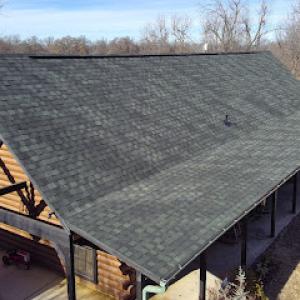
We install residential shingle roofing, and commercial flat roofing systems. We offer a 20 year no leak guarantee. We take great pride in our customer service, and customer satisfaction. Please feel free to call anytime for a free inspection and free quote. 405-808-0187
Up Top Roofing & Restoration
(405) 620-6650 www.uptopokc.com
508 W Vandament Ave # 304, Yukon, Oklahoma
5.0 from 31 reviews
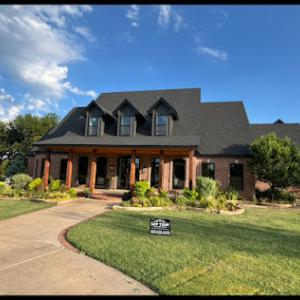
Up Top Roofing and Restoration is a Yukon Oklahoma based roofing and restoration company that can handle both retail as well as navigating the often muddy waters that come with the repairs associated with an insurance claim. Call Up Top Roofing and Restoration today to discuss any of your homes needs.
Lakeside Roofing & Construction
(405) 956-2905 www.lakesideokc.com
413 S Czech Hall Rd, Yukon, Oklahoma
4.8 from 117 reviews
Experience exceptional roofing services with our locally-owned company, proudly serving Mustang, Yukon, Tuttle, Newcastle, Blanchard, Moore, and Norman, Oklahoma. With over 40 years of combined expertise, we specialize in residential and commercial roofing, gutter repair and installation, storm damage repair, and more. Our family-run business has been a trusted name since 2018, offering same-day services and manufacturer warranties for your peace of mind. Whether you need siding, windows, doors, painting, detached garages, decks, or interior remodeling, we've got you covered. Choose quality and reliability—reach out today for your home or business needs!
Salazar Roofing
(405) 350-6558 salazarroofing.com
209 E Main St, Yukon, Oklahoma
4.6 from 234 reviews
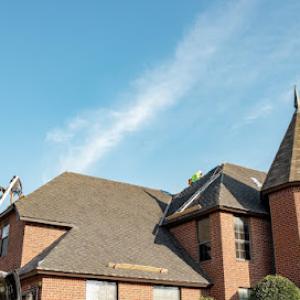
Is your roof giving you trouble in Oklahoma? We understand that roofing issues can be stressful, especially with the unpredictable weather. Whether you need roof repair in Oklahoma City, or roof replacement anywhere inside the state, our friendly and skilled team is here to help. With 40 years of experience as trusted roofing contractors, we specialize in excellent roof installation, repair, and replacement services for both residential and commercial properties. We use only the best Grade-A materials to ensure your roof stands strong. Each situation is unique, so we’ll take the time to inspect your roof thoroughly and recommend the best solution tailored to your needs. Contact us today for a no-obligation assessment.
Chisholm Trail Roofing & Construction
(405) 265-4069 www.chisholmtrailroofing.com
121 W Main St, Yukon, Oklahoma
4.5 from 48 reviews
Chisholm Trail Roofing & Construction provides roofing installation and repairs to the entire state of Oklahoma, Kansas, Texas, Louisiana, Alabama, and Florida.
RC RoofCo
2621 Lost Lake Ln, Yukon, Oklahoma
5.0 from 12 reviews
RC RoofCo is a full-service, fully licensed and insured commercial roofing company proudly serving the Oklahoma, Texas, Kansas, and Colorado areas. Our focus remains on flat, low slope, and metal facilities in need of restoration and/or re-roofing installations. We are committed to providing exceptional products and customized, top-of-the-line solutions with unmatched quality applications. At RC RoofCo, we demonstrate an unwavering sense of pride in craftsmanship and integrity. Our goal is to educate our clients in all aspects of the roofing process, generating high quality experiences while achieving outstanding results.
Champion Roofing
(405) 841-7663 www.championroofingok.com
Serving
5.0 from 44 reviews
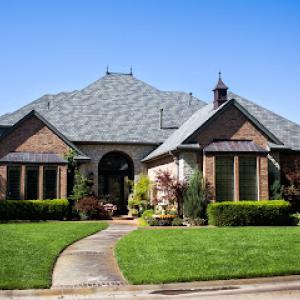
Champion Roofing has an experienced team ready to offer you residential, commercial and industrial roofing and exterior services. We are your one shop stop for all your roofing needs. At Champion Roofing, we are dedicated to giving you quality service while protecting your entire structure! We provide the highest quality product for a more affordable cost.
Oklahoma's high hail and wind claim volume affects Yukon homeowners directly, with insurers often expecting detailed photo documentation, prior-condition evidence, and contractor estimates after storms. After a severe event, photos taken from multiple angles, close-ups of impacted edges, granule loss on shingles, and any cracking or denting should be organized and dated. Keep copies of the calendar signatures on weather reports and any neighborhood hail reports you can gather. A well-documented file helps prove what happened and when, which can reduce back-and-forth with adjusters who are juggling many storms in the same window.
Adjusters in this market may closely review whether damage is storm-related versus wear from Yukon's heat and repeated weather exposure. The heat cycles in summer, paired with hail impact during storms, can produce a complex mix of damage in aging roofs. Look for patterns: shingles torn or punctured in a single storm, granule loss concentrated around impact points, or dented metal flashed areas that align with storm events. If wear patterns exist but the storm also caused new deformation, document both: the pre-storm condition as best as possible and the post-storm condition with timestamped evidence. Being precise about the date of the hail event helps establish causality and can prevent coverage disputes tied to long-term aging.
Material selection after a claim matters in Yukon because insurers may scrutinize upgrade choices and the timing of replacement after a severe weather event. When a storm hits, obtaining written contractor estimates promptly matters, but those estimates should be grounded in a thorough assessment of actual damage rather than a generic replacement plan. A local roofer who understands Yukon's common roof lines, such as asphalt shingles and metal options that resist hail impact, can provide repair and replacement scenarios anchored in real clipping and bending tests observed in the field. Early contractor input helps frame what an insurer might approve and what you should expect during the appraisal process. Avoid committing to a full re-roof until a professional review confirms that the extent of damage warrants it, and make sure the proposed materials align with both the home's structure and long-term performance in this climate.
In practice, assemble a concise claim packet that pairs the narrative of the storm with concrete evidence. Photographs should show the roof edge, ridge lines, and any interior signs of water intrusion that appeared after the event. If available, gather maintenance records that show pre-storm conditions. Written notes from your contractor about which areas were affected and why a full or partial replacement is recommended can clarify the rationale behind each decision. This approach reduces ambiguity for the adjuster and supports a straightforward repair path anchored in Yukon's weather realities.
Waiting too long to document damage can lead to disputes about when the problem started, especially when heat-induced wear begins to blur the line with hail impact. If a storm is followed by days of sun, still take photos from shade and direct sunlight, capturing any new impacts that appear as the roof cools. If an adjuster requests changes or additional tests, respond promptly. Clear communication, grounded evidence, and a measured approach to material upgrades can help keep a Yukon claim on track, even amid the season's busiest days.
Connect with contractors who help homeowners navigate the claims process from damage assessment to final approval.
Whitney Roofing & Guttering
(405) 229-3551 www.whitneyroofingguttering.com
530 Pointe Pkwy Blvd Ste A, Yukon, Oklahoma
5.0 from 124 reviews
Jay Reeves Roofing
(405) 949-9999 jayreevesroofing.com
10020 Kirk Dr, Yukon, Oklahoma
4.9 from 229 reviews
Numark Roofing
(405) 728-0705 numarkroofingpros.com
414 Ash Ave, Yukon, Oklahoma
5.0 from 58 reviews
Asphalt shingles remain a dominant Yukon choice because they fit the area's large suburban housing stock and are the lowest-cost replacement option in a storm-heavy market. When hail and heavy thunderstorms are common, the practical path is to prioritize shingles with good impact resistance ratings and a robust warranty. Look for 130- to 150-mph wind uplift ratings and impact-resistant labels (Class 3 or 4). In many Yukon homes, these shingles are supported by standard roof decks and can be installed quickly after a hail event, reducing downtime and the risk of exposure-related leaks. The step-by-step approach is to assess the existing roof structure, choose a shingle with a durable surface, and ensure the installation crew uses proper underlayment and sealing techniques to minimize future wind-driven uplift.
Metal roofing has a meaningful local specialty presence in Yukon and is often considered by homeowners looking for better long-term performance against hail, wind, and heat exposure. Standing-seam panels or corrugated metal can weather hail better than many asphalt surfaces and tend to shed heat more efficiently on hot Oklahoma afternoons. If choosing metal, plan for a rigid deck and proper attic venting to prevent ice damming and heat buildup. Pay attention to edge details, fastener sealants, and color selection to minimize thermal expansion stresses during extreme summer storms. For a homeowner facing frequent hail episodes, metal can translate into fewer mid-summer maintenance visits and a quicker restoration timeline after a severe event, especially when paired with a solid attic breathing plan and a well-sealed perimeter.
Clay tile, concrete tile, wood shakes, and synthetic/composite roofs exist in the market, but their suitability in Yukon depends heavily on impact exposure, structural load, and repairability after hail. Clay and concrete tiles bring a distinct look and good longevity, but they require a reinforced roof structure to handle heavy tiles and may incur higher replacement complexity after a severe hailstorm. Wood shakes offer a rustic appearance and strong impact resistance when properly treated, yet they demand regular maintenance and careful inspection after storms to prevent moisture-related issues. Synthetic or composite shingles provide flexibility and hail resistance with a lighter footprint, though exposure and patching after impacts should be evaluated case by case. In Yukon, the decision hinges on how much hail exposure a given home experiences, the underlying structure's ability to carry load, and how easily repairs can be executed without triggering broader deck or fascia damage.
Typical Yukon material costs run about $350 to $600 per square for asphalt shingles, $700 to $1100 for metal, $900 to $1800 for clay tile, $900 to $1700 for concrete tile, $800 to $1500 for wood shingles or shakes, and $500 to $900 for synthetic or composite shingles. When storm season hits, those numbers can drift upward quickly because crew availability tightens and suppliers see elevated demand. A tear-off adds cost if the old deck needs to be stripped, and if ventilation or flashing needs upgrades, expect an additional few hundred dollars per roof area. If decking or roof accessories were damaged, the bill can rise further due to replacement or repair of plywood, drip edges, and vent pipes. For a Yukon project, the final figure often rests on how much hail damage is found during inspection and how rapidly insurance coordination unfolds.
After a hail event, storms tend to cluster in a short window, and that clustering drives tighter scheduling and higher pricing than calm periods. If your roof is flagged for replacement, start the process as soon as reasonable-inspection reports, materials selection, and permit-like coordination can take weeks. In Yukon, the timing of an insurance adjuster visit matters just as much as the inspection itself. Plan for a window where the adjuster can review roof damage, decking, and any compromised accessories without delays caused by weather or access constraints. Document everything clearly: hail marks, flashing damage, and any dented gutters or vent stacks. Having a contemporaneous photo log helps speed claims and reduces back-and-forth with the insurance company.
Clay tile and concrete tile offer long lifespans but carry higher upfront costs, especially if tear-off complexity is high or if ventilation and flashing must be upgraded. In the Yukon climate, metal roofing can be appealing for hail resistance and wind performance, yet pricing pressure after storms can push the market toward the higher end of the range. Asphalt shingles remain the most common, delivering reasonable value, but severe hail can shorten their effective life if underlayment and decking take impact damage. Wood shingles or shakes provide a distinctive look but require diligent maintenance in storm-prone years and can incur higher maintenance costs after hail. Synthetic or composite shingles present a middle-ground option with balanced durability and price.
Begin with a careful damage assessment and a prioritized replacement plan that aligns with insurance timelines. If decking or roof accessories show damage, budget for decking repairs and flashing replacements, which can otherwise compromise the roof system's performance. Ask contractors about tear-off complexity and whether attic ventilation corrections are recommended to maximize energy efficiency and moisture control after the storm. A phased approach can help: secure temporary protection during rainy intervals, complete the most critical repairs first, then schedule full replacement when the weather and labor market stabilize. Keeping a clear line of communication with your roofer and insurer accelerates the process and helps lock in favorable material choices and scheduling in a tight Yukon market.
Don't let upfront costs delay a critical repair - these contractors offer payment plans to fit your budget.


When undertaking a full re-roof, a building permit is typically required, with the City of Yukon Building Department reviewing the project scope before issuing the permit. That review is not a mere formality; it confirms that the planned materials, underlayment, ventilation, and flashing meet current code expectations and local amendments. The department wants to see that the scope covers more than a shingle swap, and that the replacement will integrate with existing attic ventilation and roof drainage. Starting the process early helps prevent delays caused by missing documentation or mismatched materials. If the project involves any structural work, or upgrading to high-performance underlayment, have the scope clearly described in the permit application to avoid back-and-forth revisions.
Inspections in Yukon are commonly conducted during tear-off and again after installation, rather than only at final completion. That approach helps ensure the underlying roof deck is solid, that old nails and debris are removed, and that the ventilation plan is still appropriate for the attic space. The early tear-off inspection gives the inspector a window to assess sheathing condition, identify signs of prior moisture intrusion, and confirm that the deck is clean and dry before new material is applied. The post-installation inspection verifies proper flashing around chimneys, skylights, vents, and dormers, as well as the alignment of ridge vents and soffit openings. If any deviations from code are found, correcting them on-site during the project is much less disruptive than after completion. Expect the inspector to check attic access, venting calculations, and compliance with shingle overhang and drip edge requirements.
Replacement projects in this market frequently encounter issues related to underlayment choice, ventilation balance, and flashing details. The focus on code compliance means that inspections will scrutinize whether the chosen underlayment is appropriate for the local hail and storm cycles and whether it remains intact after installation. Proper ventilation-both intake and exhaust-is a key determinant of roof longevity and energy performance, so ensure soffit vents and ridge or off-ridge vents are installed as designed. Flashing around valleys, skylights, and chimneys should be continuous and well-sealed to resist wind-driven moisture. The goal is a cohesive system where every component plays a role in storm resilience, rather than a quick surface replacement that might fail under heavy hail or driving rain.
To streamline the process, gather the project scope, material specifications, and details about attic ventilation before applications are submitted. Have factory warranties, product data sheets, and any structural retrofit notes ready for review. When deltas arise between what is planned and what the inspector observes, address them promptly with the contractor and provide requested clarifications to the Building Department. In Yukon, this proactive approach reduces the risk of delays and helps ensure the replacement project advances with solid documentation and consistent code adherence.
During the peak daytime stretch of Yukon summers, asphalt shingles become more pliable and susceptible to distortion if handled carelessly. On hot days, keep bundles shaded, bring panels inside the trailer or garage for brief rests, and use temporary cooling measures when possible to prevent curling at edges. Concrete and synthetic shingles tolerate heat differently, but the rule stays the same: avoid leaving exposed edges in direct sun for extended periods. Schedule the most delicate steps-like staggering tear-off and nailing-early in the morning or late in the day, and plan for abrupt shade breaks to keep protective coatings from prematurely aging on the roof deck. If there is a hail history for the home, double-check the underlayment and fastener pattern while temperatures are comfortable enough to work without rushed mistakes.
Winter freezes and occasional ice storms can delay tear-off schedules and complicate replacement logistics. Frozen decking or stuck patches slow crews and increase safety risk, so prioritize a plan that accounts for possible weather fronts. When forecasts call for freezing nights, secure loose shingles and ensure the drip edge and gutter lines are clear to minimize ice dam risk later. If a mid-project thaw occurs, inspect the deck for moisture retained under the membrane and address any soft spots before continuing. In Yukon, contingency windows matter; have a flexible sequence that can pause work without losing material integrity or leaving openings vulnerable to wind-driven infiltration.
Fall wind events can disrupt active roofing jobs even as temperatures become more favorable for installation. Before work begins, secure all loose materials, trash, and fasteners in contained areas to prevent blow-off. Use wind breaks or temporary coverings on exposed sections when strong gusts are forecast. Consider sequencing that prioritizes at-risk edges first, then progresses inward, so a sudden wind shift doesn't compromise already installed sections. Keep crews alert to shifting debris hazards and adjust tarp or wrap deployment as the season evolves. In Yukon, planning around weather patterns saves time and protects the structural envelope.
In Yukon, repeated hail and thunderstorm exposure commonly accelerates granule loss, bruising, and shortened service life on asphalt roofs. You may notice exposed asphalt tabs, dark blisters, or a rough, chalky feel on the surface after a storm season. These signs aren't just cosmetic; they signal membrane and shingle degradation that can drive leaks once aging accelerates. If you skip timely repairs, you risk accelerated wear in high-traffic wind directions and random hail hits that can punch through vulnerable patches. Inspect after each major hail event and pair visual checks with a careful attic assessment for signs of moisture.
City inspections in Yukon specifically emphasizing flashing and ventilation reflect two areas where poor workmanship can lead to leaks or premature aging. Worn or improperly sealed flashing around chimneys, vents, and dormers invites water intrusion during heavy storms. Poorly vented attics trap heat and moisture, accelerating shingle deterioration and decking rot. Pay attention to peeling flashing edge seals, rusted fasteners, or gaps where metal meets masonry. A proactive repair plan should include resealing transitions, upgrading flashing where corrosion is evident, and verifying attic ventilation paths to prevent condensation-related damage.
Skylights, chimneys, and other roof penetrations deserve extra scrutiny in Yukon because storm-driven water intrusion often shows up first at transitions and openings. Caulking can crack, flashing can sag, and gasketed joints can fail after hail or strong winds. Regular checks should focus on seal integrity around skylight curb pairs, chimney collars, and vent stacks, especially after severe weather. If moisture seepage is detected at these points, address it promptly; waiting can allow rot, mold, and ice dam-related issues to establish deeper, more costly problems.
Find contractors experienced in skylight installation, flashing, and leak repairs to bring natural light into your home.
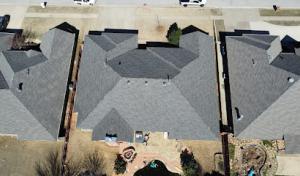
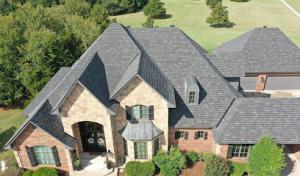
After a severe Yukon storm, many contractors converge on the neighborhood with insurance help, emergency response, and re-roofing promises. This market reality means a homeowner may be pitched more on rapid response and paperwork assistance than on specialized roof features. The strongest local options are often long-established, family-owned, and locally owned outfits that have weathered multiple storm cycles and stayed reachable when the next round of hail hits. Expect firms to emphasize cleanup inclusion, debris management, and quick repairs to prevent leaks from turning into water damage, especially when underlayment exposure is visible.
When talking with a contractor, verify they understand the insurance process from start to finish, including the documentation you will need for a claim and how subcontractors will be coordinated to avoid gaps in coverage. Focus on practical details: how debris will be cleared, how fast the crew can begin, and what is covered if hidden damage is discovered during tear-off. Ask for at least two local references who experienced post-storm work and were able to reach the contractor during the following days and weeks. A trustworthy team will provide a written scope that covers emergency tarping, temporary repairs if leaks are active, and a clear plan for re-roofing once claim decisions are settled.
Cleanup inclusion is not just a line item; it's a core part of Yukon projects where storm debris and exposed underlayment can escalate risks. Confirm that the contract specifies daily cleanup during tear-off and a final walk-through to ensure no nails or small debris remain in the yard or driveway. In practice, a responsive crew will stage the work so that an active leak is mitigated first, then proceed with shingles or panels, and finally restore the site with fresh underlayment where needed. Longevity matters-choose a contractor who will remain accessible after the storm cycle is complete, ready to address any warranty concerns or follow-up questions.