
Last updated: Apr 19, 2026
Oklahoma City sits in one of the country's most hail-active corridors, and spring hail season is a primary trigger for roof inspections, emergency tarping, and full replacements. When those dark storm clouds roll in and hail rattles off the shingles, you need to act fast. A calm, methodical response now saves you from a rushed decision later, especially if the storm hits during a weekend or holiday when responsiveness is at a premium. Expect aftershocks of demand: crews and materials can spike citywide within hours, so scheduling becomes a real test of your readiness.
Local insurers commonly require stronger documentation after hail events, including pre- and post-damage photos, roof age details, and contractor estimates before approving replacement. Start with a clear photo timeline: close-ups of dented gutters, granule loss on shingles, and any soft spots or curling at the edges. Capture the full roof face from multiple angles, plus attic photos showing signs of leaks, staining, or daylight where there shouldn't be any. Note roof age and last service dates, because many policies use the roof's remaining life to guide coverage decisions. Contractor estimates should come from licensed local roofers who can attest to hail impact, the expected service life of the replacement, and the rationale for any underlayment or vent work. This isn't theoretical-it's what your insurer will scrutinize to flag or approve a claim.
Immediately after a storm, the first priority is safety and temporary protection: tarping or board-ups to prevent rain intrusion. Then, document, document, document. A credible claim hinges on against-the-clock responsiveness: the faster you secure inspections, the better your leverage for the adjuster's assessment. In Oklahoma City, adjusters are accustomed to rapid spikes in volume, so a delayed report can inadvertently slow elevation to a replacement. You should coordinate with your roofing contractor to be on standby for expedited inspection slots, and you should have your pre-storm roof condition in the photos handy to contrast against post-storm damage. Keep a detailed log of all communications, including dates, times, and the names of anyone who visits your property.
Replacement timing hinges on the extent of hail damage, the age of the existing roof, and the insurer's findings. In Oklahoma City, even roofs that look superficially okay can harbor hidden hail damage that accelerates failure under the next round of storms. If the adjuster confirms widespread damage, you'll want to move promptly to prevent subsequent weather events from complicating the project or causing additional internal damage. On the other hand, if the damage is localized or the roof is nearing the end of its lifespan, you may prefer a full replacement to align with weather windows before the next hail season. A trusted local contractor can help you interpret the insurer's report, prioritize deck or underlayment upgrades that resist moisture intrusion, and coordinate material delivery to minimize exposure during a sudden Oklahoma-style wind event.
In practice, you'll want a local roofer who understands the city's typical roofing stock-whether asphalt shingles on older, flatter ranch homes or metal and tile on newer builds with broader exposure. The right contractor brings weather-aware scheduling, verified material warranties, and a readiness to engage quickly with the insurance adjuster. They will be your partner in compiling the pre- and post-damage documentation, mapping out a transparent replacement plan, and executing with an emphasis on long-term resilience against future hail, wind, and sun exposure. The clock is always ticking after a hail event-trust a local specialist to keep pace and protect your home.

Yates Roofing & Construction
(405) 607-0966 www.yatesok.com
3422 NW 135th St, Oklahoma City, Oklahoma
4.9 from 353 reviews
Yates Roofing and Construction, LLC is a locally owned and operated, full-service roofing contractor with over 40 years of experience in Oklahoma. For roofing emergencies, we are available 24 hours a day, 7 days a week. We are committed to our customers and to providing the best service available because we want to be the company you choose when you need a roofing company.

OKC Roofers
8901 S Santa Fe Ave suite h, Oklahoma City, Oklahoma
4.9 from 403 reviews
When you search for roofing near me in Oklahoma City, OKC Roofers is the name you can trust. As a locally owned and operated roofing contractor with over 10 years of experience, we specialize in residential and commercial roofing, storm damage repair, roof replacements, and emergency roof services. Our skilled team uses only top-quality materials, installs with precision, and backs every project with industry-leading warranties. From fixing leaks to handling hail damage or upgrading your home’s curb appeal, we provide free inspections, clear communication, and dependable service from start to finish. We’re committed to delivering exceptional roofing solutions that keep your property safe, beautiful, and protected for years to come. Whether

Prodigy Restoration
(405) 227-0266 prodigyrestoration.com
7140 NW 112th St, Oklahoma City, Oklahoma
5.0 from 102 reviews
Discover unmatched roofing solutions with Prodigy Restoration, your premier choice in Oklahoma City for all your roofing needs. As certified roofing contractors, we specialize in both residential and commercial projects. From roof installation and repair to metal roofing, our expert team ensures top-notch services. Whether you're dealing with storm damage or need a comprehensive roof inspection, we have you covered. Our expertise also extends to gutter installation, skylight repair, and waterproofing, making us the best roofing contractors in the area. Trust your local roofing contractors to deliver exceptional results and restore your property's integrity with excellence and precision. Contact us today for a free consultation.

Advantage Roofing
(405) 873-7369 www.advantageok.net
4700 S High Ave, Oklahoma City, Oklahoma
5.0 from 235 reviews
A truly qualified roofer is hard to find. Many can do the job but no one can match the experience and the attention to detail that you’ll experience when hiring Advantage Roofing. Advantage Roofing is Reliable, Meticulous, Professional and fully Licensed and Insured. By using the highest quality roofing materials, employing Expert Technicians and offering a wide selection of roof types and colors, your roof will be complete and perfect in record time. From the large commercial roof to your single family home, it is to Your Advantage to call Advantage Roofing.

Ringco Roofing & Construction
(405) 470-7696 ringcoroofing.com
Oklahoma City, Oklahoma
5.0 from 87 reviews
Ringco Roofing and Construction provides roofing, gutter, and siding services, as well as insurance claim roof repair, to Oklahoma County, OK.
Patriot Roofing
(405) 996-6787 patriotroofing.com
7015 N Robinson Ave, Oklahoma City, Oklahoma
4.9 from 464 reviews
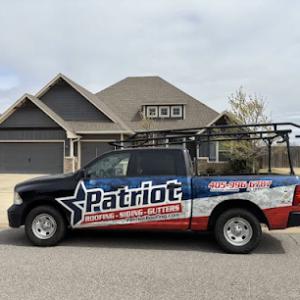
Patriot Roofing, based in Oklahoma City, is often considered one of the best OKC roofers, specializing in roof replacements, storm damage restoration, and insurance claim support. We also provide expert roof repairs for hail, wind, and weather damage. Our team serves homeowners across Edmond, Norman, Moore, Nichols Hills, The Village, and surrounding Central Oklahoma communities. With over 3,000 completed roof replacement projects and 400+ 5-star reviews, we’re the trusted choice for residential roofing after severe storms or aging damage. Call today to schedule your free roof inspection or request emergency service. Serving Oklahoma City, Edmond, Norman, Moore, Nichols Hills, The Village, Yukon, Mustang, Bethany, Choctaw and the OKC Metro
Wilson & Sons Roofing
(800) 476-6337 www.wilsonandsonsroofing.co
309 NE 38th St, Oklahoma City, Oklahoma
5.0 from 80 reviews
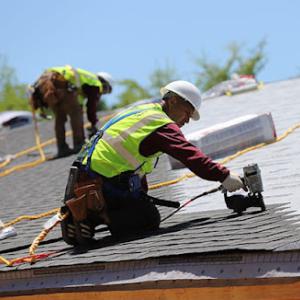
At Wilson and Sons Roofing, we are a trusted roofing contractor based in Oklahoma City, OK, proudly serving homeowners and businesses throughout the state. Our comprehensive services include roof repair, roof replacement, roof installation, roof maintenance, and roof inspection. With a commitment to quality craftsmanship and customer satisfaction, we specialize in both residential and commercial roofing solutions. Whether you're dealing with storm damage or planning a new installation, our experienced team ensures durable and weather-resistant results tailored to your needs.
Honor Roofing & Construction
(405) 353-6166 honorroofingok.com
2017 Heritage Park Dr Suite A, Oklahoma City, Oklahoma
5.0 from 74 reviews
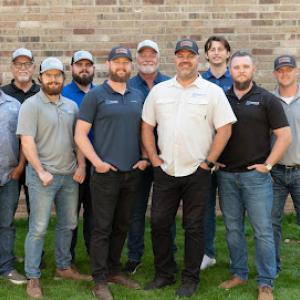
Honor Roofing & Construction is a roofing contractor in Oklahoma City serving Edmond, Oklahoma City, Nichols Hills, Yukon and nearby areas. Our roofing company offers residential roofing, commercial roofing, roof replacement asphalt shingle roofing, metal roofing, and more. We also specialize in gutter services. Customers love us because of our comprehensive roof warranties and our affordable roof financing options. We also have industry affiliations and certifications such as CertainTeed Select ShingleMaster™, IKO ShieldPRO Plus+™ Contractor, TAMKO Pro Certified Contractor and more! Contact your reliable Oklahoma City roofing company for a free estimate!
Franco Roofing
(405) 876-3731 franco-roofing.com
6708 NE 23rd St, Oklahoma City, Oklahoma
4.9 from 143 reviews
Franco Roofing is a residential and commercial roofing company. Call NOW for a free roof inspection!
1907 Roofing
(405) 768-2626 1907roofing.com
2520 NW 39th St, Oklahoma City, Oklahoma
4.9 from 258 reviews
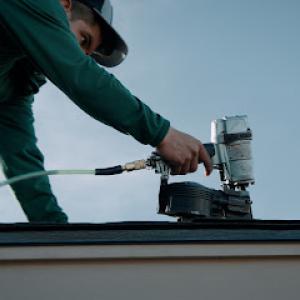
1907 Roofing provides emergency roof repairs, roof replacements, and roof maintenance for homeowners in the Oklahoma City metro. We're passionate about helping homeowners understand how to use their homeowner's insurance to get the repairs they need after a storm. Our team helps homeowners file their insurance claims and coordinates work to fix all storm damage. We'll never push you into a repair or roof replacement that you don't need. Schedule a free roof inspection with our team to get photos and an honest assessment of the condition of your roof.

McCann's Roofing & Construction
(405) 666-5927 roofingbymccanns.com
12200 N MacArthur Blvd Suite A, Oklahoma City, Oklahoma
5.0 from 70 reviews
Since 1995, McCann’s Roofing & Construction has been Oklahoma City’s trusted roofing contractor for families who want honest work and roofs built to last. Our local, family-owned team provides dependable residential roofing, roof repair, roof inspections, hail damage restoration, and full roof replacements across OKC, Edmond, and Norman. When Oklahoma storms hit, you can count on us for fast, reliable storm damage repair and service done right the first time. We’re licensed, insured, and A+ rated by the BBB, your go-to “roofer near me” for quality craftsmanship and friendly service. More than a roofing company, we’re your neighbors. Homegrown. Hardworking. Here to help, one roof, one family, one handshake at a time.
Prestige Roofing General Contractors & Construction
(405) 795-8700 www.prestigeroofing.com
8405 Woodbend Dr, Oklahoma City, Oklahoma
5.0 from 103 reviews
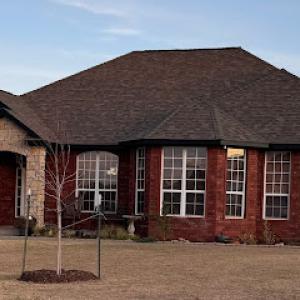
Oklahoma owned Roofing company specializing in FREE roof inspections, Roof replacements from hail damage, Roof repairs.
Asphalt shingles dominate the local market, and for good reason. The supply chain, install familiarity, and overall performance under repeated hail events and summer heat make them the most predictable choice for most homes. When selecting asphalt, prioritize impact-rated options and a staggered tab design that helps shed hail and resist wind uplift. A reinforced underlayment and a solid attic ventilation strategy further boost long-term performance in this climate. In practice, plan for an installation that uses a high-grade adhesive or laminated tabs, a durable seal-down, and a wind-rated system that matches your home's exposure. If you want a balance of ease and durability, this remains the baseline guidance you'll hear from local roofers.
Metal roofing has a visible specialist presence in the market and is often considered by homeowners trying to reduce future hail-related replacement cycles. In Oklahoma City, metal's hail resistance and high reflectivity can translate into fewer service calls after a major storm and better heat management in the hot season. When you evaluate metal, look for a standing-seam system with robust fasteners and a protective coating that resists chalking and color fade. Consider panel gauges that suit your roof pitch and a finish that minimizes thermal gain without sacrificing durability. The weight is heavier than asphalt, so ensure the existing framing can handle it and that installation follows a wind- and impact-aware approach for your exact exposure.
Tile and wood products appear in the market, but must be weighed against local hail risk, wind exposure, and the structural demands of heavier systems on existing homes. Clay and concrete tiles offer superior hail resistance in theory, yet their weight demands and potential for breakage under concentrated hail can complicate replacements on older structures. Wood shingles or shakes provide a distinct aesthetic, but they are particularly vulnerable to hail impact and moisture-related decay if not properly treated and maintained. If you pursue these options, insist on reinforced roof decks, hail-friendly fasteners, and premium underlayment. In practice, you may favor them only on newer homes with robust framing and compatible attic ventilation, or when a home's architectural character truly benefits from the look, while accepting the higher maintenance and replacement considerations after severe storms.
Across all options, the best roof aligns with wind exposure and heat performance in this market. The roof should resist uplift in strong winds, shed heat to lower cooling loads, and tolerate repeated hail without frequent repairs. Your selection should factor in existing roof slope, attic insulation, and the likelihood of a fast recovery after a major storm. If you own a home in this region, the choice that consistently delivers dependable performance with a reasonable service life remains asphalt shingles-especially when paired with a modern impact-resistant profile and a durable underlayment system.
Provided local ranges run about $300-$550 per square for asphalt shingles, $600-$1000 for metal, $1100-$1800 for clay tile, $900-$1500 for concrete tile, $700-$1200 for wood shingles or shakes, and $500-$900 for synthetic or composite shingles. Those numbers reflect the reality of storm-driven work in this market, where a standard re-roof can quickly shift when crews are booked solid after a hail event. If you're shopping, use these bands as a reality check against bids that drift outside them, and ask for a line-by-line breakdown so you can see material, waste, and labor clearly.
In Oklahoma City, hail seasons can create sudden labor and scheduling surges that push pricing and lead times higher after major storm events. Expect longer wait times for a crew to begin, and be prepared for escalation on materials if supply chains tighten. If an insurer is involved, be aware that timing tied to adjustments and approvals can add additional days or weeks to start dates. A practical approach is to authorize a clearly scoped project up front and lock in a preferred crew or contractor as soon as you have a bid you trust, rather than chasing last-minute availability.
Costs can also move based on whether the project is a straightforward re-roof or involves storm-related decking repairs, fastener replacement, or moisture issues after heavy spring rains and winter freeze-thaw exposure. If decking has sustained damage, expect add-ons that can push a project from the lower end of the range to the mid or upper end, particularly with clay or concrete tiles that require heavier handling. Moisture intrusion or missing underlayment after a winter freeze can also necessitate additional materials and moisture mitigation steps, which elevates the total price and can expand the timeline.
Choosing a higher-end material in this market isn't solely about aesthetics; it's about resilience against hail and wind. Clay and concrete tiles offer durability that can justify the higher upfront cost in a hail-prone environment, but they demand a robust roof deck and properly matched fasteners. Metal roofs provide excellent impact resistance and wind performance, often reducing the risk of recurring storm damage, but the installation demands precise workmanship to maximize lifespan. Synthetic or composite shingles can bridge cost and performance, frequently landing in the mid-range while delivering solid hail resistance. Weigh the long-term value against initial price, especially if you expect frequent hail events to recur.
Get a clear picture of your project costs upfront - no commitment required.
Honor Roofing & Construction
(405) 353-6166 honorroofingok.com
2017 Heritage Park Dr Suite A, Oklahoma City, Oklahoma
5.0 from 74 reviews
Icon Roofing & Construction
(405) 583-3704 www.iconroofingok.com
11601 S Portland Ave, Oklahoma City, Oklahoma
4.9 from 149 reviews

Statewide Roofing
(405) 790-0109 www.statewideroofing.com
5001 E Interstate 240 Service Rd, Oklahoma City, Oklahoma
4.9 from 239 reviews
When a full roof replacement is on the docket, a permit is not optional. In this market, storms leave homeowners juggling shingles and insurance timelines, but the city's rules still apply: a permit is required for a full roof replacement. Getting the permit lined up early helps prevent delays that can push your project into harsher weather or storm-response backlogs. The permit process also signals to the contractor and insurer that the project has official oversight, which matters for records and future claims.
In this city, the City of Oklahoma City Building Department is the authority on roofing permits. That department also schedules and conducts inspections, with a two-stage approach that is familiar to locals. The first inspection typically happens after tear-off and before new material goes on. This stage confirms that the roof deck is sound, that any needed structural repairs are addressed, and that the roof line and ventilation are prepared to receive the new layers. The second inspection occurs after completion, ensuring that the installation adheres to building codes and safety standards once the new roof is fully in place.
Timing matters, especially in Oklahoma City's storm-recovery periods. Inspections are not instantaneous; scheduling can take 1-2 weeks depending on department workload. In busy seasons, that window can stretch, and the project may need to pause between tear-off and installation while the inspector can fit you in. It helps to align the roof timeline with the inspection calendar from the start. A proactive contractor will anticipate the two-stage process, arrange the tear-off and material delivery to minimize wait time, and plan for weather windows that allow inspections to occur promptly.
Hail and high winds don't respect the calendar, so permit and inspection calendars should be treated as part of the project plan rather than afterthoughts. Keep a steady line of communication with the contractor about inspection deadlines and potential weather holds. In the end, sticking to the two-stage inspection framework helps ensure that the repaired roof not only looks right but also meets safety and durability expectations for the frequent Oklahoma City blows.
Oklahoma City's hot summers can push asphalt shingles to their limits, especially when the sun bakes a roof for weeks on end. The surface gets hotter than air temperature suggests, which accelerates aging and can cause early granule loss, curling, and softer spots in the mid-summer heat. During peak heat, installation work becomes a challenge too: fasteners must go in straight and seals must cure properly, but the heat can make materials more pliable and messy to handle. A roof that sits under the full afternoon sun for long stretches will show a longer-term sign of stress if ventilation isn't balanced with the attic demand. Consider scheduling high-heat tasks for the cooler parts of the day if a roof must be installed or repaired in midsummer, and verify that underlayment and flashing are compatible with rapid temperature changes.
Cold winter swings and freeze-thaw cycles in this market can affect roof decking condition and fastener performance over time. When water seeps into tiny seams or penetrations and then freezes, the resulting expansion can twist sheathing and loosen fasteners. Over multiple seasons, that cycle undermines the integrity of the roof system, particularly around vent pipes, chimneys, and ridge lines. In older homes with plywood or OSB decking, inspect for moisture stains and soft spots after a harsh winter. If rapid temperature shifts are common, a careful evaluation of fastener type, length, and pattern becomes part of routine maintenance to avoid shingle blow-off or leaks at seams.
Heavy spring rains in Oklahoma City can interrupt tear-off schedules and raise moisture-management concerns if projects are not sequenced carefully. When storms delay removal, existing shingles sit longer than planned, potentially trapping moisture and creating deck or underlayment exposure. Prolonged exposure can weaken the roof deck over time or push condensed humidity into attic spaces, inviting mold risk. For tear-offs, a staggered plan that anticipates rain windows helps keep the project on track and minimizes the chance of new leaks while work is in progress. Proper tarping, staged removal, and rapid recovery from a rain event are not optional in this climate; they are essential to protect both the structure and interior during a busy storm season.
Year-round, pay attention to venting and insulation in the attic, since heat gain and cold transfer drive material longevity. When choosing materials, consider products with strong UV resistance and reliable performance in wide temperature ranges, matched to the typical Oklahoma City exposure. Regular post-storm inspections-especially after hail or severe winds-help catch damage early, before it compounds. In this market, a neighbor's vigilance and a timely, properly sequenced response can extend the life of the roof and minimize the disruption that severe weather so often brings.
Steady hail and wind on a broad plains backdrop shape repairs on low-slope and flat sections more often than one might expect. An active group of local contractors handles these areas alongside traditional steep-slope work, especially on mixed-use properties. When a storm cluster hits, expect follow-up crews to address low-slope patches and penetrations in the same visit as broader roof repairs.
Skylights and roof penetrations become frequent leak sources after hail, wind-driven rain, and rapid temperature swings. Inspect around skylight flashing, vent pipes, and roof-to-wall transitions after a storm, even if the main roof looks intact. Look for irregular staining on ceilings, damp insulation in attic spaces, or damp underlayment near flashings. In Oklahoma City, temperature swings can force flashing seams to separate or sealants to crack, so treat these areas as high-priority during inspection.
Feature-focused work in this market often arrives as part of storm follow-up rather than isolated maintenance calls. If a hail event is recent, schedule a quick on-site assessment for low-slope sections and penetrations, then align repair timing with broader roof work to minimize repeated access and disruption. Expect roofing teams to remove and reseal flashing, reflash skylights, reseat membrane seams, and replace compromised sealants in a single visit when possible. For mixed-use properties, plan alongside interior inspections where water intrusion could appear in ceilings or mechanical rooms.
Document observed damage with dated photos, focusing on seams, penetrations, and edge details. Request a written scope that prioritizes low-slope repairs so crews can coordinate with any steep-slope replacement. Confirm materials match existing systems for flat or low-slope sections, and ensure temporary measures are in place to protect interior spaces during storm seasons.
Find specialists in TPO, EPDM, and built-up flat roofing systems for residential and commercial properties.
Patriot Roofing
(405) 996-6787 patriotroofing.com
7015 N Robinson Ave, Oklahoma City, Oklahoma
4.9 from 464 reviews
First Construction & Roofing
(405) 591-4235 firstconstructionroofing.com
1330 N Classen Blvd #110, Oklahoma City, Oklahoma
4.8 from 156 reviews
Evans Roofing
(405) 740-0697 evansroofingokc.com
1530 NW 3rd St, Oklahoma City, Oklahoma
4.8 from 59 reviews
The local market is heavily oriented toward re-roofing and storm-response work, so homeowners in Oklahoma City often compare contractors on responsiveness, cleanup practices, and insurance-process experience. A quick phone response matters after a hail event, but speed should not replace thorough damage assessment. Look for crews that can arrange a same-day or next-day inspection window and still commit to documenting every impacted area. You want a roofer who can balance rapid availability with a careful, methodical record of the damage for insurers.
Long-established and family-owned firms are a visible part of the market, reflecting homeowner preference for companies that will still be available for follow-up after storm seasons. An enduring local presence often signals a predictable service horizon-workmanship accountability, post-install support, and the ability to source replacement components years down the line. When you're evaluating bids, ask how they've handled previous Oklahoma City storm seasons, including callbacks after the initial claim and the availability of a supervisor who can walk you through any future concerns.
Free inspections and quick-response messaging are common in this city, which means homeowners should distinguish between rapid availability and the ability to document damage thoroughly for insurers. Request a written, itemized damage report with photos, measurements, and a clear explanation of which areas and roof layers are affected. An experienced storm-response roofer will provide a claim-ready summary that aligns with insurer expectations and avoids gaps that slow payments or trigger additional trips.
Clean-up is as important as the initial installation. Ask about tarping, debris removal, edge protection, and cleanup timelines. In high-wind weeks, loose debris can become as troublesome as the damage itself. A contractor who outlines a fixed cleanup plan and commits to minimizing disruption during the process will help ensure that the job doesn't spawn a second round of complaints from neighbors or insurers.