
Last updated: Apr 19, 2026
Spring storms in this area don't just test shingles-they trigger everything from insurance timing to contractor availability. Hail, wind, and tornado-season activity drive decisions more than the age of the roof ever does. In practice, that means decisions shift quickly after a big event, with many homes lining up for replacement in the same narrow windows. You'll want to plan with the storm calendar in mind, because the surge in replacements can compress scheduling, leaving some drives jammed with crews and temporary crews trying to meet demand. The moment you see substantial damage or suspect it, treat it as time-sensitive rather than a routine project to avoid getting squeezed into a less favorable window.
Edmond's insurance market is documentation-heavy. Adjusters will closely review damage photos and replacement-cost estimates, especially after hail and wind losses common here. That means the quality, scope, and timing of your documentation matter as much as the damage itself. Take clear, date-stamped photos from multiple angles: gutters, fascia, vents, chimney caps, and areas where granules are missing or shingles are cracked. If visible damage correlates with a branded roof line or a previously stressed area, flag it early in the claim. Keep a running record of weather events, service calls, and any temporary measures you implement to prevent further damage. When the adjuster arrives, you want your file to tell a precise story: what happened, when it happened, and how the roof functioned immediately after the event. The more complete the documentation, the faster the claim can move toward a replacement decision rather than a costly repair.
Replacement demand in this market often spikes after regional storm events, which can compress scheduling and push homeowners into spring or fall replacement windows. That means you may feel pressure not only from the insurer but from contractors who race to secure slots between storms and other job starts. If your roof shows widespread damage, waiting for the perfect sunny day to begin can cost you a higher risk of secondary damage-think leaks during the next round of storms or wind-driven debris causing hidden damage. Proactive steps-initiating contact with your insurer soon after a qualifying event, scheduling a professional inspection promptly, and aligning with a contractor who understands Edmond's teardown and inspection cadence-can shave weeks off the timeline. The goal is to avoid the rush that comes with a late-season storm surge and the potential for delays from HOA approvals in newer subdivisions.
You should treat the claim as a short, tight project rather than a long, drawn-out process. Start by securing a reputable local roofing contractor who has experience navigating Edmond's tear-off sequences and final inspections. Align with your insurer on the preferred scope and documented replacement-cost approach early, so you aren't caught adjusting the plan after an adjuster visit. If you belong to an HOA in a newer subdivision, secure guidance or pre-approval as soon as possible to prevent hold-ups when the replacement window arrives. Finally, keep all parties informed of changing conditions: new hail events, weather forecasts, or updated inspection findings. In this market, speed plus accuracy can determine whether you're replacing in the current season or watching another cycle roll in.
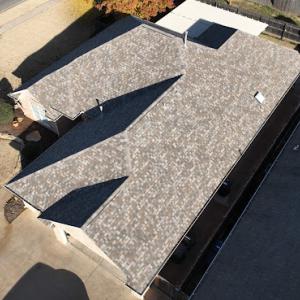
Thunder City Roofing & Construction
(405) 761-1180 thundercityroofing.com
1603 E 19th St Suite 180A, Edmond, Oklahoma
5.0 from 158 reviews
Thunder City Roofing is a trusted local roofing company serving Oklahoma City and the surrounding metro. We specialize in residential roofing services, including roof repairs, replacements, inspections, and storm damage restoration. As a locally owned and operated contractor, we take pride in delivering high-quality workmanship, durable materials, and reliable customer service. Whether you need emergency roof repair after hail, a complete roof installation, or preventative maintenance, Thunder City Roofing is here to protect your home or business year-round.
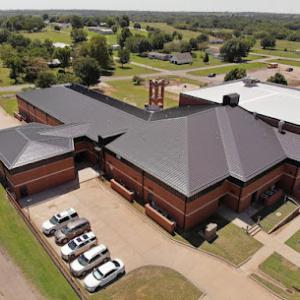
Metal Roof Contractors
(405) 359-6111 www.metalroofcontractorsok.com
5001 W Waterloo Rd, Edmond, Oklahoma
5.0 from 285 reviews
What sets our company apart is that we handle all the levels of your new roof from design to install. All of these steps happen right here in our warehouse. Designing, engineering, manufacturing and installing all takes place with our company. You don't have to worry about multiple warranties for labor and materials.
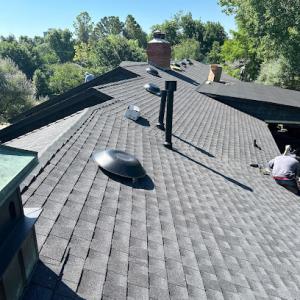
Frontline Exterior Solutions
(405) 500-7305 frontlineexteriors.com
1015 Waterwood Pkwy Suite G Unit A-2, Edmond, Oklahoma
5.0 from 117 reviews
Frontline Exterior Solutions in Edmond, OK, specializes in professional roof replacements designed to protect homes against Oklahoma’s strong winds, hail, and seasonal storms. Our team provides durable roofing solutions that address common local challenges such as storm damage, aging shingles, and energy efficiency concerns. With a commitment to quality workmanship and customer care, we help homeowners restore peace of mind while improving curb appeal. As trusted roofing contractors in Edmond, we bring experience, professionalism, and attention to detail to every project, ensuring your roof is built to last.
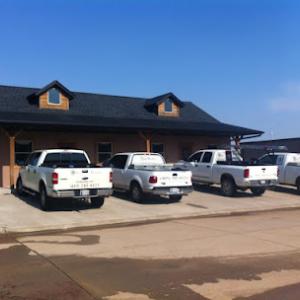
Aegis Roofing & Construction
(405) 285-0123 www.aegisroofingok.com
7785 Gold Cir Dr, Edmond, Oklahoma
5.0 from 112 reviews
Aegis Roofing and Construction, LLC offers a comprehensive range of roofing and construction services for homes and businesses in the OKC Metro area and surrounding communities. Their expertise extends beyond roof repair and replacement, encompassing gutters, windows, fencing, and painting.
Marlatt Roofing
(405) 229-9615 marlattroofing.com
14252 Cottonwood Dr, Edmond, Oklahoma
5.0 from 106 reviews
Marlatt Roofing is family owned, dedicated to service and operated with over a decade of commercial and residential roofing experience. At Marlatt Roofing we believe there is no such thing as a forty hour work week, we are there when you need us to cover what matters.
OKC Roofers
2524 N Broadway #522, Edmond, Oklahoma
5.0 from 75 reviews
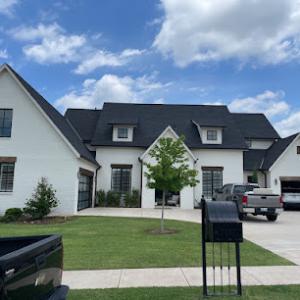
OKC Roofers, located at 2524 N Broadway #522, is your top-rated roofing contractor in Oklahoma City, specializing in expert roof repair, roof replacement, and roofing inspection services. Our skilled team ensures high-quality residential roofing, offering reliable roof leak repair and shingle roof repair to protect your home. Whether you need emergency roof repair near you or a professional roof inspection, OKC Roofers is your trusted local roofing company committed to excellence and customer satisfaction. Choose OKC Roofers for dependable and efficient solutions that keep your roof in top shape all year round.
Graco Roofing & Construction
(405) 340-7555 www.gracoroofing.com
208 NW 142nd St, Edmond, Oklahoma
4.9 from 196 reviews
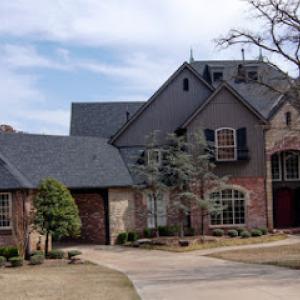
Full service roofing and construction company for both residential and commercial clientele in the Edmond and Oklahoma City metro areas.

Spartan Roofing & Construction
(405) 870-2397 spartanroofingok.com
1015 Waterwood Pkwy, Edmond, Oklahoma
5.0 from 106 reviews
At Spartan Roofing & Construction, our mission is to protect and enhance the homes of Oklahoma families by delivering exceptional construction solutions built on integrity, trust, and superior craftsmanship. We are dedicated to providing honest service, lasting quality, and strong customer relationships. Every project is a reflection of our commitment to upholding our values, and protecting those values remains our top priority. Established 2020 in Edmond, OK. Spartan Roofing & Construction is a family owned and operated business built on hometown values. We take pride in treating every home like our own while delivering honest service and a personal touch you can trust.

High Ground Roofing & Construction
(405) 252-0058 highgroundokc.com
449 NE 144th Pl, Edmond, Oklahoma
5.0 from 69 reviews
Roofing and Construction contractor Insurance Claim specialists Attic Ventilation Experts Call for a free roof inspection - get back on higher ground
Alexi Ojeda Roofing
(405) 914-4691 www.alexiojedaroofing.com
5825 Great Hampden Rd, Edmond, Oklahoma
5.0 from 68 reviews
At Alexi Ojeda Roofing, we understand the importance of having a safe and secure roof over your head. That's why we are committed to providing our customers in Edmond, OK with the best roof repair services in the area. With years of experience in the roofing industry, we have the expertise and knowledge needed to handle all your roofing needs. Whether you need a simple repair or a complete roofing solution, we are here to help. Our team of highly trained professionals is dedicated to providing you with the highest quality of service and workmanship. We use only the best materials and techniques to ensure that your roof is in top condition. Contact us today to schedule a FREE consultation.
Arrowhead Roofing - OKC
(405) 235-6000 www.arrowheadroofingokc.com
321 W 18th St Ste 160, Edmond, Oklahoma
4.9 from 119 reviews
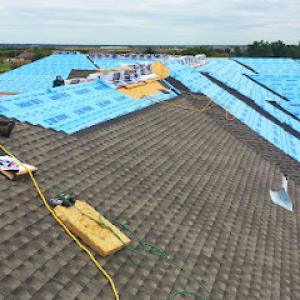
Since 1987, Arrowhead Roofing - OKC has been Oklahoma City's trusted roofing expert. As the oldest GAF Master Elite® contractor in the state, we bring decades of experience to every project, serving homeowners and businesses alike. From roof repairs and replacements to commercial roofing and storm damage restoration, our local team delivers quality craftsmanship you can depend on. We offer free roof inspections and expert guidance to protect your valuable property with asphalt shingles, metal roofing, tile, and flat roof solutions. Proudly serving Edmond, Moore, Norman, Yukon, and the greater OKC area.

I.B. Roofing & Construction
529 Doe Trail, Edmond, Oklahoma
5.0 from 60 reviews
With decades of experience since 1980, IB Roofing & Construction is a trusted veteran-lead company providing superior roofing and construction services. Their commitment to excellence and precision ensures that every project is completed to the highest standard, combining traditional craftsmanship with modern innovation. As a leading contractor in Edmond, their team of professionals guarantees a seamless and efficient experience, delivering exceptional results and building lasting relationships within the community.
A full roof replacement in Edmond typically requires a building permit through the City of Edmond Building Department. Before any roofing contractor begins removal or installation, confirm the permit is pulled in the project name, with the address clearly matching the work site. The permit sets the official timeline and ensures the work adheres to current codes, including attic ventilation, shingles installation, underlayment, and preventing damage to adjacent structures. Your contractor should submit framing and roofing plans if required and secure a permit number you can reference throughout the project.
Edmond requires mandatory inspections at tear-off and again at final completion for roof replacement work. The tear-off inspection verifies that the old roofing system has been removed down to the deck, that the deck is in sound condition, and that any roof penetrations are addressed before new materials go on. The final inspection confirms that the installed roof meets code, flashing details are correct, ventilation is adequate, and all components are properly installed. Coordinate a pre-inspection walk-through with your contractor to ensure no deferred items linger after the roof is completed.
Inspection timing in Edmond can be affected by weather, and some neighborhoods add HOA approval requirements that have to be coordinated alongside the city permit. Plan for potential delays if the HOA must review plans, color selections, or vendor credentials in addition to the city process. If an HOA is involved, establish a point of contact and a documented approval window to minimize gaps between tear-off completion and final permit clearance. Weather-related scheduling can push tear-off dates from spring storms to early summer; maintain flexibility and keep the permit active with timely inspections.
To prepare for the tear-off inspection, ensure all debris is cleared from the immediate roof area, gutters are protected, and a clear work path exists for inspectors to access the roof and attic spaces. Have the contractor present during the inspection to address any questions on deck condition, underlayment, and nailing patterns. If the deck shows signs of water damage or rot, address those issues before proceeding; the inspector will note these items for remediation as a condition of permit compliance.
For the final inspection, verify that all penetrations-vent stacks, skylights, chimneys, and dormers-are sealed and flashed correctly, that ventilation is balanced, and that attic health is preserved. The inspector will look for proper nailing schedules, shingle alignment, and clean edge detailing along rakes and eaves. Have your contractor provide documentation of warranty information, material specifications, and any micro-sheathing or insulation updates required by code. Once the final approval is granted, the permit can be closed, and the project officially completed.
In Edmond, residential roofs follow the familiar ladder of materials: asphalt shingles typically run about $350 to $800 per square, metal $600 to $1600, clay tile $1000 to $2400, concrete tile $900 to $2000, synthetic/composite shingles $550 to $1000, and slate $1700 to $3000 per square. Those ranges reflect common local options homeowners choose after hail or wind events, and they cover everything from standard two-story homes to newer builds with higher roof lines. When you're pricing, remember a "square" is 100 square feet, so these numbers scale up quickly across a full roof.
After a hail event hits the Oklahoma City metro, you'll likely see a burst of Edmond replacement work that can strain local crews and scheduling. That means estimated timelines may stretch, and crews may bid with tighter calendars than usual. If the storm is part of a broader sweep, labor availability can tighten for several weeks, pushing some projects toward later slots. It's not unusual to see material lead times lengthen for tile or slate, especially in residential cul-de-sacs or HOA-heavy neighborhoods where color and profile matching adds to the decision process.
Costs in Edmond can shift based on whether the project involves heavier materials like tile or slate, and whether HOA-driven material matching is required in certain subdivisions. If an HOA demands a precise shingle profile or color, plan for possible additional fascia or edging refinements to keep the look cohesive with neighboring homes. Tile and slate roofs bring a higher upfront price, but they also demand careful scheduling to avoid delays caused by specialty crews. In some cases, you may see a staged replacement versus a full, single-deck tear-off to align with HOA approvals or neighborhood covenants, which can affect total cost and project duration.
When storm damage is confirmed, start with a few practical checks. Get multiple written bids to compare not just price but crew timing and warranty terms. Confirm that the bid accounts for disposal and any decking prep if the existing roof has saturated underlayment or damaged sheathing. If your home uses heavier materials, discuss weight loading and scaffold access with the contractor, since this can influence both schedule and cost. Finally, if you're balancing between fast replacement and top-tier materials, map out a clear preference early-it helps the crew secure a favorable window and minimizes back-and-forth once a storm-damage decision is confirmed.
Get a clear picture of your project costs upfront - no commitment required.
Red River Roofing, Siding, & Windows
(405) 330-0025 www.redriveroklahoma.com
746 Enterprise Dr, Edmond, Oklahoma
4.7 from 551 reviews
Rose Hill Pools & Builders
(405) 562-3616 rosehillbuilders.com
15254 Lleytons Ct, Edmond, Oklahoma
4.8 from 132 reviews
Asphalt shingles remain the most common roof type in Edmond, thanks to a balance of cost, ease of installation, and compatibility with many home styles. In the Oklahoma sun, the heat exposure accelerates aging and can magnify granular loss, so you'll want shingles with high thermal stability and good UV resistance. Look for longer warranty options and impact-resistant overlays when hail is a regular concern. If you're replacing after a storm, matching the existing shingle color and profile helps maintain the neighborhood curb appeal while supporting consistent heat reflection across the roof surface. A practical approach is to favor mid- to high-slope profiles that shed hail impact energy more effectively and reduce heat buildup on attic spaces.
Metal roofs are actively installed by Edmond homeowners seeking a different response to hail and persistent heat. They perform well during wind events and tend to reflect a larger portion of radiant heat, which can lower attic temperatures in peak summer. In this market, metal often attracts attention for its durability and long service life, but attention to panel configuration and fastener sealing is crucial to prevent water infiltration after severe hail. If choosing metal, consider coatings designed for heat reflectivity and color options that minimize heat absorption. Proper underlayment and a well-sealed edge detailing are essential to maintain performance through Oklahoma's storm cycles.
Tile and slate variants, along with synthetic or composite options, appear in Edmond as premium choices. Their weight requires structural verification, especially on older homes or those with added roof loads. Breakage in hail can be a more pronounced concern with tile and slate, so selecting impact-rated equivalents or protective overlays helps. Replacement matching is another practical issue after a hail event: ensure color and texture continuity with adjacent roofs to preserve aesthetics across the street and reduce pressure on homeowners associations in newer subdivisions. Synthetic alternatives can offer a favorable balance of weight, impact resistance, and ease of repair while maintaining a high-end appearance.
In a place where the roof bears the full weight of sun from late spring through late summer, shingles and underlayment face repeated expansion and contraction. Asphalt shingles may seem fine after a season, but recurring heat can brittle the granules and early granule loss reduces UV protection. Metal roofs handle heat differently, but panels can warp or fade if they're not properly ventilated. A roof that already carries storm damage from a spring outbreak will feel the heat more acutely, accelerating deterioration of sealants and fasteners. The result is a higher risk of leaks after extreme afternoon heat events, especially where tree shade is light and nearby sidewalks reflect heat onto the surface. You should expect shorter cycles between minor repairs and a full roof replacement if heat damage compounds existing weaknesses. Proper attic ventilation and roof overhangs helps mitigate the heat load and extend the life of asphalt and composite options.
In a year with prior hail impact or aging underlayment, a cold spell can reveal or worsen hidden failures. Ice buildup at eave edges can pry shingles and tiles loose, creating windows for water intrusion when spring thaws arrive. Poor attic ventilation compounds the problem, letting warmer attic air melt snow that later refreezes on cooler roof surfaces. If a storm damaged roof was not fully restored before winter, the combination of weight from ice and repeated temperature swings can push fasteners to loosen and accelerate siding or fascia wear. During milder spells in Edmond, check attic insulation and ensure gutters shed ice and water away from the fascia.
Because Edmond sees both summer heat stress and winter weather swings, many homeowners target spring or fall for planned replacements instead of peak summer. Scheduling in these shoulder windows gives the crew time to coordinate with tear-off logistics, inspections, and any needed HOA approvals in newer subdivisions. It also reduces the risk of wind-driven debris delaying work or heat-related health risks for the crew. The goal is to finish when conditions are mild and predictable, so a replacement can weather the next hail season without exposing the interior to protracted exposure or mismatched components. Discuss timing with your insurer and adjusters so the scope matches what they expect after a hail event.
Edmond sits in an Oklahoma insurance environment with frequent hail and wind claims, so roof decisions are often tied directly to claim documentation quality. Insurers here expect a clear trail: photos that show both widespread damage and pinpointed issues, plus a replacement scope that lays out every component to be replaced and every step of the project. A vague assessment won't cut it when a full tear-off is needed after a spring storm. You will benefit from preparing a narrative that ties observed damage to the chosen roof material and to the installation plan, so the adjuster can connect the dots quickly.
Begin with wide shots of the entire roof and crowning features, then zoom into hail marks, ice dams, lifted shingles, and evidence of wind-driven gaps around vents and chimneys. Take consistency-check images over a few days if weather shifts or if branches have fallen. Document attic signs as well-shiny or stained decking, moisture odors, and visible daylight through the roof line during an attic crawl. Keep a dated photo log and label each image with a short description. In conversations, avoid relying on impressions: you need specific, observable damage that supports a scope of replacement and material choice.
A detailed scope lists each layer to be replaced, the underlayment type, ventilation plan, flashing details, and the exact roof surface area to be covered. In practice, this means a line-by-line description: shingles or panels, drip edge, roof-to-wall terminations, attic venting, and any auxiliary work like new gutters or attic insulation improvements tied to the upgrade. Provide manufacturer cut sheets for the chosen product and a rough sequence of work so the adjuster can map the claim to a concrete install plan. Verbal estimates rarely align with what the contractor will perform; formal documentation saves time.
There is no broad statewide insurer pullback pattern in Oklahoma, but some carriers may tighten coverage terms or pricing in higher-hail areas affecting renewal. In newer subdivisions, HOA approvals can add a layer of timing and documentation. Prepare a replacement scope that aligns with HOA expectations and keep communications with the HOA and insurer parallel to avoid conflicting requirements. Maintain a folder of all correspondence and updated images as the claim progresses, so the file remains coherent through tear-off and final inspection.
Connect with contractors who help homeowners navigate the claims process from damage assessment to final approval.
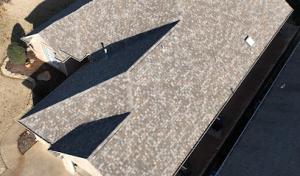
Thunder City Roofing & Construction
(405) 761-1180 thundercityroofing.com
1603 E 19th St Suite 180A, Edmond, Oklahoma
5.0 from 158 reviews
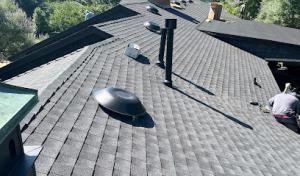
Frontline Exterior Solutions
(405) 500-7305 frontlineexteriors.com
1015 Waterwood Pkwy Suite G Unit A-2, Edmond, Oklahoma
5.0 from 117 reviews
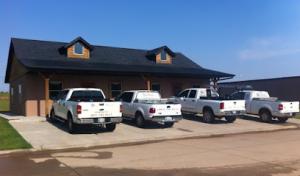
Aegis Roofing & Construction
(405) 285-0123 www.aegisroofingok.com
7785 Gold Cir Dr, Edmond, Oklahoma
5.0 from 112 reviews
While shingles remain the dominant roofing choice in this area, there is enough flat-roof and skylight work to make leak-prone transitions and penetrations a real service category locally. Skylights introduce an extra layer of potential failure points where the roofing substrate meets the glass. On mixed roofs, those seams are least forgiving, especially if the skylight flashing hasn't aged in step with the surrounding shingles. A careful, staged inspection after a storm can catch micro-leaks before they track into the attic and become visible in ceilings or walls. If a skylight is original and leaky, don't assume resealing will fix the problem long term-consider full flashing retrofit and compatible sealants designed for the local climate.
Storm-driven water intrusion in this area often turns skylights and low-slope sections into priority repair points after wind and hail events. Storm season exposes weaknesses in transitions where the roof pitches change or where roof edges meet the lower-slope plane. In Edmond, that means you should expect prompt attention to any newly observed moisture near skylights or at the junctions of a flat or low-slope rectangle with a steeper roof. When addressing leaks, prioritize the flashing details around skylights, plumbing stacks, and attic vent penetrations. Delays can allow hidden rot to advance, compounding repair costs and disturbance to interior finishes.
These details matter most on mixed-roof homes and additions where a mostly shingle roof still includes low-slope areas aging differently. The low-slope portions are often the first to show wind-driven uplift or hail denting at seams and the edges of flashing. A practical approach is to evaluate the condition of all transitions during a single inspection cycle and to document any mismatches between the aging low-slope membrane and the surrounding shingle field. When repairs are needed, aim for uniform flashing upgrades and seamless transitions that minimize future intrusion risks, rather than patchwork fixes that can fail under the next windy or wet event.
Find specialists in TPO, EPDM, and built-up flat roofing systems for residential and commercial properties.
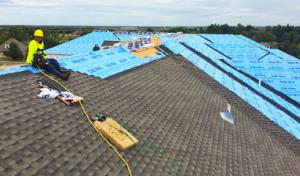
Arrowhead Roofing - OKC
(405) 235-6000 www.arrowheadroofingokc.com
321 W 18th St Ste 160, Edmond, Oklahoma
4.9 from 119 reviews
Impact Construction Group
(405) 338-7171 www.impactok.build
1318 Fretz Dr, Edmond, Oklahoma
5.0 from 77 reviews
Edmond's contractor market is heavily oriented toward re-roofing rather than niche restoration, reflecting how often homeowners hire after storm damage or age-related replacement. That means you'll encounter crews who specialize in rapid tear-off, immediate temporary tarps, and streamlined debris cleanup. Look for firms that speak openly about a multi-day plan rather than flashy one-day promises. A steady pace and clear sequencing matter because the neighborhood's post-storm scheduling can compress timelines.
In practice, the right crew will bring a consistent workflow: prompt tear-off, careful edge protection for landscaping, and a defined cleanup routine that leaves the yard spotless each day. Seek a crew with a traceable track record in your subdivision or neighborhood, and ask for a short list of recent job sites you can visit or call. Local options include long-established families, locally owned outfits, and manufacturer-certified firms-each with their own strengths. Favor firms that clearly outline their step-by-step process from tarp to final inspection, not just the sales pitch.
Ask for a written project scope that enumerates materials, anticipated weather contingencies, and a realistic sequence of daily tasks. Check references who experienced Edmond's spring storms and wind events; their responses will reveal how the crew handles wind-driven debris, tear-off discipline, and post-storm scheduling. Notice how the firm communicates changes or delays-timely updates are a telltale sign of reliability in this market.
Because storm-related timing often dominates, choose a crew that can align with your insurer's inspection window and the home's specific tear-off requirements. A dependable crew will provide a clear calendar showing start dates, expected wind-down of daily work, and contingency plans for rain or hail delays. They should coordinate with you to minimize impact on your daily routine and to protect any exterior features that aren't being replaced this cycle.
Before signing, confirm the crew's cleanup standards, edge-dkeeping for shrubs and cars, and a documented post-installation walkthrough. You want a crew whose final walk-through feels thorough, with a defined punch list and a commitment to addressing any minor gaps promptly. This is where local track record and process discipline shine, turning a storm-damaged project into a predictable, well-run replacement.