Roofing in Oklahoma
Last updated: Feb 28, 2026
Oklahoma roofs take a beating. Our summers push temperatures into the 90s and 100s, while spring hail storms can leave dents and puncture shingles. Tornado season and strong winds raise the risk of shingle blow-offs and leaks, and our seasonal swings mean materials expand and contract more than you might expect. In a state where the weather can shift from baking heat to sudden downpours in a heartbeat, a roof that's built to last is more than curb appeal—it's practical protection and energy efficiency. Balancing upfront cost with long-term durability matters here, because a sturdy roof pays you back in reliability when you need it most.
This Oklahoma page is designed to help homeowners make informed choices that fit our climate and neighborhoods. Here's a quick preview of what you'll find:
- Local Climate
- Recommended Roofing Materials for Oklahoma
- Popular Roof Styles & Architectural Trends in Oklahoma
- Average Roofing Costs in Oklahoma
- Permits & Local Regulations
- Common Roofing Problems in Oklahoma & Solutions
- Maintenance & Repair Tips for Oklahoma
- When to Repair vs. Replace
- When to hire a professional
All guidance is tailored to Oklahoma's conditions and backed by local resources—hands-on experience from area roofing pros, up-to-date local codes, city permit practices, and trusted suppliers. We'll translate weather-driven concerns into practical steps you can take, from choosing durable materials to planning maintenance, so you're prepared for Oklahoma's real-world realities. Expect clear, field-tested tips on insulation, ventilation, and protective details that help your roof stand up to hail, sun, and wind while keeping your home comfortable and costs predictable.
With that context in mind, let's start by looking at how Oklahoma's climate shapes your roof decisions.
Local Climate & Its Impact on Roofs
Oklahoma's Climate Snapshot
Oklahoma's weather swings from hot, sunny summers to chilly, variable winters. Spring brings frequent thunderstorms, hail, and strong winds. Tornadoes are a real concern during peak season, and hail can cause sudden, widespread damage to roofs and gutters. Intense sun exposure accelerates aging of roofing materials, and rapid temperature changes can stress sealants and flashing. In many regions, heavy rains and occasional flash floods test drainage systems, while winter freezes add another layer of stress through ice and snow events.
- Hail impact: Round or arcade-shaped dents, punctures, and granule loss weaken shingle protection; metal roofs can also dent or bend under large hail.
- High winds: Uplift can lift and peel shingles, disrupt flashing, and push debris under edges and valleys.
- Tornado debris: Flying branches and objects can gouge roofing surfaces and vents.
- Rapid temperature shifts: Expansion and contraction of shingles and seals can lead to cracks or uplift over time.
- Heavy rain and flooding: Poor drainage or clogged gutters can cause ponding, leaks around flashings, and water intrusion.
- Freeze-thaw cycles: Water in small cracks expands when it freezes, widening gaps and stressing materials.
Material & Design Considerations for Oklahoma Roofs
- Asphalt shingles with impact resistance: Look for Class 3–4 hail-rated shingles to better withstand hail beats and wind-driven impact.
- Metal roofing: Excellent hail and wind resistance; choose coatings with good reflective properties to reduce attic heat gain.
- Underlayment and flashing: High-quality synthetic underlayment plus corrosion-resistant flashing help resist water intrusion after storms.
- Ventilation and insulation: Proper attic ventilation prevents heat buildup in summer and reduces condensation in winter; aim for a balanced intake/exhaust approach and sufficient insulation.
- Roof pitch and drainage: A design with adequate slope and clear roof valleys helps shed heavy rains and minimizes standing water on low-slope sections.
Seasonal Impacts and Maintenance Practicalities
- Spring: After major storms, inspect for shingle damage, missing granules, or lifted edges; clear debris from gutters and downspouts.
- Summer: Monitor for heat-induced curling or blistering; ensure attic vents are free of obstruction and the insulation isn't compacted.
- Fall: Schedule a professional roof check before winter; clean gutters, inspect seals around skylights and chimneys, and address any flashing concerns.
- Winter: Watch for ice dam formation if snow accumulates; ensure adequate attic insulation and ventilation to limit warm roof zones that melt and refreeze.
Quick Action Steps for Oklahoma Homeowners
1. After severe storms, perform a visual exterior check or hire a pro to assess for hail damage, lifted shingles, or damaged flashing.
2. If replacing, prioritize impact-resistant shingles (Class 3–4) or metal roofing with durable coatings.
3. Improve attic ventilation and insulation to minimize heat buildup in summer and reduce frost risks in winter.
4. Schedule regular roof inspections every 3–5 years, and sooner if you've experienced a major storm or observed leaks.
5. Keep gutters and downspouts clear to maintain proper drainage and prevent ponding near fascia and flashing.
- National Weather Service (weather alerts and storm preparedness):
- Oklahoma Mesonet (local climate data and weather monitoring):
- Oklahoma Climatological Survey (regional weather trends and climate information):
- Oklahoma Department of Emergency Management (state-wide readiness and safety guidance):
Recommended Roofing Materials for Oklahoma
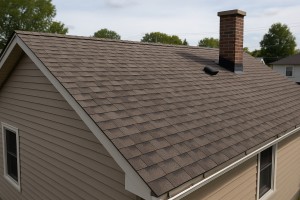
- Most Oklahoma homes rely on architectural (dimensional) asphalt shingles for a balanced mix of price, install ease, and performance.
- Pros:
- Affordable upfront cost and wide color options.
- Easy to repair and replace locally.
- Modern architectural shingles offer better wind resistance when rated.
- Cons:
- Generally shorter lifespan than metal or tile, especially in high heat and hail-prone areas.
- Traditional 3-tab shingles are more prone to wind uplift and hail damage unless specifically rated.
- What to look for:
- UL 2218 Class 3-4 impact resistance rating (preferred in hail-prone areas).
- 130–150 mph wind resistance rating.
- 30+ year warranties and a good color/energy-reflective option.
- Quick installation notes:
- Pair with a quality synthetic underlayment and an ice/water shield in valleys and eaves.
- Ensure proper attic ventilation and roof deck inspection before installation.
Impact-Resistant Shingles (Class 3–4)
- Also called hail-resistant shingles, these are asphalt shingles designed to endure hail impact better than standard shingles.
- Pros:
- Superior hail performance can reduce damage and may lower insurance premiums.
- Still relatively easy to install and maintain like standard asphalt.
- Cons:
- Higher upfront cost than basic asphalt shingles.
- Not all homes or insurers offer discounts; verify local terminology and ratings.
- How to choose:
- Look for UL 2218 Class 3 or 4 rating on the product packaging.
- Confirm wind resistance and warranty terms.
- Check with your insurer about potential discounts for hail-rated shingles.
- Practical tips:
- If you're in a high-hail zone, pair with sturdy underlayment and ensure secure attic ventilation to prevent heat buildup.
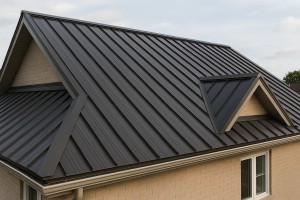
- Metals (steel or aluminum) with standing seam or interlocking panels perform exceptionally in Oklahoma's climate.
- Pros:
- Excellent hail resistance and wind uplift performance.
- Very long life (often 40–70 years) and fire resistance.
- Reflective/cool-roof options can reduce cooling costs.
- Cons:
- Higher upfront cost and specialized installation.
- Potential noise during heavy rain if not properly insulated.
- Best applications:
- Homes in exposed, high-wind areas; barns or sheds; roofs with complex shapes that benefit from standing-seam continuity.
- Care tips:
- Inspect for loose fasteners after severe weather.
- Choose a color with good solar reflectance to maximize energy savings.
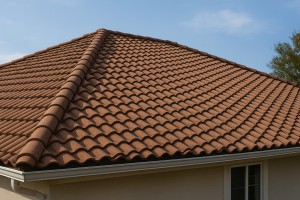
- Tile can provide a distinctive look and excellent thermal performance, but it's less common in Oklahoma unless the home is designed for it.
- Pros:
- Very long lifespan and good solar reflectivity.
- Excellent fire resistance and wind performance when properly installed.
- Cons:
- Heavy; requires a reinforced structural deck and professional assessment.
- Brittle tiles can crack under hail or heavy impact; replacement can be costly.
- Higher installation cost and more complex maintenance.
- When to consider:
- If you're pursuing a premium look and have a strong structure, or if local contractors regularly install tile on similar homes.
- Important notes:
- Builders should verify roof framing, deck support, and proper barrier underlayment for tile systems.
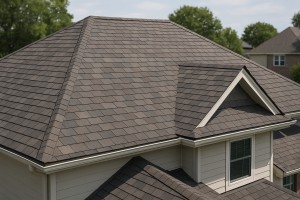
- Modern synthetic shingles mimic wood, slate, or shake while offering improved durability in heat and hail.
- Pros:
- Strong hail resistance and lighter weight than real slate or concrete.
- Low maintenance and good impact resistance with proper product choice.
- Cons:
- Brand and quality variation; price varies widely.
- Long-term performance depends on installation quality and warranty terms.
- How to pick:
- Choose products with proven field performance in your region and solid warranties.
- Ensure compatibility with your roof's ventilation and deck.
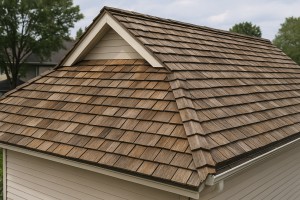
- Aesthetic-conscious homeowners sometimes choose wood for a natural look, but Oklahoma's climate adds maintenance considerations.
- Pros:
- Attractive, rustic appearance and good insulation when well maintained.
- Cons:
- High maintenance (staining/sealing), susceptibility to rot, insects, and fire risk without treatment.
- Not ideal in fire-prone or hail-heavy neighborhoods without fire-treated options.
- Use when:
- You have a cedar-friendly climate, proper clearance from trees, and a plan for ongoing maintenance and fire safety compliance.
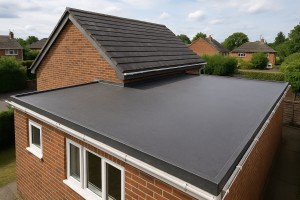
- For low-slope sections, garages, or outbuildings, flat roof membranes are a practical choice.
- Pros:
- Good weather resistance, reflective options, and straightforward repair paths.
- Typically good energy performance and long-term warranties.
- Cons:
- Punctures or seam issues can occur if you have heavy foot traffic or sharp impacts.
- Tips:
- Ensure proper slope to drain and select a reflective TPO for Oklahoma's sun exposure.
- Hire installers with proven flat-roof experience and reliable seam warranties.
Popular Roof Styles & Architectural Trends in Oklahoma
Roof Styles Common in Oklahoma
- Gable roofs: Simple and cost-effective, they shed rain well but need solid wind bracing in Oklahoma's severe weather. Pair with sturdy underlayment and proper venting for best performance.
- Hip roofs: A favorite for Oklahoma homes because their slopes resist strong winds better than traditional gables. They're common on craftsman, ranch, and newer farmhouse designs.
- Cross gables and Dutch gables: Add architectural interest and attic space without sacrificing wind performance when designed with reinforced bracing and quality fasteners.
- Shed roofs and single-slope additions: Offer a modern look and straightforward installation. They're practical for sunrooms, porches, or additions, especially on barns or rural homes.
- Gable-on-hip and mixed styles: Many Oklahoma houses blend roof types to balance airflow, drainage, and curb appeal. Proper framing and weatherproofing are key for longevity.
Materials & Construction Trends in Oklahoma
- Asphalt architectural shingles: The workhorse of Oklahoma roofs. Dimensional/architectural shingles provide depth, better wind uplift ratings, and improved hail resistance when Class 4 options are chosen.
- Standing-seam metal roofs: Extremely popular for hail resistance, wind performance, and long life. They reflect heat, shed snow (where applicable), and come in colors that resist fading with sun exposure.
- Concrete and clay tiles: Heavier and more expensive, but durable and fire-resistant. Used selectively on certain styles or renovations; require structural assessment and careful installation to handle Oklahoma's freeze-thaw cycles.
- Synthetic shakes and shingles: Lightweight, with good hail resistance and varied textures that mimic wood or slate. A practical middle ground when the look of shakes is desired without the maintenance risk.
- Durability emphasis: Across OK, homeowners increasingly favor impact-resistant shingles (Class 4) and wind-rated underlayment to reduce weather-related claims and improve long-term performance.
Architectural Trends Shaping Oklahoma Homes
- Craftsman and bungalow influences: Wide eaves, exposed rafter tails, tapered columns, and natural materials. These styles commonly feature low-to-mid pitch roofs with generous overhangs that shade walls in heat.
- Farmhouse and modern farmhouse: Large front porches, wide porches, and mixed materials (siding with metal or shingle accents). Rooflines emphasize practical, low-maintenance forms with strong curb appeal.
- Ranch and prairie styles: Emphasize long, low silhouettes and simple rooflines. Metal accents and clean lines are common, blending with Oklahoma's plains and skies.
- Prairie and Mission influences: Low-profile, broad rooflines with deep overhangs that protect from sun and rain while delivering a timeless, expansive look.
Practical Considerations for Oklahoma Roofs
- Wind uplift and hail resistance: Oklahoma's hail season plus tornado winds mean you should prioritize wind-rated shingles, quality underlayment, and strong anchor points for gutters and fascia.
- Ventilation and attic health: Proper soffit, ridge, and attic ventilation reduces heat buildup and extends shingle life, especially in hot summers.
- Energy efficiency: Reflective or cool-roof options and lighter color palettes help reduce attic temperatures and cooling costs in Oklahoma heat.
- Insurance implications: Impact resistance and informed upgrades can affect premiums; verify what your insurer requires for hail or wind-damage coverage.
Maintenance & Seasonal Prep
- After a severe storm: Inspect for cracked, lifted, or missing shingles and check for dented metal panels or loose fasteners.
- Regular care: Clean gutters and downspouts, remove leaf litter from valleys, and ensure flashing around chimneys and vents remains intact.
- Visual checks: Periodically review roof edges, overhangs, and fascia for signs of wear or moisture intrusion.
- Professional inspections: Schedule a professional roof inspection every 3–5 years, or sooner after severe weather, to catch issues before they escalate.
Average Roofing Costs in Oklahoma
Typical cost ranges by material
- Asphalt shingles (3-tab): $4.50–$6.50 per sq ft installed ($450–$650 per square)
- Architectural asphalt shingles: $5.50–$7.50 per sq ft installed ($550–$750 per square)
- Metal roofing (steel or aluminum): $7.50–$12 per sq ft installed ($750–$1,200 per square)
- Concrete/stone-coated tile: $12–$20 per sq ft installed ($1,200–$2,000 per square)
- Wood shakes/shingles: $6–$9 per sq ft installed ($600–$900 per square)
- Flat roofs (EPDM, TPO): $5–$9 per sq ft installed ($500–$900 per square)
Note: Clay tile and slate are less common in Oklahoma due to weight, heat, and wind considerations. When used, they push costs significantly higher and may require additional structural work.
Factors that drive cost in Oklahoma
- Roof size and pitch (steeper roofs and larger homes cost more)
- Roof complexity (dormers, multiple valleys, chimneys, skylights)
- Tear-off vs. overlay (full replacement with tear-off is typically more expensive but cleaner)
- Material choice (premium shingles and metal tiers raise price)
- Local labor rates and availability (storm seasons can affect pricing and scheduling)
- Permits, disposal, and upgraded underlayment (ice/wreeze protection, synthetic underlayment)
- Wind and hail resistance requirements (Class 4 impact-resistant shingles add cost but may influence insurance)
Quick estimate steps (how to plan)
1. Determine rough roof area (length × width × number of planes) and factor in slopes.
2. Choose a material and grade (3-tab vs architectural, metal, tile, etc.).
3. Decide if you'll tear off existing roofing or overlay, and include disposal fees.
4. Add 10–15% contingency for weather days, permit delays, or hidden damage.
5. Request quotes that itemize materials, labor, tear-off, disposal, underlayment, and warranties.
Local considerations and Oklahoma-style roofs
- Climate-driven choices: Oklahoma's hail and wind risk makes impact-resistant shingles (Class 4) and proper wind uplift design common; they cost more upfront but can save on insurance and long-term maintenance.
- Style and architecture: Many Oklahoma homes feature gable or hip roofs with varying pitches. Steeper or more complex designs increase labor and material waste, shifting costs higher.
- Energy and comfort: Lighter-colored or reflective shingles and metal roofs can reduce cooling loads in hot summers; consider long-term energy savings when comparing options.
- Storm readiness: After severe weather events, demand for roof work rises; waiting times and material availability can affect pricing and scheduling.
- Local incentives and codes: Some municipalities have specific ventilation, attic insulation, or ice dam protection requirements that influence underlayment and installation costs. Check with your roofer about code-compliant options and any permit fees.
Permits & Local Regulations
Do I need a permit to reroof in Oklahoma?
- In most Oklahoma cities, a building permit is required for a full roof replacement. Some rural or unincorporated areas may not require a permit for a straightforward reroof, but you should verify with the local authority.
- The permit process ensures the new roof materials and installation meet current code, and that proper ventilation, underlayment, and fastener methods are used.
- Insurance after a hail or wind damage claim often hinges on having an active permit and passing required inspections.
Where to apply
- Start with the local building department: city hall in incorporated towns, or the county building department in unincorporated areas.
- Have handy:
- Property address and, if needed, tax ID
- Estimated scope (new shingles, decking work, fascia/soffit, venting changes)
- Contractor information (name, license number if required)
- Ask about:
- Permit fees and whether plan review is required
- Required inspections and typical timelines
- Any contractor licensing or local registration requirements
What inspections should I expect
- Common inspections include:
- Rough/underlayment and decking checks (if structural work is involved)
- Final inspection to verify completion and code compliance
- Some jurisdictions require inspections after each major phase; schedule promptly to avoid delays.
- If inspectors find issues, you'll usually need a re-inspection after corrections are made.
DIY vs. professional
- If you hire a licensed contractor, they should pull the permit and handle scheduling inspections (which helps keep the project compliant and on track).
- Check local rules on contractor licensing. Some Oklahoma towns require a local business license or registration in addition to any state credentials.
- If you DIY, you're still responsible for obtaining the permit (if required) and meeting all code requirements. Many areas allow homeowners to perform roofing on their own property, but permit and inspection rules still apply.
- Regardless of who does the work, ensure:
- Proper underlayment and ventilation
- Wind-resistant shingle installation and correct nailing patterns
- Proper flashing around chimneys, valleys, and skylights
Special considerations for Oklahoma
- Wind and hail exposure: Some zones have wind-related requirements (nailing schedules, underlayment specifics) embedded in local amendments. Check your AHJ's wind-resistance requirements.
- Insurance and claims: Filing an insurance claim often goes smoother when a permit is opened and inspections are completed.
- HOA and neighborhood rules: Many communities impose color, material, or installation timelines. Obtain HOA approvals before ordering materials or starting work.
Quick starter checklist
1) Call your local building department and confirm whether a permit is required for a full roof replacement, and if plan review or structural inspections are needed.
2) Gather basic project details: address, tax ID, scope, and your contractor's license/registration info.
3) If a permit is required, submit the application, pay fees, and book the first inspection.
4) Verify your contractor pulls the permit (or confirm you're authorized to proceed if you plan to DIY and it's allowed locally).
5) Before starting, confirm material specs (wind-resistance, underlayment type) and ensure all flashing, venting, and ventilation requirements are set.
6) Keep a calendar for inspection dates and be ready for any corrective work if inspectors flag issues.
Common Roofing Problems in Oklahoma & Solutions
Severe Weather and Wind Damage
Oklahoma's spring and early summer bring frequent severe weather, including straight-line winds and tornadoes. Wind can lift shingles, loosen flashing, and push water into seams.
- Signs to look for: missing shingles, lifted edges, exposed fasteners, granule piles in gutters, and chipped edges on siding near the roof line.
- Solutions in steps:
1) Document damage with photos after a storm.
2) Protect indoors with a temporary tarp or cover to slow leaks.
3) Schedule a professional inspection to identify loose nails, flashing gaps, and soffit damage.
4) If needed, file an insurance claim quickly and arrange professional repairs or reroofing with wind-rated materials.
Hail Damage to Shingles
Hail is a frequent Oklahoma culprit, often leaving bruises that aren't visible from ground level. Over time, bruising accelerates granule loss and roof aging.
- Signs to look for: dark bruises on shingles, vesicles or pitting, accelerated granule loss in gutters, dented vents and metal fixtures.
- Solutions in steps:
1) Have a roofing expert inspect after a hail event, even if there are no obvious leaks.
2) Assess patching vs full replacement; widespread bruising usually warrants replacement.
3) Check with your insurer about a hail claim and whether impact-resistant shingles are appropriate for your home.
4) When replacing, consider IR shingles and upgraded underlayment to improve future hail resistance.
Roof Leaks and Moisture Intrusion
Leaks often come from aging seals, damaged flashing, or penetrations around vents and chimneys.
- Signs to look for: water spots on ceilings, mold or musty attic spaces, stained rafters, damp insulation.
- Solutions in steps:
1) Trace leaks to the source from the attic side; look at flashing seams and around penetrations.
2) Dry and clean the area; seal small gaps and replace damaged shingles.
3) Repair or replace flashing with corrosion-resistant metal; reseal around vents and chimneys.
4) Upgrade underlayment and improve attic ventilation to reduce future moisture.
Wind Uplift and Shingle Lift
High Oklahoma winds can lift and tear shingles, especially along edges and ridges.
- Signs to look for: lifted tabs, edge curls, shingles fluttering in breeze, and visible nail heads.
- Solutions in steps:
1) Confirm a proper nailing pattern and secure exposed edges.
2) Use wind-rated shingles and sealant at margins as recommended by the manufacturer.
3) Schedule re-nailing or full reroofing if widespread uplift is evident.
4) Maintain edge metal and ridge caps to resist wind pressure.
Ice Dams and Winter Moisture
Though Oklahoma isn't perpetually snowy, winter freezes and temperature swings can cause ice dams in extreme years.
- Signs to look for: icicles, water between shingles, attic condensation in cold snaps.
- Solutions in steps:
1) Improve attic insulation and ensure venting to reduce heat in the attic.
2) Consider heat cables only where necessary and per code.
3) Keep roofs clear of heavy snow with a roof rake when safe, and ensure proper melt-off pathways.
Rapid Temperature Swings and Shingle Curling
Summer heat followed by cool nights can cause shingles to curl or cup.
- Signs to look for: curling edges, cupped shingles, and loose granules after heating cycles.
- Solutions in steps:
1) Install thicker architectural shingles for better rigidity.
2) Ensure continuous attic ventilation and radiant barrier as needed.
3) Conduct regular inspections to catch curling early and prevent leaks.
Gutter Problems and Water Overflow
Clogged or sagging gutters push water toward the fascia and roof deck.
- Signs to look for: overflowing gutters, sagging sections, water stains on soffits.
- Solutions in steps:
1) Clean gutters and downspouts; remove debris twice a year.
2) Ensure proper slope and install guards if warranted.
3) Extend downspouts away from the foundation and into drainage paths.
Chimney and Flashing Issues
Flashing around chimneys is a common leak point if seals degrade.
- Signs to look for: dark staining along the chimney line, dampness in the attic near the chimney, cracked masonry.
- Solutions in steps:
1) Inspect and, if needed, reflash the chimney with corrosion-resistant metal.
2) Repoint brick where mortar has deteriorated.
3) Seal seams and joints; test for leaks after rainfall.
Structural Deck Problems (Rare)
A compromised deck can lead to sagging or uneven roof lines.
- Signs to look for: visible sag, soft spots, or creaking rafters.
- Solutions in steps:
1) Engage a licensed structural engineer for assessment.
2) Reinforce or replace damaged framing; avoid delaying repairs.
3) Plan reroofing only after structural integrity is restored.
Maintenance & Repair Tips for Oklahoma
Seasonal Roof Checkups
Oklahoma swings from blazing heat to fierce storms, so a practical, regular inspection plan saves headaches later. Do a quick ground-level check after big weather events, then schedule a deeper inspection at least twice a year.
- Spring: Look for hail marks or dented shingles, granule loss in gutters, and loose flashing around chimneys and vents. Trim overhanging branches and clear debris from valleys and gutters.
- Summer: Verify attic ventilation is working (soffit intake and ridge exhaust), remove any roof debris, and watch for curling or fading shingles from sun exposure.
- Fall: Inspect for loose nails, lifted shingles, and damaged flashing before winter storms arrive. Clean gutters, reseal around skylights, and ensure downspouts drain water away from the foundation.
- Winter: Monitor for ice dams or sleet buildup. If safe, remove light snow with a plastic roof rake from the ground. Keep vents unblocked and check interior ceiling patches for signs of leaks.
Common Oklahoma Roofing Issues
Oklahoma's climate makes certain problems more likely. Knowing the red flags helps you act fast.
- Hail damage and granule loss: Dented shingles, irregular color, or dark spots. Can lead to leaks after a storm.
- Wind uplift: Loose or missing shingles, exposed nails, or bent flashing along edges and ridges.
- Heat and sun exposure: Faster aging of asphalt shingles, cracking, and accelerated granule shedding.
- Debris and pests: Tree limbs, nests, or debris in valleys that trap moisture.
- Water intrusion around penetrations: Plumbing vents, chimneys, skylights, and vent stacks are common leak points after storms.
Maintenance Tasks You Can Do
Small, proactive tasks pay off with fewer leaks and longer roof life.
- Clean gutters and downspouts at least twice a year; ensure water flows 5–6 feet away from the house.
- Inspect attic insulation and ventilation; aim for a balanced system to reduce heat buildup that can age shingles.
- Check for exposed nails, loose flashing, and sealant failures around chimneys, vents, and skylights; reseal as needed with appropriate sealants.
- Remove leaves, pine needles, and roof debris; keep valleys clear to prevent moisture pooling.
- Look for curling, blistering, or missing shingles; flag areas that may need re-nailing or replacement.
- Inspect roof penetrations and seal around vent boots; replace damaged boots or flashing if you notice leaks.
Quick Repair & Safety Tips
For DIY fixes, focus on temporary, non-harmful measures and know your limits.
1) Safety first: use a sturdy ladder, fall protection, gloves, and non-slip shoes. If the roof is steep or wet, skip DIY and call a pro.
2) After a storm, control leaks temporarily: place a bucket under the leak, catchment water, and protect interior finishes from further damage.
3) Minor leaks with flashing issues: apply roofing cement or silicone sealant to seal small gaps; do not rely on caulk alone for major flashing failures.
4) Temporary tarping: if a large damaged section is exposed, cover with a tarp and secure edges with nails or stones to shield from rain; arrange a professional repair soon.
5) Re-nailing and shingle repairs: for loose shingles, re-nail with corrosion-resistant nails placed below the shingle's cutout; seal nail heads with roofing cement. If shingles are severely curled or torn, replacement is usually best handled by a pro.
6) Flashings and vents: reseal around chimney and vent flashing with compatible sealant; if flashing is cracked or detached, have a pro re-flash to prevent leaks.
When to Call a Pro
Some issues are best left to a trained roofer.
- Extensive hail damage, large curled areas, or missing shingles across a wide swath.
- Leaks near chimneys, skylights, or plumbing vents that persist after a temporary fix.
- Roofs with steep pitches, complex layouts, or signs of structural damage.
- After natural disasters or strong storms where multiple panels or sections are damaged.
When to Repair vs. Replace
Quick decision guide
- Localized issues on a roof under 15–20 years old: repair is often the most economical choice.
- Extensive damage, or a roof approaching the end of its expected life: replacement usually makes more sense.
- In Oklahoma's hail-prone climate, widespread granule loss, punctures, or curling across many areas typically points to replacement rather than piecemeal repairs.
Oklahoma climate realities
- Hail, high winds, extreme heat, and fast temperature swings accelerate wear. If you see cracking, bruising, or missing granules after a storm, start with a professional assessment.
- Heat and sun exposure can soften underlayment and warp decking. If the deck feels soft in multiple spots or the attics shows persistent moisture, replacement may be needed.
- Oklahoma winters aren't mild everywhere. Ice damming is less common than in northern climates, but prolonged moisture intrusion can still damage decking and rafters, pushing toward replacement when decking is compromised.
When to repair
- Leaks or de-lamination are isolated to a small area around flashing, vents, or valleys.
- A few shingles are curled, cracked, or missing, but the rest of the roof shows good condition and there's plenty of life left in the remaining material.
- The roof decking feels solid; no widespread sagging or soft spots.
- Your budget is tight and the damage won't compromise structural integrity or insulation in the near term.
When to replace
- Damage covers a large portion of the roof (often 30–40% or more) or multiple storm events have caused repeated leaks.
- The roof is older (material-dependent): asphalt shingles typically show their age around 20–25 years, metal 40–70 years, tiles even longer, and most Oklahoma homes fall into the asphalt range.
- Significant shingle curling, cupping, cracking, or granule loss across the roof; you're seeing exposed felt or debris in gutters from granular shedding.
- The decking shows rot, soft spots, or signs of mold/mildew; repairs won't restore long-term performance.
- There are multiple old roof layers, or structural concerns like sagging or warped decking.
- Upgrading to better insulation, ventilation, or energy-efficient materials is a goal, and replacement helps you achieve the improvement.
Insurance and warranties ( Oklahoma-specific)
- Hailstorms are common enough in Oklahoma that many policies cover substantial wind/hail damage, but deductible terms and depreciation holdbacks vary. Document damage promptly and work with a roofer who can guide you through insurance claims.
- Check roof warranties (shingle, underlayment, and workmanship). Replacement may unlock newer warranties, while repairs may not extend the overall warranty life.
- Some municipalities require permits for roof work. Verify local codes before starting, especially if you're upgrading materials or adding ventilation.
Step-by-step decision process
1. Schedule a professional inspection after a storm. Request a written assessment detailing area affected, decking condition, and remaining useful life.
2. Compare repair vs. replacement costs using multiple bids (aim for at least 3).
3. Evaluate the roof's age, material type, and existing warranties.
4. Consider insurance coverage, deductibles, and potential claim timelines.
5. Factor in energy efficiency and ventilation improvements if you're leaning toward replacement.
6. Decide based on long-term value: preserve or upgrade your home's protection and efficiency.
Practical considerations for Oklahoma homeowners
- Local weather patterns favor durable, properly vented roofs. If you're unsure, err on the side of replacement when damage is widespread or life expectancy is near the end.
- Keep a log of storm exposure and repairs for future claims or resale discussions.
- Use a licensed, insured roofer with Oklahoma experience who can clearly explain material options, expected lifespan, and maintenance needs.
When to Hire a Professional
Urgent damage or leaks
- If you notice active leaks, ceiling staining, or dripping inside the house, call a pro right away. Oklahoma's weather can worsen small leaks quickly during heavy rain or wind events.
- Visible shingle damage after a storm (missing, curling, dented, or exploded granules) or daylight flashing in the attic means you need an inspection before further damage occurs.
Post-storm or hail storm scenario
- After a major hail storm or strong winds, it's smart to have a licensed roofer assess the roof within 1–2 weeks. Hail damage can be hidden, and a prompt inspection helps you document the scope for insurance.
- If your insurer has already opened a claim, a professional can provide an objective scope, help identify latent damage (vent stacks, flashing, underlayment), and prevent under- or over-claiming.
- You're considering or have filed an insurance claim for wind or hail damage. A contractor can confirm covered work, coordinate with the insurer, and ensure the project aligns with your policy requirements.
- If an adjuster has already inspected, a pro can translate the findings into a solid, executable repair or replacement plan with proper materials and workmanship standards.
How to evaluate a roofing contractor (step-by-step)
1) Verify license and insurance
- Confirm the contractor is properly licensed in Oklahoma and holds active status with the Oklahoma Construction Industries Board (CIB).
- Request current certificate of general liability and workers' compensation insurance; call the insurers if needed to verify coverage.
2) Check local references and past work
- Ask for recent Oklahoma projects, especially in your city or nearby areas. Request photos and speak with past customers about reliability, cleanup, and if deadlines were met.
3) Details of materials and workmanship
- Inquire about shingle brands, underlayment, ventilation, flashing, and insulation. Make sure the plan includes proper attic ventilation and a complete flashing package to resist Oklahoma winds and hail.
- Ask about the warranty: manufacturer warranty on materials and a workmanship warranty from the contractor (typical ranges vary; get specifics in writing).
4) Get written estimates and compare scope
- Require a detailed written proposal that lists every task (tear-off, disposal, nails, flashing, attic ventilation, permit fees, timelines).
- Compare not just price but scope, quality of materials, and whether debris removal and site cleanliness are included.
5) Permits, inspections, and timelines
- The contractor should pull the necessary building permit and schedule required inspections. Verify who coordinates the inspections and what happens if issues are found during an inspection.
Red flags to avoid
- High-pressure sales tactics or insisting on a signed contract on the spot.
- Requests for large upfront deposits (common practice is a modest, staged payment schedule).
- Pressure to sign with a “storm chaser” or a company with no local address or testy references.
- Refusal to provide a written estimate or to show current licenses and insurance.
Oklahoma-specific considerations
- Licensing and oversight: Always confirm license status with the Oklahoma Construction Industries Board (CIB) at cib.ok.gov and ensure the contractor is in good standing.
- Permitting: Most Oklahoma cities require a roofing permit; a reputable roofer should pull the permit and coordinate inspections. Check with your local building department if you're unsure.
- Climate-aware choices: Oklahoma's hail and wind risk makes Class 4 impact-resistant shingles an attractive option and can influence insurance discounts. Ensure proper installation to preserve any warranty or insurance benefits.
- Local presence: Favor contractors with a verifiable local address and a stable business office. This helps with long-term support, warranty service, and scheduling after storms.
Putting A Lid On It: Roof Maintenance, Repair, and Replacement in Oklahoma
Oklahoma's climate pattern tests roofs in many ways: scorching sun, freezing nights, heavy rain, hail, and strong winds. Regular, proactive maintenance helps prevent surprises and saves money in the long run.
A strong roof isn't just about shingles; it's about a well-vented attic, solid underlayment, and sturdy flashing. A little routine care now keeps leaks at bay and supports energy efficiency. With the right approach, you protect your home from weather, improve comfort, and extend the life of your roof.
Seasonal quick-checks
- Spring: After winter's freeze-thaw cycles, inspect for hail or wind damage. Look over edges of shingles, flashings around vents and chimneys, and clear clogged gutters. Check attic vents to ensure proper airflow.
- Summer: Watch for heat-related wear—curling, shrinkage, or blistering of shingles. Ensure attic ventilation remains robust and insulation is evenly distributed. Trim overhanging branches to reduce debris and possible impact during storms.
- Fall: Clean gutters and downspouts, inspect flashing and penetrations, and seal any small leaks you find. Plan ahead for fall storms and ensure the roof is in solid shape before winter.
- Winter: Be mindful of ice dams and shingle brittleness. Keep attic temperature consistent with adequate insulation and ventilation to minimize new leaks. If ice dams form, address them safely or call a professional.
Post-storm care
- After a hail or wind event, inspect the roof from safely on the ground and, if needed, from a ladder. Look for granule loss, dark patches, lifted edges, or dented metal.
- If you see leaks, damaged flashing, or wide-spread shingle damage, consult a licensed roofer to assess the extent and determine repair versus replacement.
Repair or replace? A practical guide
- Minor damage on a relatively new roof can often be repaired.
- Widespread wear, curling shingles, or recurring leaks across multiple areas usually signal replacement may be the most cost-effective option.
- Asphalt shingles typically last 15–30 years, while metal roofs can extend 40–70 years with proper care. Your local climate and tree cover influence these timelines.
Choosing a trusted pro
- Verify licensing and insurance, ask for written estimates, and request references and recent project photos.
- Look for warranties that cover both materials and workmanship, and ensure the contractor follows local codes and best practices.
A bright, sturdy future
With attentive care and thoughtful material choices, Oklahoma homes can ride out fierce weather while remaining comfortable and efficient. You're part of a community that values solid roofs and safer, warmer homes. Here's to many worry-free years under a beautiful, enduring roof that stands up to our skies—and to the help and pride we share as neighbors.
